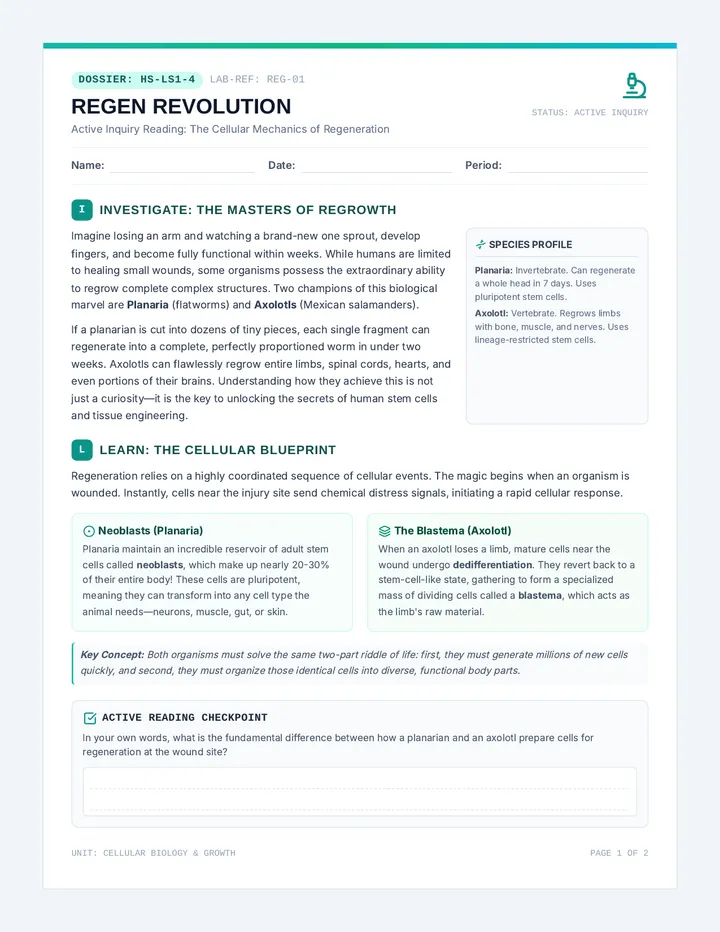
Green Stage Slides Green Stage Slides
Principles of Ecoscenography
The Shadow of the Spectacle
"The average Broadway production produces roughly 50-100 tons of scenic waste during strike."
Most of this material—lauan, expanded polystyrene, and PVC—ends up in landfills within hours of the final curtain.
Why do we accept this as the cost of art?
Carbon Footprint Analysis
Materials (65%)
Transport (20%)
Energy (15%)
Typical Carbon Allocation in Mid-Size Productions
What is Ecoscenography?
Co-Creation
Recognizing that humans and the environment are equal partners in the creative process.
Celebration
The design shouldn't just be 'less bad'—it should actively regenerate or celebrate biological systems.
Circularity
Ensuring every scenic element has a documented life before and after the performance.
"Ecoscenography is the integration of ecological thinking into all stages of theater-making." — Tanja Beer
The Problem with 'Strike'
Traditional strikes are focused on speed and clearance . They are the antithesis of careful deconstruction.
Traditional Strike
Mixed-material disposal
High use of glues/screws
Destruction for removal
Deconstruction Plan
Material separation at source
Mechanical fasteners only
Re-integration protocols
Seminar Discussion
Based on this week's readings from the Journal of Sustainable Performance Design , address the following:
How does aesthetic integrity clash with sustainable practice?
Is 'Theatricality' inherently wasteful?
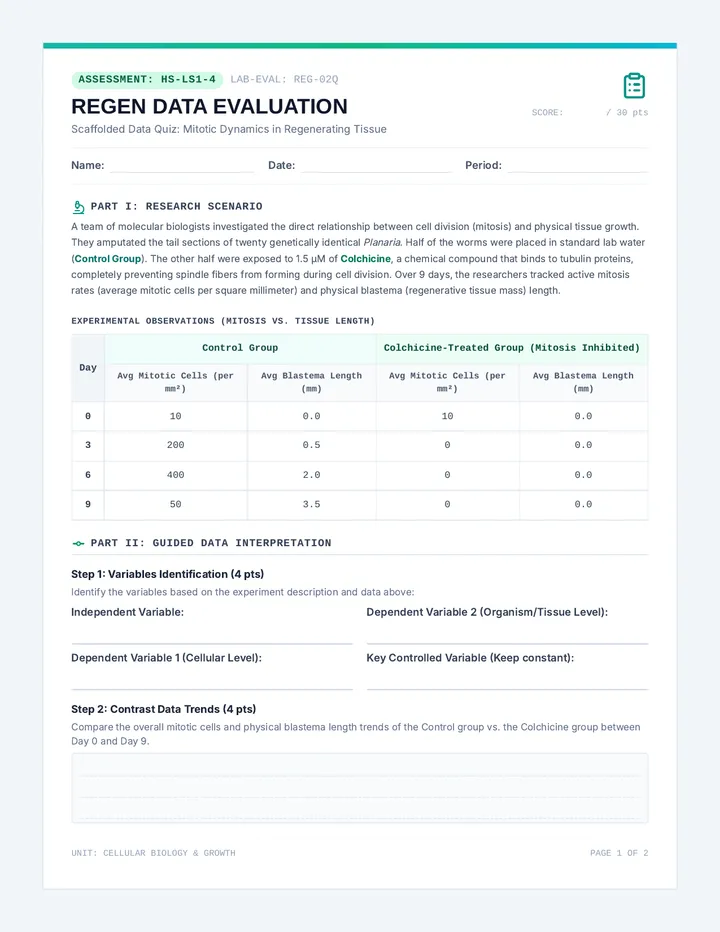
Production Audit Worksheet Production Waste Audit
Lesson 01: Principles of Ecoscenography
Student: __________________________________
Date: __________________________________
Course: __________________________________
Objective
Perform a retrospective environmental audit of a past theatrical production. Identify the primary material drivers of waste and toxicity. Use this data to establish a baseline for your future ecoscenographic interventions.
01
Production Profile
Production Title
Venue Type / Size
Estimated Budget (Materials)
Run Length (Performances)
02
Material Inventory & Toxicity Audit
List the top three material groups used in this production and evaluate their environmental impact.
Material Component Main Ingredients / Toxins Disposal Method
03
Critical Analysis
Identify one specific "standard" construction practice used in this show that caused the most irreversible waste. Why was it chosen over a sustainable alternative?
Calculate the "Production Lifespan Ratio": Hours of Use (Performance) / Life of Material in Landfill (Years). Discuss the ethical implications for the designer.
04
The Intervention
If you were to redesign this exact same production today using the principles of Ecoscenography, what is the SINGLE most impactful material or structural change you would make?
Bio Material Lab Slides Bio-Material Lab
Innovation in Structural Scenography
Analysis
Fabrication
Verification
The Hook
The Cardboard Challenge
Your mission: Construct a 4'x4' platform that supports a 200lb load using only recycled cardboard and biodegradable cornstarch adhesive.
"Strength is not inherent in the material; it is found in the geometry of the assembly."
Mycelium: The Fungal Architect
Mycelium is the vegetative part of a fungus, consisting of a network of white filaments (hyphae). When grown into agricultural waste, it acts as a natural, structural binder.
Compressive Strength
Higher than typical polystyrene foams when cured correctly.
Fire Resistance
Naturally fire-retardant without toxic chemical coatings.
The Growing Process
Inoculate substrate (hemp, sawdust, or cotton).
Pack into custom molds (3D printed or CNC cut).
Incubate in dark, humid environment for 5-7 days.
Kiln-dry to stop growth and solidify structure.
Bio-Plastics & Composites
PLA (Polylactic Acid)
A thermoplastic derived from renewable resources like corn starch or sugar cane. Used in 3D printing and sheet goods.
Biodegradable
Recycled HDPE
High-density polyethylene sourced from ocean plastics or consumer waste. Excellent impact resistance.
Circular Economy
Algae-Based Resin
A carbon-negative alternative to epoxy resins for scenic texturing and structural casting.
Carbon-Negative
Material Verification
How do these "soft" materials compare to the structural standards of the professional shop?
Compressive Test
Testing the material's ability to withstand being pushed together. Essential for platforms and weight-bearing legs.
Tensile & Shear
Testing the ability to resist pulling or sliding forces. Critical for suspended scenery and joints.
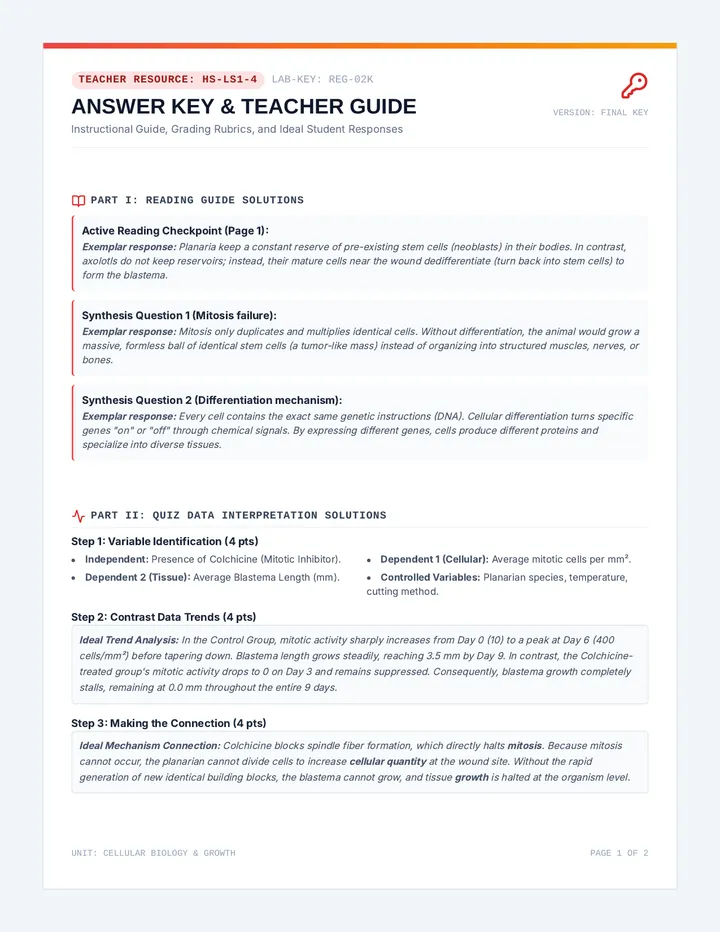
Material Stress Test Report Stress Test Lab Report
BIO-MATERIAL RESEARCH DIV. | L02
REPORT NO: BT-2026-____
DATE: ____/____/____
Lead Investigator
Material Specimen ID
Test 01: Vertical Compressive Load
Pre-Test Mass (g)
Failure Point (kg/cm²)
Observation / Failure Mode Analysis
Test 02: Three-Point Flexural Test
Deflection Data
5kg Load
10kg Load
15kg Load
Elastic Recovery Analysis
Does the material return to its original state after load removal?
Scenographic Viability Assessment
Based on your testing, rank this material's potential for the following theatrical applications (1-5):
Load-Bearing Decking
Vertical Hard Flats
3D Sculptural Elements
Synthesize your findings: What structural reinforcement (if any) would be required to make this material "stage-ready" for a professional production? Modular Logic Slides Modular Logic
Engineering for Infinite Reuse
The IKEA Challenge
Design a scenic environment that meets three criteria:
1
Fits entirely inside a standard cargo van.
2
Assembled with exactly ONE tool (Hex or Impact).
3
Zero permanent adhesives or fasteners (no screws).
Technical Constraints
Standard Stock 4' x 8' / 2' x 4'
Connection Type Bolt-Through / Slot
Max Part Weight 50 lbs (Single Person)
Logistics = Design
The Philosophy of Stock
Honor the Sheet
Every cut is a potential dead-end. Design elements that work in multiples of 12", 24", and 48".
The Re-stock Mindset
We are not building a 'set.' We are 'renting' material from a future production.
The Waste Formula
Ideal Material Efficiency
92%+
Industry Average
65%
Connection Engineering
Bolt-Through
Utilizes pre-drilled holes and carriage bolts. Allows for hundreds of cycles without material degradation.
High Durability
Slot & Tab
Digital fabrication approach. Pieces interlock like a puzzle. Zero external hardware required.
Zero Hardware
Modular Cleat
Standardized French cleat systems that allow scenic facades to 'snap' onto structural frames.
Rapid Swap
If it can't be taken apart, it's not engineering—it's debris.
"A good modular design reveals its own assembly logic. A great one makes the strike more exciting than the build."
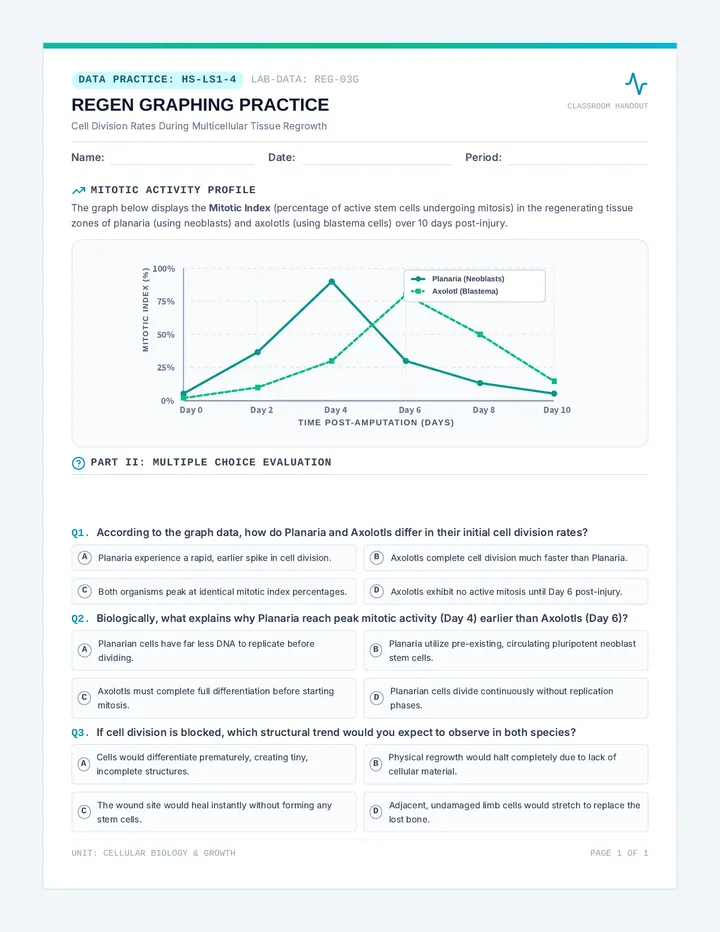
Modular Connection Guide Modular Connection Guide
Lesson 03: Engineering for Reuse
TECH_SPEC_V1.02
Standardizing connections is the foundation of ecoscenography. By moving away from permanent fasteners (screws, nails, glue) and toward mechanical, reusable hardware, we preserve the structural integrity of the raw materials for future production cycles.
A
The Carriage Bolt System
Specifications
Primary Fastener 3/8" x 3-1/2" Carriage Bolt
Hardware Fender Washer + Wing Nut
Drill Bit 13/32" (Clearance Hole)
Best For: Structural framing, platform-to-platform connections, and heavy leg rotations.
Standard Offset: 2" from edge
3" from end of member
B
Digital Slot & Key
Tolerance: +0.02" for snug fit
No glue required
Specifications
Material Thickness 18mm (3/4") Plywood
Joint Type Mortise & Tenon / T-Bone
Locking Mechanism Tapered Wedge (Key)
Best For: Complex furniture, intricate facades, and rapid-strike touring kits.
C
The Unified Cleat
Specifications
Cleat Angle 45 Degrees
Support Load 150 lbs / Linear Ft
Safety Catch 1/4" Pin (Center)
Best For: Hanging heavy scenery, architectural molding swaps, and hidden facades.
Gravity-Lock System
Self-Leveling Alignment
Modular Design Checklist
Is every connection point accessible by a standard wrench or impact driver?
Can the assembly be performed by a maximum of two people without specialized lifting gear?
Are all parts labeled according to the digital master file for rapid re-assembly?
Does the design utilize standard stock increments (12", 24", 48") to minimize custom off-cuts?
Are there dedicated "deconstruction points" marked for safety during strike?
Is the hardware standardized across the entire production (e.g., all 3/8" bolts)?
Digital Fabrication Slides G04: Advanced Technical Theater
Digital Fabrication
CNC Integration & Nesting Optimization
The Precision of Zero-Waste
Digital fabrication isn't just about complexity—it's about mathematical efficiency . In a traditional shop, off-cuts are inevitable. In a digital shop, they are calculated.
Sheet Optimization
Nesting parts to achieve 90%+ material utilization.
Modular Fidelity
Ensuring every joint is identical for perfect modularity.
EFFICIENCY: 94.8%
The CAM Protocol
01
CAD Draft
Design for assembly with 0.001" precision. Account for kerf.
02
Toolpath
Select bits (Compression vs. Downcut) and spindle speeds.
03
Nesting
Rotate and pack parts to eliminate waste bridges.
04
G-Code
Export coordinates for machine translation.
NON-LINEAR FABRICATION
The 3D Scenography
When subtractive manufacturing (CNC) creates too much waste, we move to Additive Manufacturing .
Zero waste material usage
Structural infill (Geometry vs. Mass)
Biodegradable PLA / Recycled Filament
Layer Resolution
Sacrificing surface finish for structural speed in large-scale prints.
Infill Density
Using 10-15% gyroid infill to maintain strength while saving 85% material.
Code is the New Lumber
In an ecoscenographic future, the designer's primary tool is the algorithm that packs shapes onto a sheet. Precision is our most powerful sustainable strategy.
Lifecycle Analysis Slides Beyond the Strike
Lifecycle Analysis & Deconstruction
Lesson 05: The Circular Scenography
The 10,000 Mile Sheet
Trace the journey of a single 4'x8' sheet of Lauan Plywood.
Origin: Southeast Asian Rainforest (Logged)
Transit: 8,000 miles via cargo ship to port.
Fate: 3 weeks on stage -> 24 hours in a dumpster -> Landfill.
Environmental Debt
99%
Percentage of material wasted within 6 months of logging.
Lifecycle Assessment (LCA)
Extraction
How is the raw material harvested? Is it renewable?
Production
Toxic adhesives? Embodied energy in manufacturing?
Use
Durability. Can it be repaired? How long is the run?
End-of-Life
Biological nutrients (compost) vs. Technical nutrients (reuse).
The Traditional Strike
Fast removal (Clear the deck)
Sledgehammers & crowbars
Everything in one bin
Goal: Clearance
The Deconstruction Plan
Systematic disassembly
Material sorting at source
Documentation for reuse
Goal: Resource Recovery
The Final Design
Your final scenic design must include a **Mass-Balance Report**. You must account for 100% of the material you bring into the theater.
"Where does every kilogram go?"
Deconstruction Plan Template Deconstruction Plan
Graduate Thesis: Sustainable Scenography
PROJECT: __________________________
DESIGNER: __________________________
VERSION: 1.0 (FINAL SUBMISSION)
01
Material Mass-Balance
Quantify every material input and define its destination post-production. The total mass must equal the input mass.
Material & Mass (kg) LCA Impact (CO2e) Circular Pathway Next Destination Reuse / Recycle / Compost Reuse / Recycle / Compost Reuse / Recycle / Compost Total Input Mass: Total Waste (kg):
02
Disassembly Protocol
Sequence of Deconstruction
Identify the order of operations to ensure material preservation.
Tool & Hardware Recovery
List tools required and protocols for hardware sorting.
03
Ethical Defense
Provide a rationale for any material in your design that CANNOT be recycled or composted. How did the aesthetic requirements of the production necessitate this specific environmental cost?
Certified Deconstruction Lead
Waste Mitigation Strategy Confirmed
Structural Safety Post-Disassembly