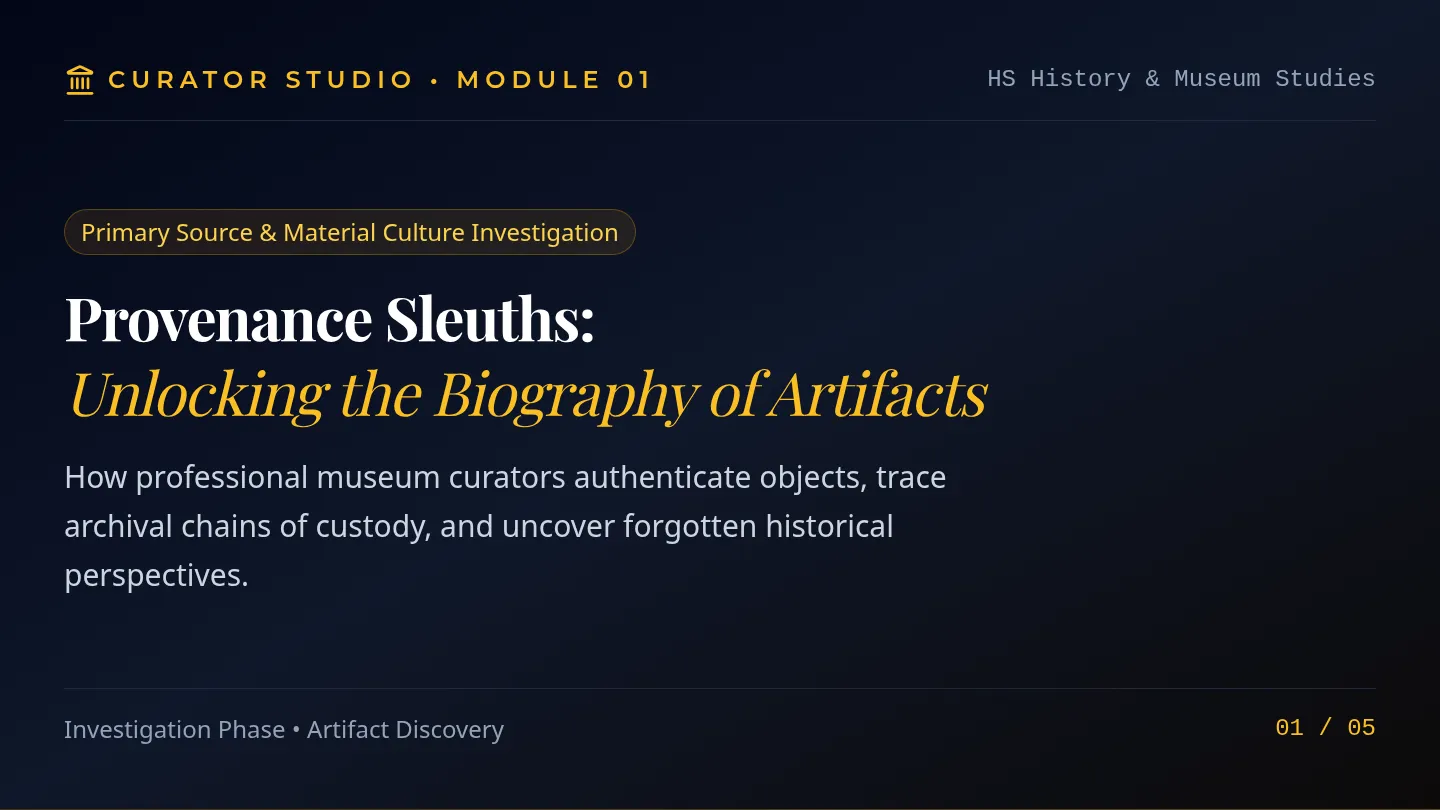
War Room Slides
DIPLOMATIC DUEL
The War of the Words: Recruiting for the Peloponnesian War
Athens
VS
Sparta
The Great Divide
Athens (Delian League)
- Powerful Navy
- Democratic Values
- Wealthy via Tribute
- Criticized as "Bullies"
Sparta (Peloponnesian League)
- Unstoppable Army
- Oligarchic Values
- Defenders of Tradition
- Strict & Rigid Society
Your Mission
The year is 431 BCE. War is inevitable. Neutral city-states like Argos and Corinth are watching closely.
You are a high-ranking diplomat. You must write a letter to convince a neutral city-state to join your side—or face the consequences of being on the wrong side of history.
The RAFT Strategy
R
Role
Who are you representing?
A
Audience
Who are you trying to convince?
F
Format
How is this message delivered?
T
Topic
What is the specific goal?
Our Specific RAFT:
- Role: Athenian or Spartan Diplomat
- Audience: Neutral Greek City-State Leaders
- Format: Formal Diplomatic Letter
- Topic: Recruitment for the upcoming war
The Art of Rhetoric
Use these ancient Greek tools to strengthen your argument:
Ethos
Build credibility. Show why your city-state is a trustworthy and powerful ally.
Pathos
Appeal to emotion. Talk about the safety of their families or the glory of victory.
Logos
Use logic. Explain the military or economic benefits of joining your side.
Ready to begin? Open your Dispatch Worksheets!
Diplomatic Dispatch Worksheet
Diplomatic Dispatch
Peloponnesian War RAFT Activity
Name:
Date:
Part 1: Your Diplomatic Profile
Athenian Diplomat Delian League Advocate
Spartan Diplomat Peloponnesian League Advocate
Audience: Neutral City-State Leaders
Format: Formal Letter
Topic: Strategic Alliance Proposal
Part 2: Strategizing the Message
Why should they join US?
Why fear THE ENEMY?
Part 3: The Diplomatic Letter
To the Council of
Year 431 BCE
May the Gods guide your decision,
Envoy of
Strategist Guide Teacher Resource
Strategist Guide
Diplomatic Duel Lesson Plan
Grade Level
6-9
Learning Objective
Students will analyze the ideologies of Athens and Sparta by crafting a persuasive diplomatic letter using the RAFT strategy.
Key Vocabulary
Hegemony Oligarchy Tribute Trireme
Facilitation Guide
10 Min
Contextual Setup
Use the War Room Slides to introduce the stakes. Ask: "Would you prefer a great navy or a legendary army for protection?"
10 Min
RAFT Modeling
Review the RAFT strategy. Model one "Ethos" argument: "We have protected Greece from the Persians before, and we will do it again."
25 Min
Diplomatic Drafting
Students complete the Diplomatic Dispatch Worksheet. Ensure students are using specific historical details in their arguments.
Discussion Questions
- • Why did neutral city-states find it so difficult to remain neutral in this conflict?
- • What would happen to a city-state that refused both Athens and Sparta?
- • How does the Athenian "democracy" compare to their treatment of their allies?
- • Which side has the stronger "Logos" (logic) for a city-state that relies on land trade?
Assessment Rubric
| Criteria | Exemplary (4) | Proficient (3) | Developing (2) | Beginning (1) |
|---|
| History | 3+ facts correctly integrated. | 1-2 specific facts included. | Vague historical context. | No historical facts. |
| Persuasion | Uses Ethos, Pathos, and Logos. | Uses 2 types of rhetoric. | Simple logic only. | No strategy used. |
| Tone | Consistently formal/urgent. | Mostly formal tone. | Inconsistent tone. | Casual/Inappropriate. |
Differentiation
- Scaffolding: Provide sentence stems (e.g., "The safety of your people rests upon...") for the letter.
- Extension: Have students trade letters and write a response from the neutral city-state's perspective.