Lenny.com
Explore
Create
ActivitiesNewMathEnglish Language ArtsScience & EngineeringSocial StudiesGlobal LanguagesHealth & Physical EducationSpecial EducationCounseling & Life SkillsArts & CreativityESL
Lenny.com
Lenny.com
Explore
Create
ActivitiesNewMathEnglish Language ArtsScience & EngineeringSocial StudiesGlobal LanguagesHealth & Physical EducationSpecial EducationCounseling & Life SkillsArts & CreativityESL
Lenny.com
Lenny.com

Solutions

Lenny for EducatorsLenny for SchoolsLenny for Districts

Product

ExploreSign inCreateSupportAbout

Resources

Getting startedMTSS Acceleration Program

© 2026 Lenny Learning Inc.

TermsPrivacyAccessibility
LinkedInInstagramX
Lenny

Society and Environment of the Middle East

Interaction between arid climates, water scarcity, and urbanization across Southwest Asia and North Africa. Examines how natural resources like petroleum shape regional economies and geopolitical relations.

Social StudiesSocial Studies PracticesLocation WordsMapsOrder EventsChronology and CausationEvaluating SourcesHistorical ThinkingGeography, Humans, & the EnvironmentAmerican Symbols and LandmarksCitiesStatesState CapitalsRegions of the United StatesGeographic SkillsPhysical GeographyHuman GeographyRegional GeographyGeography of AfricaGeography of AsiaGeography of EuropeGeography of OceaniaGeography of the AmericasSociety and Environment of EuropeSociety and Environment of AsiaSociety and Environment of The AmericasSociety and Environment of the Middle EastSociety and Environment of AfricaHistoryPrehistoryComparing Ancient River CivilizationsAncient MesopotamiaAncient Egypt and KushAncient South AsiaEarly ChinaGreeceRome and the Byzantine EmpireAncient World HistoryNative Peoples of North AmericaNative Peoples of Mesoamerica and South AmericaAfrican EmpiresMedieval AsiaMedieval EuropeThe Silk RoadMedieval HistoryIslamic EmpiresWorld ReligionsRenaissance PeriodAge of ExplorationThe Thirteen ColoniesThe American RevolutionUS History Early RepublicFounding of the United StatesUS History AntebellumUS Civil WarReconstruction PeriodThe Gilded AgeUS ImperialismWorld ImperialismWorld War IUS History 1920sGreat DepressionWorld War IIThe Cold WarUS History 1950-60sUS History 1960s-70sWorld History 20th CenturyContemporary US HistoryContemporary World HistoryHolidaysCivics and GovernmentCitizenshipGovernment FoundationsThe ConstitutionUS ConstitutionExecutive BranchLegislative BranchJudicial BranchState and LocalPolitical ParticipationPublic PolicyPolitical SystemsPower and AuthoritySocial MovementsDefining DevianceTheories of DevianceCrime and Criminal JusticeEconomicsBasic Economic PrinciplesSupply and DemandWhat is MoneyEconomic FundamentalsMicroeconomicsMacroeconomicsBanking and FinanceEconomic SystemsGlobal EconomicsCorporations and PowerThe Changing WorkplaceUnemployment and LaborClass and InequalitySocial MobilityGlobal InequalityPsychologyHistory of PsychologyPsychology as a ScienceBrain and Nervous SystemNeuroscience and BehaviorGenetics and BehaviorSleep and ConsciousnessSensory ProcessesPerceptual OrganizationClassical ConditioningOperant ConditioningObservational LearningCognitive LearningMemory ProcessesThinking and Problem SolvingLanguage and CognitionTheories of MotivationStress and CopingPrenatal and Infant DevelopmentChildhood DevelopmentAdolescent DevelopmentAdulthood and AgingSelf and IdentitySocial CognitionSocial InfluenceAttraction and RelationshipsGroup BehaviorPrejudice and DiscriminationAnxiety and Mood DisordersClinical PsychologyForensic PsychologyPhilosophy & EthicsIntroduction to PhilosophyMajor Philosophers & IdeasMind and Body ProblemFree Will vs DeterminismEthics & MoralityReligion & PhilosophyPolitical Philosophy

Videos

How Decolonization Reshaped the World After WWII

How Decolonization Reshaped the World After WWII

This educational video explores the complex and often violent process of decolonization that reshaped the world following World War II. It examines how European powers lost control of their empires in Asia and Africa, highlighting the distinct paths to independence taken by nations such as India, China, Kenya, and Algeria. The narrative contrasts negotiated transfers of power with brutal wars of liberation, providing specific historical examples of the human cost involved in these transitions. Key themes include the impact of the Cold War on emerging nations, the concept of neo-imperialism, and the psychological dimensions of colonization as articulated by thinkers like Frantz Fanon. The video also discusses the phenomenon of reverse migration, where colonized peoples moved to Europe to rebuild war-torn infrastructure, facing racism and discrimination in the process. It connects these historical events to cultural shifts, such as the rejection of Western dress codes and the influence of immigrant musicians on Western pop culture. For educators, this video serves as a powerful resource for teaching 20th-century World or European History. It moves beyond simple dates and maps to address the nuances of post-colonial infrastructure, the economic dependence created by foreign aid systems, and the lasting legacy of partition violence. The video provides graphic primary source quotes that can spark deep classroom discussions about human rights, the ethics of war, and the ongoing challenges faced by the Global South.

CrashCourseCrashCourse

13mins 23s

Exploring Ancient Israel and the History of the Hebrews

Exploring Ancient Israel and the History of the Hebrews

This educational video provides a comprehensive overview of Ancient Israel and the Levant, exploring how geography and history intertwined to shape the Hebrew civilization. The host uses engaging analogies, such as baking bread, to introduce the concept of the "Levant" as a rising region and a geographical crossroads between Europe, Africa, and Asia. The video details the physical landscape, including the importance of the Jordan River and the Dead Sea, and explains how early inhabitants adapted to the arid climate through innovations like cisterns.

Miacademy & MiaPrep Learning ChannelMiacademy & MiaPrep Learning Channel

10mins 40s

How Modern Monarchies Work Today

How Modern Monarchies Work Today

This educational video provides a comprehensive overview of modern-day monarchies, challenging the common misconception that kings and queens are merely relics of the past or fairy tales. The narrator, Brian, guides viewers through a detailed analysis of the 44 monarchies currently in existence, explaining how they function in the 21st century. The video breaks down the distinctions between hereditary and elected monarchies, as well as the critical differences between absolute and constitutional monarchies, using clear definitions, maps, and statistical breakdowns. Key themes explored include political geography, systems of government, and the balance of power. The video delves into complex concepts such as "Head of State" versus "Supreme Authority," and examines specific case studies ranging from the ceremonial monarchies of Scandinavia to the absolute power structures in the Middle East. It also highlights unique governance models like the diarchy in Eswatini and the landless Sovereign Military Order of Malta. A balanced discussion on the advantages (national identity, stability) and disadvantages (cost, potential for corruption) of these systems is also presented. For educators, this video is a valuable resource for Social Studies and Civics units on world governments. It offers a clear, visual way to compare authoritarian and democratic structures, making abstract political concepts concrete through real-world examples. The content supports learning objectives related to understanding global political systems, analyzing the roles of government leaders, and evaluating the pros and cons of different constitutional arrangements.

Miacademy & MiaPrep Learning ChannelMiacademy & MiaPrep Learning Channel

9mins 40s

Reading the City: How Urban Spaces Are Structured

Reading the City: How Urban Spaces Are Structured

This educational video explores the internal structure of cities, treating them as texts that reveal their history, culture, and economic development. The host, Alizé Carrère, introduces key urban geography models, specifically the Concentric Zone Model based on Chicago, to explain how cities organize themselves around a Central Business District and expand outward in rings of varying land use. The video contrasts North American urban development—characterized by industrialization, suburban sprawl, and car dependency—with the historic structure of Islamic cities like Fez, Morocco, where climate and cultural values of privacy shape a very different urban form. Key themes include the impact of transportation technology on city layout, the concept of "invasion and succession" in neighborhoods, and the transition from monocentric to polycentric metropolitan structures. The video also delves into how physical geography and climate necessitate different architectural solutions, comparing wide American grids with the narrow, shaded streets of North African medinas. For educators, this video is an invaluable resource for AP Human Geography and social studies classrooms. It provides concrete examples of abstract concepts like urban models, gentrification, and zoning. It encourages students to look at their own local environments critically, identifying the historical layers and socio-economic patterns that define the neighborhoods they live in.

CrashCourseCrashCourse

11mins 52s

How Ancient Trade Routes Connected the World

How Ancient Trade Routes Connected the World

This video explores the concept of global interconnectedness long before the advent of the internet or modern transportation. Starting with a relatable family dinner scene, the narrator challenges viewers to consider the origins of their food and clothing, using this as a springboard to introduce the historical mechanism of trade. The video defines cultural diffusion and illustrates how ancient trade routes like the Silk Road, Indian Ocean maritime routes, Trans-Saharan network, and Mediterranean Sea served as the "superhighways" of the ancient world, linking distant civilizations. Key themes include the definition and impact of cultural diffusion, the geography of major ancient trade networks, and the specific exchange of goods, ideas, technologies, and religions. The video highlights how the Indian Ocean trade facilitated the spread of Islam, how the Trans-Saharan route moved gold and salt, and how the Mediterranean connected Europe to ancient wisdom. It also details the "Four Great Inventions" of Ancient China—paper, printing, the compass, and gunpowder—and their profound effects on global society. For educators, this video serves as an excellent introduction to units on World History, global trade, or ancient civilizations. It features built-in "pause points" that invite students to check the tags on their own clothes, brainstorm inventions, and reflect on historical impacts, making it highly interactive. By connecting the abstract concept of cultural diffusion to tangible items like spices and clothing, the video helps students visualize how historical economic activities shaped the political, religious, and technological landscape of the modern world.
Miacademy & MiaPrep Learning ChannelMiacademy & MiaPrep Learning Channel

11mins 42s

How Asian Intellectuals Responded to Western Imperialism

How Asian Intellectuals Responded to Western Imperialism

In this installment of Crash Course World History, John Green shifts the focus from the "Rise of the West" to the perspectives of those who experienced Western imperialism firsthand. Specifically examining East Asia and the Middle East, the video explores how Asian intellectuals and leaders analyzed the sources of Western power and debated how to respond. Rather than portraying Asian societies as passive victims, the video highlights the active intellectual work done by thinkers like Jamal al-Din al-Afghani, Liang Qichao, and Rabindranath Tagore. The video delves into key themes such as the adoption of Western military and educational models (Self-Strengthening), the rise of nationalism and the nation-state concept in Asia, and the eventual disillusionment with Western liberal democracy. It discusses how early admiration for Western efficiency often turned into a critique of Western materialism and hypocrisy, especially following World War I and the Treaty of Versailles. The content covers specific historical movements including the Tanzimat reforms in the Ottoman Empire, the Self-Strengthening Movement in China, and the complex nature of Indian nationalism. For educators, this video is an invaluable resource for teaching World History from a non-Eurocentric perspective. It challenges students to consider how historical events look different depending on who is telling the story. It provides a nuanced look at the tension between modernization and traditionalism and introduces students to primary source voices that are often omitted from standard textbooks, making it an excellent tool for developing historical empathy and critical thinking skills.

CrashCourseCrashCourse

12mins 55s

Materials

River Cradle Slides

River Cradle Slides

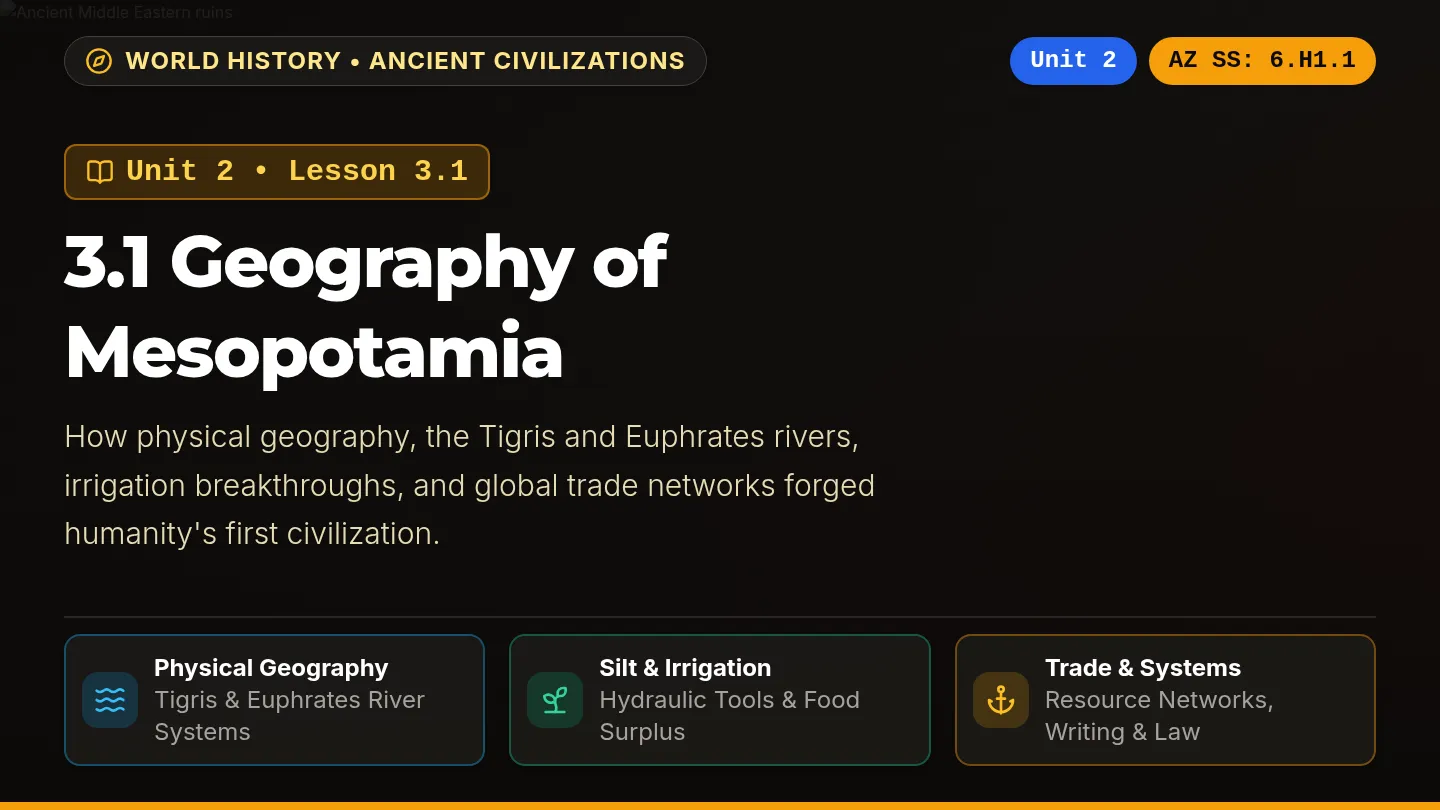
A dark-themed, visually vibrant classroom slide deck labeled Unit 2: Lesson 3.1 Geography of Mesopotamia, aligned with Arizona History and Social Science standards on every slide, featuring rich photography, high-contrast color-coded cards, and interactive review prompts.

SZ

Sandra Zoerhoff

شواهد الدلم مهمة أدائية

شواهد الدلم مهمة أدائية

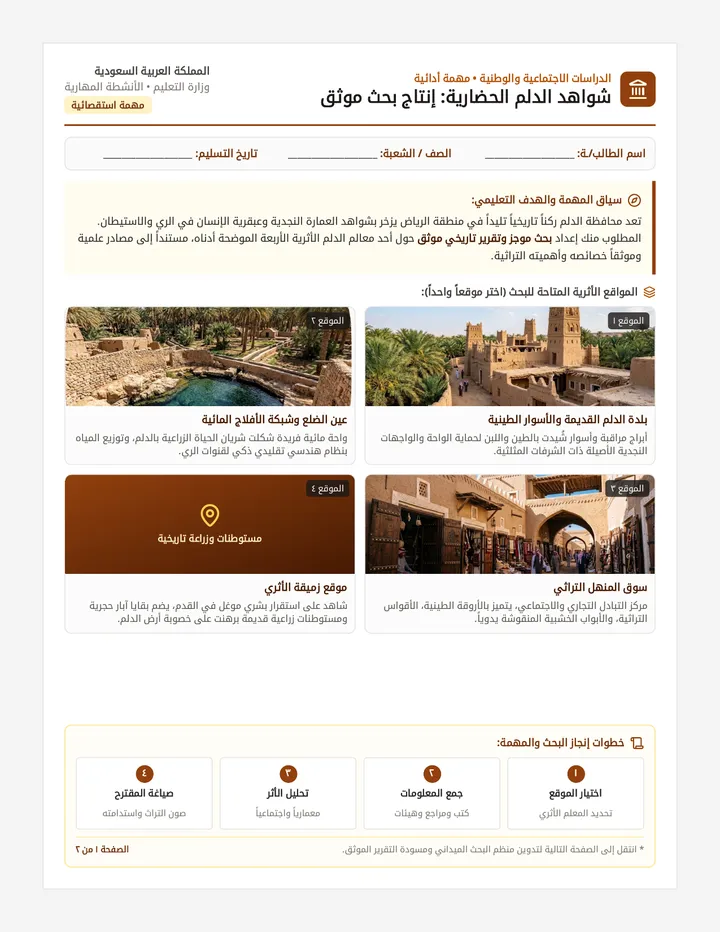
مهمة أدائية موجهة للطلاب لإنتاج بحث قصير وتقرير موثق عن معالم وآثار محافظة الدلم التاريخية، تتضمن شواهد بصرية، منظم تخطيط للبحث، ومسودة تقرير مصحوبة بسلم تقييم تحليلي.

DA

Dana Abdulaziz

Fertile Crescent Map Worksheet

Fertile Crescent Map Worksheet

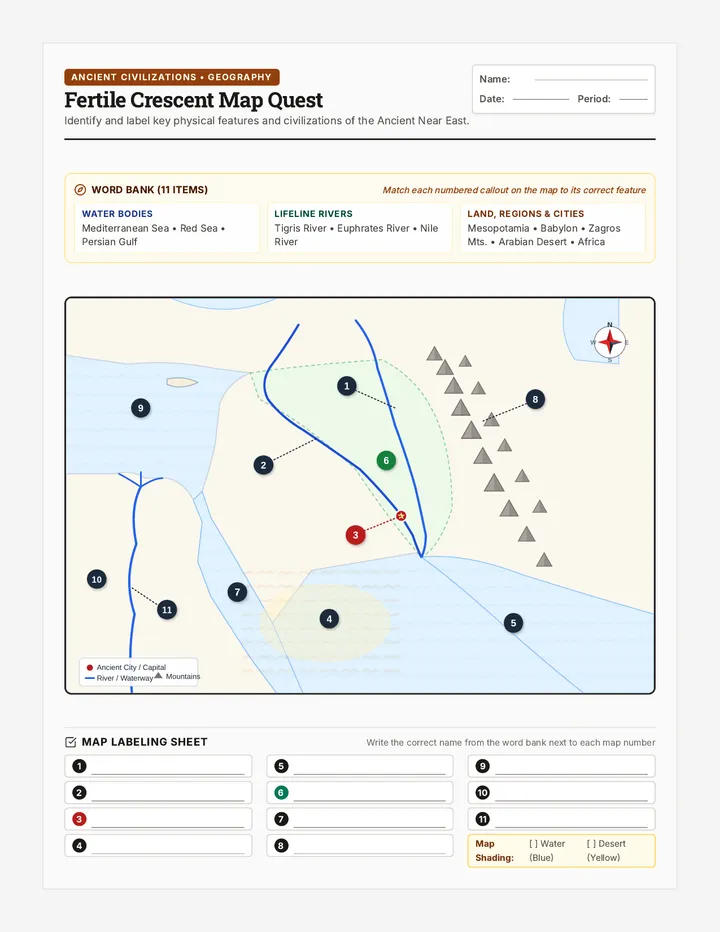
A printable two-page Ancient Near East map labeling worksheet and geographic analysis packet covering Mesopotamia, the Tigris and Euphrates rivers, Babylon, Egypt, and surrounding physical features.

JK

Jordan Krueger

Mesopotamia City States Slides

Mesopotamia City States Slides

An engaging, academically rigorous 11-slide presentation on Mesopotamian city-states for 9th grade World History, covering geography, irrigation breakthroughs, urban structure, water rights, the shift from priests to warlord kings, empires, cultural diffusion, and Hammurabi's Code.

E

ebakke

Cultural Geography Curriculum Map

Cultural Geography Curriculum Map

A comprehensive 5-page annual curriculum map and pacing guide aligning BJU Cultural Geography (4th Edition) with 6th Grade Social Studies Texas TEKS standards, organized month-by-month from August to May with essential questions, weekly lesson breakdowns, map quizzes, chapter tests, and quarterly project milestones.

L

lindseyward.inspiretx

Mesopotamia Knowledge Test

Mesopotamia Knowledge Test

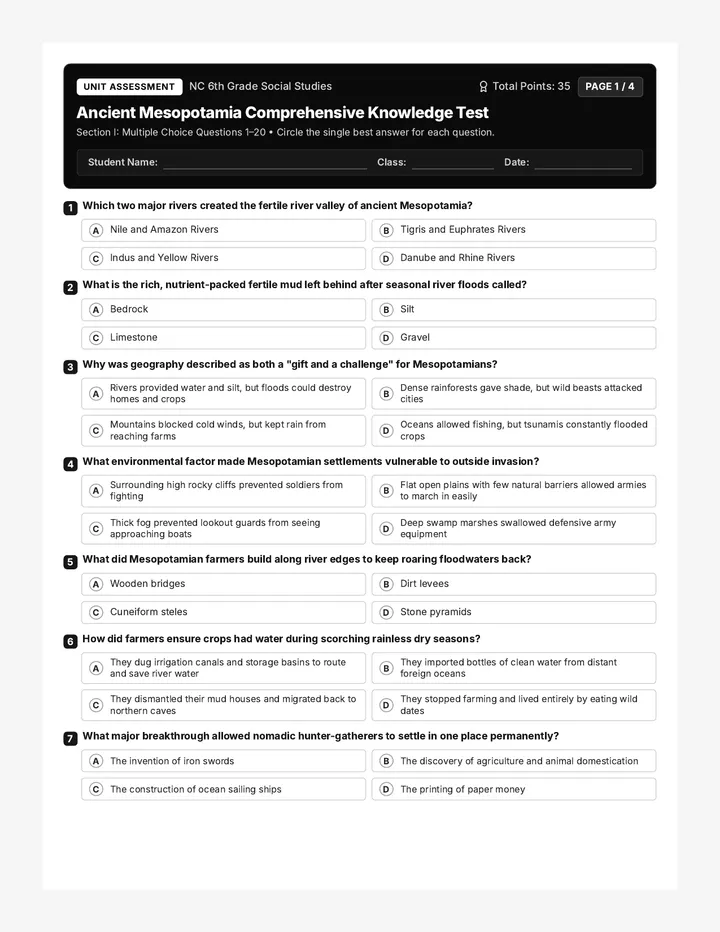
A comprehensive 4-page black-and-white assessment on Ancient Mesopotamia featuring 20 multiple-choice questions covering geography, agriculture, city-states, and societal developments, followed by a 15-term vocabulary matching section. Formatted with high-contrast monochrome styling optimized for crisp classroom photocopying and printing.

M

maryroxanne.abella

Sequences

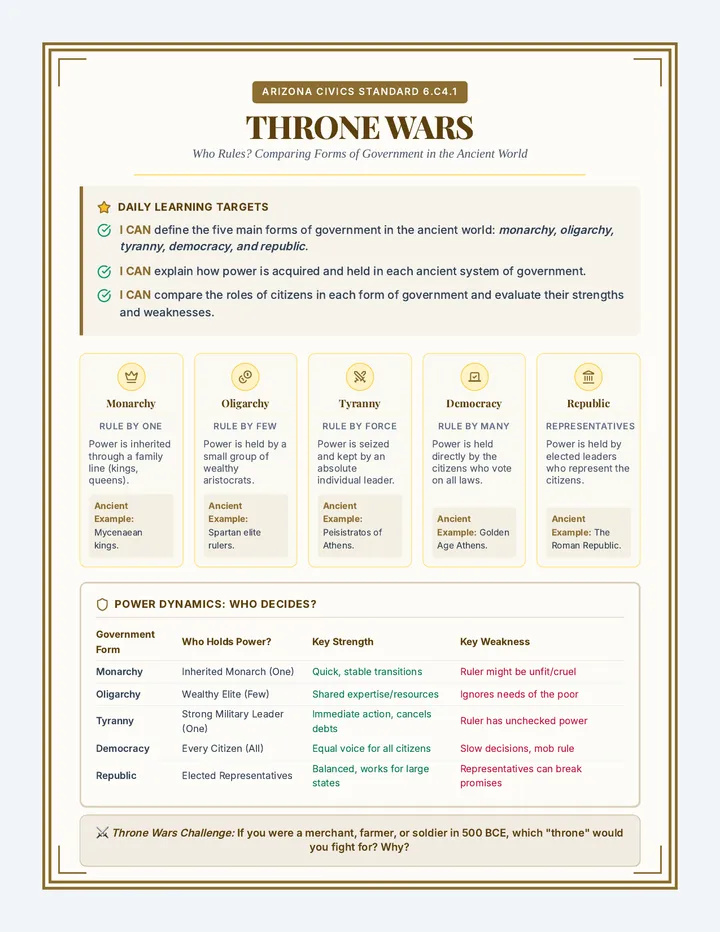
Throne Wars Anchor Chart

Rise of Civilization

A comprehensive 6th-grade social studies unit exploring the trajectory of human history, from nomadic hunter-gatherers and the cognitive evolution of early humans, to the agricultural revolution, and finally the development of structured ancient governments.

SZ

Sandy Zoerhoff

10
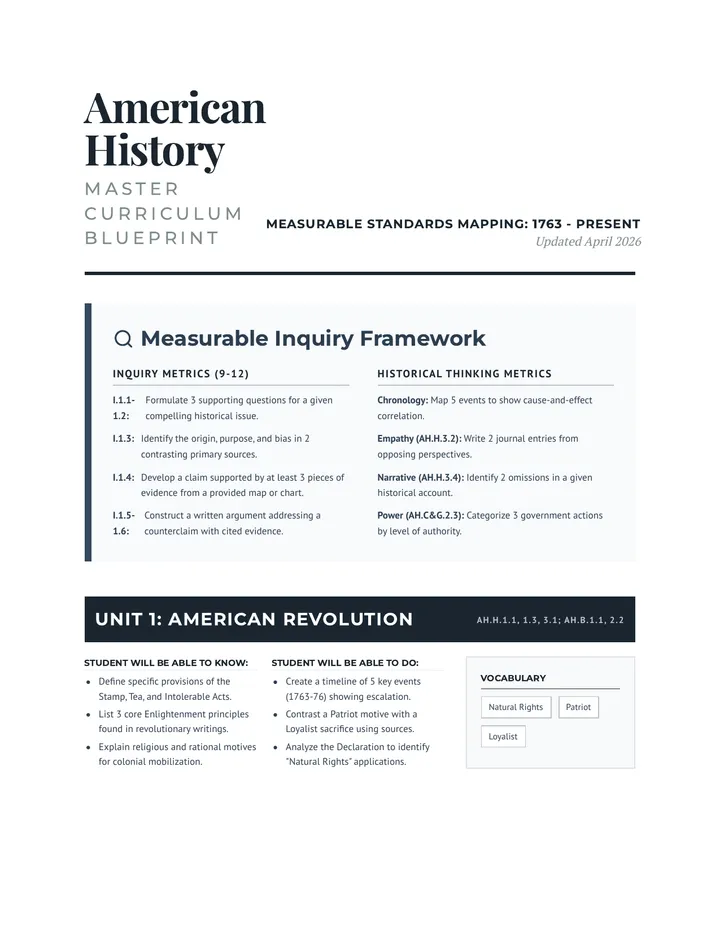
Curriculum Blueprint Document v2

History Horizon Sequence

A comprehensive high school curriculum plan for American History, covering 13 units from the American Revolution to the modern era, aligned with North Carolina Social Studies standards.

AK

Amity Kea

21
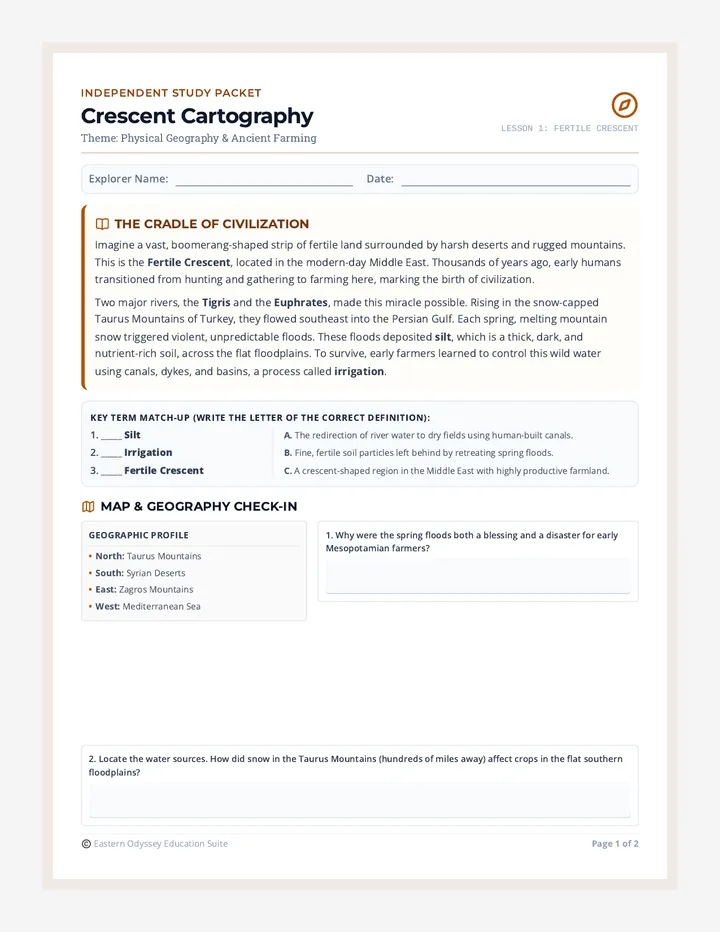
Crescent Cartography Student Packet

Eastern Odyssey Sub Packets

A sequence of 5 highly engaging, self-guided emergency sub plans for 6th-grade Eastern Hemisphere Social Studies, focusing on Ancient Egypt, Mesopotamia, the Fertile Crescent, Monsoon Asia, and Japan's island geography. Each sub plan includes a student packet and a teacher guide.

T

tpayne

10
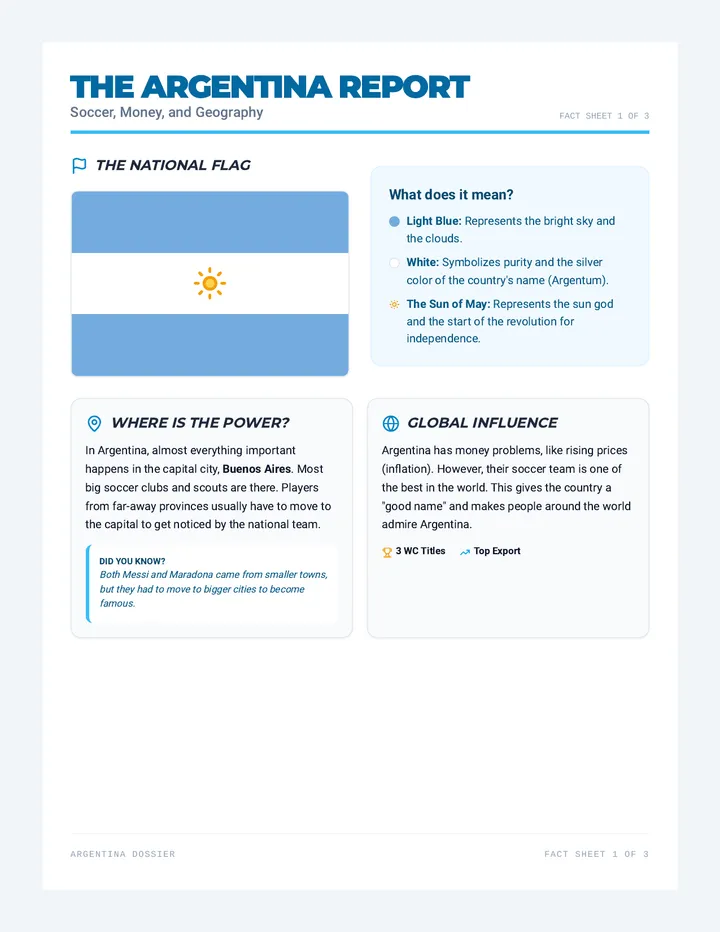
Albiceleste Dossier Packet

Pitch Power World Tour

A comparative study series exploring the geopolitics and economics of different nations through their national soccer teams.

AA

Adam Amster

25
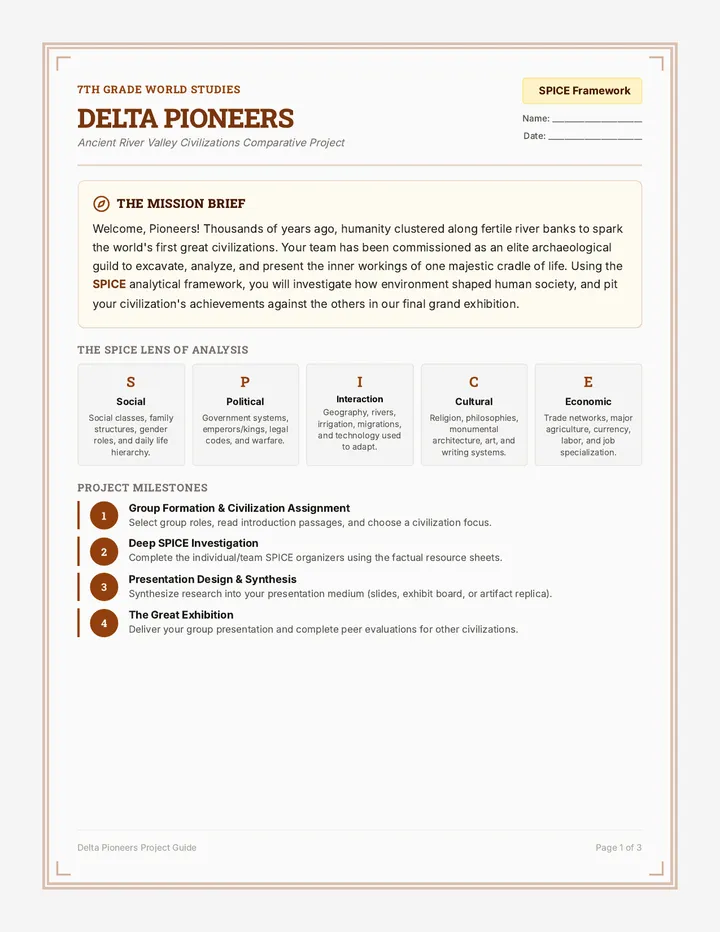
Pioneer Portfolio Project Guide

River Kingdoms

An immersive historical sequence guiding 7th-grade students through the excavation, comparison, and long-term legacy of the world's four primary river valley civilizations using the SPICE framework.

NE

Nicole Elder

9
Earth's Anatomy Slides

Global Landscapes Mastery

A global geography unit focusing on the identification and analysis of the Earth's diverse landscapes. Students will master map-reading skills including elevation, contour lines, and global physical regions to understand how geography shapes our world.

YP

Yovanna Plummer

27

Lessons

Royal Decree Assessment Upgrade

Cradle of Civilization

A comprehensive lesson on the rise of Mesopotamian civilization, covering geography, irrigation, the development of city-states, writing systems, and the formation of the world's first empires.

J

jedriend

9
Agora Adventure Slides

Agora Adventure

An introductory lesson on the economy of Ancient Greece, focusing on maritime trade, agriculture, specialization, and the use of coinage through a simulated marketplace experience.

LB

Laurel Bartos

7
Oval Office Reader Document

Oval Office Files

A comprehensive lesson covering the presidencies of Nixon, Ford, Carter, and Reagan, focusing on key events, scandals, economic shifts, and the rise of conservatism. Students engage with primary sources and data to analyze the changing landscape of late 20th-century America.

CE

Chelsea Elliott

8
Islam Foundations Slides

Islamic Origins

A foundational exploration of the origins of Islam, the life of Prophet Muhammad, the significance of the Quran, and the growth of the Islamic empire.

PB

Paula Bakerian

4
Caravan Quest Slides

Silk Road Caravan

A comprehensive activity-based lesson on the Silk Road, focusing on trade, geography, and cultural exchange through a merchant simulation.

MR

Mi Rendon

4
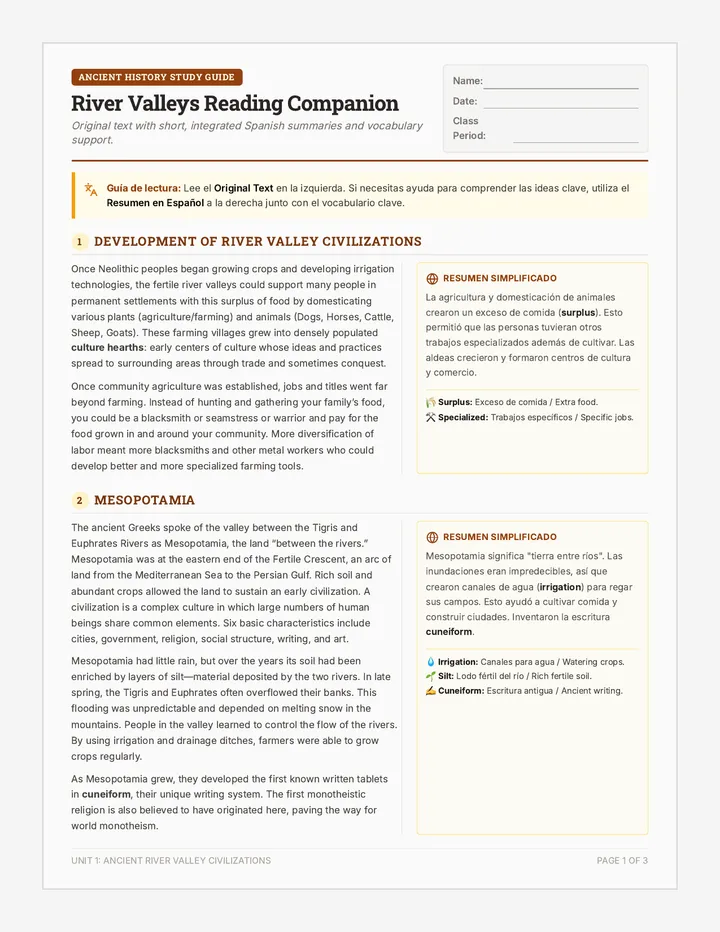
Civilizations Reading Companion

River Valley Civilizations

A comprehensive history lesson focusing on the development of the four major ancient river valley civilizations, featuring differentiated text and scaffolded reading supports for ESL students.

JO

Jacob Obannon

1