Plague Path Slides The Invisible Invader
Tracing the path of the Black Death from the Silk Road to the ports of Europe.
October 1347: Messina, Sicily
Twelve "ghost ships" pull into the harbor. The sailors are dying, covered in mysterious black boils.
The Question:
Where did these ships come from? And what did they bring with them?
Port of Messina Archive
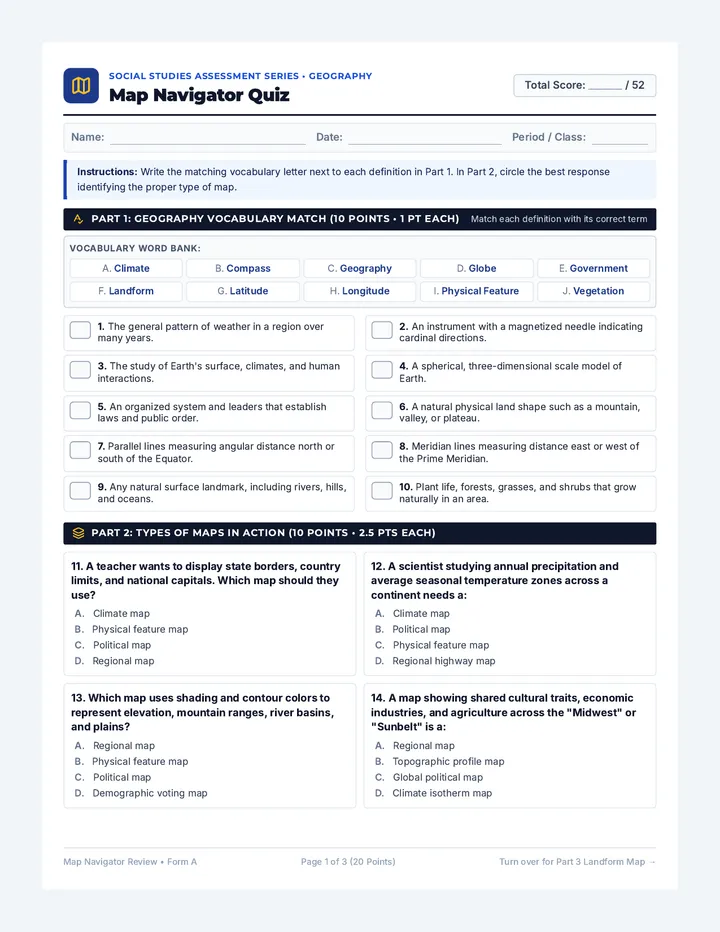
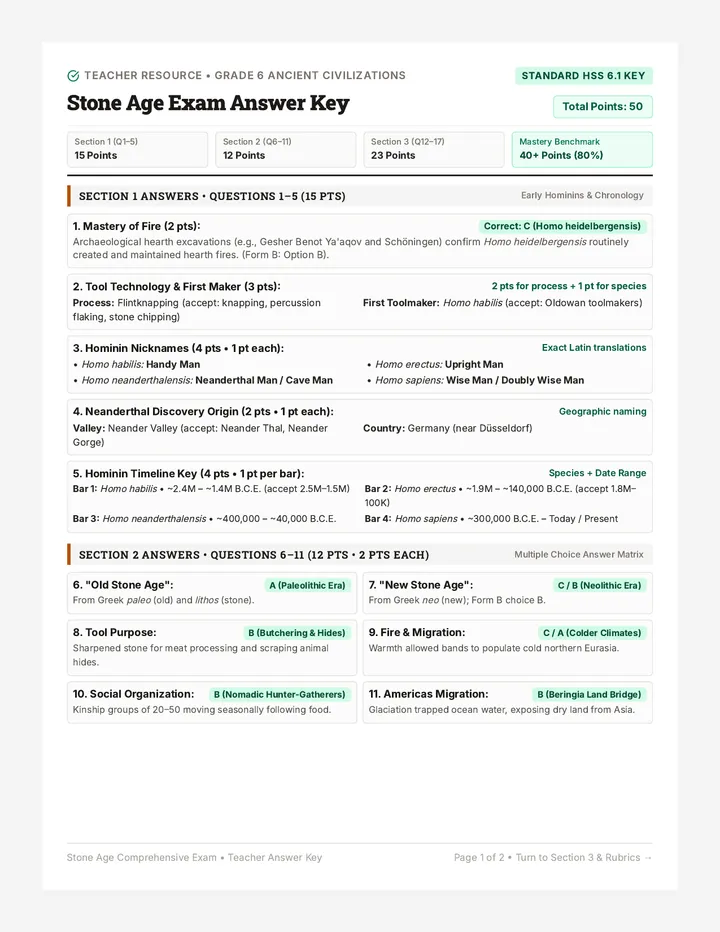
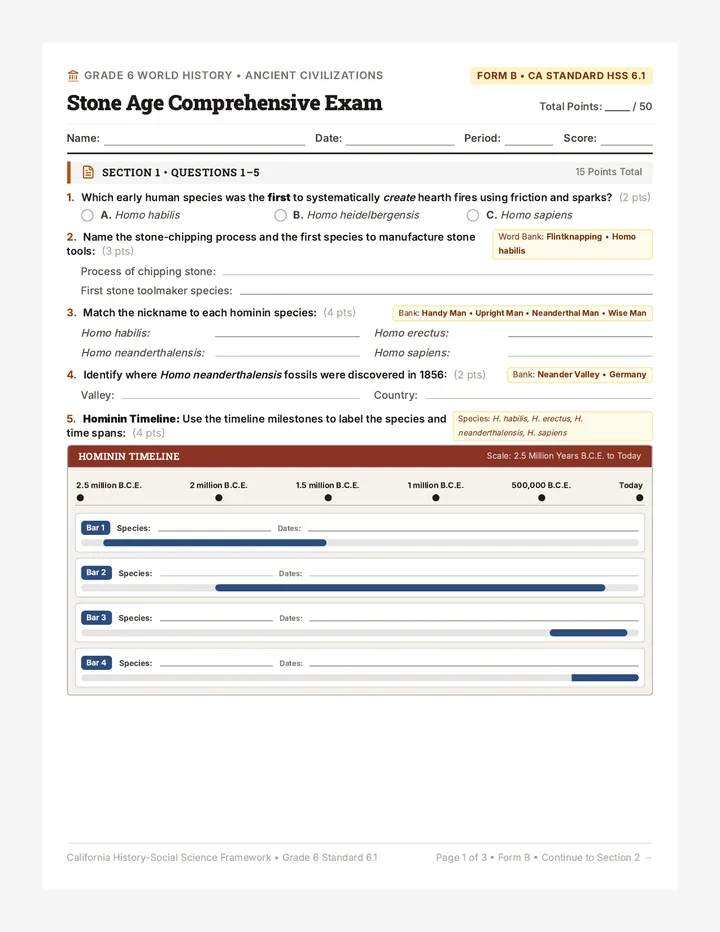
The Unlikely Duo
The Hitchhiker
Black Rats lived on merchant ships and moved between trade crates.
The Carrier
Fleas bit the rats, carried the bacteria (Yersinia pestis), and then bit humans.
Trade + Rats + Fleas = A Global Disaster
How It Spread
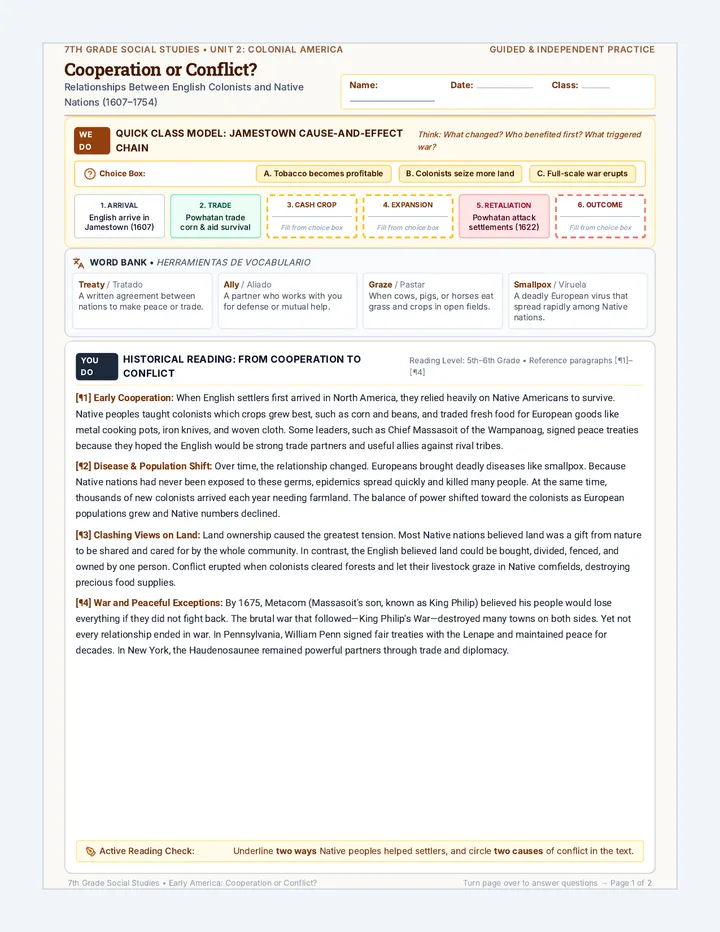
Starts in Central Asia near the Silk Road.
Moves West with Merchant Caravans and trade ships.
Enters major ports like Constantinople and Venice.
Travels up the rivers and roads to London and Paris.
Lightning Fast
30-60%
of Europe's population perished.
4 Years
To cover the entire continent.
25 Million
Estimated deaths in Europe alone.
"The father abandoned the son, the husband the wife... no one could be found to bury the dead for money or friendship."
— Agnolo di Tura, Siena (1348)
Plague Map Worksheet Mapping the Black Death
Tracing the path of the Invisible Invader
Name:
Date:
The Biological Trail
The Black Death was caused by a bacteria called Yersinia pestis. It didn't travel alone! It hitched a ride on fleas, which lived on rats, which lived on merchant ships and caravans.
1. The Rat
Traveled in cargo
2. The Flea
Bites the host
3. The Human
Gets sick
Connecting the Trade Routes
Read the clues below to identify which cities were infected and when. Use a red pen or marker to draw lines connecting them in the order they were hit.
Timeline Clues
1345: The plague starts in Central Asia near the Silk Road.
1346: It reaches Kaffa, a port on the Black Sea.
1347 (Oct): Merchant ships bring the plague to Messina, Sicily.
1348 (Jan): The disease enters the ports of Genoa and Venice.
1348 (June): It travels north through France to reach Paris.
1349: The plague crosses the English Channel to London.
In a real classroom, a historical map of Europe/Asia would be provided here. For this activity, draw a simple "Flow Chart" of the cities above to show the spread from East to West.
Cause and Effect
1. Why did the plague travel along trade routes instead of staying in one place?
2. If a town was located far away from any major roads or rivers, would they be more or less likely to get the plague? Why?
Plague Lesson Teacher Guide Teacher Resource Medieval Metamorphosis Unit
The Invisible Invader: Facilitation Guide
Lesson 1 of 5
45-60 Minutes
Learning Objectives
Identify the biological cause and transmission cycle of the Black Death.
Map the spread of the plague along established trade routes.
Explain the relationship between global trade and the speed of disease transmission.
Materials Needed
Cosmetic Glitter / "Germ" powder
Plague Path Slides
Plague Map Worksheets
Red Markers / Colored Pencils
The Hook: The Glitter Hand (10 min)
Before students arrive, apply a small amount of fine cosmetic glitter to your palm (or "germ powder").
As students enter, shake hands with 3-4 "merchants" (students). Instruct them to shake hands with 2 others as they go to their seats.
Once everyone is seated, ask everyone to look at their hands. Discussion: How did the glitter get to the back of the room so fast?
Connect this to "invisible invaders"—things we can't see (like germs) that travel through contact and trade.
Instructional Sequence
1. The Biological Cycle (Slides 2-3)
Focus on the "Three-Part Chain": The bacteria Yersinia pestis in the flea, the flea on the rat, and the rat on the ship. Emphasize that people at the time had NO idea how it was spreading, which added to the terror.
2. Mapping the Spread (Slide 4 + Worksheet)
Distribute the Plague Map Worksheet. Have students read the clues aloud. Model how to connect the cities from East to West. Teacher Tip: Emphasize that the plague followed the Silk Road and Mediterranean trade lanes.
3. Impact and Scale (Slide 5)
Use the numbers to build a sense of gravity. Help 4th graders visualize 1 in 3 people (e.g., "In our class of 30, 10 would be gone").
Checking for Understanding
Recall
"What were the three main 'players' in the plague's journey from Asia to Europe?"
Analyze
"Why did port cities get sick before mountain villages? What was different about their connections?"
Economic Ripple Slides The Scarcity Shift
When the many became the few: How the Black Death changed the value of work.
The Manor System
Too Many Workers
Before the plague, there were many peasants. If one complained, the Lord could easily find another.
No Wages
Workers were "serfs"—they worked for protection and a place to live, not for money.
Labor Surplus = Low Value
The Population Crash
By 1350, nearly 1 out of every 3 people in Europe had died.
What happens to the fields?
Crops rot. Animals go untended. The Lord has work to do, but no one to do it.
Abandoned Land
The Scarcity Rule
Supply
LOW
(Fewer workers available)
Value
HIGH
(Labor costs more money)
The Power Shift:
"Pay me in coins, or I will take my labor to the next village!"
Breaking the Chains
1. Demand for Wages
Peasants refuse to work for free. Lords are forced to pay cash wages for the first time.
2. Freedom to Move
Because every Lord needs workers, peasants can leave their old manors and find better deals.
3. Rising Wealth
Survivors become wealthier as they inherit land and money from relatives who passed away.
4. Feudalism Fails
The system of "Land for Loyalty" breaks down. The era of money and markets begins.
Labor Market Worksheet Labor Market Simulation
The Price of a Hard Day's Work
Worker Name:
Manor:
How the Game Works
The Lord of the Manor has crops that need harvesting. You are the workers. We will play through two rounds to see how "scarcity" (when something is rare) changes the value of your labor.
Round 1
Before the Plague: Labor Surplus
Scenario:
Every student is healthy and looking for work. There are 30 workers and only 10 harvest jobs.
Your Wage Prediction
1 Sticker
(The Lord doesn't have to pay much because everyone wants the job!)
Round 2
After the Plague: Labor Scarcity
Scenario:
Many workers have fallen ill or are gone. Only 5 workers remain for the same 10 harvest jobs.
Your New Wage
Wait for the Teacher to announce the new offer!
The Economic Shift
1. Why was the Lord forced to pay more in Round 2? Use the word "SCARCITY" in your answer.
2. If you were a worker in Round 2, and the Lord refused to pay you more, what could you do now that you couldn't do before?
Scarcity Lesson Teacher Guide Teacher Resource Medieval Metamorphosis Unit
The Scarcity Shift: Facilitation Guide
Lesson 2 of 5
45-50 Minutes
Learning Objectives
Define "scarcity" and explain how it affects the value of labor.
Explain why the population drop from the Black Death gave peasants more power.
Describe the shift from a feudal economy (land/service) to a wage economy (cash).
Materials Needed
Stickers or "tokens" for wages
Economic Ripple Slides
Labor Market Worksheet
The Hook: The Sticker Job (5-7 min)
Tell the class you have a very important job (e.g., organizing a bookshelf or wiping down a table).
Ask for volunteers. When many hands go up, offer only 1 sticker. Most will still do it. This shows Labor Surplus.
Then, tell the class that suddenly, most of them are "on vacation." Pick only 2-3 students.
Ask them to do the same job. If they hesitate, offer 10 stickers. They will likely agree quickly. This shows Scarcity.
Ask: "Why did the price of the job go up when there were fewer people to do it?"
The Simulation Game
Round 1: The Manor (Slides 1-2)
Assign everyone the role of "Serf." Explain that they work for the Lord for "free" (for protection). Use the slide to show a world with thousands of serfs and very few Lords. The Lord has all the power.
Round 2: The Shortage (Slides 3-4)
Have students use the Labor Market Worksheet. Act as the Lord. Suddenly announce that crops are rotting because workers are gone. You must have workers. Ask the remaining 5 students: "How much do I have to pay you to come work my field instead of my neighbor's?"
Discussion Prompts
"If you were a Lord in 1350, would you be happy or angry about these new wages?"
Answer: Angry, because your wealth depends on cheap labor. This is why many Lords tried to pass laws to stop wages from rising.
"How does this lesson connect to our 'Invisible Invader' lesson?"
Answer: The plague (effect) caused the population drop (cause), which caused the scarcity (effect).
City Hustle Slides City Hustle
Leaving the manor for the market: The rise of medieval towns and guilds.
The Great Move
The Manor
Quiet, mud, farming, and working for a Lord. No choice, no pay.
The Town
Loud, crowded, busy, and full of opportunity. You can earn wages!
"Town Air Makes You Free"
(Medieval Proverb)
The Power of Guilds
A Guild was like a professional club for workers who did the same job.
Quality Control
They made sure all products were high quality. No "junk" allowed!
Fair Pricing
They set the prices so no one could undercut the others.
Support
They helped members who were sick or families of members who died.
The Apprentice Path
1
Apprentice
Starting young (age 7-10). Work for a Master for food and board. No pay, just learning.
2
Journeyman
You've learned the skills. Now you work for daily wages and travel to different shops.
3
Master
Create a Masterpiece to prove your skill. Start your own shop.
Join a Guild!
You have just arrived in town. To survive and thrive, you must apply for an apprenticeship.
Blacksmith
Tailor
Goldsmith
Baker
Guild Application Worksheet Guild Apprenticeship Application
Official Document of the City Mercantile Council
Applicant Name:
Date of Arrival:
"Greetings, traveler! You have left the manor to seek a better life in our city. To work here, you must be part of a guild. An apprenticeship is your first step toward becoming a Master."
Part 1: Choose Your Craft
Which guild are you applying to? Check one box below.
The Blacksmiths' Guild
Working with fire and iron to make tools and horseshoes.
The Bakers' Guild
Providing the city's bread and ensuring it is always fresh.
The Weavers' Guild
Turning wool and silk into fine cloth for the merchants.
The Apothecaries' Guild
Mixing medicines and spices from far-off lands.
Part 2: Why should we accept you?
1. What skills or qualities do you have that would make you a good apprentice for this craft?
2. Apprentices do not get paid in money. They get food and a place to sleep. Why is this still better than staying on a manor as a serf?
3. If you become a Master one day, what would you like your "Masterpiece" to be? Describe it below.
This application is subject to the rules of the Great City Charter.
Place Guild Seal Here
City Lesson Teacher Guide Teacher Resource Medieval Metamorphosis Unit
City Hustle: Facilitation Guide
Lesson 3 of 5
45-50 Minutes
Learning Objectives
Explain why the end of feudalism led to the growth of towns and cities.
Describe the purpose of medieval guilds and the path from apprentice to master.
Compare the social opportunities of urban life vs. manor life.
Materials Needed
City Hustle Slides
Guild Application Worksheets
Pictures of Medieval Manors vs. Busy Towns (see slide 2)
The Hook: Manor Mud vs. Market Magic (10 min)
Show Slide 2 (Manor vs. Town). Ask students to do a "Think-Pair-Share."
Prompt: If you were a teenager in 1360, where would you rather live? Why?
List pros and cons on the board. (Manor = Safe/Quiet but no choice; Town = Dirty/Loud but you can choose your job).
Introduce the proverb: "Town air makes you free." Ask students what they think that means.
The Apprentice Application
Explain that in the city, your "family" and protection come from a Guild. Use Slides 3-4 to explain the 3 stages: Apprentice, Journeyman, Master.
Facilitation Tip:
When students are filling out the application, act as a "Guild Master." Walk around and "interview" them. Ask tough questions like, "Are you afraid of fire? Because a Blacksmith's shop is hot!" or "Can you wake up at 4 AM to bake bread?"
Key Takeaways
Specialization
On a manor, everyone is a general farmer. In a town, you become an expert in ONE thing. This creates better products and more wealth.
Urbanization
As more people move to cities for work, these cities become the center of culture and trade, leading right into the Renaissance.
Art Patronage Slides Money for Masterpieces
From survival to beauty: How merchant wealth fueled the greatest art explosion in history.
The Merchant Class
In the Middle Ages, only the Church and Great Lords had money.
But now...
Successful merchants, bankers, and guild masters in cities like Florence had extra wealth.
Banking Power
Families like the Medici became wealthier than kings.
Art Patronage
A Patron is a "Sponsor."
They didn't just buy land; they paid artists to create paintings, statues, and buildings.
Why did they do it?
To show off their wealth and power.
To beautify their cities (and their homes).
To thank God for their success.
No Patrons = No Renaissance
Artists like Da Vinci and Michelangelo needed money to live while they worked!
Medieval Style (Before)
Flat: No depth or "3D" feeling.
Symbolic: Figures were drawn to look holy, not like real people.
Gold Backgrounds: Mostly painted for churches, focusing on heaven.
Flat / 2D
Renaissance Style (After)
3D Perspective
Realism: People look like they are breathing and moving.
Perspective: Creating a "window" into a 3D world.
Emotion: Faces show real feelings—joy, fear, and sadness.
Art Detective Worksheet Art Detective Case File
Subject: The Transition to Realism
Detective:
Case Date:
"Greetings, Detective! We have two pieces of evidence from different eras. Your mission is to examine them closely and find the three major clues that prove the Renaissance was a 'rebirth' of style."
EVIDENCE A: MEDIEVAL STYLE
Fig 1.1
Observation Checklist:
Background is usually solid gold
People look flat like paper dolls
Faces do not show much emotion
EVIDENCE B: RENAISSANCE STYLE
Fig 1.2
Observation Checklist:
Landscape has depth (hills, trees)
Bodies look 3D and "solid"
Light and shadows are used
Official Findings
Clue #1: The Human Face
How are the expressions different in Evidence B compared to Evidence A?
Clue #2: The Background
Where are the people standing in Evidence B? Describe the "3D" world you see.
The Money Connection
In Lesson 3, we saw merchants getting rich. How did that merchant wealth help make Evidence B possible?
Art Lesson Teacher Guide Teacher Resource Medieval Metamorphosis Unit
Money for Masterpieces: Facilitation Guide
Lesson 4 of 5
45-50 Minutes
Learning Objectives
Identify the connection between the rise of the merchant class and the funding of the arts.
Define "patronage" and its role in the Renaissance.
Identify three visual differences between Medieval and Renaissance art styles.
Materials Needed
Art Patronage Slides
Art Detective Worksheet
Printouts of Comparison Art (e.g., Cimabue vs. Raphael)
The Hook: The Art Detective (10 min)
Show two side-by-side images (Slide 4 and 5). Do not label them "Medieval" or "Renaissance" yet.
Tell students: "You are Art Detectives. One of these was painted when people were mostly focused on getting to heaven; the other was painted when they were celebrating life on Earth. Which is which?"
Have students find three clues in the paintings that make one look more "real" than the other.
Instructional Sequence
1. Who Paid for the Paint? (Slides 2-3)
Connect back to Lesson 3. Now that merchants and bankers (like the Medici) have money, what do they do with it? Explain Patronage. An artist couldn't just paint what they wanted; they were hired workers, much like the guild members we studied.
2. Analyzing the Style (Slides 4-5)
Use these slides to introduce vocabulary: Flat vs. 3D, Symbolic vs. Realistic, and Perspective. Explain perspective as "drawing a window" into a room.
3. Independent Investigation
Distribute the Art Detective Worksheet. If possible, provide higher-quality color printouts of the artworks for students to examine in small groups.
Synthesis Discussion
"Why would a rich merchant want a painting that looks realistic instead of symbolic?"
Guided Answer: Merchants were proud of their success in this world. They wanted to see their own faces, their fine clothes, and their beautiful cities represented exactly as they looked.
Rebirth Report Worksheet The Rebirth Report
From the Dark of the Plague to the Light of the Renaissance
Chronicler:
Year of Study:
The Essential Question
How did a devastating crisis like the Black Death lead to new opportunities and a "rebirth" of society?
The Great Transformation
Category
Medieval World (Before)
Renaissance World (After)
Where People Lived
Work & Wealth
Style of Art
Personal Reflection
The word Renaissance means "Rebirth." Based on what you have learned, what was being "reborn"? Why do historians use this word to describe this time period?
Timeline Challenge Cards Timeline Challenge
Sorting the Medieval Metamorphosis
Activity Cards
Cut out these cards. Work with your team to place them in chronological order (from oldest to newest) to show how Europe changed.
The Manor System
Most people live as serfs on large farms. There is very little money or travel. Feudalism is strong.
The Black Death
A terrible plague travels trade routes from Asia. Nearly 1/3 of Europe's population dies in a few years.
The Labor Shortage
With fewer workers alive, peasants demand higher wages and more freedom. Serfdom begins to fail.
Rise of Towns
People move to cities to join guilds and find better jobs. Trade with far-off lands grows bigger.
Merchant Patronage
Hidden Key
Wealthy merchant families like the Medicis use their money to hire artists and build beautiful buildings.
The Renaissance
A "rebirth" of learning and art. Realism, perspective, and science change how people see the world.
Instruction: Cut along the solid lines. Discuss with your group before gluing onto your synthesis sheet.
Synthesis Lesson Teacher Guide Teacher Resource Medieval Metamorphosis Unit
Rebirth Revolution: Facilitation Guide
Lesson 5 of 5
45-50 Minutes
Learning Objectives
Synthesize the cause-and-effect relationship between the Black Death and the Renaissance.
Contrast the Medieval and Renaissance worldviews across several categories (Living, Labor, Art).
Explain the historical meaning of the word "Renaissance."
Materials Needed
Rebirth Report Worksheet
Timeline Challenge Cards
Scissors & Glue
The Hook: Timeline Challenge (15 min)
Distribute the Timeline Challenge Cards to small groups.
The Challenge: Students must cut out and arrange the cards in the order they happened. They must be ready to explain why one event led to the next.
Review as a class. Correct order: Manor System → Black Death → Labor Shortage → Rise of Towns → Merchant Patronage → Renaissance.
Critical Question: Could the Renaissance have happened without the Labor Shortage? Why or why not?
The Rebirth Report
Have students complete the comparison table on the Rebirth Report Worksheet. Encourage them to look back at their previous worksheets (Plague Map, Guild Application, Art Detective).
Key Comparison: Living
Medieval: Manors/Farms. Isolated. Renaissance: Busy Towns/Cities. Crowded.
Key Comparison: Labor
Medieval: Serfdom/Service. No choice. Renaissance: Wages/Guilds. Specialization.
Unit Reflection
End the unit by discussing the lesson's essential question: "How can a major crisis lead to new opportunities and changes in how society functions?"
Students should reflect on how the "Darkness" of the plague (death, fear, collapse) paradoxically created the "Light" of the Renaissance (wealth, freedom, beauty) by breaking down old, stuck systems.