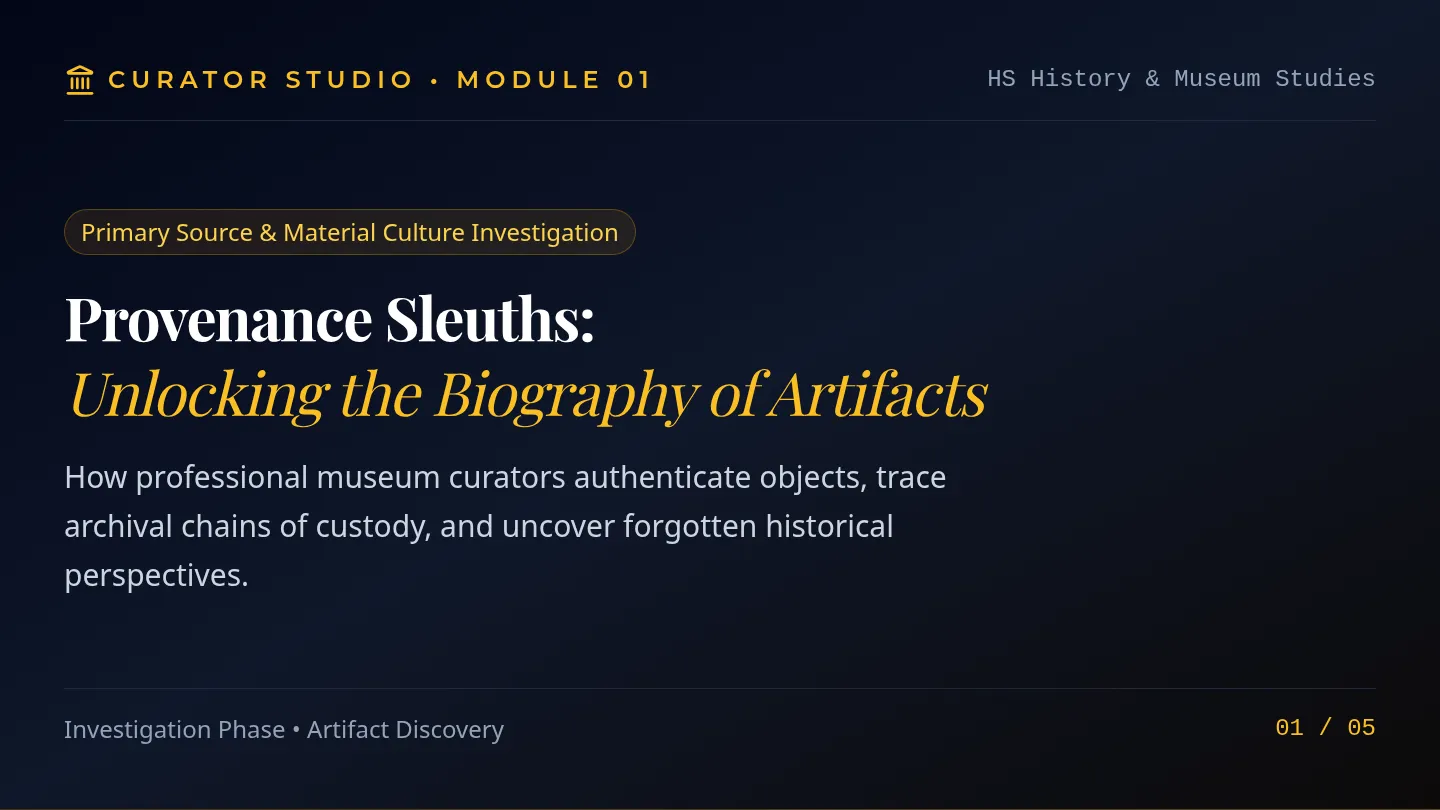
Colonial Sparks Presentation Slides
U.S. History II • WIDA Level 2
Building a Nation
What Happened After the Boston Tea Party?
From British punishment and colonial protests to the start of the Revolutionary War (1773–1776).
1. Anger & Laws
Intolerable Acts (1774)
2. Colonies Unite
Continental Congress
3. Fighting Begins
Lexington & Concord
Step 0 • The Spark
December 16, 1773: The Boston Tea Party
Winter 1773
Why Colonists Were Angry
Britain placed a heavy tax on tea without colonial consent.
Colonial Action:
American colonists dumped 342 chests of British tea into Boston Harbor to protest unfair British laws.
Britain's Reaction
King George III and the British government became very angry!
The Decision:
Britain decided to punish the entire colony of Massachusetts and make them pay for the tea.
Key Idea: The Boston Tea Party directly caused Britain to pass strict new laws.
Event 1 • 1774
The Intolerable Acts
British Punishment
Britain passed harsh laws called the Coercive Acts. Colonists called them the Intolerable Acts because they were too unfair to accept!
1. Closed Boston Harbor
No trade ships could enter or leave until Boston paid for all the destroyed tea.
Hurt Boston economy
2. Less Self-Government
Britain took away Massachusetts's ability to govern itself and banned town meetings.
Lost political rights
3. More British Troops
More redcoat soldiers arrived in Boston and forced colonists to house them.
Military control
Vocabulary: Intolerable = too unfair or painful to accept. Result: Colonists felt united in anger.
Event 2 • Fall 1774
The First Continental Congress
Philadelphia, Pennsylvania
The Colonies Unite
- Leaders from 12 of the 13 colonies met in Philadelphia.
- They discussed how to protect their rights against Britain's unfair laws.
- This was the first time the colonies worked together as one group!
The Big Action: Boycott
What does BOYCOTT mean?
Refusing to buy British goods as a peaceful protest.
Colonists stopped buying British tea, cloth, glass, and paper until Britain agreed to repeal the Intolerable Acts.
Key Takeaway: The colonies stood together to say: "An attack on Boston is an attack on all of us!"
Event 3 • April 19, 1775
Battles of Lexington and Concord
The War Begins!
The British March
British soldiers marched toward Concord, Massachusetts, to capture colonial guns, gunpowder, and weapons.
Target: Colonial Armory
The Minutemen
Colonial militia fighters called Minutemen were ready to fight at a minute's notice to defend their towns.
Ready in 60 seconds
The First Shots
Shooting broke out on Lexington Green and the North Bridge in Concord. The British were forced to retreat back to Boston.
Revolutionary War begins
The Shot Heard 'Round the World: This famous moment started the American Revolutionary War!
Event 4 • May 1775
The Second Continental Congress
Philadelphia, Pennsylvania
Major Decisions Made
1. Created the Continental Army
An official army representing all 13 American colonies.
2. Chose George Washington
Appointed General Washington to lead the Continental Army.
War and Peace
The colonial representatives still sent letters to King George III asking for peace, but the King refused to listen.
The Outcome:
The war was officially underway. The colonies were moving toward full independence!
Next Big Step: One year later, on July 4, 1776, Congress signed the Declaration of Independence!
Timeline: From Tea Party to Revolution
Chronological Order
Dec 1773
Boston Tea Party
Tea dumped into harbor to protest tax.
1774
Intolerable Acts
Britain punishes Boston & closes harbor.
Sept 1774
1st Continental Congress
12 colonies meet & start boycott.
April 1775
Lexington & Concord
First shots fired; war begins.
May 1775
2nd Continental Congress
Army formed; Washington leads.
July 1776
Declaration of Indep.
Colonies declare freedom from Britain.
Pattern: British taxes ➔ Colonial protest ➔ British punishment ➔ Colonies unite ➔ War
Important Vocabulary
Key Words to Know
Punish
To give a penalty for doing something wrong.
Intolerable
Too unfair or difficult to accept.
Boycott
Refuse to buy goods as a protest.
Congress
A group of representatives who meet.
Minutemen
Colonial soldiers ready to fight in a minute.
Revolution
A major, complete change in government.
Sentence Frame: "The colonists decided to boycott British tea because the taxes were intolerable."
Check for Understanding (Part 1)
Questions 1–3
1
Why did Britain pass the Intolerable Acts?
Sentence Starter: Britain passed the Intolerable Acts because they wanted to punish Boston for...
2
What happened to Boston Harbor?
Sentence Starter: Boston Harbor was closed so that no ships could...
3
What was the purpose of the First Continental Congress?
Sentence Starter: Representatives met in Philadelphia to decide how to respond to...
Turn and talk with a partner or write your response in your notebook.
Check for Understanding (Part 2)
Questions 4–6
4
What does boycott mean?
Hint: Think about British tea and goods.
5
What happened at Lexington & Concord?
Hint: Think about British soldiers and Minutemen.
6
Who became the leader of the Continental Army?
Hint: Second Continental Congress chose him.
Main Idea & Next Lesson Connection
Main Idea: The Boston Tea Party increased tensions between Britain and the American colonies. Britain's harsh punishments led the 13 colonies to unite. Eventually, fighting broke out in 1775.
Next Lesson: The American Revolution began right here in Massachusetts!