Culture Decoded Slides
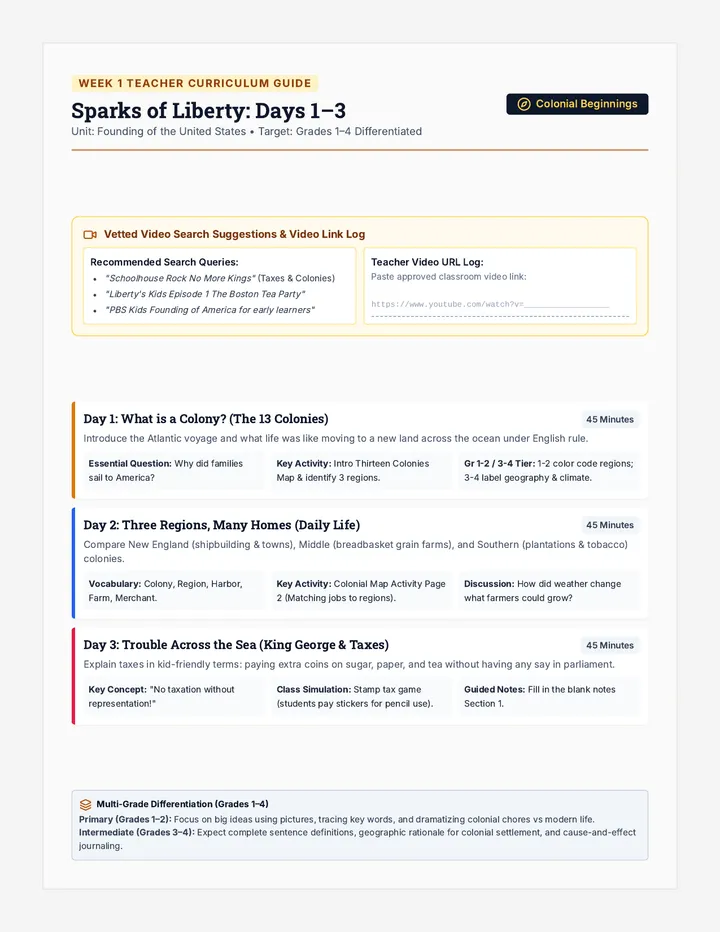
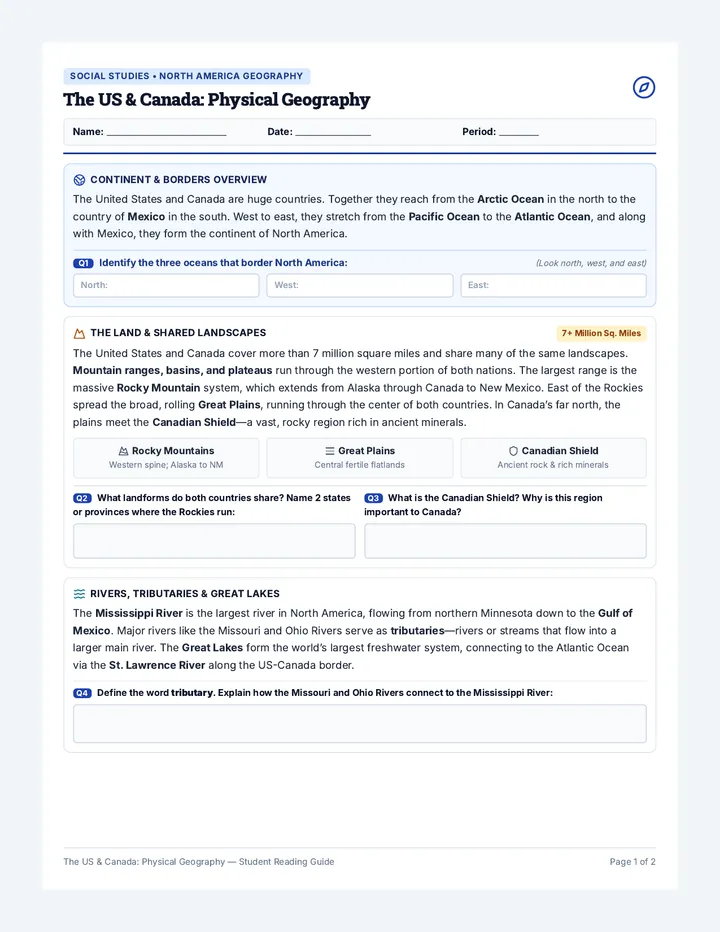
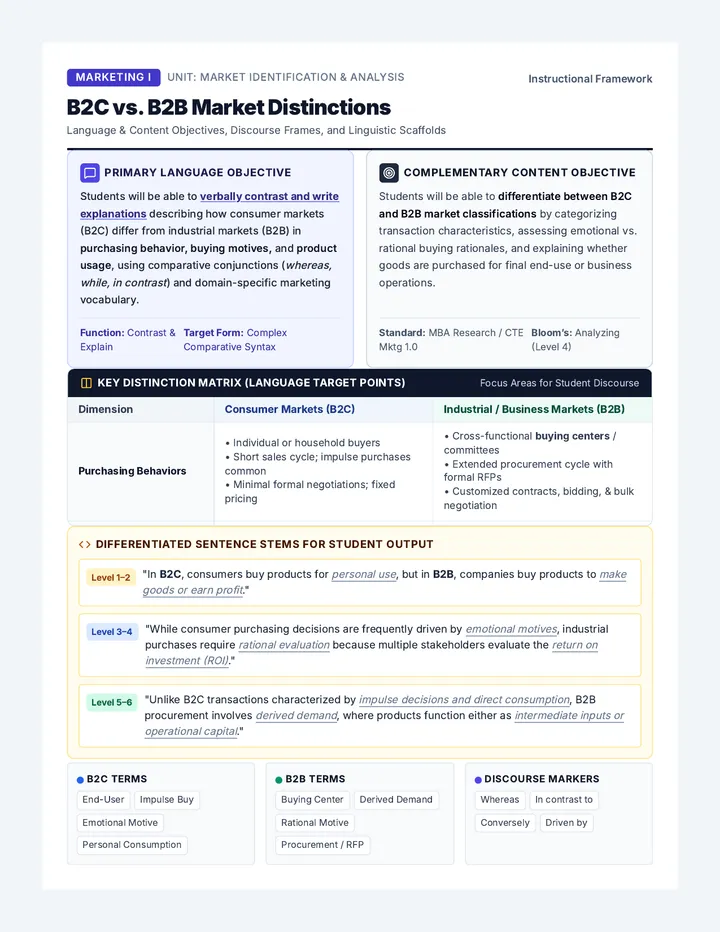
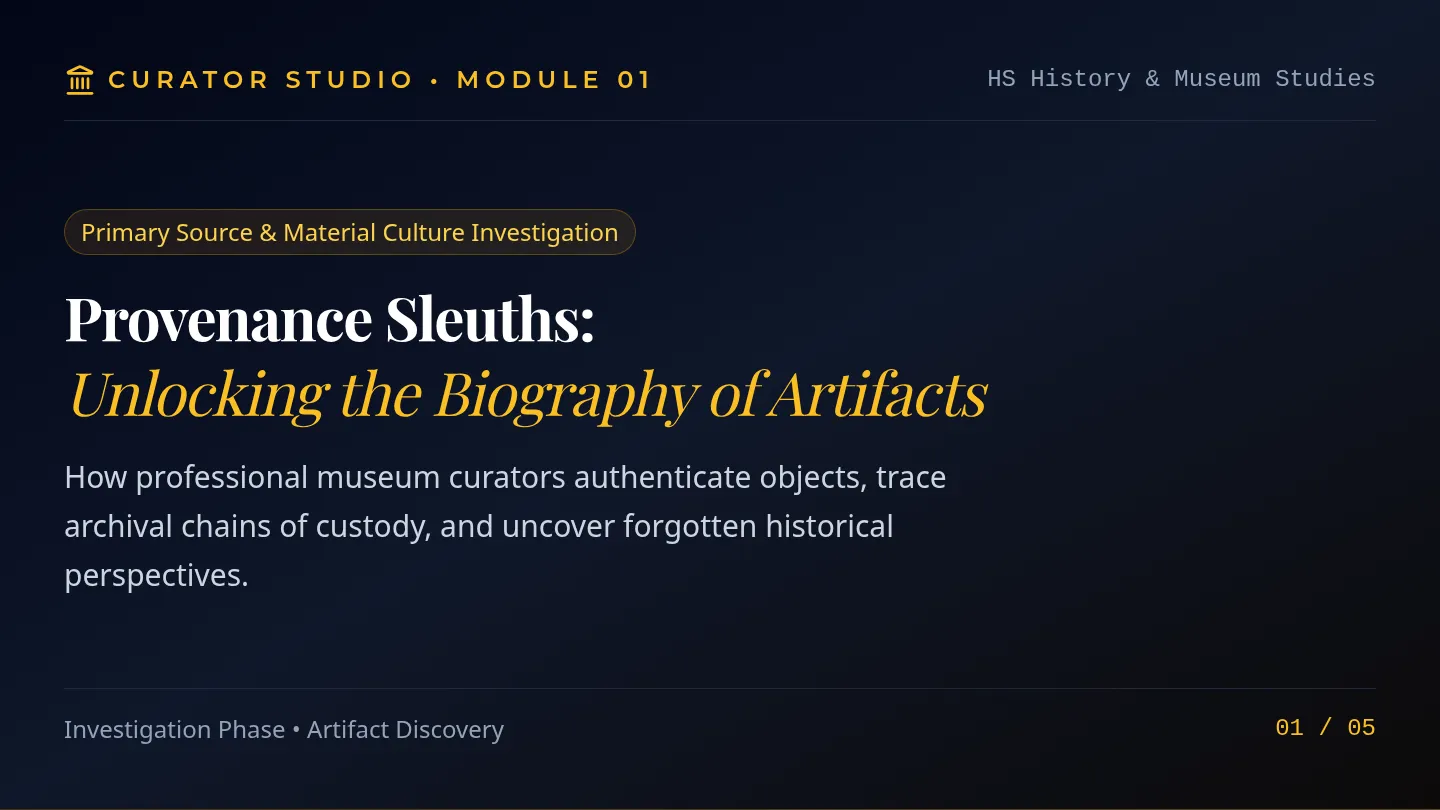
Cultural Anthropology 101
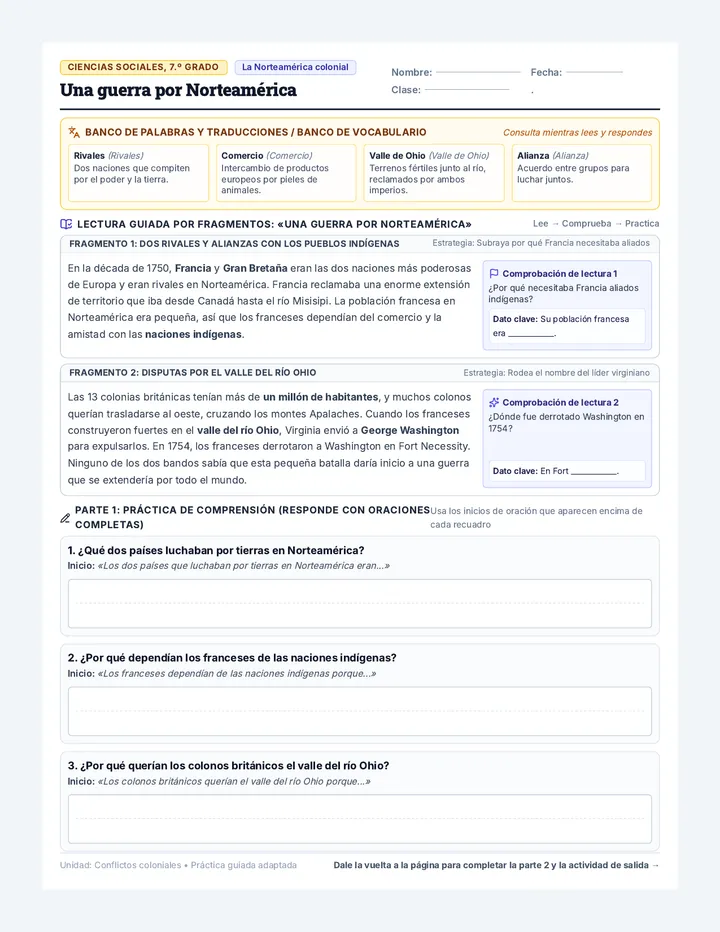
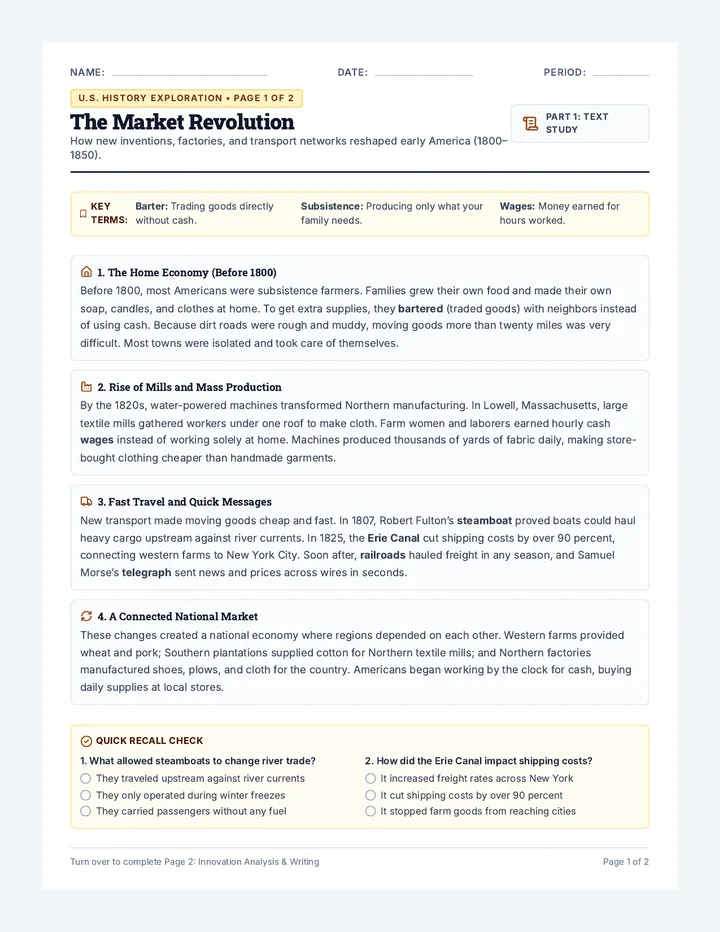
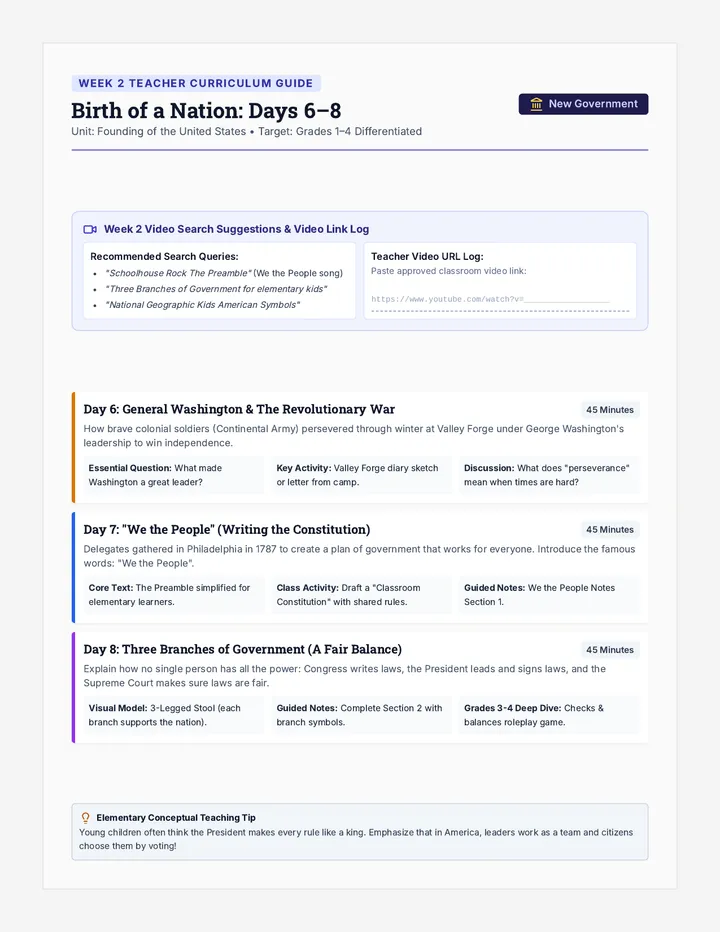
Field Investigation Unit
Ethnographic Stations Lab
Culture Decoded
How ethnographers decode human societies by connecting beliefs, behaviors, and material creations.
Case Focus: The Haida Nation of Haida Gwaii
Ethnography Fieldwork Series
Anthropological Method
Slide 2 / 10
What is an Ethnography?
The primary research tool of cultural anthropology: a comprehensive study of a community's daily life and culture.
Participant Observation
Ethnographers don't merely watch from afar; they live within the group, share meals, participate in rituals, and conduct interviews over months or years.
Emic vs. Etic Perspectives
Emic: The insider's viewpoint and native meanings.
Etic: The outsider's viewpoint. The comparative, analytical lens of the scientific observer.
While ethnography starts and centers heavily on gathering information from an emic perspective, a comprehensive ethnography often translates those insider (emic) accounts into an etic perspective when they are published and shared with others so that they can be studied.
Goal of the ethnographer: Understand the world through the minds of community members without judgment.
Core Anthropological Principle
Slide 3 / 10
The Golden Rule: Cultural Relativism
Before an ethnographer can decode another culture, they must guard against their own biases.
The Trap
Ethnocentrism
Judging another culture solely through the values and standards of your own. Believing your customs are "normal" or "superior" while others are "weird" or "primitive."
The Mindset
Cultural Relativism
The practice of understanding a group's beliefs, rituals, and artifacts within their own historical and environmental context—asking "Why does this make sense to them?"
Anthropologist's Rule: Relativism doesn't mean agreeing with everything; it means suspending snap judgment to understand the internal logic of a society.
Conceptual Framework
Slide 4 / 10
The 3 Components of Culture
Anthropologists break complex cultures into three interacting pillars:
Component 1
Knowledge & Values
What people think, believe, feel, and hold sacred. (Invisible worldview)
Component 2
Behavioral Patterns
What people do: rituals, customs, etiquette, and social interactions.
Component 3
Material Culture
What people make and use: tools, architecture, clothing, and physical objects.
No component stands alone: each shape and reinforce one another.
Pillar 1: Cognitive Dimension
Slide 5 / 10
Component 1: Knowledge & Beliefs
The cognitive blueprint: how a group explains existence, morality, and nature.
What it Includes
- Cosmology & origin stories
- Religious and spiritual convictions
- Core ethical values & taboos
- Attitudes toward elders, land, & nature
Fieldwork Clue
Beliefs are invisible to the eye! An ethnographer cannot photograph a "value." Instead, they must discover it through deep listening, myth analysis, and observing how values dictate action.
Key Question: What principles do people use to decide what is right, sacred, or meaningful?
Pillar 2: Action Dimension
Slide 6 / 10
Component 2: Behavioral Patterns
Culture in action: the observable routines, ceremonies, rules, and relationships.
What it Includes
- Rites of passage (birth, naming, mourning)
- Gift-giving and economic exchange
- Daily harvesting & division of labor
- Social etiquette and conversational rules
Fieldwork Clue
Behaviors are rituals made visible. When people gather, dance, feast, or divide food, they are actively acting out their core societal rules and shared expectations.
Key Question: What repeated customs reveal how individuals relate to one another and authority?
Pillar 3: Physical Dimension
Slide 7 / 10
Component 3: Material Culture
Tangible objects: the physical items created, modified, and used by human hands.
What it Includes
- Monumental art, carvings, & symbols
- Shelter architecture & village layouts
- Specialized tools, vessels, & weapons
- Textiles, woven regalia, & ornaments
Fieldwork Clue
Artifacts are never merely functional. Every design motif, raw material chosen, and ornamental polish embodies religious symbolism and economic reality.
Key Question: How do physical objects reflect environmental adaptation and ancestral status?
Cultural Triangulation
Slide 8 / 10
Making the Connections
True ethnographers don't just categorize—they connect! Look for the continuous loop:
Step 1: Belief Drives Action
A deeply held value (Belief) commands individuals to perform a ceremony (Behavior).
Step 2: Action Uses Object
To conduct the ceremony (Behavior), artisans craft specialized sacred tools (Material).
Step 3: Object Teaches Value
The finished artifact (Material) visually teaches young generations the core history and values (Belief).
Your task today: Find how one Haida tradition flows through all three dimensions!
Case Context: People of the Cedar
Slide 9 / 10
The Haida of Haida Gwaii
A resilient Indigenous seafaring nation inhabiting their ancestral Pacific archipelago for over 13,000 years.

Haida village raising a monumental crest pole with longhouses and ceremonial regalia.
The Land: "Islands of the People"
- Location: Over 150 islands off the coast of British Columbia, Canada.
- Ecosystem: Temperate rainforests dense with colossal Western Red Cedar and waters rich with salmon and halibut.
Society & Seafaring Masters
- Ocean Voyaging: Navigated the Pacific in 60-foot dugout cedar canoes for deep-sea fishing, trade, and diplomacy.
- Social Structure: Matrilineal society divided into hereditary Eagle and Raven clans (moieties).
Triangulation in Art: The painting displays all three components: crest spirits (beliefs), pole-raising feast (behaviors), and carved poles and robes (material culture).
Mission Briefing
Slide 10 / 10
Station Rotation Protocol
Today's Case Focus: The Haida Nation of Haida Gwaii (Pacific Northwest Coast).
Station 1: Beliefs
Examine the spiritual philosophy of Yahguudang (respect for all beings) and the living spirit of the Western Red Cedar tree.
Station 2: Behaviors
Analyze the Waahlal (Potlatch), deep-sea ocean journeys, and ethical tree-harvesting rituals and prayers.
Station 3: Material
Inspect monumental Crest Poles (Totem Poles), steam-bent red cedar boxes, and ocean canoes.
12–15 Minutes Per Station
Record evidence & define bolded terms in your Field Notebook!
Haida Fieldwork Placards
Station 1 Component 1: Cognitive Dimension
Sacred Trees & Cosmic Law
Case Study The Haida of Haida Gwaii
What Ethnographers Look For in Component 1
Knowledge, Beliefs, Ideas, Attitudes, & Values: The mental architecture of a culture—how people understand the unseen world, define right from wrong, view the natural environment, and structure human identity.
Ethnographer's Field Journal: Entry #18
Location: Old Massett / Haida Gwaii
"This morning I walked through the ancient cedar groves with Guujaaw, an elder and master woodcarver. Before approaching a colossal Western Red Cedar (which the Haida call ts'uu), he stood in complete silence. He explained to me that the forest is not an inanimate warehouse of timber, but a sovereign community of sentient ancestors. In Haida philosophy, everything—bears, killer whales, ocean waves, and cedar trees—possesses an immortal spirit. The guiding law is Yahguudang: showing deep, respectful reciprocity to all living beings. To take without honoring the tree's spirit would bring spiritual imbalance and communal misfortune to the entire village."
Core Belief Systems & Values
Yahguudang (Respect & Care)
The foundational Haida moral value. It demands that humans conduct themselves with humility, taking only what is needed from the ocean and forest and offering gratitude in return.
The Two Moieties (Eagle & Raven)
Every Haida person belongs from birth to one of two ancestral clans: Raven or Eagle, passed matrilineally through their mother. You must always marry someone from the opposite moiety.
Station 1 Key Glossary
Worldview: A society's shared comprehensive framework of ideas, beliefs, and assumptions about reality and human purpose.
Yahguudang: The central Haida ethical principle of honoring, respecting, and living in balance with all sentient life.
Animism: The belief that natural objects, plants, animals, and geographic landscapes possess living spirits and consciousness.
Moiety: A social structure dividing a society into two halves (Eagle and Raven) to organize kinship, marriage, and ceremonies.
Field Notebook Task: Record 2 observations & explain how Yahguudang influences human behavior. Page 1 of 3
Station 2 Component 2: Action Dimension
Feasts of Honor & Forest Protocols
Case Study The Haida of Haida Gwaii
What Ethnographers Look For in Component 2
Behavioral Patterns: The standardized ways people act, interact, celebrate, and work—including life-cycle ceremonies, resource-gathering protocols, economic exchange, etiquette, and social customs.
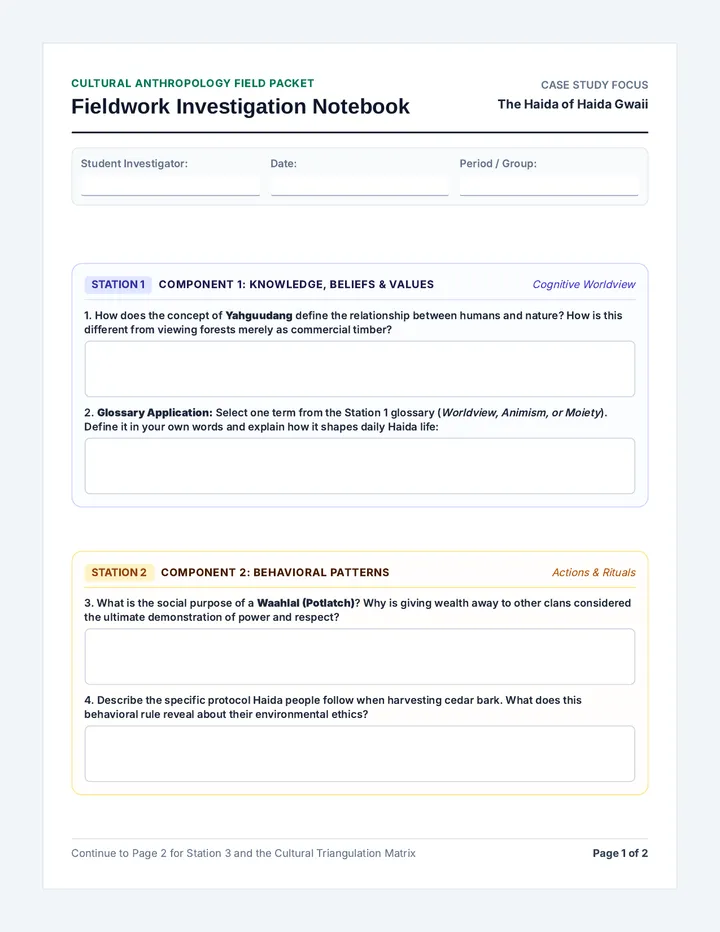
Fieldwork Investigation Notebook
Cultural Anthropology Field Packet
Fieldwork Investigation Notebook
Case Study Focus The Haida of Haida Gwaii
Student Investigator:
Date:
Period / Group:
Station 1
Component 1: Knowledge, Beliefs & Values
Cognitive Worldview
1. How does the concept of Yahguudang define the relationship between humans and nature? How is this different from viewing forests merely as commercial timber?
2. Glossary Application: Select one term from the Station 1 glossary (Worldview, Animism, or Moiety). Define it in your own words and explain how it shapes daily Haida life:
Station 2
Component 2: Behavioral Patterns
Actions & Rituals
3. What is the social purpose of a Waahlal (Potlatch)? Why is giving wealth away to other clans considered the ultimate demonstration of power and respect?
4. Describe the specific protocol Haida people follow when harvesting cedar bark. What does this behavioral rule reveal about their environmental ethics?
Continue to Page 2 for Station 3 and the Cultural Triangulation Matrix Page 1 of 2
Station 3
Component 3: Material Culture
Tangible Technology & Artifacts
5. What is the true cultural meaning of a Monumental Crest Pole? Why is referring to it as simply an "art object" an incomplete anthropological description?
6. How does the engineering of the Bentwood Box or Dugout Cedar Canoe demonstrate specialized technological adaptation to the coastal rain forest?
The Cultural Triangulation Matrix (Synthesis)
Connecting the 3 Components
In ethnography, no component exists in isolation. Demonstrate how the Haida cultural elements connect across all three dimensions:
Connection A: Beliefs & Values → Behavioral Patterns How worldview shapes actions
Explain how the belief in Yahguudang (spiritual reciprocity) directly causes people to behave in a specific way during tree harvesting or the Potlatch:
Connection B: Behavioral Patterns → Material Culture How actions require objects
Explain how the ceremonial ritual of the Waahlal requires the production and use of physical items like bentwood boxes and carved crest poles:
Connection C: Material Culture → Beliefs & Values How objects reinforce ideas
Explain how looking at a finished Crest Pole in a village teaches youth their spiritual ancestry and reinforces respect for hereditary crest animals:
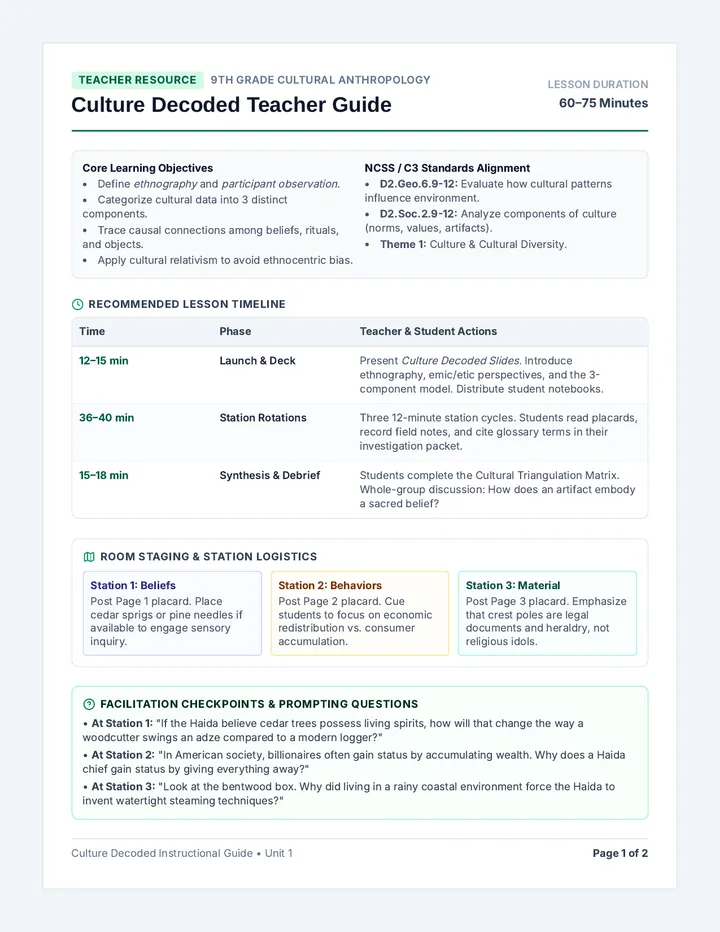
Ethnography Fieldwork Teacher Guide
Teacher Resource 9th Grade Cultural Anthropology
Culture Decoded Teacher Guide
Lesson Duration 60–75 Minutes
Core Learning Objectives
- Define ethnography and participant observation.
- Categorize cultural data into 3 distinct components.
- Trace causal connections among beliefs, rituals, and objects.
- Apply cultural relativism to avoid ethnocentric bias.
NCSS / C3 Standards Alignment
- D2.Geo.6.9-12: Evaluate how cultural patterns influence environment.
- D2.Soc.2.9-12: Analyze components of culture (norms, values, artifacts).
- Theme 1: Culture & Cultural Diversity.
Recommended Lesson Timeline
Time
Phase
Teacher & Student Actions
12–15 min
Launch & Deck
Present Culture Decoded Slides. Introduce ethnography, emic/etic perspectives, and the 3-component model. Distribute student notebooks.
36–40 min
Station Rotations
Three 12-minute station cycles. Students read placards, record field notes, and cite glossary terms in their investigation packet.
15–18 min
Synthesis & Debrief
Students complete the Cultural Triangulation Matrix. Whole-group discussion: How does an artifact embody a sacred belief?
Room Staging & Station Logistics
Station 1: Beliefs
Post Page 1 placard. Place cedar sprigs or pine needles if available to engage sensory inquiry.
Station 2: Behaviors
Post Page 2 placard. Cue students to focus on economic redistribution vs. consumer accumulation.
Station 3: Material
Post Page 3 placard. Emphasize that crest poles are legal documents and heraldry, not religious idols.
Facilitation Checkpoints & Prompting Questions
- • At Station 1: "If the Haida believe cedar trees possess living spirits, how will that change the way a woodcutter swings an adze compared to a modern logger?"
- • At Station 2: "In American society, billionaires often gain status by accumulating wealth. Why does a Haida chief gain status by giving everything away?"
- • At Station 3: "Look at the bentwood box. Why did living in a rainy coastal environment force the Haida to invent watertight steaming techniques?"
Culture Decoded Instructional Guide • Unit 1 Page 1 of 2