Cognitive structures for information processing, memory, and problem-solving alongside the mechanics of language acquisition. Examines how linguistic frameworks shape human thought and mental representations.
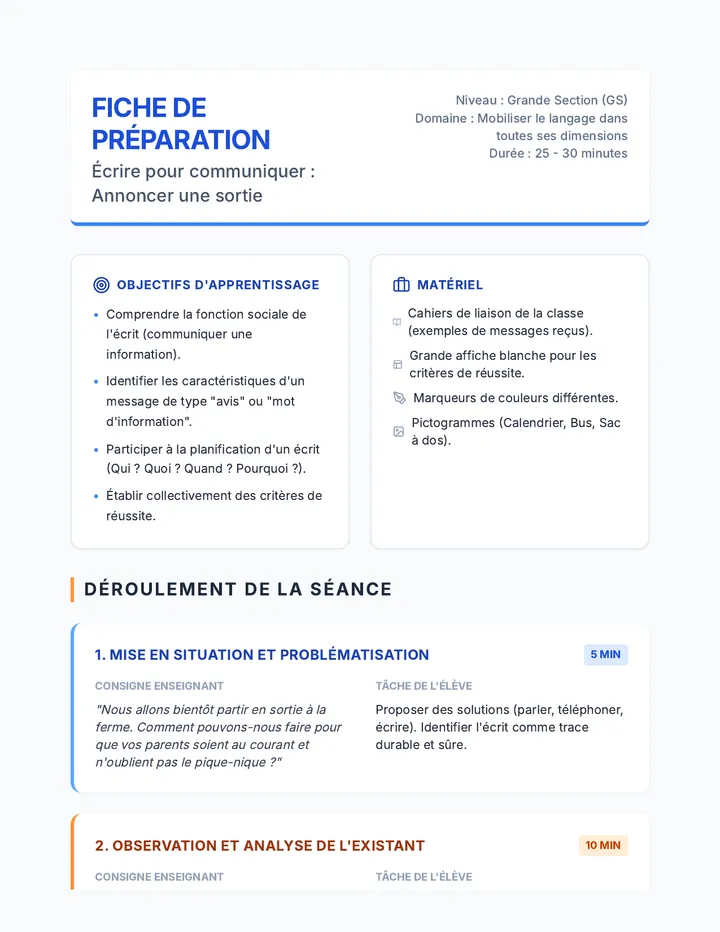
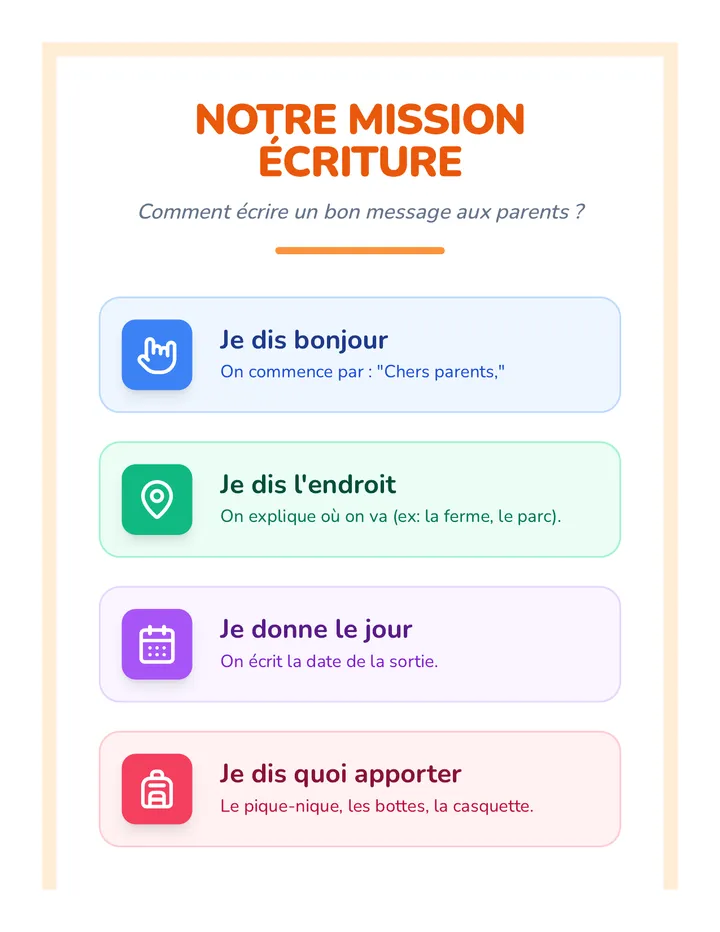
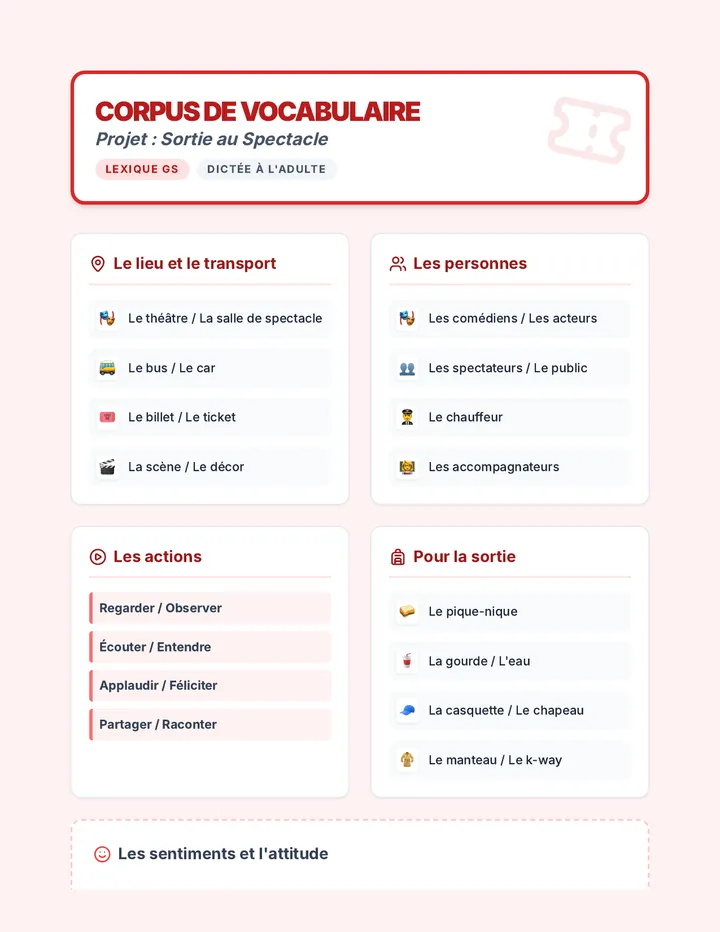
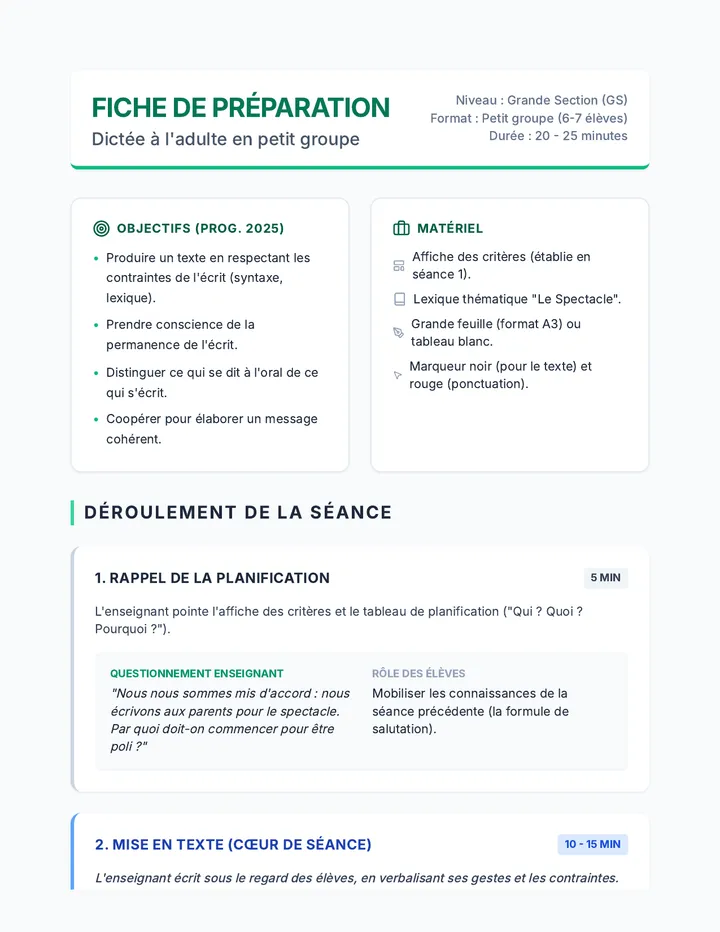
Une série de modules de formation destinés aux conseillers pédagogiques pour renforcer leur expertise en ingénierie de formation continue, spécifiquement appliquée à l'enseignement du français à l'école primaire.
A 12-lesson intensive course on reasoning and critical thinking, aligned with the 'Reasoning Skills Success' framework. This sequence covers everything from the distinction between reason and emotion to complex logical fallacies, statistical analysis, and deductive/inductive logic.
An interdisciplinary graduate sequence exploring the intersection of cognitive psychology and rhetorical questioning. Students analyze biases like anchoring and priming to master the art of persuasive cross-examination.
A graduate-level exploration of the intersection between cognitive science and literary theory, focusing on how readers construct fictional worlds and the ethical dimensions of narrative engagement.
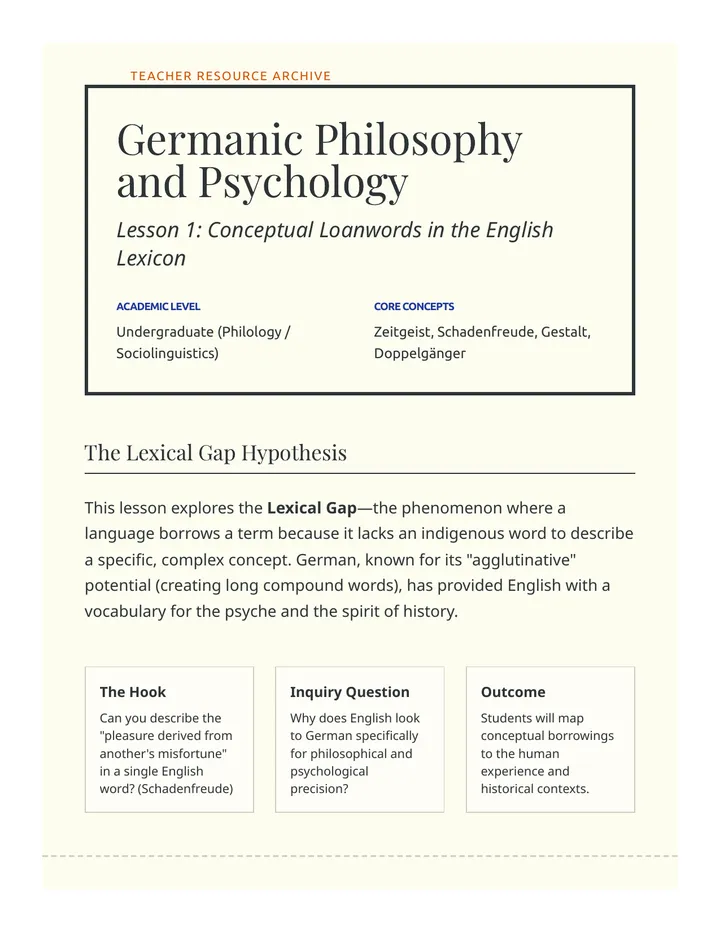
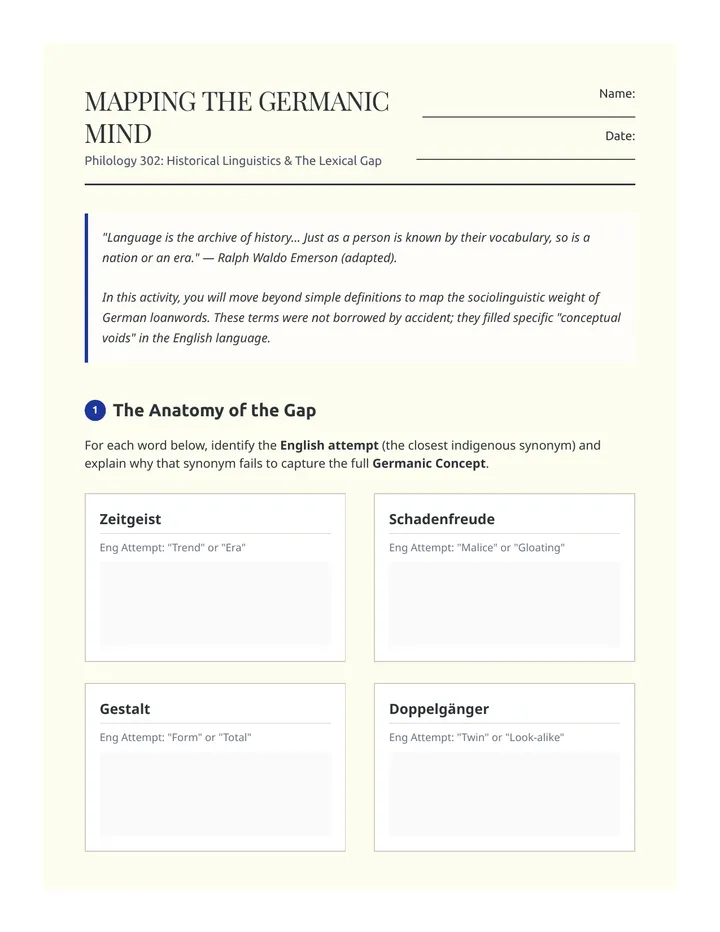
An undergraduate-level exploration of loanwords in English, focusing on the sociolinguistic history and philological origins of terms from German, Spanish, Italian, Arabic, Hindi, and Yiddish. Students investigate how culture, philosophy, and trade shape the lexicon.
This sequence explores advanced verbal and non-verbal reasoning through the lens of analogies. Students move from basic word associations to analyzing degrees of intensity, causal relationships, and precise word choice.
A specialized sequence for undergraduate linguistics or SLP students examining the articulatory and acoustic constraints on phoneme manipulation. Students move from theoretical phonetics to professional diagnostic reasoning.
This sequence explores the rapid physical and cognitive expansion during the first two years of life. Students will move from understanding innate biological reflexes to complex voluntary motor skills, Piaget's sensorimotor stage, and the emergence of language through observational labs and experimental analysis.
This sequence explores the rapid cognitive, physical, and social-emotional changes during an infant's first year, covering motor milestones, Piaget's sensorimotor stage, language acquisition, and attachment theory. Students analyze the interplay between biological maturation and environmental interaction to understand early human development.
A comprehensive 11th-grade psychology unit exploring consciousness, attention, and the major theories of dreaming, from Freudian psychoanalysis to modern neurobiological and cognitive models. Students move from defining conscious awareness to critiquing scientific evidence in a culminating seminar on the function of dreams.
A comprehensive 9th Grade Psychology unit exploring the physical, cognitive, and social development of infants during their first year of life. Students investigate developmental milestones, Piaget's theories, attachment styles, and language acquisition, culminating in a project where they design developmentally appropriate tools for infants.
A 12th-grade Social Communication sequence focused on deconstructing metaphors, analogies, and idioms in media, politics, and news to enhance media literacy and communication skills.
An exploration of the history, mechanics, and fairness of standardized testing through the lens of a neurodivergent student's experience. This lesson uses a retro-style comic to illustrate the disconnect between traditional testing and real-world intelligence.
An exploration of John Searle's famous thought experiment, examining the distinction between syntax and semantics and the debate over Strong Artificial Intelligence.
A comprehensive lesson introducing Lev Vygotsky's sociocultural theory of cognitive development. Students will explore the Zone of Proximal Development, the role of Scaffolding, and the importance of the More Knowledgeable Other through collaborative activities.
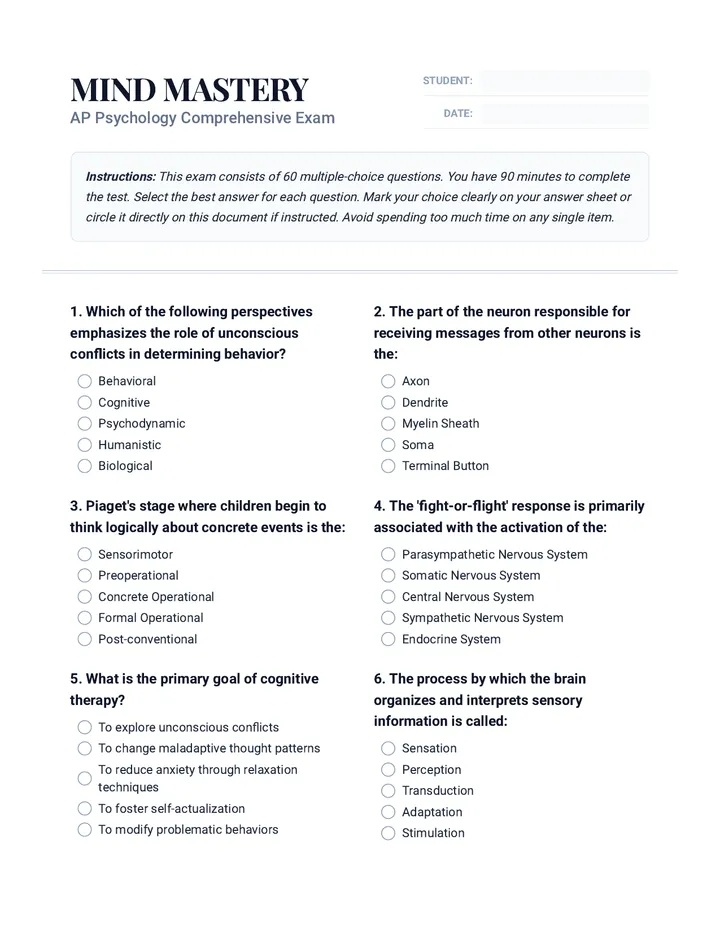
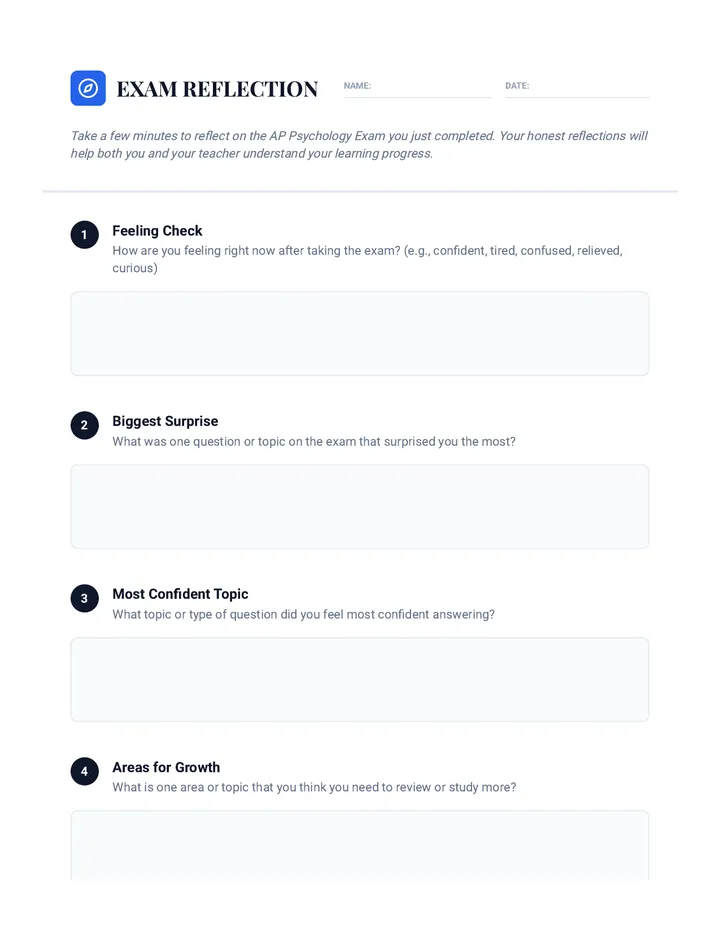
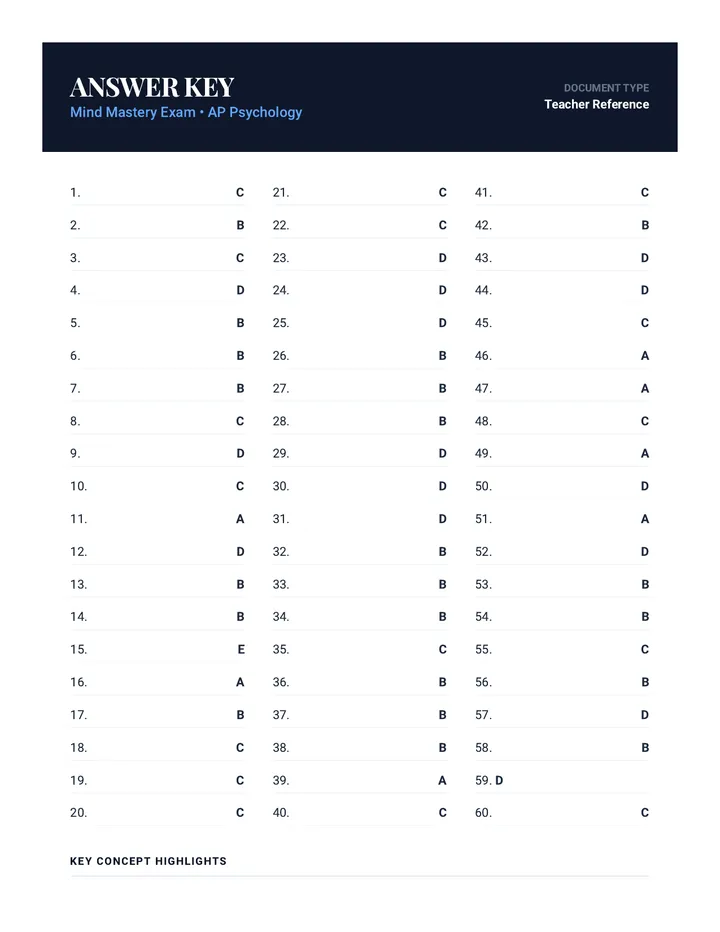
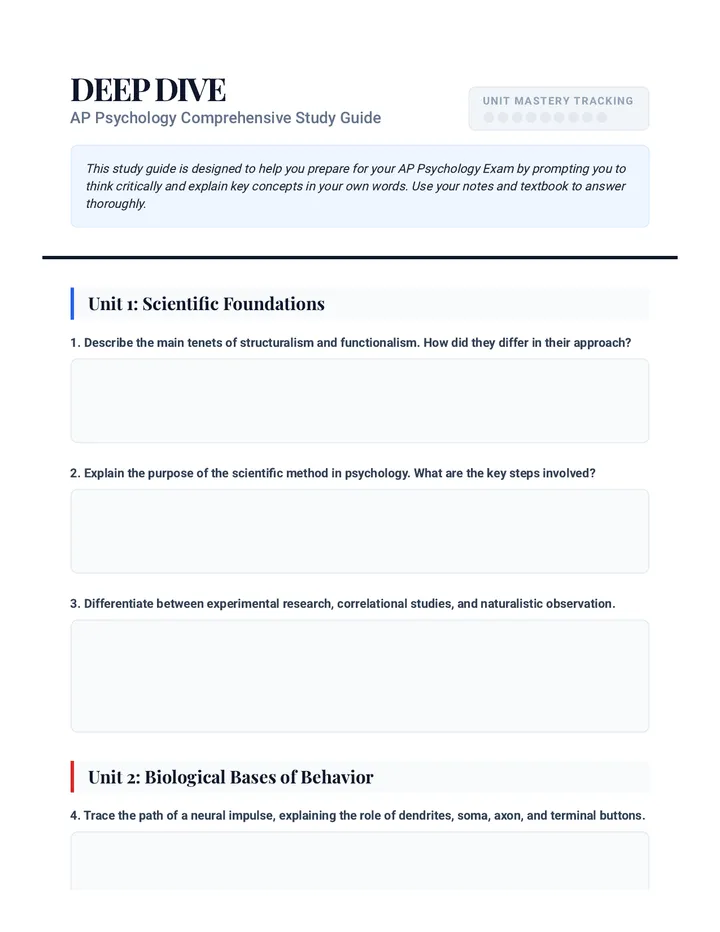
A comprehensive 90-minute assessment covering the breadth of the AP Psychology curriculum, including a 60-question multiple-choice exam, a post-exam reflection, and a detailed study guide for review.
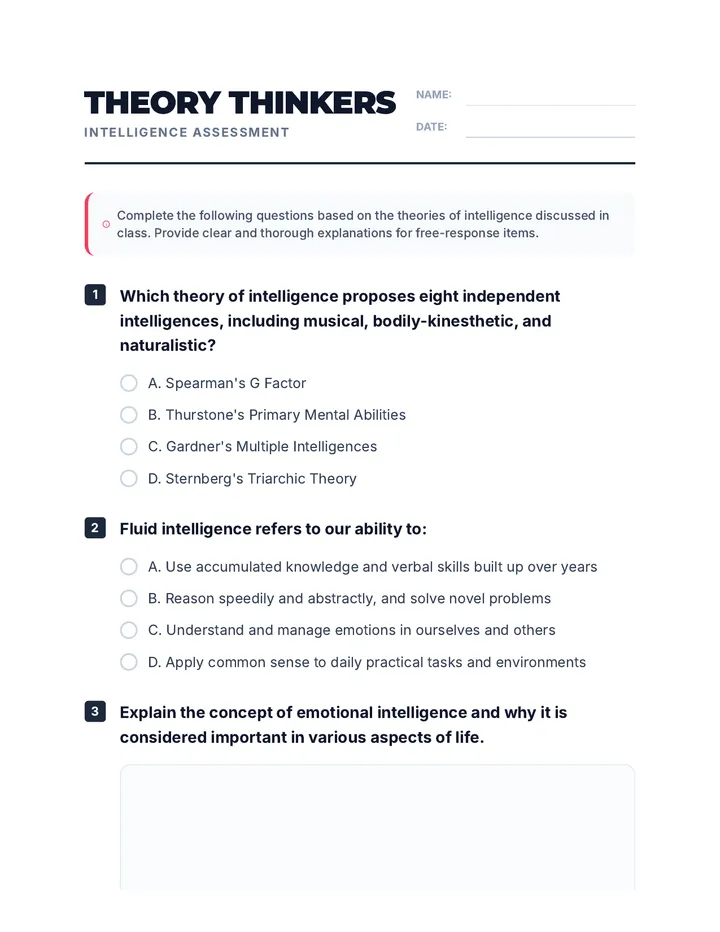
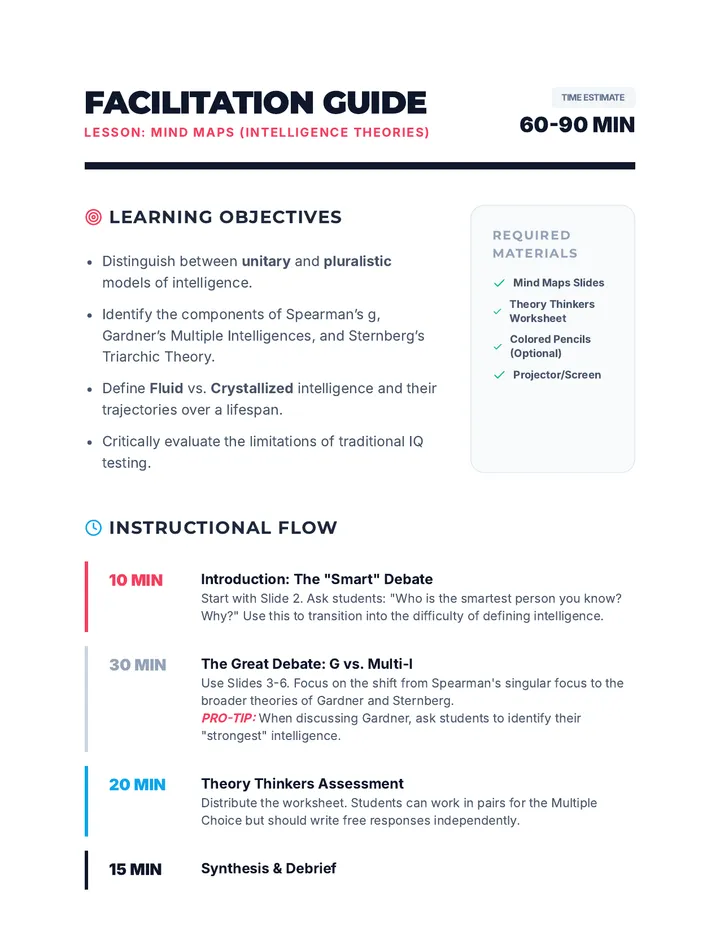
An exploration of psychological theories of intelligence, covering Spearman's general intelligence, Gardner's multiple intelligences, Sternberg's triarchic model, and the concept of emotional intelligence. Students will compare different models and reflect on how intelligence is measured and defined.
This lesson explores Collective Learning, a threshold of complexity that allows humans to accumulate knowledge over generations. Students analyze the 'ratchet effect' of technology, comparing the slow progress of early hominids to the explosive innovation of Homo Sapiens.
A sociology and gender studies lesson for high schoolers that deconstructs the Western gender binary by exploring Indigenous concepts of gender fluidity, matriarchy, and sacred identity using Lily Gladstone's Crash Course Native American History.
This lesson explores the complexities of content moderation in the digital age, focusing on the differences between human flagging and algorithmic AI. Students will participate in a 'Sarcasm Test' activity to see firsthand why AI struggles with linguistic nuances like irony and context.
A high school psychology/sociology lesson exploring the Social Brain Hypothesis, the evolutionary transition from physical grooming to vocal gossip, and the modern implications of Dunbar's Number in a digital age.
Students explore how language shapes thought using the Sapir-Whorf hypothesis and Indigenous grammatical examples, specifically the distinction between animate and inanimate objects in Potawatomi and Anishinaabemowin.
An undergraduate anthropology and linguistics lesson examining the socio-political impacts of language loss, boarding school history, and modern revitalization efforts. Students will analyze the concept of 'Linguicide' through the lens of Indigenous North American history and contemporary revitalization.
This lesson explores how language serves as a lens through which we view the world, using historical examples and modern slang to illustrate cultural context and linguistic relativity. Students analyze the 'Yucatan' story and create their own 'Local Dictionary' of generation-specific idioms.