Sacred Bridge Slides Sacred Bridge
Indigenous Gender Fluidity & Power
Sociology & Gender Studies | Grade 11-12
Today's Objectives
1
Deconstruct the Western gender binary through Indigenous lenses.
2
Analyze the concepts of Nádleehi and Māhū as sacred identities.
3
Explore the connection between matriarchal leadership and gender equity.
Quick Start
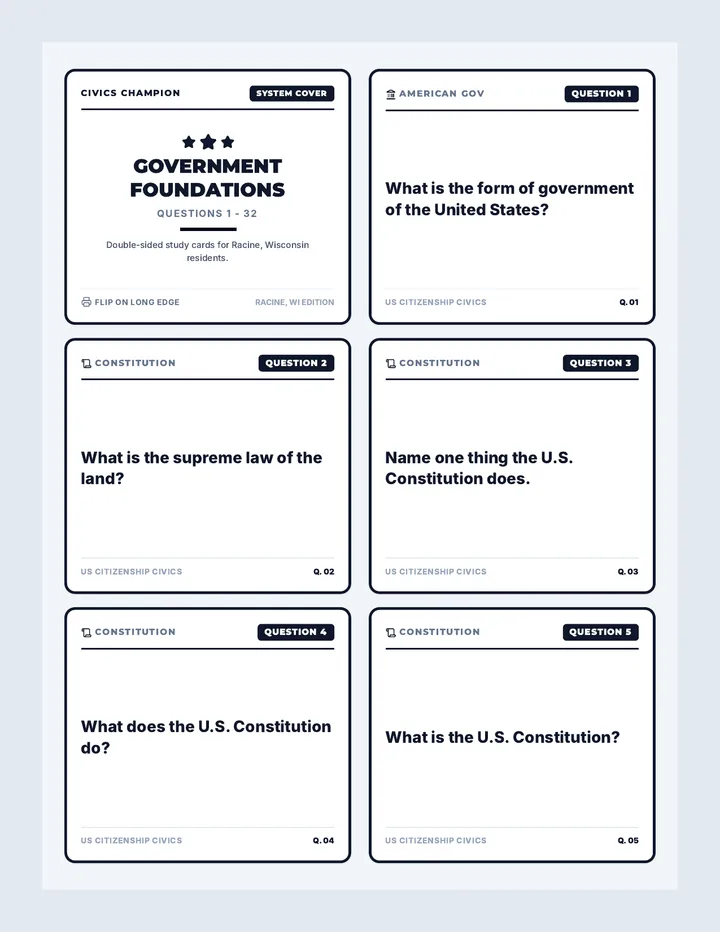
Western Gender Roles
What are "traditional" gender roles in Western society?
Consider expectations for:
Leadership & Power
Domestic Work
Emotional Expression
Economic Control
"A binary system often creates hierarchy rather than harmony."
Indigenous Women & Gender
Crash Course Native American History
Embedded media
Clip 1: 0:00 – 1:08
Clip 2: 4:48 – 5:53
Nádleehi
Diné (Navajo)
Those who embrace both masculine and feminine energies. Viewed as sacred, healers, and essential to the spiritual balance of the community.
Māhū
Native Hawaiian
A word that goes beyond gender and serves as a bridge between male and female. A respected role with deep historical and cultural roots.
"Remember, as different as we are, you and I, we are of one spirit... we are of equal worth." — Changing Woman (Diné)
Matriarchy is Not "Reverse Patriarchy"
Power through Consensus
Decisions are made through collective agreement and peace-building, rather than top-down control.
Matrilineal Heritage
Ancestry, names, and property rights pass through the mother's line, centering the feminine in the social fabric.
Seminar Discussion
How does the Diné view of Nádleehi (sacred/healer) differ from Western historical views of non-binary individuals?
How does language (like the word Māhū) shape a culture's ability to respect diverse identities?
Design Your Glossary
On your worksheet, define these four terms from the video:
• Matriarchy
• Matrilineal
• Nádleehi
• Māhū
The Visual Challenge:
Create an original icon for each term.
Avoid hierarchical symbols (up/down). Focus on concepts of The Bridge, The Balance, and The Flow.
One-Word Takeaway
Share one word that represents your biggest shift in perspective regarding Indigenous gender views.
Sacred Bridge Discussion Cards Sacred Bridge: Discussion Guide
Socratic Seminar & Facilitation Resource
Course Sociology / Gender Studies
Facilitation Notes
This Socratic Seminar is designed to challenge the Western gender binary. Encourage students to look at gender not just as a "personal identity" but as a sacred role within a social ecosystem.
Key Insight: In many Indigenous cultures, non-binary identity isn't about "leaving" a category, but about "bridging" categories to create wholeness.
Required Timestamps
Intro & Sacred Roles 0:00 - 1:08
Gender Identity (Nádleehi/Māhū) 4:48 - 5:53
Discussion Cards
(Cut along the dashed lines)
Level 1: Comparison
The Binary vs. The Bridge
How does the Western concept of gender as a strict "binary" (A or B) compare to the Indigenous concept of a "bridge" or "balance"?
Sacred Bridge Card #1
Level 2: Social Power
Authority & Matriarchy
Lily Gladstone notes that matriarchies value consensus and gift-giving. How does this style of power influence how a culture treats gender diversity?
Sacred Bridge Card #2
Level 2: Language
The Power of Naming
The word "Māhū" describes a role that is "beyond gender." How does having a specific, positive word for an identity change the way it is perceived?
Sacred Bridge Card #3
Level 3: Critical Thinking
The Sacred vs. The Clinical
In the video, non-binary identities are called "sacred." How does a "sacred" view differ from the "clinical" or "medical" view often used in Western sociology?
Sacred Bridge Card #4
Critical Connection
Colonization of Mind
Paula Gunn Allen stated that colonizers targeted Native women's power. Why would a colonizing force be threatened by gender fluidity and matriarchy?
Sacred Bridge Card #5
Socio-Culture
Healers and Leaders
If Nádleehi are viewed as having "equal worth" and are allowed to be medicine people, what does that suggest about the value of spiritual "balance"?
Sacred Bridge Card #6
Seminar Observation Checklist
Behavior Consistent Emerging Not Yet Refers specifically to evidence from the Lily Gladstone video Uses key vocabulary (Matriarchy, Nádleehi, Māhū) correctly
Bridge and Balance Glossary Activity Bridge and Balance
Visual Vocabulary & Conceptual Glossary
Name:
Date:
The Design Challenge
Western symbols for gender and power often use hierarchies (up/down) or opposites (separate boxes). In the video, Lily Gladstone describes these Indigenous roles as "bridges," "balances," and "sacred roles."
For each term below, write a definition based on the video and design an original visual icon that represents the concept without using hierarchical imagery. Think about circles, braids, flows, or bridges.
Term 01
Matriarchy
Draw Icon Here
Term 02
Matrilineal
Draw Icon Here
Term 03
Nádleehi
Draw Icon Here
Term 04
Māhū
Draw Icon Here
"You are of sky and I am of Earth... we are of equal worth." — Asdzą́ą́ Nádleehé
Sacred Bridge Reflection Journal Prompts Personal Reflection
Sacred Bridge Journal
01
Beyond the Binary
"While plenty of Native cultures had some equality between men and women, there was also no single way of thinking about gender."
How does the existence of "sacred" third or fluid gender roles challenge your own understanding of how a society should be organized? If your society viewed gender as a "bridge" rather than two separate "boxes," how might daily life change?
02
The Impact of Colonization
Paula Gunn Allen noted that colonizers saw that "as long as women held unquestioned power... attempts at a total conquest... were bound to fail."
Reflect on the link between gender and resistance. Why do you think the dismantling of matriarchal systems and gender-fluid roles was such a high priority for colonial forces? What does this reveal about the relationship between "traditional" Western gender roles and political control?
03
Language as a Tool
Consider the difference between a society that has a sacred word for non-binary people (like Māhū) versus one that uses purely descriptive or medical labels. How does the language we use to name ourselves and others determine the level of respect we receive from our community?
End of Reflection Session