Battlefield Books Teacher Guide Words at War
Teacher Instructional Guide
HS Literature / History
Lesson Objective
Students will analyze the role of literature and culture in maintaining morale and identity during wartime, specifically focusing on the Armed Services Editions (ASEs) and the concept of "mental survival" versus physical survival.
Pacing & Flow
00-05 min Warm-up: Quick Write
05-15 min Video Viewing & Discussion
15-35 min ASE Research & Perspective Letter
35-45 min Closure: Discussion & Share
Key Vocabulary
Total War Mobilization of entire populations and resources for war.ASE (Armed Services Editions) Small, pocket-sized paperbacks distributed to US soldiers.Ersatz Artificial or substitute goods used during shortages.Morale The confidence, enthusiasm, and discipline of a group.
Video Integration Guide
Material: Crash Course European History #39 - WWII Civilians and Soldiers
0:00 - 1:15
The Gatsby Revival: Highlights how the U.S. Army's distribution of books revived F. Scott Fitzgerald's forgotten work. Ask: Why would a book about the "American Dream" be relevant to a soldier in a foxhole?
7:45 - 8:28
Life Under Occupation: The "gray area" of collaboration in Paris. Discuss how art and entertainment continued even under enemy control. Ask: Is performance an act of survival or betrayal?
Activity: The Armed Services Editions
The Setup
Explain that over 122 million ASEs were printed. They were designed to fit into a pocket and be read in intervals. For many soldiers, these books were their only tie to a civilized, peaceful world.
Historical Examples to Provide:
The Great Gatsby by F. Scott FitzgeraldA Tree Grows in Brooklyn by Betty SmithThe Grapes of Wrath by John SteinbeckMoby Dick by Herman Melville
Discussion Starters
"Is reading an act of resistance when everything around you is destruction?"
"Does fiction offer more escape than history or non-fiction in a time of crisis?"
"Why did the military consider books as essential as rations or ammunition?"
Teacher Pro-Tips
The "Gatsby" Factor: Mention that Fitzgerald died thinking he was a failure. The ASEs didn't just help the soldiers; they saved a literary legacy from extinction.
Physical vs. Mental: Draw a T-chart on the board during the closure. Physical survival requires calories/shelter; mental survival requires identity/purpose.
Sensitive Content: The video mentions the Bengal Famine and the Holocaust. Ensure students are prepared for the gravity of the "Total War" concept before the viewing starts.
Research Tip: If computers aren't available, provide a pre-printed list of 10-15 ASE titles for the activity.
Words at War Slides Unit: Morale and Identity
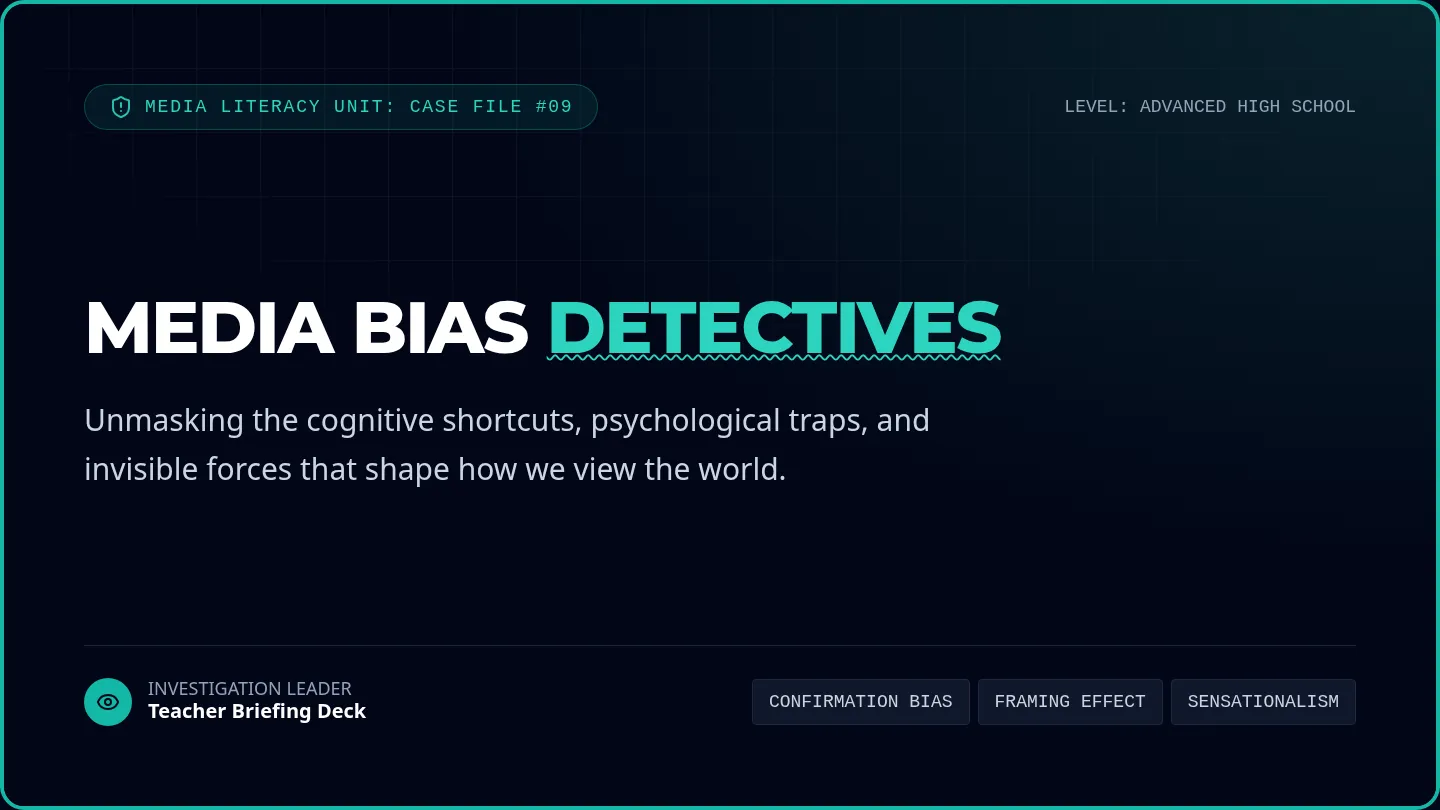
Words at War
Literature, Culture, and the Fight for Mental Survival in WWII
Literature • History • Humanity
The Power of the Page
Quick Write (5 min)
"Think of a book, story, or poem that shifted your perspective on the world. What was the core message that stayed with you?"
In times of extreme stress or isolation, humans often turn to narratives to find:
Protection (Mental Armor)
Escape (Identity Outside of Crisis)
Stability (Universal Truths)
Evidence: Total War & Civilians
WATCH 0:00 - 1:15 & 7:45 - 8:28
Embedded media
The "Gatsby"
Effect
In 1940, F. Scott Fitzgerald died believing his work was forgotten. The Great Gatsby was virtually out of print.
Then came the Armed Services Editions (ASEs).
Over 122 million books were sent to soldiers. They weren't just instruction manuals—they were literary masterpieces.
Why it worked
Compact: Fit in a cargo pocket
Connection: A link to home
Narrative: Meaning in chaos
"Books are weapons in the war of ideas."
— FDR
Your Mission: Perspective Writing
1. Research (5 min)
Look up the list of Armed Services Editions . Select one title that resonates with you.
2. The Letter (15 min)
Write a letter from the perspective of a soldier. Explain why this specific book provides comfort or escape in the trenches.
Think About
Sensory details of the trench
The emotional state of the soldier
A specific theme from the book
Mental vs. Physical Survival
Physical
Food (Rations), Warmth, Ammunition, Medicine
Mental
Story, Identity, Connection, Culture, Purpose
If the body survives but the identity is lost, is the person truly "saved"?
Armed Services Worksheet Mission: Mental Survival
Operational Document / Armed Services Editions
Name:
Date:
Initial Dispatch: The Book that Changed You
Briefly reflect on a story, book, or poem that shifted your perspective. Why did it matter to you at that time?
Intelligence Gathering: Crash Course Notes
The "Gatsby" Revival
How did the US Army change the fate of F. Scott Fitzgerald's legacy?
Total War & Ersatz
What were civilians forced to substitute or change during the war?
Activity: Letter from the Front Lines
Research + Perspective
The Task: You are a soldier stationed far from home. You have just finished an Armed Services Edition of a book. Write a letter to a loved one or a friend explaining why this book is your "mental armor."
Book Selection
Choose an actual ASE title (e.g., Gatsby, A Tree Grows in Brooklyn, Steinbeck, etc.)
Key Theme
What central idea in the book offers you comfort?
Postmarked: 1944
Dear ________________________________,
Sincerely,
Resilience Reflection Journal Prompts Mental Survival Reflection
Post-Lesson Reflection Prompts
1
The government during WWII labeled books as "weapons in the war of ideas." How does reading a story act as a "weapon" or a "shield" for an individual in crisis?
2
Reflect on the Paris theater scene from the video. Do you believe that creating or consuming art under occupation is an act of resilience, or a "gray area" of collaboration? Defend your stance.
3
"Mental Survival" vs. "Physical Survival." If resources were limited, and you were in charge of a civilian population during a siege, how would you balance the need for physical nourishment (calories) with cultural nourishment (stories/art)?
"The only way to deal with an unfree world is to become so absolutely free that your very existence is an act of rebellion." — Albert Camus