Economic Upheaval Teacher Guide Economic Upheaval
Comparing Hyperinflation and Stagflation
Duration 45-50 Min
Learning Objectives
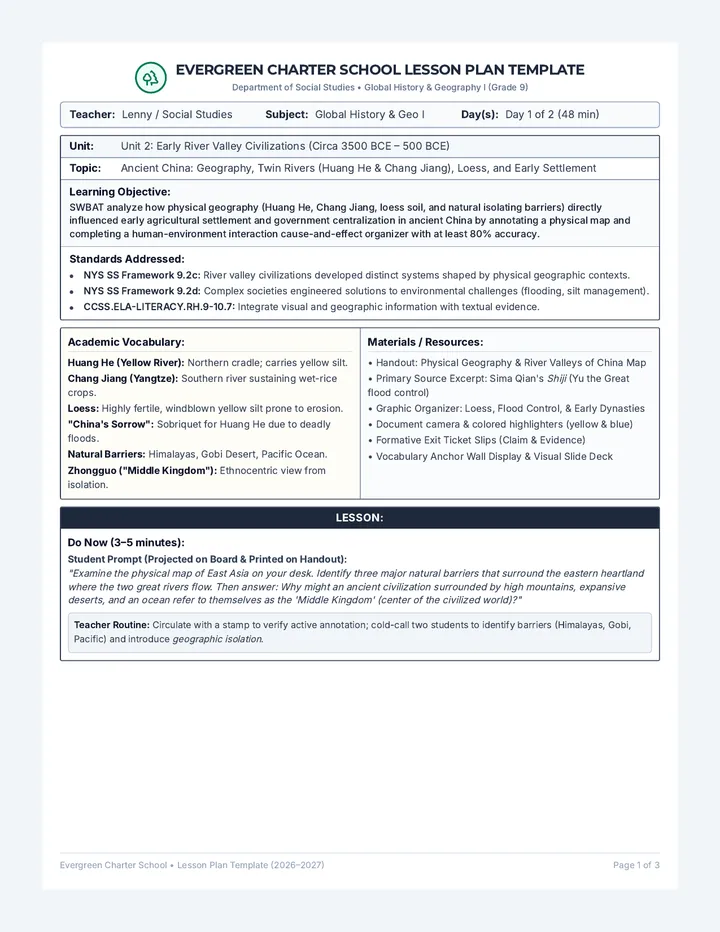
Define Hyperinflation and Stagflation using historical case studies.
Analyze the causes and effects of economic upheaval in 1920s Germany and 1970s USA.
Evaluate the "policy dilemma" presented by stagflation compared to standard inflation.
Instructional Sequence
Time Activity Teacher Role 5 min The Money Bricks Warm-up Project Slide 2 (German children with money stacks). Prompt: "What is the value of this paper? Why play with it?" 10 min Video Case Study Play video. Pause at 9:22 (Germany) and 11:23 (Stagflation) for quick check-ins provided in the video. 25 min Venn Diagram Research Distribute worksheet. Students compare 1923 Weimar Germany and 1970s United States using laptops for specifics. 5 min Economic Warning Signs Class discussion: "If you were an economist today, which signs would worry you more?"
Venn Diagram Answer Key
1923 Germany (Hyperinflation)
Cause: Post-WWI debt/reparations, excessive printing of money to pay striking workers.
Effect: Savings wiped out, daily price changes, bartering becomes common.
Severity: Extreme (prices doubled every few days).
1970s USA (Stagflation)
Cause: 1973 Oil Embargo (supply shock), increased production costs, existing high inflation.
Effect: Long gas lines, unemployment rising alongside prices, slow growth.
Severity: Moderate to High (14%+ inflation peak).
The "Shared" Middle (Venn Center)
Both involve sustained price increases, decreased purchasing power (wallet shrinking), and the "domino effect" of rising production costs leading to consumer price hikes.
Facilitation Guide: Video Check-Ins
Check-In 1 (6:15): Factors Hinting at Inflation
Answer: Supply issues (fruit), rising maintenance/capital costs (coffee machine parts), and wage competition (help wanted ads paying high rates).
Check-In 2 (9:22): Political Rhetoric
Answer: Inflation isn't inherently a villain. It depends on whether wages are keeping up. If wages grow faster, economic health might still be strong.
Check-In 3 (11:23): Miaville Business Scenario
Answer: Rising production costs + falling sales (economic stagnation) + available workforce who can't find jobs (unemployment) = Stagflation.
Economic Upheaval Slides Economic Upheaval
When Prices Outpace Reality
Warm-up: The Money Bricks
[Insert Historical Photo: German Children playing with stacks of Mark bills, 1923]
Observe & Discuss:
• What are these children doing with the money?
• What does this suggest about the value of the currency?
• How would your daily life change if paper money became worthless?
The Big Picture
Today's Objectives
Define Hyperinflation & Stagflation.
Analyze the 1920s German and 1970s US economies.
Identify "warning signs" of economic instability.
"How should we evaluate and act on news about inflation?"
— Essential Question
Case Study: Inflation
13:54 Min
Embedded media
Check-In 1: 06:15
Check-In 2: 09:22
Check-In 3: 11:23
Hyperinflation
Definition
Out-of-control, rapid inflation that erodes the real value of local currency.
"People even used cash as wallpaper because those were better uses."
1923 Weimar Germany
1
The Spark: Massive debts from WWI and the Treaty of Versailles.
2
The Mistake: Government prints money to pay striking workers in the Ruhr.
3
The Result: Savings wiped out instantly; children play with "bricks" of money.
Stagflation
Definition
Inflation + Economic Contraction (Stagnation) + High Unemployment.
"Trying to cool down your food by blowing on it while someone else heats it up."
1970s United States
1
The Shock: 1973 Oil Embargo causes fuel costs to skyrocket.
2
The Dilemma: Slow growth means businesses aren't hiring, but prices keep rising.
3
The Peak: US inflation hits over 14% while gas lines stretch for blocks.
Clash of the Eras
Your Mission:
Use the video context and laptops to complete your Economic Upheaval Venn Diagram.
Compare These Factors:
Primary Causes
Effects on Daily Life
Economic Clash Worksheet Economic Clash
Comparative Analysis Ledger
STUDENT NAME
DATE
Germany (1923)
Focus on Hyperinflation: Debt, reparations, and the printing press.
USA (1970s)
Focus on Stagflation: Oil shocks, unemployment, and stagnant growth.
Hyperinflation Shared Traits Stagflation
Germany Specifics
USA Specifics
Identify: Causes • Daily Effects • Economic Severity • Policy Responses
Policy Analysis: The "Cooling Soup" Dilemma
Explain why fighting Stagflation is more complex for governments than fighting regular inflation. Use the video's analogy or your research to explain the trade-off between fixing unemployment vs. fixing price hikes.
Causes Defined
Impacts Analyzed
WORKSHEET // ECON-UPHEAVAL-01