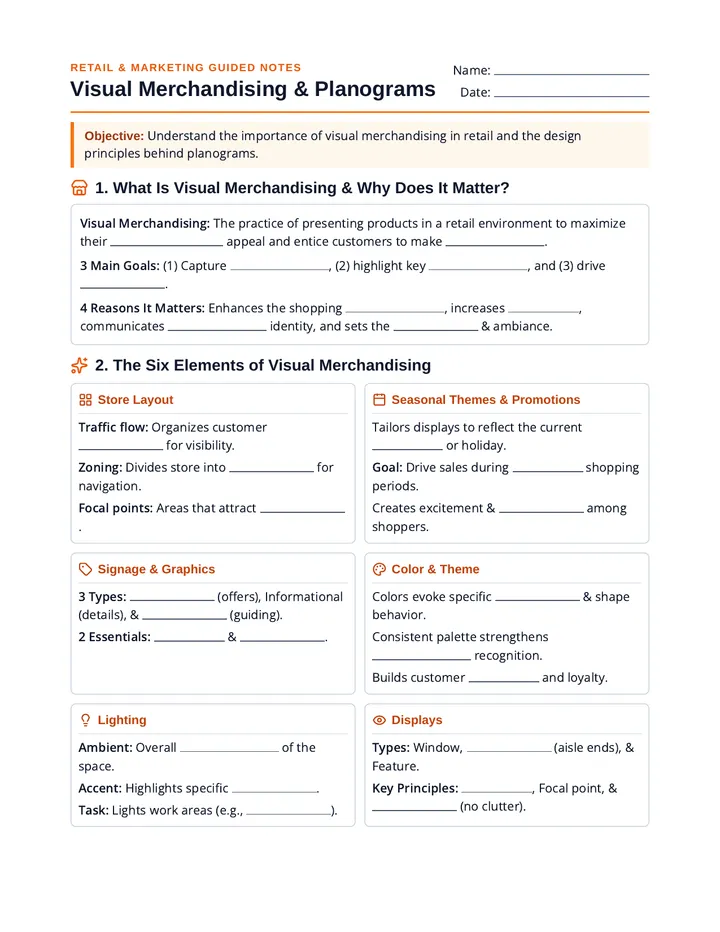
Written in Stone WorksheetWorld History • Historiography Text Analysis Worksheet Written in Stone How humans turned memories and stories into recorded histories Name: Date: Period: Vocabulary Word Bank Use each term exactly once to complete the statements below. archives carbon dating clay tablets detectives material evidence memory oral proof rich and powerful shared knowledge Sima Qian Willard Libby 1 Part I: From Memory to the Written Word (factual recall) Historians define history as a of the past that humans pass down across generations. Before writing existed, ancient communities preserved their heritage through storytelling memorized by elders who recited tales lasting for days. Written records first began roughly 5,000 years ago when accounting lists of livestock, grain, and property were inscribed into . 2 Part II: Evidence, Detectives, and Archives (analysis & context) When conflicting stories emerged, historians realized they required verifiable to substantiate their claims rather than simply repeating legends. During the classical era, Herodotus of Greece and China’s worked like by conducting interviews and cross-checking multiple documents. Historical documents preserved in specialized library rooms called often portray only the lives of the because everyday laborers could rarely read or write. 3 Part III: Unearthing the Past with Science (scientific inquiry) Physical remains such as pottery fragments, tools, and skeletons are classified as , providing clues about societies that left no written texts. In the 1950s, American chemist pioneered the method of , allowing scientists to determine the precise age of organic items. 4 Part IV: Deep Thinker Reflection Synthesis & Evaluation While modern technology makes looking up facts effortless, the author notes that society has lost much of its ancient capacity for . Short Response: Why does relying only on written archives give an incomplete view of the human past? Explain one limitation mentioned in the text.