Stone Age Trail Study Guide
Grade 6 Social Studies
Stone Age Study Guide
Part 1 • Key Vocabulary & The Old Stone Age
Name:
Date:
Say It & Know It: 4 Big Words
Pa-le-o-lith-ic
(Pay-lee-oh-LITH-ik)
Old Stone Age. People hunted wild animals and moved often.
Ne-o-lith-ic
(Nee-oh-LITH-ik)
New Stone Age. People planted crops and built permanent villages.
No-mad
(NOH-mad)
A person who travels often and has no permanent home.
Ag-ri-cul-ture
(AG-ri-kul-chur)
Farming: growing crops and taming animals for food.
ERA 1
Paleolithic Era: The Old Stone Age
Hunters & Gatherers
How They Got Food: Hunting & Gathering
- Men followed herds and hunted big animals like woolly mammoths.
- Women and children gathered wild berries, nuts, roots, and bird eggs.
- When animals moved or plants ran out, humans had to move too.
Where They Lived: Caves & Temporary Tents
- They were nomads who never stayed in one place for long.
- They found shelter inside rock caves or under cliff overhangs.
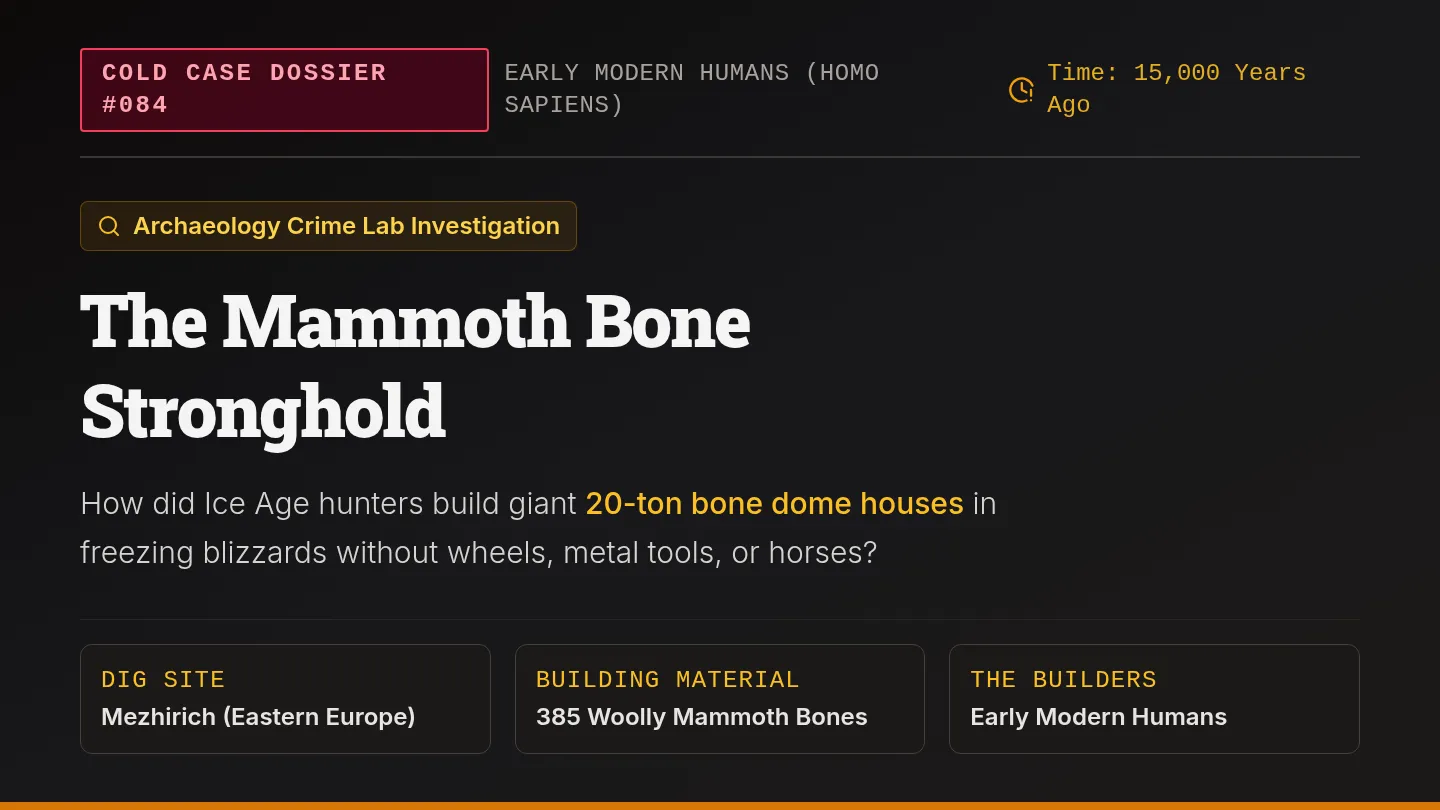
- They built quick tents out of mammoth bones and animal skins.
Tools & Inventions: Rough Stone & Fire
- They chipped sharp flint rocks to make axes, spear points, and knives.
- They learned to control fire to stay warm in the cold Ice Age.
- Fire also helped them cook raw meat and scare away dangerous beasts.
Early Human Eras • Study Guide Page 1 of 4
Grade 6 Social Studies
The Neolithic Revolution
Part 2 • The New Stone Age & How Farming Changed the World
Era 2
ERA 2
Neolithic Era: The New Stone Age
Farmers & Villagers
How They Got Food: Agriculture (Farming)
- Humans planted seeds to grow healthy crops like wheat and barley.
- They had a steady food supply right outside their doors.
- They had extra food (surplus) that they saved for winter.
Where They Lived: Permanent Mud-Brick Houses
- People stopped moving and settled in one safe location.
- They built sturdy houses out of mud bricks, wood, and clay.
- Houses clustered together to form the very first towns and villages.
Tools & Animals: Domestication & Polished Tools
- They domesticated (tamed) animals like dogs, sheep, and goats.
- Animals gave them wool, milk, meat, and help with farm work.
- They made smooth, polished stone tools and baked clay pottery.
The Great Turning Point: Why Life Changed Forever
1
Seeds Sprout
People noticed wild seeds dropped in dirt grew into new plants. They began planting on purpose.
2
Steady Food
Farms created more food than hunting ever could. People did not starve during tough seasons.
3
Villages Grow
Since food stayed in one spot, families stayed together. Populations grew into the first cities.
Early Human Eras • Study Guide Page 2 of 4
Grade 6 Social Studies
Side-by-Side Comparison
Part 3 • Quick Review Table & Memory Hacks
Quick Chart
TOPIC
PALEOLITHIC (OLD)
NEOLITHIC (NEW)
Food
Hunted wild animals & gathered nuts/berries
Farmed crops like wheat & stored extra food
Shelter
Rock caves & animal-skin tents
Permanent mud-brick houses in villages
Lifestyle
Nomads: always on the move for food
Settled: lived peacefully in one spot
Tools
Rough stone choppers & flint spears
Polished stone axes, farm plows & clay pots
Animals
Feared & hunted wild beasts
Domesticated sheep, goats, pigs & dogs
Memory Hacks for Test Day
P
Paleolithic = Pursue Animals!
Remember the letter P. They had to Pursue (chase) wild animals because they had no farms!
N
Neolithic = New Farms & Nest at Home!
Remember the letter N. They had New stone tools, grew New plants, and lived in New villages!
NO
NO-mad = NO Fixed Address!
A nomad has NO permanent home. They pack up and walk whenever food runs out.
Early Human Eras • Study Guide Page 3 of 4
Grade 6 Social Studies
Test Practice Challenge
Part 4 • Read Carefully & Circle Your Best Answer
5 Questions
1 What was the main way Paleolithic people got food?
A Hunting wild animals and gathering wild plants
B Buying grain at village grocery markets
2 What does it mean to be a nomad?
A Living in one permanent brick home forever
B Moving from place to place to follow food sources
3 Why was fire so important to early Paleolithic humans?
A It provided heat, cooked meat, and scared wild animals
B It helped them build tall brick apartment buildings
4 What big change happened in the Neolithic Era (New Stone Age)?
A People learned agriculture and began living in villages
B People stopped using tools and slept in open trees
5 What does it mean to domesticate an animal?
A To tame and raise wild animals to help humans
B To chase animals away into deep mountain caves
Test Readiness Check:
Need review Feeling good Test master!
Teacher Check:
Early Human Eras • Study Guide Page 4 of 4