Han Rule Slides
Ancient China • World History
202 BCE – 220 CE
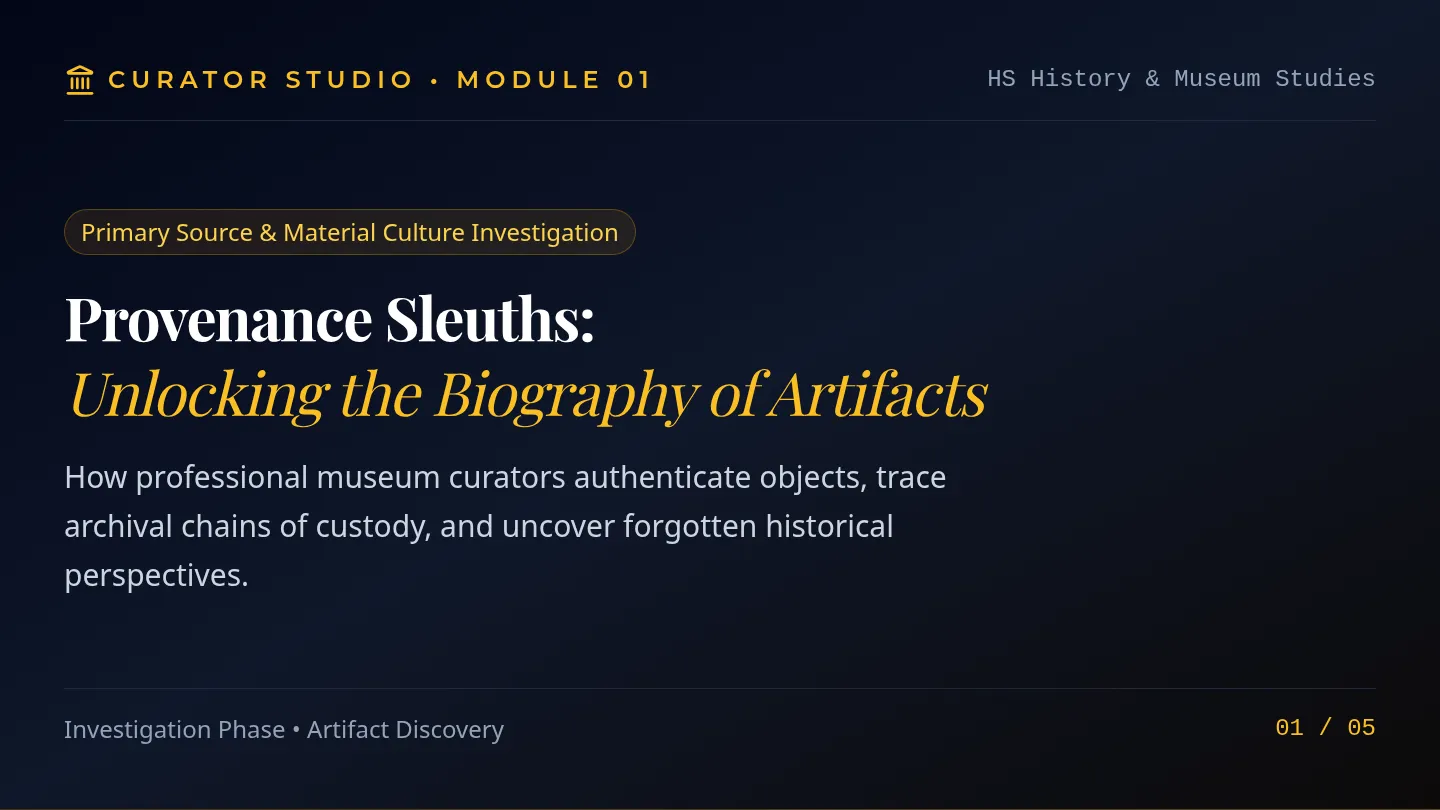
The Han Empire:
Government & Emperors
How an enduring dynasty built the world's most sophisticated imperial bureaucracy and ruled over fifty million people.
The Son of Heaven
Mandate & Imperial Rule
Confucian Ideology
Virtue, Duty & Hierarchy
Civil Service
Merit-Based Officials
Historical Foundations
From Qin Tyranny to Han Stability
Slide 2 of 8
Qin Legalism (221–206 BCE)
- • Harsh Punishments: Strict laws, collective punishment for family groups.
- • Intellectual Suppression: Burned Confucian texts and buried dissenting scholars.
- • Exhausting Labor: Massive conscriptions triggered widespread peasant rebellions.
Outcome: Empire collapsed within 15 years.
Han Compromise (202 BCE)
- • Liu Bang (Emperor Gaozu): A peasant rebel leader who understood the common people.
- • Lowered Taxes: Reduced peasant levies from 50% to under 10% to restore farming.
- • Softened Law Codes: Repealed brutal punishments while keeping Qin's centralized structure.
Outcome: Created a stable dynastic foundation lasting 400+ years.
The Imperial Formula: Centralized Qin administration governed with moderate, moral Confucian ethics.
Imperial Legitimacy
The Mandate of Heaven (Tianming)
Slide 3 of 8
Son of Heaven
The Emperor (Tianzi) was viewed as the direct intermediary between Heaven (divine cosmic order) and Earth's populace.
Cosmic Authority
Moral Duty
Legitimacy was not permanent. The ruler had to govern with compassion, maintain flood control, and preserve economic harmony.
Accountable to People
Warning Signs
Famines, locust swarms, earthquakes, and peasant uprisings were interpreted as Heaven withdrawing its blessing.
Right of Rebellion
"Heaven hears through the ears of our people; Heaven sees through the eyes of our people."
— Ancient Chinese Maxim
Pivotal Leadership (141–87 BCE)
Emperor Wu: The Martial Emperor
Slide 4 of 8
Territorial Expansion
Defeated the nomadic Xiongnu confederation in the north and pushed imperial boundaries into Central Asia, Korea, and Vietnam.
Secured the Silk Road
State Monopolies
Nationalized essential industries: salt, iron, and liquor. This generated massive state revenue without overtaxing farmers.
Funded Military Campaigns
State Confucianism
Established the Imperial Academy (Taixue) in 124 BCE to train administrative candidates in the Confucian classics.
30,000 Students by 1 CE
54 Years
Reign of Emperor Wu
Over 50 Million
Imperial Population
Central Asia
Western Military Reach
Governing Philosophy
Confucianism: The State Orthodoxy
Slide 5 of 8
Filial Piety (Xiao) & State Loyalty
Confucian thinkers taught that loyalty to the father in the family mirrored obedience to the Emperor in the state. Strong families formed an orderly nation.
The Five Classics (Wujing)
Every candidate studied history, poetry, and rites. Rulers valued officials who possessed moral self-restraint and classical knowledge over brute force.
The Confucian Ideal
The Junzi (Exemplary Person)
Officials were expected to lead by moral virtue, not fear of execution. Upright leaders inspire citizens to cooperate willingly.
"Lead by virtue, regulate by rites, and the people will have a sense of shame and reform themselves."
Historical Impact: Confucianism remained China's official state governance curriculum until 1905.
Administrative Innovation
The Civil Service Examination
Slide 6 of 8
1
Local Nomination
Commandery governors identified young men who demonstrated outstanding filial devotion, honesty, and local leadership.
Character Evaluation
2
Written Exams
Candidates traveled to the capital to take rigorous examinations testing memory of the classics, essay composition, and administrative law.
Rigorous Testing
3
Scholar-Official Rank
Successful candidates earned official imperial ranks, high social prestige, tax exemptions, and government postings across China.
Imperial Appointment
Meritocracy in Theory vs. Practice
While technically open to all free males, only wealthy families could afford the years of private tutoring required to master classical literacy.
State Machinery
Hierarchy of the Han Bureaucracy
Slide 7 of 8
LEVEL 1
The Central Imperial Court (Capital: Chang'an)
The Emperor advised by the Three Excellencies (Chancellor, Grand Commandant, Imperial Counselor) and Nine Ministers.
Supreme Command
LEVEL 2
Commanderies (Jun) & Kingdoms
Over 80 regional commanderies supervised by imperial governors responsible for defense, tax revenue, and court judicial appeals.
Regional Oversight
LEVEL 3
Counties (Xian) & Villages
Over 1,500 county magistrates who registered households, collected grain taxes, directed canal maintenance, and heard civil disputes.
Grassroots Rule
Courier Post System: Dispatches on bamboo and silk slips reached distant garrisons thousands of kilometers away within days.
Classroom Inquiry
Analyzing Han Governance
Slide 8 of 8
Question 1: Merit
Did the civil service examination create genuine social mobility, or did it reinforce the supremacy of wealthy landed elites?
Equity vs. Privilege
Question 2: State Control
Why did Han emperors monopolize salt and iron? How does state control of essential goods compare to modern economic policies?
Economic Power
Question 3: Legacy
Why did Chinese dynasties for the next 2,000 years continue using the Han model of Confucian imperial bureaucracy?
Enduring Blueprint
The Han legacy defined Chinese identity: to this day, China's majority ethnic group calls themselves "Han" (汉族).