Medieval Roles Passages
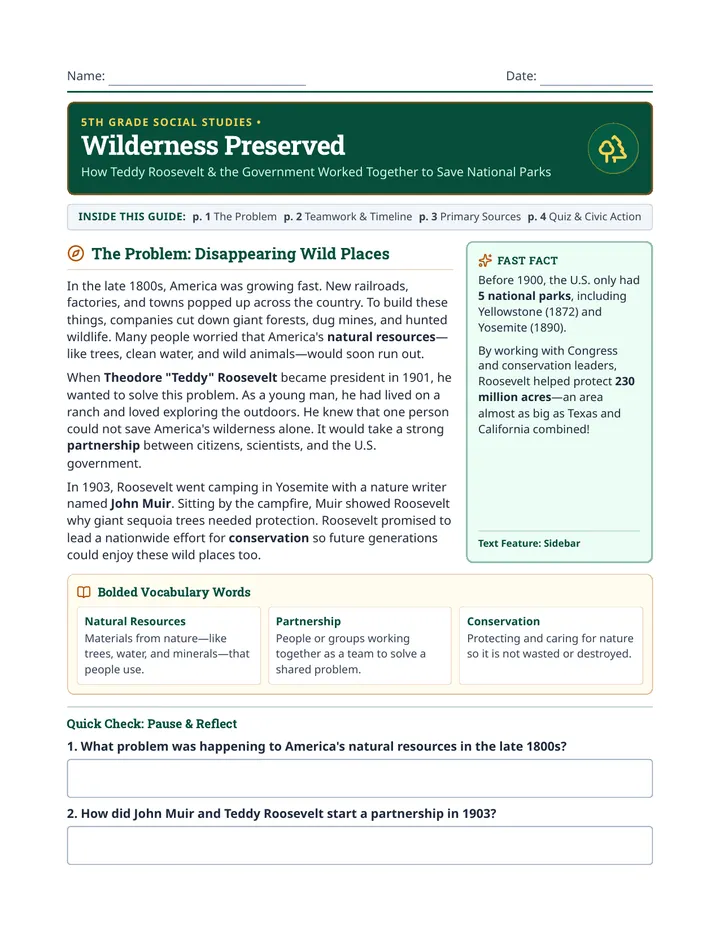
Middle Ages Field Guide
Roles in Medieval Society
Read about the eight medieval roles below. Choose two roles to compare and contrast.
1. The Monk
Church & Learning
A medieval monk gave up family life and personal wealth to serve God inside a quiet community called a monastery. Monks wore simple wool robes and followed a strict daily schedule that began before sunrise with prayers and hymns. Between services, they worked in gardens, baked bread, or cared for sick travelers who knocked at the monastery gates.
At a time when most people could not read or write, monks were among the most educated people in Europe. In a special room called the scriptorium, skilled monks copied entire books by hand using feather quills and bright inks. Because of their careful work, many ancient stories, medical notes, and religious texts survived for centuries.
Home Monastery
Main Duty Pray, copy books, help others
Daily Life Strict schedule, simple living
2. The Serf
Manor Farm Labor
Serfs made up the largest group of people in medieval Europe, yet they had the fewest freedoms. A serf lived in a small, smoky cottage with a thatched roof in a village on a lord’s manor. Unlike free townspeople, serfs were legally tied to the land. They could not leave the manor, change jobs, or marry without the lord’s permission.
From dawn until dusk, serfs plowed fields, planted seeds, and harvested wheat, barley, and oats using simple wooden tools. They had to give a large share of their crops to the lord as rent. In return, the lord promised to protect them during times of war or danger, though life remained exhausting and uncertain.
Home Small cottage on a manor
Main Duty Farm crops & pay the lord
Daily Life Hard labor, tied to the land
Roles in Medieval Society Passages 3 & 4
3. The Knight
Warrior & Protector
Knights were heavily armored warriors on horseback who protected a lord’s land and fought for their king. Becoming a knight took many years of training. Around age seven, a noble boy became a page, learning manners and riding. At fourteen, he became a squire, caring for a knight’s armor, weapons, and warhorse before finally earning his sword at age twenty-one.
Knights wore heavy suits of chain mail or metal plates and carried shields painted with their family crest. They promised to follow the code of chivalry—to be brave in battle, loyal to their lord, and fair to those who were weak. Between wars, knights practiced their skills in exciting tournaments called jousts.
Home Castle or small manor
Main Duty Fight, train, protect the land
Daily Life Years of training & chivalry
4. The Lord
Noble Ruler
A medieval lord was a wealthy nobleman who controlled a large estate, or fief, given to him by the king. In return for the land, the lord promised loyalty to the king and agreed to send knights whenever the king went to war. Most lords lived in stone castles or grand manor houses that towered over the surrounding villages.
Running a manor was like managing a busy town. A lord collected taxes and crops from serfs, settled arguments in the manor court, and made sure roads, mills, and bridges stayed in good repair. When he was not handling business or leading soldiers, a lord enjoyed hunting deer in the forest and hosting feasts in his great hall.
Home Stone castle or manor house
Main Duty Govern manor, serve the king
Daily Life Wealthy, powerful, busy leader
Roles in Medieval Society Passages 5 & 6
5. The Lady
Castle Manager
A medieval lady was a noblewoman, often married to a lord, who lived in a castle or manor house. While people sometimes picture ladies only wearing fine silk gowns and listening to music, their daily job required strong leadership. A lady managed the entire castle household, supervising dozens of cooks, cleaners, spinners, and guards.
Ladies kept track of food supplies, planned grand feasts for visiting nobles, and cared for sick or injured family members using herbal medicines. When her husband rode off to war or visited the king, the lady took full charge of the manor—collecting rents, solving disputes, and even helping defend the castle if enemies attacked.
Home Stone castle or manor house
Main Duty Run castle household & estate
Daily Life Wealthy, respected organizer
6. The Nun
Convent & Service
Like monks, medieval nuns devoted their lives to God and lived apart from the rest of society in a community called a convent. Nuns wore simple dark robes with veils and promised to live in poverty, obedience, and service. Each day followed a steady rhythm of group prayers, quiet study, and useful work.
Convents were important centers of learning and care for women in the Middle Ages. Nuns grew healing herbs, ran hospitals for the poor, and taught young girls how to read, write, and embroider. Some nuns, especially the leader known as an abbess, managed large estates and held as much influence as a noble lord.
Home Convent
Main Duty Pray, teach girls, heal the sick
Daily Life Educated, simple, service-focused
Roles in Medieval Society Passages 7 & 8
7. The Craftsman
Town Maker & Guild
As medieval towns grew, skilled craftsmen became essential to daily life. Blacksmiths hammered iron into horseshoes and swords, weavers made warm cloth, and stonemasons built towering cathedrals. Most craftsmen worked on the ground floor of narrow town houses, opening their wooden shutters so customers could buy goods right off the street.
Craftsmen belonged to groups called guilds that set fair prices and made sure every product was well made. A young person started as an unpaid apprentice learning the trade, became a paid journeyman, and finally created a “masterpiece” to become a master craftsman with their own shop.
Home Town house above a workshop
Main Duty Make & sell quality goods
Daily Life Free townsperson, guild member
8. The Merchantman
Trader & Traveler
A merchantman earned his living by buying goods in one place and selling them for a profit in another. Merchants traveled by wagon or ship between busy town markets and seasonal trade fairs. They carried wool, salt, furs, pottery, and even rare treasures from distant lands, such as Asian spices and fine silk.
Traveling on medieval roads could be risky because of mud, storms, and bandits, so merchants often journeyed together in groups for safety. Like craftsmen, merchants formed powerful guilds to protect their trade. Successful merchantmen grew very wealthy and helped medieval towns become lively centers of business and new ideas.
Home Growing medieval town
Main Duty Buy, travel, and trade goods
Daily Life Free, adventurous, growing wealth
Medieval Roles Passages
Middle Ages Reading Passage 1 of 8
The Monk
Church & Learning
Who They Were
In the Middle Ages, a monk was a man who gave his whole life to God. He left his family, his home, and his money behind. Monks promised to live a simple life, to obey their leaders, and to help others. They wore plain brown or black wool robes tied with a rope.
Where They Lived
Monks lived together in a quiet place called a monastery. A monastery was like a small town with high stone walls. Inside, there was a church, a dining hall, a garden, and small rooms for sleeping. Most monks stayed inside the monastery for their whole lives.
A Day in Their Life
A monk’s day started long before the sun came up. Bells rang to wake everyone for prayers and songs. During the day, monks worked hard. Some monks grew vegetables, baked bread, or milked cows. Other monks cared for sick people and gave food to poor travelers who knocked on the gate.
Many monks spent hours in a quiet room called the scriptorium. Back then, there were no printing machines. Monks used bird feathers dipped in ink to copy books by hand. They even painted tiny gold and colorful pictures on the pages!
Why They Mattered
In the Middle Ages, most people could not read or write. Monks were some of the best teachers and readers in Europe. Because they copied books so carefully, many old stories, songs, and medical lessons were saved for people today to read.
Words to Know
Monastery: A quiet home where monks lived and prayed.
Scriptorium: A room where monks copied books by hand.
Obey: To follow rules and listen to leaders.
Home Monastery
Main Job Pray, copy books, help people
Daily Life Simple, quiet, strict schedule
Middle Ages Reading Passage 2 of 8
The Serf
Manor Farm Worker
Who They Were
Most people in the Middle Ages were poor farm workers called serfs. Serfs were not free to do whatever they wanted. They belonged to the land of a rich noble called a lord. A serf could not move to a new village, change jobs, or even get married without asking the lord first.
Where They Lived
Serfs lived in small villages on the lord’s big farm, called a manor. A serf’s house was a tiny one-room hut made of mud, wood, and straw. It had a dirt floor and a straw roof. There were no glass windows, and smoke from the cooking fire filled the room. Often, the family’s pigs or chickens slept inside to stay warm!
A Day in Their Life
Serfs worked outside from sunrise until sunset. Men, women, and even young children helped in the fields. They used simple wooden tools to dig the soil, plant seeds, and cut wheat, barley, and oats. They also chopped firewood, fixed fences, and tended small vegetable gardens.
Life was hard, and serfs ate simple meals like dark bread, soup, and cheese. After the harvest, serfs had to give a big share of their food to the lord as rent.
Why They Mattered
Without serfs, no one in the kingdom would have enough to eat. Serfs grew the food that fed the lords, ladies, knights, and townspeople. In return for their hard work, the lord promised to keep the serfs safe if enemies attacked the manor.
Words to Know
Serf: A poor farm worker who was tied to the lord’s land.
Manor: A lord’s large piece of land with fields and a village.
Harvest: Gathering ripe crops from the fields.
Home Small hut on a manor
Main Job Farm crops & pay the lord
Daily Life Hard work, few freedoms
Middle Ages Reading Passage 3 of 8
The Knight
Warrior & Protector
Who They Were
A knight was a brave warrior who fought on horseback. Becoming a knight took many years and a lot of money, so most knights came from rich noble families. A boy started training at age seven as a page, learning good manners and how to ride a horse. At age fourteen, he became a squire and helped a real knight care for his weapons and armor.
Where They Lived
When a squire turned twenty-one, he could finally become a knight. Many knights lived inside a lord’s stone castle so they were ready to guard it at any moment. Richer knights were given their own small manor house and land in exchange for their service.
A Day in Their Life
Knights spent hours practicing with wooden swords, shields, and long spears called lances. In battle, a knight wore a heavy suit of metal armor and rode a strong warhorse. His shield was painted with bright shapes and animals so friends could tell who he was under his helmet.
When there was no war, knights showed off their skills at big contests called jousts. Knights also promised to follow a code of rules called chivalry—to be brave, honest, loyal, and kind to people who needed help.
Why They Mattered
Knights were the army of the Middle Ages. They protected castles, guarded roads, and fought for their lord and king whenever trouble came.
Words to Know
Page: A young boy learning manners and riding at a castle.
Squire: A teen helper who cared for a knight’s gear.
Chivalry: Rules telling knights to be brave, fair, and loyal.
Home Castle or small manor
Main Job Train, fight, protect the land
Daily Life Years of training & armor
Middle Ages Reading Passage 4 of 8
The Lord
Noble Ruler
Who They Were
A lord was a rich, powerful nobleman. The king gave the lord a large piece of land called a fief. In return, the lord promised to be loyal to the king and to send knights whenever the king needed an army. Lords wore fine wool and velvet clothes trimmed with soft fur.
Where They Lived
A lord lived with his family in a strong stone castle or a large manor house. Castles were built on hills or near rivers so guards could spot enemies from far away. Inside the castle’s Great Hall, big fireplaces warmed the stone rooms, and colorful woven rugs hung on the walls.
A Day in Their Life
Running a manor was a big job. Each day, the lord met with helpers to check on his farms and forests. He collected taxes and food from the serfs. When villagers had a fight or broke a rule, the lord acted like a judge and decided what was fair.
When his work was done, a lord liked to have fun. He went hunting in the woods with dogs and falcons. In the evening, he hosted big feasts with roasted meat, music, and storytelling.
Why They Mattered
Lords kept order in the countryside. They made sure bridges, mills, and roads were fixed, and they kept their villages safe when danger was near.
Words to Know
Fief: Land given by a king to a lord in return for loyalty.
Noble: A person born into a rich, powerful family.
Great Hall: The biggest room in a castle for meals and meetings.
Home Stone castle or manor house
Main Job Rule the manor, serve the king
Daily Life Wealthy, powerful leader
Middle Ages Reading Passage 5 of 8
The Lady
Castle Manager
Who They Were
A lady was a noblewoman, usually married to a lord. Like lords, ladies came from wealthy families. They wore long dresses made of bright silk or fine wool, with belts and tall hats. Some people think ladies only sat around sewing, but in truth, a lady had one of the busiest jobs in the castle!
Where They Lived
A lady lived in a stone castle or grand manor house. She oversaw the castle’s kitchens, storerooms, gardens, and living quarters. Dozens of cooks, maids, and spinners worked under her care every single day.
A Day in Their Life
From morning until night, a lady planned meals, counted food supplies, and made sure guests felt welcome. She taught her daughters and young noble girls how to read, sew, and run a home. Ladies also learned how to mix healing herbs to help sick family members or injured knights.
When the lord rode away to war or to visit the king, the lady took full charge of the manor. She collected rent, solved problems, and even helped lead the guards if enemies tried to attack the castle.
Why They Mattered
A castle could not run smoothly without a smart, organized lady. She kept the household fed, healthy, and ready for anything—even when the lord was far away.
Words to Know
Household: All the people who live and work in a home or castle.
Herbs: Plants used to flavor food or make simple medicine.
Oversee: To watch over and guide other workers.
Home Stone castle or manor house
Main Job Manage castle & manor staff
Daily Life Wealthy, busy organizer
Middle Ages Reading Passage 6 of 8
The Nun
Convent & Service
Who They Were
Just like monks, medieval nuns were women who gave their whole lives to God. Nuns promised to live simply without owning personal things. They wore plain black, gray, or white robes with a head covering called a veil. Some nuns came from poor families, while others came from rich noble families.
Where They Lived
Nuns lived together in a quiet community called a convent. A convent had a chapel for praying, sleeping rooms, a kitchen, and gardens. The leader of a convent was called an abbess. A strong abbess managed land and workers just like a noble lord!
A Day in Their Life
Nuns followed a strict schedule of prayers, hymns, and quiet study. Between prayer times, nuns worked hard to help their neighbors. They grew healing plants, made medicine, and ran small hospitals for people who were sick or poor.
Convents were also schools for girls. Nuns taught young girls how to read, write, sing, and sew fine cloth. Some nuns even copied books and wrote music!
Why They Mattered
In the Middle Ages, most women had few chances to go to school or become leaders. Convents gave nuns a safe place to learn, teach others, and care for people in need.
Words to Know
Convent: A quiet home where nuns lived, prayed, and worked.
Abbess: The woman who led a convent and managed its land.
Veil: A cloth worn over the head by a nun.
Home Convent
Main Job Pray, teach girls, heal the sick
Daily Life Simple, educated, helpful
Middle Ages Reading Passage 7 of 8
The Craftsman
Town Maker & Guild
Who They Were
Craftsmen were skilled workers who made things by hand. Unlike serfs, craftsmen were free townspeople. There were many kinds of craftsmen! Blacksmiths hammered hot iron into horseshoes and tools. Bakers made bread, shoemakers stitched leather boots, and stonemasons carved tall church walls.
Where They Lived
Most craftsmen lived in busy medieval towns. Their narrow wooden houses stood close together along crowded streets. The family slept upstairs, and the workshop was on the ground floor. A craftsman opened a wooden shutter to turn his front window into a counter for selling goods!
A Day in Their Life
Craftsmen belonged to groups called guilds. A guild made sure every worker charged fair prices and made strong, safe goods. To learn a trade, a young person started as an apprentice. An apprentice lived with a master craftsman and worked for years without pay just to learn.
Next, the worker became a paid journeyman. Finally, after making a great “masterpiece,” the worker became a master and could open a shop of his own.
Why They Mattered
Craftsmen made almost everything people used each day—from warm coats and cooking pots to castle gates and cathedrals.
Words to Know
Guild: A group of workers in the same job who set fair rules.
Apprentice: A young learner working for a master craftsman.
Masterpiece: A worker’s best piece made to prove high skill.
Home Town house above a shop
Main Job Make & sell quality goods
Daily Life Free townsperson, guild member
Middle Ages Reading Passage 8 of 8
The Merchantman
Trader & Traveler
Who They Were
A merchantman was a trader who bought goods in one place and sold them in another to earn money. Like craftsmen, merchants were free people who did not belong to a lord’s manor. Some merchants sold everyday items like salt and wool, while others traded rare treasures from faraway lands!
Where They Lived
Merchantmen lived in growing towns near rivers, sea ports, or busy crossroads. A rich merchant’s house was often made of stone or strong timber, with space below to store barrels, sacks of grain, and bolts of cloth.
A Day in Their Life
A merchant’s life was full of travel and adventure. Merchants packed wagons and ships with furs, pottery, silk, and spices like pepper and cinnamon. They traveled to lively town markets and big seasonal trade fairs where people came from miles around to shop.
Medieval roads were muddy and bumpy, and robbers sometimes hid in the woods. To stay safe, merchants traveled together in groups and formed strong merchant guilds to protect their business.
Why They Mattered
Merchantmen helped medieval towns grow rich and lively. They brought new foods, tools, and ideas from distant places right into town markets.
Words to Know
Trade Fair: A big market where people from many towns buy and sell.
Spices: Flavorings like pepper and cinnamon from faraway lands.
Profit: Extra money earned after selling goods.
Home Growing medieval town
Main Job Buy, travel, and trade goods
Daily Life Free, busy, growing wealth