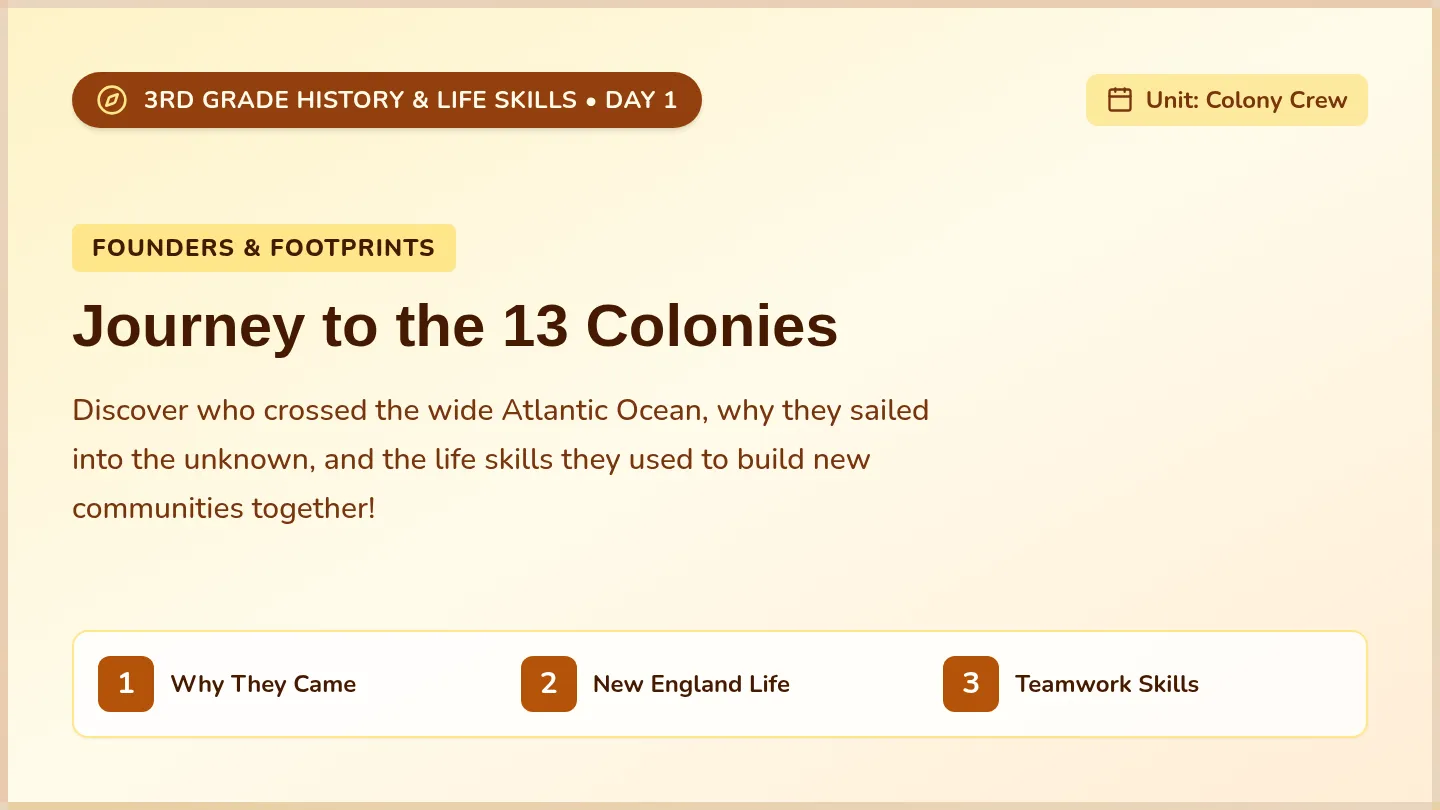
Soviet Collapse Slides Historical Case Study // 1985–1991
COLD WAR UNIT
Cracks in the Kremlin
Why did the Soviet Union collapse from within?
Command Economy
Military Burdens
Dissident Resistance
December 25, 1991: A Superpower Vanishes
On Christmas Day 1991, the red hammer-and-sickle flag was lowered over the Kremlin for the last time.
No foreign army invaded Moscow. Instead, the world's largest country fractured into 15 independent republics.
Guiding Question
How did economic stagnation, military overreach, and grassroots resistance work together to dismantle the USSR?
Key Leader: Mikhail Gorbachev (1985–1991) Goal: Reform the system, not end it
1. Weakness of the Command Economy
Economic Crisis
Central Planning Failures
State Quotas: Planners set prices and production targets, ignoring real consumer demand.Chronic Shortages: Factories hit weight quotas, leaving stores short on shoes, soap, and food.Oil Price Drop: Falling 1980s oil prices slashed the USSR's main source of foreign cash.
Gorbachev's Reforms Backfire
Perestroika (Restructuring): Allowed limited private enterprise, but disrupted supply chains and worsened shortages.Glasnost (Openness): Lifted censorship, allowing citizens to openly criticize economic failure and corruption.
Result: By 1990, breadlines stretched for blocks and public trust in Communist leadership evaporated.
2. Burdens of Military Commitments
Imperial Overreach
Cold War Arms Race
To match U.S. defense spending and Reagan's SDI ("Star Wars"), the USSR poured an estimated 15–25% of its GDP into the military.
Soviet-Afghan War
From 1979–1989, Soviet troops fought a grueling 10-year war in Afghanistan—draining billions of rubles and shattering morale at home.
Subsidizing Allies
Moscow spent billions propping up Warsaw Pact regimes in Eastern Europe and allies like Cuba with cheap oil and military aid.
The Trade-Off: Every ruble spent on missiles and tanks meant fewer resources for housing, food, and technology.
3. Resistance in Satellite States
Eastern Europe, 1989
POLAND
Solidarity Movement
Led by shipyard electrician Lech Wałęsa, the independent trade union mobilized 10 million workers and won free elections in June 1989.
EAST GERMANY
Fall of the Berlin Wall
Mass weekly protests forced East German leaders to open the Berlin Wall on November 9, 1989, symbolizing the end of Soviet control.
CZECHOSLOVAKIA
Velvet Revolution
Peaceful student and citizen strikes toppled the Communist government in weeks, electing dissident playwright Václav Havel.
Crucial Shift: Gorbachev abandoned the Brezhnev Doctrine —refusing to send Soviet tanks to crush 1989 protests.
4. Non-Russian Republics Break Away
Inside the USSR, 1989–1991
The USSR was a union of 15 republics , many with distinct languages, histories, and suppressed national identities.
The Baltic Way (1989)
2 million people in Estonia, Latvia, and Lithuania joined hands in a 400-mile human chain demanding independence.
1991: The Final Dominoes
August 1991: Hardline Communists stage a failed coup against Gorbachev, fatally weakening the central state.December 1, 1991: Over 90% of Ukrainian voters choose independence.December 8, 1991: Leaders of Russia, Ukraine, and Belarus sign the Belavezha Accords, dissolving the USSR.
Once Glasnost allowed free speech, decades of resentment toward Moscow's rule erupted into independence movements.
Putting It Together: A Chain Reaction
STEP 1: ECONOMY
Command economy stagnation & oil drops starve the USSR of cash and public support.
STEP 2: MILITARY
Arms race & Afghan War drain the remaining budget—Moscow can no longer afford force abroad.
STEP 3: RESISTANCE
Dissidents in satellite states & non-Russian republics seize the moment and break away.
Turn & Talk
Which factor do you think was the decisive tipping point, and why?
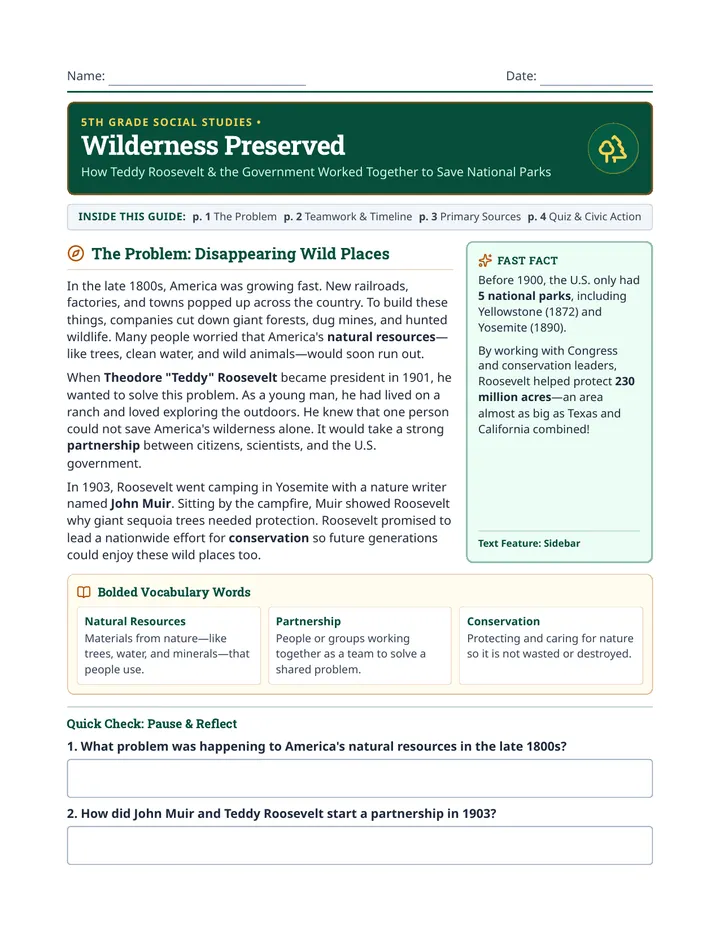
Collapse Dossier Activity HIST-ARCHIVE // 1985–1991
Name: ________________________ Date: ____________
Declassified Dossier: Why Did the USSR Collapse?
Directions: Examine each intelligence brief below. In the white box beneath each brief, summarize the core weakness and explain how it undermined Soviet stability.
Brief A: Command Economy & Empty Shelves
File 01 // Economy
Under the Soviet command economy, central planners in Moscow (Gosplan ) set production quotas and prices for millions of goods. Factories met weight targets by making heavy, low-quality items while consumer goods—shoes, soap, meat—faced chronic shortages. When global oil prices fell in the mid-1980s, the USSR lost vital foreign revenue. Gorbachev's Perestroika (economic restructuring) disrupted state supply chains without creating a functioning market, causing inflation and longer breadlines.
1. How did central planning and economic reforms weaken the Soviet state?
Brief B: Military Burdens & the Afghan Quagmire
File 02 // Defense
To compete with the United States and counter President Reagan's Strategic Defense Initiative ("Star Wars"), the Soviet Union devoted an estimated 15–25% of its entire GDP to military spending. Simultaneously, the 10-year Soviet-Afghan War (1979–1989) cost billions of rubles and tens of thousands of casualties, eroding public morale. Moscow also spent billions subsidizing Warsaw Pact allies with cheap oil and weapons—leaving little capital for domestic infrastructure or technology.
2. Why were Soviet military commitments unsustainable by the late 1980s?
Brief C: Dissidents & Republics Rising
File 03 // Resistance
In 1989, Gorbachev ended the Brezhnev Doctrine , signaling he would not use Soviet troops to crush Eastern European protests. Poland's Solidarity union won free elections, peaceful strikes toppled Czechoslovakia's regime, and the Berlin Wall fell. Inside the USSR, Glasnost (openness) unleashed nationalist movements in non-Russian republics: two million people formed the Baltic Way human chain, and in December 1991, over 90% of Ukrainian voters chose independence.
3. How did resistance in satellite states and non-Russian republics accelerate the breakup?
HIST-ARCHIVE // SYNTHESIS & ANALYSIS Page 2 of 2
Part 2: Interconnected Causes Matrix
Complete the table below to show how each factor contributed to the collapse and triggered other crises.
Factor
Key Evidence from Dossier
How It Worsened Other Crises
Weakness of Command Economy
Burdens of Military Commitments
Dissident & Republic Resistance
Part 3: Historical Analysis
4. Why did Mikhail Gorbachev's reforms—Glasnost (openness) and Perestroika (restructuring)—unintentionally speed up the collapse of the Soviet Union instead of saving it?
5. In your judgment, which factor was the most decisive tipping point in the collapse of the USSR (economy, military burdens, or dissident/republic resistance)? Support your claim with at least two specific pieces of evidence.
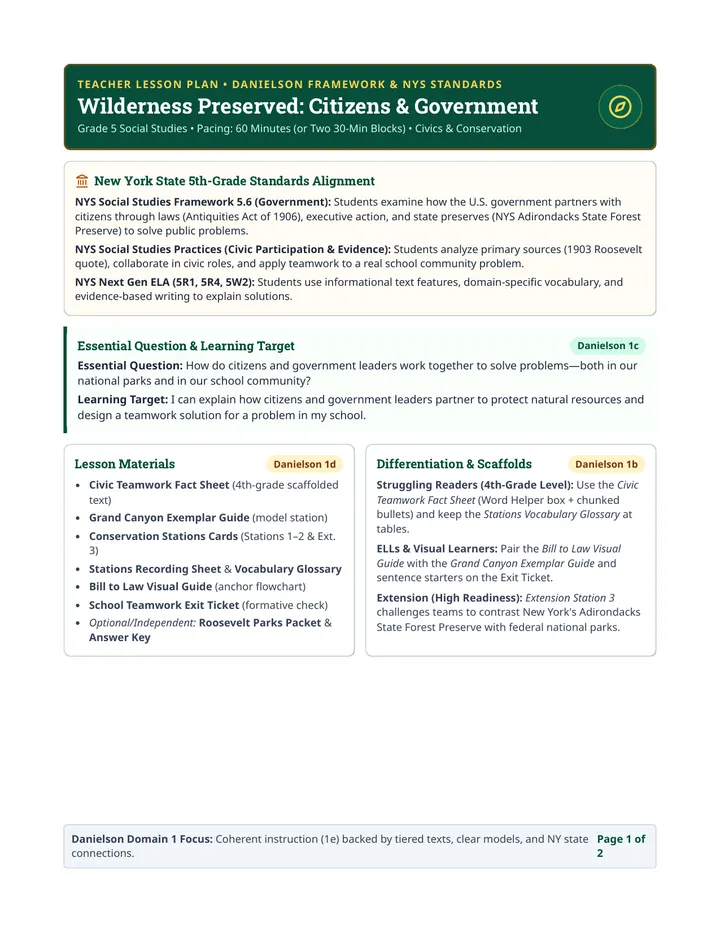
Soviet Collapse Assessment SUMMATIVE ASSESSMENT // COLD WAR
Name: ________________________ Date: ____________
Soviet Collapse Assessment
Part 1: Multiple Choice. Circle the best answer for each question. (2 points each)
1. Which structural flaw best explains why the Soviet command economy suffered chronic consumer shortages?
A. Private corporations hoarded goods to drive up market prices.
B. Central planners set rigid quotas that ignored actual consumer demand.
C. Labor unions organized nationwide strikes that halted all factory output.
D. Foreign tariffs blocked the USSR from importing raw materials like oil.
2. How did Mikhail Gorbachev's policy of Glasnost (openness) contribute to the breakup of the USSR?
A. It banned all political parties other than the Communist Party.
B. It privatized all collective farms and ended state bread subsidies.
C. It lifted censorship, enabling citizens and republics to openly criticize Moscow.
D. It increased military spending to counter the U.S. Strategic Defense Initiative.
3. Why did the Soviet-Afghan War (1979–1989) weaken the Soviet Union internally?
A. It drained billions of rubles and damaged public morale through heavy casualties.
B. It forced the USSR to surrender territory along the Baltic Sea.
C. It triggered a direct nuclear exchange between Moscow and Washington.
D. It led China to invade Soviet-controlled Eastern Europe.
4. What was the significance of Gorbachev abandoning the Brezhnev Doctrine in 1989?
A. It required Warsaw Pact nations to increase their nuclear arsenals.
B. It signaled Moscow would no longer use military force to crush protests in satellite states.
C. It merged East and West Germany under a single Communist government.
D. It banned independent trade unions such as Poland's Solidarity.
5. Which event best illustrates resistance inside the non-Russian Soviet republics?
A. The 1989 Baltic Way human chain across Estonia, Latvia, and Lithuania
B. The construction of the Berlin Wall to divide East and West Berlin
C. The signing of the SALT I nuclear arms limitation treaty
D. The creation of Gosplan to manage five-year industrial targets
6. Which sequence of events occurred in December 1991 to formally end the Soviet Union?
A. Gorbachev launched Perestroika, followed by the Velvet Revolution.
B. Soviet troops invaded Poland, prompting NATO to dissolve the Warsaw Pact.
C. Ukraine voted for independence and leaders signed the Belavezha Accords.
D. Hardliners won the August coup and restored strict censorship.
SUMMATIVE ASSESSMENT // PART 2 & PART 3 Page 2 of 2
Part 2: Categorizing Historical Evidence (4 points)
Write the letter of the primary cause that each historical development best represents: (E) Command Economy Weakness, (M) Military Burdens, or (R) Dissident & Republic Resistance.
7. Poland's Solidarity union wins free elections in June 1989. ______
8. The USSR spends 15–25% of its GDP trying to match U.S. defense technology. ______
9. Falling global oil prices slash Soviet revenue while breadlines grow longer. ______
10. Czechoslovakia's Velvet Revolution peacefully removes Communist leadership. ______
Part 3: Constructed Response (10 points)
Prompt: Analyze how the weakness of the command economy, military commitments, and resistance in satellite states and non-Russian republics interacted to cause the collapse of the Soviet Union. Use a Claim-Evidence-Reasoning (CER) structure and include at least three specific historical examples .
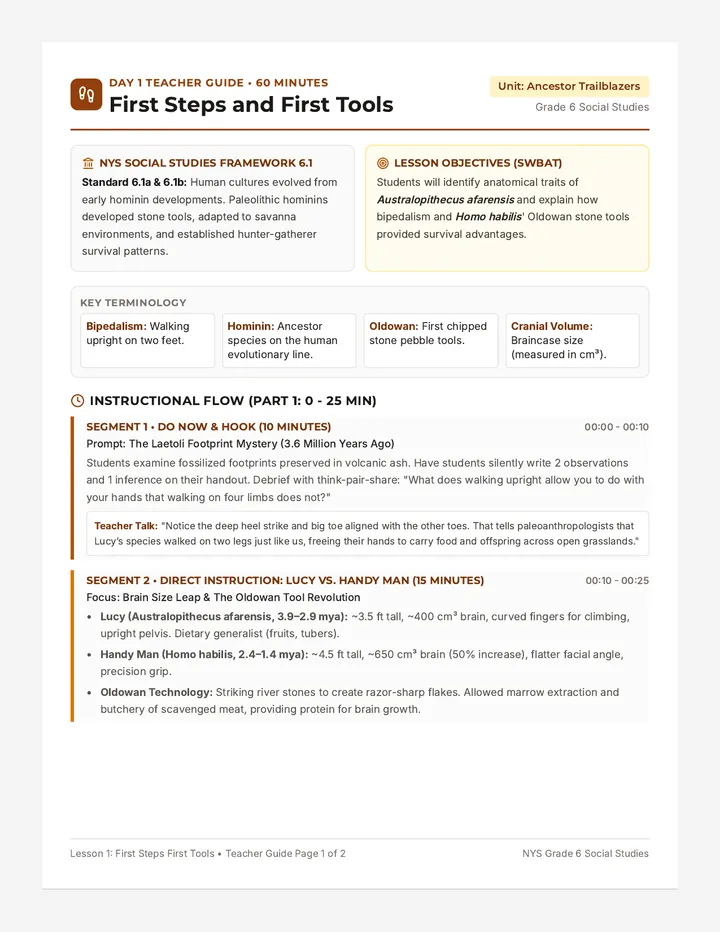
Kremlin Collapse Lesson Plan TEACHER GUIDE // LESSON PLAN TIME: 55–60 MINUTES
Cracks in the Kremlin: Lesson Plan
Learning Objective
Students will analyze the interconnected causes of the Soviet Union's collapse (1985–1991)—including command economy stagnation, military overreach, and dissident resistance in satellite states and non-Russian republics—and defend a historical claim using primary evidence.
Key Vocabulary
Command Economy , Perestroika , Glasnost , Brezhnev Doctrine , Solidarity , Baltic Way , Belavezha Accords
Instructional Pacing & Facilitation
Segment
Material
Teacher Actions & Discussion Prompts
1. Hook & Direct Instruction (15 min)
Soviet Collapse Slides (Slides 1–6)Open with Slide 2's paradox: no foreign army invaded Moscow, yet the USSR fractured into 15 nations. Walk through the 3 pillars, pausing on Slide 3 to ask: "Why might lifting censorship (Glasnost) actually hurt a struggling government?"
2. Dossier Investigation (20 min)
Collapse Dossier Activity (Pages 1–2)Have students work in pairs to analyze Briefs A–C and complete the Cause-and-Effect Matrix. Circulate to ensure students connect economic shortages to the USSR's inability to fund its military or suppress protests.
3. Synthesis Debrief (8 min)
Soviet Collapse Slides (Slide 7)Conduct a quick "Four Corners" or Turn-and-Talk on Slide 7's prompt: which factor was the decisive tipping point? Require students to cite one specific fact from the dossier.
4. Assessment (15 min)
Soviet Collapse Assessment Administer the 2-page assessment independently. Remind students to use a Claim-Evidence-Reasoning (CER) structure with 3 specific historical examples on Part 3.
Differentiation Strategies
Scaffolding: Pre-highlight key terms in Briefs A–C or assign one brief per group in a jigsaw format before completing the matrix together.CER Support: Provide sentence stems for Part 3 ("Although ___ played a role, ___ was decisive because..." ).Extension: Have advanced students compare the 1989 fall of the Berlin Wall with the 1991 Belavezha Accords.
Common Misconceptions
"Gorbachev wanted to end the USSR": Clarify that he sought to reform and save socialism, not dissolve the union."Only the arms race caused the collapse": Emphasize that U.S. defense pressure mattered because the command economy was already stagnant."Satellite states = Soviet republics": Distinguish Warsaw Pact allies (Poland, East Germany) from internal republics (Ukraine, Baltics).
TEACHER GUIDE // ANSWER KEYS & RUBRIC Page 2 of 2
Answer Key: Collapse Dossier Activity
1. Brief A (Economy): Central planners ignored consumer demand, causing chronic shortages. Falling 1980s oil prices cut revenue, and Perestroika disrupted supply chains, fueling inflation and public anger.
2. Brief B (Military): Spending 15–25% of GDP on the arms race, fighting the 10-year Afghan War, and subsidizing Warsaw Pact allies drained capital needed for domestic goods and technology.
3. Brief C (Resistance): Dropping the Brezhnev Doctrine allowed Poland's Solidarity, Czechoslovakia's Velvet Revolution, and the Berlin Wall's fall; Glasnost then fueled Baltic and Ukrainian independence votes.
4. Gorbachev's Reforms: Perestroika destabilized the economy without fixing shortages, while Glasnost removed censorship so citizens and republics could openly organize against Moscow.
5. Tipping Point (Answers Vary): Accept any well-defended claim (e.g., economic weakness starved military power; or dissident movements broke the state apart) backed by two specific dossier facts.
Answer Key: Soviet Collapse Assessment
Part 1: Multiple Choice (2 pts each)
1. B — Central planners ignored consumer demand.2. C — Glasnost lifted censorship & enabled criticism.3. A — Afghan War drained rubles & hurt morale.4. B — Ended Soviet military intervention in satellites.5. A — 1989 Baltic Way human chain.6. C — Ukraine vote & Belavezha Accords.
Part 2: Categorization (1 pt each)
7. R — Solidarity in Poland (Dissident Resistance)8. M — 15–25% GDP on defense (Military Burdens)9. E — Falling oil prices & breadlines (Economy)10. R — Velvet Revolution (Dissident Resistance)
Part 3: Constructed Response Rubric (10 points)
Criteria
Proficient (Full Credit)
Developing (Partial Credit)
Claim (2 pts)
Clear, direct thesis explaining how all three factors interacted to cause the collapse.
Vague claim or addresses only one factor in isolation.
Evidence (4 pts)
Includes 3+ accurate historical examples spanning economy, military, and resistance.
Includes 1–2 examples or omits one of the three core areas.
Reasoning (4 pts)
Clearly explains cause-and-effect links (e.g., how economic weakness limited military force).
Lists facts without explaining how they connected to bring down the USSR.