Lenny.com
Explore
Create
ActivitiesNewMathEnglish Language ArtsScience & EngineeringSocial StudiesGlobal LanguagesHealth & Physical EducationSpecial EducationCounseling & Life SkillsArts & CreativityESL
Lenny.com
Lenny.com
Explore
Create
ActivitiesNewMathEnglish Language ArtsScience & EngineeringSocial StudiesGlobal LanguagesHealth & Physical EducationSpecial EducationCounseling & Life SkillsArts & CreativityESL
Lenny.com
Social StudiesSocial Studies PracticesLocation WordsMapsOrder EventsChronology and CausationEvaluating SourcesHistorical ThinkingGeography, Humans, & the EnvironmentAmerican Symbols and LandmarksCitiesStatesState CapitalsRegions of the United StatesGeographic SkillsPhysical GeographyHuman GeographyRegional GeographyGeography of AfricaGeography of AsiaGeography of EuropeGeography of OceaniaGeography of the AmericasSociety and Environment of EuropeSociety and Environment of AsiaSociety and Environment of The AmericasSociety and Environment of the Middle EastSociety and Environment of AfricaHistoryPrehistoryComparing Ancient River CivilizationsAncient MesopotamiaAncient Egypt and KushAncient South AsiaEarly ChinaGreeceRome and the Byzantine EmpireAncient World HistoryNative Peoples of North AmericaNative Peoples of Mesoamerica and South AmericaAfrican EmpiresMedieval AsiaMedieval EuropeThe Silk RoadMedieval HistoryIslamic EmpiresWorld ReligionsRenaissance PeriodAge of ExplorationThe Thirteen ColoniesThe American RevolutionUS History Early RepublicFounding of the United StatesUS History AntebellumUS Civil WarReconstruction PeriodThe Gilded AgeUS ImperialismWorld ImperialismWorld War IUS History 1920sGreat DepressionWorld War IIThe Cold WarUS History 1950-60sUS History 1960s-70sWorld History 20th CenturyContemporary US HistoryContemporary World HistoryHolidaysCivics and GovernmentCitizenshipGovernment FoundationsThe ConstitutionUS ConstitutionExecutive BranchLegislative BranchJudicial BranchState and LocalPolitical ParticipationPublic PolicyPolitical SystemsPower and AuthoritySocial MovementsDefining DevianceTheories of DevianceCrime and Criminal JusticeEconomicsBasic Economic PrinciplesSupply and DemandWhat is MoneyEconomic FundamentalsMicroeconomicsMacroeconomicsBanking and FinanceEconomic SystemsGlobal EconomicsCorporations and PowerThe Changing WorkplaceUnemployment and LaborClass and InequalitySocial MobilityGlobal InequalityPsychologyHistory of PsychologyPsychology as a ScienceBrain and Nervous SystemNeuroscience and BehaviorGenetics and BehaviorSleep and ConsciousnessSensory ProcessesPerceptual OrganizationClassical ConditioningOperant ConditioningObservational LearningCognitive LearningMemory ProcessesThinking and Problem SolvingLanguage and CognitionTheories of MotivationStress and CopingPrenatal and Infant DevelopmentChildhood DevelopmentAdolescent DevelopmentAdulthood and AgingSelf and IdentitySocial CognitionSocial InfluenceAttraction and RelationshipsGroup BehaviorPrejudice and DiscriminationAnxiety and Mood DisordersClinical PsychologyForensic PsychologyPhilosophy & EthicsIntroduction to PhilosophyMajor Philosophers & IdeasMind and Body ProblemFree Will vs DeterminismEthics & MoralityReligion & PhilosophyPolitical Philosophy

Social Mobility

Intergenerational income trends, educational access, and socioeconomic status shifts over time. Analyzes the impact of policy, wealth distribution, and labor market structures on economic opportunity.

Lenny.com

Solutions

Lenny for EducatorsLenny for SchoolsLenny for Districts

Product

ExploreSign inCreateSupportAbout

Resources

Getting startedMTSS Acceleration Program

Newsletters

School Funding Newsletter

© 2026 Lenny Learning Inc.

TermsPrivacyAccessibility
LinkedInInstagramX
Lenny

Videos

Crime, Civil Rights, and the War on Drugs in the 1980s

Crime, Civil Rights, and the War on Drugs in the 1980s

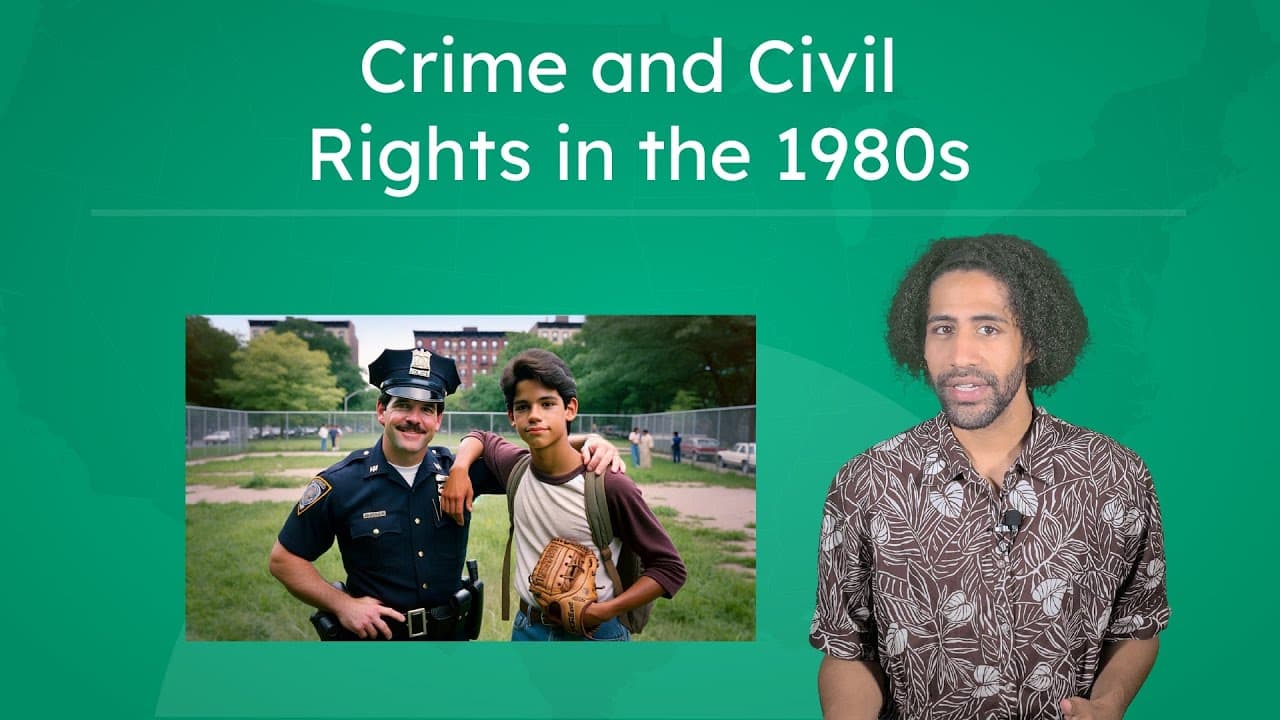
This video explores the complex intersection of crime, criminal justice reform, and civil rights in the United States during the 1980s through the eyes of a fictional narrator, Jamie. Set against the backdrop of the South Bronx, the video weaves a personal narrative with historical analysis to explain how the "War on Drugs" and "Law and Order" policies transformed the American legal landscape. It details specific policy changes like mandatory minimum sentencing and the shift away from rehabilitation, while simultaneously illustrating their human cost through Jamie's family experiences. The content delves into key historical themes including the crack cocaine epidemic, the disparity in sentencing between crack and powder cocaine, the rise of mass incarceration, and the strained relationship between law enforcement and minority communities. It critically examines the intended goals of these reforms—reducing crime and restoring order—versus their unintended consequences, such as the disproportionate imprisonment of Black and Latino citizens and the long-term socio-economic impacts on inner-city neighborhoods. For educators, this video serves as a powerful tool to humanize statistical data and abstract legal concepts. It provides a balanced platform to discuss controversial topics like stop-and-frisk, racial profiling, and the efficacy of punitive vs. rehabilitative justice. The narrative structure helps students connect emotionally with the material, making complex sociological and historical concepts accessible for high school US History, Civics, or Sociology classrooms.

Miacademy & MiaPrep Learning ChannelMiacademy & MiaPrep Learning Channel

12mins 45s

How the 1950s Created the Modern American Consumer

How the 1950s Created the Modern American Consumer

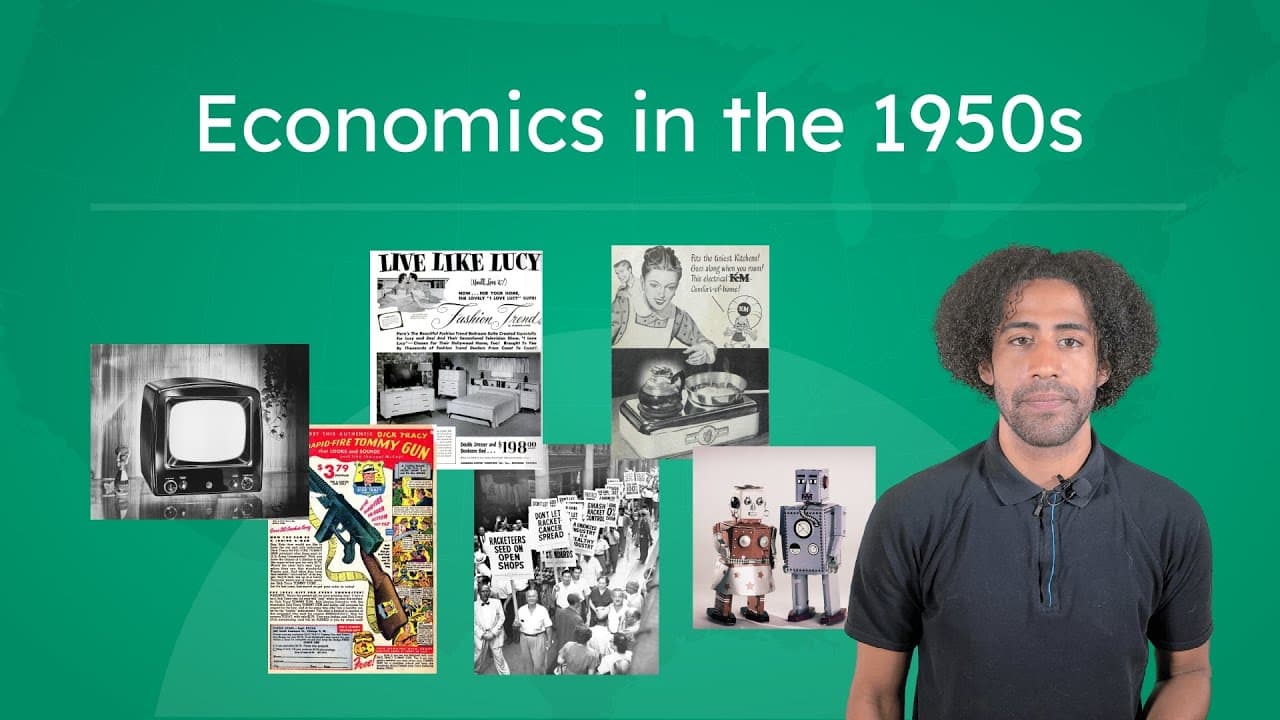
This educational video explores the dramatic economic and social shifts in the United States during the 1950s that led to the rise of a massive consumer economy. It details how post-war government policies, technological innovations, and the expansion of credit transformed American life, creating a booming middle class. The narrator explains the economic cycle where higher wages and union membership fueled spending, which in turn created more jobs, establishing a self-sustaining loop of prosperity for many Americans.

Miacademy & MiaPrep Learning ChannelMiacademy & MiaPrep Learning Channel

12mins 10s

Jesse Jackson and the Rise of Operation PUSH

Jesse Jackson and the Rise of Operation PUSH

This episode of Crash Course Black American History explores the life and legacy of Reverend Jesse Jackson and the organization he founded, Operation PUSH (People United to Save Humanity). Hosted by Clint Smith, the video bridges the gap between the major Civil Rights victories of the 1960s and the economic and political struggles that followed in the 1970s and 80s. It details how the movement shifted from battling legal segregation to addressing economic disparities through grassroots organizing and political coalition building. The content provides a deep dive into the historical context surrounding the founding of PUSH, including the limitations of President Lyndon B. Johnson's "Great Society," the impact of "White Flight" on urban education, and the rise of Reaganomics in the 1980s. It traces Jackson's evolution from a young aide to Dr. Martin Luther King Jr. to a presidential candidate who championed the "Rainbow Coalition," a concept uniting diverse marginalized groups under a common banner of justice. For educators, this video is an invaluable resource for teaching the continuity of the Civil Rights movement beyond the 1960s. It offers clear explanations of complex economic policies, the strategy behind economic boycotts, and the importance of political rhetoric. It serves as an excellent tool for discussing the intersection of race, class, and politics in modern American history, helping students understand the roots of contemporary social activism.

CrashCourseCrashCourse

11mins 31s

Innovation, Mass Culture, and the Ethics of Progress (1880-1914)

Innovation, Mass Culture, and the Ethics of Progress (1880-1914)

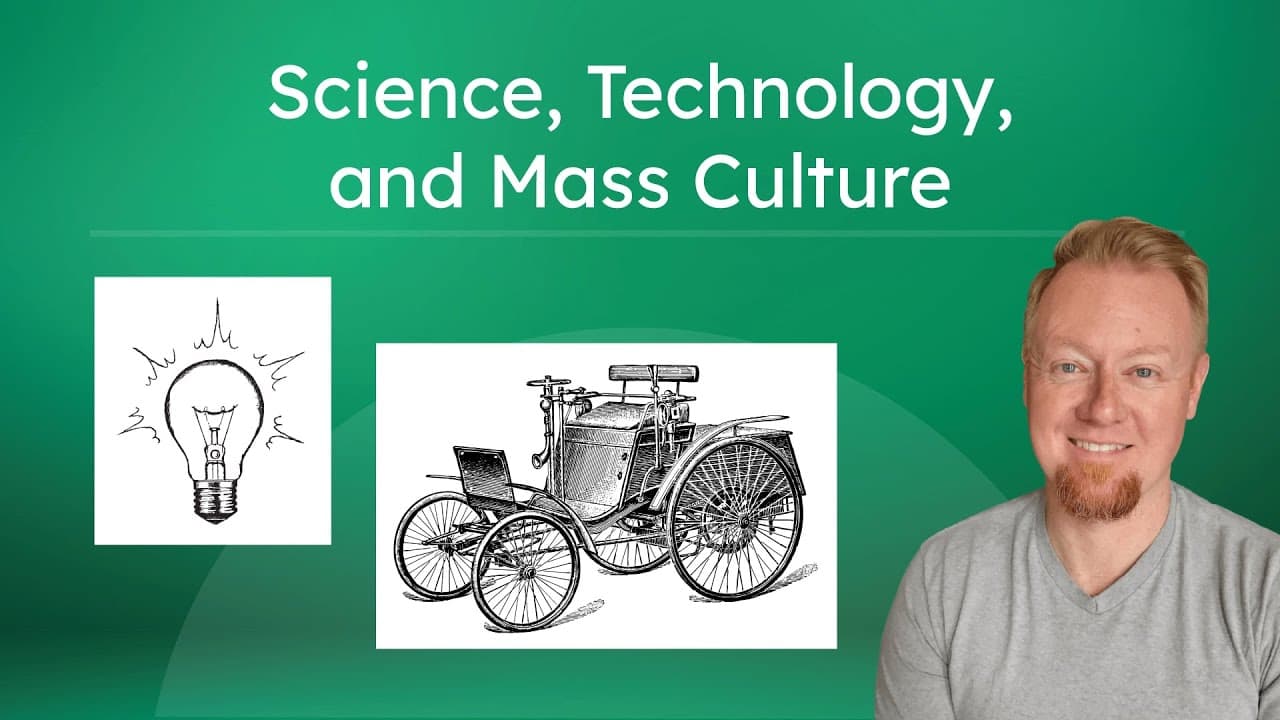
This video explores the dynamic period between 1880 and 1914, often called the Progressive Era or the Belle Époque, examining the explosion of scientific and technological innovation that defined the age. It details how industrial powers like Britain, the United States, and Germany funded research and public health initiatives, highlighting key figures like Josephine Cochrane, George Soper, and Madame C.J. Walker. The narrative explains the shift from a survival-based economy to a consumer culture driven by mass media, advertising, and the rise of the middle class. The video delves into the complex relationship between capitalism, industrialization, and popular culture, illustrating how wealthy industrialists influenced scientific progress and how businesses shaped consumer desires. Crucially, it also addresses the darker side of this era, discussing the rise of pseudosciences like phrenology and eugenics. It explains how scientific language was misused to justify racism, oppression, and unethical experimentation, grounding these concepts in the historical context of Social Darwinism. For educators, this resource serves as an excellent synthesis of early modern history, connecting technological advancements with social and ethical questions. It challenges students to consider the moral implications of progress, asking the big-picture question: "Just because we can, does it mean we should?" It is particularly useful for World History and U.S. History units on the Industrial Revolution, providing diverse examples of inventors and prompting critical thinking about the double-edged sword of scientific discovery.
Miacademy & MiaPrep Learning ChannelMiacademy & MiaPrep Learning Channel

11mins 20s

How Sectionalism Divided America Before the Civil War

How Sectionalism Divided America Before the Civil War

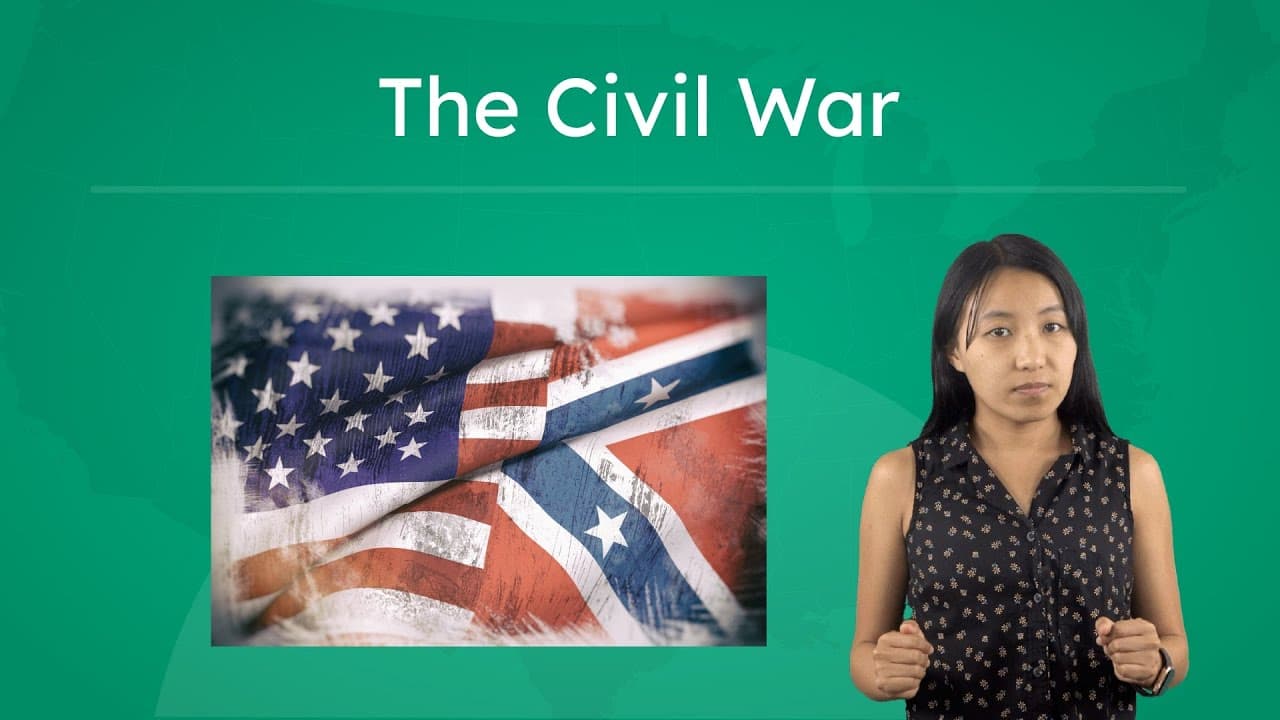
This educational video provides a comprehensive analysis of the sectional differences between the Northern and Southern United States that precipitated the American Civil War. Moving beyond simple timelines, the narrator breaks down the conflict into three distinct categories: economic disparities, cultural divides, and conflicting political ideologies. The video uses the dramatic historical event of the caning of Senator Charles Sumner as a framing device to illustrate how deep the animosity had run by the 1850s. The content explores how the North's industrial economy, fueled by immigrant labor and government infrastructure, clashed with the South's agrarian, slave-based economy. It details how these economic realities created two distinct cultures: a mobile, urbanizing North versus a rigid, rural Southern hierarchy. Furthermore, it explains how these differences led to incompatible interpretations of the Constitution regarding state versus federal power and the rights of individuals. For educators, this video serves as an excellent foundational tool for a Civil War unit. It moves students beyond memorizing battles to understanding the structural causes of the war. The video includes built-in guiding questions and pause points, making it ready-made for interactive classroom viewing. It is particularly useful for teaching students how to categorize historical causes (economic, social, political) and analyze how regional differences can fracture a nation.

Miacademy & MiaPrep Learning ChannelMiacademy & MiaPrep Learning Channel

11mins 54s

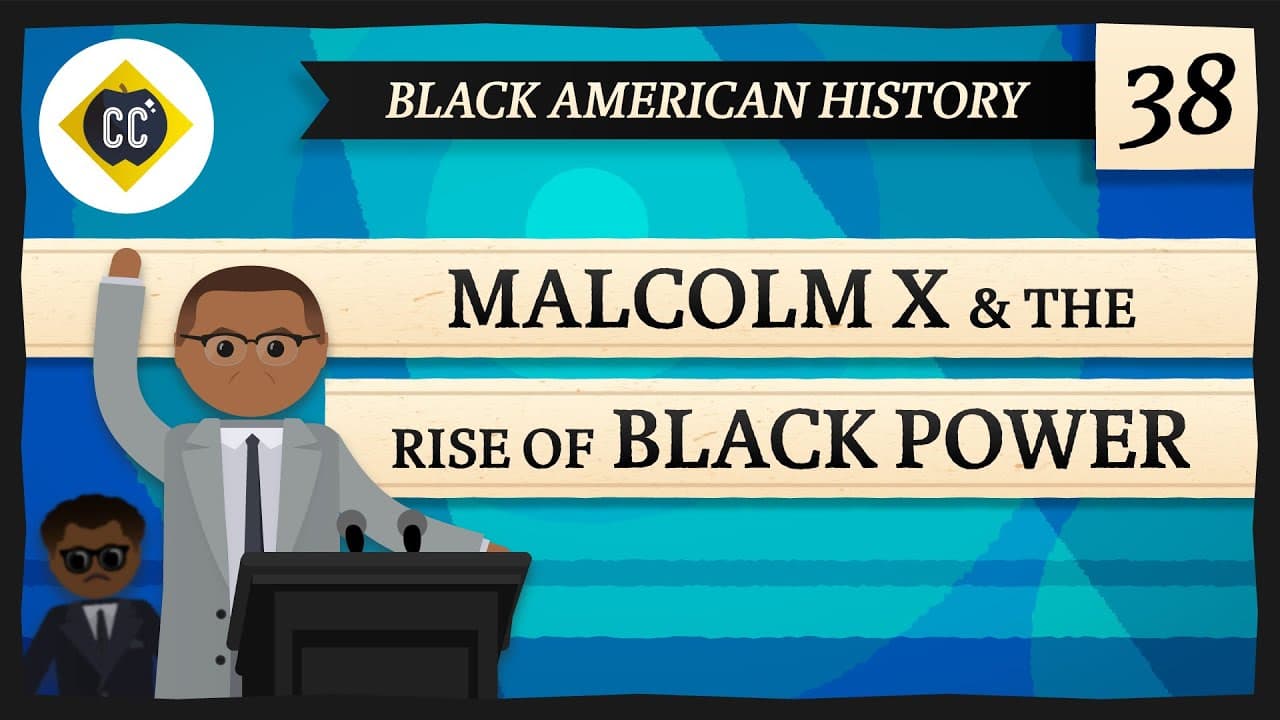
The Life and Evolution of Malcolm X

The Life and Evolution of Malcolm X

This video provides a comprehensive biography of Malcolm X, moving beyond the simplified narrative that often portrays him merely as a violent foil to Dr. Martin Luther King Jr. It traces his life from his tumultuous childhood marked by white supremacist violence and the loss of his parents, through his incarceration and transformation within the Nation of Islam, to his pilgrimage to Mecca and final evolution as a human rights leader. The video emphasizes his intellectual journey, highlighting how self-education and personal experience constantly reshaped his philosophy. The content explores complex themes including Black Nationalism, self-determination, systemic racism, and the psychological impact of oppression. It details the philosophy of the Nation of Islam, the concept of "Black is Beautiful," and the specific critiques Malcolm X leveled against the mainstream civil rights movement's focus on desegregation. It also covers the internal politics that led to his assassination, including his split from Elijah Muhammad and FBI surveillance. For educators, this resource is invaluable for teaching the Civil Rights Movement with necessary nuance. It helps students understand the diversity of thought within Black activism, the importance of economic independence in civil rights struggles, and the global context of the movement (connecting to decolonization in Africa). The video serves as an excellent prompt for discussions on how historical figures evolve, the role of literacy in liberation, and the difference between civil rights and human rights.

CrashCourseCrashCourse

14mins 25s

Materials

History Inquiry Guided Worksheet

History Inquiry Guided Worksheet

3-page scaffolded student inquiry packet fully aligned to lesson objectives (why learn history, classroom procedures, and historical thinking skills) streamlined for native English students with clear procedural guides, stacked-traits analogies, and IDCV graphic organizers.

SP

Sheridan Pickett

Southern Reconstruction Lecture Slides

Southern Reconstruction Lecture Slides

A comprehensive high school US History lecture slide deck analyzing how the southern economy and society transformed after the Civil War, covering devastation, labor shifts, sharecropping, constitutional amendments, racial backlash, and the Compromise of 1877.

LS

LeVar St Germain

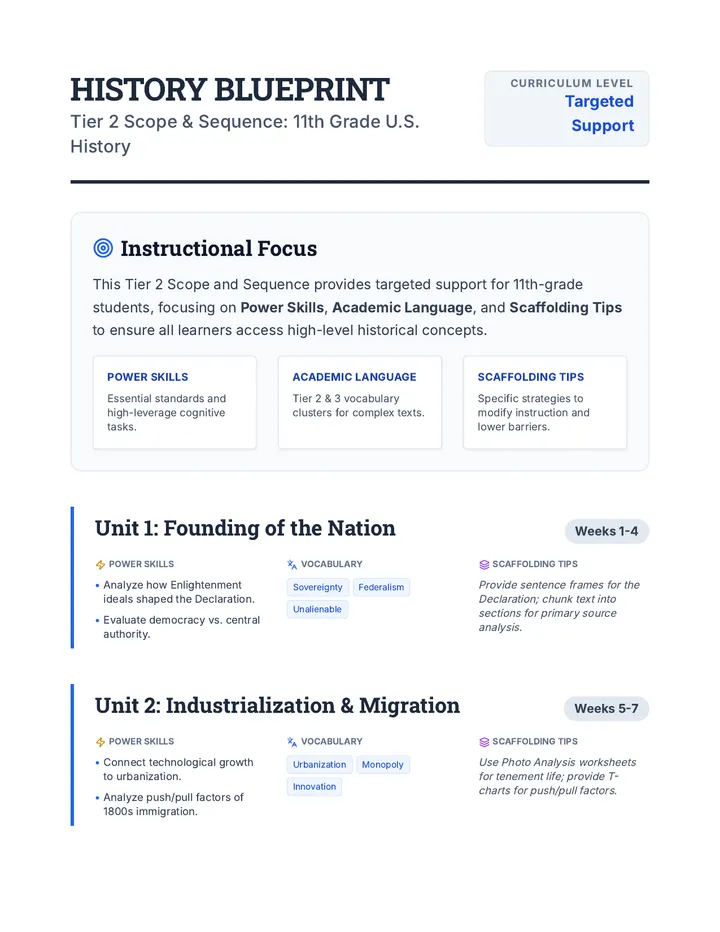
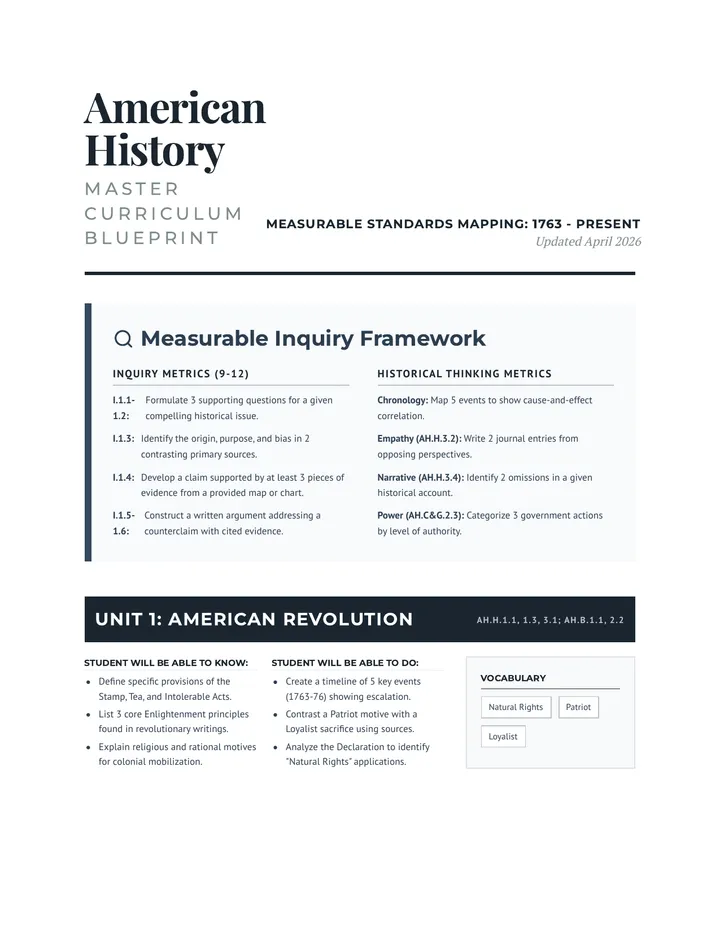
History Blueprint Scope and Sequence

History Blueprint Scope and Sequence

An updated Tier 2 Scope and Sequence for 11th Grade U.S. History, now including specific scaffolding tips for each unit alongside power skills and academic vocabulary. The layout is optimized for teacher reference with instructional strategies tailored for targeted support.

D

dfleisch

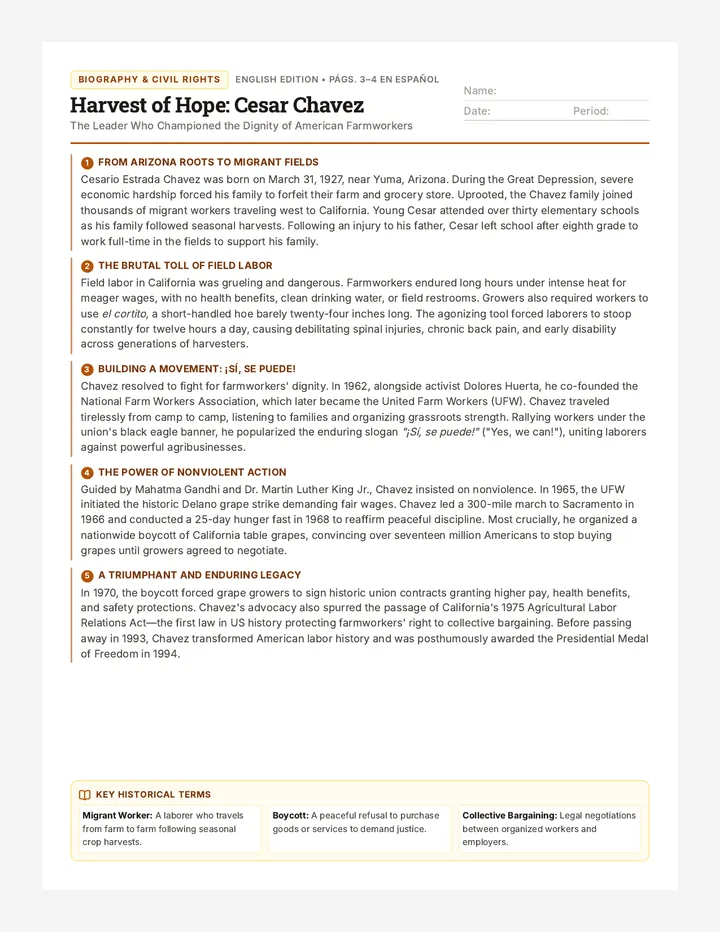
Harvest Hero Reading Worksheet

Harvest Hero Reading Worksheet

A comprehensive four-page bilingual reading comprehension worksheet on civil rights leader Cesar Chavez, providing a complete 5-paragraph passage, 6 multiple-choice questions, and written reflection in both English (Pages 1–2) and Spanish (Pages 3–4).

GJ

Gerardo Jimenez Ramirez

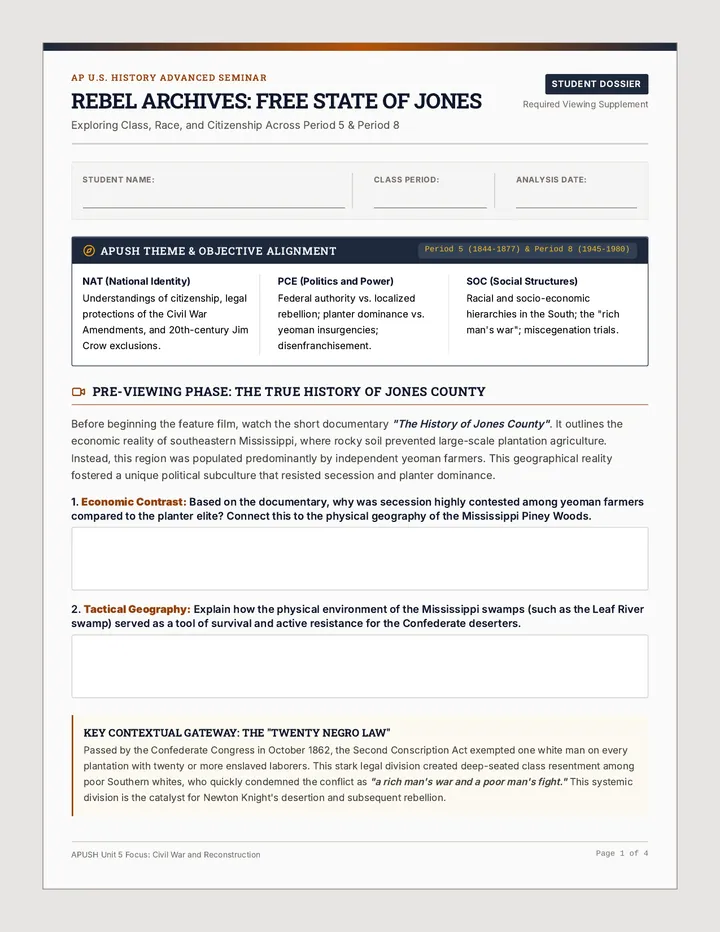
Rebel Archives Film Guide

Rebel Archives Film Guide

A highly structured, four-page AP U.S. History film study viewing guide and historical analysis packet for the movie 'Free State of Jones'. It connects Period 5 Civil War/Reconstruction themes with Period 8 20th-century Civil Rights contexts, focusing on Southern class dynamics, Unionism, and racial classification continuities.

JG

Joshua Griffith

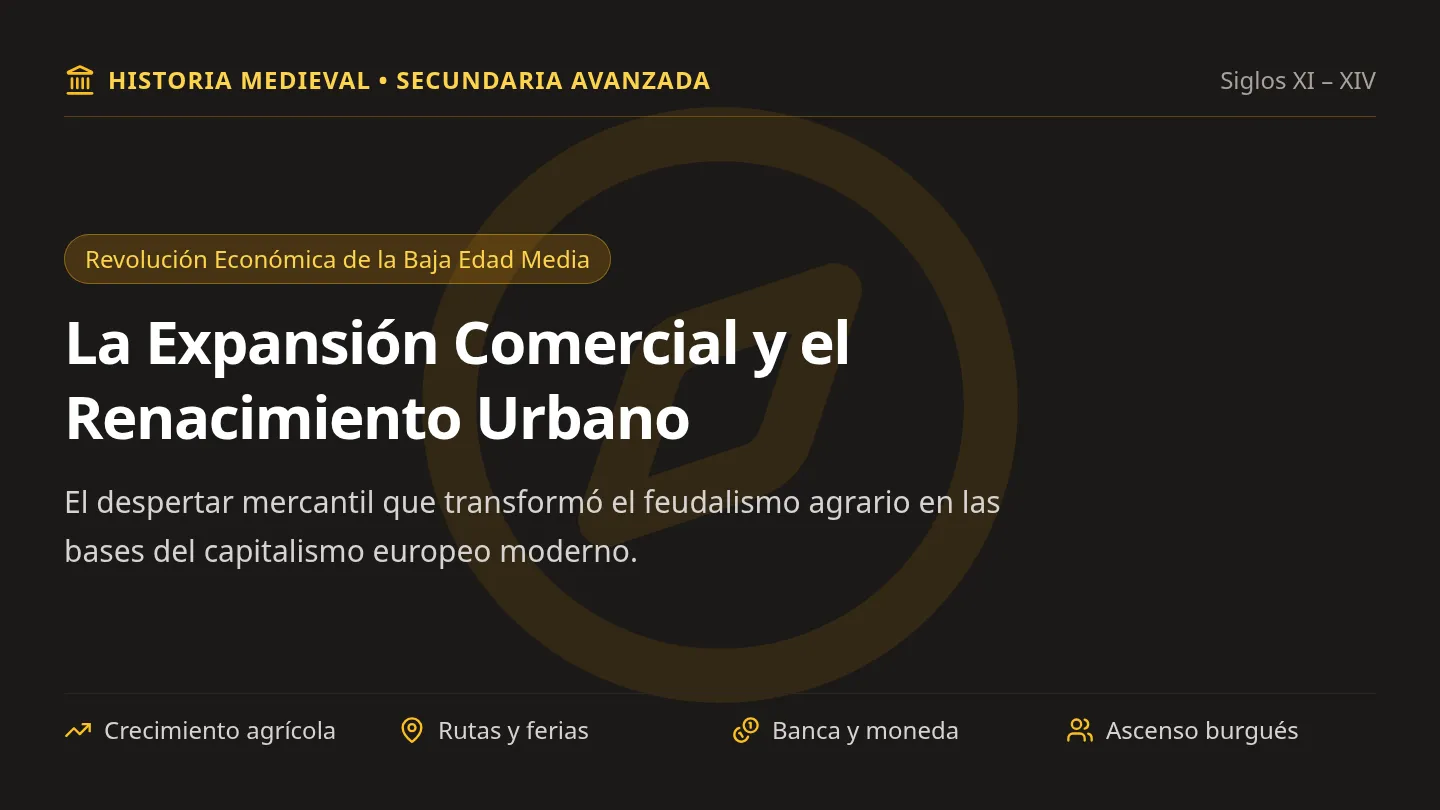
Mercaderes Medievales Slides

Mercaderes Medievales Slides

Presentación de diapositivas sobre la expansión comercial en la Baja Edad Media (siglos XI-XIV) para secundaria avanzada. Explora los motores del crecimiento económico, las grandes rutas marítimas y terrestres, el nacimiento de la banca y la consolidación de la burguesía y las ciudades.

Sequences

Reconstruction Reckoning Worksheet

Modern America

A comprehensive journey through United States history from the aftermath of the Civil War to the contemporary era, exploring the social, political, and economic shifts that shaped the modern nation.

DP

Darren Polamalu

18
Era of Crisis Study Guide

Superpowers and Scandals

A comprehensive unit covering United States history from 1960 to 1980, focusing on the Cold War, domestic policy, and political scandals.

AH

Ashley Hopf

5
Blueprint Curriculum Syllabus

Social Brain Blueprint

A comprehensive 5-part curriculum exploring social neuroscience through a macro social work lens, focusing on systemic change, practitioner wellbeing, and collective action.

DE

Dr. Erick Clinton Lear

16
Funding Foundation Checklist

Ethics Engine

A 5-week immersive ethics storyline following the evolution of a single nonprofit organization as it navigates a massive corporate grant, data ethics, policy clashes, and eventual sustainability crises.

DE

Dr. Erick Clinton Lear

11
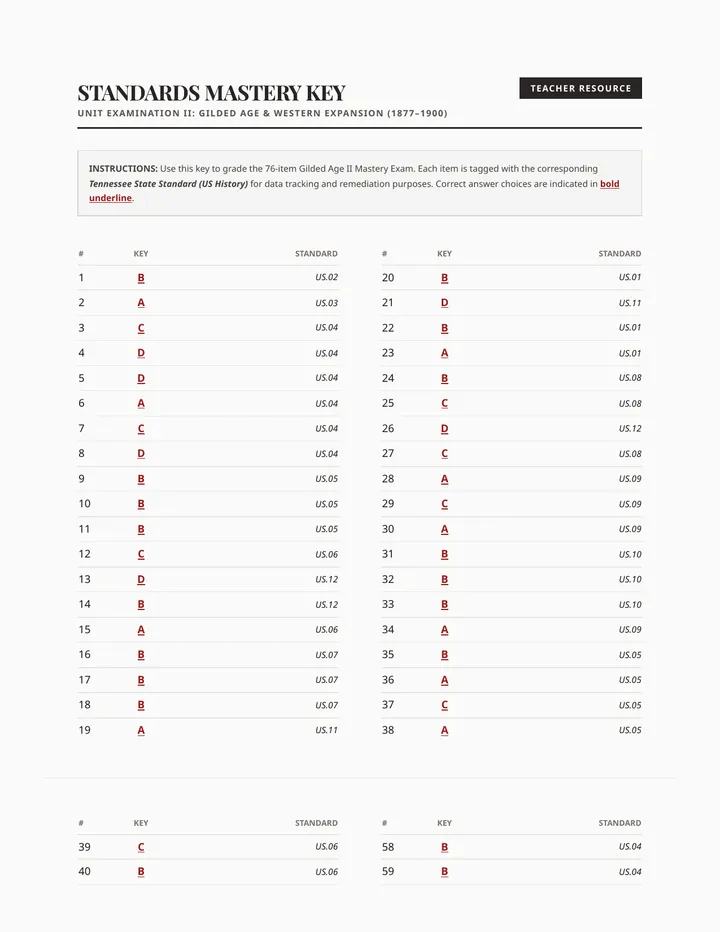
Gilded Age II Standards Key

Modern America Mastery

A comprehensive curriculum sequence covering late 19th and early 20th-century American history, focusing on economic transformation, Western expansion, global imperialism, and the impact of the Great War.

A

Andrew

29
Curriculum Blueprint Document v2

History Horizon Sequence

A comprehensive high school curriculum plan for American History, covering 13 units from the American Revolution to the modern era, aligned with North Carolina Social Studies standards.

AK

Amity Kea

21

Lessons

History Sprint Pacing Guide

STAAR History Sprint

A comprehensive pacing guide and activity resource designed to cover the remaining 11th Grade US History TEKS before the STAAR test on April 16th. This lesson provides a day-by-day calendar for A/B block schedules and high-engagement activities for each remaining historical era.

BB

Bridgette Burdick

51
Modern Era Reader Part 1

The Modern Ledger

A comprehensive exploration of the 1990s through the modern day, covering technological shifts, political milestones, military conflicts, and cultural evolution in the United States.

CE

Chelsea Elliott

20
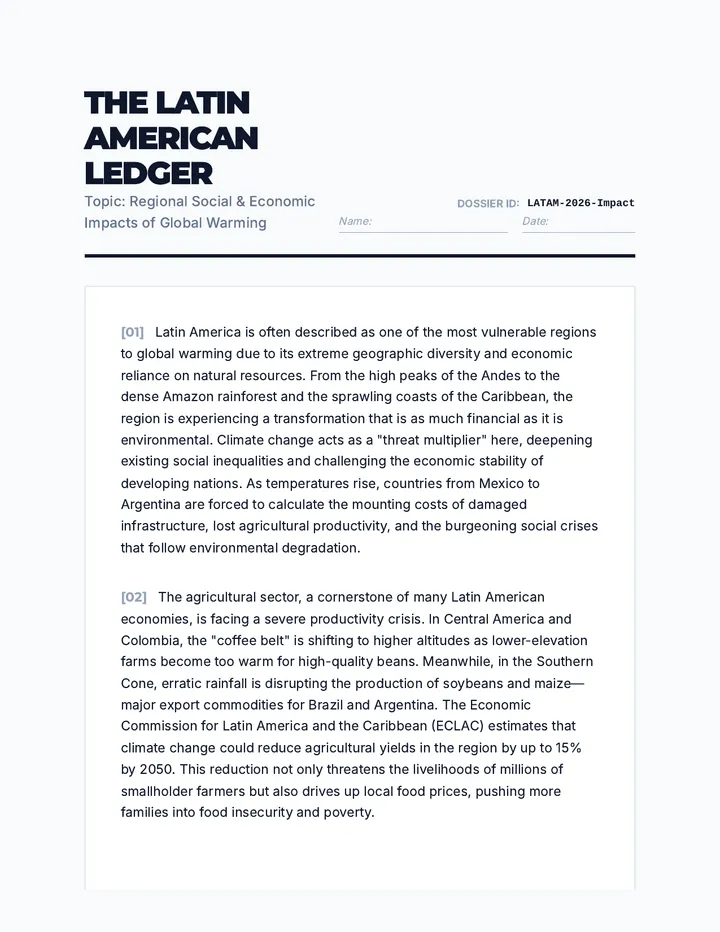
Latin American Ledger Reading

The Latin American Ledger Project

A regional investigation into the social and economic consequences of global warming in Latin America, focusing on human displacement, glacial melt in the Andes, and agricultural shifts. Students analyze a detailed text and construct a Claim-Evidence-Reasoning (CER) argument.

GJ

Gerardo Jimenez Ramirez

10
Justice Gallery Investigation Worksheet

Justice Gallery Case Files

A comprehensive lesson on the Civil Rights Movement featuring gallery stations and a guided investigation worksheet. Students analyze institutional obstacles, legal strategies, non-violent and militant tactics, and the expansion of the movement to other marginalized groups.

CE

Chelsea Elliott

25
Era Review Challenge Practice Sheet

Era Review Challenge

A quick review lesson designed to prepare students for US History STAAR assessments, focusing on four key eras: Imperialism, the Roaring 20s, the Great Depression, and WWII.

BB

Bridgette Burdick

14
Whispering Wind Lesson Plan

Whispering Wind

An inquiry-based lesson exploring how the demographic crisis of the 14th-century Black Death disrupted feudal structures in Europe. Students analyze labor scarcity, roleplay economic shifts, and evaluate primary sources to understand how catastrophe led to working-class empowerment.

HO

Helen O'Keefe

4