Lenny.com
Explore
Create
ActivitiesNewMathEnglish Language ArtsScience & EngineeringSocial StudiesGlobal LanguagesHealth & Physical EducationSpecial EducationCounseling & Life SkillsArts & CreativityESL
Lenny.com
Lenny.com
Explore
Create
ActivitiesNewMathEnglish Language ArtsScience & EngineeringSocial StudiesGlobal LanguagesHealth & Physical EducationSpecial EducationCounseling & Life SkillsArts & CreativityESL
Lenny.com
Lenny.com

Solutions

Lenny for EducatorsLenny for SchoolsLenny for Districts

Product

ExploreSign inCreateSupportAbout

Resources

Getting startedMTSS Acceleration Program

© 2026 Lenny Learning Inc.

TermsPrivacyAccessibility
LinkedInInstagramX
Lenny

Physical and Chemical Change

Distinguishes between reversible physical alterations and chemical reactions that form new molecular substances. Examines observable indicators of change, including gas production, temperature shifts, and color variations.

Science & EngineeringLife ScienceLiving ThingsAnimalsPlantsBody SystemsTraitsAdaptationsCellsEcosystemsHeredityGenes to TraitsCell DivisionPhysicsComparing MaterialsShapes and PropertiesMagnetsMagnetismLightSoundLight and SoundMatterStates of MatterChanges of StateMixturesPhysical and Chemical ChangeHeating and CoolingHeat and Thermal EnergyEnergyForce and MotionElectrical CircuitsAtoms and MoleculesPeriodic TableMotion in One DimensionMotion in Two DimensionsScalars and VectorsForces and Laws of MotionCircular Motion and GravityMomentum and ImpulseWork, Energy, and PowerWavesElectromagnetic WavesGeometric OpticsElectricity and MagnetismSimple Harmonic MotionThermodynamicsNuclear PhysicsEarth Science & AstronomyWeatherWater CycleRocks and MineralsFossilsEarth's FeaturesEarth's ResourcesEarth's StructureWeather and ClimateEarth EventsFossils and Geologic TimePlate TectonicsHuman ImpactsAstronomyChemistryUnits and MeasurementAtomic StructurePeriodic TrendsChemical BondingNomenclatureMolecular StructureIntermolecular ForcesThe MoleStoichiometryProperties of GasesSolutionsChemical ReactionsBalancing EquationsEnergy ChangesRates of ReactionsEquilibriumAcids and BasesQuantum ModelBiologyClassificationCell StructureThe Chemistry of LifeBiomoleculesCellular TransportCell EnergyCell Growth and DivisionDNAProtein SynthesisMeiosis and Sexual ReproductionPatterns of InheritanceMulticellular OrganismsEvolutionEcologyBiodiversityComputer ScienceAlgorithms and Computational ThinkingProgramming LanguagesComputing SystemsNetworks and InternetData AnalysisCybersecurityAI and Machine LearningSoftware Design and DevelopmentBlockchainEngineering & AIDesigning ExperimentsEngineering PracticesDesign ThinkingEngineering Design ProcessMechanical EngineeringElectrical EngineeringMaterials and StructuresCAD and 3D DesignRoboticsArtificial Intelligence BasicsVibe CodingMachine LearningAI Ethics and SocietySystems ThinkingEntrepreneurship & InnovationEntrepreneurial MindsetBusiness Idea DevelopmentBusiness Plan BasicsMarketing & Customer DiscoveryFinancial Management for Startups

Videos

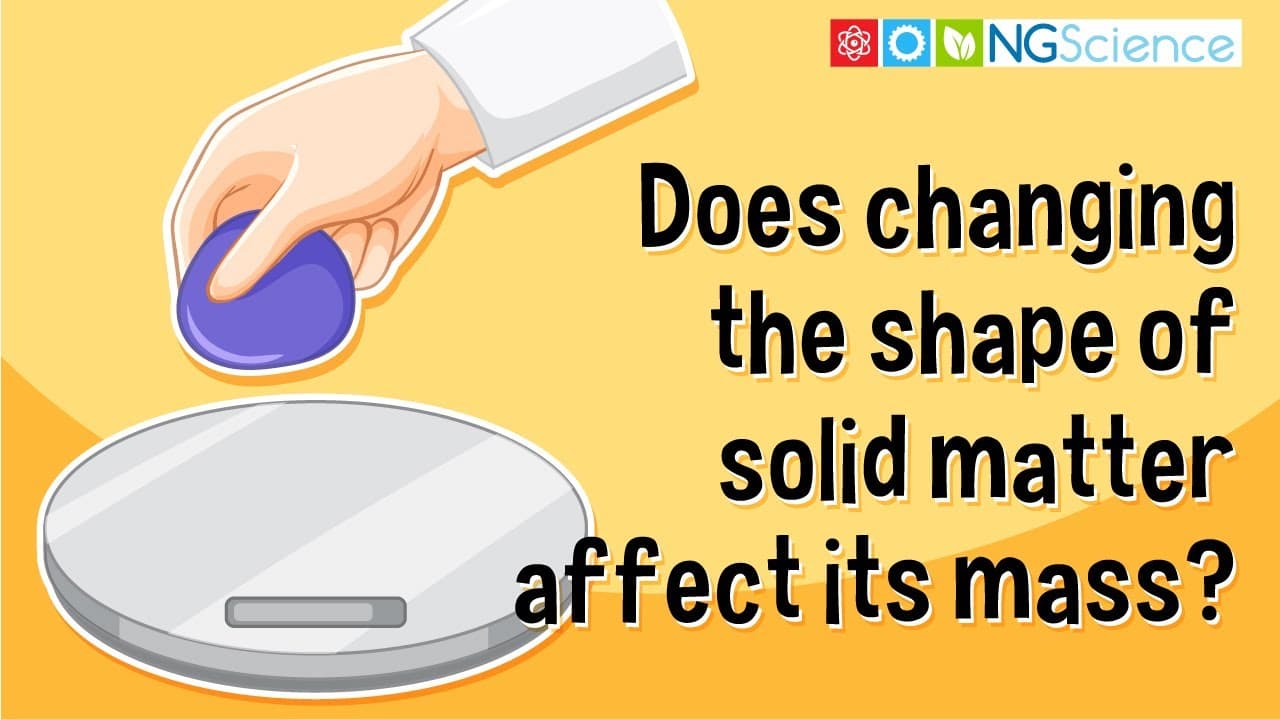
Does Changing Shape Change Mass?

Does Changing Shape Change Mass?

This concise science demonstration investigates the relationship between an object's physical shape and its mass. Using a digital scale and a ball of purple modeling clay, the video guides viewers through a systematic experiment. The narrator first weighs the clay as a ball, then manipulates it into a flat pancake and a cylinder, measuring the mass after each transformation to verify if it changes. The video explores key concepts related to the properties of matter, specifically focusing on mass and the conservation of matter during physical changes. It clearly demonstrates that physical alterations, such as squishing or rolling an object, do not affect the amount of matter present. The use of a digital scale provides clear, numerical evidence (85.0 grams) that reinforces the scientific observation. For educators, this video serves as an excellent hook or direct instruction tool for units on matter. It models the scientific method by posing a question, testing a hypothesis, and drawing a conclusion based on data. It is particularly useful for addressing the common student misconception that an object's weight or mass changes when its appearance or surface area changes (e.g., thinking a flat pancake weighs less than a dense ball).

Next Generation ScienceNext Generation Science

1min 41s

The Wonders of Water: Rivers, Erosion, and the Water Cycle

The Wonders of Water: Rivers, Erosion, and the Water Cycle

In this comprehensive compilation from SciShow Kids, Jessi and her robot rat friend Squeaks take students on a journey to explore everything about Earth's water. The video is divided into three distinct segments: first, investigating where the water in our faucets comes from by exploring groundwater, rivers, oceans, and glaciers; second, a debate between puppet characters Bill and Webb about whether wind or water is a stronger force of nature, leading to a lesson on erosion and landforms; and third, a theatrical performance that dramatizes the stages of the water cycle. Key themes include the geography of water (rivers, lakes, oceans), the states of matter (liquid water, solid ice, water vapor), and the geological forces of erosion and weathering. The video covers specific landforms like the Grand Canyon, sand dunes, and stone arches, explaining how they were formed over millions of years. It also breaks down the water cycle into its four main components: evaporation, condensation, precipitation, and collection, using a play-within-a-video format to model these abstract concepts. This video is highly valuable for elementary science classrooms as it connects everyday experiences (turning on a tap, seeing rain) to global systems. It models scientific inquiry through Squeaks' hypothesis testing and uses engaging visual aids—including maps, real-world footage, and puppetry—to make complex topics like geological time and phase changes accessible. The variety of segments allows teachers to use the video as a whole or break it down to teach specific units on hydrology, geology, or weather.
SciShow KidsSciShow Kids

16mins 44s

Does Matter Just Disappear? Investigating the Conservation of Mass

Does Matter Just Disappear? Investigating the Conservation of Mass

This educational video explores the fundamental scientific principle of the Conservation of Mass. Through engaging visuals and clear examples, the host investigates whether matter can ever truly disappear or be created from nothing. The video distinguishes between physical changes (like dissolving sugar in tea) and chemical changes (like baking a cake), explaining how matter behaves in each scenario. It specifically addresses the common misconception that when something dissolves or evaporates, it is gone forever. The content breaks down complex terminology into accessible concepts, defining key terms such as reactants, products, and physical versus chemical changes. It uses a concrete experiment—weighing sugar and water before and after mixing—to provide empirical evidence that mass remains constant even when visible properties change. The narrative connects everyday observations, like a glass of water evaporating or sugar dissolving, to the broader scientific law that mass is never made or lost. For educators, this video is an excellent tool for introducing the particle nature of matter and the law of conservation of mass. It provides a ready-made demonstration that can be replicated in the classroom and offers clear definitions of vocabulary essential for upper elementary and middle school science curricula. The visual proof provided by the digital scale reading serves as a powerful anchor for students grappling with abstract concepts of invisible matter.

Crash Course KidsCrash Course Kids

4mins 9s

4 Fun Indoor Science Experiments: Oobleck, Potions, Paint & Forts

4 Fun Indoor Science Experiments: Oobleck, Potions, Paint & Forts

In this engaging compilation of four hands-on science activities, Jessi and her robot rat friend Squeaks demonstrate how to turn a stuck-inside day into an exciting laboratory adventure. The video guides young viewers through creating Oobleck (a non-Newtonian fluid), mixing "potions" to understand solutions versus suspensions, creating homemade watercolor paints using a chemical reaction, and engineering blanket forts to learn about physics and tension. Each segment is practical, easy to follow, and uses common household items. The video explores fundamental scientific concepts across chemistry, physics, and engineering. Key topics include states of matter (solids, liquids, and things in between), the properties of mixtures (dissolving vs. separating), chemical reactions (acids and bases fizzing), color theory, and physical forces like tension that hold structures together. The content seamlessly blends fun activities with rigorous scientific vocabulary and explanation. For educators, this video is a treasure trove of ready-to-use classroom demonstrations or stations. It is ideal for introducing units on matter, mixtures, or simple machines/forces. The step-by-step instructions allow teachers to pause and have students predict outcomes or follow along in real-time. It transforms abstract concepts like "suspension" or "tension" into tangible, memorable experiences that students can touch, see, and build themselves.

SciShow KidsSciShow Kids

16mins 1s

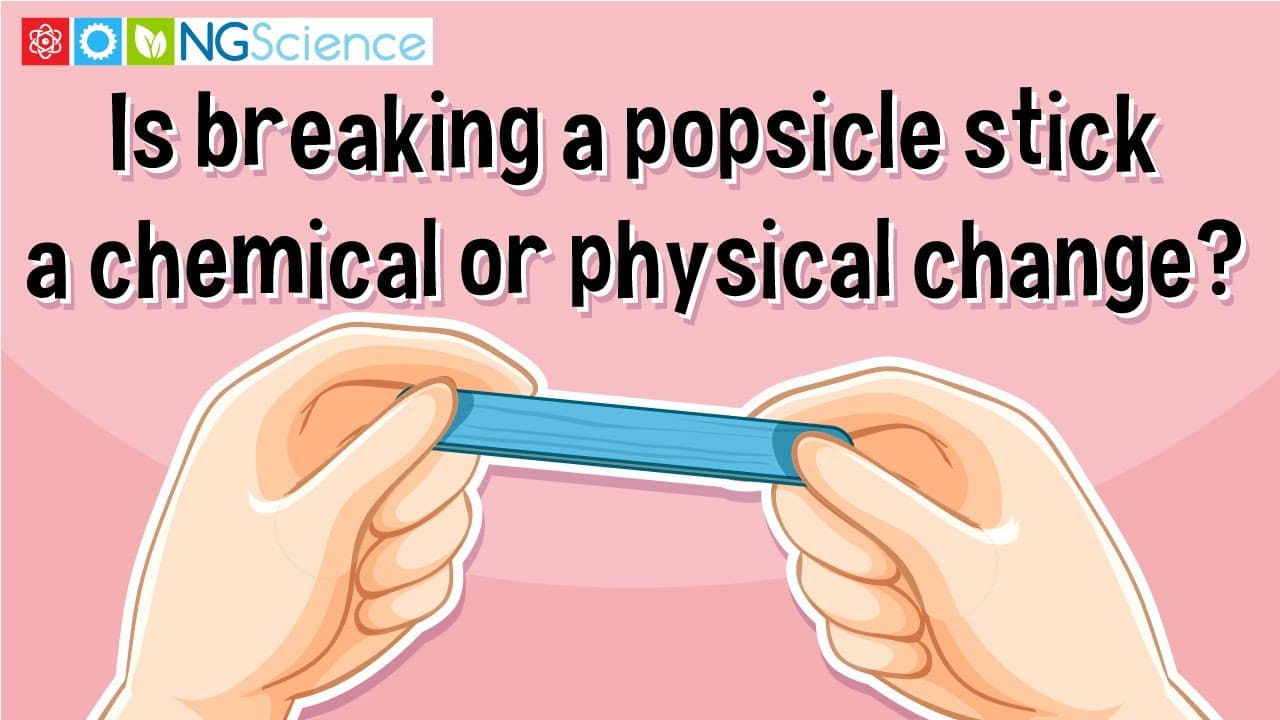
Identifying Physical Changes: Breaking a Popsicle Stick

Identifying Physical Changes: Breaking a Popsicle Stick

This short, focused educational video presents a clear demonstration to help students distinguish between physical and chemical changes. Using a simple prop—a colorful popsicle stick—the video asks viewers to categorize the act of breaking the stick. It then demonstrates the action, breaking both a yellow and a blue stick in half, while narration explains that this action only alters the object's shape and form, providing the key evidence needed to classify it as a physical change. The content focuses on the core concepts of matter and its properties, specifically identifying physical changes where the substance's chemical identity remains intact. It highlights that change in appearance (shape/form) does not necessarily equate to a change in substance, a foundational concept in elementary physical science. For teachers, this video serves as an excellent "bell ringer" or discussion starter. It effectively models scientific observation and reasoning. Because it is short and visually clear, it works well as part of a larger station rotation, a quick formative assessment, or an introduction to a hands-on activity where students test various materials for physical versus chemical volatility.

Next Generation ScienceNext Generation Science

58s

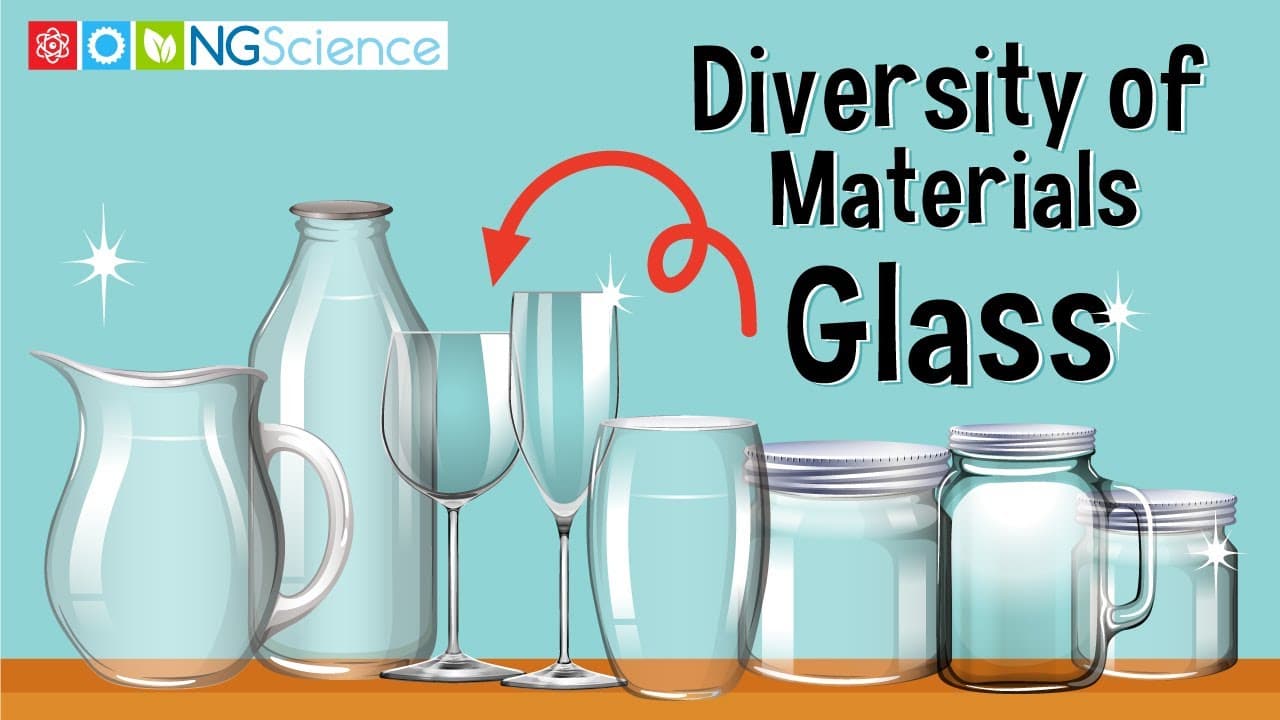
The Science of Glass: From Sand to Fiber Optics

The Science of Glass: From Sand to Fiber Optics

This educational video provides a comprehensive overview of glass as a material, tracing its lifecycle from raw natural resources to sophisticated modern technology. It begins by situating glass within the broader context of materials science, before diving into the specific manufacturing process that transforms silica sand, soda ash, and limestone into the clear, hard substance we recognize. The narration explains the physical changes that occur during heating and cooling, providing a clear link between raw ingredients and finished products. The video explores key themes such as the physical properties of matter—specifically transparency, opacity, and translucency—and how these properties dictate function. It covers engineering concepts like tempering glass for safety in automobiles and showers, illustrating how altering a material's structure can change its behavior when broken. Additionally, the video bridges the gap between ancient uses of glass, such as stained glass art, and cutting-edge applications like fiber optic cables that power the internet. For educators, this resource serves as an excellent anchor for lessons on states of matter, material science, and engineering design. It visually demonstrates abstract concepts like "properties of materials" through concrete examples like lenses, windows, and cables. Teachers can use this video to spark discussions on why specific materials are chosen for specific objects, the relationship between structure and function, and the evolution of technology from purely structural uses to data transmission.

Next Generation ScienceNext Generation Science

3mins 22s

Materials

Fizz Factor Lab Handout

Fizz Factor Lab Handout

A student-friendly, print-ready 2-page lab handout testing how water temperature affects Alka-Seltzer dissolving time. Features student-driven identification of independent, dependent, and controlled variables, plus a blank graphing activity where students label the title, axes, and plot their results.

S

stewart

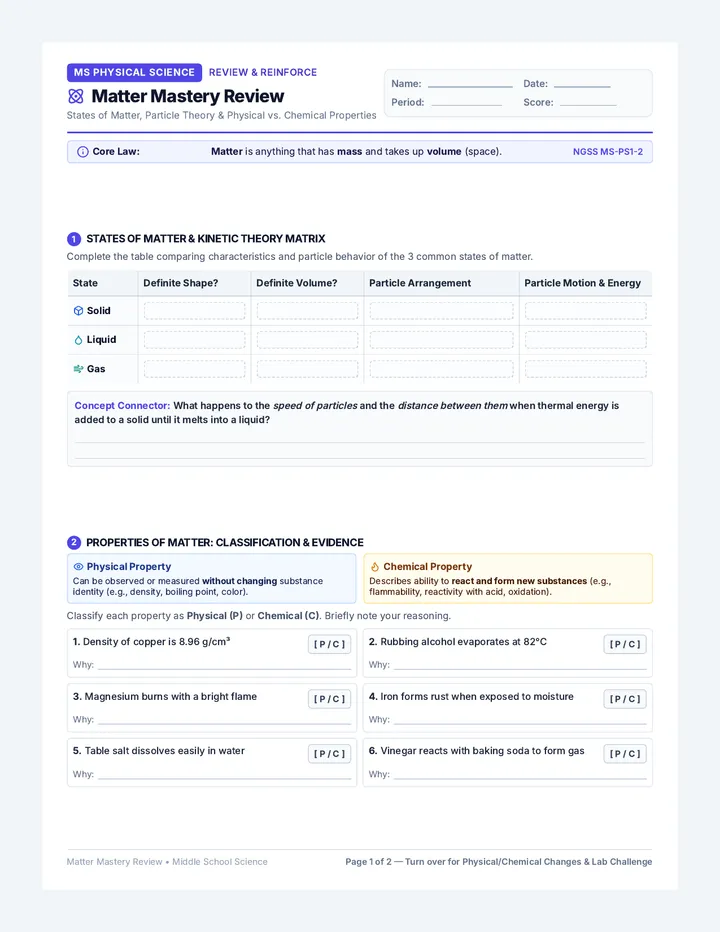
Matter Mastery Review Worksheet

Matter Mastery Review Worksheet

A comprehensive, two-page middle school review worksheet covering the three states of matter, particle motion, physical versus chemical properties, real-world physical and chemical change scenarios, and a Claim-Evidence-Reasoning laboratory challenge.

LP

LeShonda Price

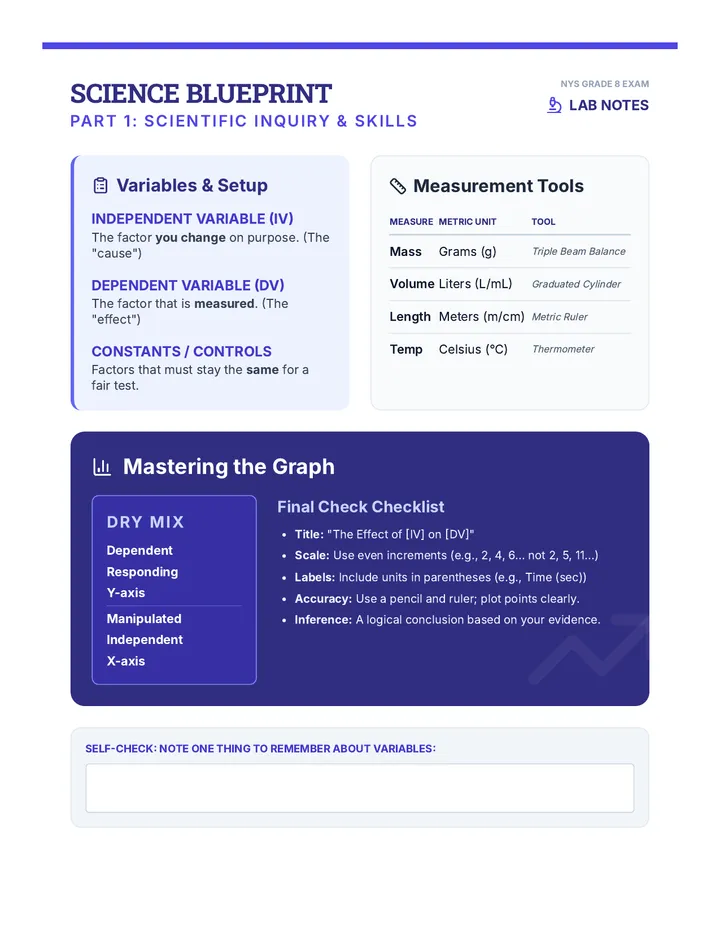
NYS Science Power Pack Study Guide

NYS Science Power Pack Study Guide

A fully optimized 4-page science study guide for the 8th-grade NYS science exam, featuring tight layout, fixed character encoding for chemical formulas with <sub> tags, improved student self-check areas, and clear domain summaries.

AW

Austin WIllis

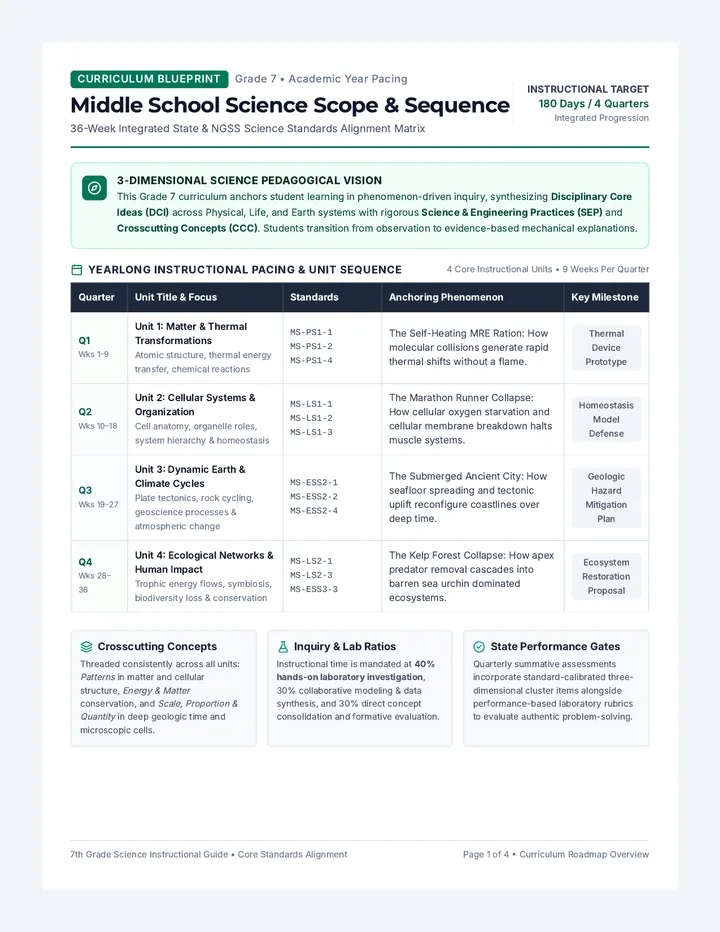
Science Scope Curriculum Guide

Science Scope Curriculum Guide

A comprehensive middle school 7th grade science scope and sequence curriculum guide. It outlines four instructional units across thirty-six weeks, aligning state standards and Next Generation Science Standards with anchoring phenomena, core labs, and assessment milestones.

JD

Jenny Daniels

Curd Chemistry Activity Sheet

Curd Chemistry Activity Sheet

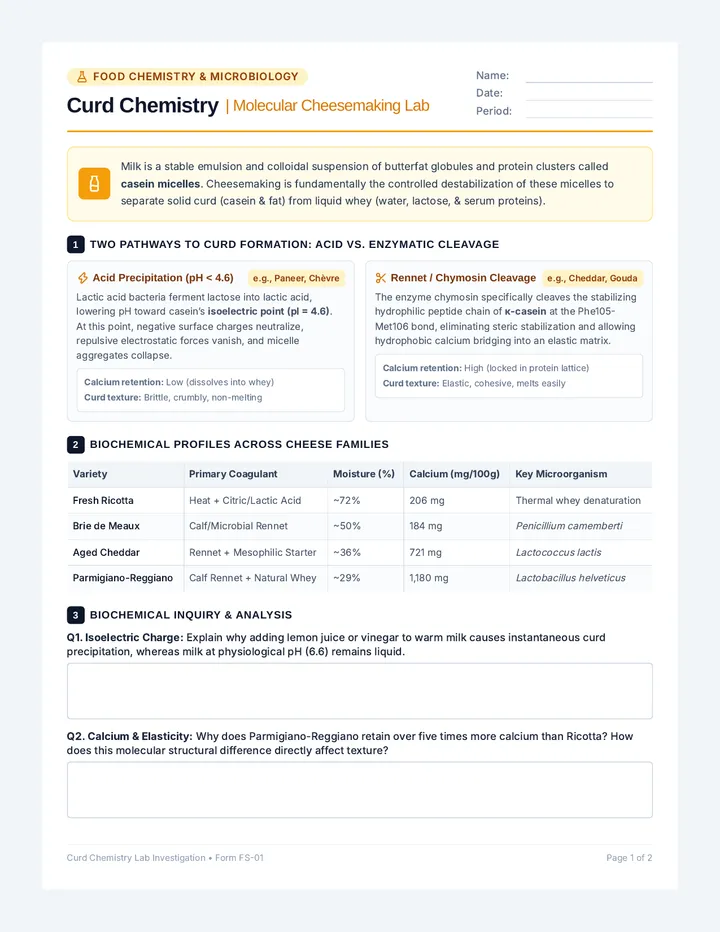
A two-page print-ready food science investigation exploring the biochemistry, microbiology, and physics of cheesemaking. Students analyze protein coagulation, microbial fermentation, ripening kinetics, and the calcium bridge melt factor.

Planetary Carvers Worksheet

Planetary Carvers Worksheet

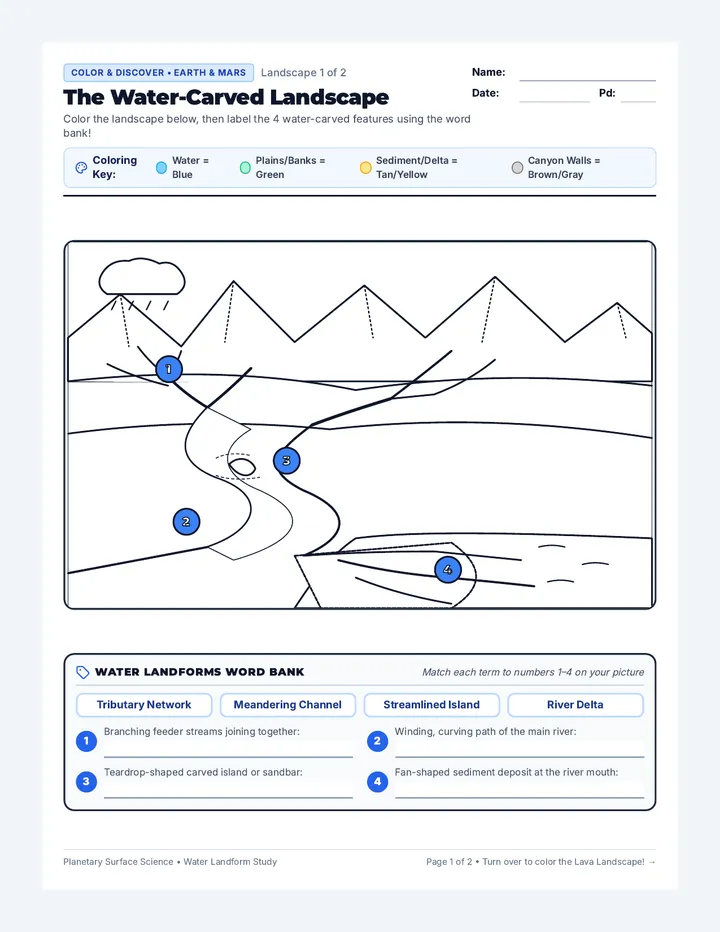
A 2-page print-ready coloring book style science worksheet with large illustrated landscapes of water-carved and lava-carved landforms for students to color in, label, and analyze for Mars exploration.

Sequences

Hess Pathfinders Slides

Energy in Chemical Bonds

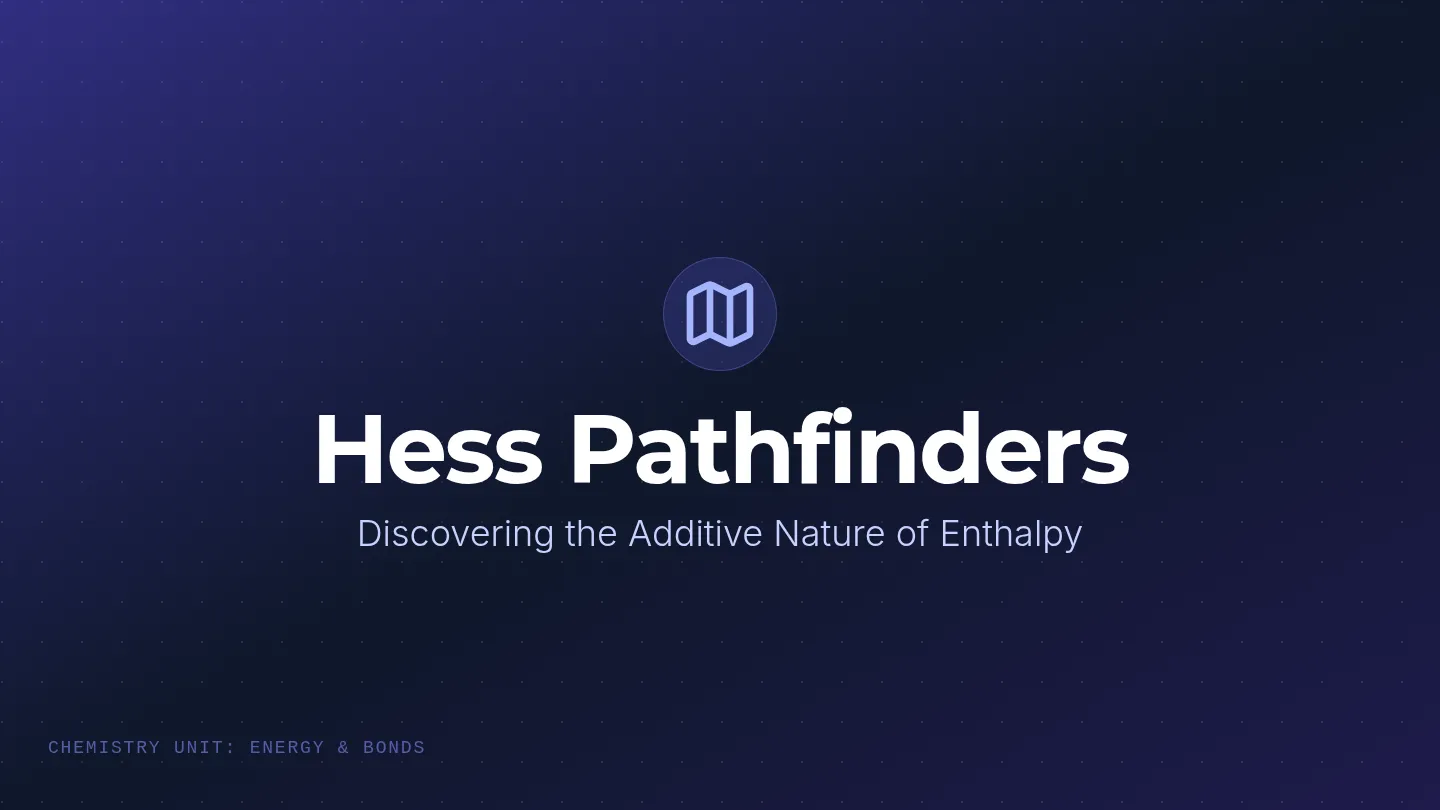
A five-day high school chemistry unit exploring thermochemistry, collision theory, enthalpy diagrams, and calorimetry through the lens of body heat and chemical reactions. Students investigate the anchoring phenomenon of exercise-induced heat while mastering TEKS C.13 standards.

OM

Olutoyin Makinde

48
Pressure Poster Workshop Handout

Pressure Power

A comprehensive 5-day chemistry unit investigating the relationships between gas pressure, volume, temperature, and moles using lab inquiries, mathematical modeling, and real-world applications.

OM

Olutoyin Makinde

69
KMT Field Manual Packet

Molecular Mayhem Gas Unit

A 10-day exploration of the Behavior of Gases using Kinetic Molecular Theory, various gas laws, and real-world phenomena to understand gas behavior at both molecular and macroscopic scales. Students will investigate compressibility, gas variables, ideal behavior, and mixtures.

OM

Olutoyin Makinde

26
Steady State Slides

Reaction Dynamics

This unit explores how chemical reactions occur and how they reach a state of balance. Students investigate reaction kinetics, energy changes, and the principles of dynamic equilibrium through modeling and laboratory investigation.

OM

Olutoyin Makinde

34
Aerobic Respiration Lesson Slides

Cellular Respiration Cycle

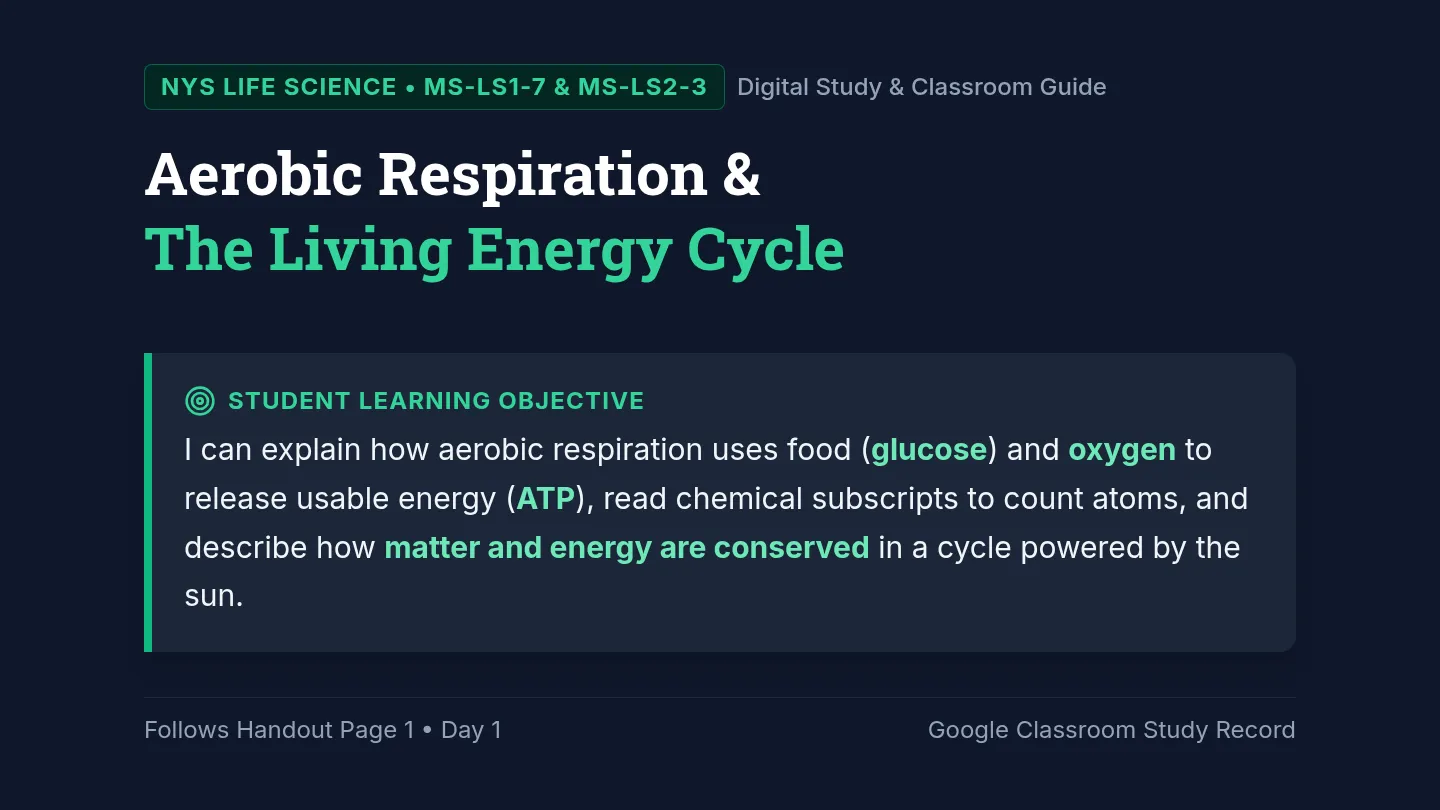
A comprehensive multi-day middle school life science sequence aligned with NYS learning standards exploring aerobic and anaerobic cellular respiration, matter recycling, and energy flow powered by the sun.

JE

Jeffrey Elterman

8
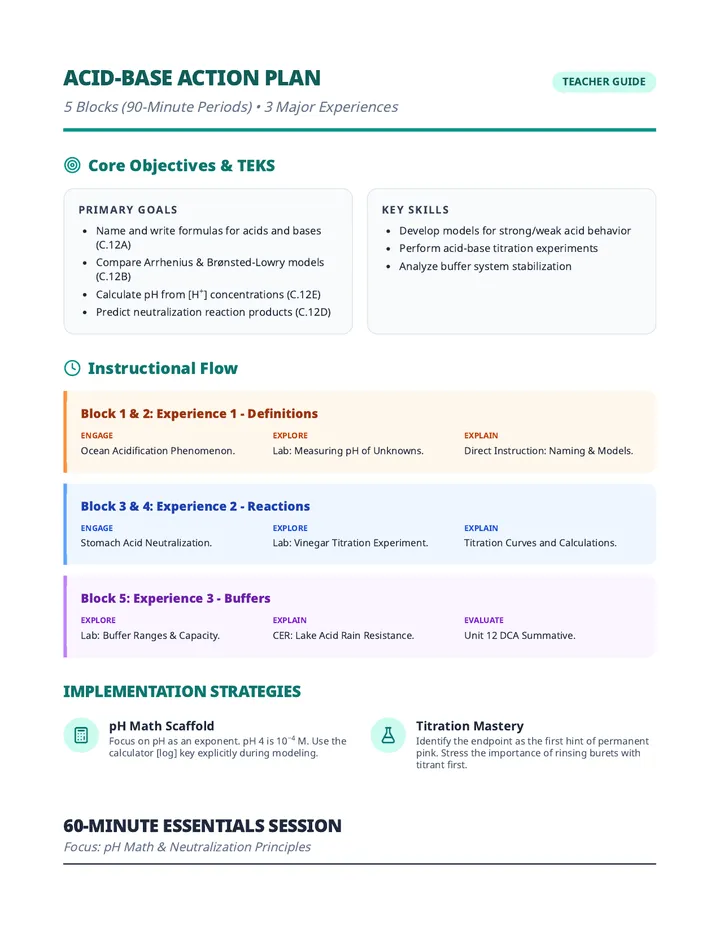
Acid Base Action Plan

Acid Base Investigation

A comprehensive unit exploring the properties, reactions, and mathematical relationships of acids and bases, featuring pH calculations, titrations, and buffer systems.

OM

Olutoyin Makinde

34

Lessons

Heat Flow Teacher Guide

Particle Behavior Review

A lesson focusing on the states of matter (solid, liquid, gas) and the behavior of particles at the molecular level. Students will model particle motion and arrangement, as well as the energy changes that drive phase transitions.

EA

Erica Andre

54
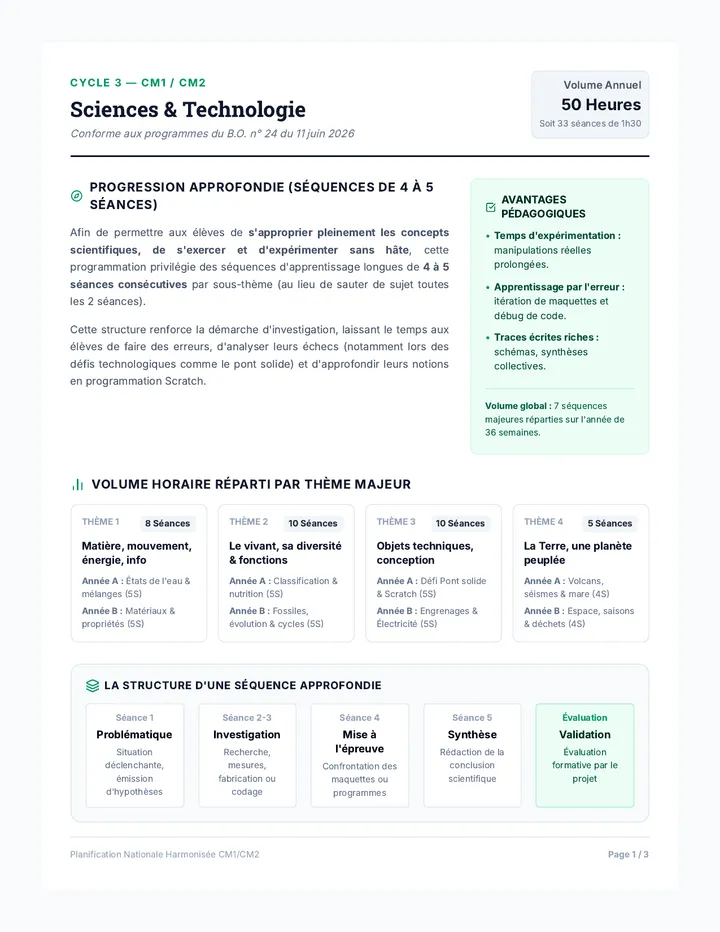
Tableau Progression Annuelle Sciences CM

Progression Sciences CM1 CM2

Outil de planification annuelle et de progression pour l'enseignement des sciences et technologies en classe de CM1/CM2, conforme au BO de juin 2026. Ce guide propose une répartition claire des volumes horaires et des thèmes entre l'année A et l'année B pour éviter les redondances dans les classes à double niveau.

LP

LAURENT PERCHE

40
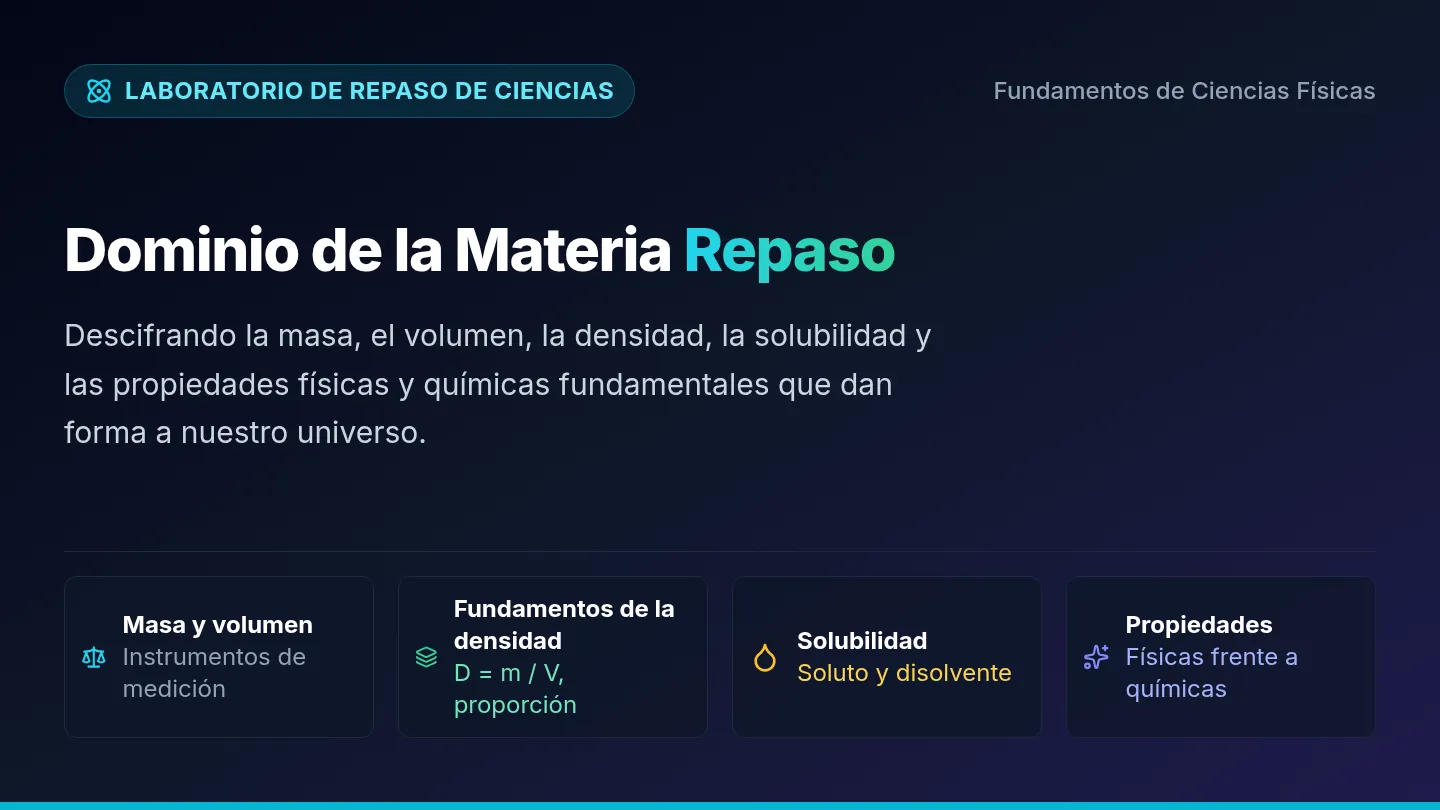
Matter Mastery Slides

Matter Mastery Review

A comprehensive review lesson on the properties of matter, mass, volume, density, temperature, solubility, and physical versus chemical changes. Features interactive instruction, scaffolded guided notes, mixed-format practice, and assessment.

MN

Monica Nicolas

9
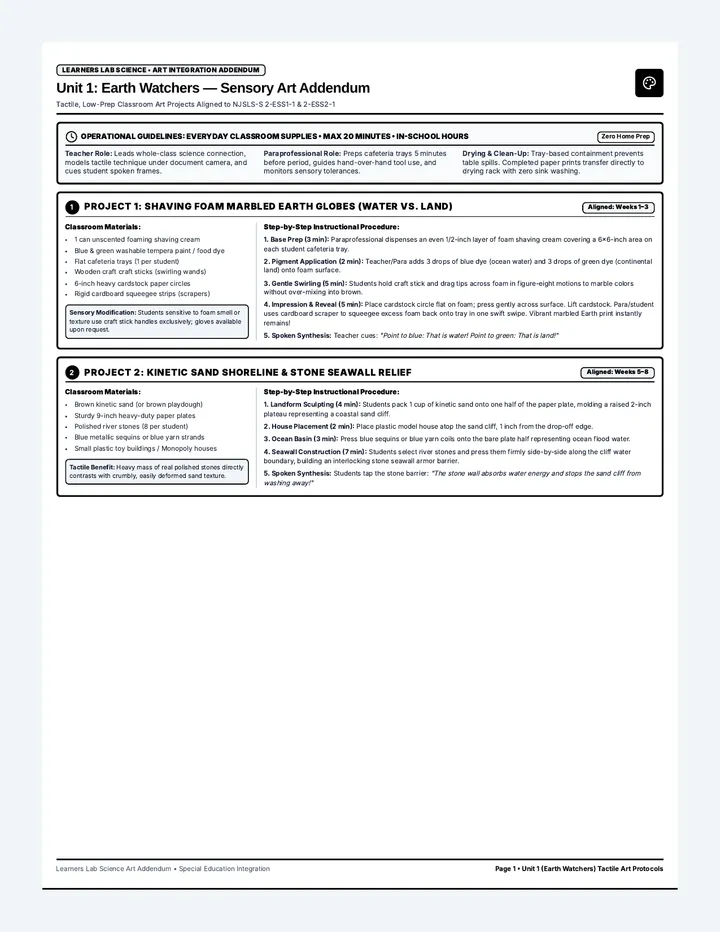
Learners Lab Science Art Addendum

Learners Lab Science

An adapted special education science curriculum framework aligning NJSLS-S standards across grades 2-4 with functional access points, 25-minute multi-sensory inquiry lessons, and rigorous tiered expression.

JE

jenn edwards

21
Matter Explorer Reading Passage

Matter Explorer

A foundational physical science lesson exploring the definition of matter, mass versus weight, volume calculation and displacement, size-dependent versus size-independent physical properties, and chemical reactivity. Students use doodle-style guided notes to synthesize key concepts and solve a property-based mystery substance deduction.

SS

Susan Stewart

4
Matter Test Document

Matter Mastery Assessment

A comprehensive assessment for Grade 5 students covering physical and chemical properties, changes of state, and the characteristics of mixtures and solutions.

AD

Amanda Daniels

4