Revolutionary Dilemma Activity
Continental Archives Historical Simulation • 1770–1787
Confidential Delegate Briefing
REVOLUTIONARY DILEMMA
Deploy the Right Founder: Match the Crisis to the Patriot
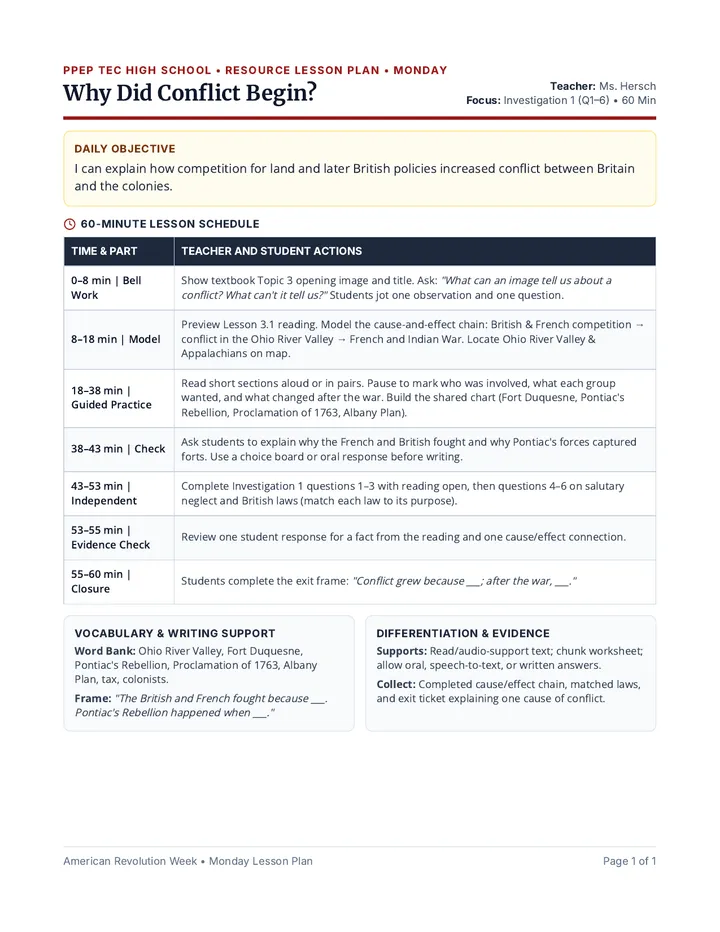
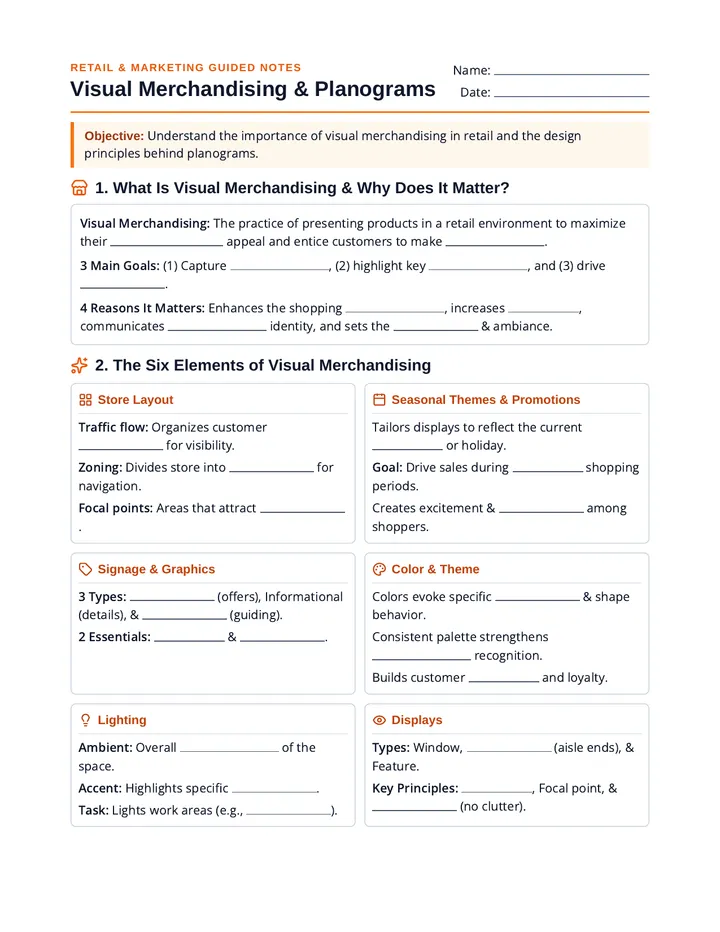
Student Name
Date
Class / Period
The Candidate Dossier: Assess Your Team's Distinct Strengths
Review key skills before assigning each scenario
John Adams
The Legal Architect
Master trial attorney, constitutional theorist, fiery floor debater, unwavering defender of the rule of law.
Core: Law, Debate & Justice
Thomas Jefferson
The Eloquent Pen
Enlightenment philosopher, gifted prose stylist, champion of natural rights, master of inspiring political arguments.
Core: Philosophy & Moral Voice
George Washington
The Resolute General
Commanding presence, tactical endurance, unifies quarreling factions, holds armies together against crushing odds.
Core: Military Command & Unity
Benjamin Franklin
The Master Diplomat
World-famous scientist, charming negotiator, press & propaganda genius, practical compromiser in tight deadlocks.
Core: Diplomacy & Negotiation
Crisis 01
Winter at Valley Forge: Military Morale in Freefall (1777–1778)
Pennsylvania Encampment
The Situation: The Continental Army is freezing, diseased, and starving. Over 2,500 soldiers die from cold and hunger. Enlistments are expiring, state officers are bickering, and members of Congress are plotting to replace top leadership. You need a leader who commands absolute personal loyalty, refuses to surrender, and possesses the military authority to hold twelve fractious state militias together through pure fortitude.
Select Best Patriot:
John Adams Thomas Jefferson George Washington Benjamin Franklin
Historical Rationale (Explain why this person's background makes them superior to the other three):
Crisis 02
Declaring Independence: The Moral Manifesto to the World (June 1776)
Philadelphia Congress
The Situation: The Continental Congress has resolved to cut all ties with King George III. However, many colonists remain loyalists or on the fence, and foreign monarchies will view this as treason. Congress must produce a founding document that justifies revolution not as rebellion, but as a universal moral right grounded in Enlightenment philosophy and "self-evident truths."
Select Best Patriot:
John Adams Thomas Jefferson George Washington Benjamin Franklin
Historical Rationale (Cite specific skills in writing, philosophy, or persuasion that justify this pick):
Revolutionary Dilemma Activity • Primary Historical Roles Turn over to complete Scenarios 3, 4, & The Convention Crisis Page 1 of 2
Part II
REVOLUTIONARY DILEMMA: ADVANCED CRISES
International Intrigue, Rule of Law & The Constitutional Forge
Candidate Pool: Adams • Jefferson • Washington • Franklin
Crisis 03
Courting the French Monarchy: The Quest for an Alliance (1776–1778)
Palace of Versailles, France
The Situation: The American rebels are broke, have virtually no navy, and are running out of gunpowder. Without military intervention from King Louis XVI of France, the rebellion will fail. But French aristocrats look down on crude colonials. You need an emissary who is already an international celebrity, possesses sharp wit, understands salon politics, and can charm the royal court into loaning millions and committing the French fleet.
Select Best Patriot:
John Adams Thomas Jefferson George Washington Benjamin Franklin
Historical Rationale (Why would this person succeed where a strict military general or rigid lawyer would fail?):
Crisis 04
The Boston Massacre Trial: Defending the Unpopular Enemy (1770)
Suffolk County Court, Boston
The Situation: British soldiers shot five colonists on King Street. The city of Boston is howling for revenge. If the soldiers are lynched or denied a fair trial, the American cause will be branded as violent mob rule across Europe. You need a patriot of unshakeable legal ethics and courage who will risk their own reputation, family safety, and law practice to ensure British soldiers receive a rigorous legal defense.
Select Best Patriot:
John Adams Thomas Jefferson George Washington Benjamin Franklin
Historical Rationale (How does this choice protect the legitimacy of the American revolutionary cause?):
Crisis 05
The Constitutional Convention: The Power of Gravitas & Compromise (1787)
Independence Hall
The Dilemma: Hot tempers flare over representation (small states vs. large states) and delegates threaten to walk out. Two specific leadership roles are vital to save the Union. Match either Washington or Franklin to each role and state why:
Role A: Presiding Officer [ ] GW [ ] BF
Needs silent stature, supreme prestige, and nationwide trust so the public believes the convention is legitimate.
Why this pick fits:
Role B: The Compromiser [ ] GW [ ] BF
Needs witty diplomacy, dinner-table mediation, and humble tact to urge stubborn delegates to compromise and sign.
Why this pick fits:
Executive Synthesis • Reflection Question Historical Reasoning
The Takeaway: Revolutions require diverse talents. Which of these four roles (Commander, Diplomat, Legal Scholar, or Moral Pen) was the most irreplaceable to the American victory? Explain your stance:
Revolutionary Dilemma Activity • Continental Congress Personnel Review Prepared for U.S. History Curriculum Page 2 of 2