Global Halloween Traditions Worksheet
Global Halloween Traditions
Exploring Autumn & Remembrance Celebrations Around the World
Name:
Date:
Class:
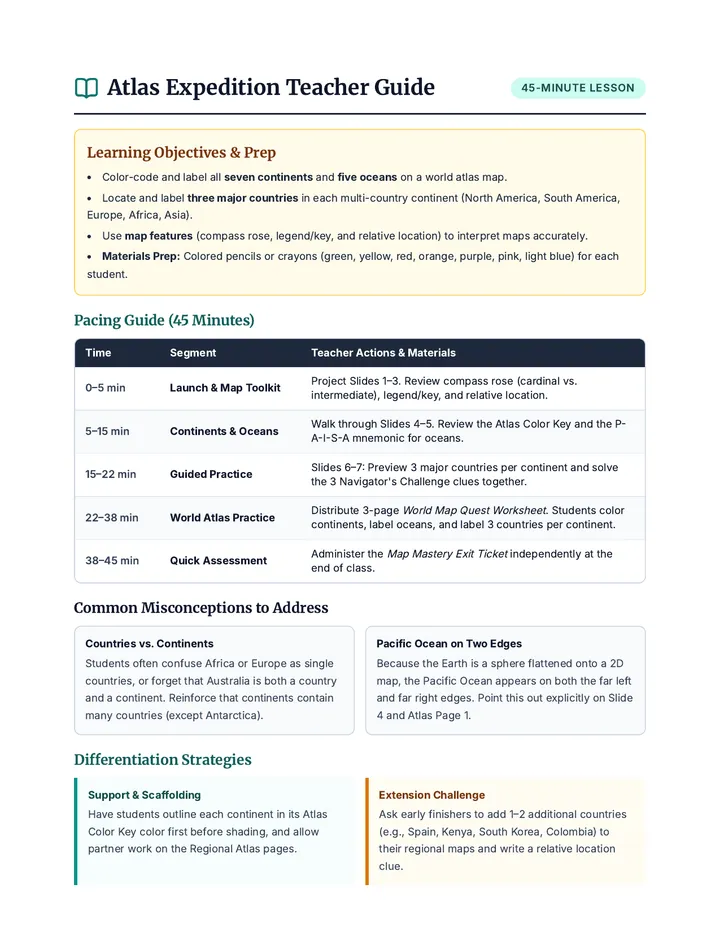
Directions: Read each cultural tradition, examine the map and illustration, and write your answers in complete sentences.
Tradition 1
Samhain: The Ancient Roots of Halloween
Ireland & Scotland
Location Map Ireland Scotland Atlantic Ocean
First Jack-o'-Lantern Ancient Celts carved scary faces into turnips!
Over 2,000 years ago, Celtic people celebrated a festival called Samhain (pronounced SOW-in) on October 31st. It marked the end of the warm harvest and the beginning of cold winter. The Celts believed spirits could walk the earth on this night. To protect themselves, people lit large bonfires, wore animal skins as disguises so ghosts would not recognize them, and carved spooky faces into tough turnips to scare off wandering spirits. When immigrants came to America, they discovered pumpkins were much easier to carve!
1. Why did the ancient Celtic people wear disguises and carve scary faces into turnips?
Tradition 2
Día de los Muertos: Welcoming Loved Ones
Mexico
Location Map Mexico Pacific Ocean Gulf of Mexico
Calavera & Marigold Bright orange flowers guide spirits home.
In Mexico, families celebrate Día de los Muertos (Day of the Dead) on November 1st and 2nd. Instead of being spooky, it is a joyful reunion! Families believe the spirits of deceased loved ones return to visit. Homes are decorated with beautiful altars called ofrendas. Altars hold photos of family members, glowing candles, sweet pan de muerto bread, and bright orange marigold flowers. People believe the strong, sweet scent of marigolds and glowing candles guide the friendly spirits safely back home.
2. How is Día de los Muertos a cheerful celebration rather than a frightening one?
Page 1: Europe & the Americas Continued on Page 2 →
Global Halloween Traditions (Part 2)
Exploring Autumn & Remembrance Celebrations in Asia
Page 2 of 2
Tradition 3
Obon: The Festival of Floating Lanterns
Japan
Location Map Japan Sea of Japan Pacific Ocean
Toro Nagashi Lantern Floating lights guide spirits back to peace.
In Japan, people celebrate Obon, an ancient Buddhist festival honoring ancestors. Families clean family graves and hang red paper lanterns outside their homes so visiting spirits can find their way. Communities gather in town squares to perform a special folk dance called the Bon Odori with drum beats. At the end of the holiday, families place candlelit paper lanterns into rivers, lakes, and the ocean. Watching thousands of glowing lanterns float away peacefully sends the spirits gently back to their world.
3. Why do families float glowing paper lanterns onto rivers at the end of Obon?
Tradition 4
Pangangaluluwa: Singing for the Souls
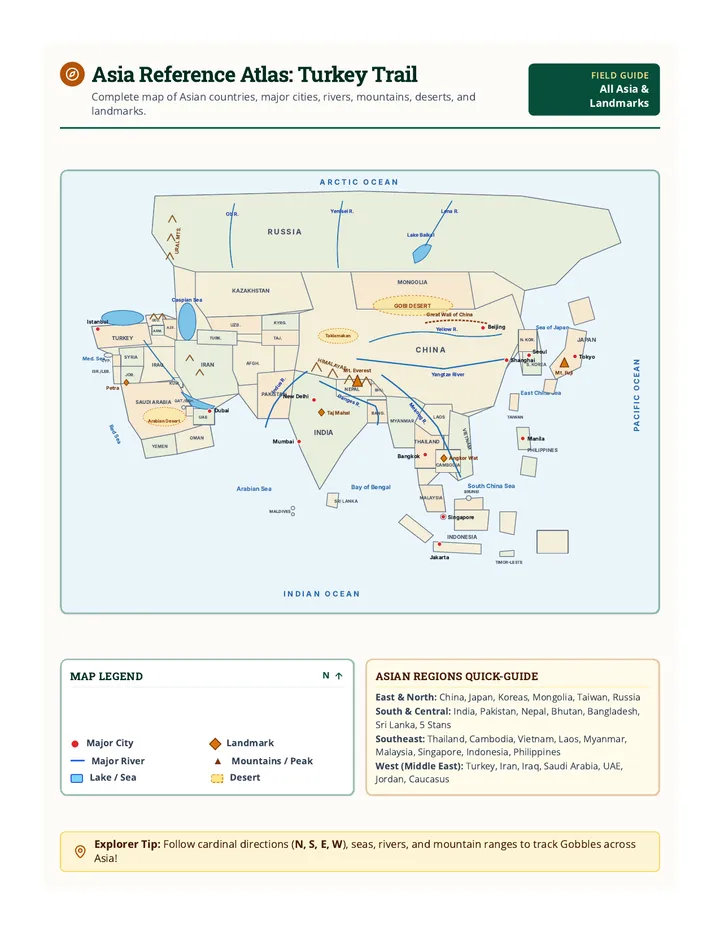
Philippines
Location Map Philippines South China Sea
Soul Singers & Treats Children sing songs in exchange for snacks!
In rural towns in the Philippines, children participate in a traditional custom called Pangangaluluwa on the eve of All Saints' Day. Draping themselves in white sheets to represent the spirits of souls visiting from heaven, groups of children go door-to-door in their neighborhoods. They sing heartwarming traditional songs under the evening stars. In return for their lovely singing and prayers, neighbors gift the singers with delicious treats, like sweet sticky rice cakes called suman or small coins.
4. How is Pangangaluluwa similar to American trick-or-treating, and how is it different?
Big Idea
World Tradition Detective: Connecting Cultures
Think about all four traditions (Samhain, Día de los Muertos, Obon, and Pangangaluluwa). What is one common theme or tradition that many different cultures share during this time of year?
Global Halloween Traditions Worksheet • Grade 3-4 Social Studies Classroom Resource