Double Standard Dispatch Memo
Ethics in Educational Technology Vol. 1 • Open Memo
The Double Standard Dispatch
Copy-Ready Perspective
A reflective, satirical, and constructive memo on algorithmic hypocrisy, classroom integrity, and leading by example.
Copy-and-Paste Message Select & copy text below
“There is a profound irony in delegating curriculum design, rubric generation, and activity prompts to an AI workspace in thirty seconds, only to turn around and treat students like moral felons the moment they touch generative technology. Claiming 100% organic human authorship over machine-assembled handouts while threatening zero-tolerance academic penalties is, to put it gently, a case of ‘liar, liar, pants on thermal throttling.’”
“When educators normalize artificial intelligence for their own productivity but villainize student curiosity, we do not teach academic integrity—we teach institutional hypocrisy. If a tool is potent enough to craft our lectures and assignments, it deserves transparent modeling, honest dialogue, and balanced policy rather than secret reliance paired with public outrage.”
How the Platform Works
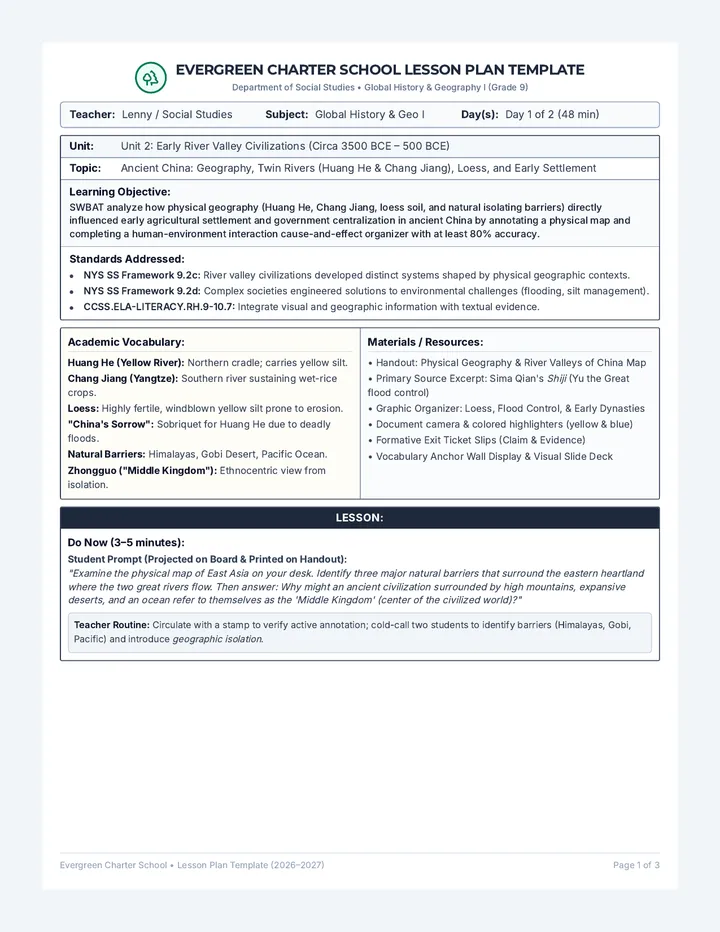
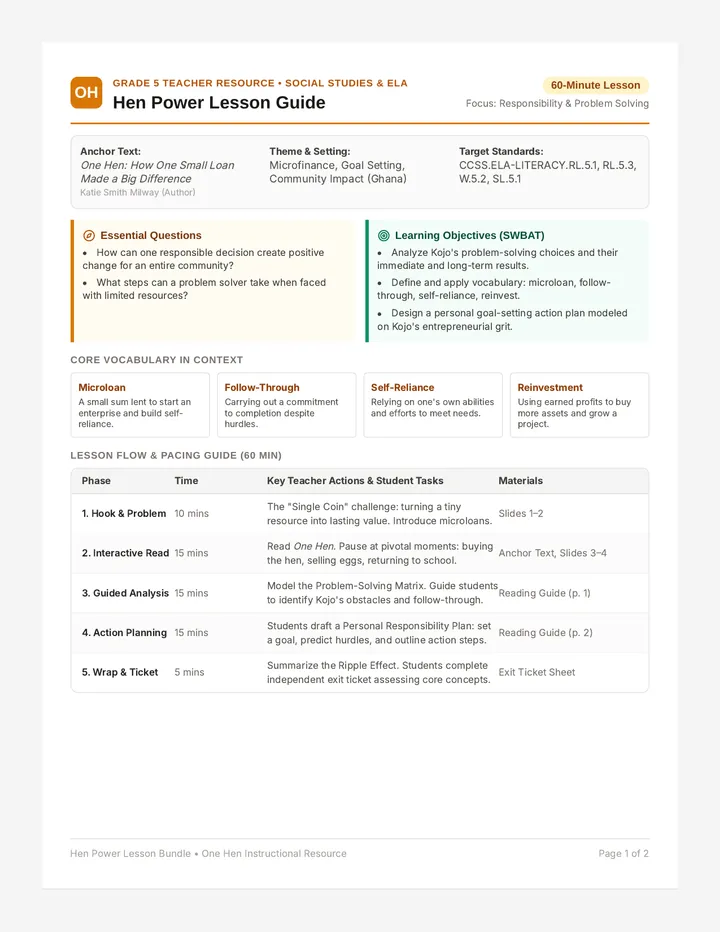
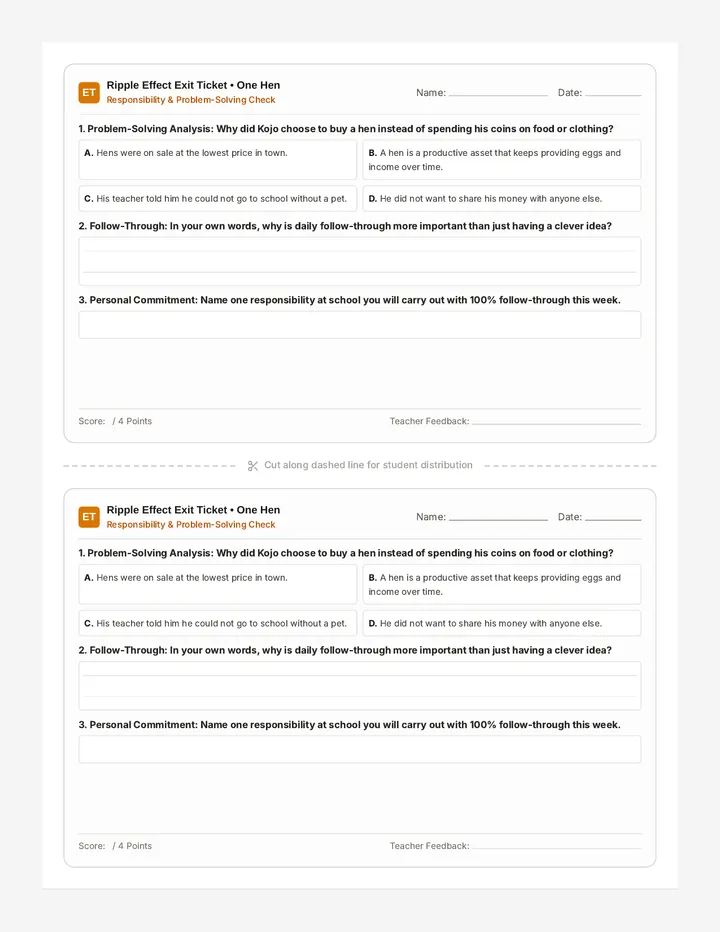
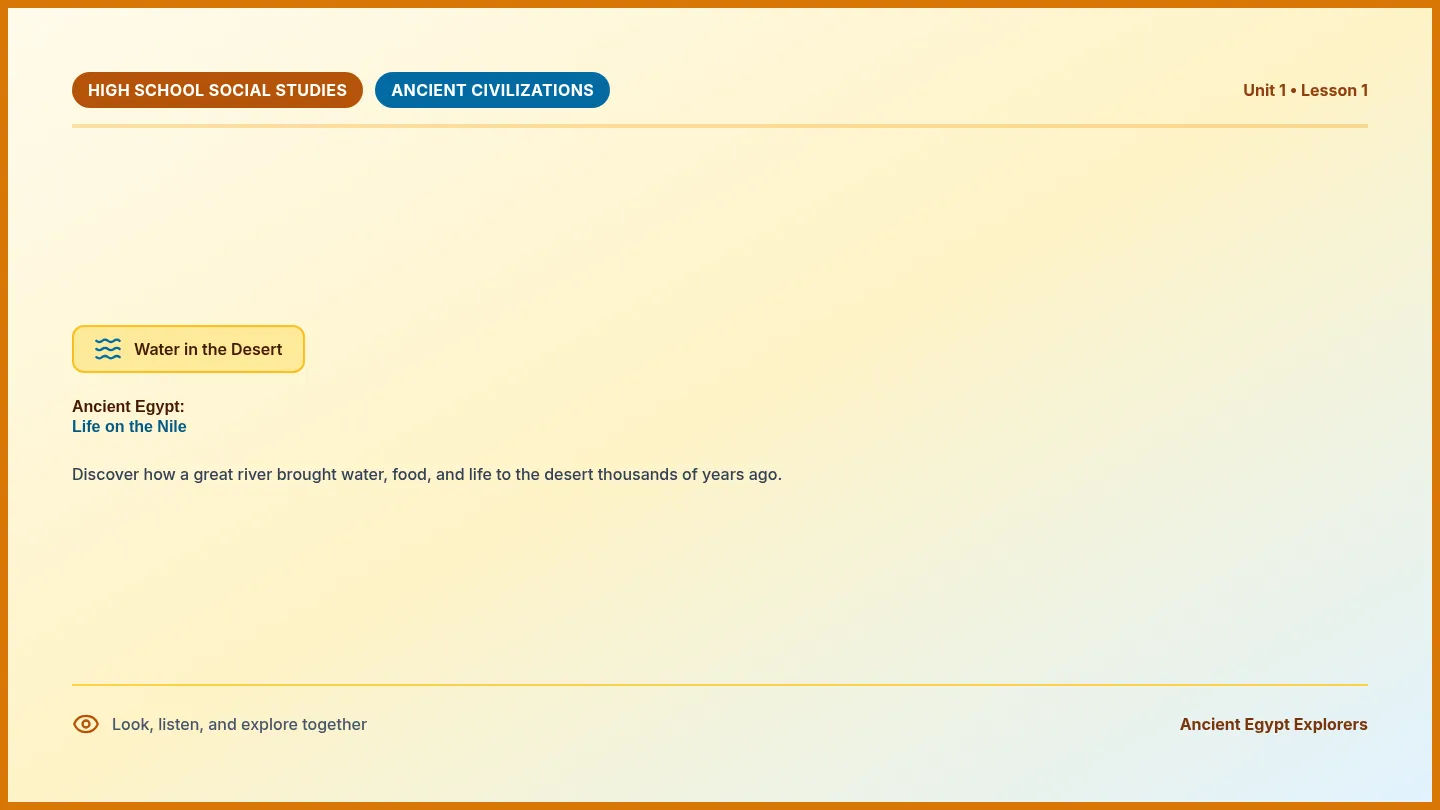
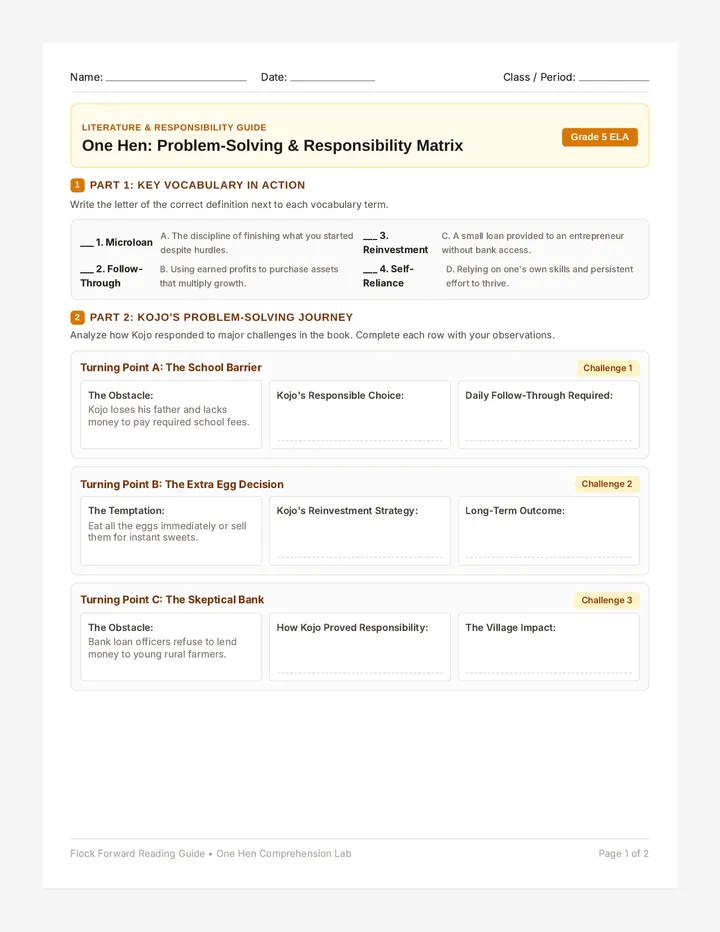
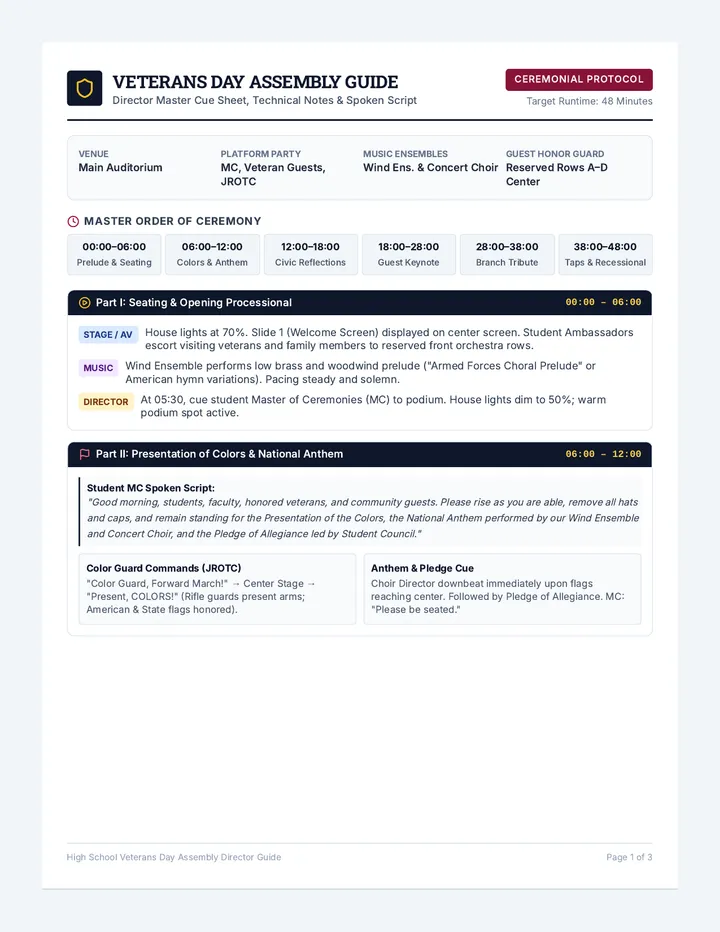
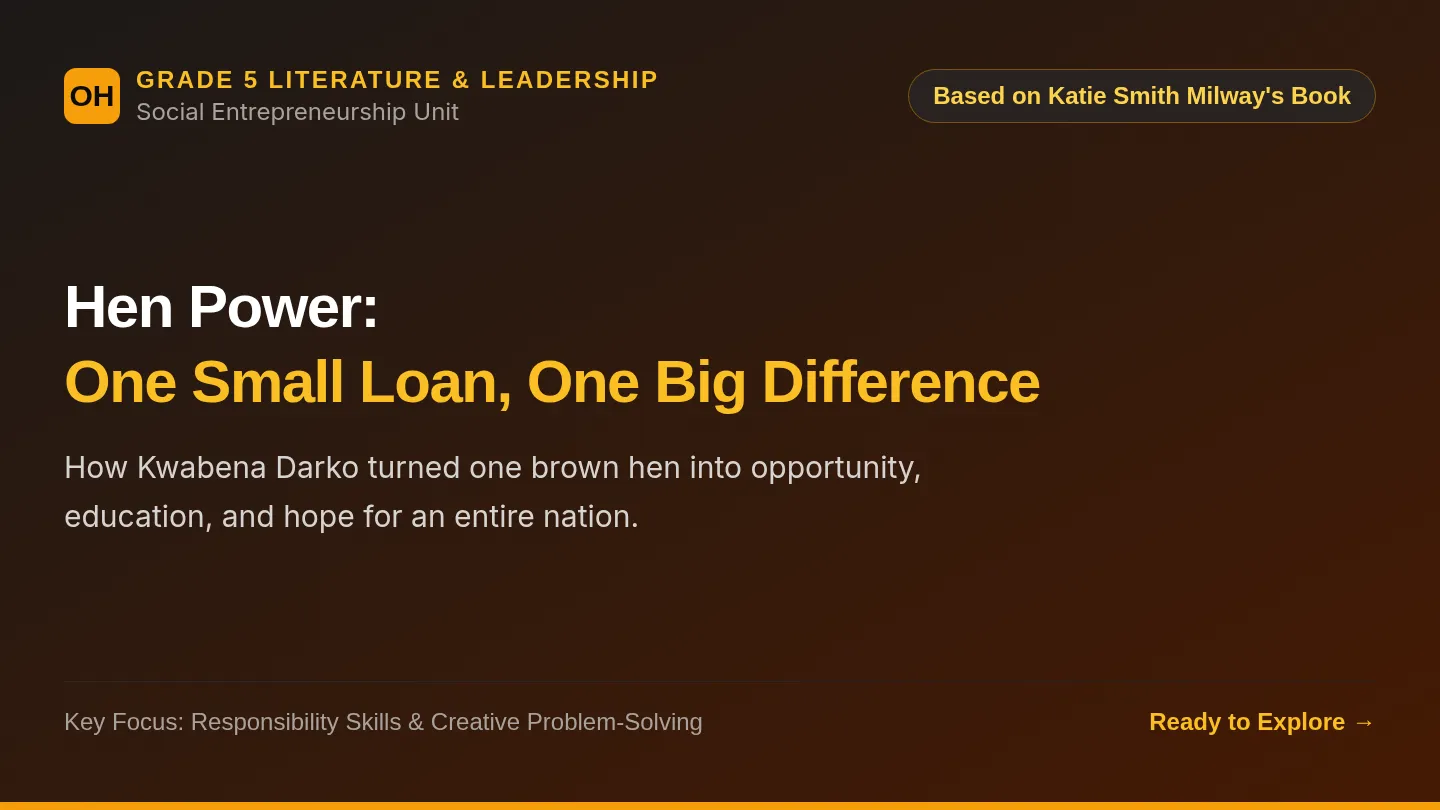
This workspace utilizes sophisticated large language models to fabricate entire instructional units—including slide decks, reading guides, comprehension checks, and teacher rubrics—from a brief two-sentence prompt.
- Outputs full HTML/CSS layouts within seconds.
- Synthesizes pedagogy, tasks, and pacing automatically.
- Presents ready-to-teach materials with zero manual drafting.
Reality: It is an AI suite, not personal midnight toil.
The Pedagogical Paradox
The tension arises when an instructor insists: “I spent hours handcrafting this, and AI is cheating,” while quietly relying on algorithmic copilots to generate the workload students are assigned.
- Do as I say, not as I prompt: Convenience for the grader, strict austerity for the learner.
- Unjust villainization: Casting students as devious cheats for using the exact efficiencies teachers secretly embrace.
Ethical cost: Trust collapses the moment students discover the prompt.
Anatomy of the Contradiction
1. Authorship Mirage
Feigning natural human craftsmanship over algorithmically assembled exercises misleads stakeholders and invalidates claims of teacher authenticity.
2. Moral Asymmetry
Treating AI as a legitimate "time-saver" for staff, but branding identical prompt-crafting as academic fraud for learners, erodes moral authority.
3. Missed Literacy
Fearing exposure turns classrooms into surveillance zones instead of collaborative spaces exploring AI critique, bias, and responsible use.
The Path to Integrity: Radical Transparency
Tools are not inherently evil, but deceit is. Model ethical use: acknowledge AI assistance openly, disclose prompted materials, and establish balanced, sensible boundaries together.
GOLDEN RULE “Never punish what you privately deploy.”