Lenny.com
Explore
Create
ActivitiesNewMathEnglish Language ArtsScience & EngineeringSocial StudiesGlobal LanguagesHealth & Physical EducationSpecial EducationCounseling & Life SkillsArts & CreativityESL
Lenny.com
Lenny.com
Explore
Create
ActivitiesNewMathEnglish Language ArtsScience & EngineeringSocial StudiesGlobal LanguagesHealth & Physical EducationSpecial EducationCounseling & Life SkillsArts & CreativityESL
Lenny.com
Lenny.com

Solutions

Lenny for EducatorsLenny for SchoolsLenny for Districts

Product

ExploreSign inCreateSupportAbout

Resources

Getting startedMTSS Acceleration Program

© 2026 Lenny Learning Inc.

TermsPrivacyAccessibility
LinkedInInstagramX
Lenny
Social StudiesSocial Studies PracticesLocation WordsMapsOrder EventsChronology and CausationEvaluating SourcesHistorical ThinkingGeography, Humans, & the EnvironmentAmerican Symbols and LandmarksCitiesStatesState CapitalsRegions of the United StatesGeographic SkillsPhysical GeographyHuman GeographyRegional GeographyGeography of AfricaGeography of AsiaGeography of EuropeGeography of OceaniaGeography of the AmericasSociety and Environment of EuropeSociety and Environment of AsiaSociety and Environment of The AmericasSociety and Environment of the Middle EastSociety and Environment of AfricaHistoryPrehistoryComparing Ancient River CivilizationsAncient MesopotamiaAncient Egypt and KushAncient South AsiaEarly ChinaGreeceRome and the Byzantine EmpireAncient World HistoryNative Peoples of North AmericaNative Peoples of Mesoamerica and South AmericaAfrican EmpiresMedieval AsiaMedieval EuropeThe Silk RoadMedieval HistoryIslamic EmpiresWorld ReligionsRenaissance PeriodAge of ExplorationThe Thirteen ColoniesThe American RevolutionUS History Early RepublicFounding of the United StatesUS History AntebellumUS Civil WarReconstruction PeriodThe Gilded AgeUS ImperialismWorld ImperialismWorld War IUS History 1920sGreat DepressionWorld War IIThe Cold WarUS History 1950-60sUS History 1960s-70sWorld History 20th CenturyContemporary US HistoryContemporary World HistoryHolidaysCivics and GovernmentCitizenshipGovernment FoundationsThe ConstitutionUS ConstitutionExecutive BranchLegislative BranchJudicial BranchState and LocalPolitical ParticipationPublic PolicyPolitical SystemsPower and AuthoritySocial MovementsDefining DevianceTheories of DevianceCrime and Criminal JusticeEconomicsBasic Economic PrinciplesSupply and DemandWhat is MoneyEconomic FundamentalsMicroeconomicsMacroeconomicsBanking and FinanceEconomic SystemsGlobal EconomicsCorporations and PowerThe Changing WorkplaceUnemployment and LaborClass and InequalitySocial MobilityGlobal InequalityPsychologyHistory of PsychologyPsychology as a ScienceBrain and Nervous SystemNeuroscience and BehaviorGenetics and BehaviorSleep and ConsciousnessSensory ProcessesPerceptual OrganizationClassical ConditioningOperant ConditioningObservational LearningCognitive LearningMemory ProcessesThinking and Problem SolvingLanguage and CognitionTheories of MotivationStress and CopingPrenatal and Infant DevelopmentChildhood DevelopmentAdolescent DevelopmentAdulthood and AgingSelf and IdentitySocial CognitionSocial InfluenceAttraction and RelationshipsGroup BehaviorPrejudice and DiscriminationAnxiety and Mood DisordersClinical PsychologyForensic PsychologyPhilosophy & EthicsIntroduction to PhilosophyMajor Philosophers & IdeasMind and Body ProblemFree Will vs DeterminismEthics & MoralityReligion & PhilosophyPolitical Philosophy

Coat Clash Anchor Chart

A visual anchor chart and concept breakdown illustrating the difference between needs and wants using the comparison of a basic winter coat versus a $300 designer coat. Features relatable 8th-grade economic explanations, a side-by-side comparison, and real-world scenarios.

Coat Clash Anchor Chart

A visual anchor chart and concept breakdown illustrating the difference between needs and wants using the comparison of a basic winter coat versus a $300 designer coat. Features relatable 8th-grade economic explanations, a side-by-side comparison, and real-world scenarios.

You might also like

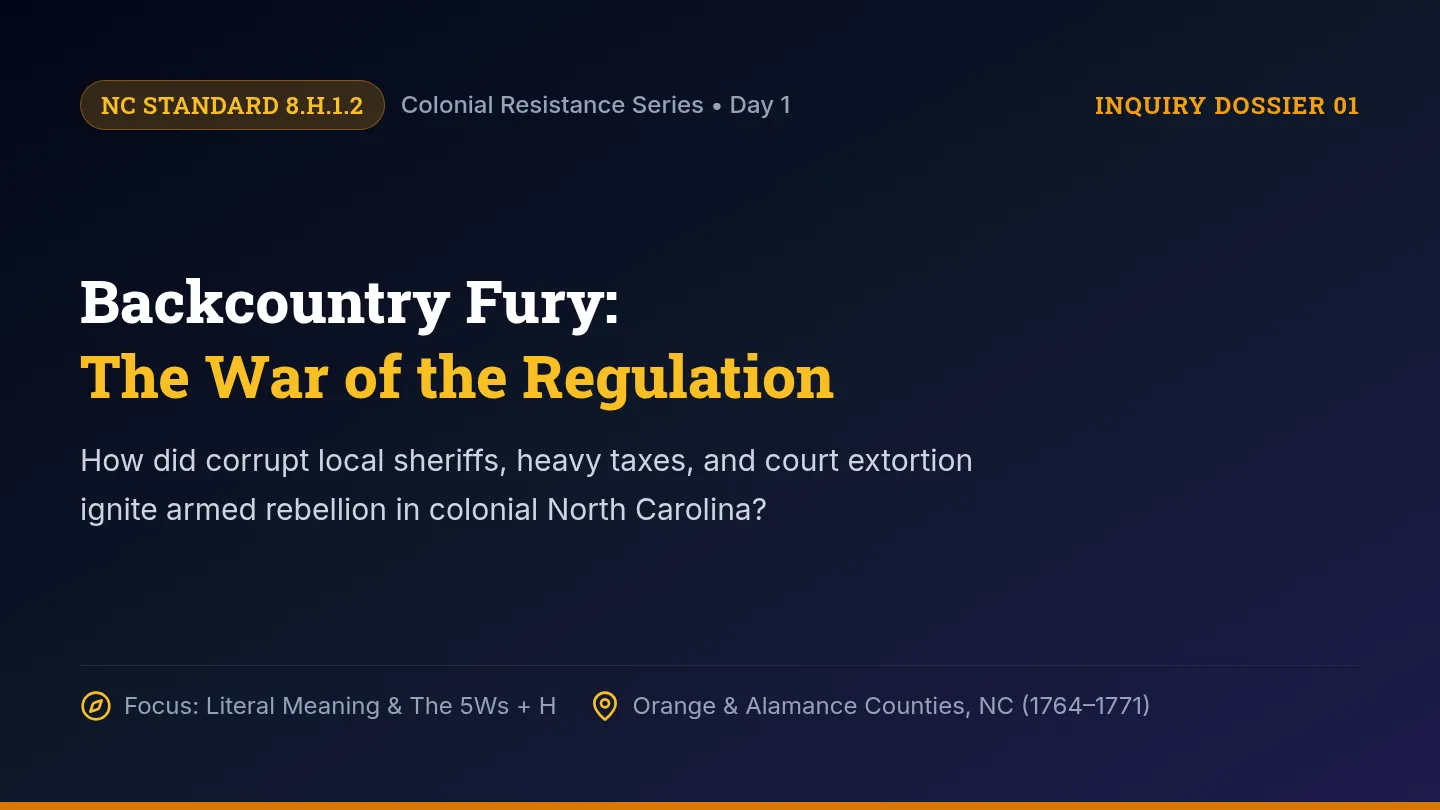
Backcountry Fury Slides

Tar Heel Voices

A multi-day inquiry sequence examining primary sources from pivotal moments of colonial and revolutionary resistance in North Carolina. Students decode literal meaning (who, what, when, where, why, and how) and analyze historical context in alignment with NC standard 8.H.1.2.

TC

Teresa Compton

6
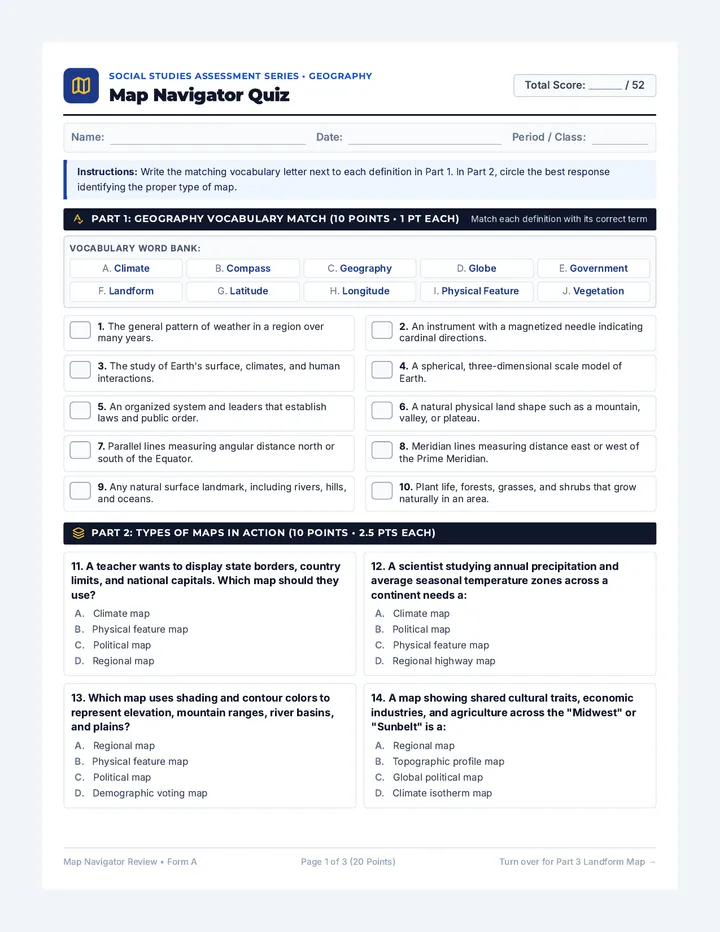
Map Navigator Quiz

Map Navigator

A comprehensive geography and cartography lesson focused on essential map skills, physical landforms, world continents and oceans, and regional vegetation in the United States. Students explore map types, navigate spatial coordinates, and master physical geography terminology through visual analysis and labeling.

EM

Evangelia Moran

3
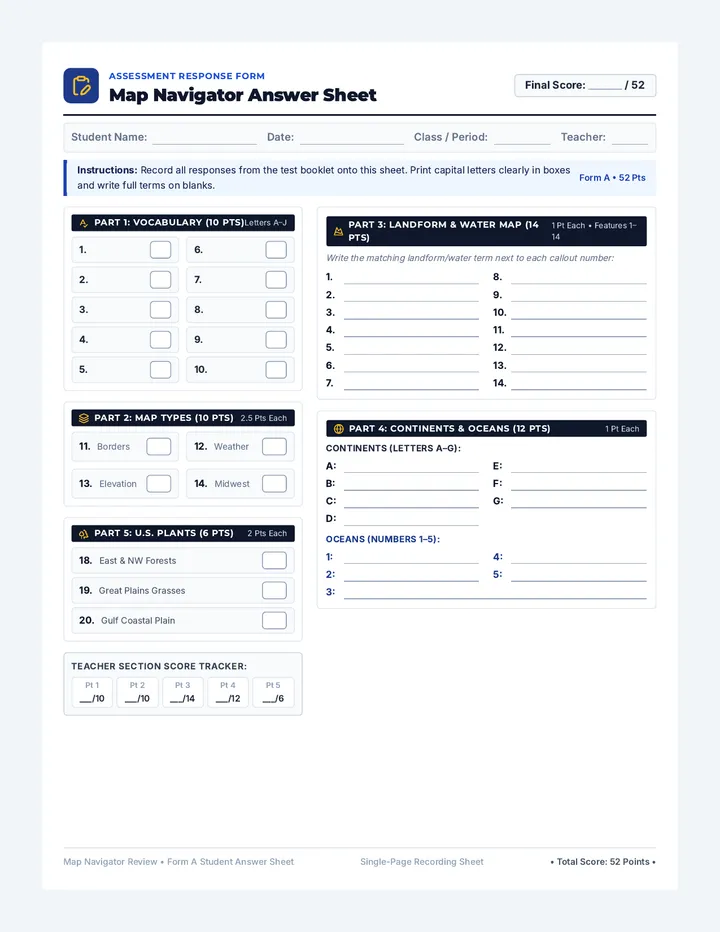
Map Navigator Answer Sheet

Map Navigator Answer Sheet

A clean, printable single-page student answer recording sheet for the Map Navigator Quiz, allowing students to record all responses for all 52 points across vocabulary, map types, landforms, continents and oceans, and U.S. vegetation regions on a single page.

EM

Evangelia Moran

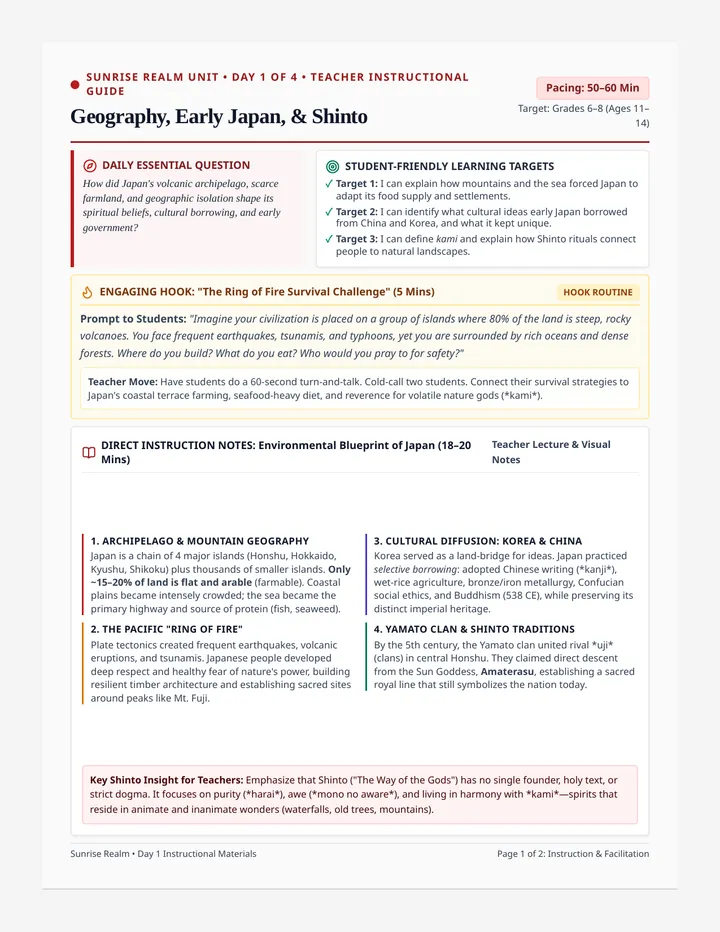
Island Realm Teacher Guide

Sunrise Realm

A comprehensive 4-day middle school social studies unit exploring Ancient and Medieval Japan from geography and Shinto through the Heian Golden Age, feudal samurai society, and the Mongol invasions to Tokugawa isolation.

DB

Danielle Burham

10
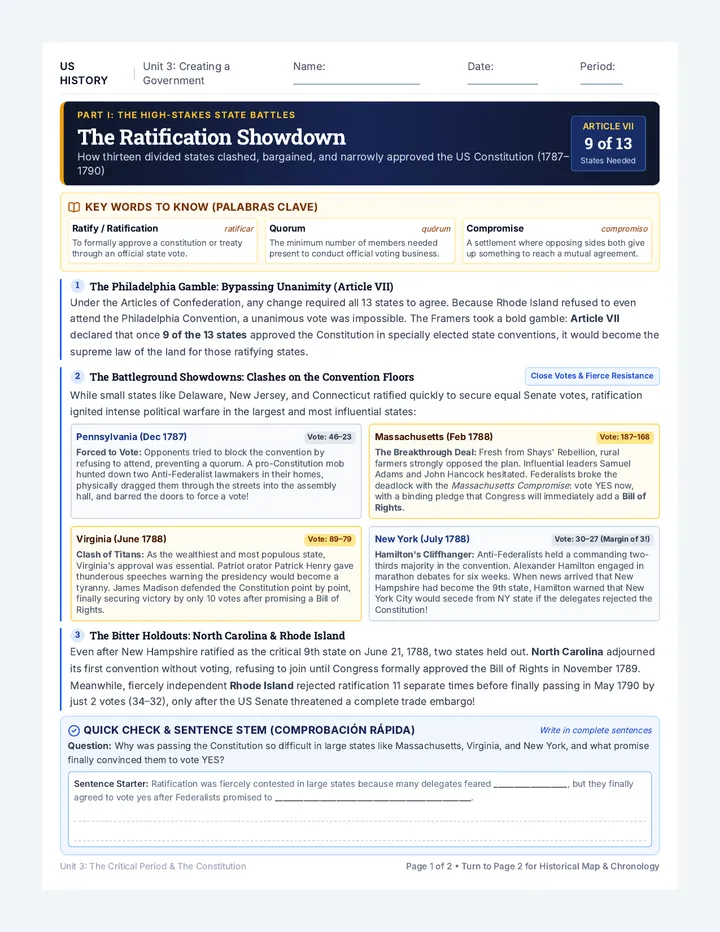
Ratification Showdown Reading

Ratification Showdown

A comprehensive middle school history lesson examining the fierce political, regional, and economic battles over the ratification of the US Constitution from 1787 to 1790. Students analyze primary source maps, explore high-stakes state conventions, and evaluate the compromise that created the Bill of Rights.

M

matthew.hoard

2
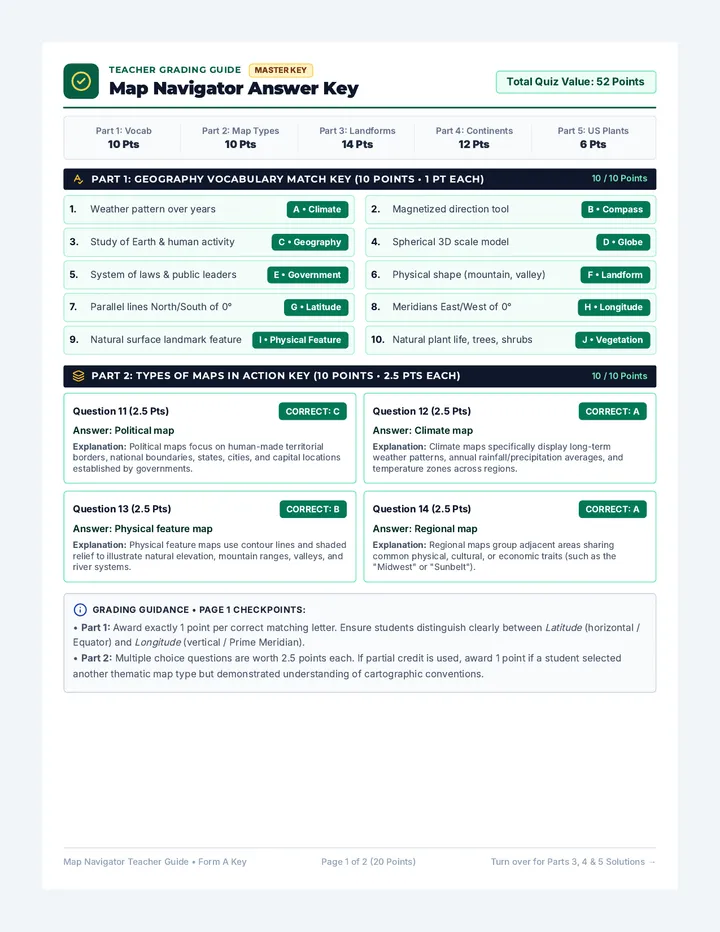
Map Navigator Answer Key

Map Navigator Answer Key

A comprehensive two-page teacher answer key and grading guide for the Map Navigator Quiz, featuring complete answer keys, scoring rubrics, and diagnostic teacher notes for all 52 points across geography vocabulary, map types, physical landforms, world continents and oceans, and U.S. vegetation regions.

EM

Evangelia Moran

Business Blueprint Slides

Market Makers

A hands-on introductory curriculum that equips students with foundational business acumen and marketing savvy through practical entrepreneurial challenges, financial basics, and campaign design.

D

despinoza

9
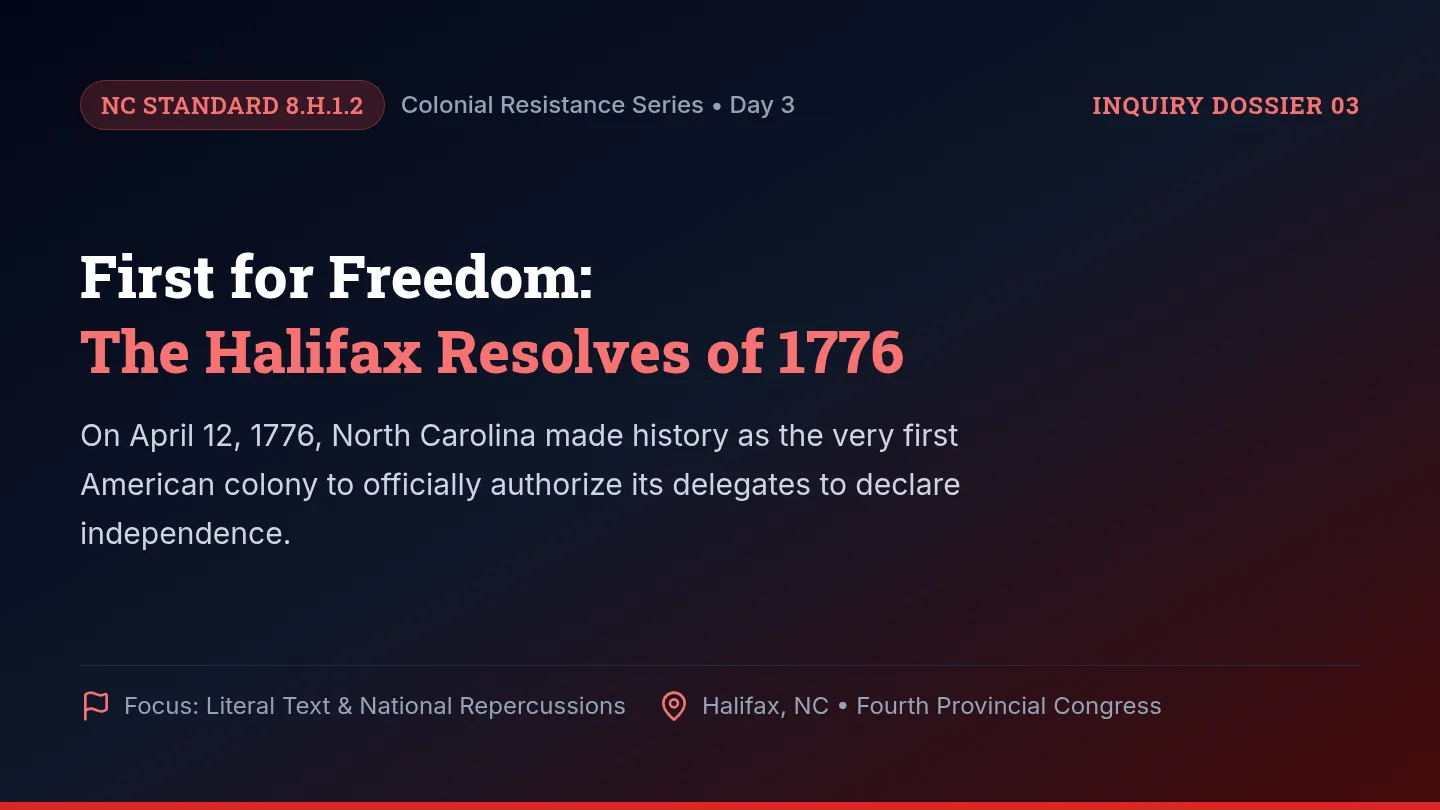
Halifax Resolves Slides

Halifax Freedom Call

Students evaluate the Fourth Provincial Congress and the Halifax Resolves of April 12, 1776, the first official colonial action authorizing delegates to vote for independence. Students map the literal text to who, what, when, where, why, and how to assess its national impact.

TC

Teresa Compton

2
Map Navigator Quiz

Map Navigator Quiz

A comprehensive three-page printable social studies assessment on geography and map skills, featuring vocabulary matching, types of maps analysis, a 14-feature landform and water map challenge, world continents and oceans identification, and a new section on United States vegetation regions covering forests, grasslands, and the Gulf Coastal Plain.

EM

Evangelia Moran

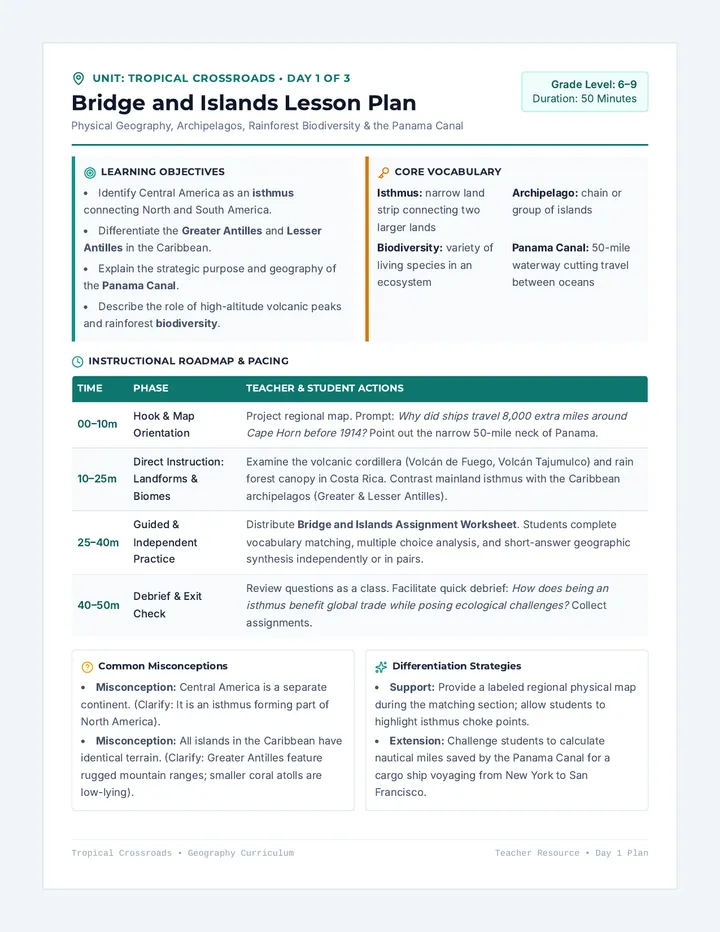
Bridge and Islands Lesson Plan

Tropical Crossroads

A comprehensive 3-day middle/high school geography unit examining Central America and the Caribbean, covering physical geography, natural hazards, and human-environment interactions.

D

dcampbell

9
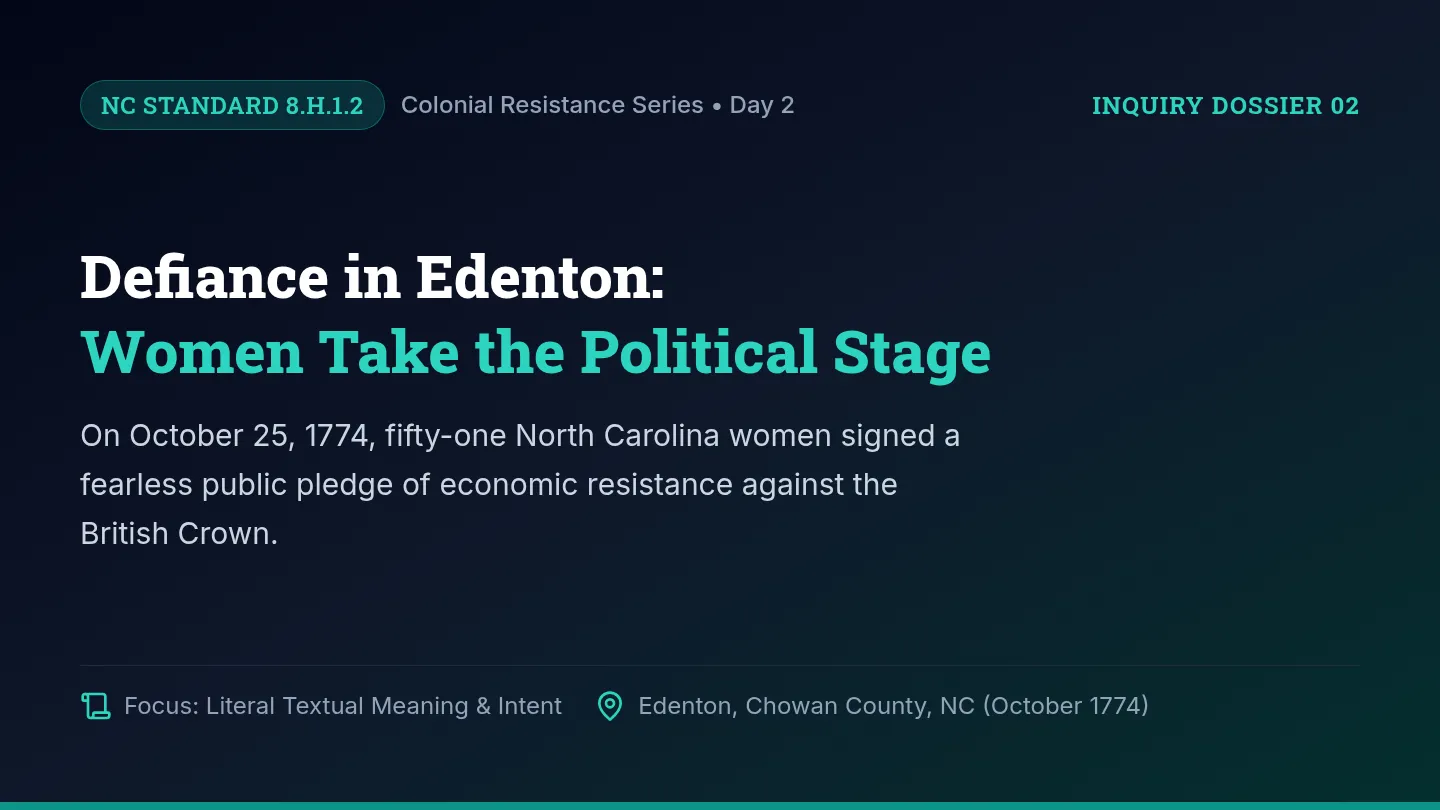
Edenton Defiance Slides

Edenton Defiance

Learners analyze the 1774 Edenton Tea Party Resolutions signed by Penelope Barker and fifty prominent women in Chowan County. Students deconstruct the text to understand how colonial women articulated political protest against British trade restrictions.

TC

Teresa Compton

2
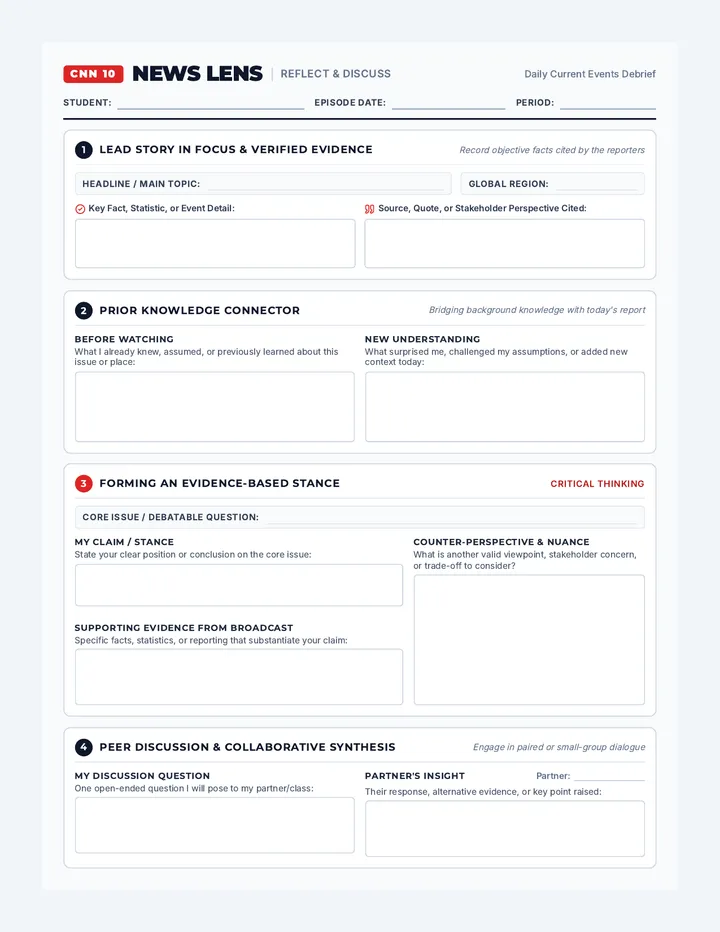
News Lens Graphic Organizer

News Lens Graphic Organizer

A print-ready CNN 10 graphic organizer that guides students to connect daily broadcast stories to their prior knowledge, synthesize reported evidence, articulate an evidence-based opinion, and prepare for peer discussion.

L

lialiano