Biological rhythms, sleep cycles, and the psychological impact of dreaming. Analyzes altered states of consciousness including hypnosis, meditation, and the effects of psychoactive substances.
Une séquence de sensibilisation aux enjeux du numérique pour les classes de CM1-CM2, couvrant l'identité numérique, la sécurité, la santé et l'impact environnemental. Cette séquence vise à former des citoyens numériques responsables et éclairés.
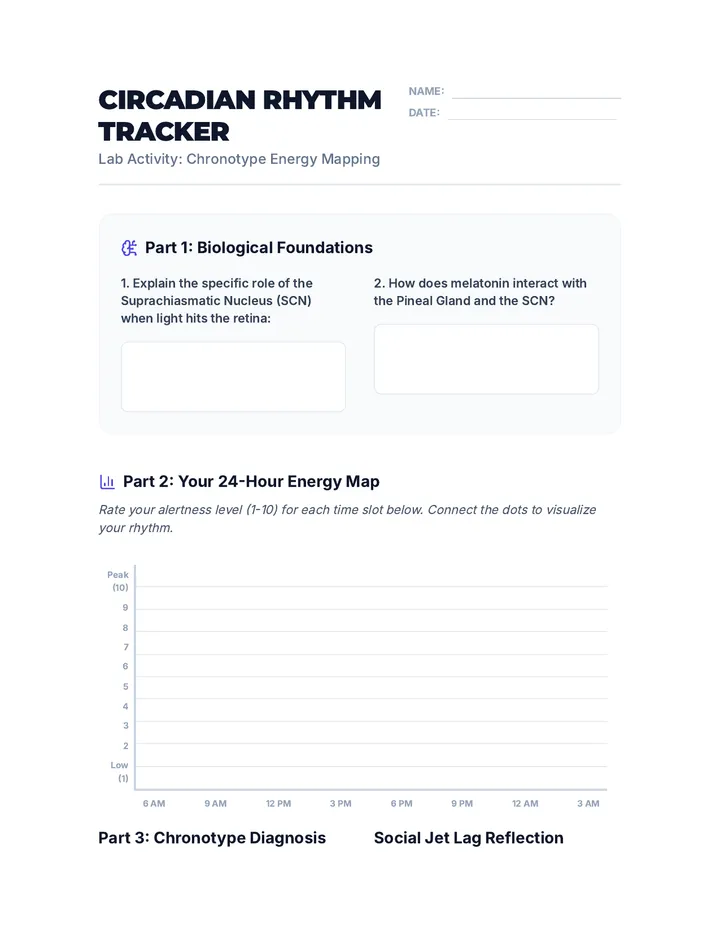
A comprehensive 10th-grade psychology unit exploring circadian rhythms, sleep architecture, disorders, dream theories, and psychoactive substances. Students investigate how biological and chemical factors regulate and alter human consciousness.
A comprehensive psychology sequence for 9th-grade students exploring the neurobiological development of the adolescent brain. Students investigate the structural changes, chemical drives, and environmental factors that shape decision-making and behavior during their teenage years.
This 10th-grade psychology sequence explores altered states of consciousness, from hypnosis and meditation to the neurochemistry of psychoactive drugs and addiction. Students evaluate scientific theories, analyze physiological changes, and investigate the biological mechanisms that drive perception and dependence.
A comprehensive 11th-grade psychology unit exploring consciousness, attention, and the major theories of dreaming, from Freudian psychoanalysis to modern neurobiological and cognitive models. Students move from defining conscious awareness to critiquing scientific evidence in a culminating seminar on the function of dreams.
A comprehensive 11th-grade psychology unit exploring altered states of consciousness through hypnosis, meditation, and psychoactive drugs, focusing on neurobiology and public health.
A high school psychology unit exploring the subjective experience of dreams and the biological malfunctions of sleep. Students move from psychoanalytic interpretations to neurobiological theories, ending with the diagnosis of sleep disorders and the creation of evidence-based sleep hygiene plans.
A comprehensive 5-lesson unit for 10th-grade Psychology exploring the biological mechanisms of circadian rhythms, the architecture of sleep stages, and the societal implications of adolescent sleep needs.
A comprehensive 12th-grade psychology unit exploring the science of altered states, including hypnosis, meditation, psychoactive substances, and the neurobiology of addiction, culminating in a bioethical debate.
This sequence explores the biological and psychological foundations of sleep, covering circadian rhythms, sleep stages, dream theories, disorders, and the effects of deprivation. Students will analyze physiological data and apply diagnostic criteria to understand how sleep dictates human behavior.
This sequence interrogates the anthropological shift from dance as a communal, sacred, or functional activity to dance as a presentational art form. Students utilize ritual theory to analyze the loss and gain inherent in this transition from ancient trance rituals to modern commodification.
This undergraduate-level sequence explores the intersection of technology and cognition during the Paleolithic era. Students analyze stone tool industries (Oldowan, Acheulean, Mousterian, and Upper Paleolithic) and symbolic expressions (cave art and portable figurines) to understand the development of complex human behavior and social structures.
Une leçon interactive pour maîtriser huit concepts fondamentaux de la philosophie à travers des révisions visuelles et un quiz d'évaluation.
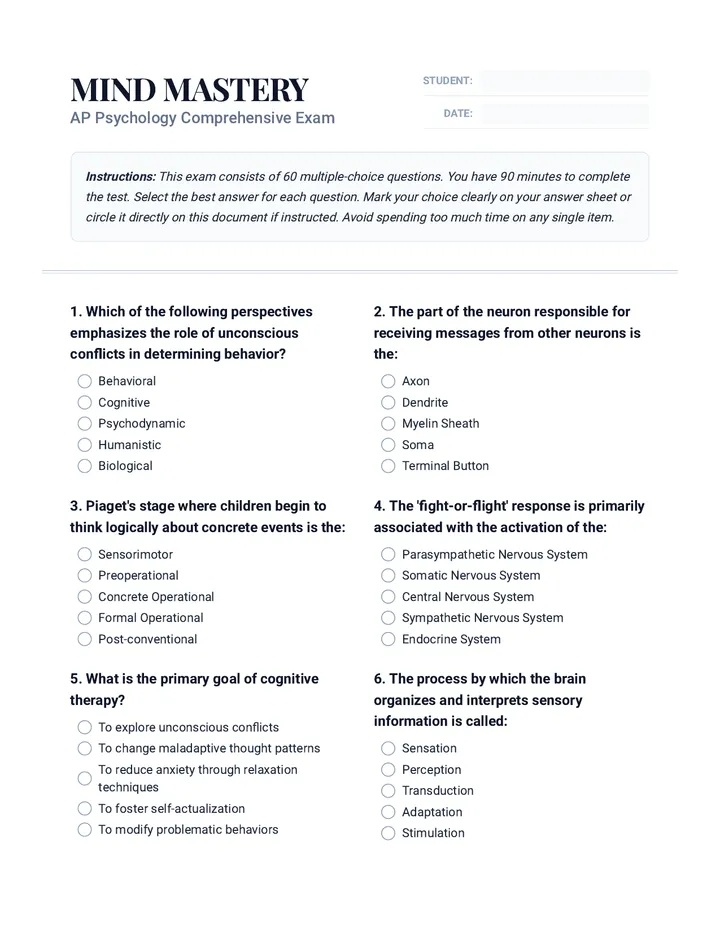
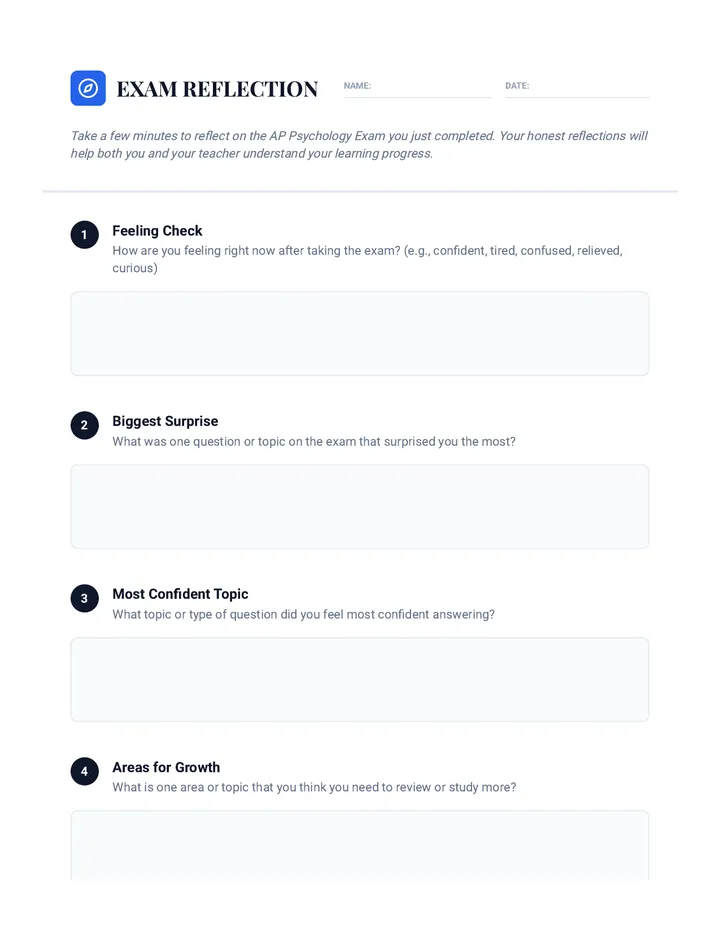
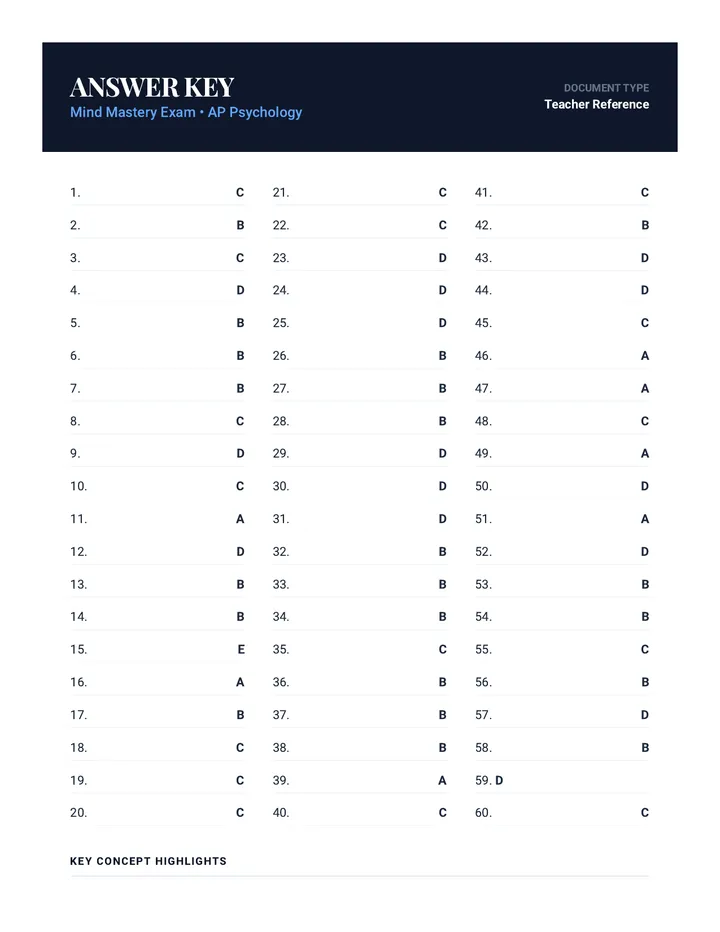
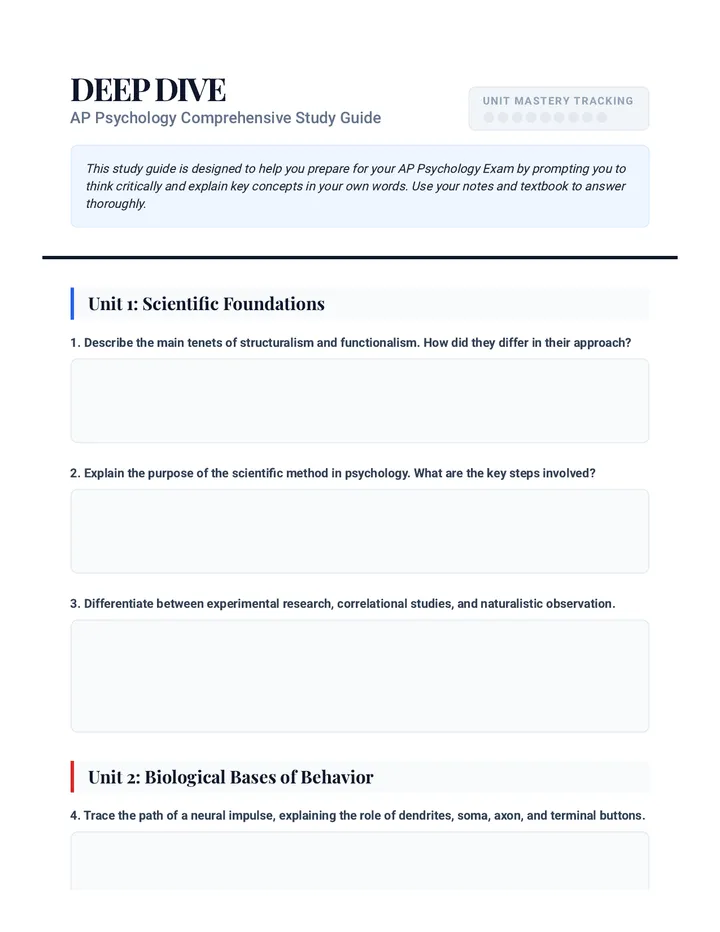
A comprehensive 90-minute assessment covering the breadth of the AP Psychology curriculum, including a 60-question multiple-choice exam, a post-exam reflection, and a detailed study guide for review.