Encoding, storage, and retrieval mechanisms within the human brain. Examines sensory, short-term, and long-term memory systems alongside factors affecting forgetting and cognitive biases.
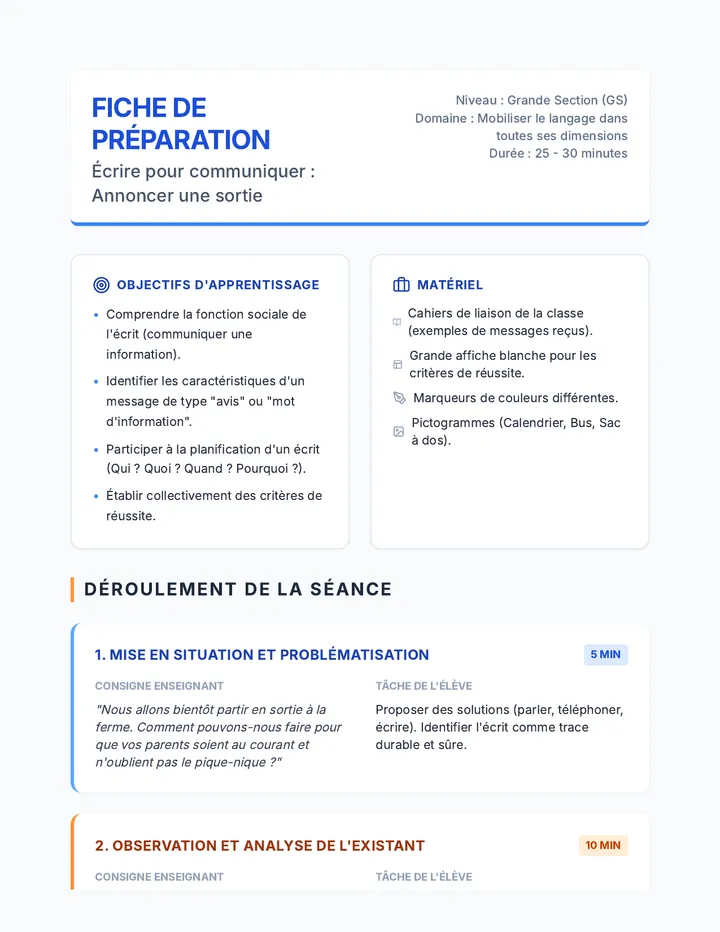
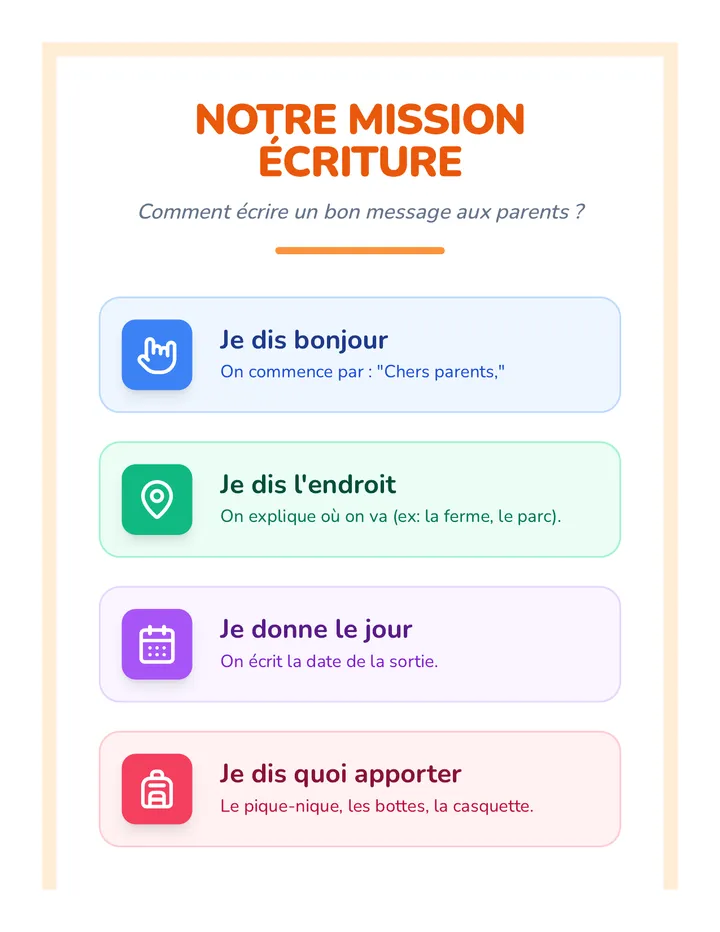
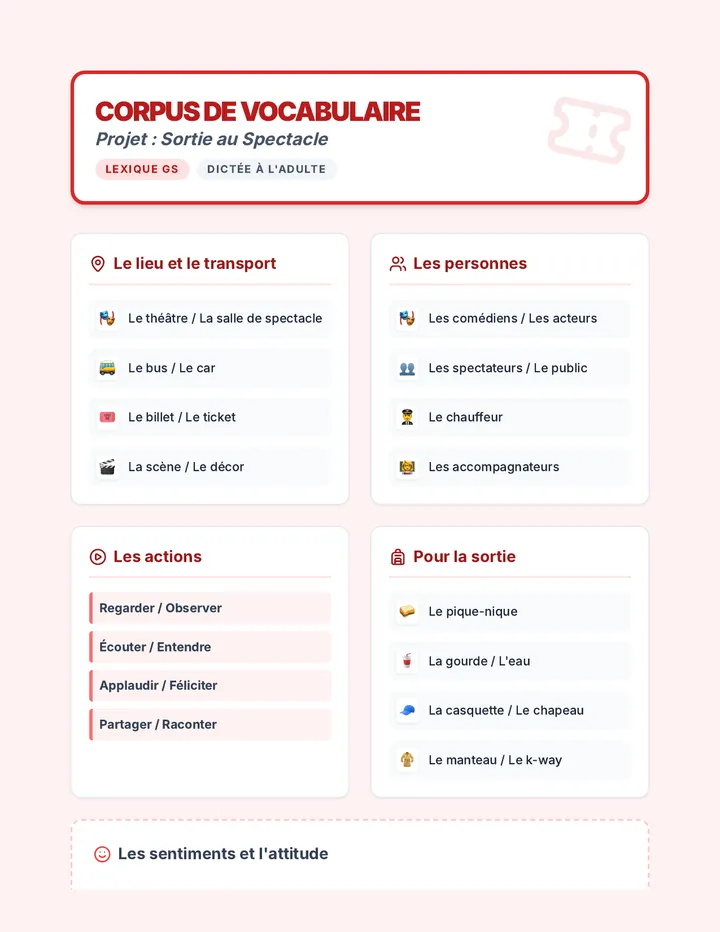
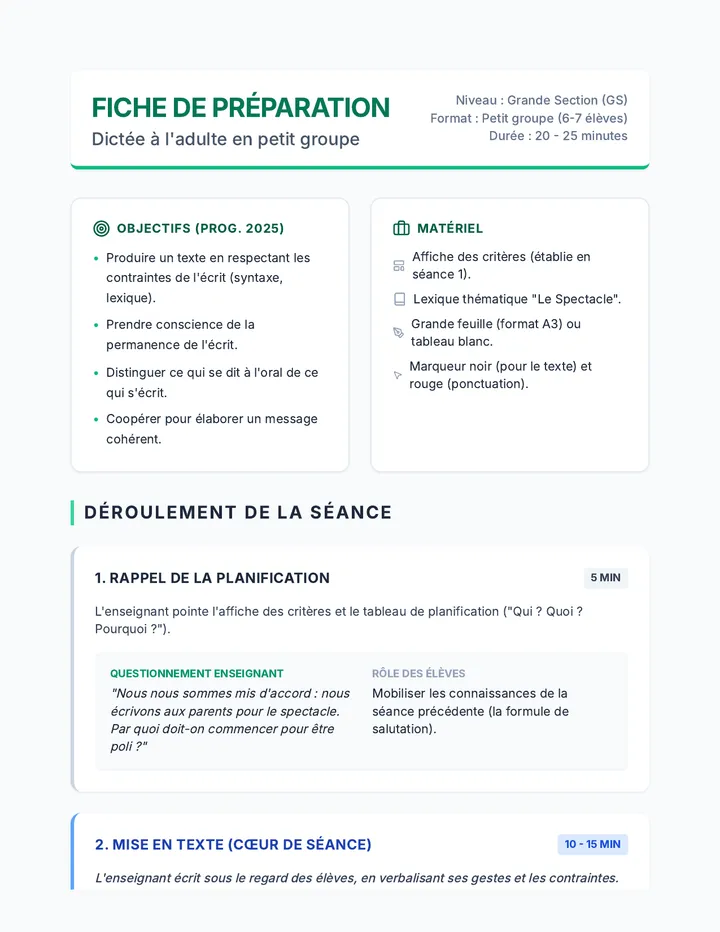
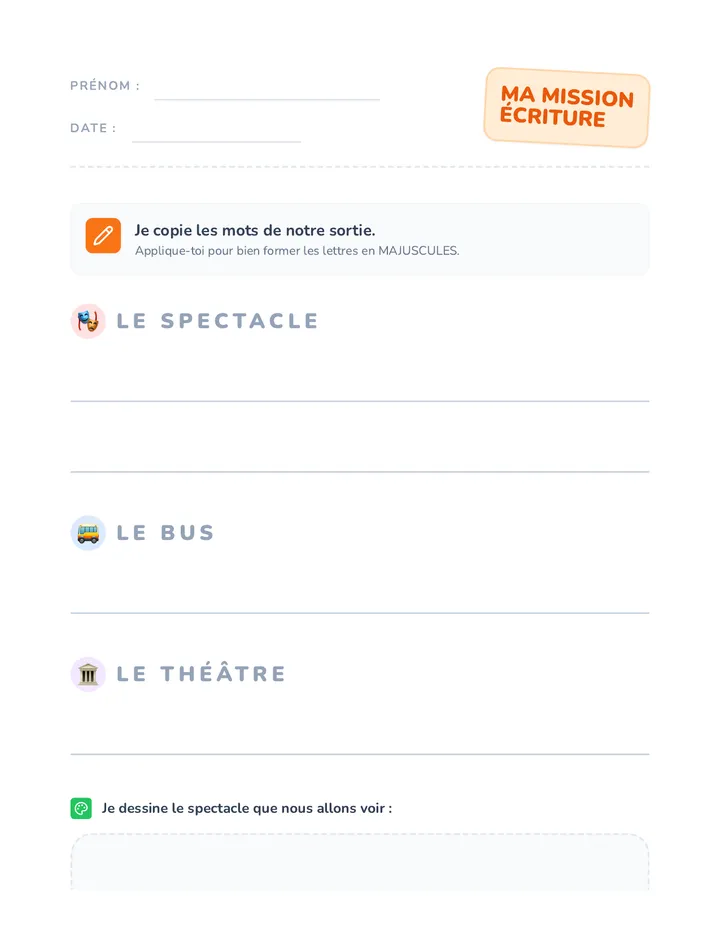
Une série de modules de formation destinés aux conseillers pédagogiques pour renforcer leur expertise en ingénierie de formation continue, spécifiquement appliquée à l'enseignement du français à l'école primaire.
A comprehensive multi-day review sequence for psychology units on emotion, motivation, memory, and forgetting, featuring structured study aids, interactive challenges, and practice assessments.
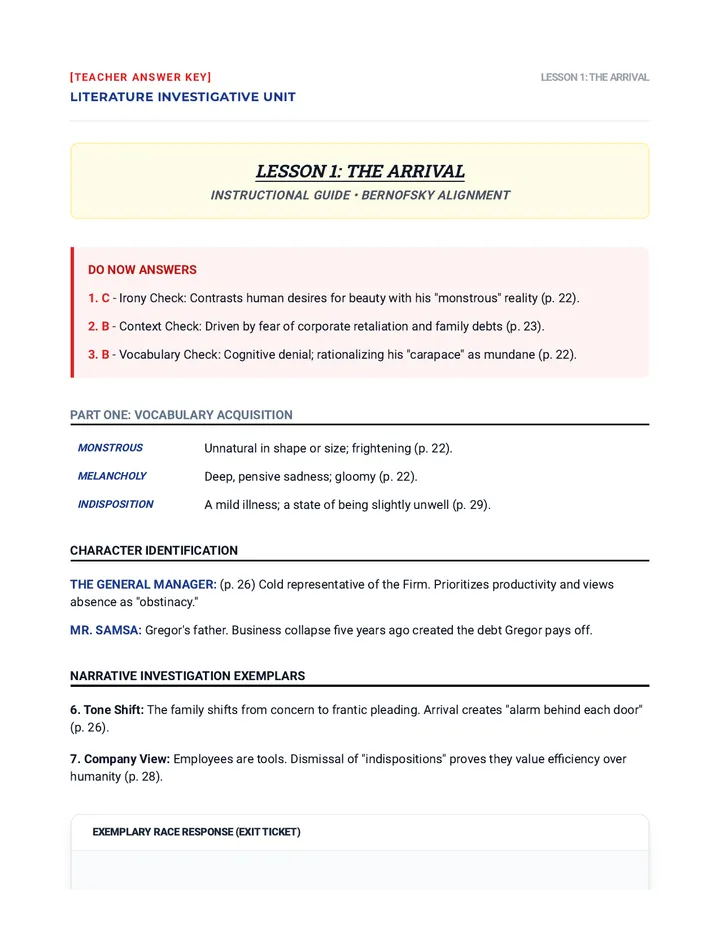
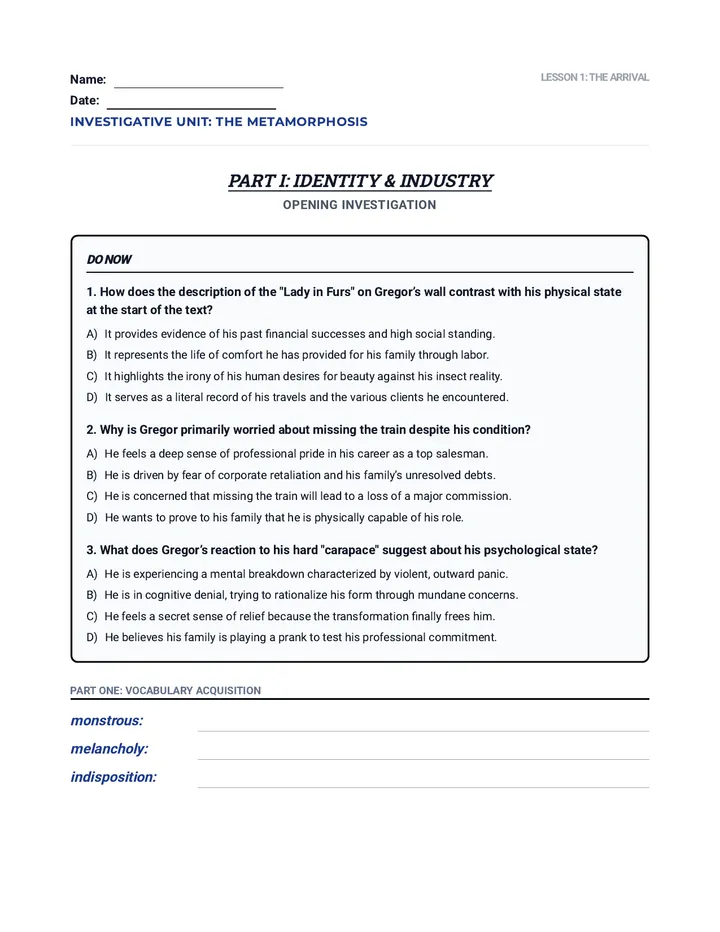
An intensive investigative unit on Franz Kafka's *The Metamorphosis* following the North Star/Uncommon Schools instructional model. The unit focuses on the thematic intersection of labor, identity, and dehumanization. Students analyze Gregor's alienation from his family and society through a structured rigorous framework including vocabulary acquisition, character identification, and thematic synthesis.
A comprehensive 11th-grade psychology sequence exploring the intersection of human behavior and the legal system, covering profiling, memory reliability, the insanity defense, jury selection, and case analysis.
This unit explores the intersection of psychology and the law, covering profiling, memory reliability, interrogations, the insanity defense, and jury dynamics. Students apply psychological theories to legal contexts through simulations and case analysis.
A 12-lesson intensive course on reasoning and critical thinking, aligned with the 'Reasoning Skills Success' framework. This sequence covers everything from the distinction between reason and emotion to complex logical fallacies, statistical analysis, and deductive/inductive logic.
A foundational university-level psychology curriculum covering biological bases, cognitive processes, behavioral theories, and social dynamics. This sequence provides a rigorous introduction to the scientific study of the human mind and behavior.
This workshop-style sequence explores the psychological principles of observational learning, focusing on Albert Bandura's concepts of self-efficacy and the four stages of modeling. Students transition from theoretical understanding to practical application by designing and testing instructional tutorials that optimize skill acquisition for their peers.
An interdisciplinary graduate sequence exploring the intersection of cognitive psychology and rhetorical questioning. Students analyze biases like anchoring and priming to master the art of persuasive cross-examination.
A specialized sequence for undergraduate linguistics or SLP students examining the articulatory and acoustic constraints on phoneme manipulation. Students move from theoretical phonetics to professional diagnostic reasoning.
A game-based geography sequence for 3rd graders to master US state capitals through mnemonics, active play, and competitive challenges. Students move from initial recognition to rapid recall using varied instructional strategies.
This graduate-level sequence bridges the gap between traditional logic and cognitive psychology. Students explore the evolutionary and psychological underpinnings of logical fallacies, focusing on heuristics, motivated reasoning, and social conformity to develop advanced metacognitive strategies for professional argumentation.
A comprehensive look at why we remember and why we forget, covering the stages of memory, types of interference, and strategies for improving recall.
A deep dive into the psychology of collective behavior, examining how individuals lose their sense of self in a crowd. Students analyze historical examples from the 1692 Salem Witch Trials, the French Revolution, and modern social media to understand the triggers and consequences of mob mentality.
An exploration of TikTok's psychological and marketing influence, focusing on algorithmic power, social proof, and peer-driven trends through modeled annotation practices.
An exploration of the legal complexities of police interrogations and the psychological impact of media-driven forensic expectations on modern courtrooms.
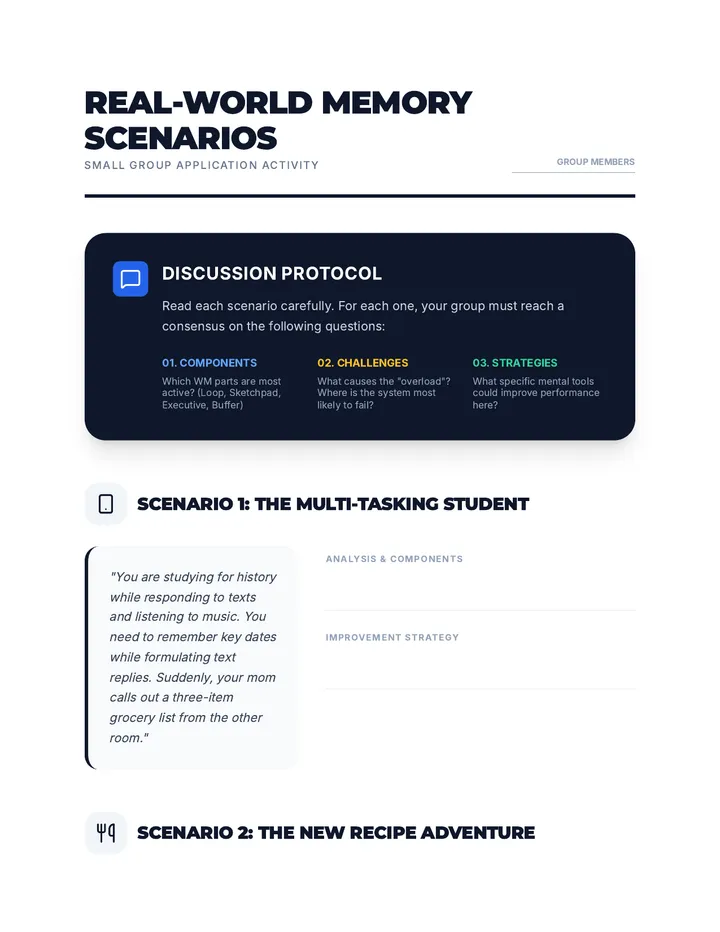
A 60-minute session for 11th-grade students to explore the mechanisms of working memory, its components (phonological loop, visuospatial sketchpad, central executive), and practical strategies for cognitive improvement.
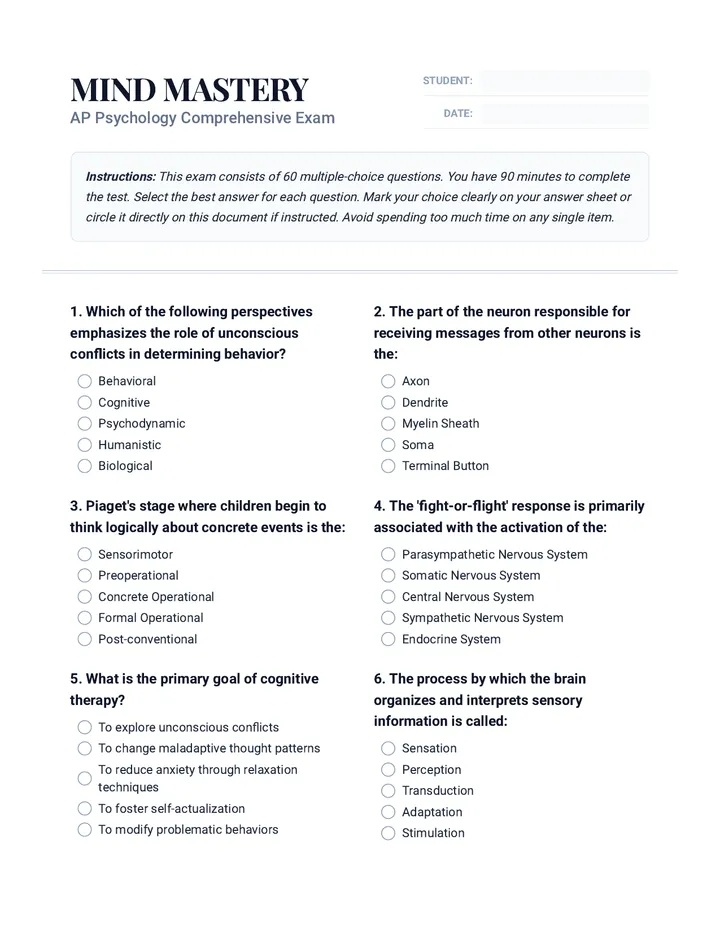
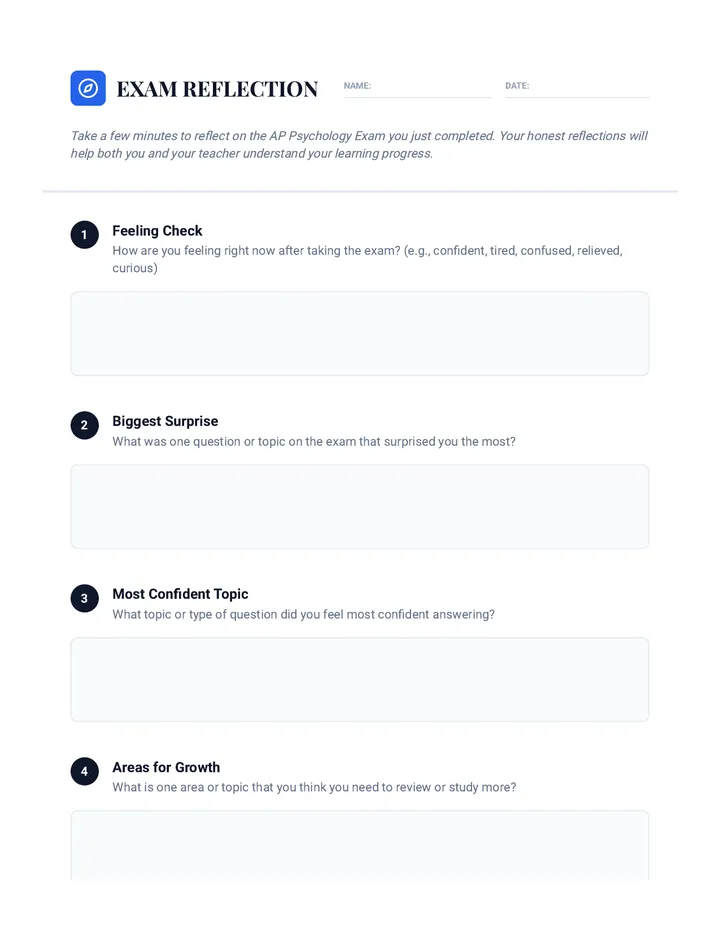
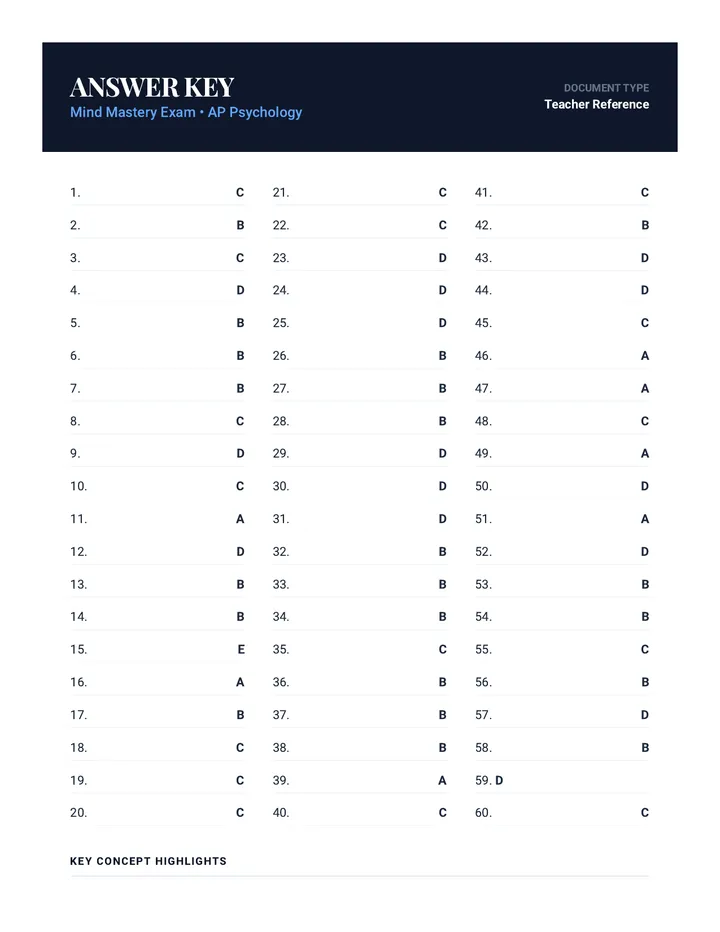
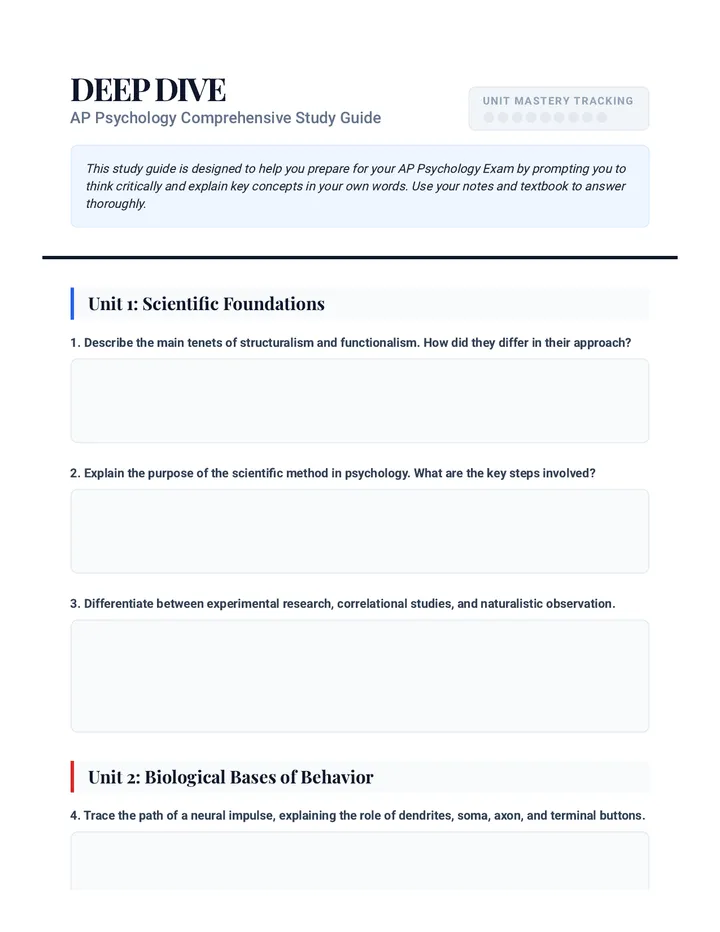
A comprehensive 90-minute assessment covering the breadth of the AP Psychology curriculum, including a 60-question multiple-choice exam, a post-exam reflection, and a detailed study guide for review.
An undergraduate psychology lesson exploring the cognitive mechanisms of 'choking' under pressure, focusing on Distraction Theory and Explicit Monitoring Theory. Students will analyze these theories and design an original experiment to test the effects of pressure on non-sport tasks.
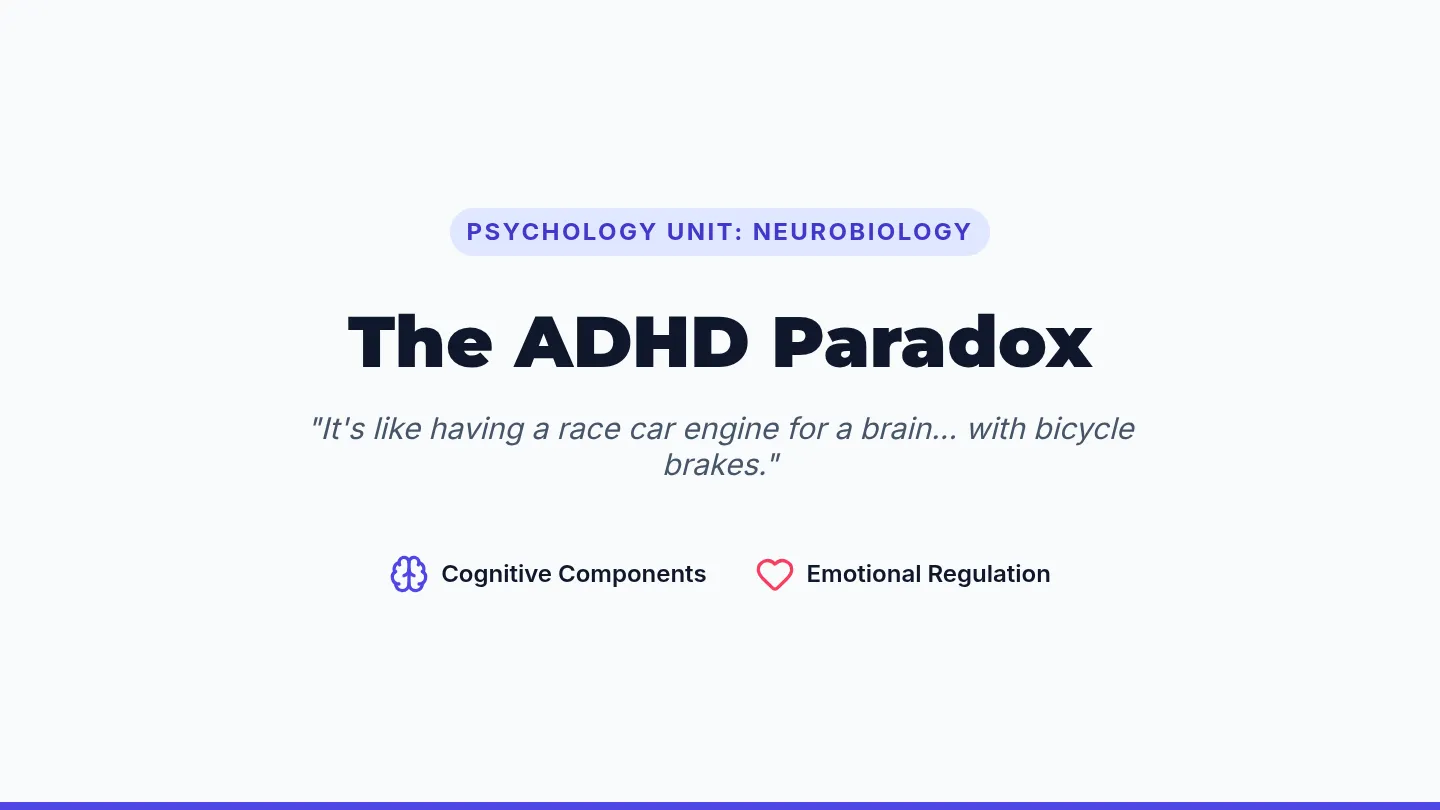
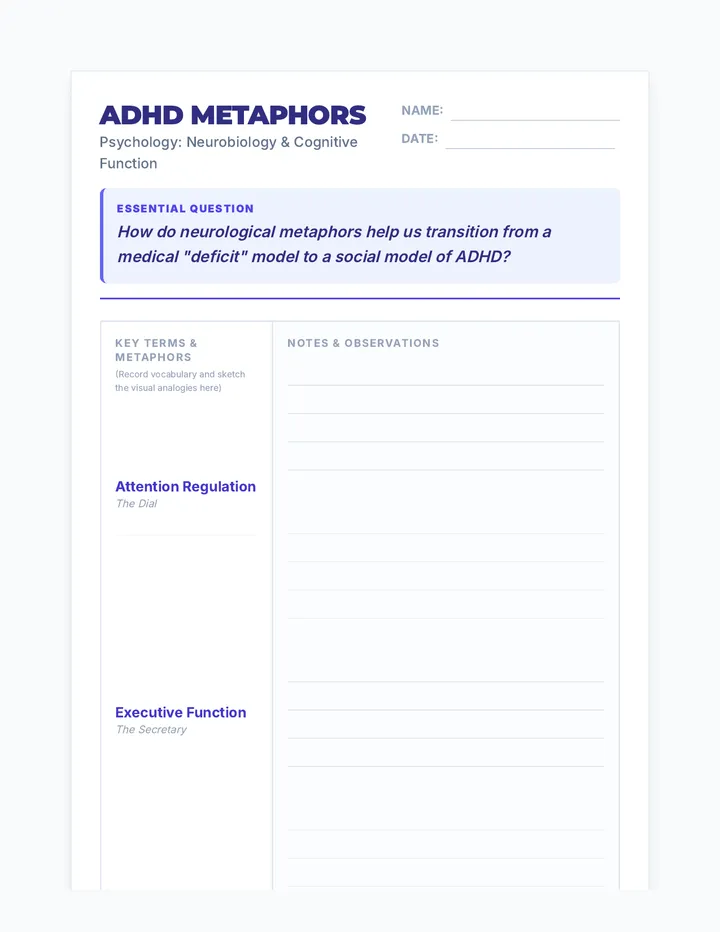
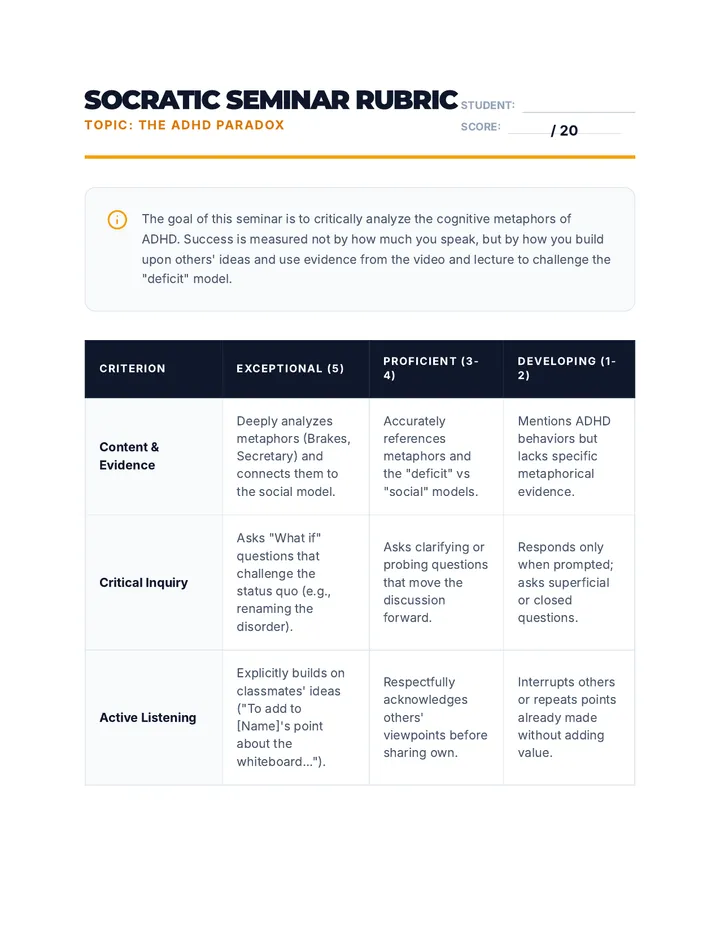
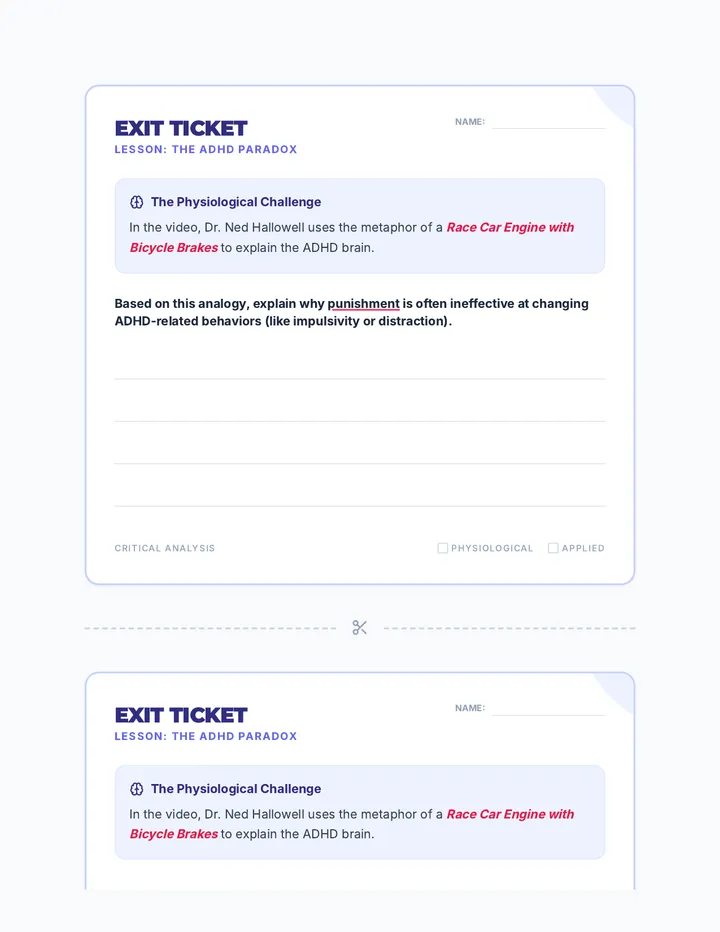
Students investigate the neurobiology of ADHD through metaphorical frameworks, challenging the traditional 'deficit' model of the disorder and exploring the social model of disability.
Students explore the Yerkes-Dodson Law through the lens of memory formation and retrieval. They analyze how moderate stress aids encoding while high stress inhibits recall, applying these concepts to real-world scenarios.