Quantitative relationships between reactants and products using balanced chemical equations. Develops skills in mole-to-mass conversions, limiting reactant analysis, and theoretical yield calculations.
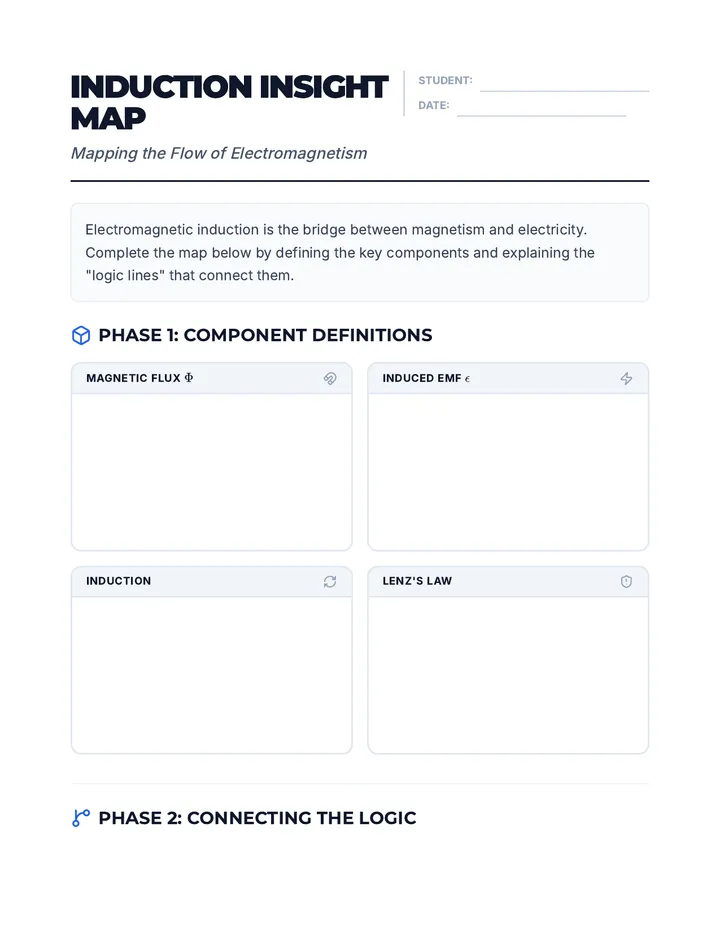
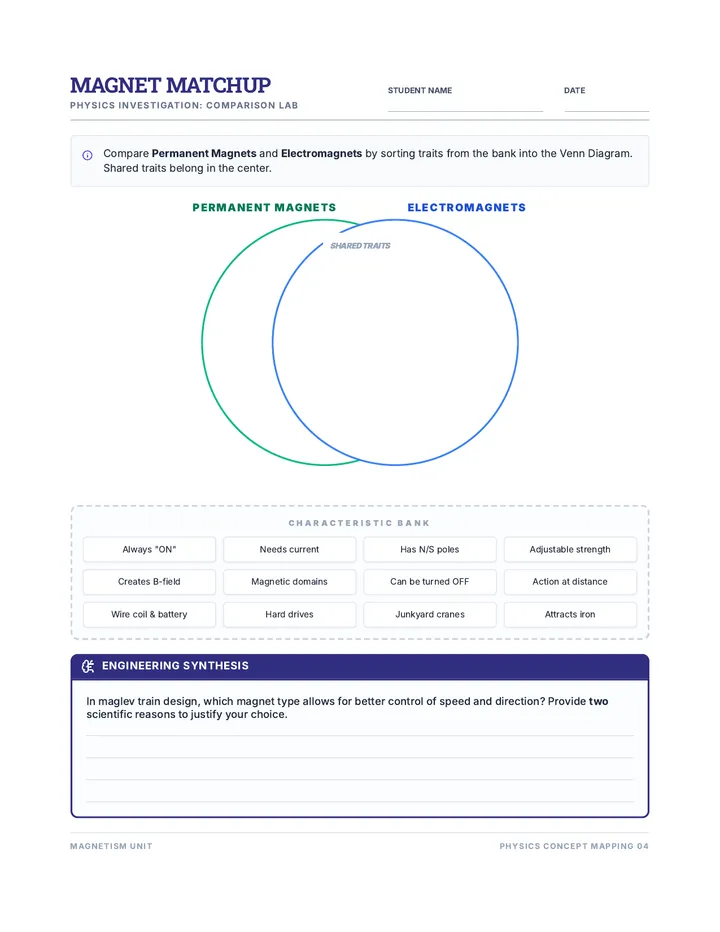
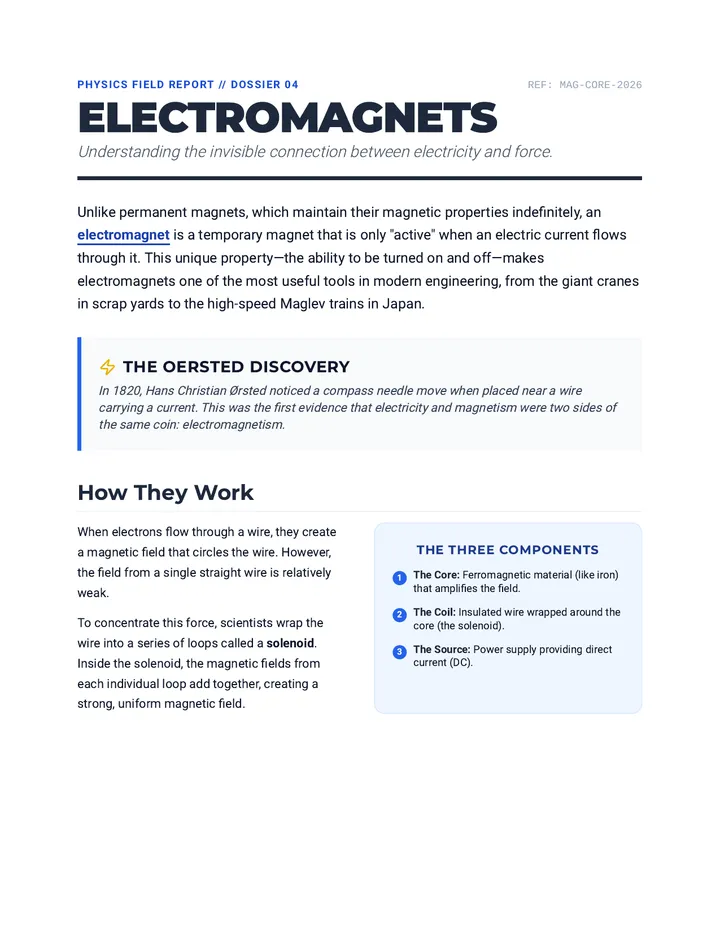
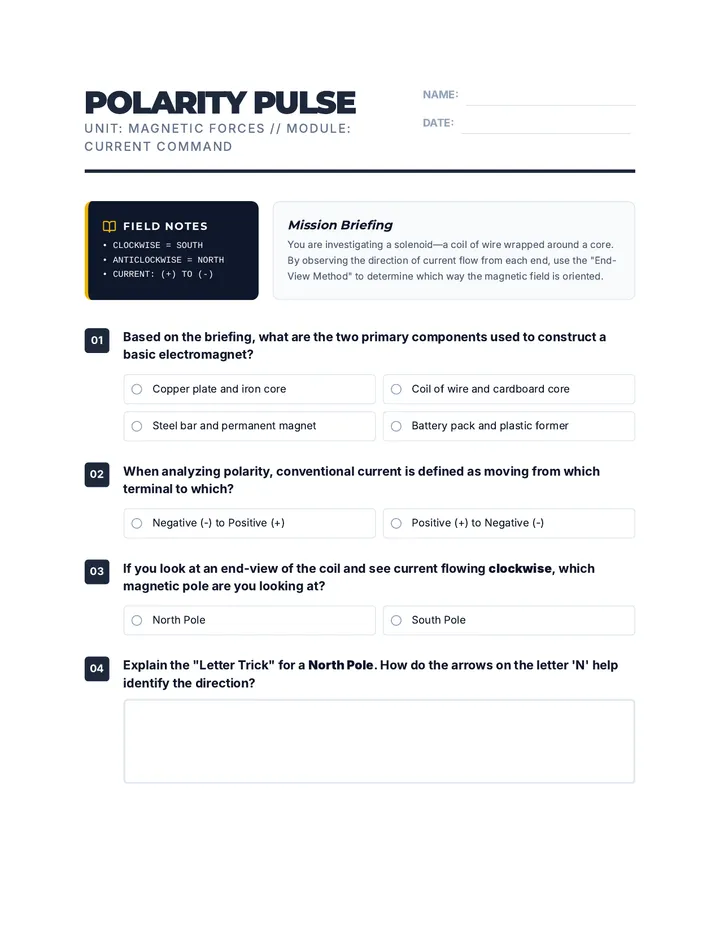
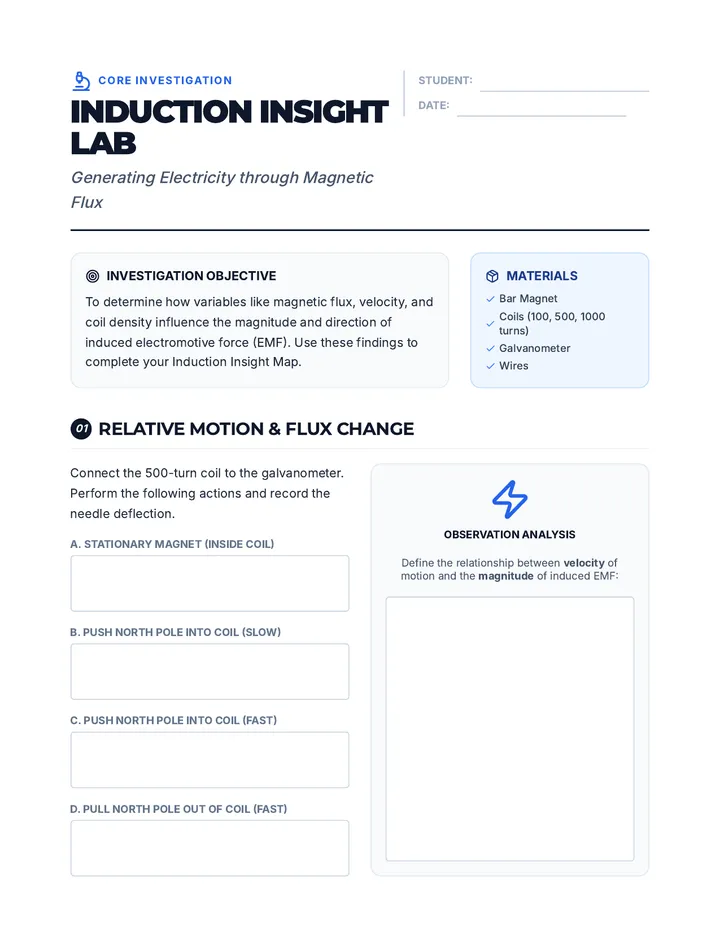
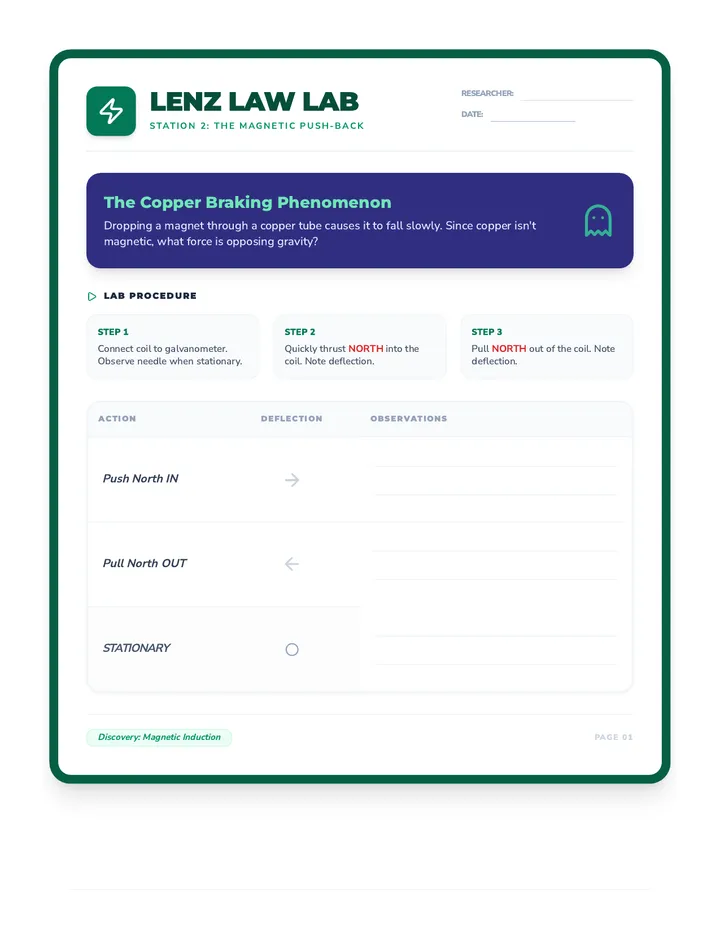
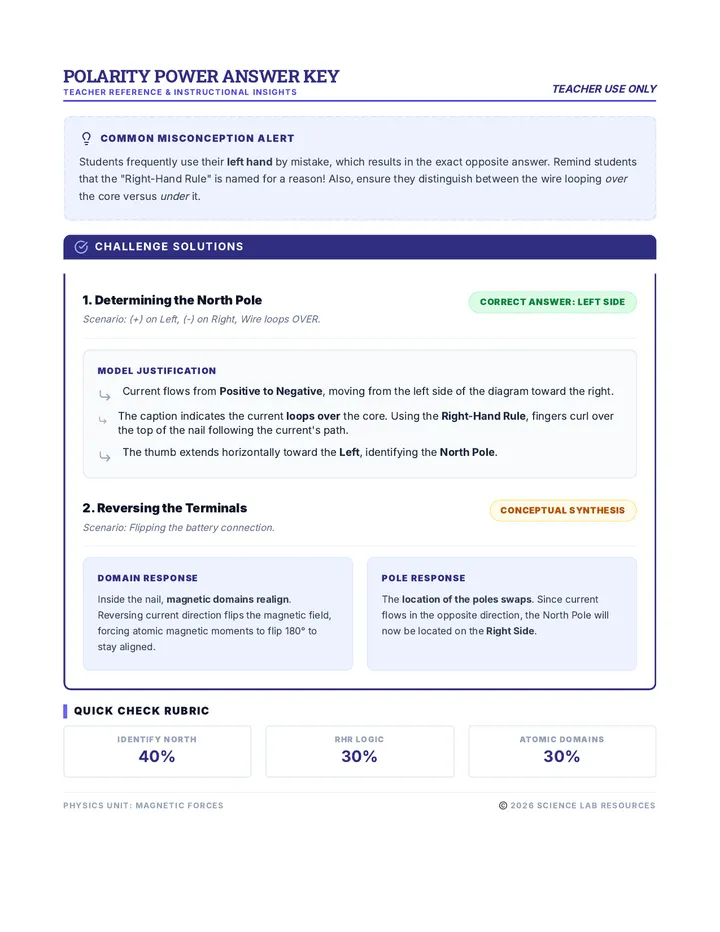
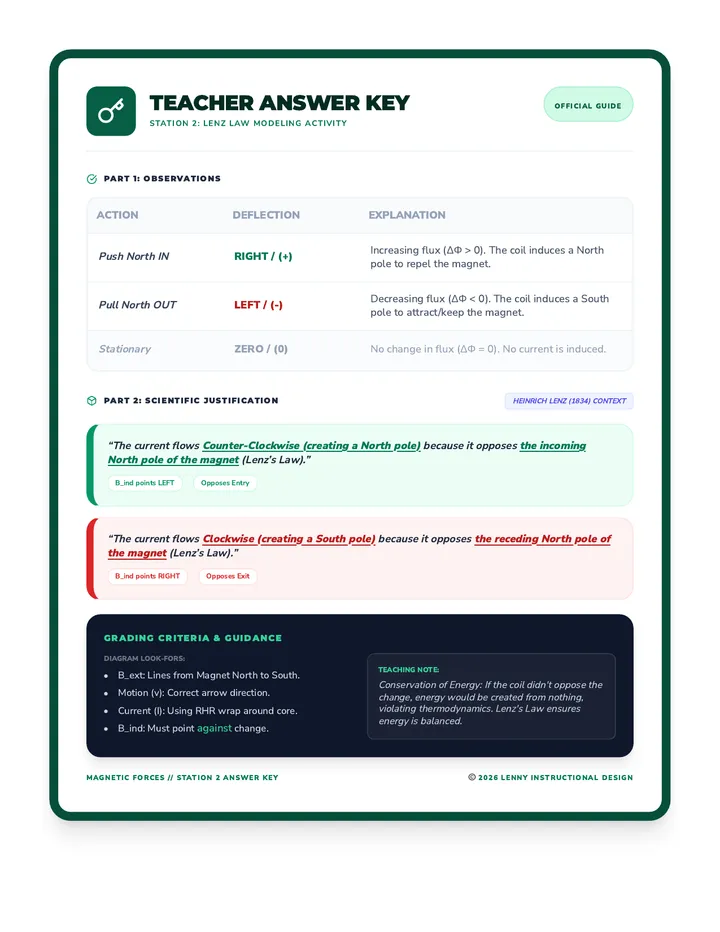
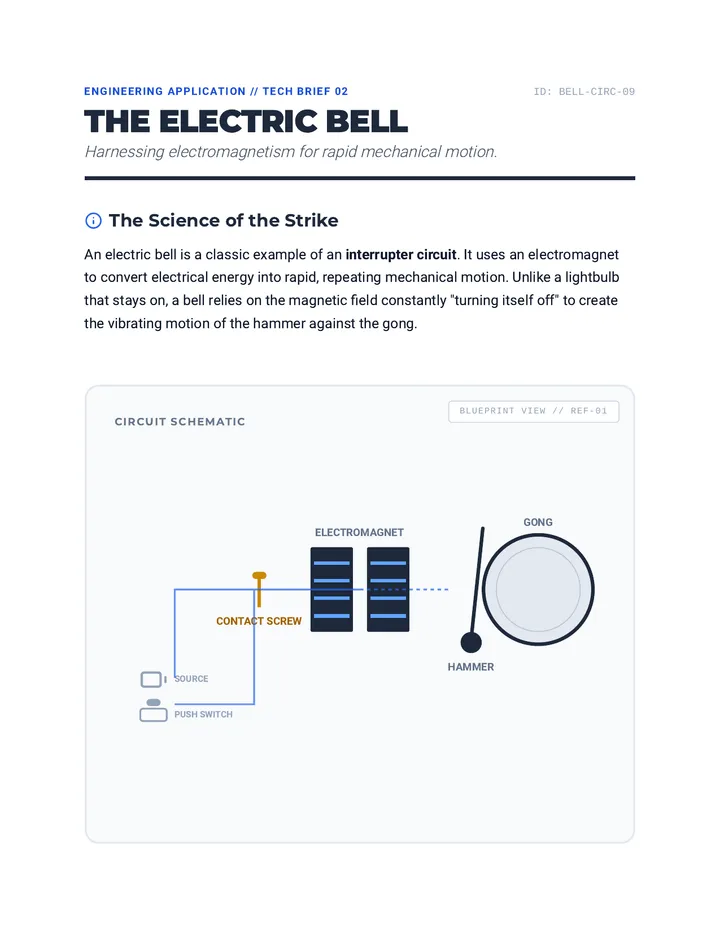
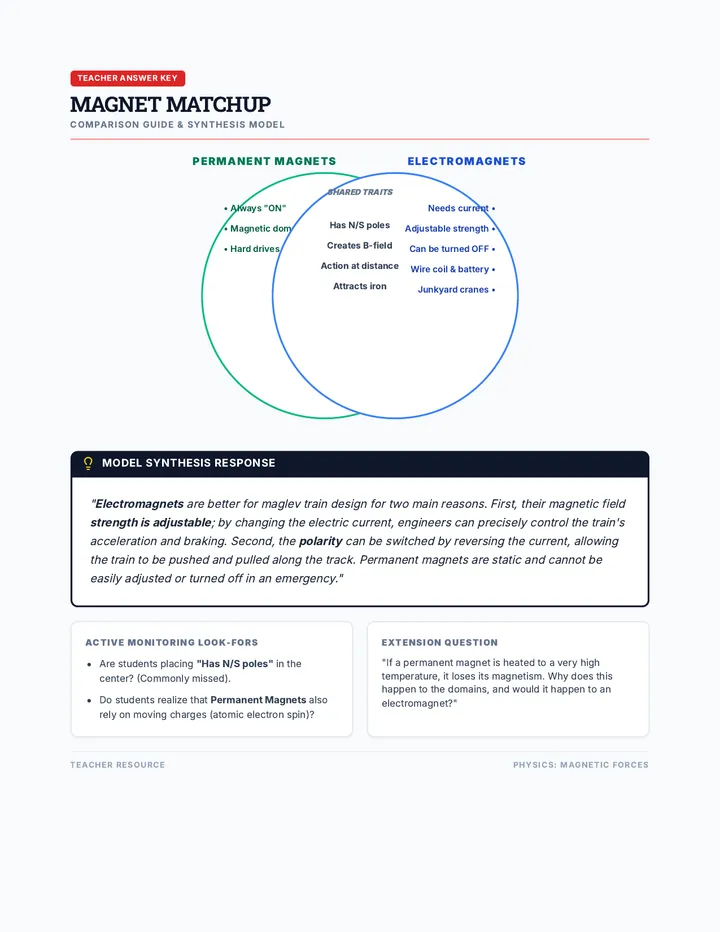
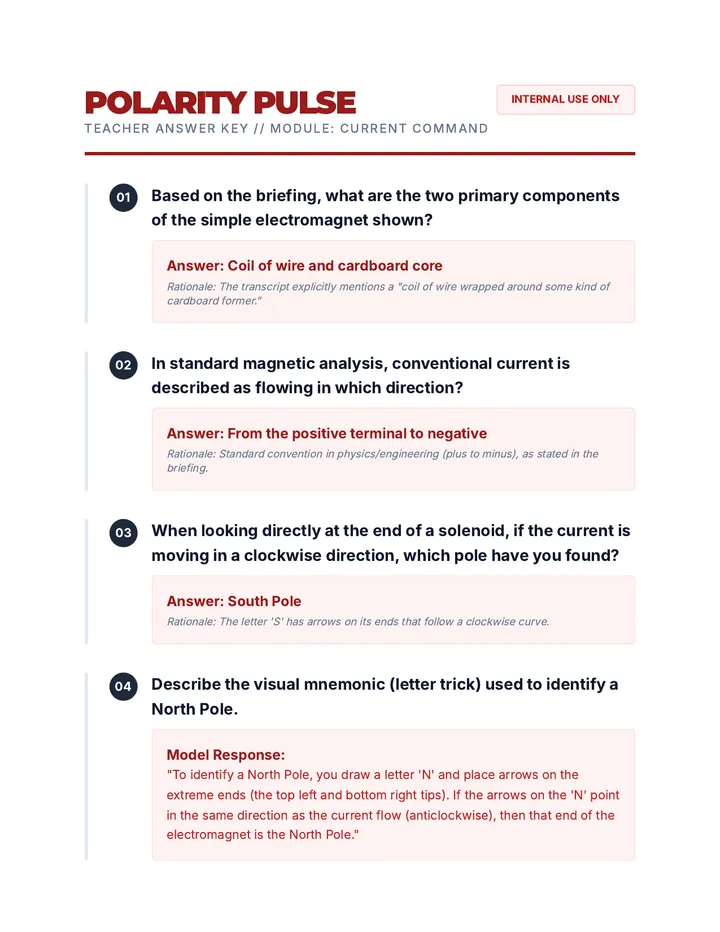
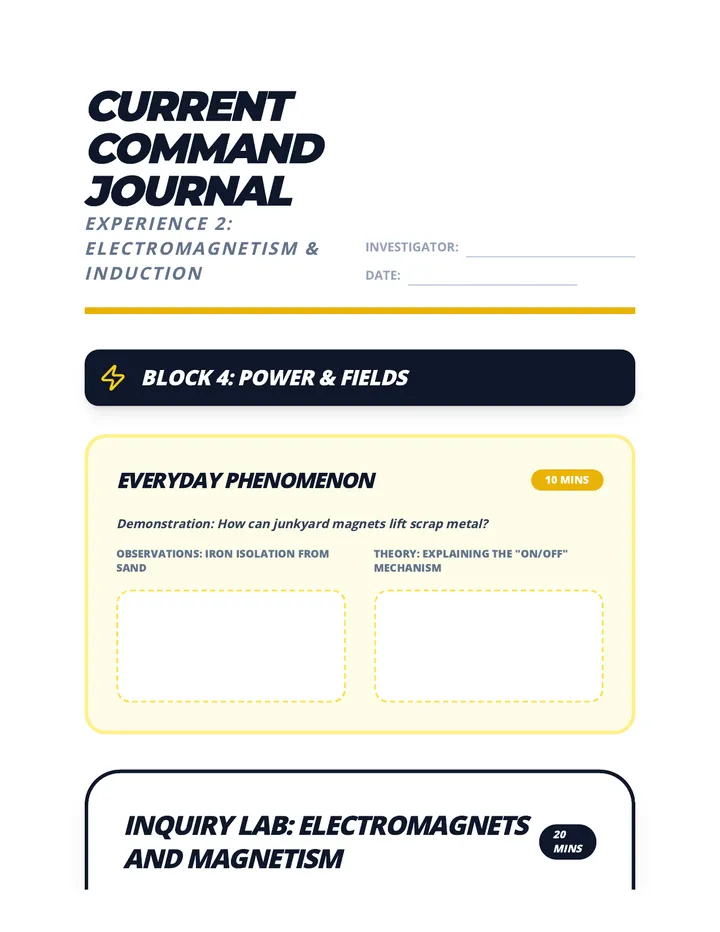
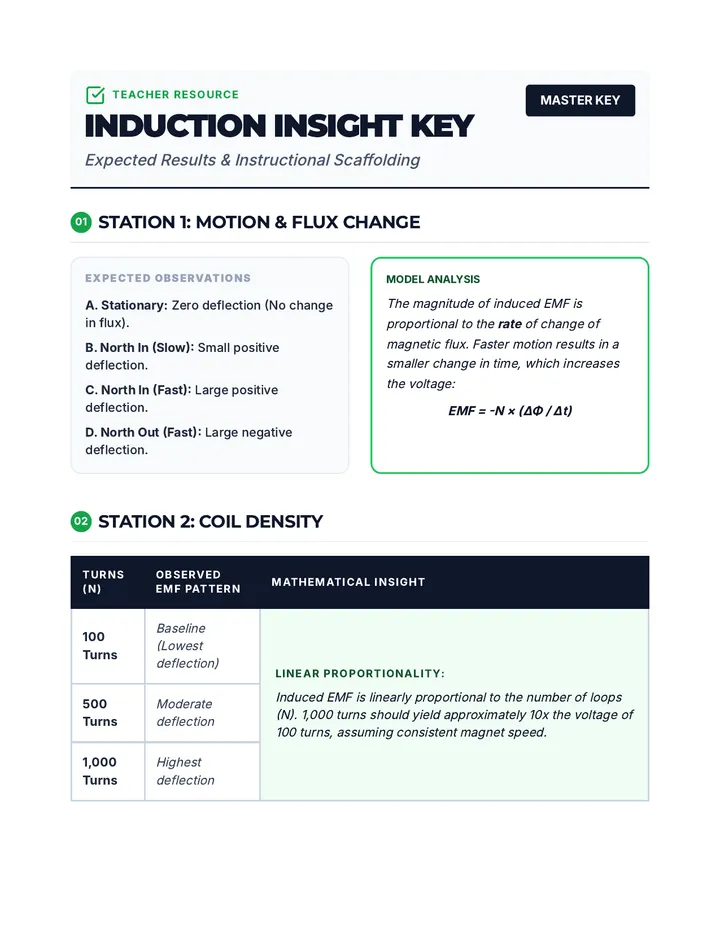
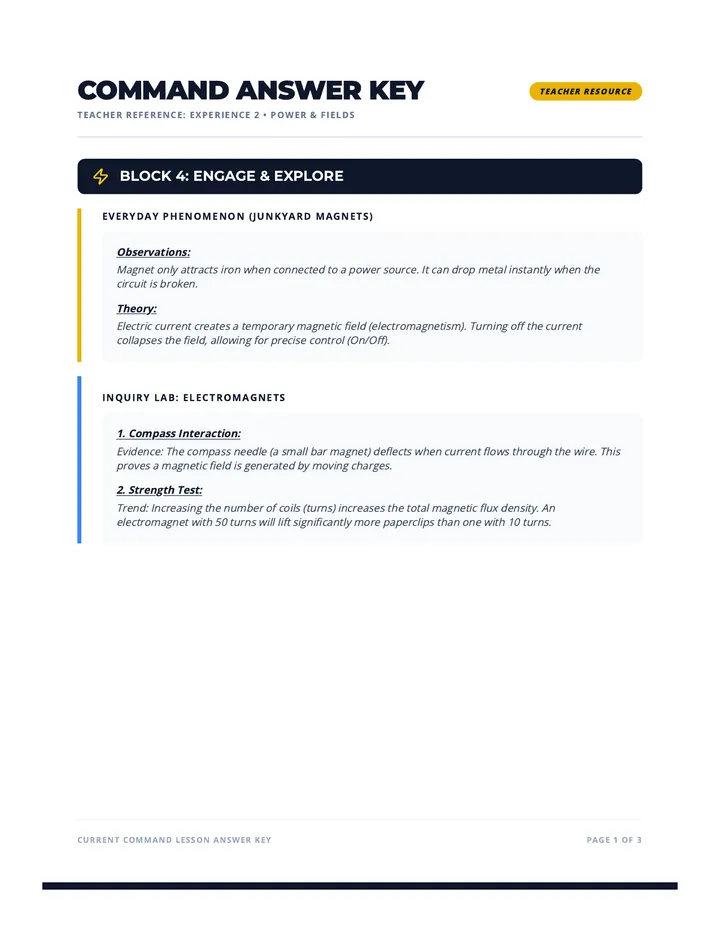
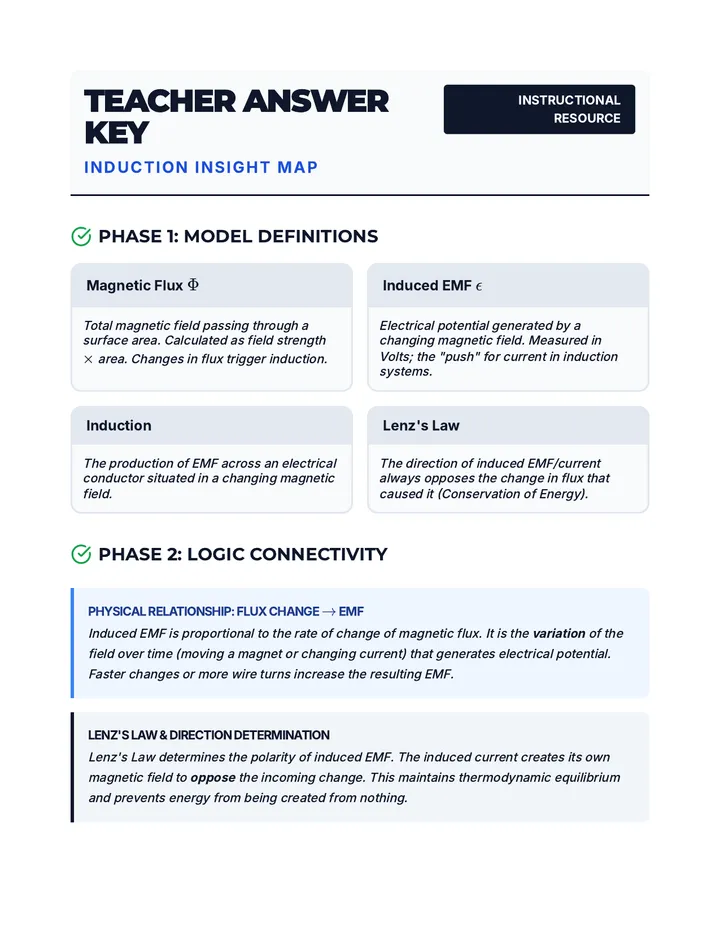
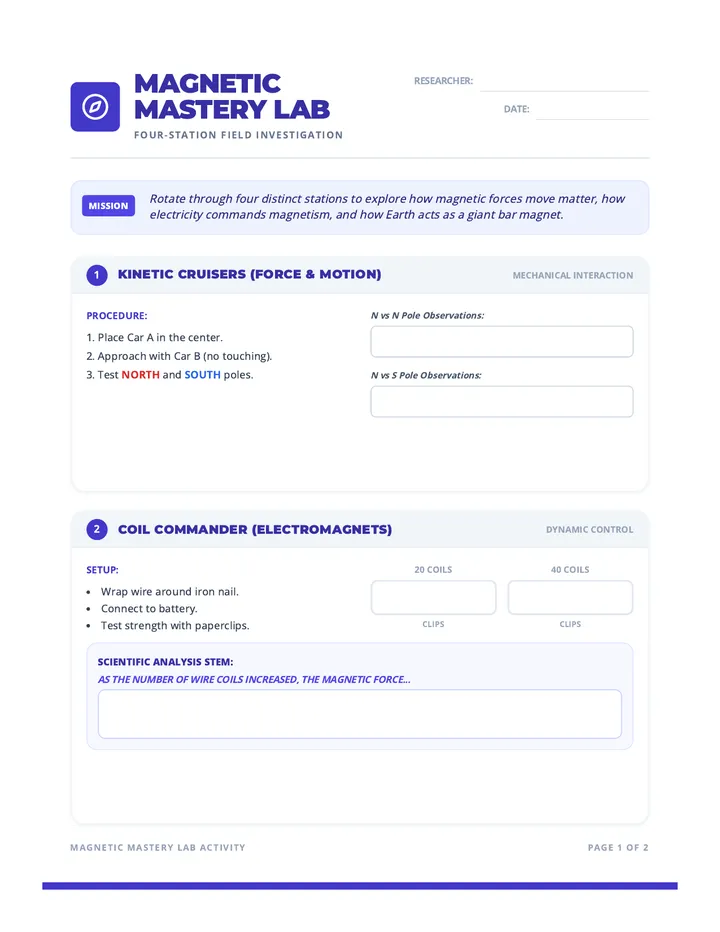
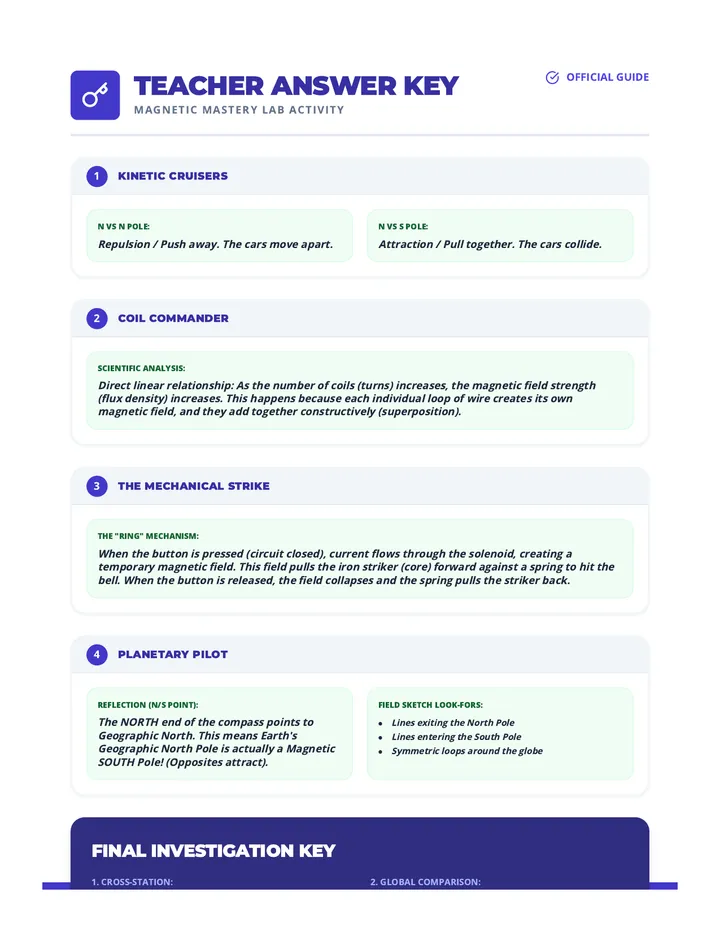
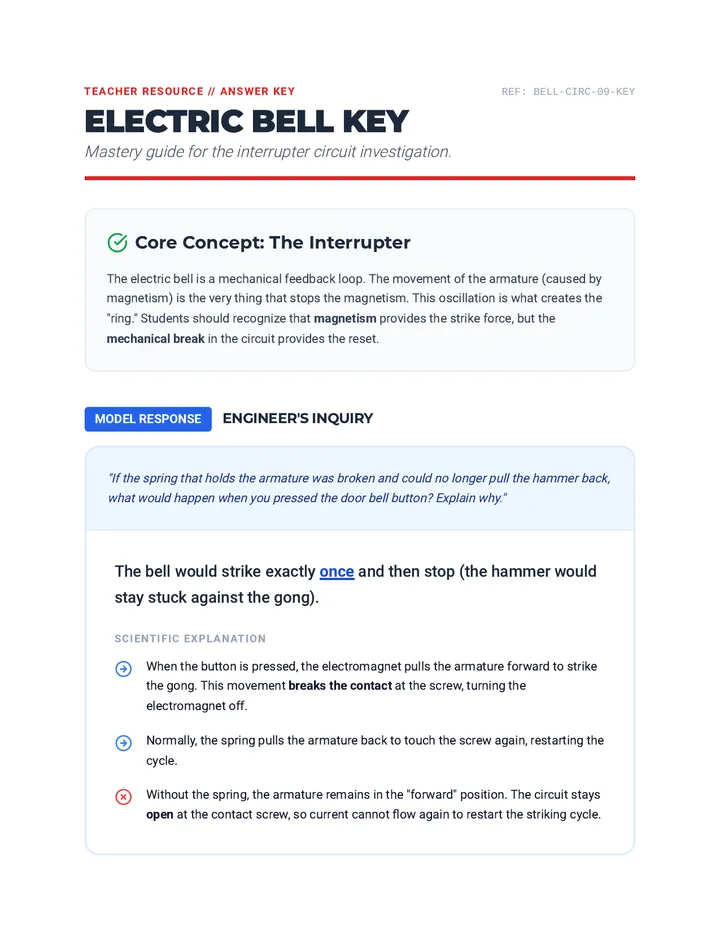
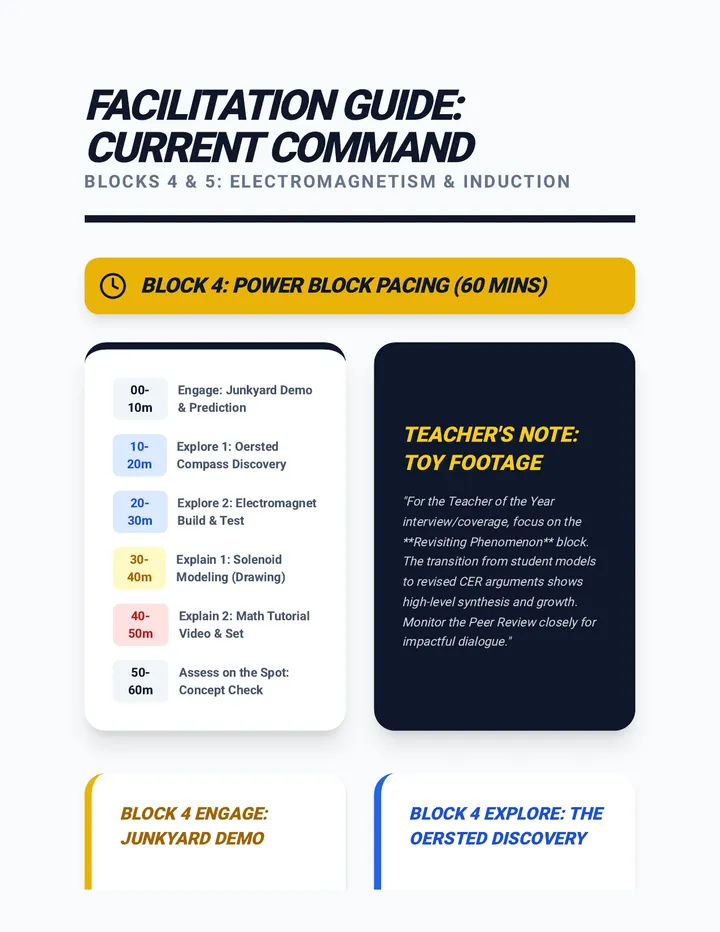
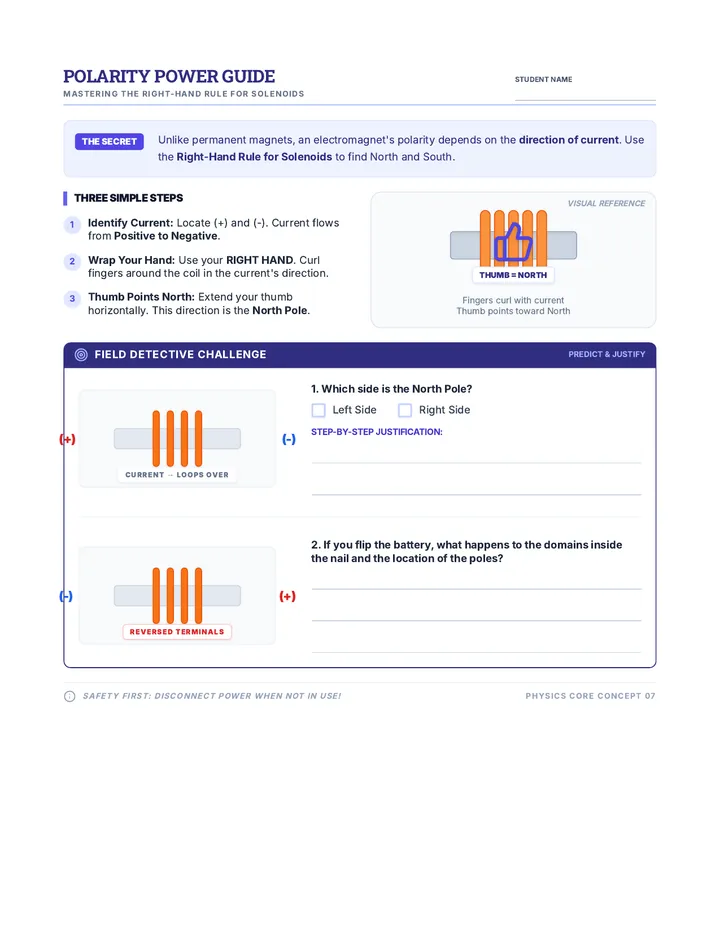
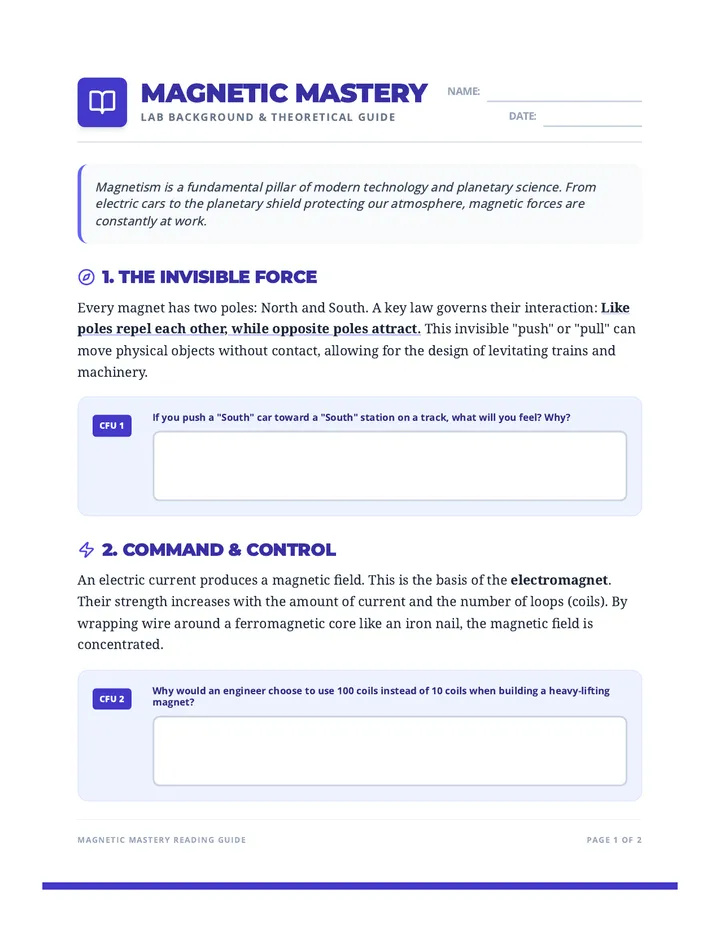
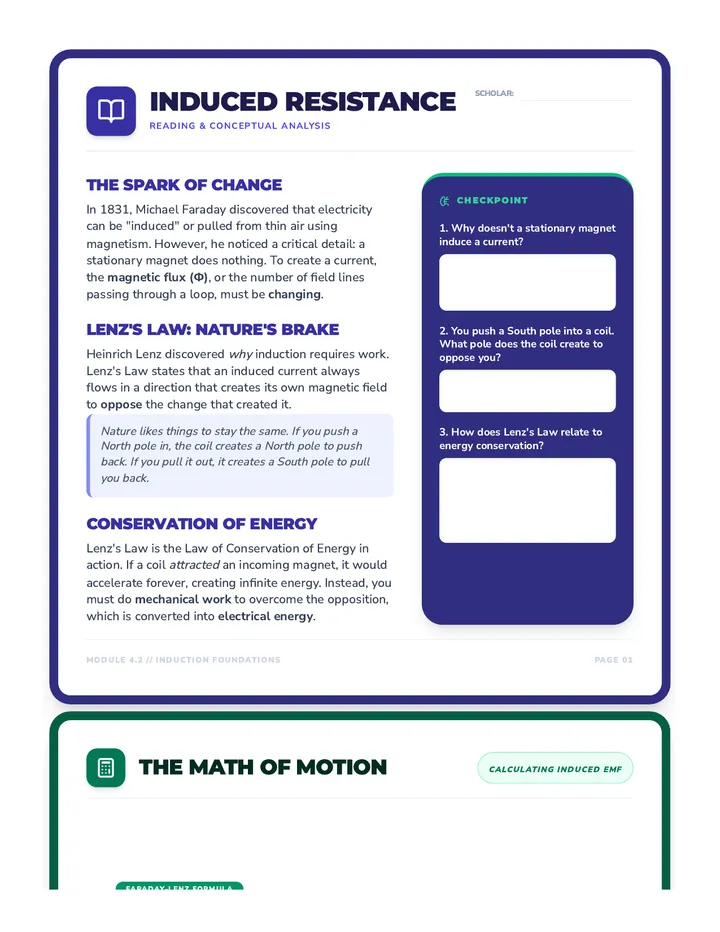
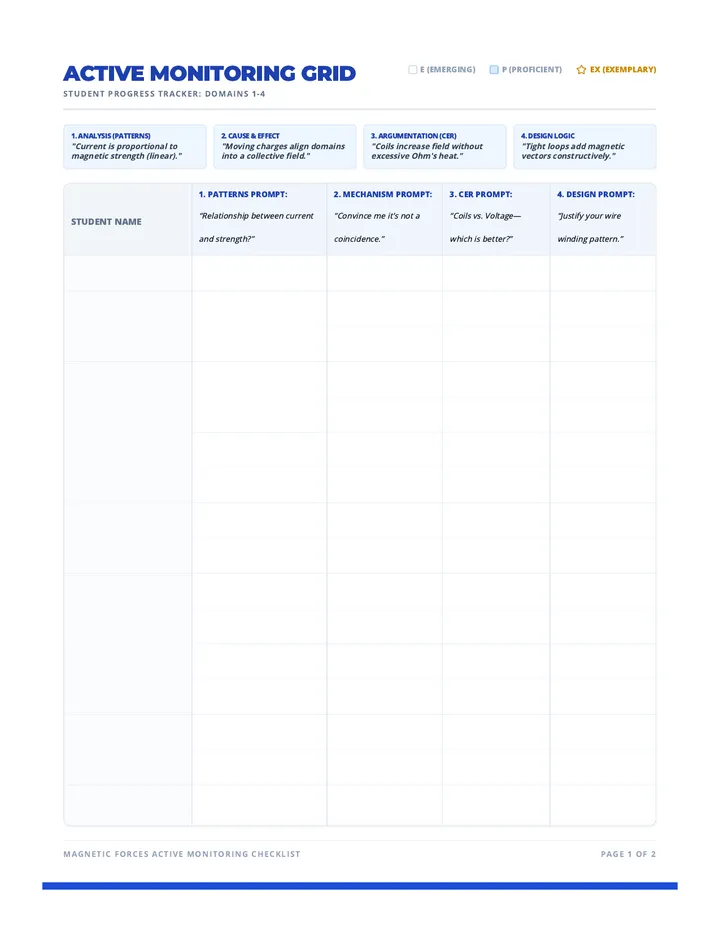
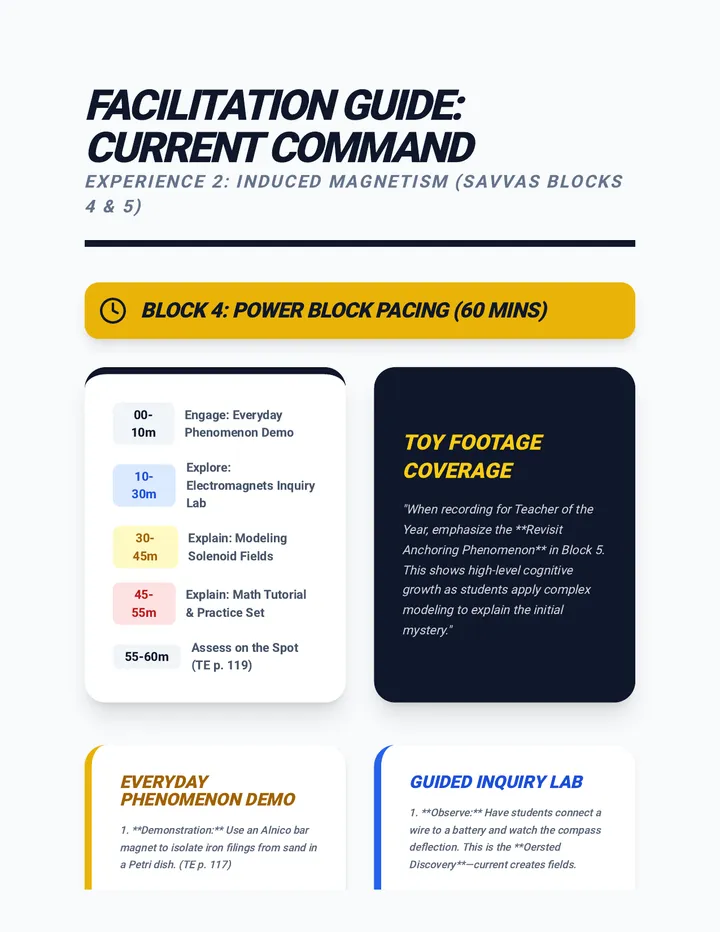
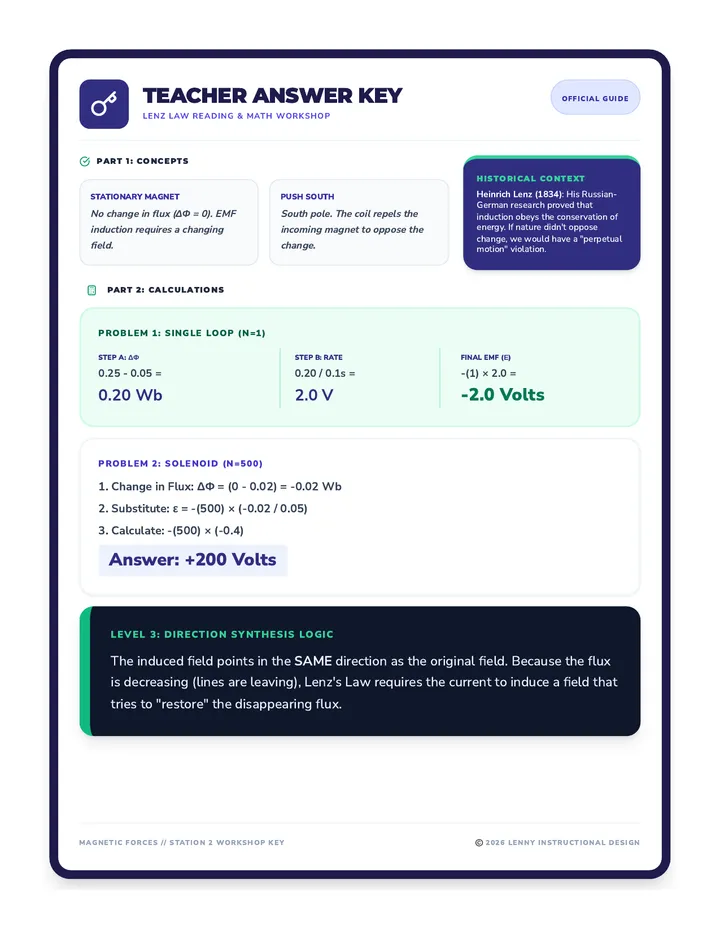
A 5-day intensive exploration of magnetic forces and fields, focusing on atomic-level causes, field interactions, and mathematical modeling of forces on charged particles. Students progress from anchoring phenomena to complex mathematical applications and a comprehensive unit review.
A five-day high school chemistry unit exploring thermochemistry, collision theory, enthalpy diagrams, and calorimetry through the lens of body heat and chemical reactions. Students investigate the anchoring phenomenon of exercise-induced heat while mastering TEKS C.13 standards.
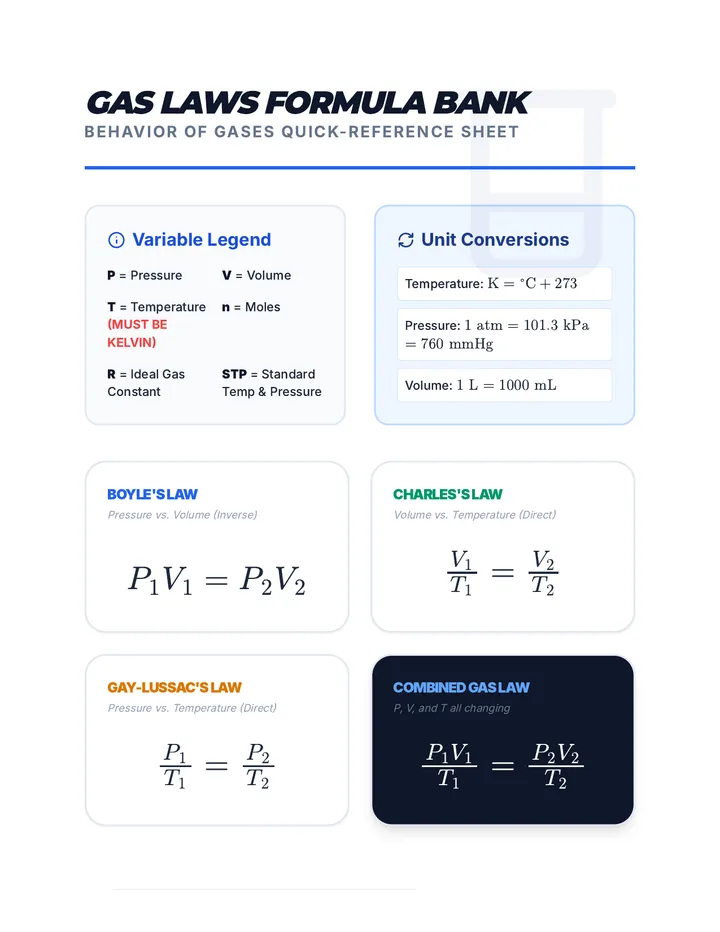
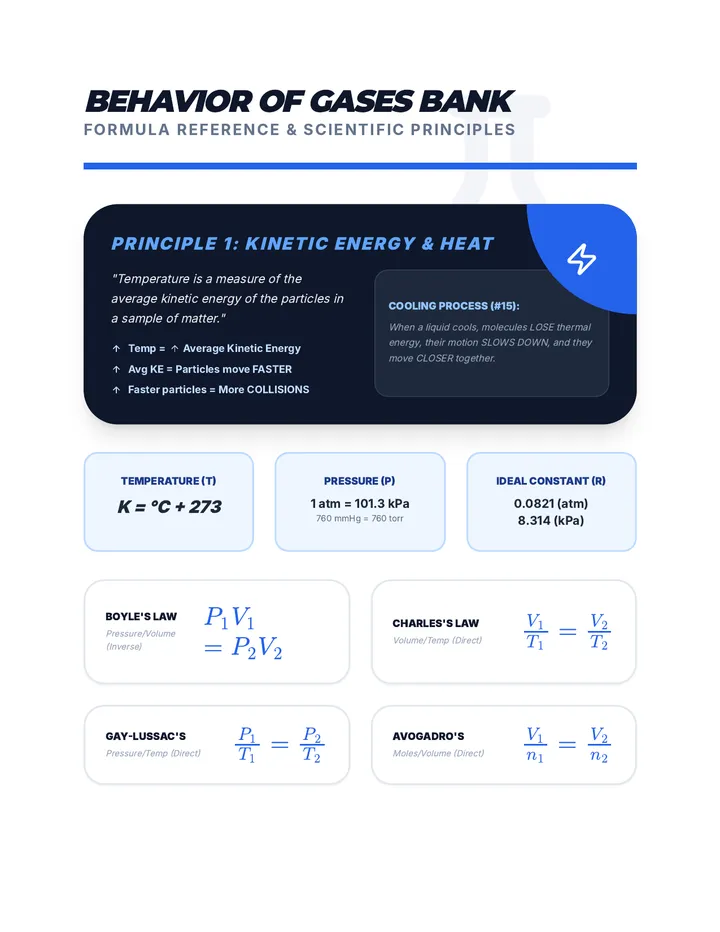
A comprehensive 5-day chemistry unit investigating the relationships between gas pressure, volume, temperature, and moles using lab inquiries, mathematical modeling, and real-world applications.
A 10-day exploration of the Behavior of Gases using Kinetic Molecular Theory, various gas laws, and real-world phenomena to understand gas behavior at both molecular and macroscopic scales. Students will investigate compressibility, gas variables, ideal behavior, and mixtures.
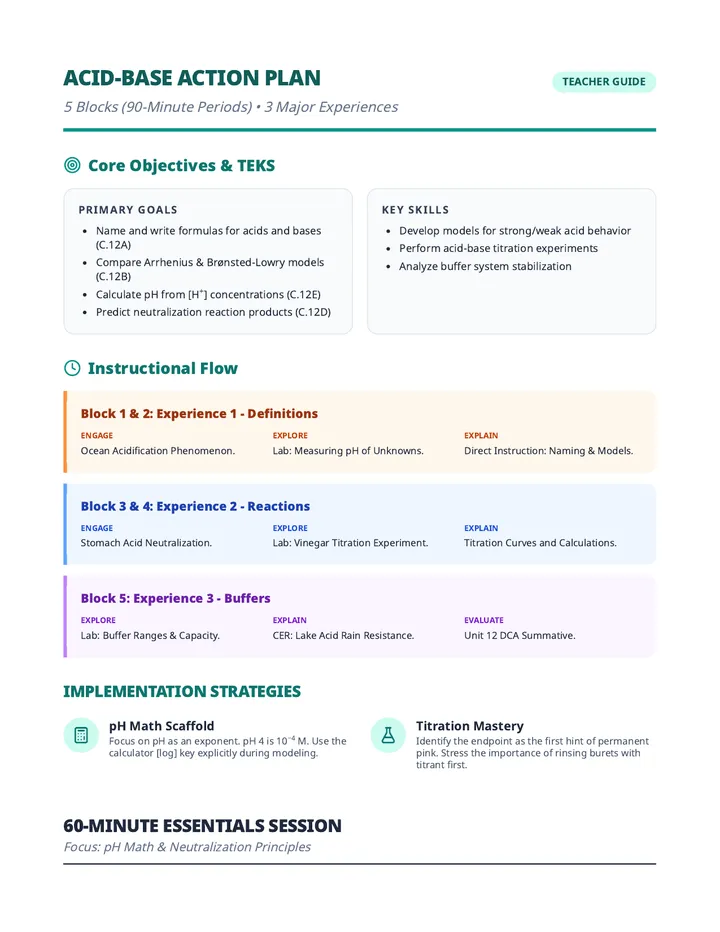
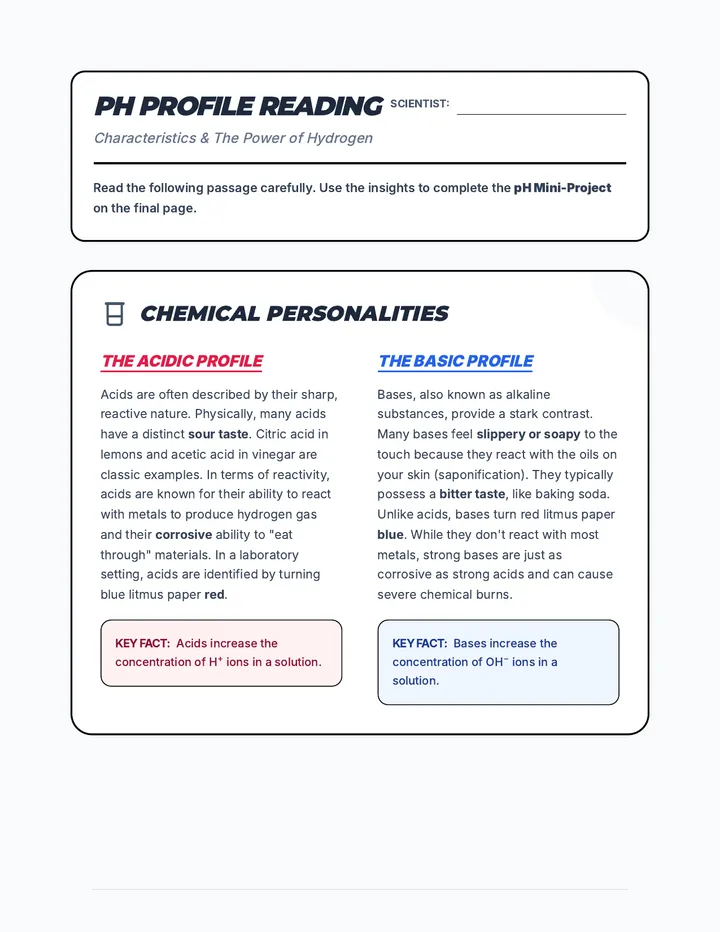
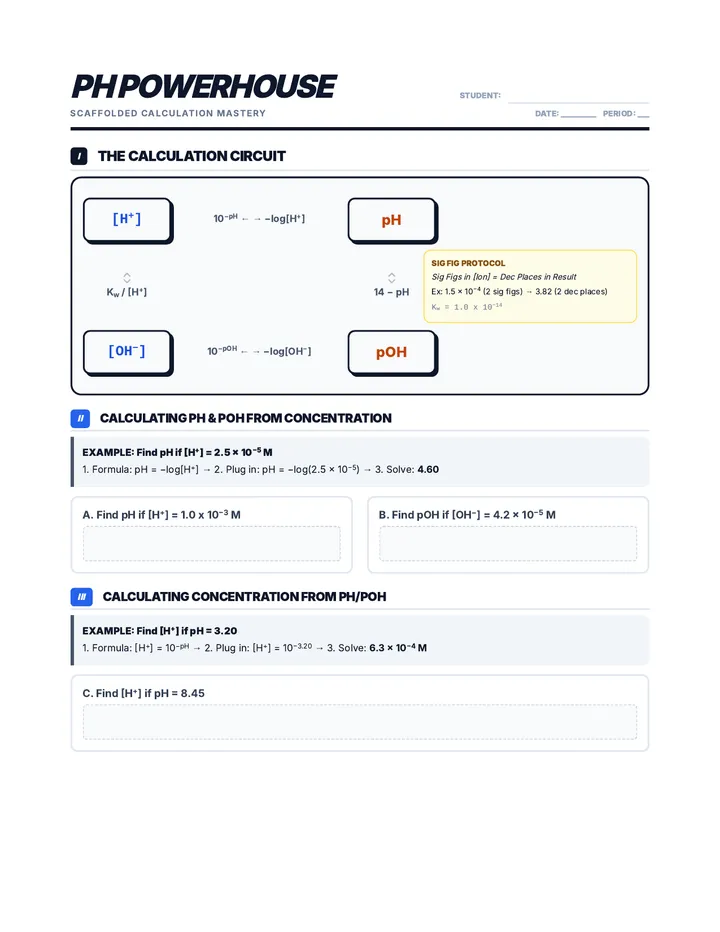
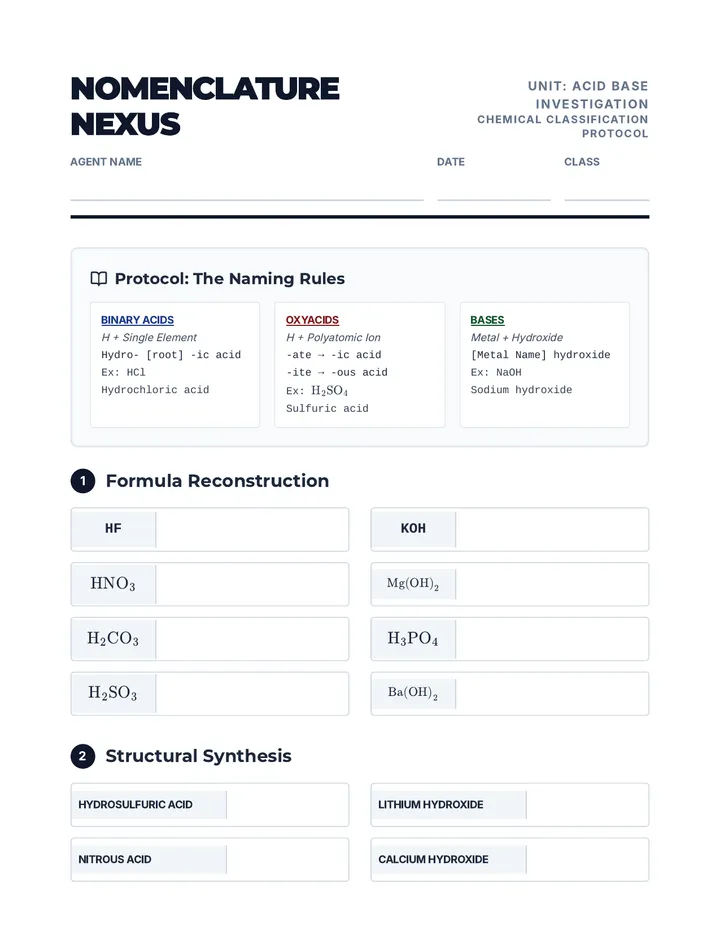
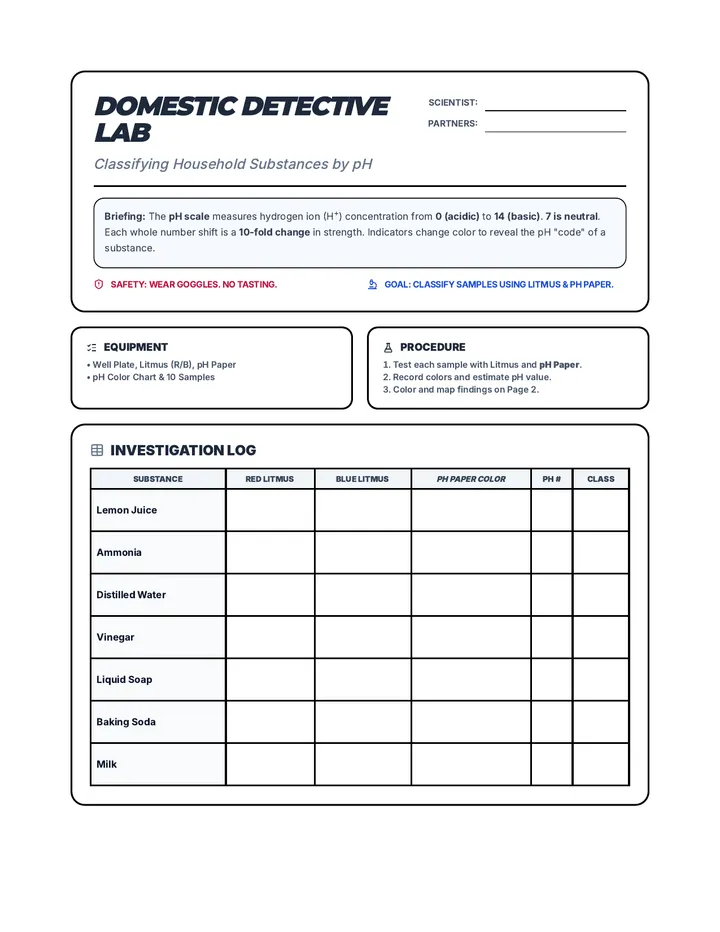
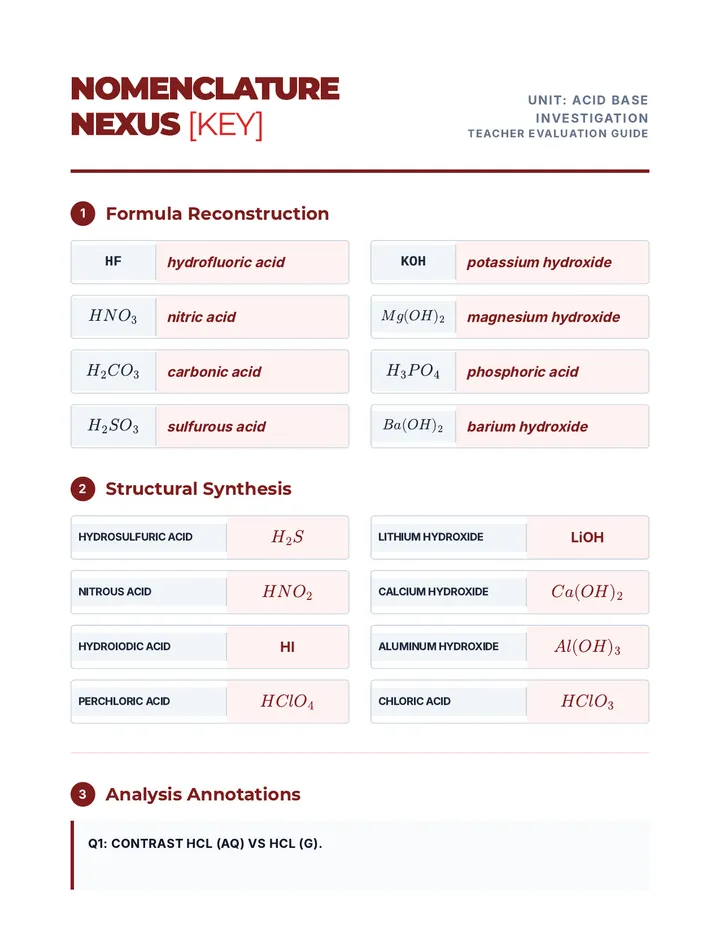
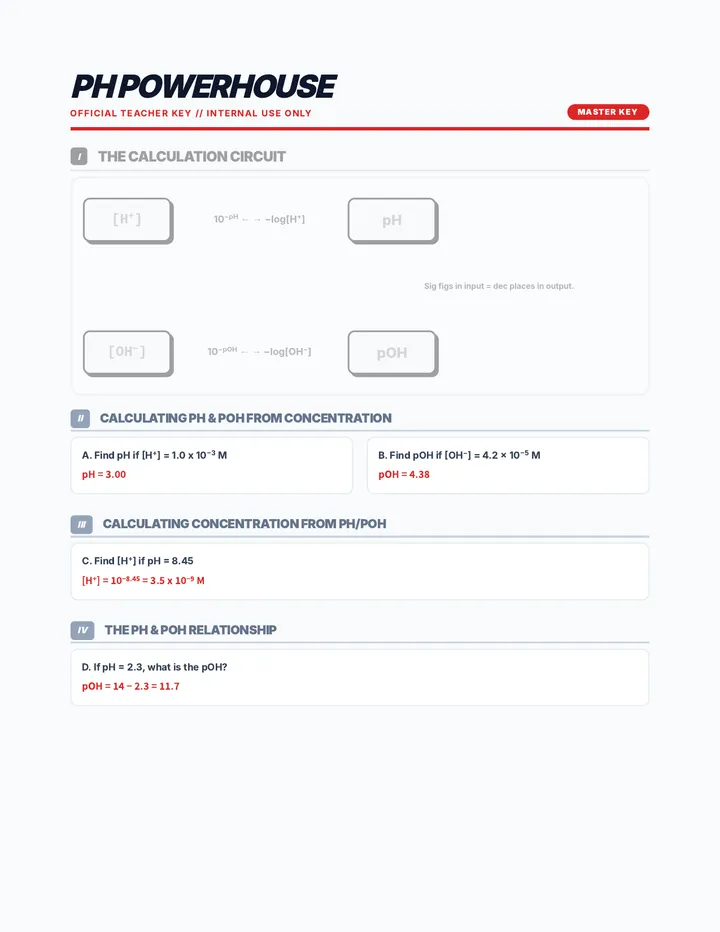
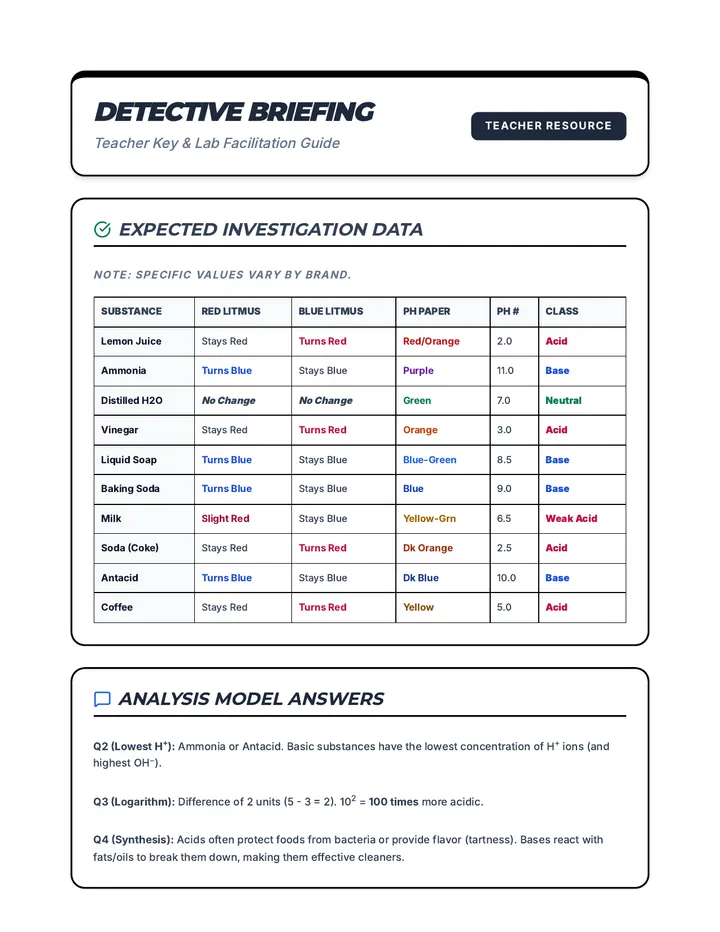
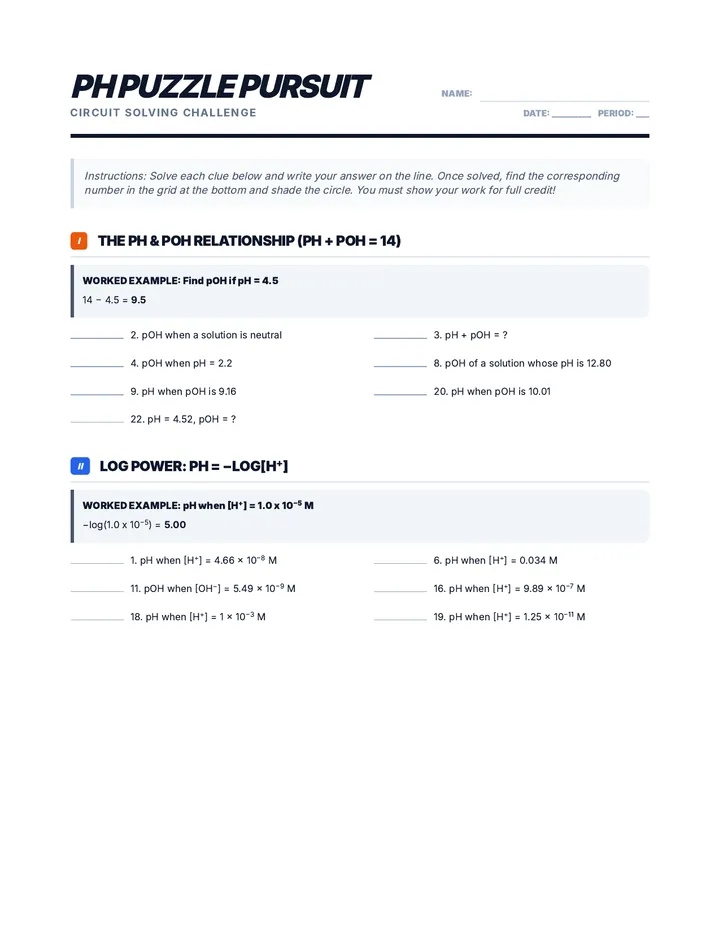
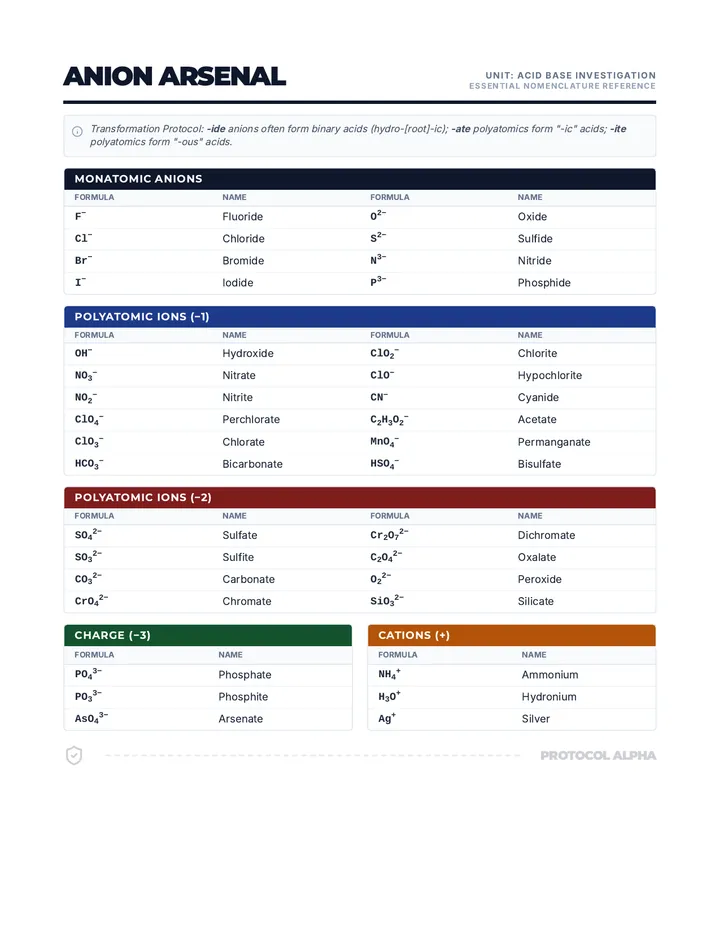
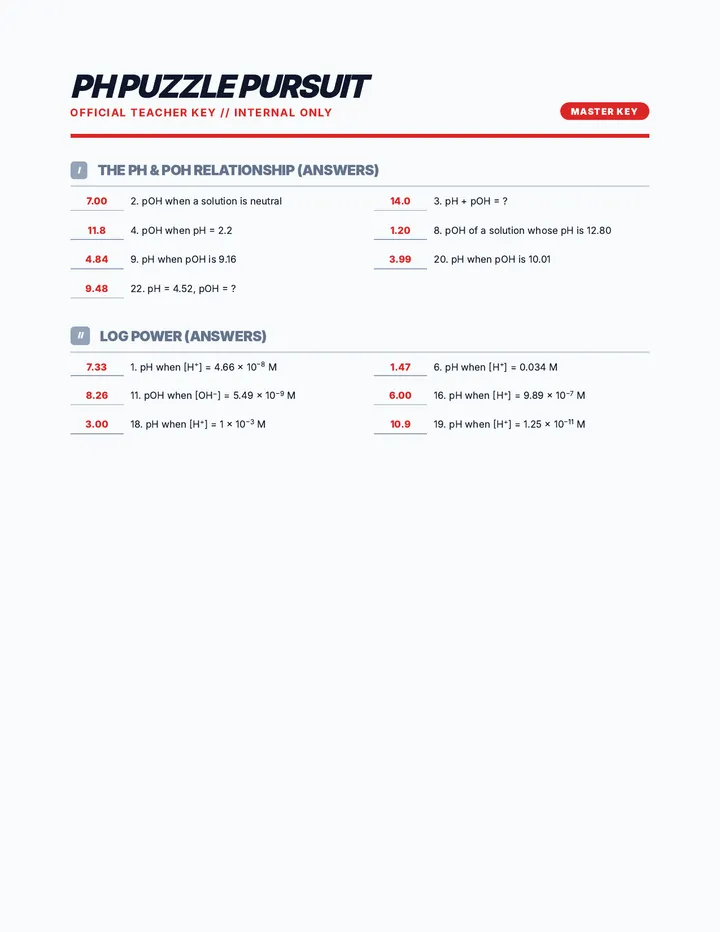
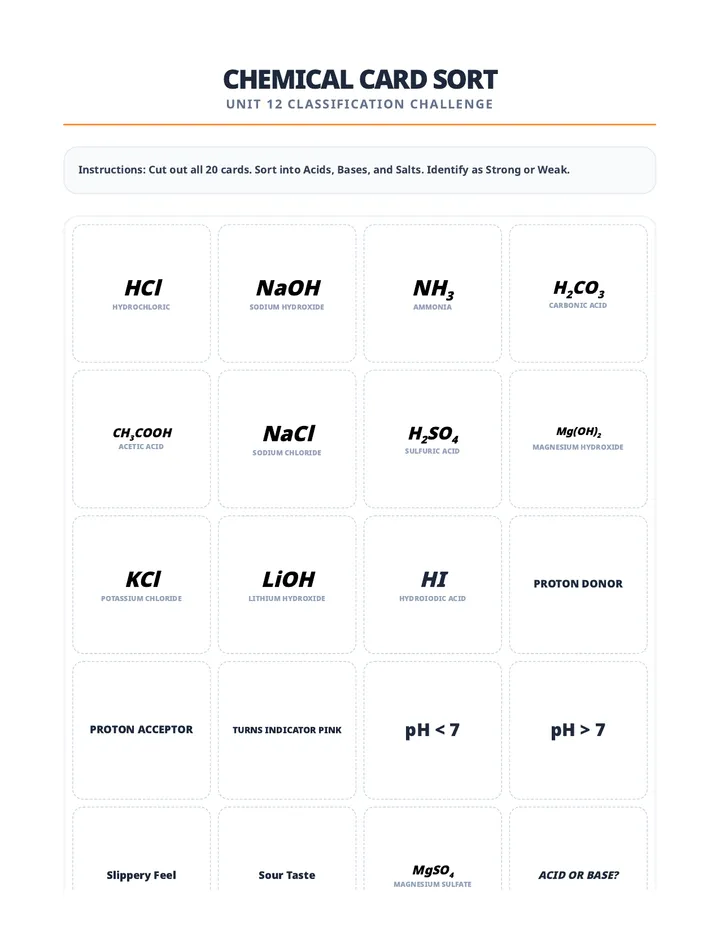
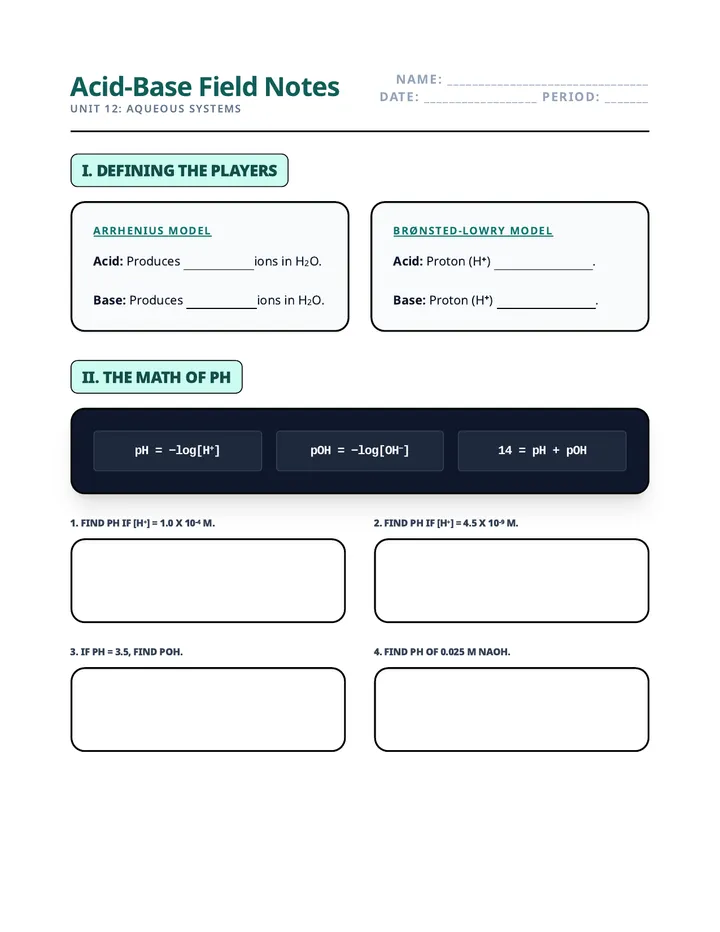
A comprehensive unit exploring the properties, reactions, and mathematical relationships of acids and bases, featuring pH calculations, titrations, and buffer systems.
A comprehensive end-of-year review for 5th Grade NGSS science standards, organized by domain to ensure mastery of physical, life, and Earth sciences.
A Grade 5 PBL sequence focused on the hydrosphere and human impact, partnered with Zoo New England. Students investigate the connection between the particulate nature of matter and the survival of fostered endangered turtles in the Nashoba Brook Watershed.
A unit focused on the quantitative relationships in chemical reactions, covering everything from basic molar mass to complex limiting reactant and percent yield calculations.
A comprehensive review of introductory chemistry lab concepts, including safety, measurement, atomic structure, bonding, and chemical reactions, based on midterm exam objectives.
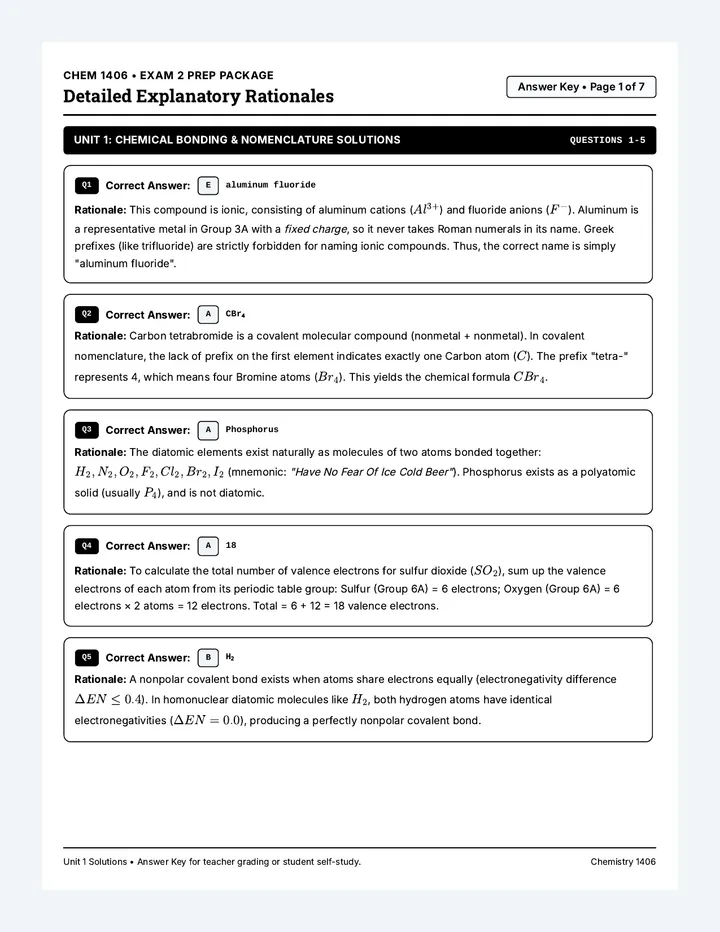
A comprehensive review package for CHEM 1406, featuring in-depth study guides for key topics and a full practice exam with detailed solutions.
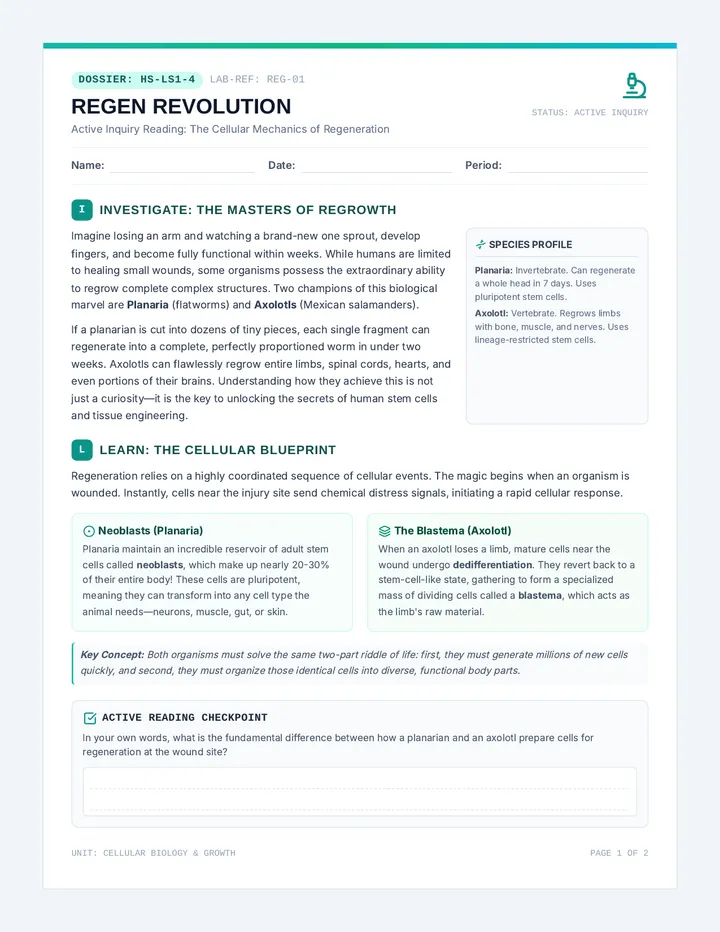
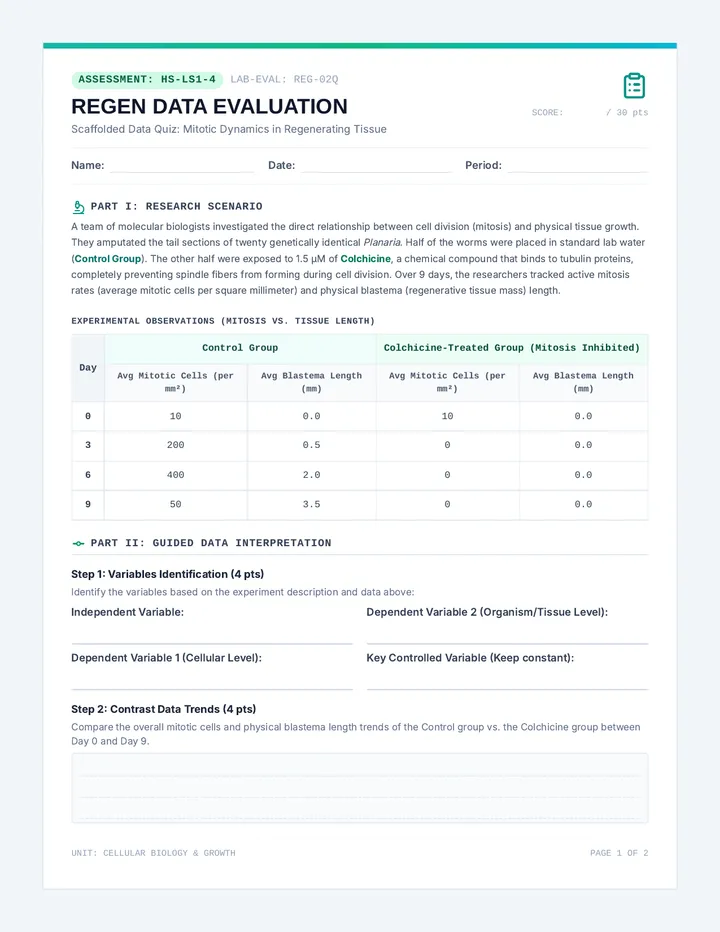
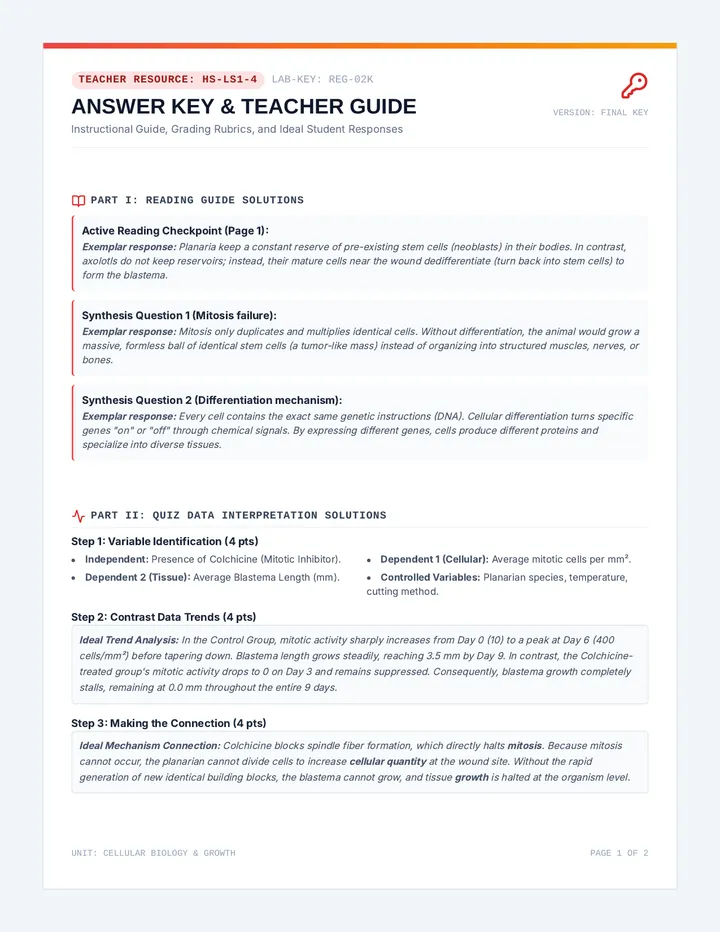
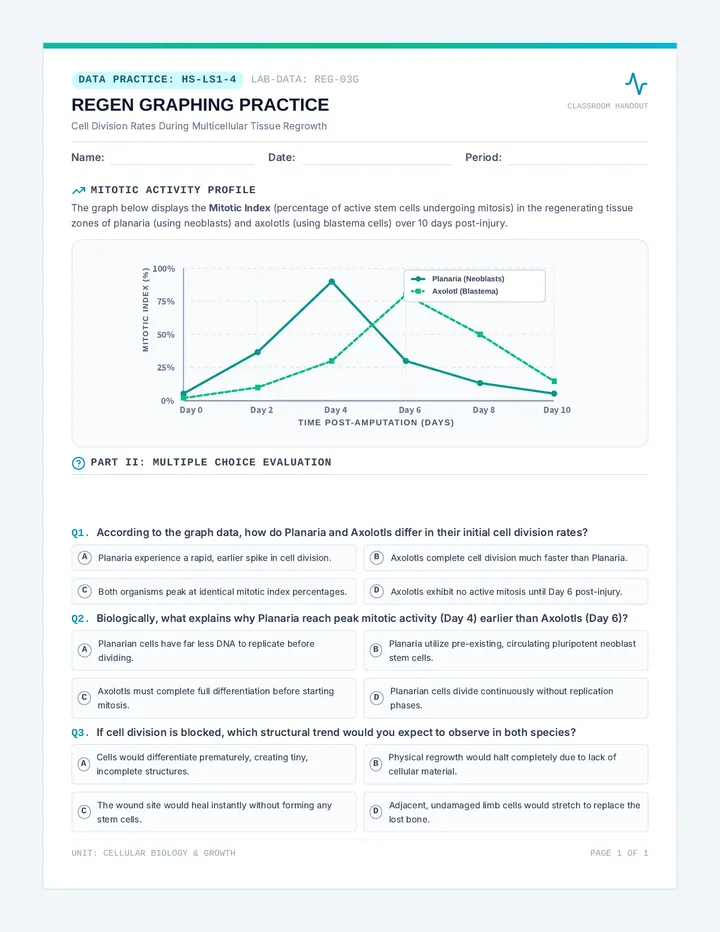
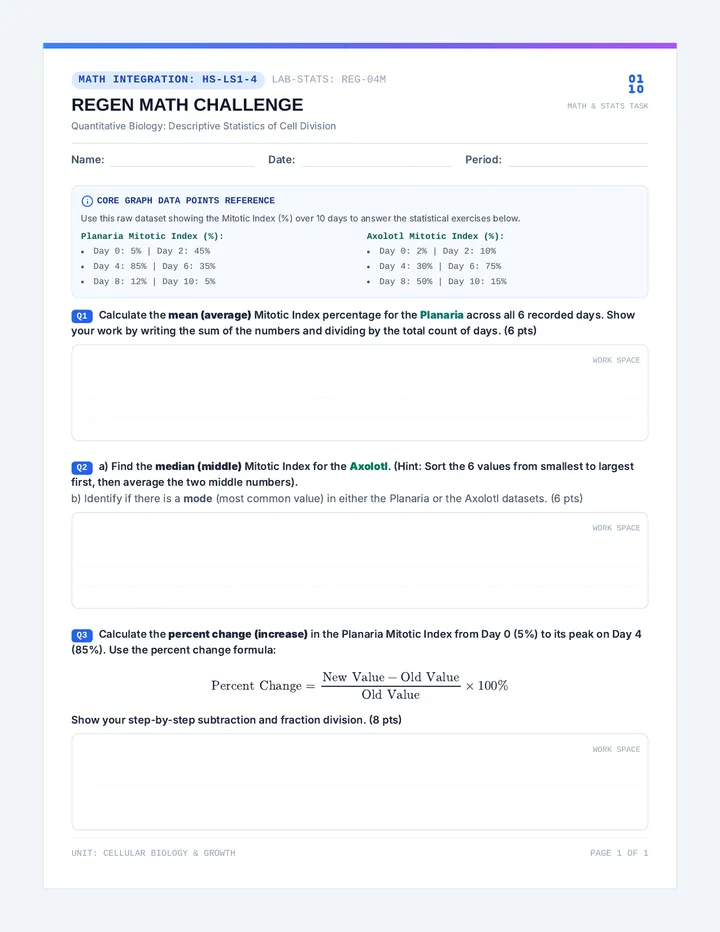
An instructional sequence exploring cellular growth, cell division, and cellular energetics. Students investigate multicellular regrowth and regeneration (HS-LS1-4) and model the transformation of solar energy into chemical energy via photosynthesis (HS-LS1-5).
A comprehensive review of foundational chemistry concepts including atomic structure, periodic trends, chemical bonding, and stoichiometry to prepare students for midterm assessments.
A lesson focusing on the states of matter (solid, liquid, gas) and the behavior of particles at the molecular level. Students will model particle motion and arrangement, as well as the energy changes that drive phase transitions.
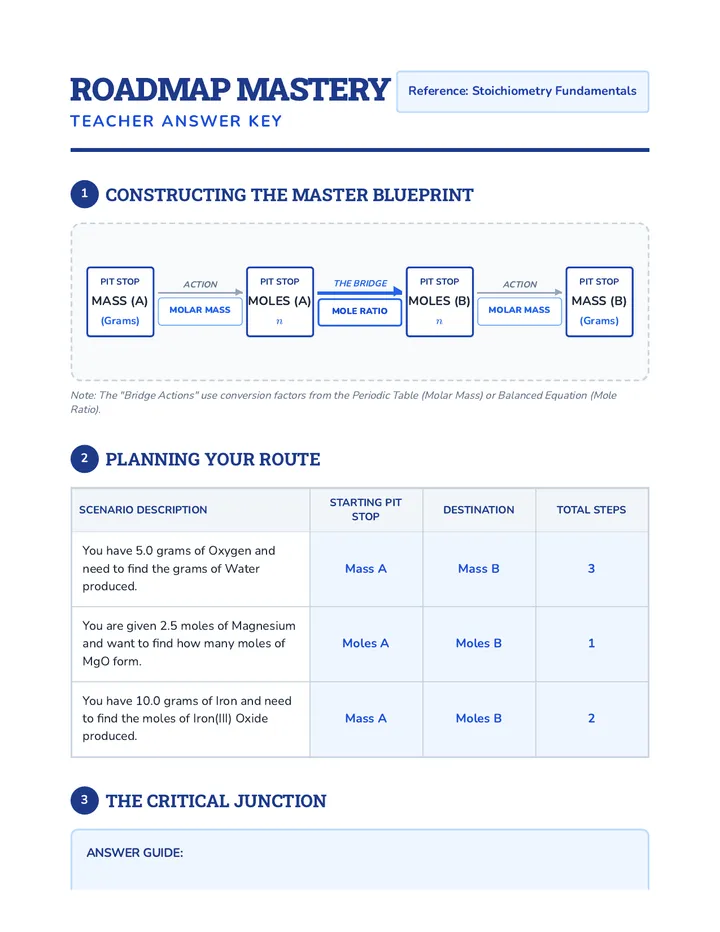
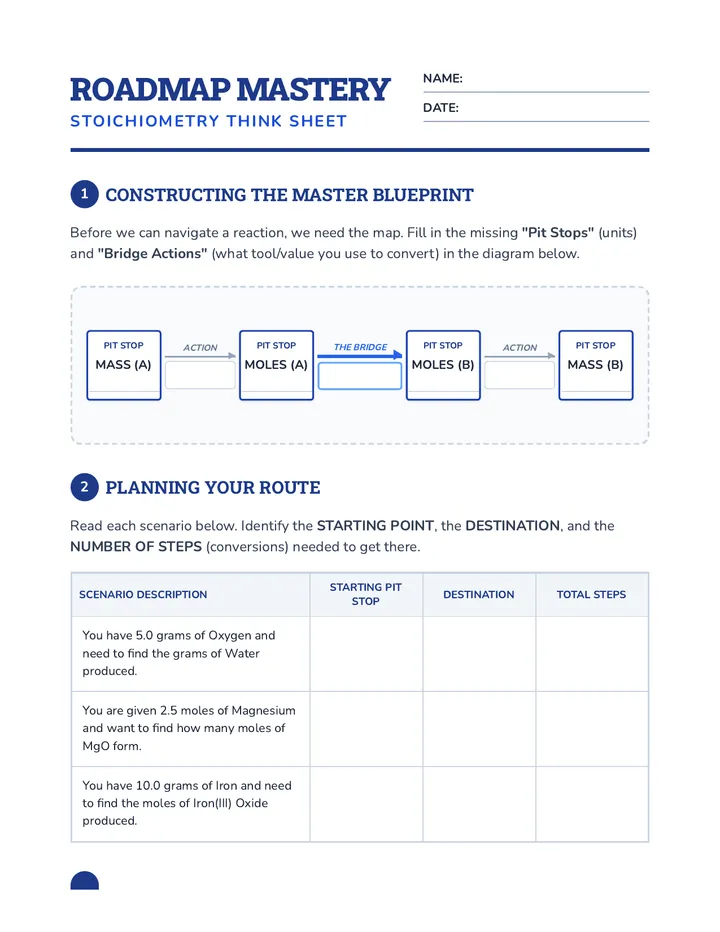
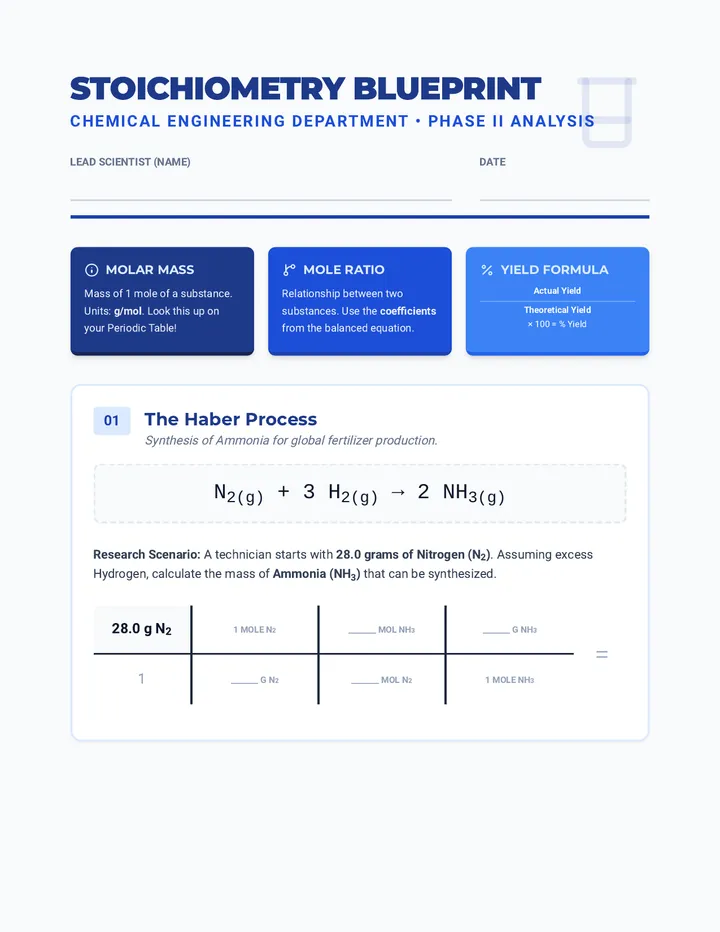
A comprehensive lesson on mastering the stoichiometry roadmap, covering mole-to-mole conversions, mass-to-mass calculations, limiting reactants, and percent yield through visual slides and interactive sorting activities.
A lesson focused on calculating solution concentration using molarity, including necessary unit conversions for mass and volume.
A comprehensive introduction to the mole concept and molar mass, covering Avogadro's number and basic mass-to-mole conversions.
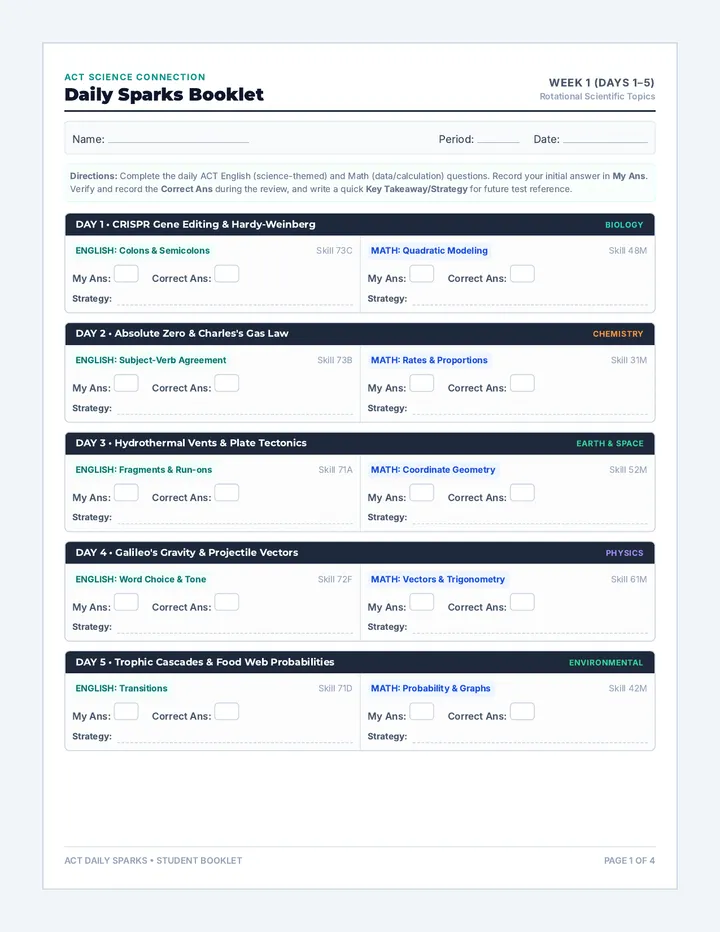
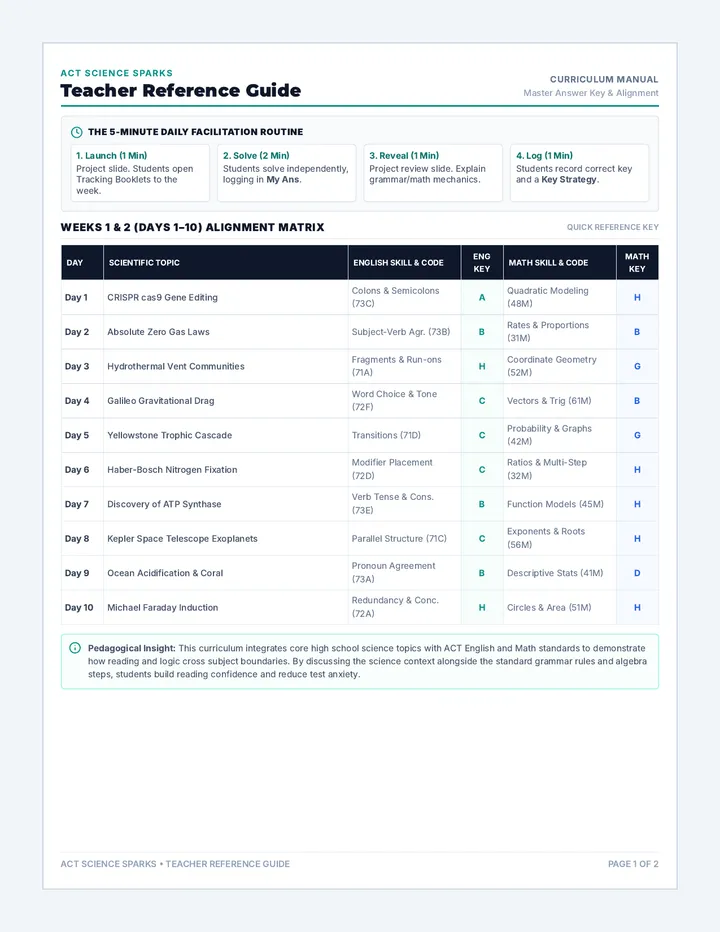
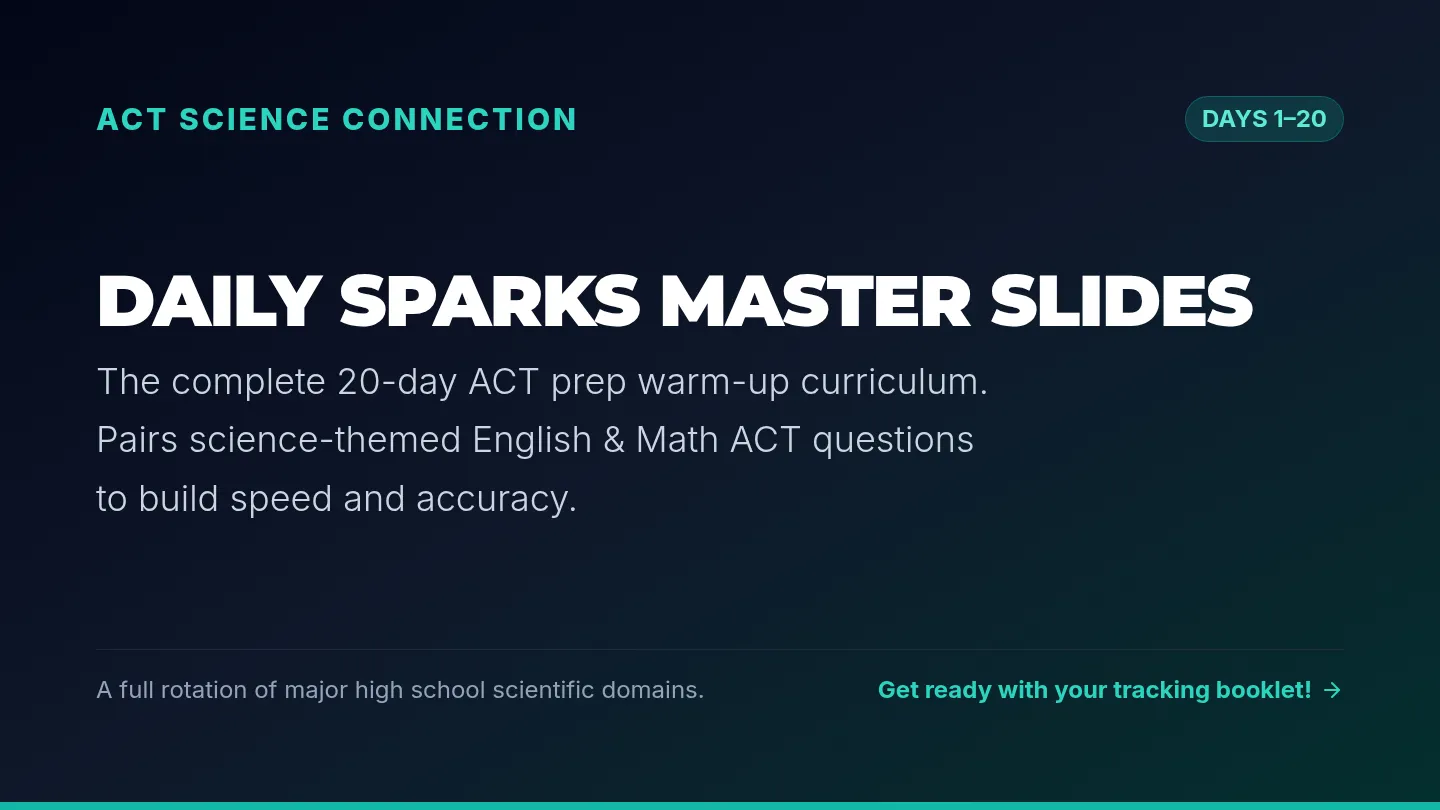
A comprehensive 20-day ACT prep warm-up curriculum designed for science classrooms. Features daily pairings of science-themed English and Math ACT questions, complete with student tracking worksheets and a detailed teacher reference guide.
An AP Chemistry lesson exploring solubility rules, net ionic equations, particulate representations, and the mathematical link to Ksp and equilibrium shifts. Students engage with interactive station-based task cards simulating real laboratory precipitates.
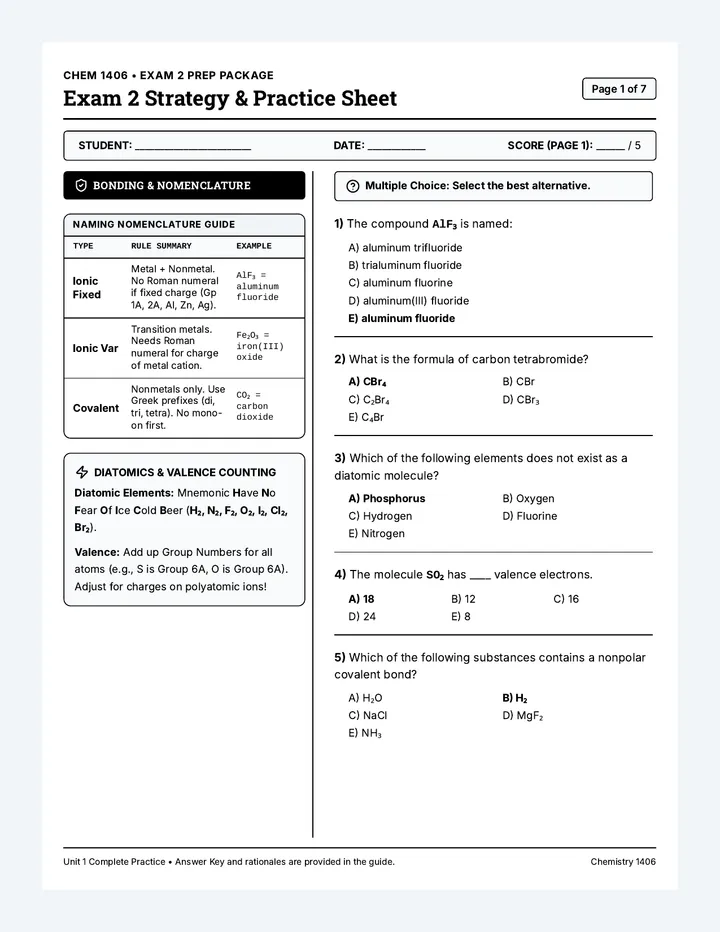
A comprehensive study and practice package for Chemistry 1406 Exam 2. It contains a highly structured, side-by-side strategy guide paired with a 30-question practice exam, and a matching detailed answer key with step-by-step rationales.
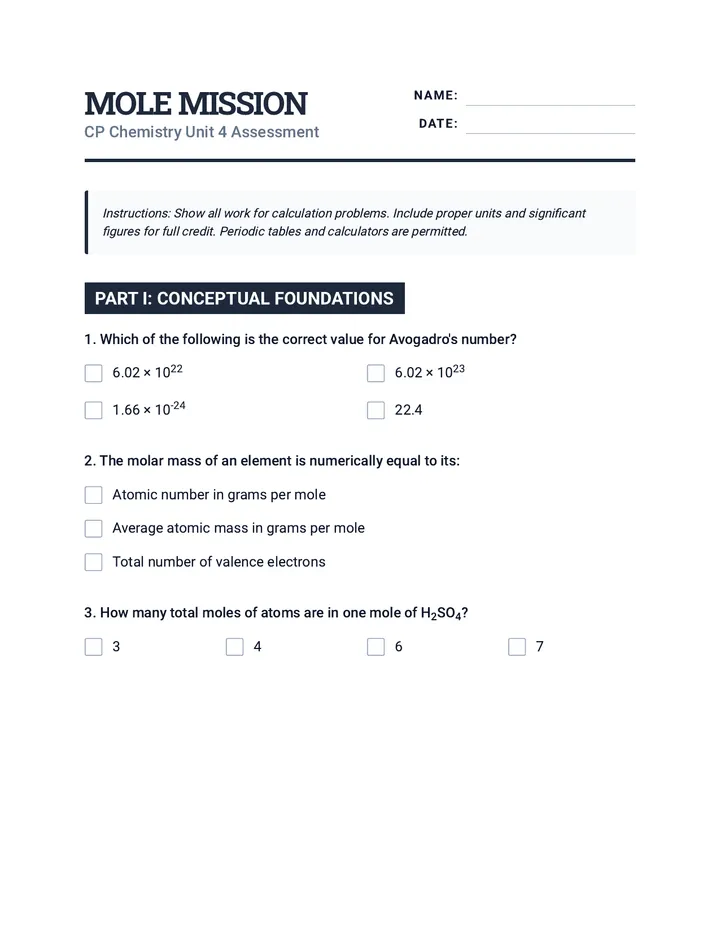
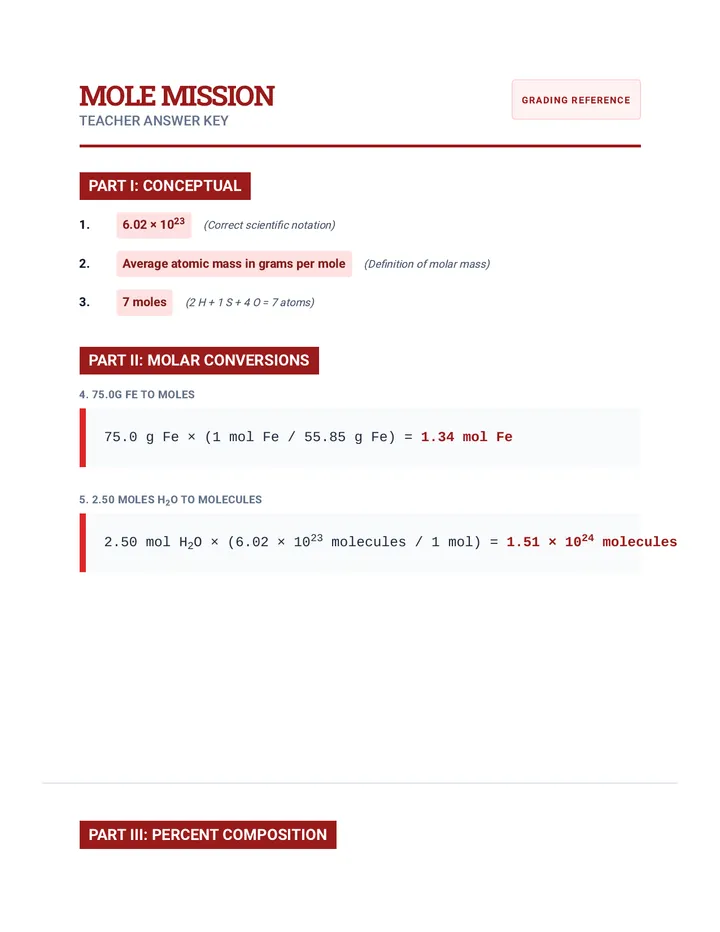
A comprehensive assessment and review package covering chemical quantities, molar conversions, and stoichiometric calculations for CP Chemistry.
A comprehensive lesson on stoichiometry covering mass conservation, molar conversions, and reaction yields. Includes a visual cheat sheet and a mastery assessment.
A comprehensive lesson on advanced stoichiometry, focusing on limiting reactants and percent yield using scaffolded dimensional analysis grids.
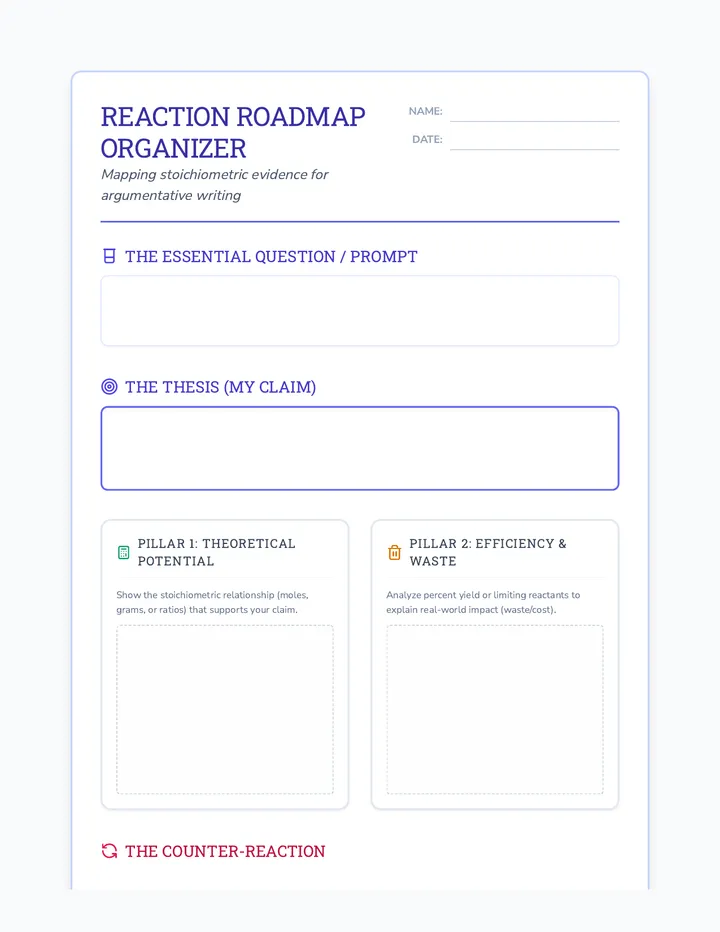
A lesson exploring the intersection of stoichiometry and ethics, where students use chemical calculations to argue for or against specific industrial processes or environmental policies.
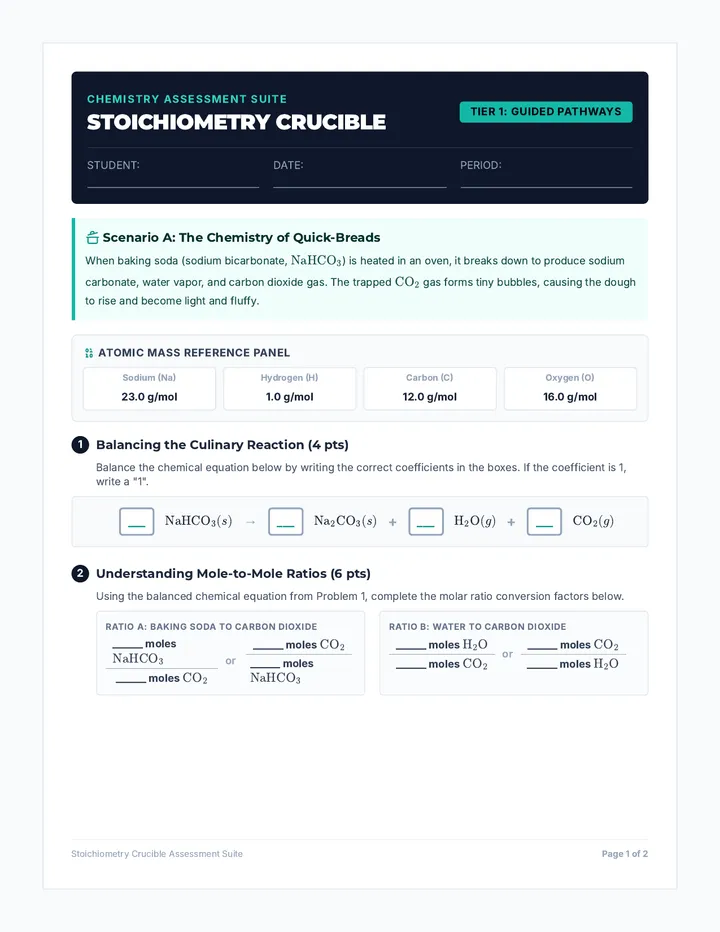
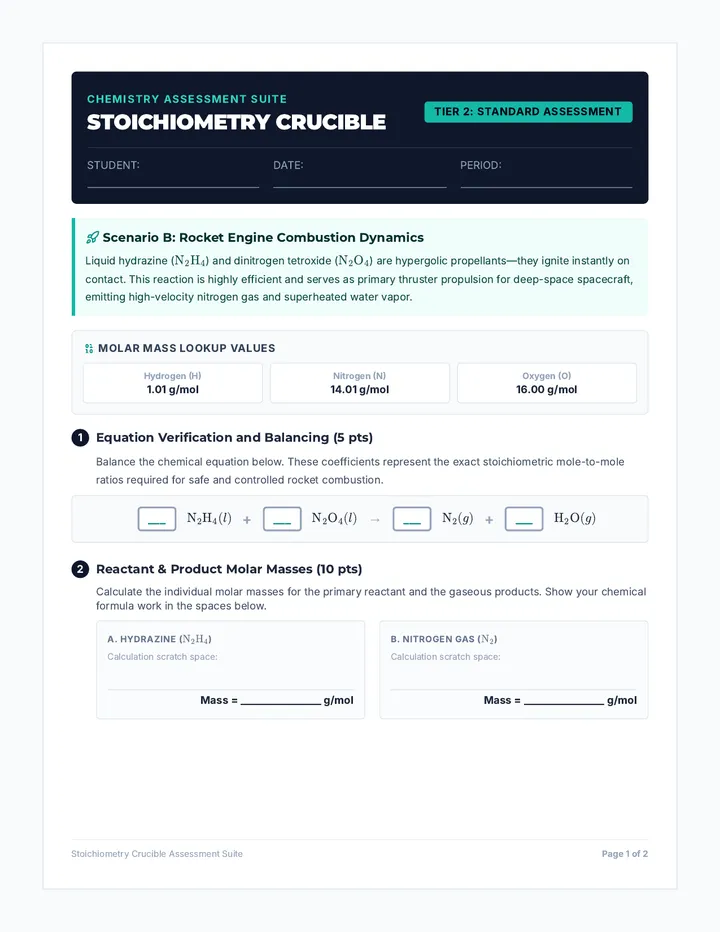
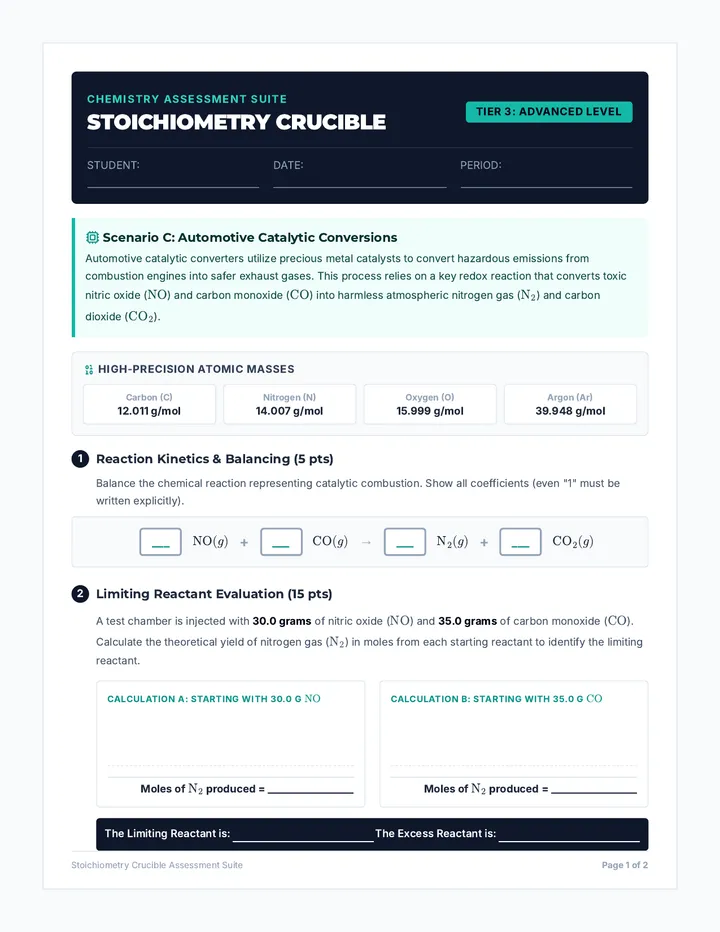
A differentiated stoichiometry assessment suite tiered by mathematical complexity, visual scaffolding, and conceptual depth. Features three distinct, parallel versions of a 2-page quiz centered around unique real-world chemistry applications.