Lenny.com
Explore
Create
ActivitiesNewMathEnglish Language ArtsScience & EngineeringSocial StudiesGlobal LanguagesHealth & Physical EducationSpecial EducationCounseling & Life SkillsArts & CreativityESL
Lenny.com
Lenny.com
Explore
Create
ActivitiesNewMathEnglish Language ArtsScience & EngineeringSocial StudiesGlobal LanguagesHealth & Physical EducationSpecial EducationCounseling & Life SkillsArts & CreativityESL
Lenny.com
Lenny.com

Solutions

Lenny for EducatorsLenny for SchoolsLenny for Districts

Product

ExploreSign inCreateSupportAbout

Resources

Getting startedMTSS Acceleration Program

© 2026 Lenny Learning Inc.

TermsPrivacyAccessibility
LinkedInInstagramX
Lenny
Science & EngineeringLife ScienceLiving ThingsAnimalsPlantsBody SystemsTraitsAdaptationsCellsEcosystemsHeredityGenes to TraitsCell DivisionPhysicsComparing MaterialsShapes and PropertiesMagnetsMagnetismLightSoundLight and SoundMatterStates of MatterChanges of StateMixturesPhysical and Chemical ChangeHeating and CoolingHeat and Thermal EnergyEnergyForce and MotionElectrical CircuitsAtoms and MoleculesPeriodic TableMotion in One DimensionMotion in Two DimensionsScalars and VectorsForces and Laws of MotionCircular Motion and GravityMomentum and ImpulseWork, Energy, and PowerWavesElectromagnetic WavesGeometric OpticsElectricity and MagnetismSimple Harmonic MotionThermodynamicsNuclear PhysicsEarth Science & AstronomyWeatherWater CycleRocks and MineralsFossilsEarth's FeaturesEarth's ResourcesEarth's StructureWeather and ClimateEarth EventsFossils and Geologic TimePlate TectonicsHuman ImpactsAstronomyChemistryUnits and MeasurementAtomic StructurePeriodic TrendsChemical BondingNomenclatureMolecular StructureIntermolecular ForcesThe MoleStoichiometryProperties of GasesSolutionsChemical ReactionsBalancing EquationsEnergy ChangesRates of ReactionsEquilibriumAcids and BasesQuantum ModelBiologyClassificationCell StructureThe Chemistry of LifeBiomoleculesCellular TransportCell EnergyCell Growth and DivisionDNAProtein SynthesisMeiosis and Sexual ReproductionPatterns of InheritanceMulticellular OrganismsEvolutionEcologyBiodiversityComputer ScienceAlgorithms and Computational ThinkingProgramming LanguagesComputing SystemsNetworks and InternetData AnalysisCybersecurityAI and Machine LearningSoftware Design and DevelopmentBlockchainEngineering & AIDesigning ExperimentsEngineering PracticesDesign ThinkingEngineering Design ProcessMechanical EngineeringElectrical EngineeringMaterials and StructuresCAD and 3D DesignRoboticsArtificial Intelligence BasicsVibe CodingMachine LearningAI Ethics and SocietySystems ThinkingEntrepreneurship & InnovationEntrepreneurial MindsetBusiness Idea DevelopmentBusiness Plan BasicsMarketing & Customer DiscoveryFinancial Management for Startups

Shop Safety Protocols

A foundational shop safety unit for automotive technology students focusing on personal protective equipment, chemical hazard communication, GHS warning labels, safety data sheets, and emergency shop procedures.

MMManuel Morales

Shop Safety Protocols

A foundational shop safety unit for automotive technology students focusing on personal protective equipment, chemical hazard communication, GHS warning labels, safety data sheets, and emergency shop procedures.

MMManuel Morales
Bench Grinder / Wire WheelANSI Safety Glasses + Full Face Shield, Hearing Protection, Safety Boots (NO loose gloves)High-velocity flying metal wires & sparks. Loose gloves create entangling danger.
Under-Vehicle Exhaust WorkANSI Safety Glasses with Side Shields, Mechanics Work Gloves, Safety BootsFalling rust particles into eyes, sharp exhaust edges, heavy metal drop hazard.

Auto Technology Self-Guided Study Resource © Automotive Department Page 1 of 2

Section 2: SDS Anatomy & Emergency Standard Operating Procedures

Essential Protocol Guidelines for Safe Automotive Bay Operations

Procedures & SOP

4. The 16-Section SDS: Critical Sections for Techs

Section 2 Hazard Identification

Lists GHS pictograms, signal words (Danger/Warning), and hazard statements.

Section 4 First-Aid Measures

Details immediate rescue steps for eye contact, skin contact, ingestion, inhalation.

Section 6 Accidental Release

Spill containment steps, absorbent material guidelines, cleanup PPE.

Section 8 Exposure & PPE

OSHA permissible exposure limits (PEL) & mandatory personal protective equipment.

5. Shop Floor Emergency Action Protocols

Eye Wash Station Protocol

  • Time: Flush eyes continuously for a minimum of 15 full minutes.
  • Technique: Hold eyelids wide open using thumbs and fingers to ensure water reaches behind eyelids.
  • Assistance: Shout for shop instructor immediately; do not rub eyes.

Fire Extinguisher P.A.S.S. Method

P - PULL: Pull safety locking pin.

A - AIM: Aim nozzle at base of fire.

S - SQUEEZE: Squeeze operating lever.

S - SWEEP: Sweep side-to-side at base.

Class B fires (liquids/grease) and Class C (electrical) are most common in auto bays.

Chemical & Fluid Spill Response

  1. Warn: Alert nearby techs immediately to prevent slip and fall.
  2. Contain: Surround puddle with clay absorbent (oil dry) or spill socks.
  3. Absorb & Sweep: Allow soak-in, then sweep with shop broom into dedicated oily waste can.

Hydraulic Vehicle Lift Emergency

  1. Kill Power: Immediately strike the Red Emergency Stop (E-Stop) button or main electrical disconnect switch.
  2. Lockout/Tagout (LOTO): Tag the lift out of service; never allow anyone beneath an unverified load.
  3. Notify: Inform shop instructor immediately for certified mechanical inspection.

The Auto Technician's Golden Safety Rule

"Safety glasses are worn 100% of the time inside the shop yellow lines. Never remove eye protection until you have exited the shop floor. When in doubt on any procedure, STOP and ask the instructor."

Auto Technology Self-Guided Study Resource © Automotive Department Page 2 of 2

Section 6

Accidental Release

Spill cleanup procedures, proper containment materials, and environmental safeguards.

Section 8

Exposure & PPE Controls

Mandatory personal protective equipment, ventilation ratings, and OSHA exposure limits.

The SDS binder is located at the shop entrance and is accessible to all technicians 24/7.


05 Vehicle Lift & Heavy Tool Protocols

Mechanical Safety

1

Lift Point Positioning

Always position lift pads strictly on manufacturer-specified vehicle lifting points.

2

The "Shake" Test

Raise the vehicle 6 inches off ground; firmly shake from the top of a tire to confirm stable balance before going high.

3

Lower Onto Mechanical Locks

Never work under a vehicle supported only by hydraulic pressure. Always lower onto safety teeth locks!

Emergency Lift Malfunction: Hit the Red E-Stop or Main Breaker Disconnect immediately! Never stand beneath the vehicle.


06 Emergency Response Protocols

Immediate Life Safety

Eye Wash Station

  • Flush continuously for 15 minutes.
  • Hold eyelids open with fingers.
  • Alert shop instructor immediately.

P.A.S.S. Method

P - Pull pin

A - Aim base

S - Squeeze lever

S - Sweep base

Spill Response: Alert technicians, contain with absorbent clay, sweep into oily waste container.


Technician Safety Action Plan

Ready to complete your assignment

Step 1

Review Guide

Use your Shop Safety Reference Guide to verify GHS pictograms, SDS sections, and PPE rules.

Step 2

Complete Packet

Fill out all sections on your Shop Safety Protocol Worksheet accurately and thoroughly.

Step 3

Sign Pledge

Sign the technician safety pledge to confirm your commitment to safe shop bay operations.

"Safety is not just a rule—it's how professionals work." Auto Tech Department

✓
—
✓ (Leather)
✓
Falling rust particles & heavy pipes

Auto Tech Safety Assessment Scoring Guide Page 1 of 2

Section 2: Scenario Analysis & Emergency Protocols (30 Pts)

Criteria for Scenario Assessment & Emergency Action Plans

Section 2 Solutions

4

Part 4: Scenario Responses (15 Pts - 7.5 pts each)

Scenario A: ATF Fluid Spill

1. Identified Hazard & Risk:

Severe slip and fall hazard for technicians carrying tools/parts; slipping on slick oil causes back/head injuries.

2. Immediate Corrective Action:

Block walkway / notify techs, apply clay absorbent (oil dry), allow absorption, and sweep into oily waste can immediately.

Scenario B: Lift Control Stuck

1. Primary Emergency Device:

Hit the Red Emergency Stop (E-Stop) push-button or main electrical disconnect switch on the bay wall immediately.

2. Post-Incident Lockout Step:

Apply Lockout/Tagout (LOTO) padlock and tag to main breaker; notify shop instructor; do not use until inspected.

5

Part 5: Emergency Equipment Protocol Solutions (15 Pts)

Eye Wash Station

  • Flush Time: Minimum 15 continuous minutes.
  • Technician Action: Hold eyelids wide open with fingers so water flows behind eyelids; roll eyes in all directions.

Fire Extinguisher P.A.S.S.

P: Pull safety pin

A: Aim at base of fire

S: Squeeze lever

S: Sweep side-to-side

First Aid: Severe Laceration

  1. Apply direct firm pressure with sterile gauze/clean cloth; elevate wound above heart level.
  2. Alert instructor immediately and call emergency services if bleeding is arterial/uncontrolled.

Evacuation Routes

To guarantee rapid, unhindered exit in a fire or smoke emergency and ensure emergency responders have immediate stretcher/equipment access.

Grading Scale & Safety Mastery Gate

100% Mastery: Permitted to begin vehicle lab work immediately.

85%–99%: Retest required on incorrect sections before tool checkout.

< 85%: Full study guide review and re-examination mandatory.

Auto Tech Safety Assessment Scoring Guide Page 2 of 2

You might also like

Helix Studio Slides

Candy Code Sequence

A multi-day competency-based biology sequence exploring DNA architecture, complementary base pairing, and semi-conservative replication through tactile candy modeling and evidence-based assessment.

TM

Teri Minami

6
Switch Mastery Slides

Switch Craft

A comprehensive adult learning unit exploring residential light switch wiring, circuit topology, and household electrical safety. Adult learners master single-pole and three-way switch mechanics, terminal identification, wire color standards, and strict zero-energy verification protocols.

JW

J Watson

5
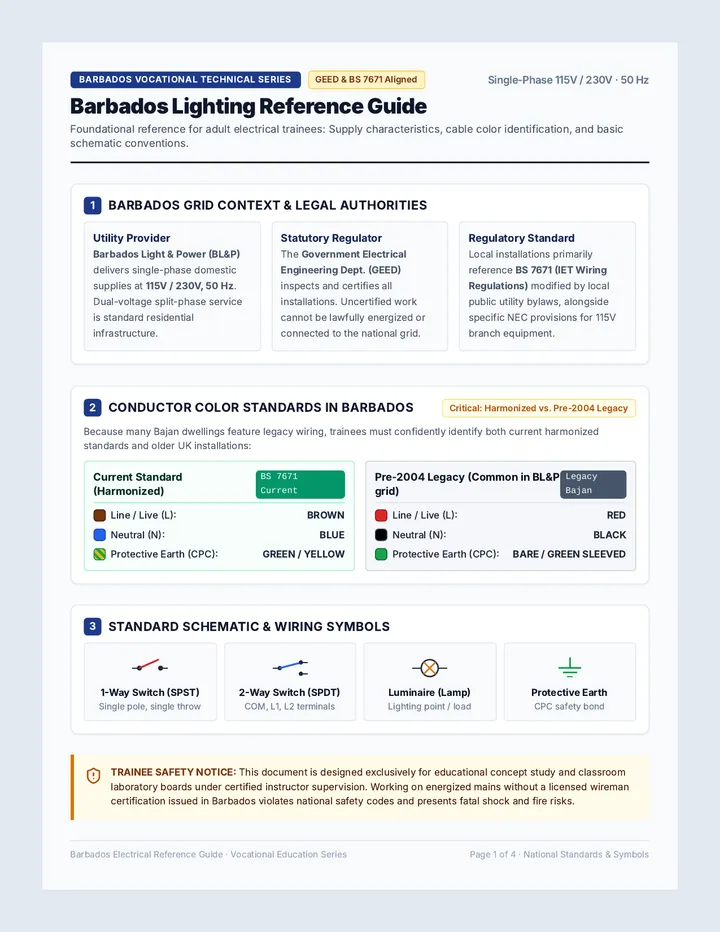
Barbados Lighting Reference Guide

Barbados Lighting Reference Guide

A comprehensive, four-page technical reference guide for adult electrical learners in Barbados. It covers national electrical standards under GEED and BL&P, conductor color codes, detailed schematic diagrams for single-switch and two-way lighting circuits, and the mandatory five-step safe isolation procedure.

JW

J Watson

Helix Studio Slides

Candy Code Sequence

A multi-day competency-based biology sequence exploring DNA architecture, complementary base pairing, and semi-conservative replication through tactile candy modeling and evidence-based assessment.

TM

Teri Minami

4
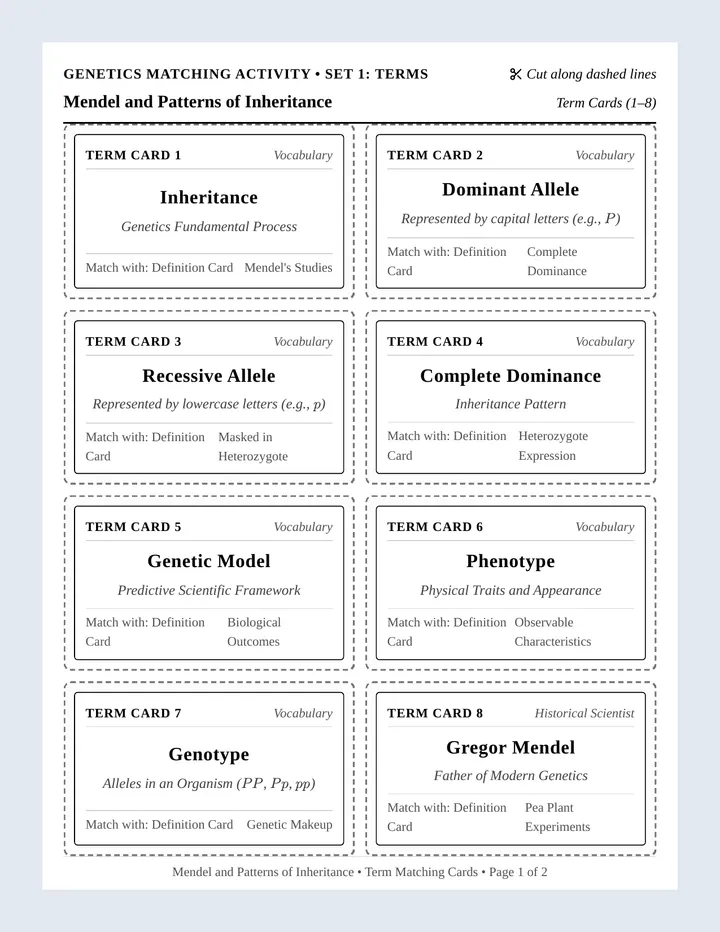
Mendel Inheritance Matching Cards

Mendel Inheritance

An introductory genetics lesson exploring Gregor Mendel's foundational pea plant experiments, inheritance patterns, allele types, genotype versus phenotype, and complete dominance.

MB

Marsha Bolden

4
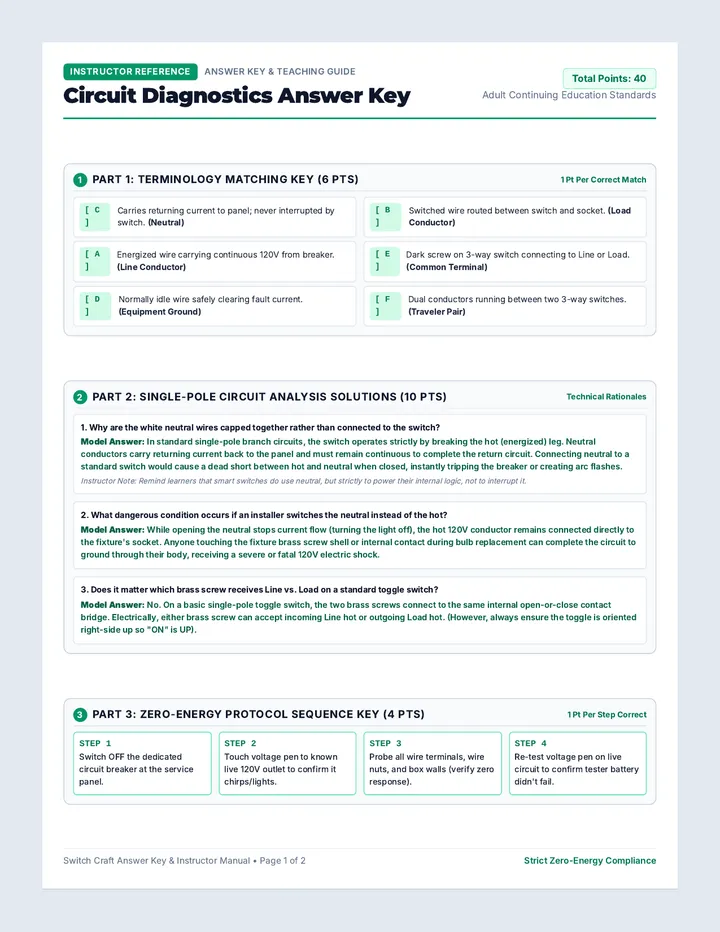
Circuit Diagnostics Answer Key

Circuit Diagnostics Answer Key

A comprehensive two-page instructor answer key and facilitation guide providing full solutions, electrical theory rationales, common adult misconceptions, and debrief notes.

JW

J Watson

Broadcast Breakthroughs Slides

Broadcast Tech Spotlight

A dynamic multimedia project sequence where students investigate cutting-edge sports broadcasting technologies, craft scripted storyboards, and produce professional recorded voiceover presentations.

S

Stacy.Bogart

5
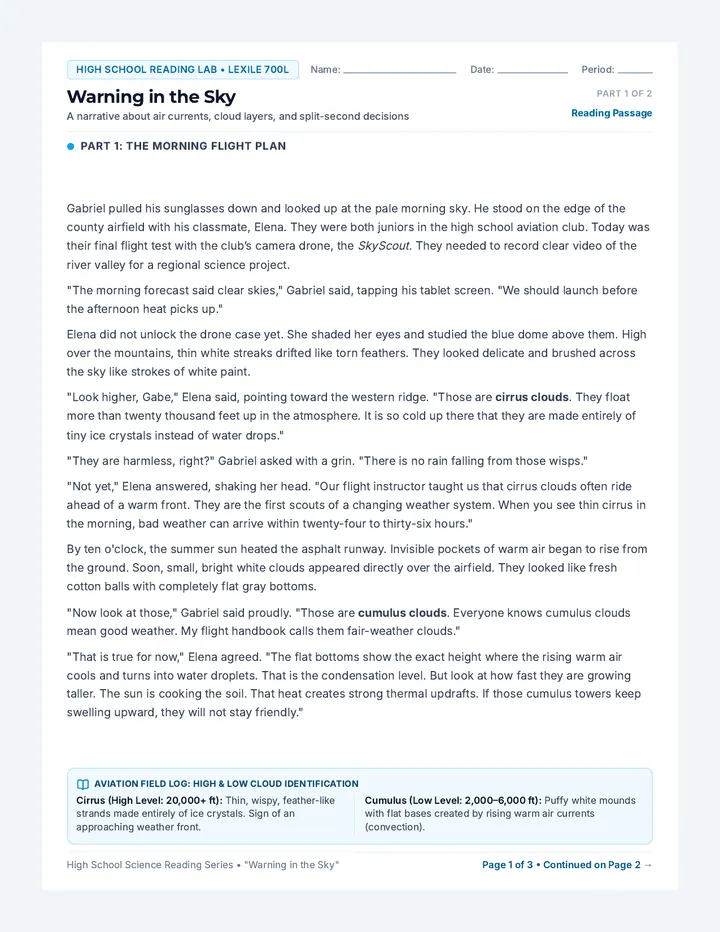
Warning Sky Cloud Passage

Cloud Watchers

An instructional reading and earth science lesson exploring cloud classification and atmospheric conditions through high-interest narrative text tailored for high school readers.

EB

Emily Bear

2
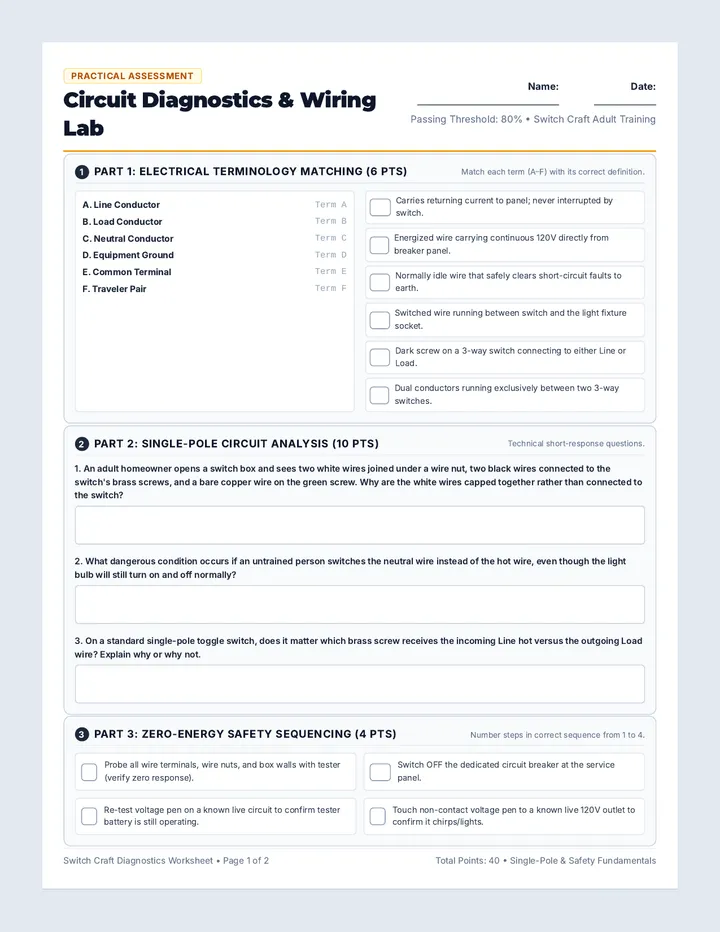
Circuit Diagnostics Worksheet

Circuit Diagnostics Worksheet

A two-page practical diagnostic worksheet for adult learners featuring circuit analysis problems, terminal identification, 3-way logic puzzles, and real-world troubleshooting scenarios.

JW

J Watson

Building Blocks Slides

Atomic Foundations

A 3-part comprehensive scaffolded unit exploring matter, atomic architecture, subatomic particles, nuclear calculations, and atomic variations like ions and isotopes.

M

meagan_asp

6
Dough Dynamics Slides

Dough Dynamics

An investigative biology project connecting the culinary science of bread making with cellular respiration and anaerobic fermentation in yeast. Students examine metabolic pathways, design and execute a controlled yeast experiment, and synthesize their findings in a comprehensive lab report.

M

Matthew.Temple

2
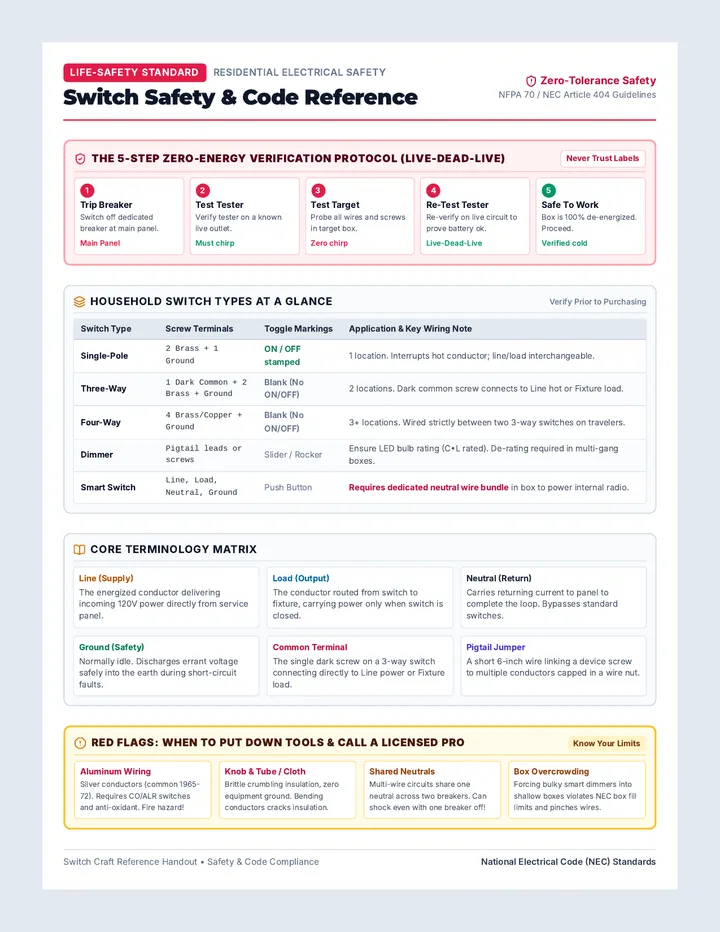
Electrical Safety Handout

Electrical Safety Handout

A one-page safety and code reference sheet summarizing the 5-step zero-energy protocol, switch types comparison, terminology matrix, and crucial hazard red flags for adult DIYers.

JW

J Watson