Lenny.com
Explore
Create
ActivitiesNewMathEnglish Language ArtsScience & EngineeringSocial StudiesGlobal LanguagesHealth & Physical EducationSpecial EducationCounseling & Life SkillsArts & CreativityESL
Lenny.com
Lenny.com
Explore
Create
ActivitiesNewMathEnglish Language ArtsScience & EngineeringSocial StudiesGlobal LanguagesHealth & Physical EducationSpecial EducationCounseling & Life SkillsArts & CreativityESL
Lenny.com
Lenny.com

Solutions

Lenny for EducatorsLenny for SchoolsLenny for Districts

Product

ExploreSign inCreateSupportAbout

Resources

Getting startedMTSS Acceleration Program

© 2026 Lenny Learning Inc.

TermsPrivacyAccessibility
LinkedInInstagramX
Lenny
Social StudiesSocial Studies PracticesLocation WordsMapsOrder EventsChronology and CausationEvaluating SourcesHistorical ThinkingGeography, Humans, & the EnvironmentAmerican Symbols and LandmarksCitiesStatesState CapitalsRegions of the United StatesGeographic SkillsPhysical GeographyHuman GeographyRegional GeographyGeography of AfricaGeography of AsiaGeography of EuropeGeography of OceaniaGeography of the AmericasSociety and Environment of EuropeSociety and Environment of AsiaSociety and Environment of The AmericasSociety and Environment of the Middle EastSociety and Environment of AfricaHistoryPrehistoryComparing Ancient River CivilizationsAncient MesopotamiaAncient Egypt and KushAncient South AsiaEarly ChinaGreeceRome and the Byzantine EmpireAncient World HistoryNative Peoples of North AmericaNative Peoples of Mesoamerica and South AmericaAfrican EmpiresMedieval AsiaMedieval EuropeThe Silk RoadMedieval HistoryIslamic EmpiresWorld ReligionsRenaissance PeriodAge of ExplorationThe Thirteen ColoniesThe American RevolutionUS History Early RepublicFounding of the United StatesUS History AntebellumUS Civil WarReconstruction PeriodThe Gilded AgeUS ImperialismWorld ImperialismWorld War IUS History 1920sGreat DepressionWorld War IIThe Cold WarUS History 1950-60sUS History 1960s-70sWorld History 20th CenturyContemporary US HistoryContemporary World HistoryHolidaysCivics and GovernmentCitizenshipGovernment FoundationsThe ConstitutionUS ConstitutionExecutive BranchLegislative BranchJudicial BranchState and LocalPolitical ParticipationPublic PolicyPolitical SystemsPower and AuthoritySocial MovementsDefining DevianceTheories of DevianceCrime and Criminal JusticeEconomicsBasic Economic PrinciplesSupply and DemandWhat is MoneyEconomic FundamentalsMicroeconomicsMacroeconomicsBanking and FinanceEconomic SystemsGlobal EconomicsCorporations and PowerThe Changing WorkplaceUnemployment and LaborClass and InequalitySocial MobilityGlobal InequalityPsychologyHistory of PsychologyPsychology as a ScienceBrain and Nervous SystemNeuroscience and BehaviorGenetics and BehaviorSleep and ConsciousnessSensory ProcessesPerceptual OrganizationClassical ConditioningOperant ConditioningObservational LearningCognitive LearningMemory ProcessesThinking and Problem SolvingLanguage and CognitionTheories of MotivationStress and CopingPrenatal and Infant DevelopmentChildhood DevelopmentAdolescent DevelopmentAdulthood and AgingSelf and IdentitySocial CognitionSocial InfluenceAttraction and RelationshipsGroup BehaviorPrejudice and DiscriminationAnxiety and Mood DisordersClinical PsychologyForensic PsychologyPhilosophy & EthicsIntroduction to PhilosophyMajor Philosophers & IdeasMind and Body ProblemFree Will vs DeterminismEthics & MoralityReligion & PhilosophyPolitical Philosophy

Cosmic Cycle

A 7th-grade world history lesson exploring the Hindu Trimurti—Brahma, Vishnu, and Shiva. Students examine the cyclic roles of creation, preservation, and transformation in maintaining cosmic balance through iconography analysis, scenario evaluations, and structured discussion.

KVKaylee Vayanos

Cosmic Wheel Worksheet • The Hindu Trimurti Turn page for Part 3 & Part 4 → Page 1 of 2

Cosmic Balance • Applied Scenarios & Analysis Name: _______________________________

Part 3

Cosmic Dilemma: Which Energy is Needed?

Read each scenario. Identify whether the situation primarily requires Brahma (Creation), Vishnu (Preservation), or Shiva (Transformation/Dissolution), and explain your reasoning in one complete sentence.

Scenario 1: Forest Undergrowth Force Needed: ____________________

An ancient forest has become choked with dead brush, decaying logs, and parasitic vines, blocking all sunlight from reaching seedlings on the forest floor.

Why? _________________________________________________________________________________________________________

Scenario 2: River Flooding Threat Force Needed: ____________________

A peaceful farming valley faces rising floodwaters that threaten to wash away established homes, grain stores, and the community's irrigation channels.

Why? _________________________________________________________________________________________________________

Scenario 3: Blank Blueprint Force Needed: ____________________

A newly discovered island has rich volcanic soil and freshwater springs, but completely lacks plant life, animal habitats, or organized ecosystems.

Why? _________________________________________________________________________________________________________

Scenario 4: Breaking Bad Habits Force Needed: ____________________

A student constantly stays up too late scrolling on their phone, resulting in chronic fatigue and failing test scores. They decide they must break this pattern completely.

Why? _________________________________________________________________________________________________________

Part 4

Synthesis: The Meaning of Cosmic Balance

Prompt: In many Western stories, "destruction" is seen as purely villainous or evil. In Hindu thought, however, Lord Shiva's role of dissolution is revered as holy, compassionate, and indispensable.
Explain why destruction is necessary for life to continue. What would happen to the universe if Vishnu preserved everything forever without Shiva?

Exit Ticket Question: Which deity descends to Earth as an avatar (like Rama or Krishna) when balance is lost?

Answer: _______________________

Cosmic Wheel Worksheet • 7th Grade World History Check your work carefully before turning in! Page 2 of 2

Correction: In mainstream Vedantic philosophy, Brahma, Vishnu, and Shiva are three personified aspects of the single, transcendent ultimate reality (Brahman). They are distinct expressions of one cosmic whole.

Misconception 3: "Brahma is the same word as Brahman and Brahmin."

Clarification: Brahman = supreme ultimate reality; Brahma = creator deity; Brahmin = the traditional priestly/teacher social class; Brahmanas = Vedic commentaries. Write these clearly on the board.

Trimurti Teacher Guide • Cosmic Cycle Turn page for Complete Answer Key & Differentiation → Page 1 of 2

Cosmic Wheel Worksheet: Answer Key & Pedagogical Strategies Educator Reference

Worksheet Key & Exemplar Responses

Part 1: "Why Vital to Balance?"

Brahma: Initiates physical reality; without creation, there is nothing for the other forces to sustain or renew.

Vishnu: Maintains stability and moral order (dharma); prevents immediate decay or unjust ruin.

Shiva: Eliminates stagnation and decay; cleanses the cosmos so new growth can occur.

Part 2: Iconography Matching Key

1. Discus (Chakra) → B (relentless wheel of time / cutting evil)

2. Trident (Trishula) → E (mastery over past, present, future)

3. Four Faces → C (reciting 4 Vedas / four directions)

4. Third Eye → A (seeing beyond illusion / burning ignorance)

5. Swan (Hamsa) → D (spiritual discernment of truth vs lies)

Part 3: Cosmic Dilemma Scenarios

Scenario 1 (Forest): Shiva (Transformation). The choked brush must be burned or cleared away to allow light and resources for new seedlings.

Scenario 2 (Flood): Vishnu (Preservation). The existing community and moral order must be protected and maintained against destruction.

Scenario 3 (Island): Brahma (Creation). Brand new life forms, systems, and structures need to be designed from an empty state.

Scenario 4 (Habit): Shiva (Dissolution of bad habit) followed by Brahma (Creation of healthy schedule). (Accept either or both with clear justification).

Part 4: Synthesis Prompt Exemplar & Part 5 Exit Check

Exemplar Response: In Hindu cosmology, destruction is not evil because time moves in an infinite circle. If Vishnu preserved everything forever, the universe would become completely overcrowded, frozen, and stagnant—old things could never die, so no newborn beings could ever enter. Shiva’s dissolution clears away obsolete forms, making space for Brahma to start a fresh era of creation.

Part 5 Exit Ticket Answer: Lord Vishnu (notable avatars include Rama and Krishna).

Instructional Differentiation & Accommodations

For Striving Readers & English Learners

  • Visual Anchor Chart: Post the 3 deity icons and color codes (Amber = Create, Blue = Protect, Purple = Clear).
  • Sentence Starters: Provide: "Scenario 1 needs Shiva because the old brush must be..."
  • Peer Collaboration: Pair students strategically for Parts 1 and 2 to reinforce vocabulary.

For Advanced Learners & Fast Finishers

  • The Tridevi Research: Investigate the three supreme goddesses (Saraswati for wisdom/creation, Lakshmi for prosperity/preservation, and Parvati/Kali for transformation).
  • Avatar Analysis: Compare the 10 avatars of Vishnu (Dashavatara) to understand how the preserver responds to different stages of moral crisis.

Trimurti Teacher Guide • Cosmic Cycle Lesson Classroom Resource • Grade 7 Social Studies Page 2 of 2
You might also like

Island Realm Teacher Guide

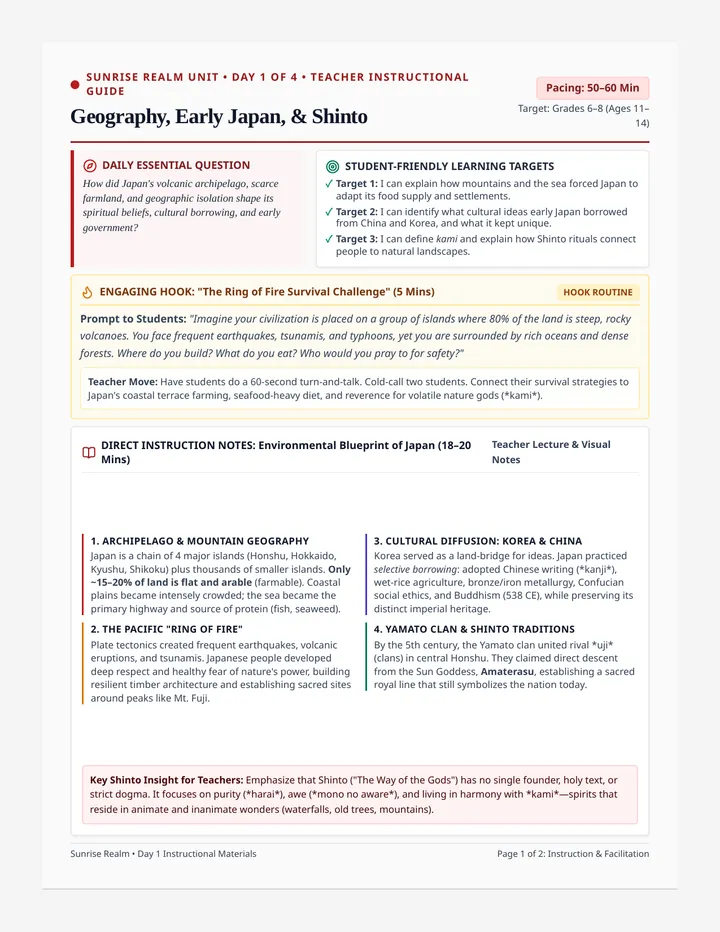
Sunrise Realm

A comprehensive 4-day middle school social studies unit exploring Ancient and Medieval Japan from geography and Shinto through the Heian Golden Age, feudal samurai society, and the Mongol invasions to Tokugawa isolation.

DB

Danielle Burham

10
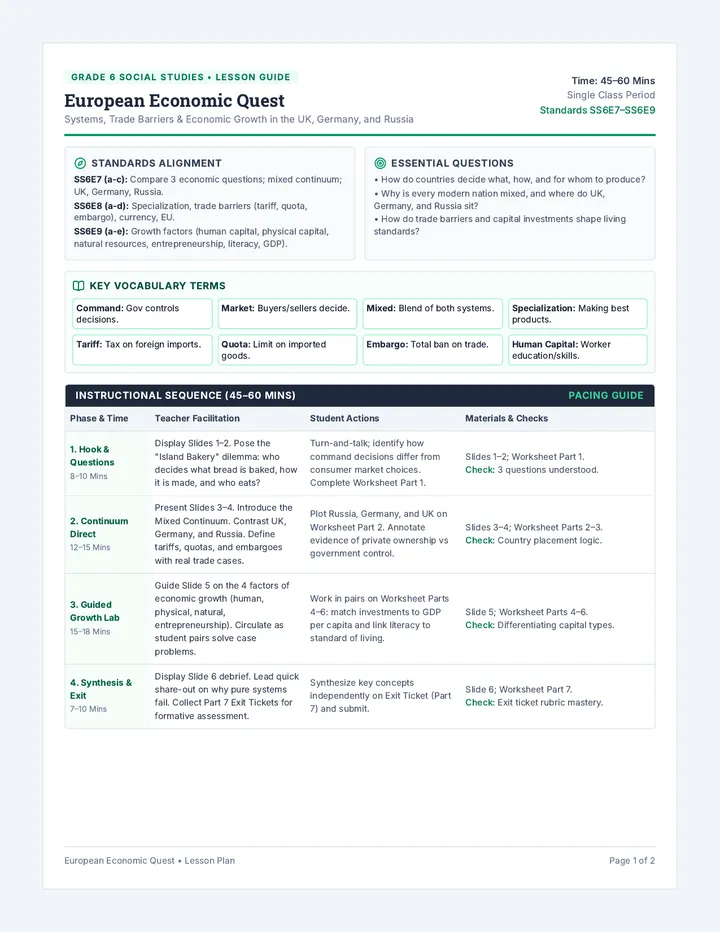
European Economy Lesson Plan

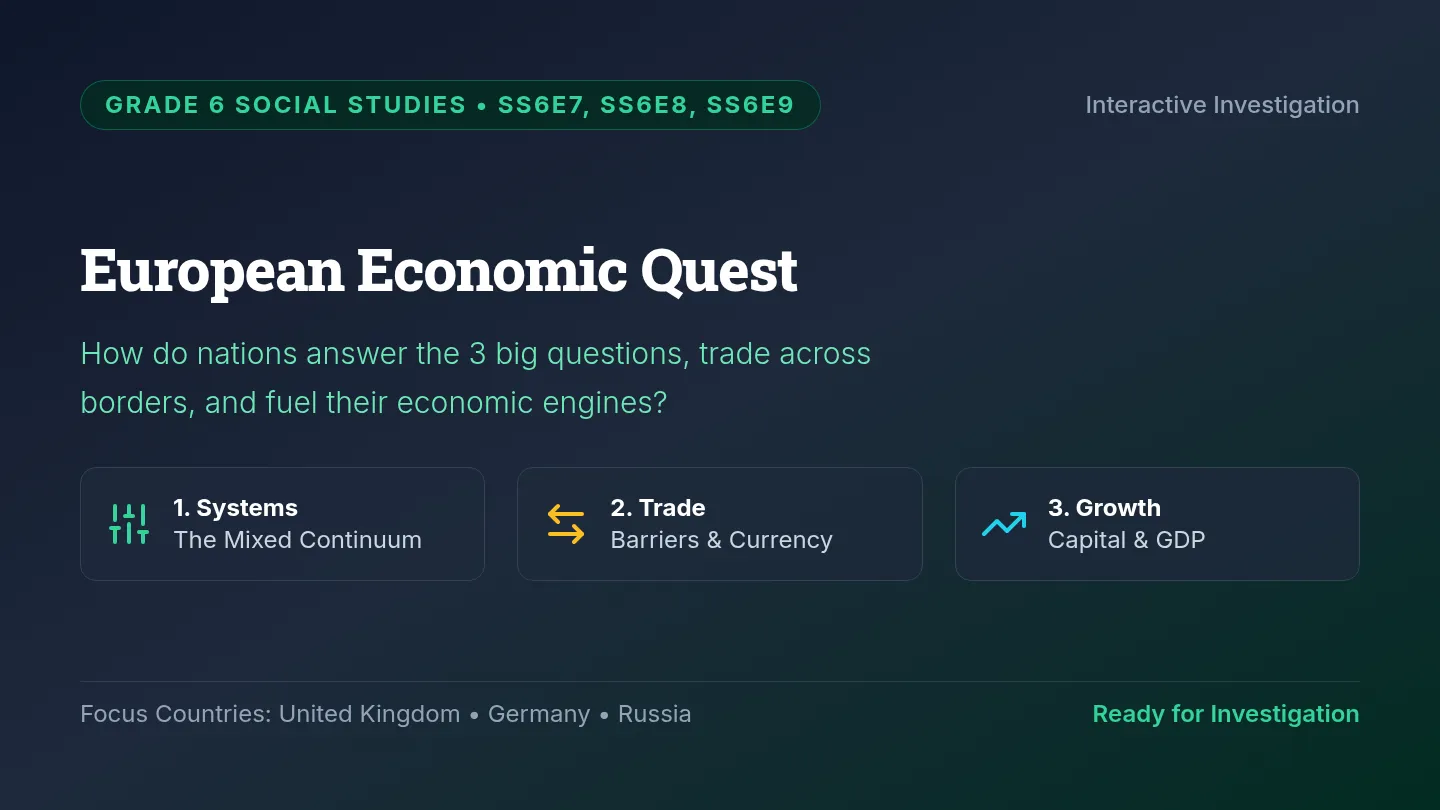
European Economic Quest

A comprehensive 45-60 minute sixth-grade lesson exploring European economic systems, voluntary trade barriers, and factors driving economic growth across the United Kingdom, Germany, and Russia. Students analyze the three fundamental economic questions, plot nations on the economic continuum, evaluate trade policies, and connect investments in capital to gross domestic product.

Lenny Avatar
Lenny
4
Economy Teacher Key

Economy Teacher Key

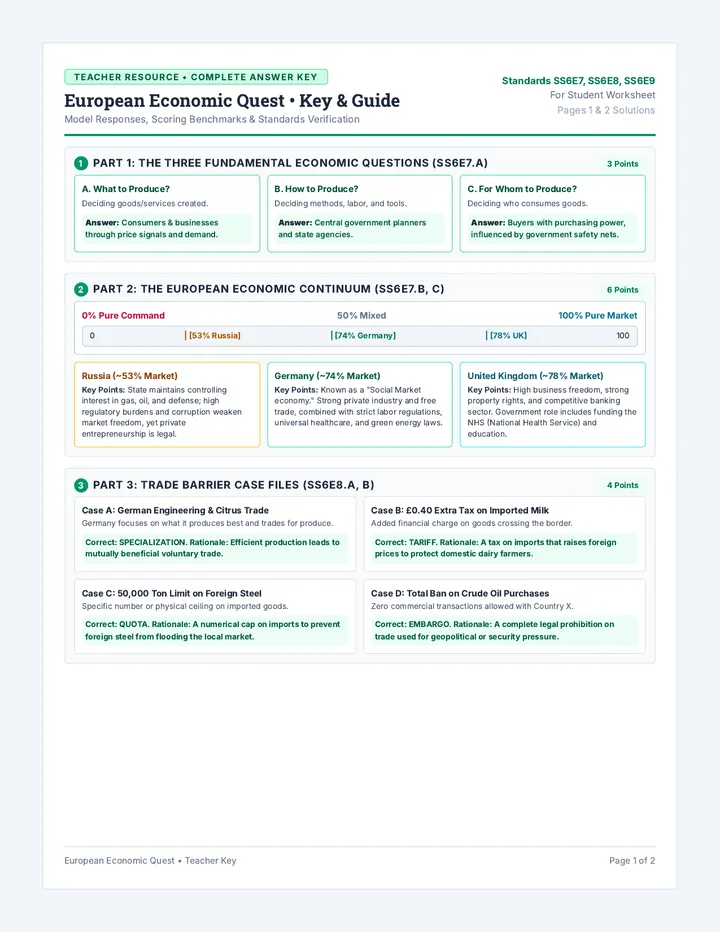
A comprehensive 2-page teacher answer key, scoring guide, and model response rubric for the European Economic Quest student investigation worksheet.

Lenny Avatar
Lenny
Business Blueprint Slides

Market Makers

A hands-on introductory curriculum that equips students with foundational business acumen and marketing savvy through practical entrepreneurial challenges, financial basics, and campaign design.

D

despinoza

9
Brand Blueprint Slides

Brand Identity Blueprint

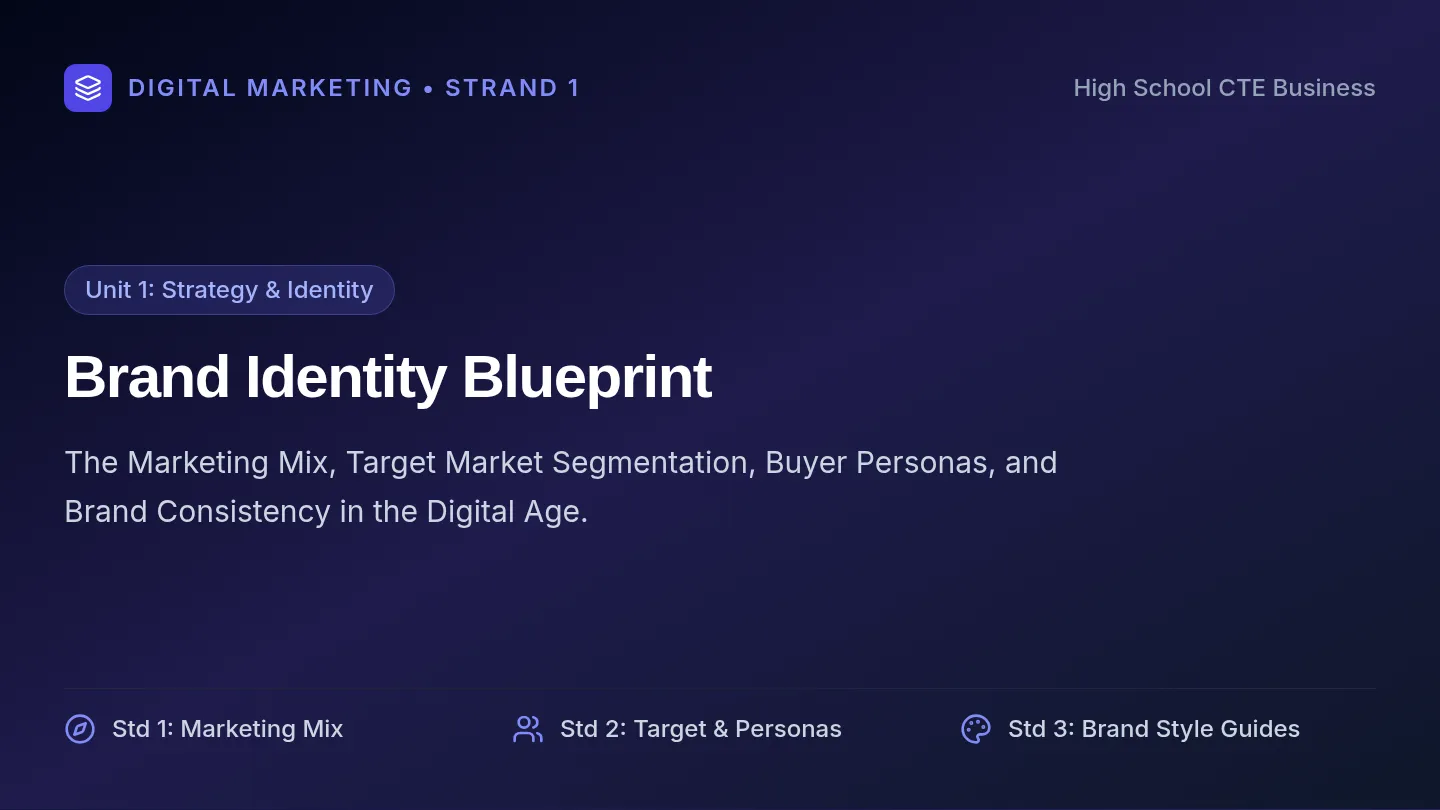
A comprehensive high school unit covering Utah Digital Marketing Strand 1: the marketing mix, market segmentation, buyer personas, branding identity, and style guides.

M

Mike.Hale

7
Economy Investigation Worksheet

Economy Investigation Worksheet

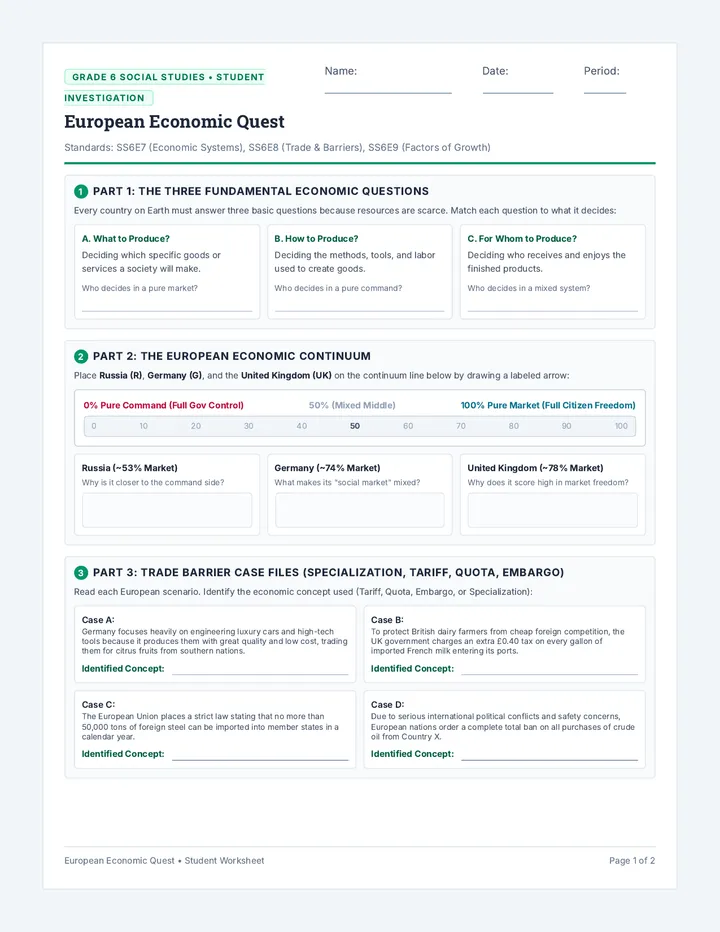
A 2-page print-ready student investigation worksheet and guided notes covering the three economic questions, continuum placement of the UK, Germany, and Russia, trade barrier scenario analysis, and factors of GDP growth.

Lenny Avatar
Lenny
Hemisphere Hunt Slides

Continent Quest

A 4th-grade geography sequence introducing students to North America through map navigation, regional comparisons, and landform exploration. Students investigate hemisphere locations, the three major nations, and iconic geographic features across the continent.

E

ehdunn

9
Idaho Trail Trek Map Activity

Idaho Trail Trek

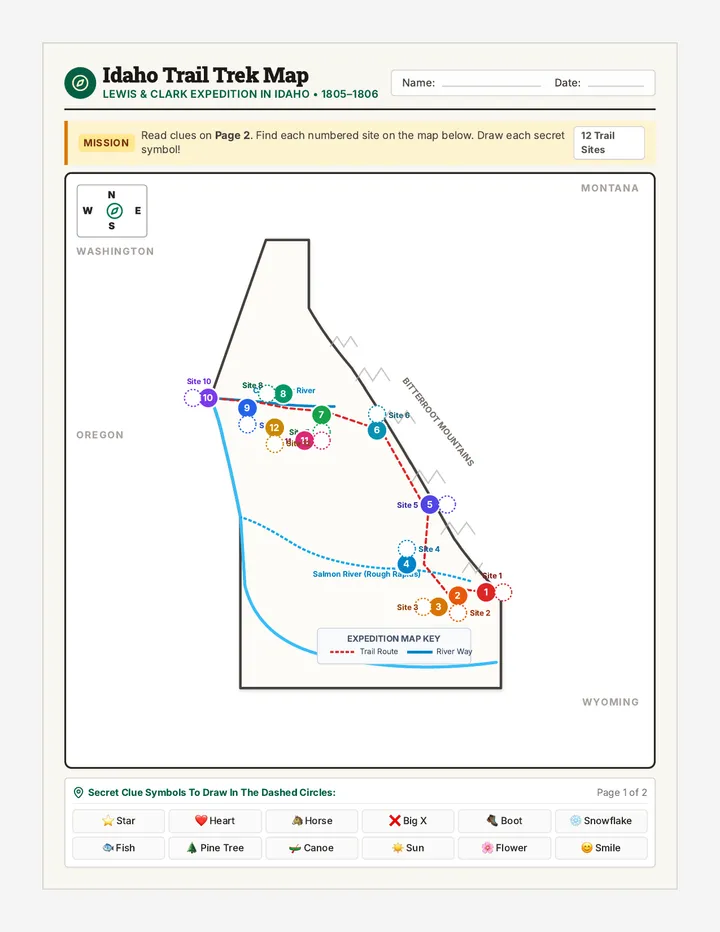
An interactive historical geography lesson introducing 2nd-grade students to the Lewis and Clark expedition in Idaho through decodable map reading and spatial clues. Students trace historical landmarks, practice beginner map skills, and decode short factual clues.

AR

Alexander Rhea

2
European Economy Slides

European Economy Slides

An engaging 6-slide visual presentation for Grade 6 social studies comparing economic systems on the mixed continuum, illustrating trade barriers and currency exchange in Europe, and examining the four factors of economic growth across the UK, Germany, and Russia.

Lenny Avatar
Lenny
Camera Tricks Slides

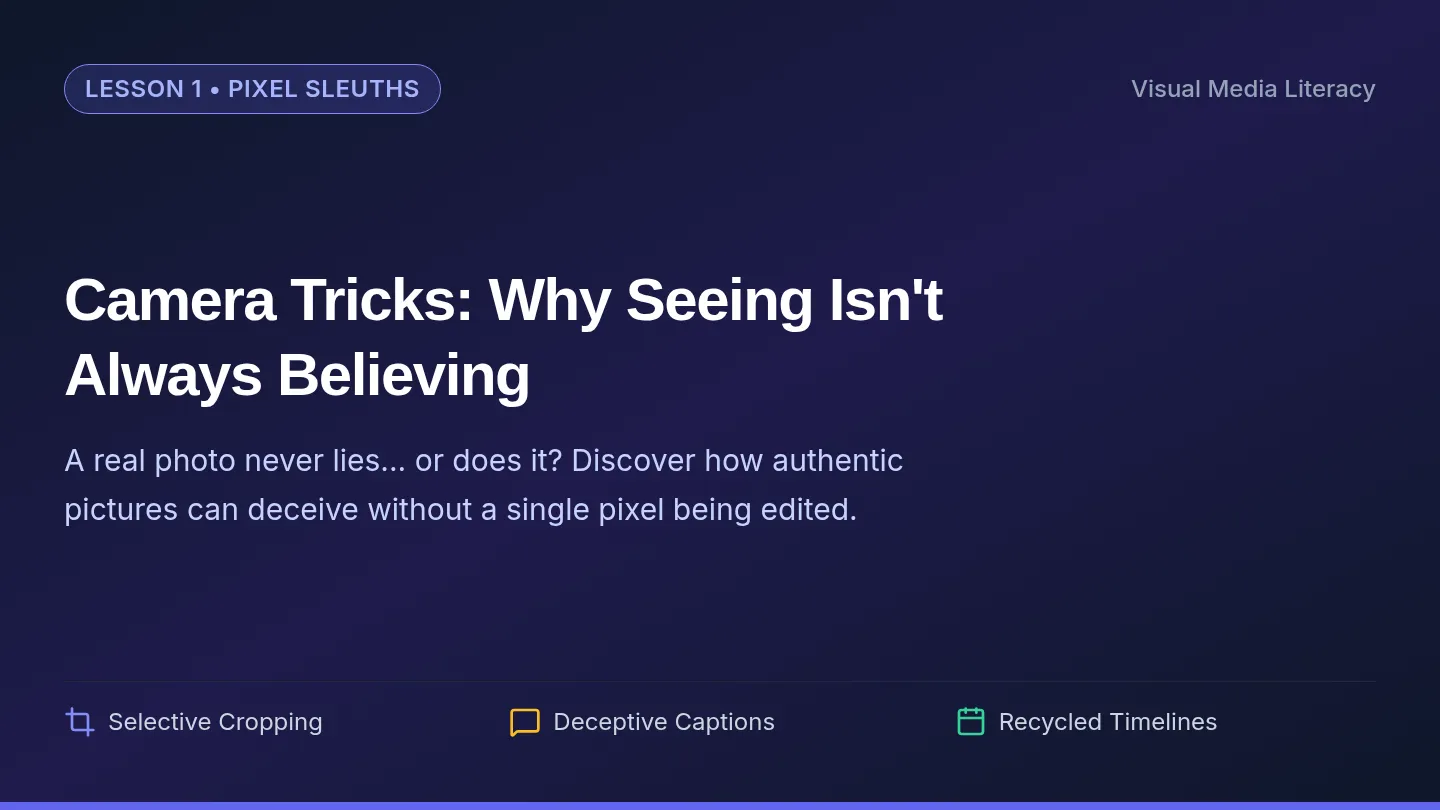
Pixel Sleuths

A 3-part media literacy unit for middle school students on analyzing visual media, spotting manipulated photos, and verifying online sources using lateral reading.

Lenny Avatar
Lenny
9
Retail Makeover Challenge Packet

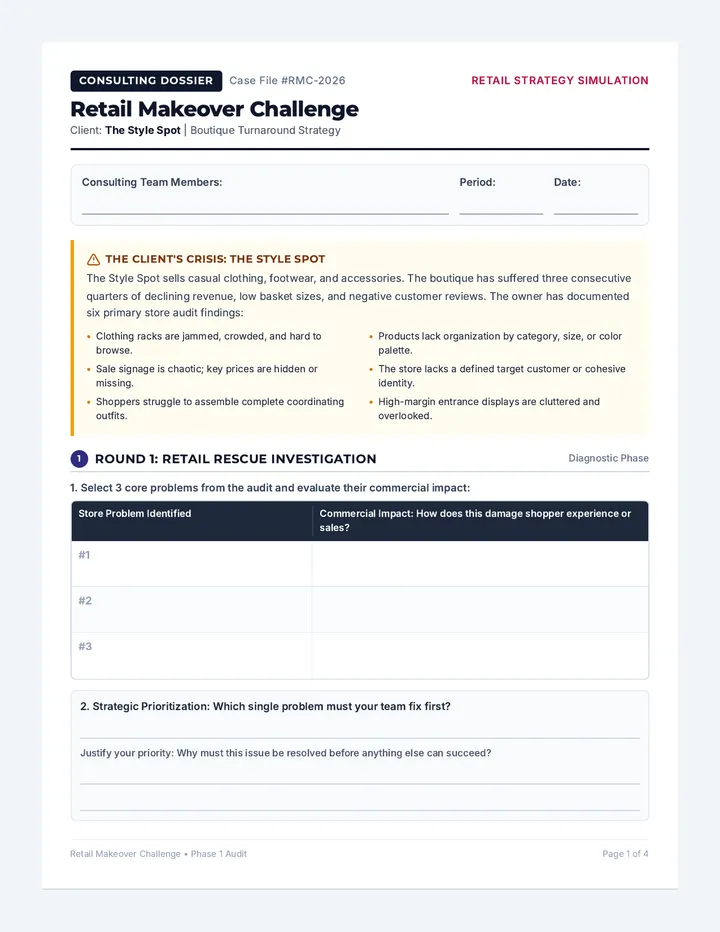
Retail Rescue

A high-energy, hands-on retail strategy and visual merchandising simulation where student teams audit a struggling clothing boutique, align the 4 Ps, redesign the store layout, and deliver a consultant pitch.

J

Jennifer.Leber

4
European Economy Lesson Plan

European Economy Lesson Plan

A comprehensive teacher lesson plan and facilitation guide for a 45-60 minute 6th-grade social studies lesson on European economic systems, trade barriers, and factors of economic growth. It includes standards alignment, pacing, scaffolding, discussion stems, and common misconceptions.

Lenny Avatar
Lenny