An exploration of the electrochemical process of neural firing, focusing on the all-or-none principle and the stages of the action potential.
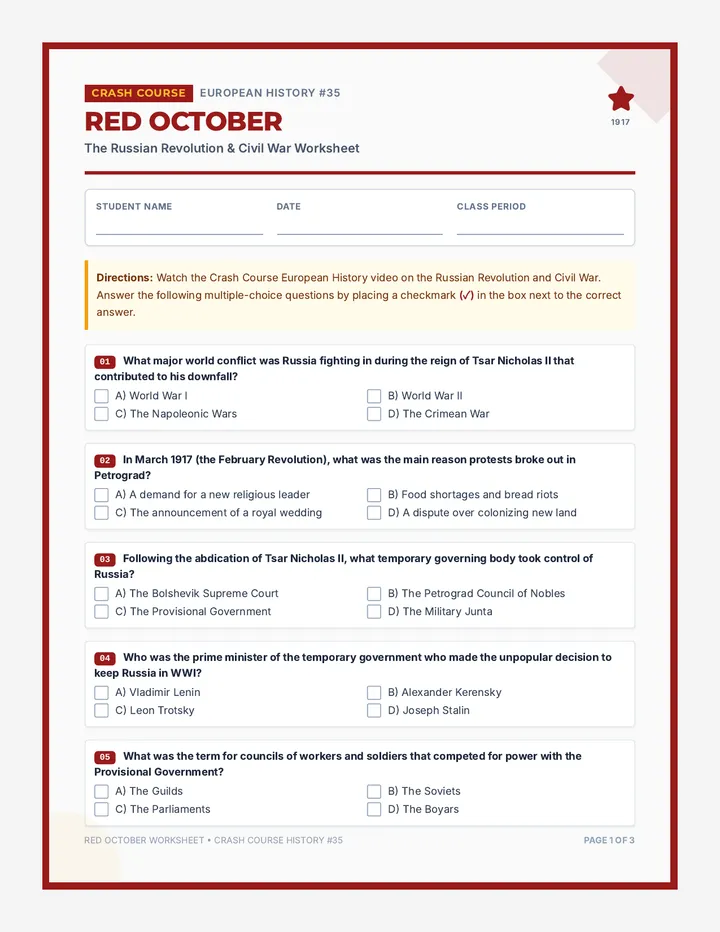
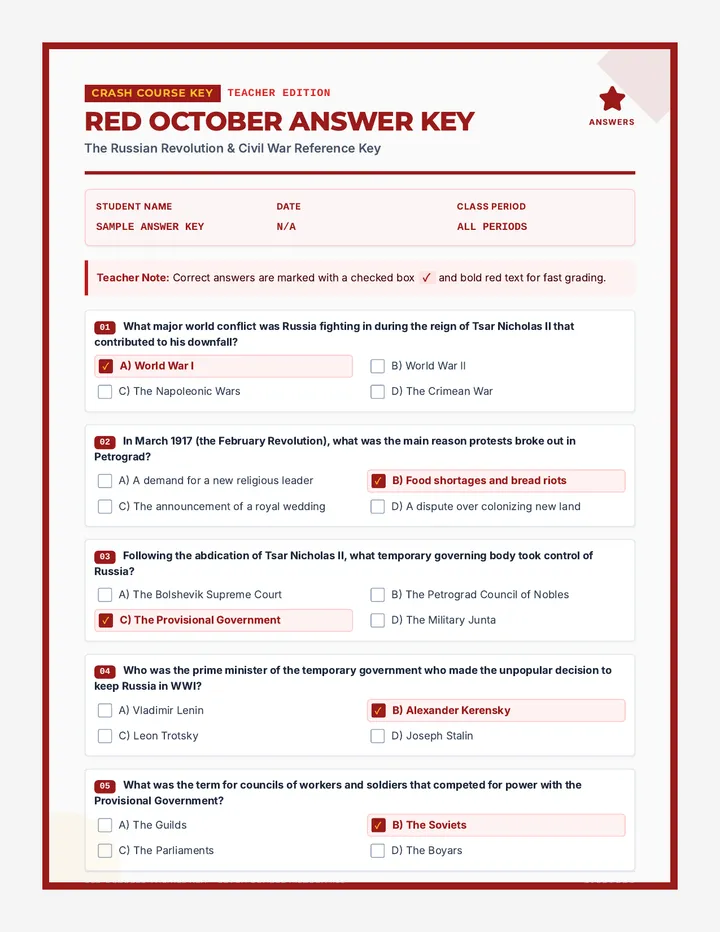
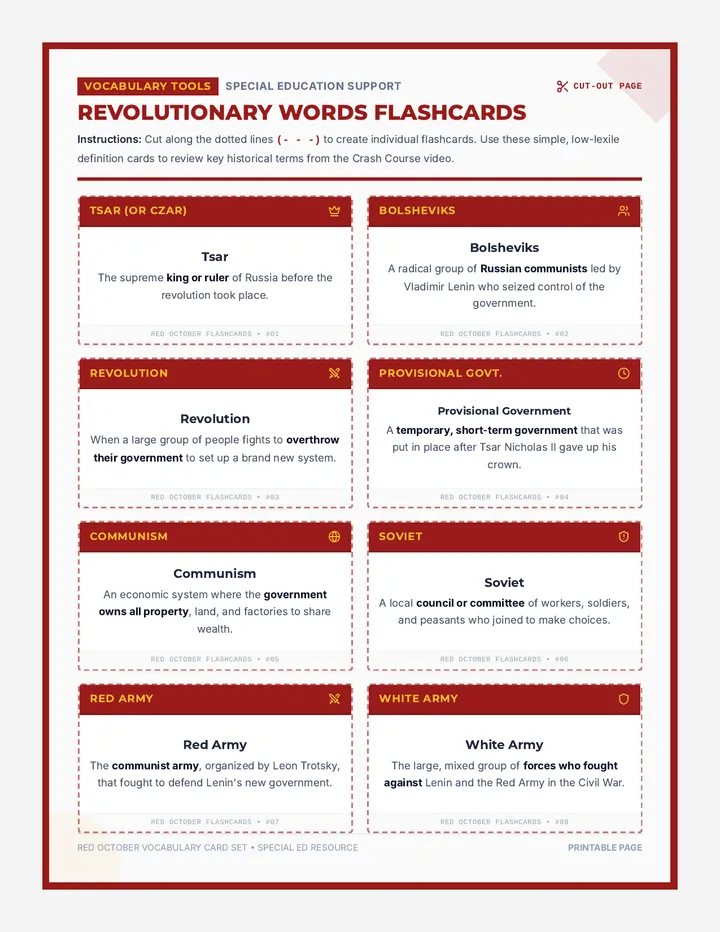
A comprehensive history sequence focusing on 20th-century communist revolutions in Russia and China. This sequence uses Crash Course videos, detailed worksheets, complete answer keys, and accessible vocabulary flashcards to explore the collapse of old empires and the rise of communist states.
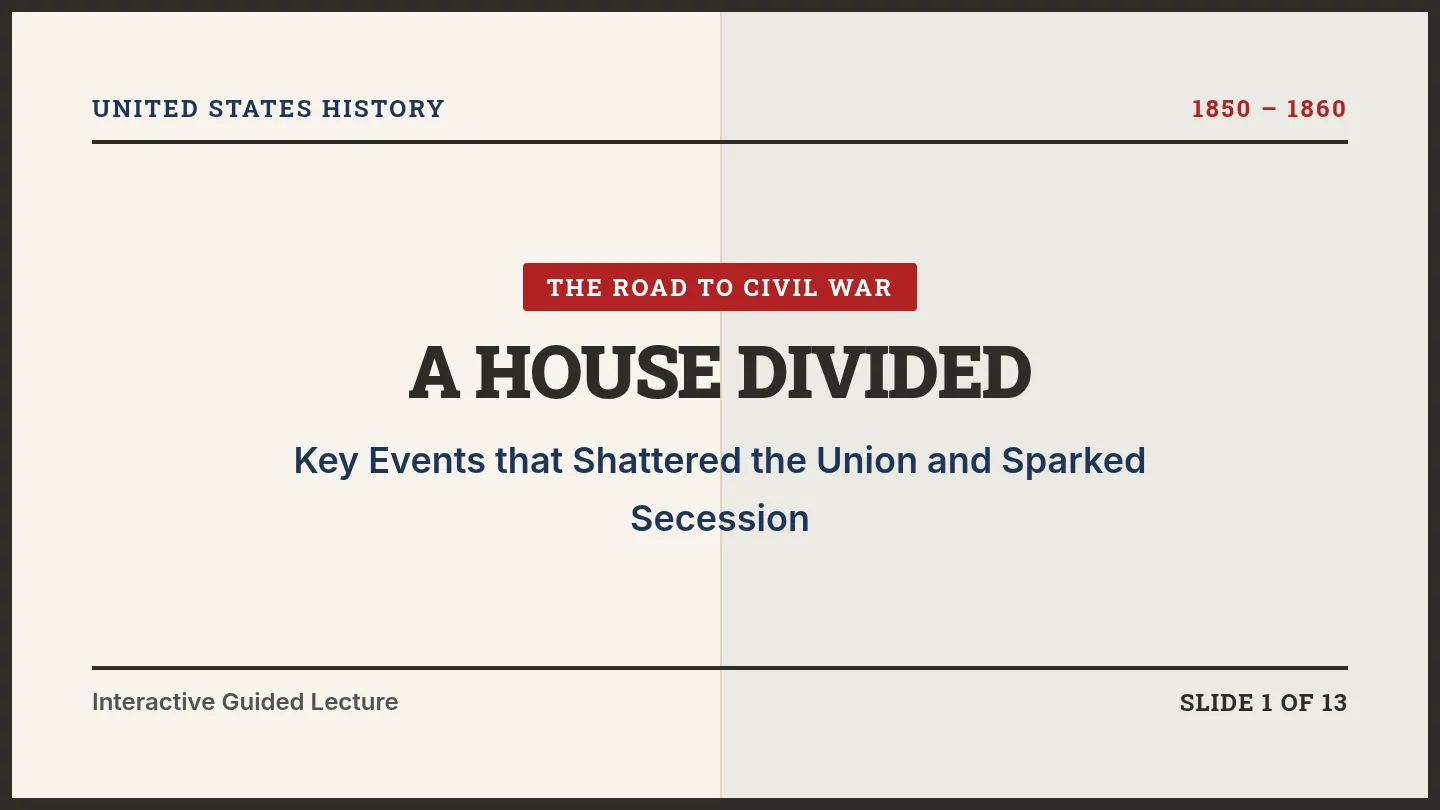
An interactive, visual slide deck exploring the key events from 1850 to 1860 that led to the American Civil War, including the Compromise of 1850, Uncle Tom's Cabin, the Kansas-Nebraska Act, the Dred Scott Decision, John Brown's Raid, and the Election of 1860.
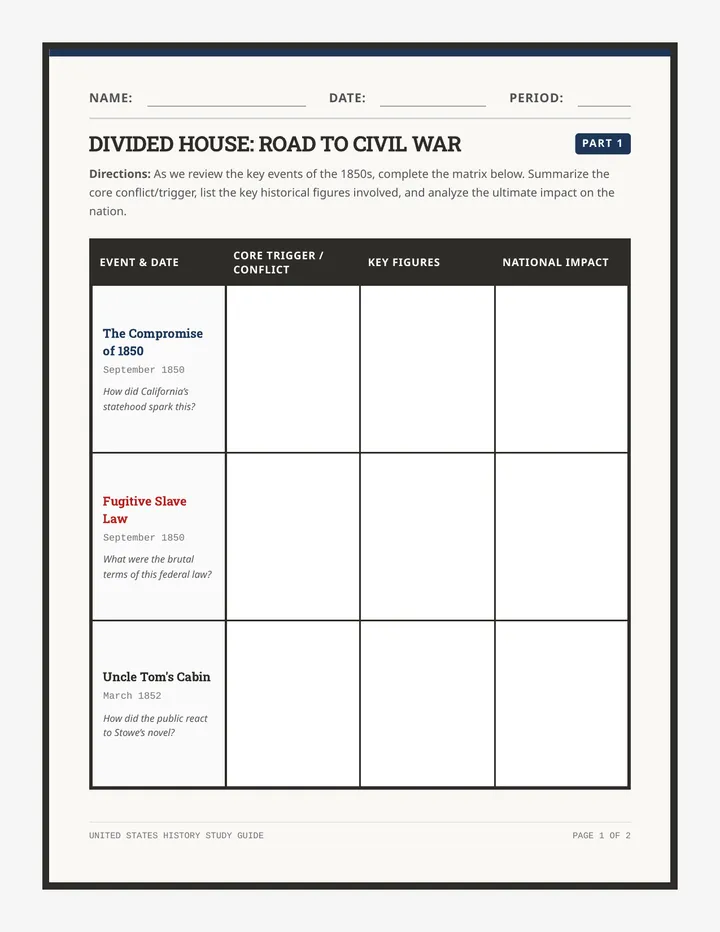
A printable 2-page graphic organizer matrix for students to track the causes, key figures, and political impacts of the six major flashpoints leading to the Civil War. Designed to accompany the lecture slides.
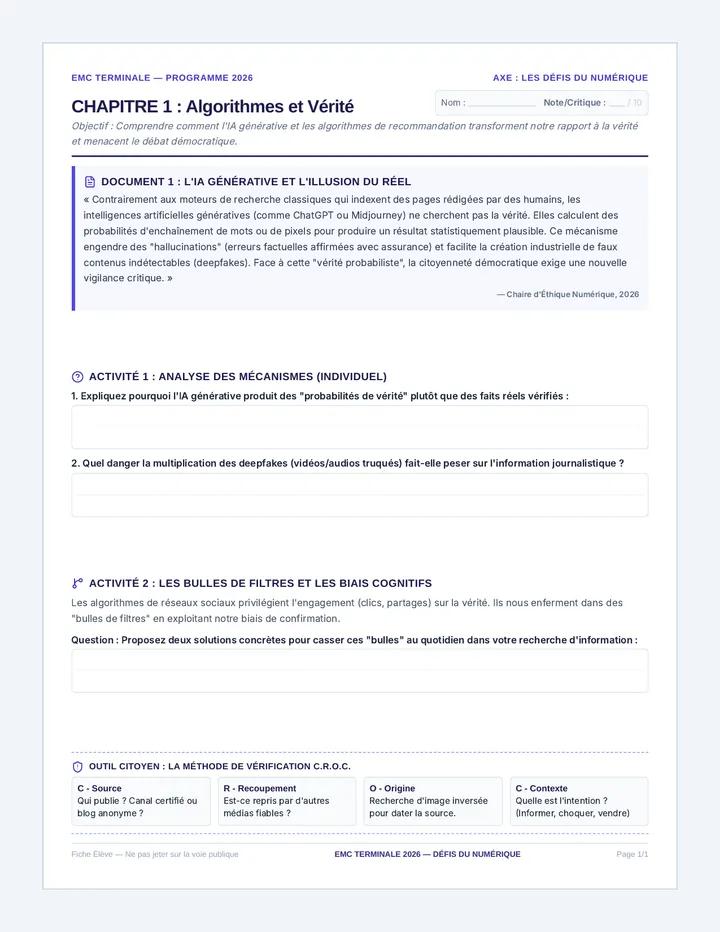
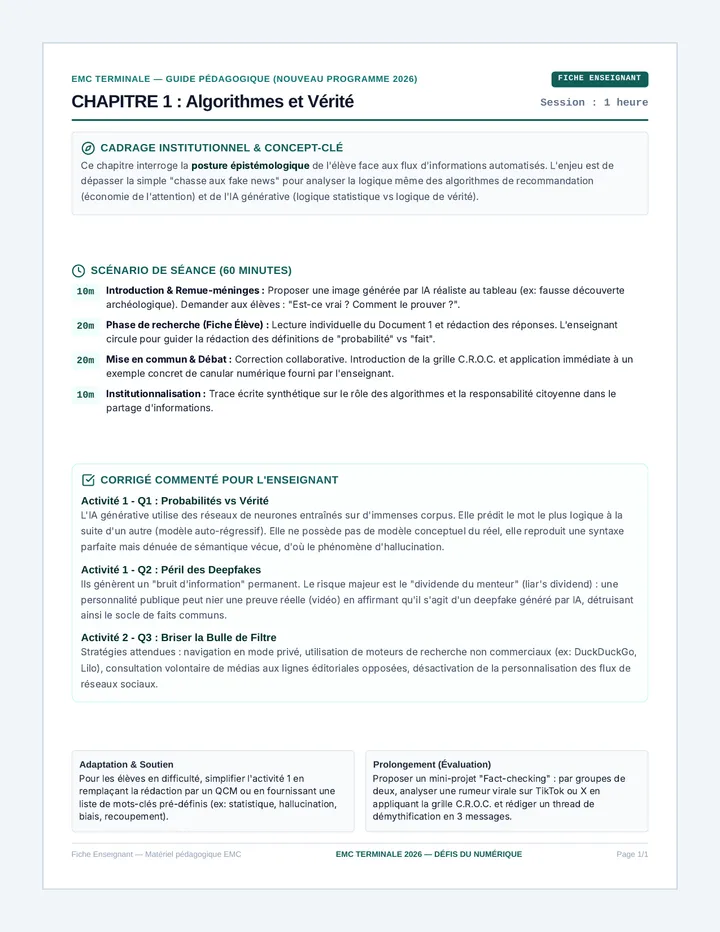
Une séquence complète d'activités clés en main d'Éducation Morale et Civique (EMC) pour la classe de Terminale, conforme au nouveau programme 2026. Elle se concentre sur les défis du numérique : intelligence artificielle, désinformation, espace public numérique et souveraineté technologique.
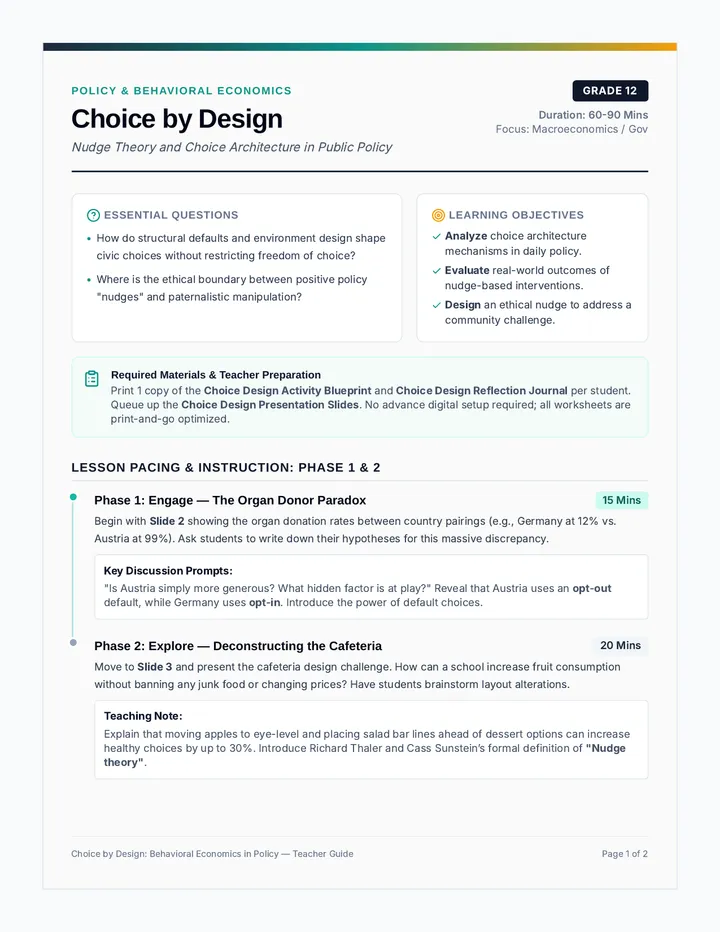
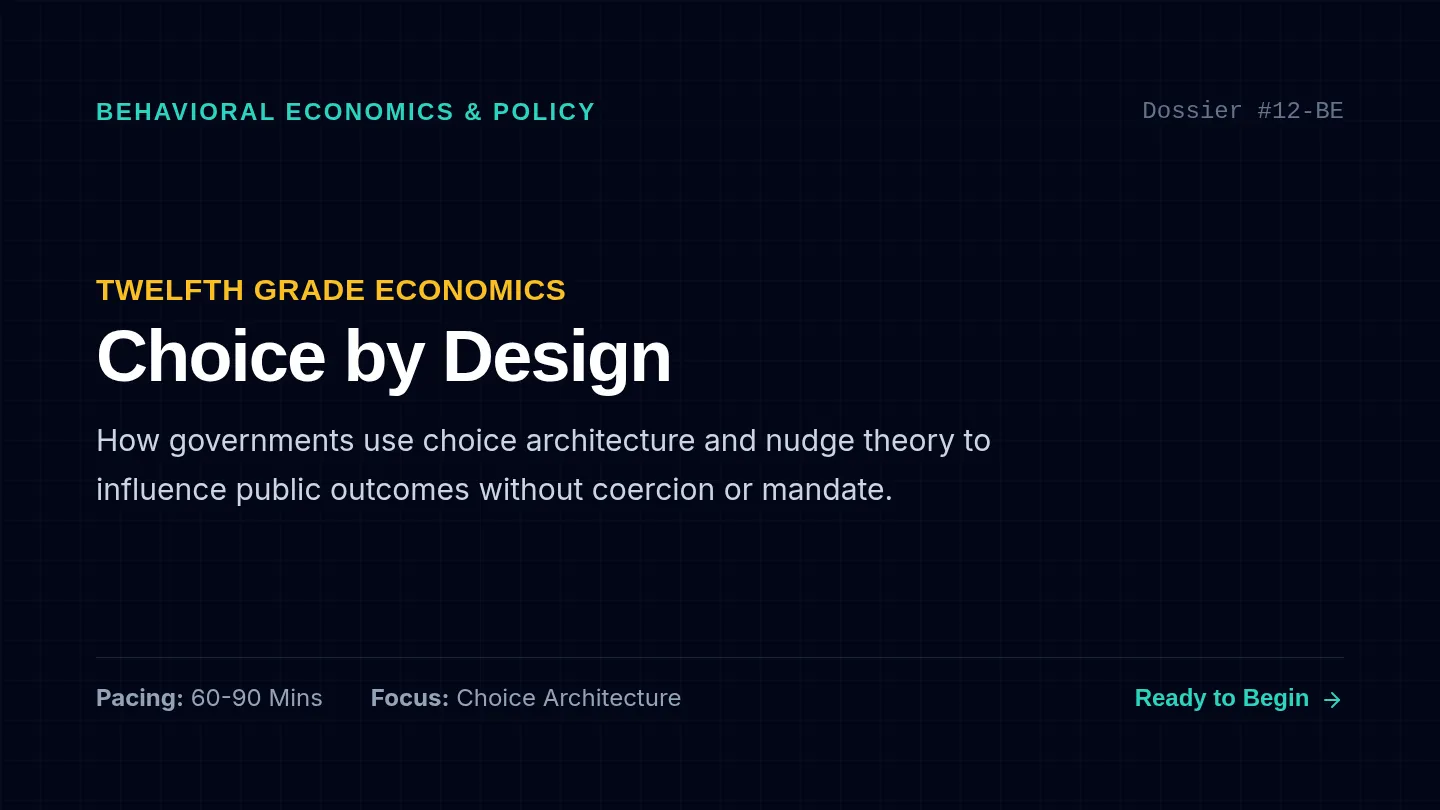
A twelfth-grade economics and government lesson exploring behavioral economics, nudge theory, and choice architecture in public policy, examining how subtle design elements shape citizen actions without mandates.
An interactive, beautifully themed slide deck summarizing the key events on the Road to Secession (1850-1860). Features bold historical layouts, high-contrast typography, and strict 24px+ readable text for the classroom.
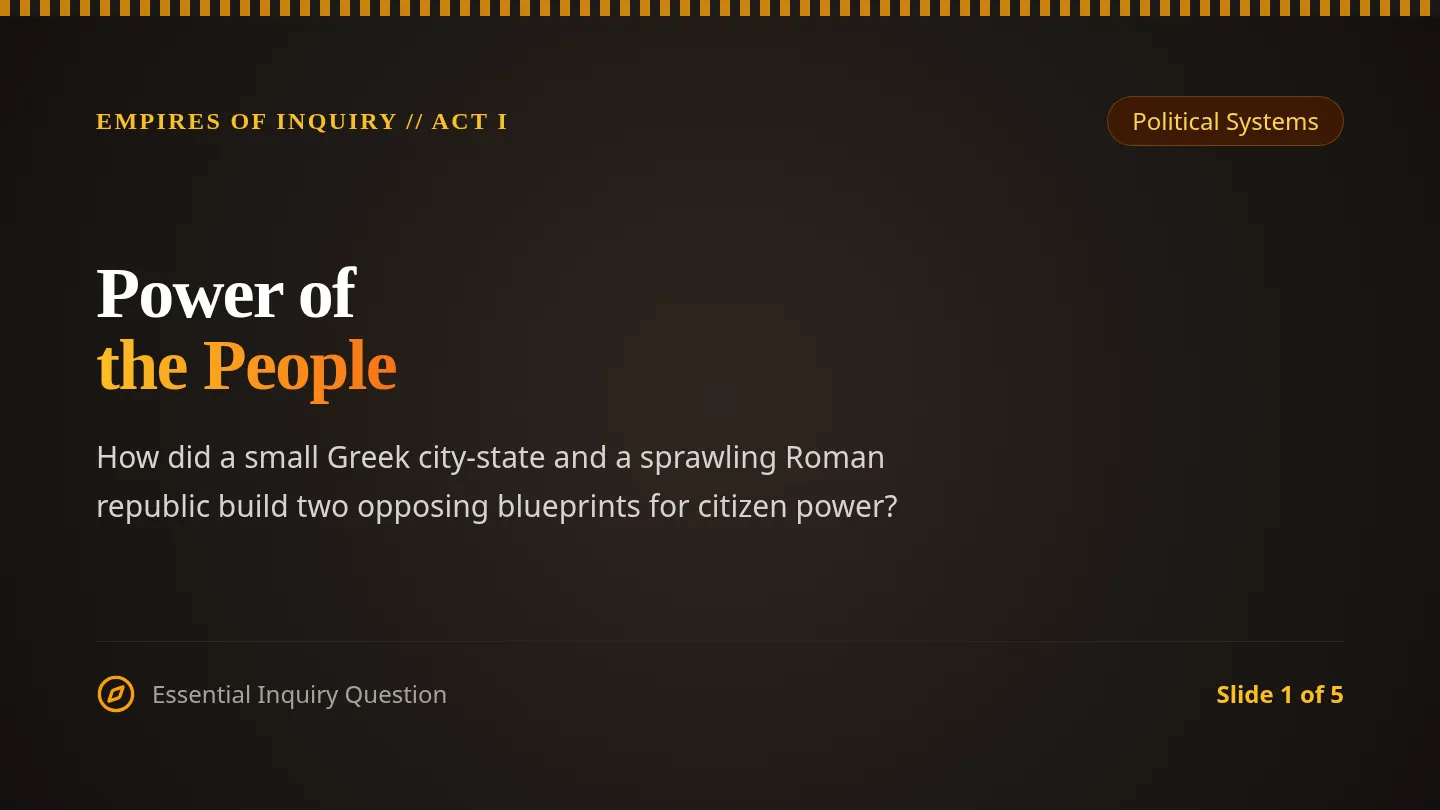
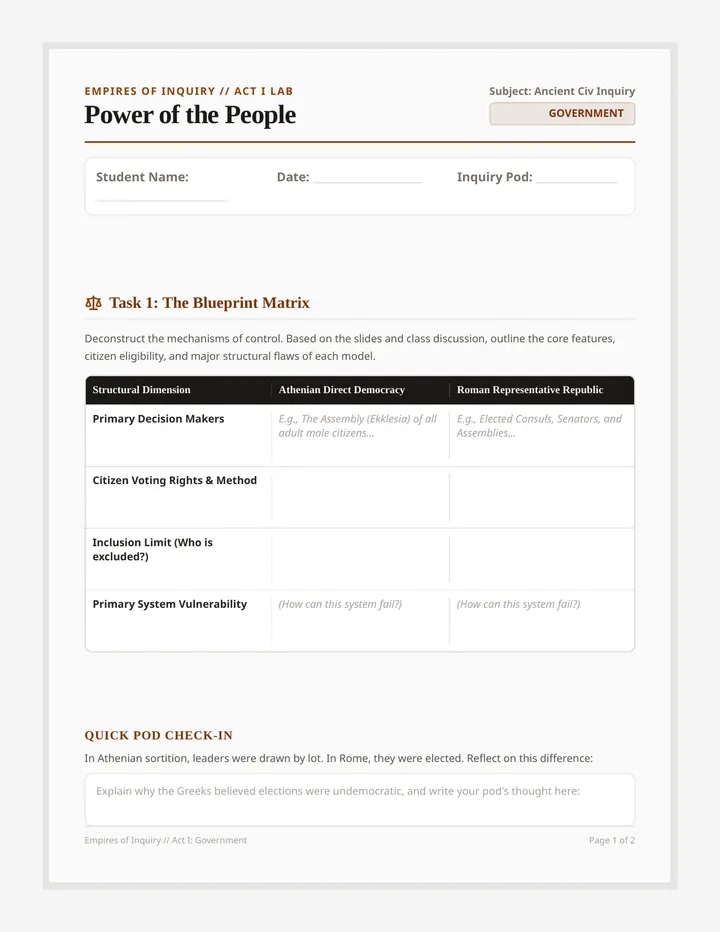
An inquiry-driven social studies sequence investigating Ancient Greece and Rome across four core pillars: government, philosophy, trade, and engineering. Students engage with primary sources, architectural achievements, and ethical dilemmas to construct arguments about classical legacies.
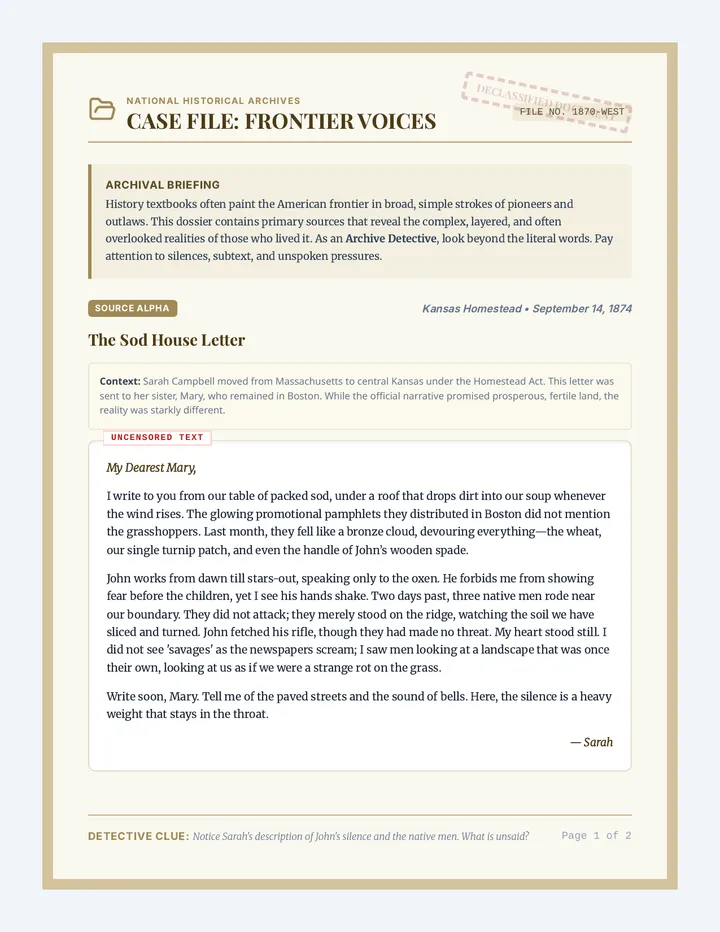
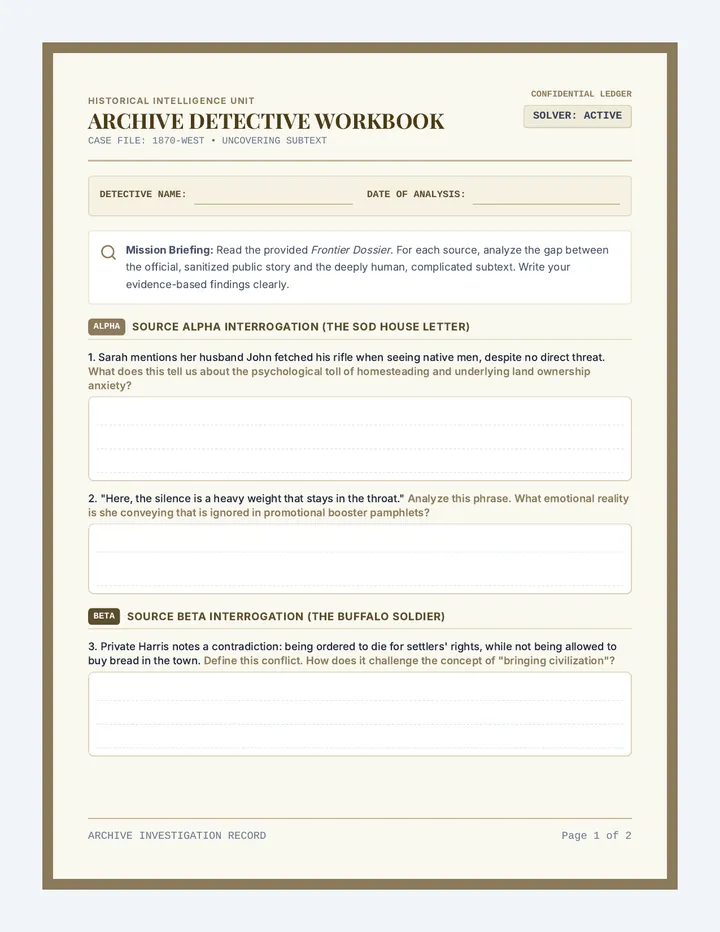
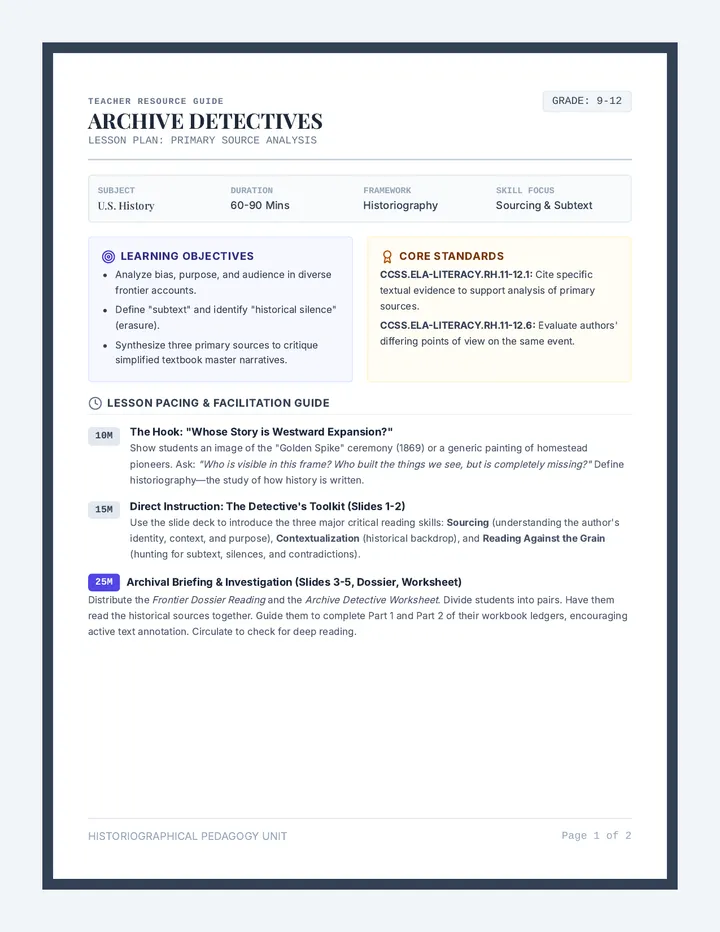
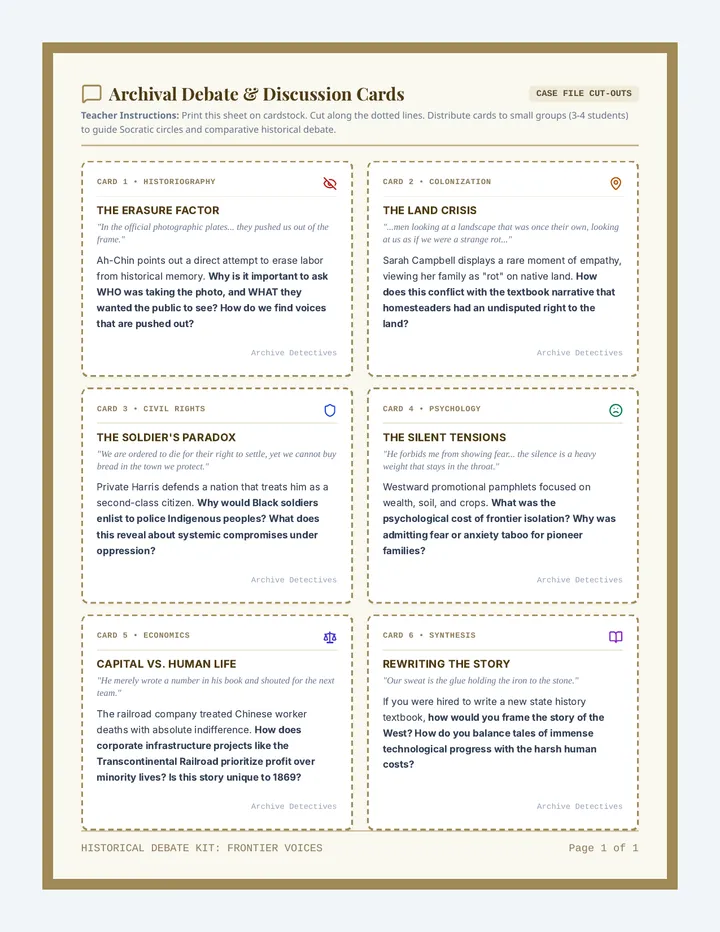
A comprehensive history lesson where high school students analyze primary source letters and journals from the American frontier. They uncover overlooked perspectives, evaluate historical context, and build advanced critical thinking skills.
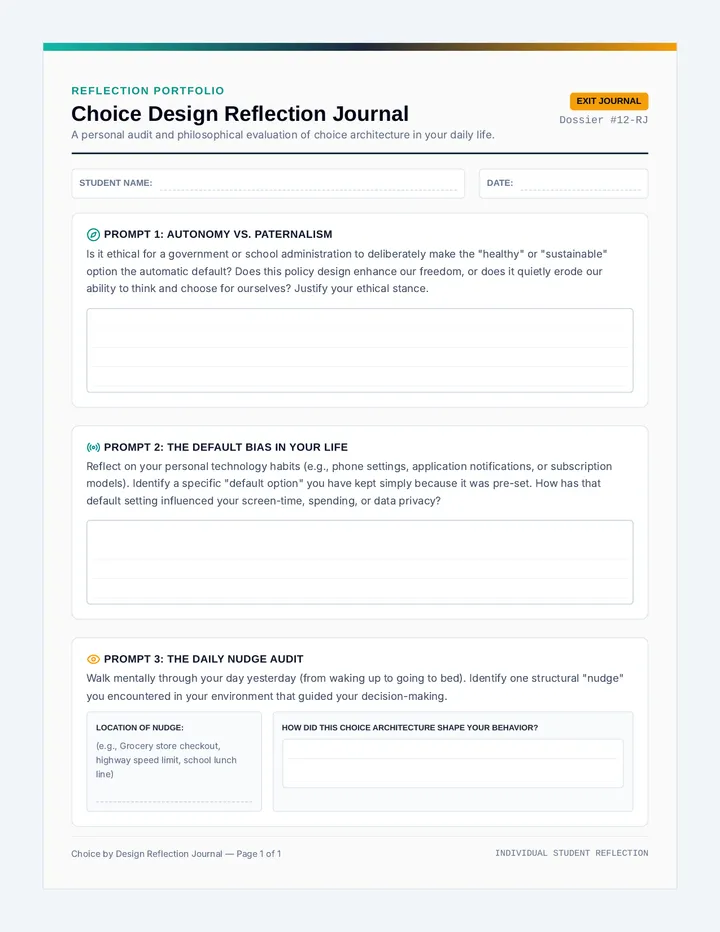
A 1-page structured reflection journal/exit ticket for students to audit daily nudges, evaluate paternalistic policies, and reflect on personal autonomy.
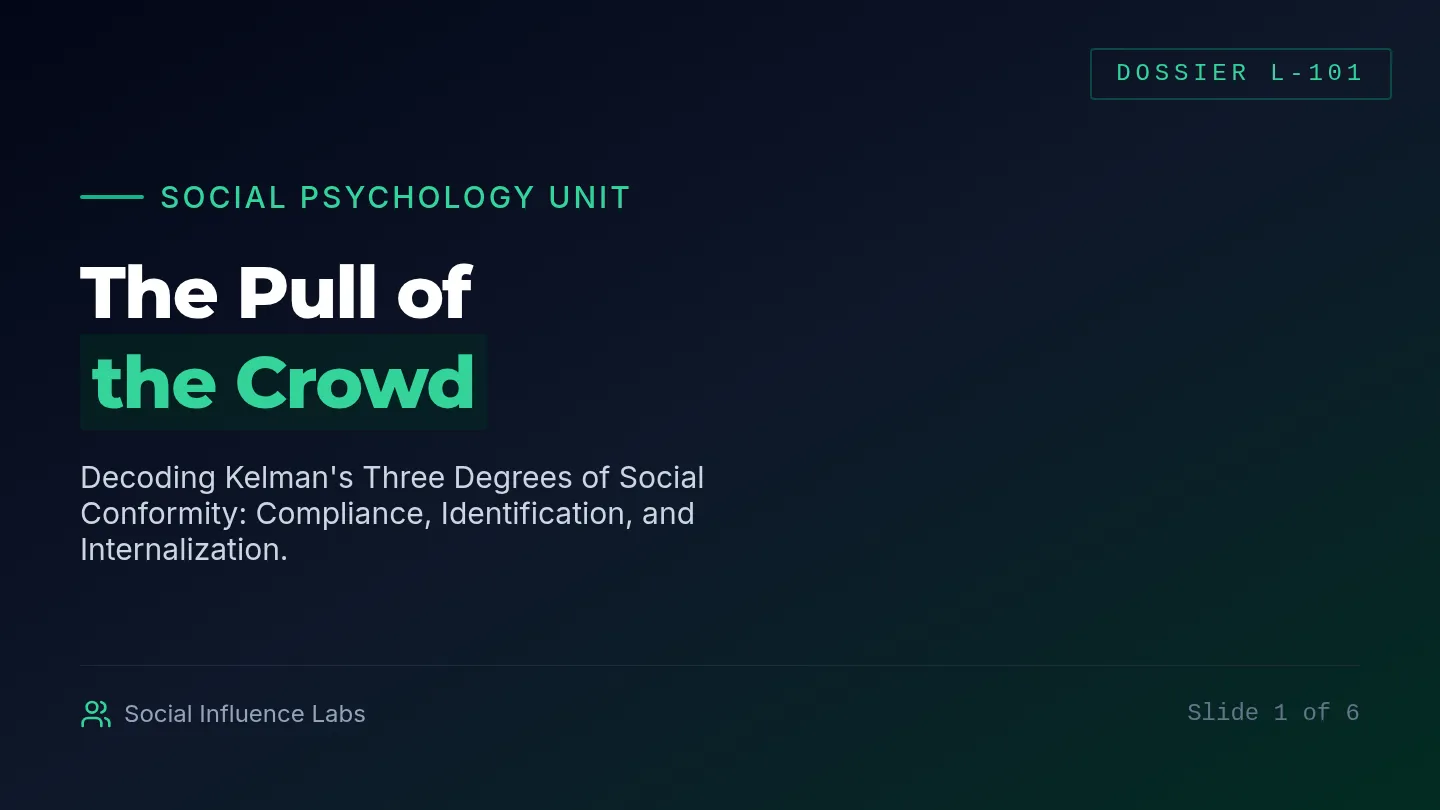
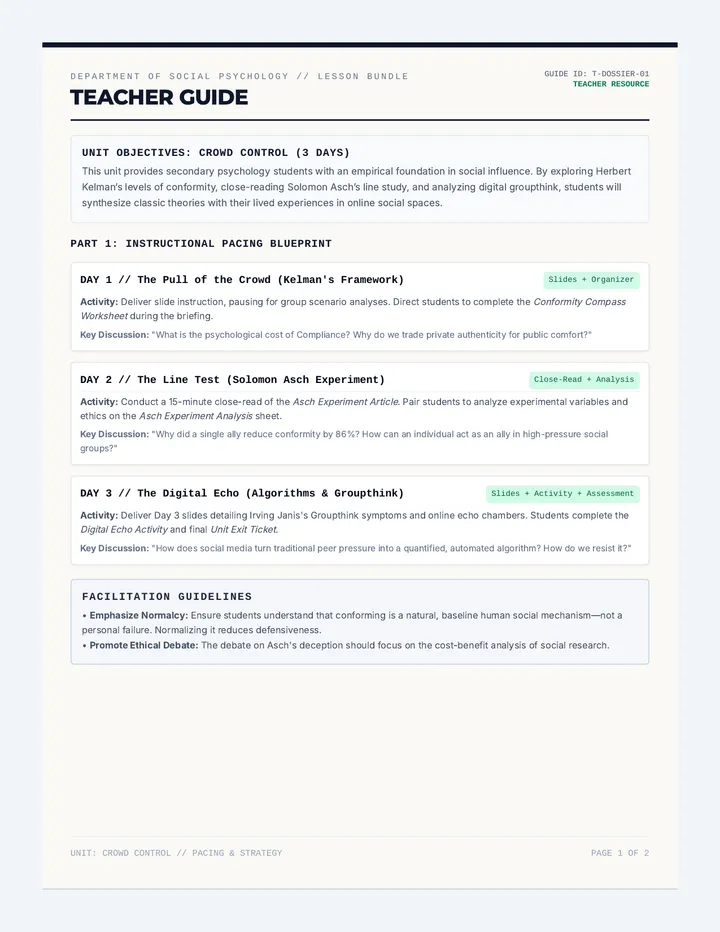
A three-day social psychology sequence exploring conformity, groupthink, and social influence. Students analyze foundational experiments, compare compliance versus internalization, and dissect modern digital peer pressure and media dynamics.
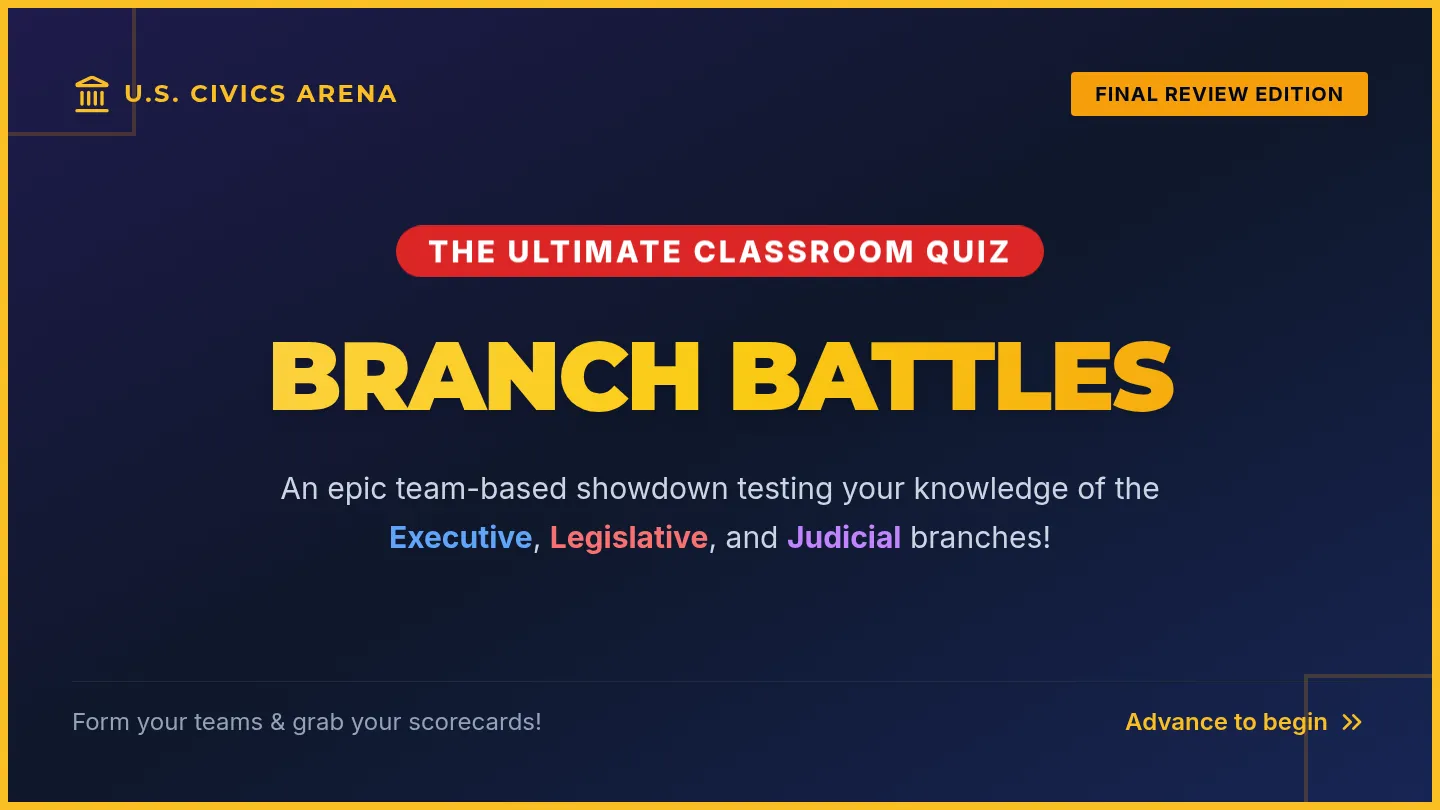
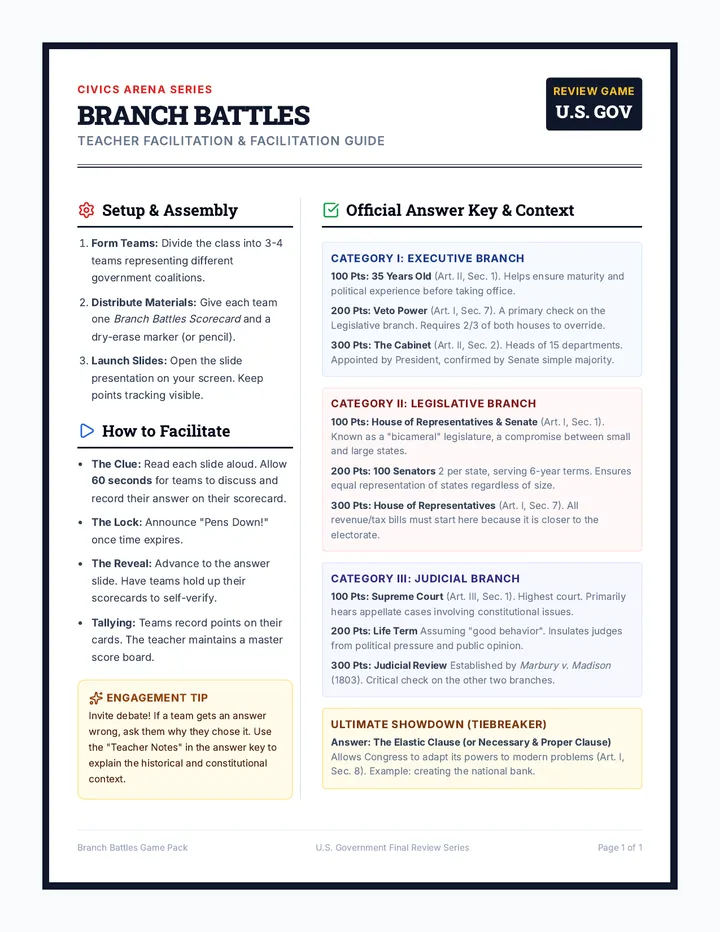
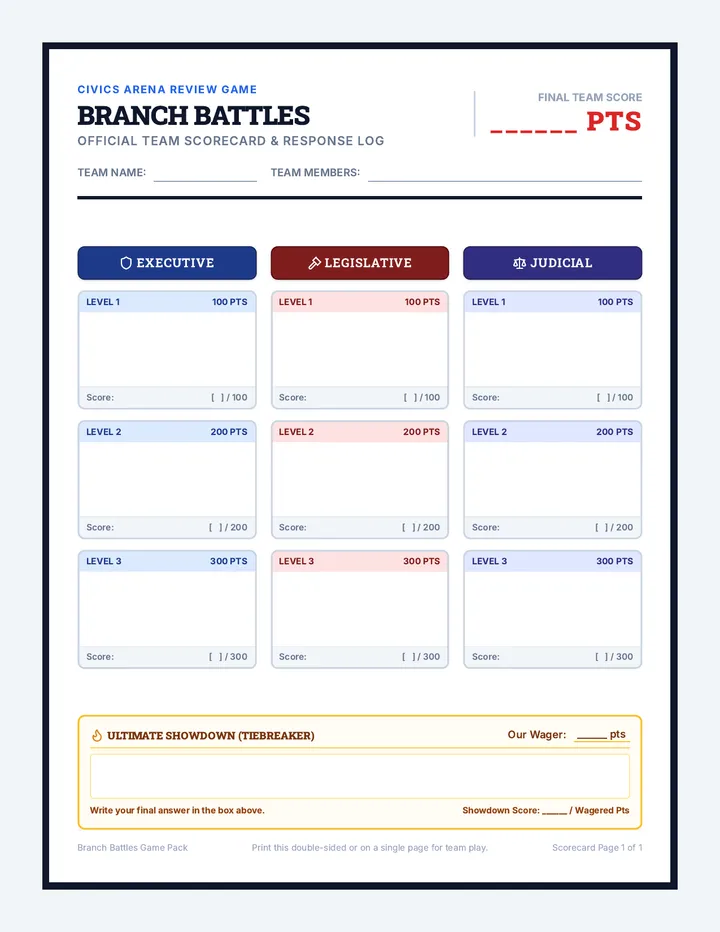
A high-energy team review game covering the Executive, Legislative, and Judicial branches of the US government. Includes a game-show style presentation, a teacher facilitation guide with rules and answer keys, and a student scoreboard sheet for active participation.
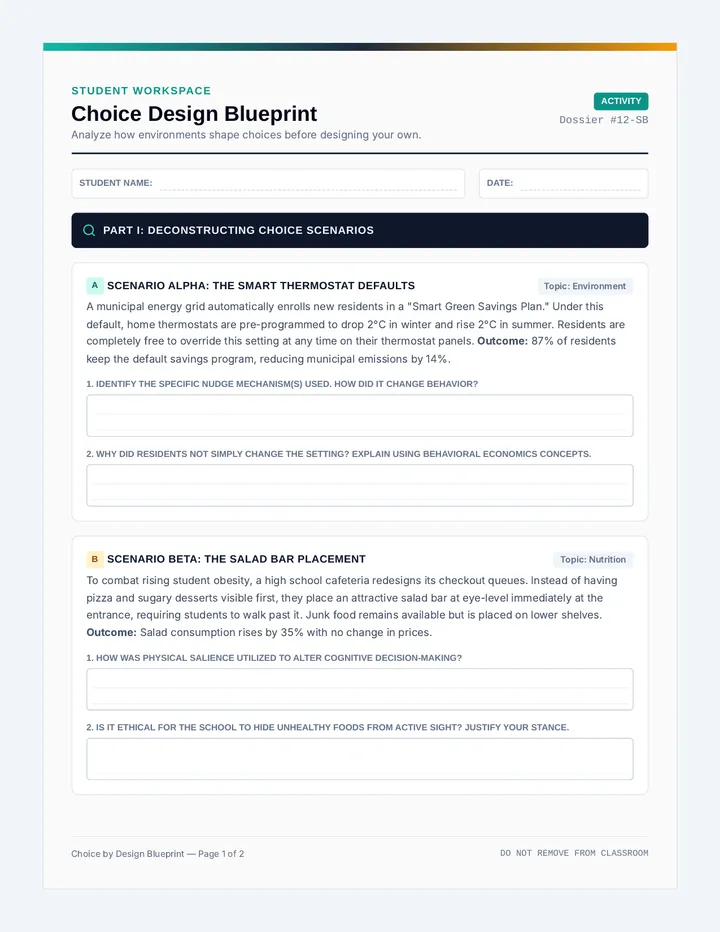
A 2-page student worksheet featuring real-world policy scenario analysis on Page 1, and a structured, hands-on choice architecture design blueprint on Page 2.