Lenny.com
Explore
Create
ActivitiesNewMathEnglish Language ArtsScience & EngineeringSocial StudiesGlobal LanguagesHealth & Physical EducationSpecial EducationCounseling & Life SkillsArts & CreativityESL
Lenny.com
Lenny.com
Explore
Create
ActivitiesNewMathEnglish Language ArtsScience & EngineeringSocial StudiesGlobal LanguagesHealth & Physical EducationSpecial EducationCounseling & Life SkillsArts & CreativityESL
Lenny.com
Lenny.com

Solutions

Lenny for EducatorsLenny for SchoolsLenny for Districts

Product

ExploreSign inCreateSupportAbout

Resources

Getting startedMTSS Acceleration Program

Newsletters

School Funding Newsletter

© 2026 Lenny Learning Inc.

TermsPrivacyAccessibility
LinkedInInstagramX
Lenny

Medieval Europe

Feudal social structures, religious authority, and the rise of monarchies from the 5th through 15th centuries. Examines the impact of the Crusades, the Black Death, and the transition toward early modern nation-states.

Social StudiesSocial Studies PracticesLocation WordsMapsOrder EventsChronology and CausationEvaluating SourcesHistorical ThinkingGeography, Humans, & the EnvironmentAmerican Symbols and LandmarksCitiesStatesState CapitalsRegions of the United StatesGeographic SkillsPhysical GeographyHuman GeographyRegional GeographyGeography of AfricaGeography of AsiaGeography of EuropeGeography of OceaniaGeography of the AmericasSociety and Environment of EuropeSociety and Environment of AsiaSociety and Environment of The AmericasSociety and Environment of the Middle EastSociety and Environment of AfricaHistoryPrehistoryComparing Ancient River CivilizationsAncient MesopotamiaAncient Egypt and KushAncient South AsiaEarly ChinaGreeceRome and the Byzantine EmpireAncient World HistoryNative Peoples of North AmericaNative Peoples of Mesoamerica and South AmericaAfrican EmpiresMedieval AsiaMedieval EuropeThe Silk RoadMedieval HistoryIslamic EmpiresWorld ReligionsRenaissance PeriodAge of ExplorationThe Thirteen ColoniesThe American RevolutionUS History Early RepublicFounding of the United StatesUS History AntebellumUS Civil WarReconstruction PeriodThe Gilded AgeUS ImperialismWorld ImperialismWorld War IUS History 1920sGreat DepressionWorld War IIThe Cold WarUS History 1950-60sUS History 1960s-70sWorld History 20th CenturyContemporary US HistoryContemporary World HistoryHolidaysCivics and GovernmentCitizenshipGovernment FoundationsThe ConstitutionUS ConstitutionExecutive BranchLegislative BranchJudicial BranchState and LocalPolitical ParticipationPublic PolicyPolitical SystemsPower and AuthoritySocial MovementsDefining DevianceTheories of DevianceCrime and Criminal JusticeEconomicsBasic Economic PrinciplesSupply and DemandWhat is MoneyEconomic FundamentalsMicroeconomicsMacroeconomicsBanking and FinanceEconomic SystemsGlobal EconomicsCorporations and PowerThe Changing WorkplaceUnemployment and LaborClass and InequalitySocial MobilityGlobal InequalityPsychologyHistory of PsychologyPsychology as a ScienceBrain and Nervous SystemNeuroscience and BehaviorGenetics and BehaviorSleep and ConsciousnessSensory ProcessesPerceptual OrganizationClassical ConditioningOperant ConditioningObservational LearningCognitive LearningMemory ProcessesThinking and Problem SolvingLanguage and CognitionTheories of MotivationStress and CopingPrenatal and Infant DevelopmentChildhood DevelopmentAdolescent DevelopmentAdulthood and AgingSelf and IdentitySocial CognitionSocial InfluenceAttraction and RelationshipsGroup BehaviorPrejudice and DiscriminationAnxiety and Mood DisordersClinical PsychologyForensic PsychologyPhilosophy & EthicsIntroduction to PhilosophyMajor Philosophers & IdeasMind and Body ProblemFree Will vs DeterminismEthics & MoralityReligion & PhilosophyPolitical Philosophy

Videos

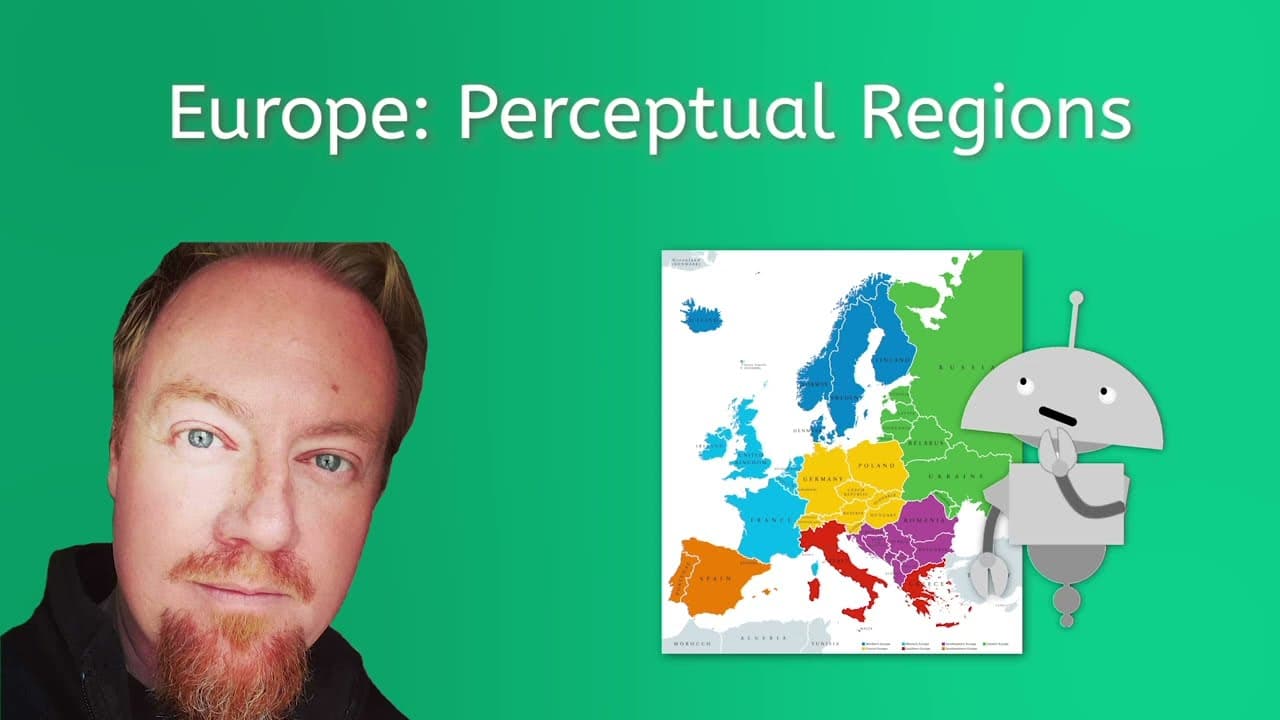
Mapping Europe: Physical Landscapes and Cultural Regions

Mapping Europe: Physical Landscapes and Cultural Regions

This educational video provides a comprehensive overview of Europe's regional geography, moving beyond simple political borders to explore "perceptual regions" defined by physical landscapes, history, and culture. The narrator, Brian, guides viewers through two main frameworks for understanding the continent: first by physical features like the Northern European Plain and Alpine Mountains, and then by cultural groupings such as Western, Eastern, and Central Europe. The video uses maps and historical context to explain why certain countries are grouped together, touching on the impact of the Cold War, the Roman Empire, and physical glaciation. Key themes include the distinction between physical and cultural geography, the lingering effects of the Cold War on European identity, and the specific characteristics of regions like Scandinavia, the Balkans, and the "Benelux" countries. It connects modern economic realities—such as the wealth of Western Europe or the tech industry in Northern Europe—to historical events and geographical advantages. The video also introduces important geographical terminology like "Balkanization," "uplands," and "breadbasket." For educators, this video serves as an excellent anchor for units on World Geography or European History. It helps students visualize abstract concepts like "perceptual regions" through clear map animations and concrete examples. Teachers can use the segment on the origin of "Bluetooth" to engage students with history, or leverage the discussion on the Iron Curtain to introduce geopolitical divides. It encourages critical thinking about how we categorize nations and how history shapes our mental maps of the world.
Miacademy & MiaPrep Learning ChannelMiacademy & MiaPrep Learning Channel

11mins 47s

The Rise and Impact of Industrial Capitalism

The Rise and Impact of Industrial Capitalism

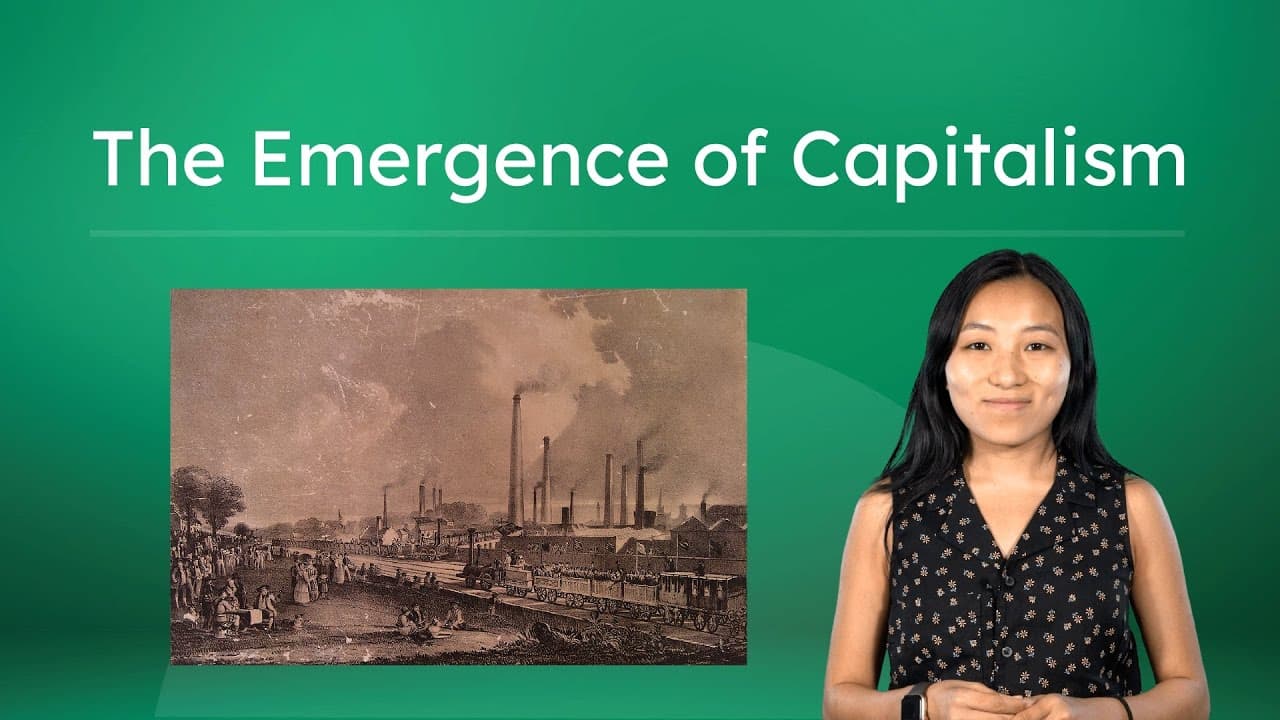
This educational video provides a comprehensive overview of capitalism's emergence during the Industrial Revolution, contrasting it with the preceding feudal system. It uses a modern-day analogy of a t-shirt business to explain complex economic concepts like profit, supply and demand, and market exchange before diving into the historical realities of Industrial England. The narrator introduces key figures like Adam Smith and concepts such as laissez-faire economics, explaining how the shift from subsistence farming to mass production fundamentally changed society. The video presents a balanced analysis of industrial-era capitalism by detailing both its significant benefits—such as self-determination, innovation, and massive economic growth (GDP)—and its severe drawbacks. These drawbacks include extreme wealth inequality, worker exploitation (including child labor and dangerous conditions), the rise of monopolies, and environmental degradation. The content highlights the complexities of the system, showing how it led to both unprecedented prosperity for some and difficult lives for others. For educators, this resource serves as an excellent primer for units on the Industrial Revolution, Economics, or World History. It effectively breaks down abstract economic terms into digestible examples and provides clear visual data (graphs on GDP and wages) that allow for quantitative analysis in the classroom. The video concludes by setting the stage for government regulation and the rise of labor unions, making it a perfect bridge to lessons on social reform movements.

Miacademy & MiaPrep Learning ChannelMiacademy & MiaPrep Learning Channel

17mins 35s

Building Kingdoms on Promises: The Feudal System Explained

Building Kingdoms on Promises: The Feudal System Explained

This engaging educational video explores the structure and impact of the feudal system in Medieval Europe through the unique lens of "promises." The narrator explains how the entire society was built on a foundation of pledges—land in exchange for loyalty and protection. The video breaks down the social hierarchy of the Middle Ages, defining the roles of Kings, Nobles, Knights, and Peasants/Serfs, and illustrating how these groups relied on one another in a time of instability and isolation.

Miacademy & MiaPrep Learning ChannelMiacademy & MiaPrep Learning Channel

14mins 7s

Discovering History Through Multiple Perspectives

Discovering History Through Multiple Perspectives

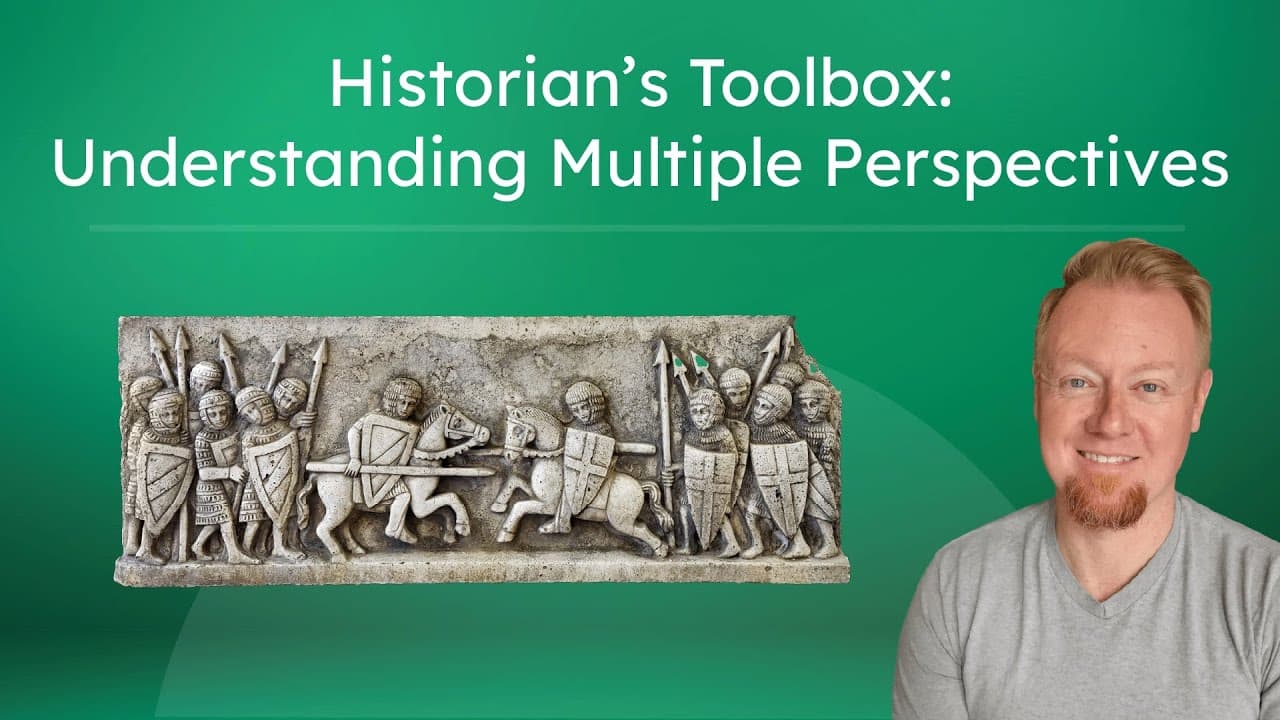
This engaging educational video introduces students to the critical historical concept of historiography—specifically, the importance of analyzing multiple perspectives to understand the past. Through a clever retelling of "Jack and the Beanstalk" from the Giant's point of view, the narrator demonstrates how changing the storyteller changes the story itself. The video transitions from this accessible analogy to real-world historical examples, showing how differently events are perceived depending on who is telling the tale.

Miacademy & MiaPrep Learning ChannelMiacademy & MiaPrep Learning Channel

11mins 43s

How Disease Shaped Human History

How Disease Shaped Human History

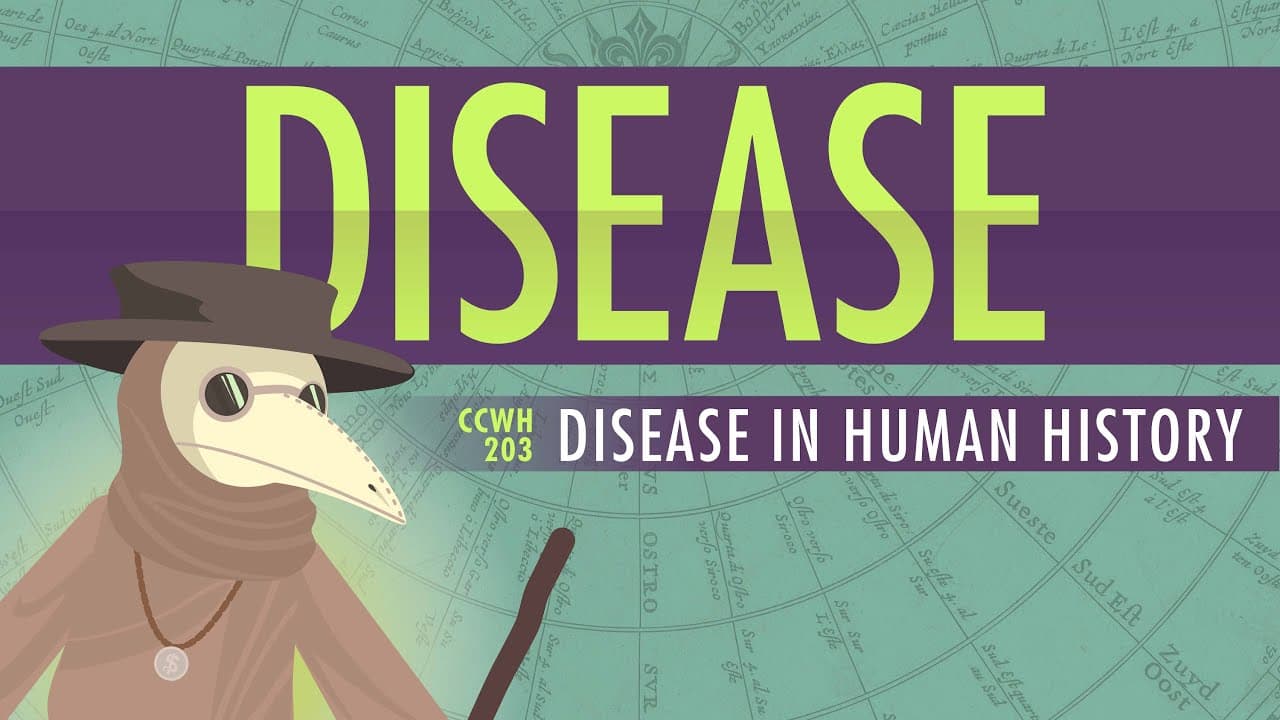
This episode of Crash Course World History explores the profound impact of disease on human history, challenging the traditional view that history is driven solely by human decisions and actions. Host John Green argues that microorganisms have often been more influential than emperors or generals, shaping the rise and fall of civilizations from ancient river valleys to the modern era. The video covers how the development of agriculture and cities created breeding grounds for epidemics and how trade networks facilitated their spread across continents. Key historical events analyzed include the Plague of Athens, the decline of the Roman Empire, and most notably, the Black Death in medieval Europe. The video details the biological origins of the bubonic plague, its transmission via the Silk Road, and its massive demographic, economic, and religious consequences. It also addresses the "Great Dying" in the Americas following the Columbian Exchange, highlighting the devastating effect of Old World diseases on indigenous populations. For educators, this video serves as an excellent tool for teaching historical causality, human-environment interaction, and the interconnectedness of world regions. It connects biological concepts with historical events, making it suitable for interdisciplinary lessons. The "Thought Bubble" segment provides a clear case study on how demographic shifts (mass death) can lead to economic restructuring (higher wages) and cultural changes, offering tangible examples for students to analyze.

CrashCourseCrashCourse

11mins 37s

From Absolute Kings to Constitutional Rights: The English Civil War

From Absolute Kings to Constitutional Rights: The English Civil War

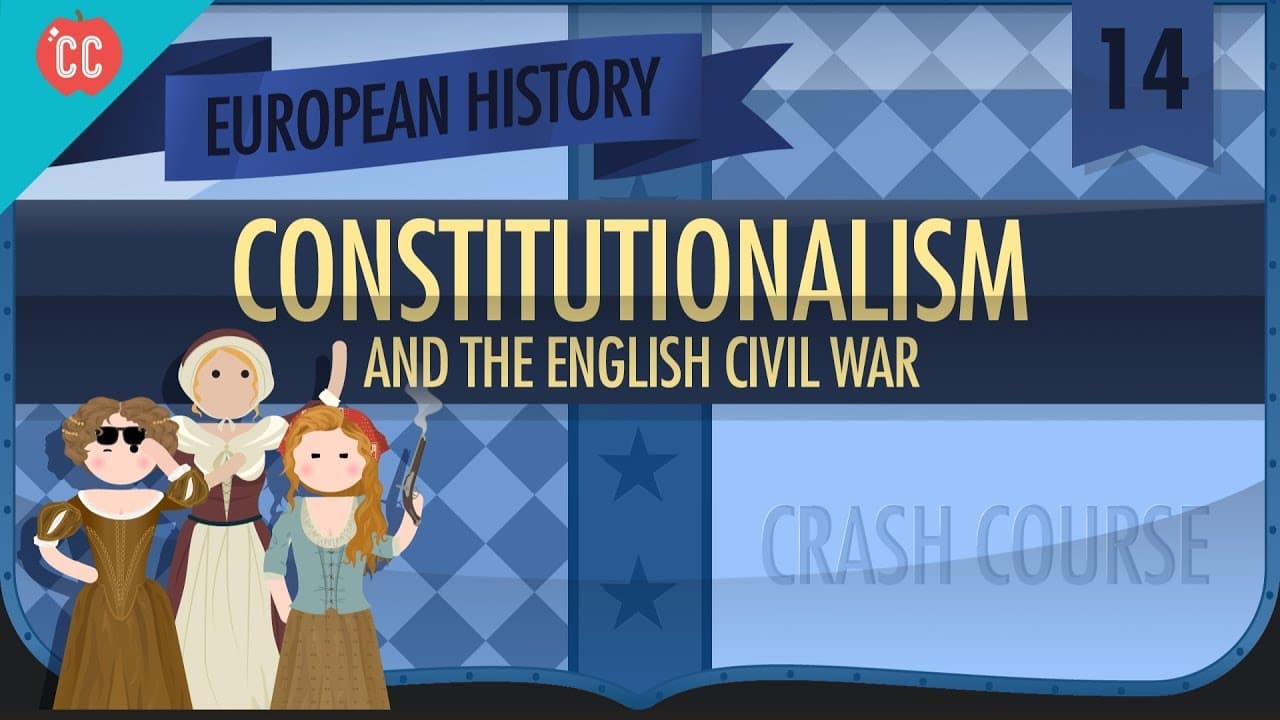
This episode of Crash Course European History explores the tumultuous 17th-century struggle in Britain between the concept of the "Divine Right of Kings" and the rising power of Parliament. It details the reigns of the Stuart monarchs—James I, Charles I, Charles II, and James II—tracing how their attempts to enforce absolute rule and religious uniformity led to the English Civil War, the execution of a king, and a temporary military dictatorship under Oliver Cromwell. The video delves into the complex intersection of religion and politics, highlighting how conflicts between Catholics, Anglicans, and Puritans fueled social unrest, civil war, and eventually the "Glorious Revolution." It examines the pivotal transition from absolutism to constitutionalism, culminating in the English Bill of Rights of 1689, which established parliamentary sovereignty and limited monarchical power. For educators, this resource serves as an essential primer on the foundations of modern Western democracy. It connects historical events to the influential political philosophies of Thomas Hobbes and John Locke, demonstrating how the chaos of the 17th century birthed the concepts of natural rights—life, liberty, and property—that directly influenced the founding documents of the United States and other modern democracies.

CrashCourseCrashCourse

14mins 36s

Materials

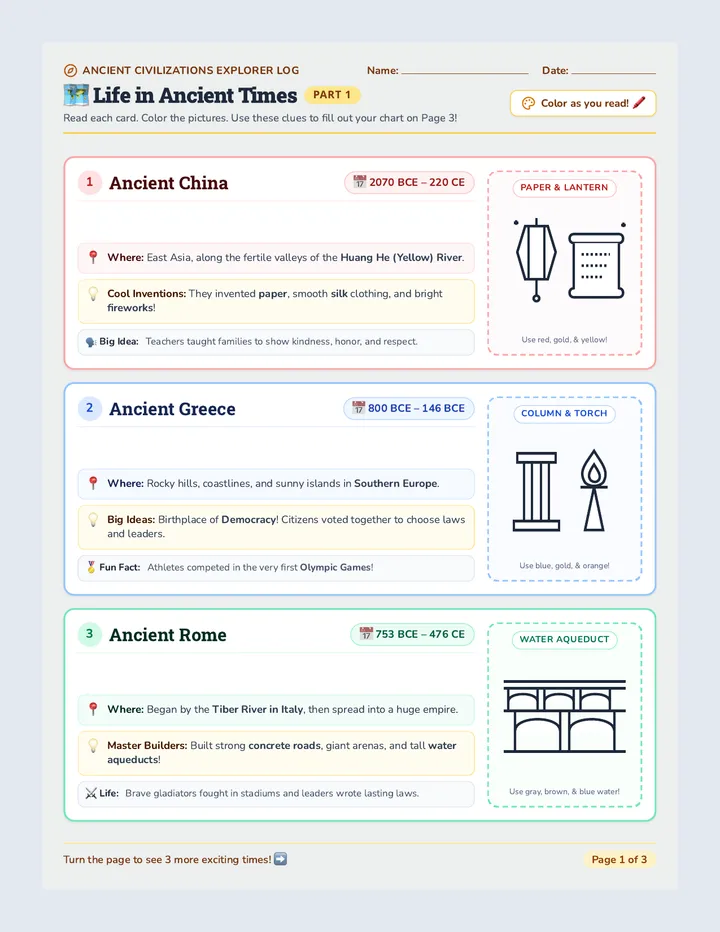
Ancient World Explorer Graphic Organizer

Ancient World Explorer Graphic Organizer

An accessible, highly visual 3-page ancient civilizations comparison activity designed for a 7th grade student reading at a 2nd grade level. Revised to eliminate awkward vertical gaps on the reading pages by expanding the cards with larger text, kid-friendly vocabulary callouts, and spacious coloring illustrations.

KC

Kasie Costopulos

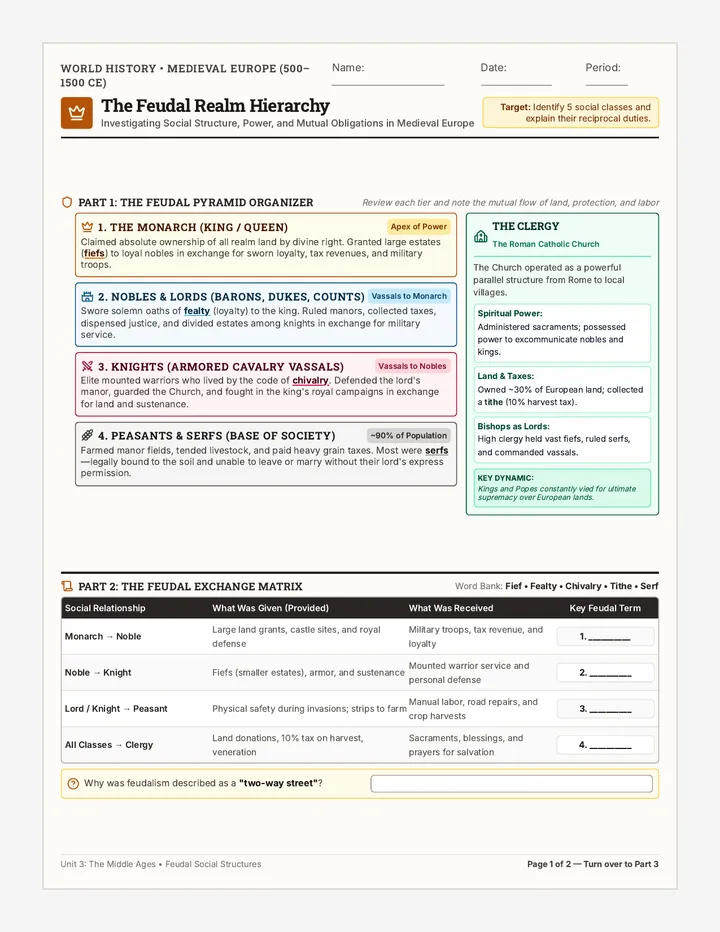
Feudal Realm Hierarchy Worksheet

Feudal Realm Hierarchy Worksheet

A comprehensive 2-page graphic organizer and analysis worksheet exploring medieval European feudal society. Students examine the five major social groups—monarchs, nobles, clergy, knights, and peasants—through a structured hierarchy pyramid, reciprocal obligation charts, historical voice analysis vignettes, and critical synthesis questions.

HO

Helen O'Keefe

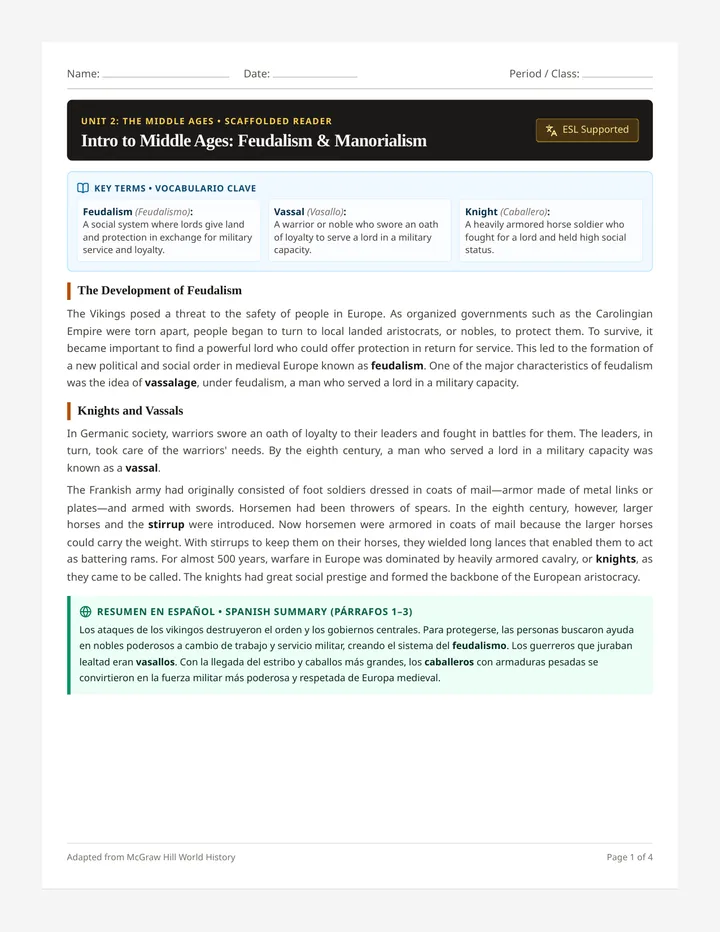
Medieval Feudalism Reading Guide

Medieval Feudalism Reading Guide

A four-page scaffolded reading guide on feudalism and manorialism in the Middle Ages. Features the complete original historical text and primary source alongside ESL vocabulary banks, student-friendly definitions, cognates, Spanish summaries for each major section, and sentence frames for guiding questions.

JO

Jacob Obannon

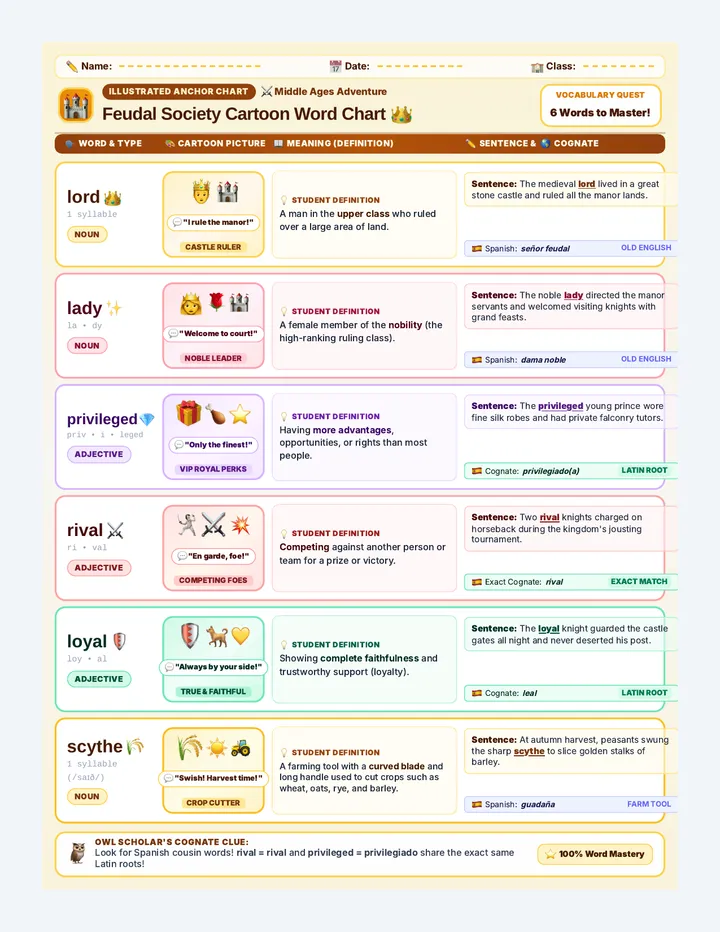
Medieval Words Vocabulary Chart

Medieval Words Vocabulary Chart

A colorful, kid-friendly medieval vocabulary anchor chart packed with cartoon illustrations, character speech bubbles, picture clues, exact definitions, sentences, and Spanish cognate connections.

A

aasaltzman

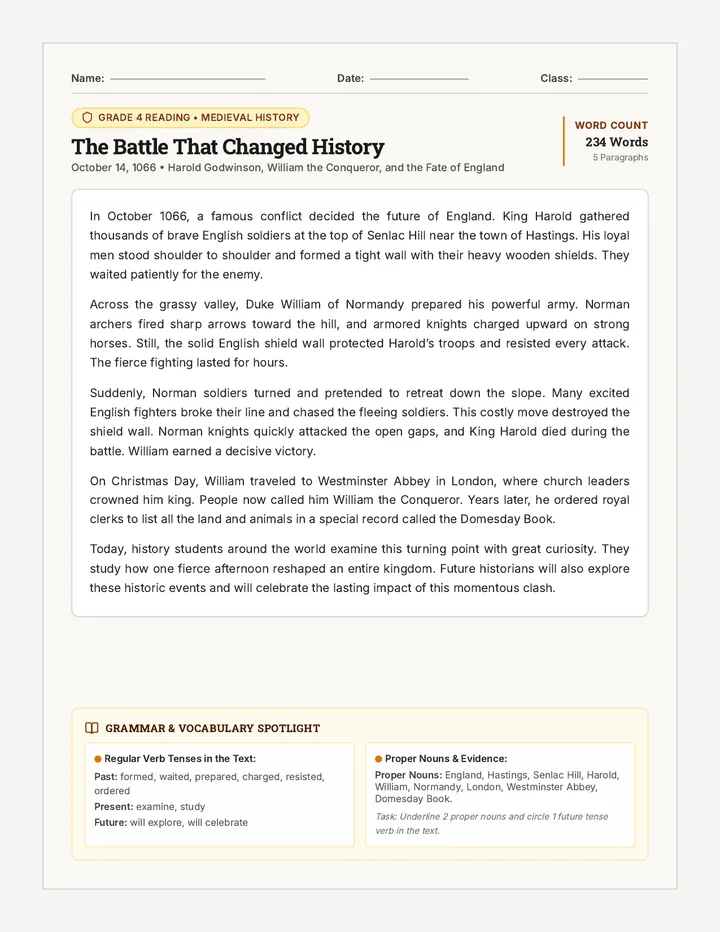
Hastings Clash Reading Passage

Hastings Clash Reading Passage

A 4th-grade leveled historical reading passage (234 words across 5 paragraphs) based on Chapter 6 of the Middle Ages unit, featuring proper nouns and regular verbs in past, present, and future tenses.

LH

Lucy Hellerman

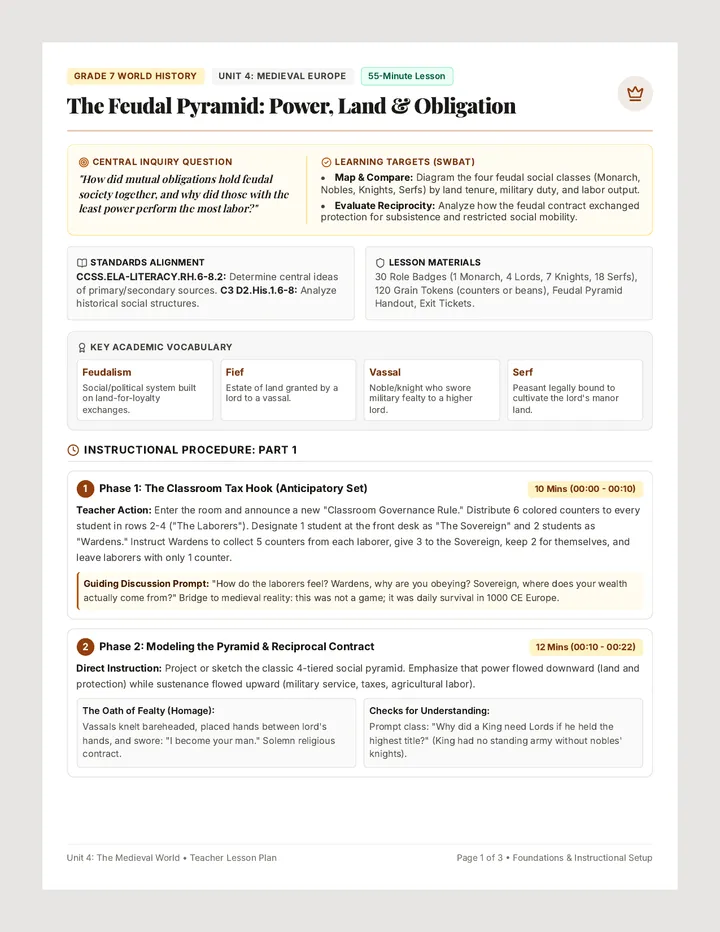
Feudal Pyramid Lesson Plan

Feudal Pyramid Lesson Plan

A comprehensive 3-page 7th grade history lesson plan examining the feudal social hierarchy, reciprocal obligations, and power dynamics through a hands-on classroom simulation, comparative analysis, and differentiated assessment.

HO

Helen O'Keefe

Sequences

Protest Path Teacher Guide

Reformation Rebels

A comprehensive introduction to the Reformation for 5th-grade students, focusing on key figures like Martin Luther and John Calvin, and the revolutionary impact of the printing press.

KL

Kim Leary

6
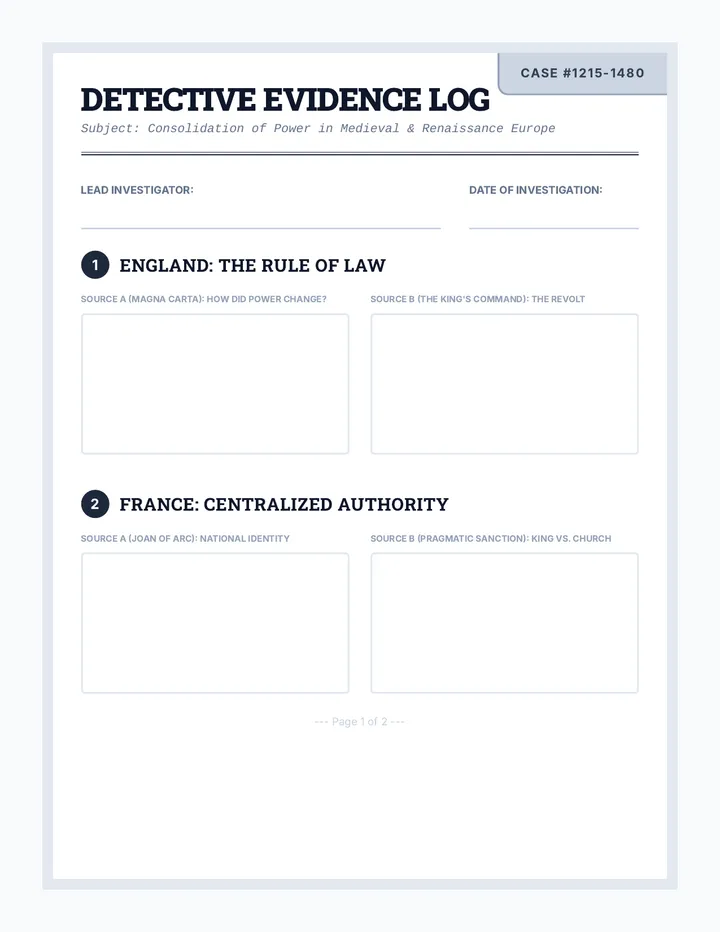
Detective Evidence Log Worksheet

Nation State Detectives

A comprehensive middle school history unit where students act as 'history detectives' to investigate the rise of nation-states in England, France, Spain, and Russia through primary source analysis.

HO

Helen O'Keefe

11
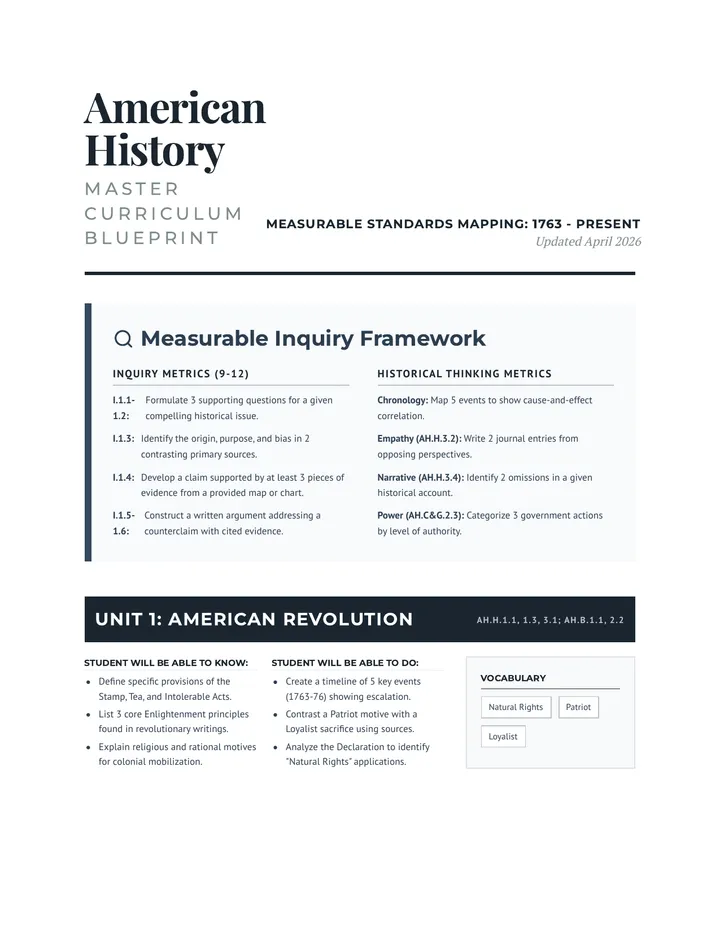
Curriculum Blueprint Document v2

History Horizon Sequence

A comprehensive high school curriculum plan for American History, covering 13 units from the American Revolution to the modern era, aligned with North Carolina Social Studies standards.

AK

Amity Kea

21
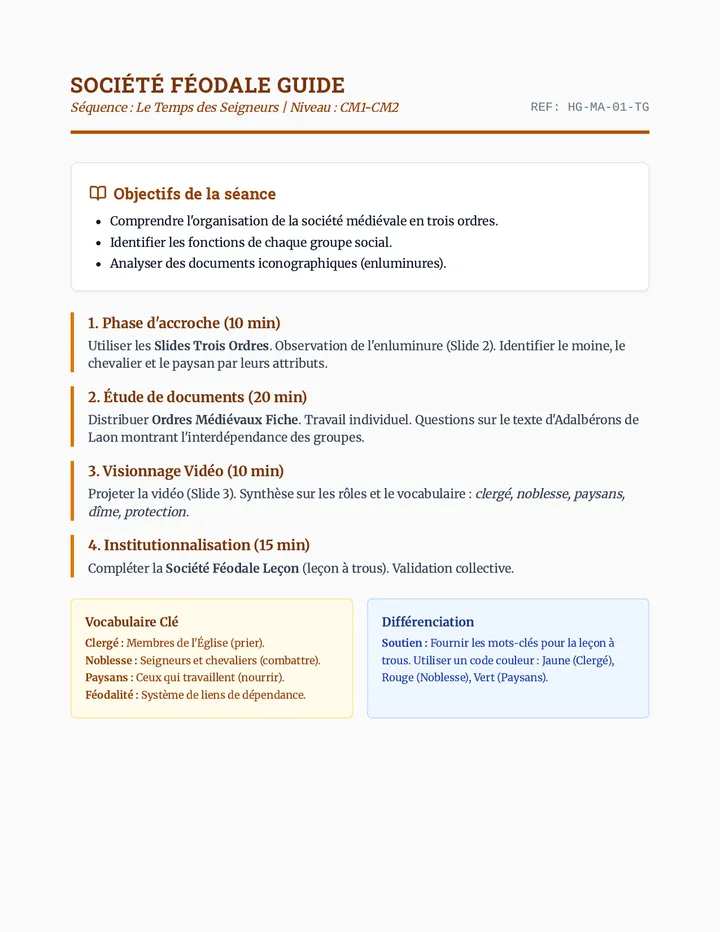
Société Féodale Guide

Temps des Seigneurs

Cette séquence explore l'organisation sociale du Moyen Âge à travers les trois ordres (ceux qui prient, combattent et travaillent) ainsi que l'architecture et le rôle défensif des châteaux forts. Elle alterne entre analyse de documents historiques, visionnage de vidéos et synthèses créatives.

AC

anne chandelier

8
Knighthood Journey Slides

Knights and Castles

A journey into the world of medieval knights and castles, exploring the training, ethics, engineering, and symbolism of the Middle Ages. Students learn about the life of a knight, the construction of fortresses, and the code of chivalry through hands-on activities and historical analysis.

15
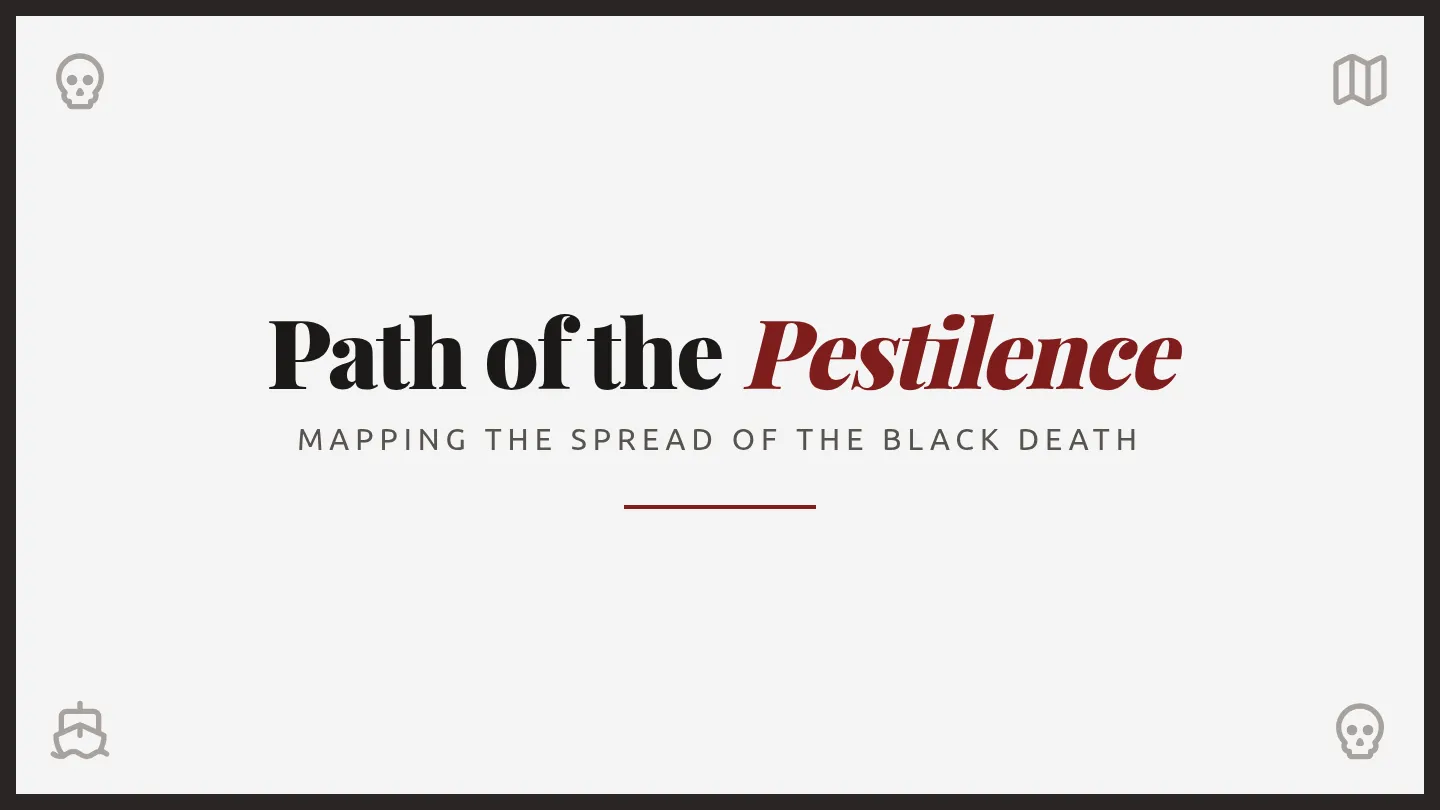
Pestilence Path Slides

Shadow of the Plague

This sequence explores the arrival, spread, and transformative impact of the Black Death on medieval Europe. Students analyze geographic routes, compare medieval and modern medicine, simulate economic shifts, and evaluate how the pandemic triggered the collapse of the feudal system.

12

Lessons

Crown and Covenant Teacher Guide

Crown and Covenant

A pre-reading lesson on the Divine Right of Kings and European Absolutism, preparing 10th-grade students with crucial background knowledge through a close reading of King James I and Louis XIV.

T

timothy.nixon

8
Explorer Epochs Wall Chart

Early World Explorers

A comprehensive lesson on early world exploration from 300 BCE to 1500 CE, focusing on the geographical, cultural, and religious impacts of key explorers across different continents.

J

jcasey

14
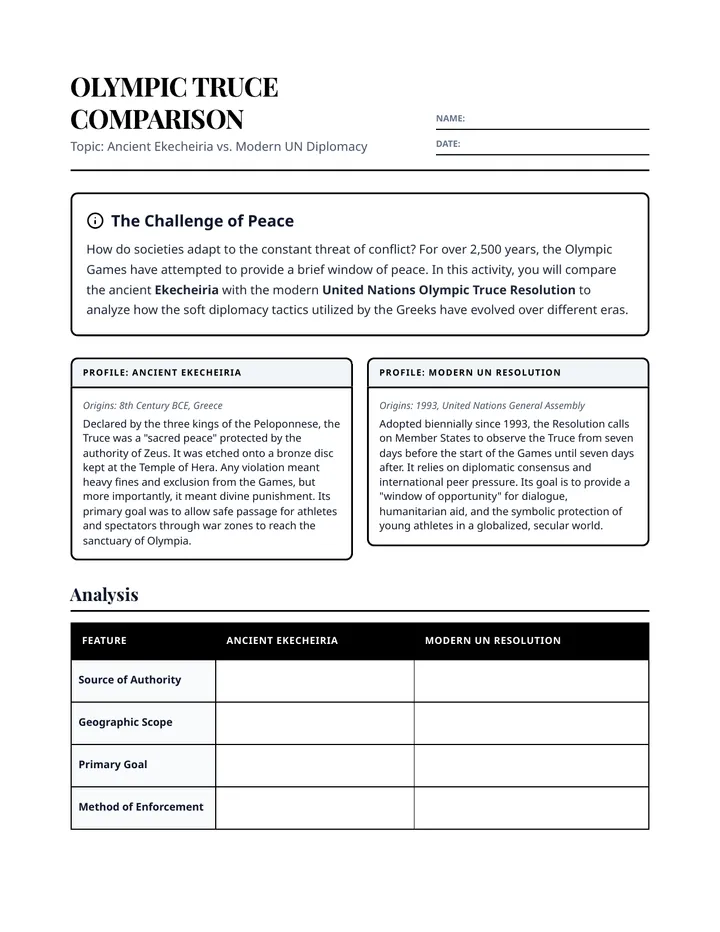
Olympic Truce Comparison Final Worksheet Final Final Expanded

Olympic Truce Diplomacy

A high school social studies lesson exploring the origins, evolution, and effectiveness of the Olympic Truce from ancient Greece to the modern United Nations era. Students analyze how this institution addresses societal and political challenges through international cooperation.

KK

Kathleen Kelsh

6
Revolutionary Comparison Slides

Revolutionary Face Off

A comprehensive 10th-grade history lesson comparing the French and American Revolutions, focusing on Enlightenment ideals, leadership, and long-term global impact through slides, primary sources, and structured comparison.

KB

Kenneth Brown

8
Donjons et Forteresses Guide de Séance

Forteresses et Donjons

Une séance d'histoire clé en main pour le CM1-CM2. Elle permet de découvrir l'architecture, la fonction et l'évolution des châteaux forts du Moyen Âge à travers l'analyse active de documents variés (enluminures, récits historiques, plans d'architecture).

AC

anne chandelier

5
Medieval Mayhem Test

Medieval Mastery Assessment

A comprehensive assessment covering the core pillars of Medieval European society, including the feudal hierarchy, the life of knights, Viking incursions, and the architectural defenses of castles.

LR

Linda Rector

5