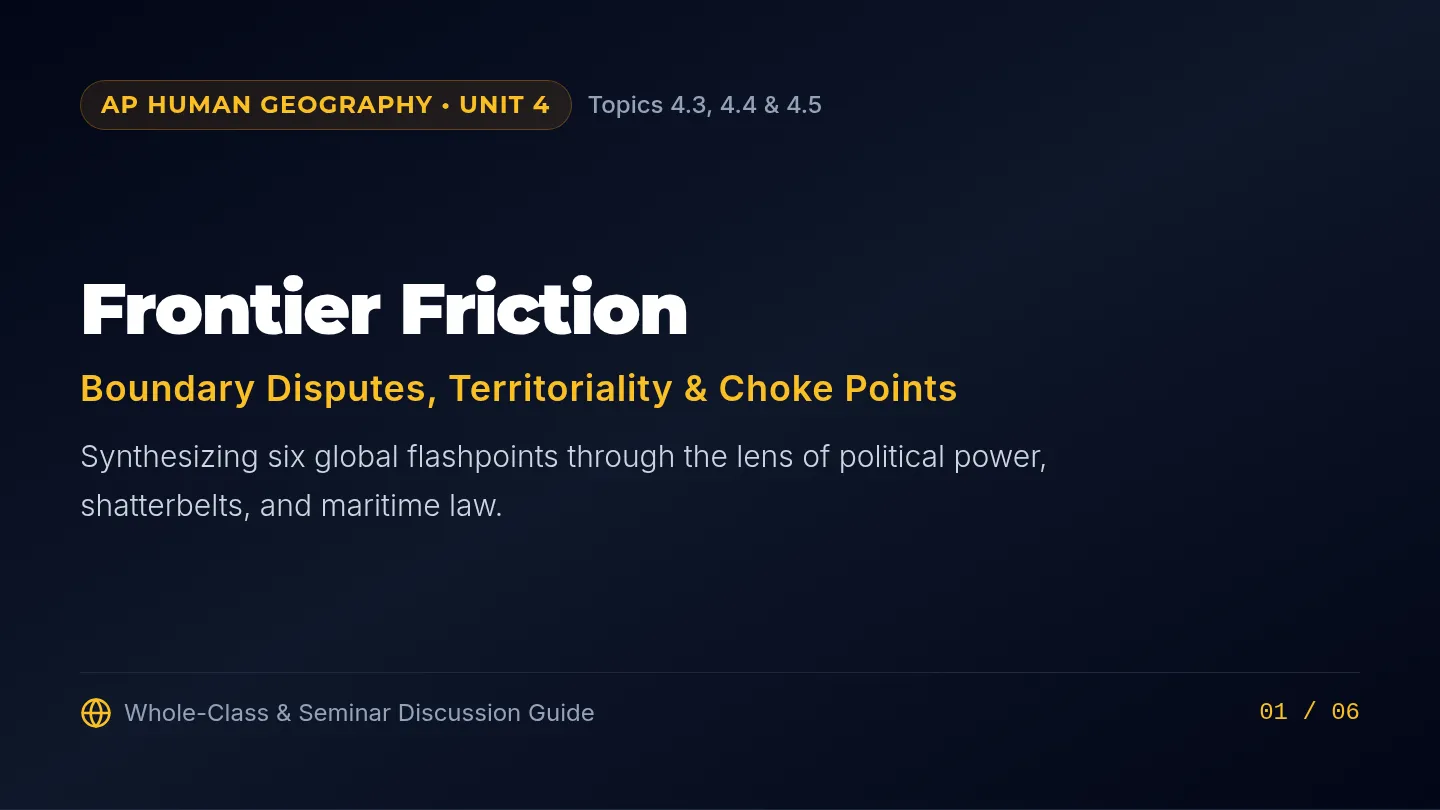
Theory of Leakage Slides Course Module 01
The Leakage
Hypothesis
Foundations of Micro-Expression Theory & Behavioral Analysis
FORENSIC AFFECT LAB
The 1/25th Second Truth
CASE STUDY #A-102
Observation Task
In the following clip, a witness provides a verbal statement of "no involvement." Look for the moment of asymmetry or transient muscle activation.
Key Indicators:
Disconnect between verbal and non-verbal
Rapid onset/offset of expression
Subtle "leakage" of suppressed affect
[Instructor: Play forensic interview clip here at 25% speed]
Affective Hierarchies
CATEGORY 01
Macro
Duration: 0.5 to 4 secondsIntensity: Obvious, high signalContext: Socially congruent, intentional or automatic
CATEGORY 02
Micro
Duration: < 0.5 secondsIntensity: Full face, but rapidContext: Emotional leakage of suppressed states
CATEGORY 03
Subtle
Duration: VariableIntensity: Low (partial activation)Context: Early onset of emotion or repression
The Inhibition Hypothesis
Paul Ekman & Wallace Friesen (1969)
Suggests that when an individual attempts to hide an emotion, the "leakage" occurs in the form of micro-expressions due to the involuntary nature of facial musculature.
Neural Competition
The motor cortex (voluntary) vs. the subcortical areas (involuntary).
Display Rules
Cultural norms that dictate when and how emotions are shown.
Inhibition Conflict Map
PRIMARY EMOTION (Amygdala)
INHIBITION (Motor Cortex)
RESULT: MICRO-EXPRESSION
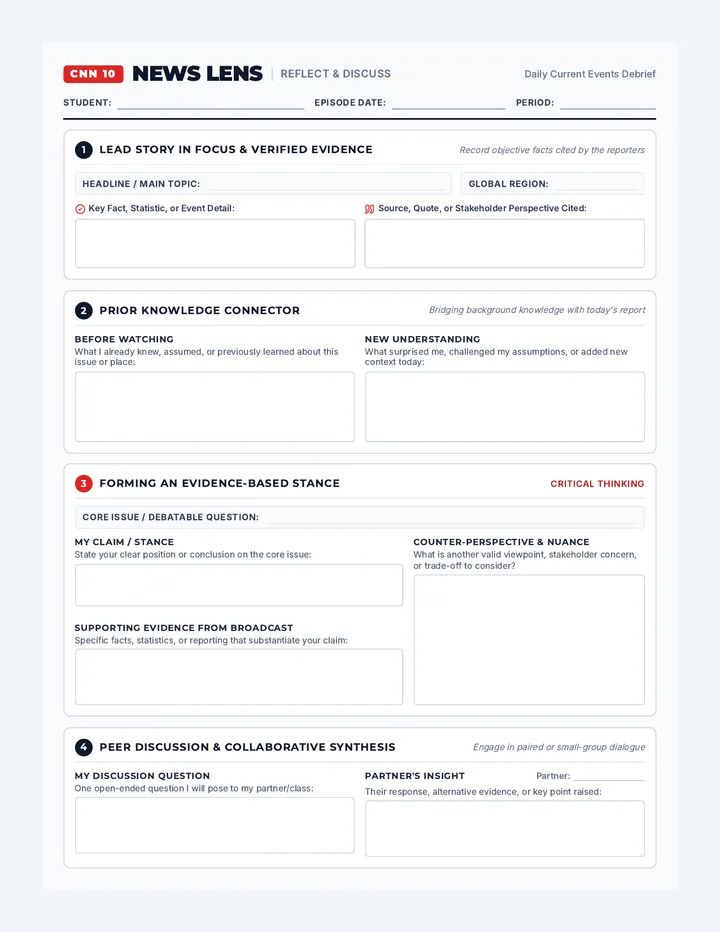
Clinical Seminar Discussion
Reflect on the clinical implications of spotting emotional leakage in clients with Social Communication Disorder.
Core Questions:
Does awareness of leakage improve the therapist's empathy or introduce diagnostic bias?
How might "over-monitoring" affect the therapeutic alliance?
Can we distinguish between a "concealed" emotion and an "unconscious" one through micro-expressions?
LAB GROUP BREAKOUT
"The observer is not a neutral instrument."
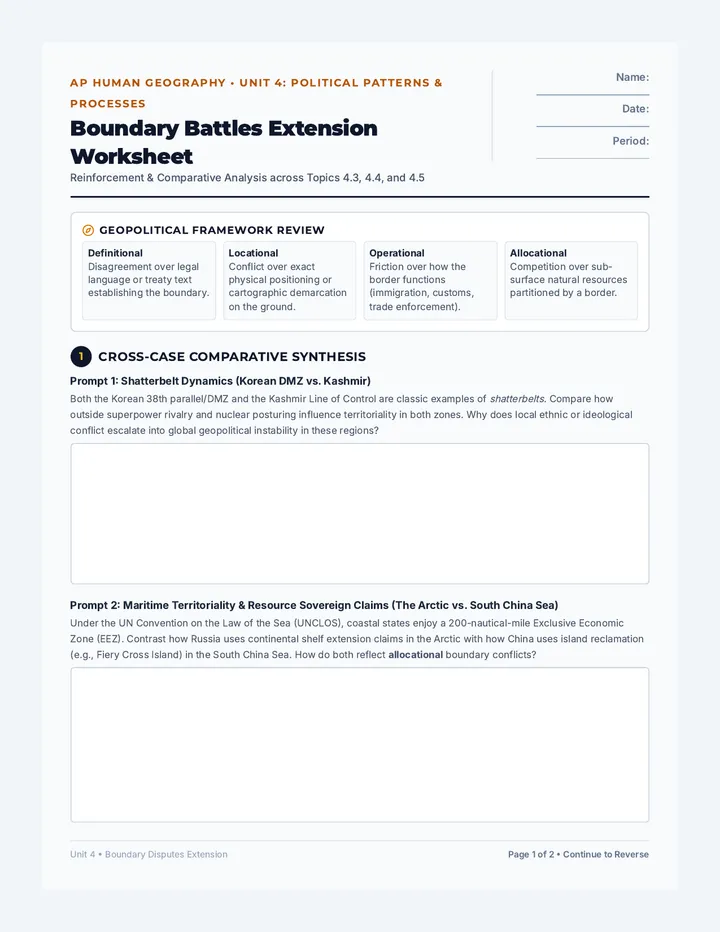
Leakage Seminar Guide The Leakage Hypothesis
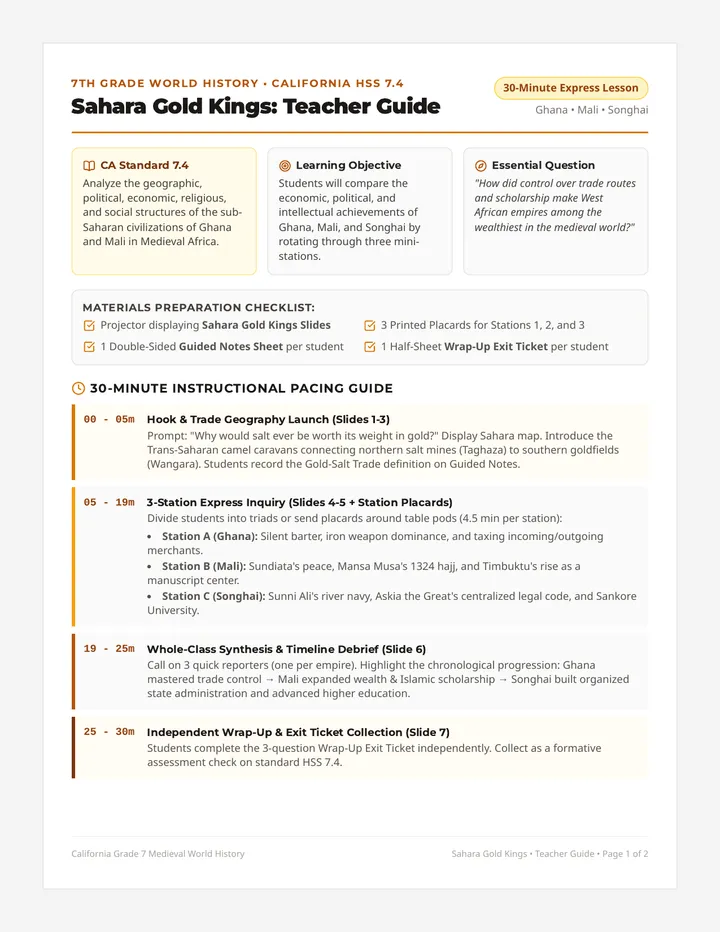
Teacher Seminar Guide • Forensic Affect Lab 01
LEVEL: GRADUATE
Pacing: 90 Minutes
Instructional Objectives
Theoretical Mastery: Students will define and contrast the Inhibition Hypothesis (Ekman & Friesen) with competing theories of affect.Taxonomic Differentiation: Distinguish between macro, micro, and subtle expressions based on duration, intensity, and neural origin.Clinical Application: Critique the ethical and practical implications of utilizing micro-expression detection in therapeutic settings.
Required Materials
[ ] Theory of Leakage Slides
[ ] Forensic Interview Video Clip
[ ] Student: Leakage Analysis Sheet
[ ] High-speed video playback tool
The Hook: Frame-by-Frame Truth (15 mins)
Engagement
Play a high-profile interview clip (e.g., Lance Armstrong, Bill Clinton, or a local forensic case). Do not prime the students on what to look for yet.
Script: "We often believe that human communication is under our complete control. Watch this clip. Listen to the words, but watch the musculature around the eyes and mouth. Is there a moment where the face tells a story the voice is trying to hide?"
• Play at 100% speed first.
• Replay at 25% speed. Point out the onset, apex, and offset of the micro-expression.
Theoretical Foundations (45 mins)
Instruction
The Inhibition Hypothesis
Focus on the 'leakage'—the involuntary failure to fully suppress emotional signals. Discuss the subcortical route of emotion vs. the cortical route of inhibition.
Duration Metrics
Micro-expressions are 1/5 to 1/25 of a second. Anything longer is macro. Discuss why this speed is evolutionarily significant.
Literature Critique
Address the "Wizards of Deception" study. Is micro-expression detection a skill that can be trained, or is it an innate ability? (Matsumoto vs. Ekman perspectives).
Clinical Seminar Breakout (30 mins)
Application
Divide students into "Clinical Diagnostic" and "Ethical Oversight" groups. Challenge them with this scenario:
The Case of the Masked Client:
A client with ASD or Social Communication Disorder is practicing "masking" in public to avoid social stigma. You, as the clinician, detect frequent micro-expressions of fear despite their macro-smiles. How do you integrate this "leaked" data without making the client feel exposed or violated?
Leakage Analysis Worksheet Leakage Analysis
Forensic Affect Lab • Session 01 • Student Record
NAME: ________________________
DATE: ________________________
TASK 01
Video Evidence Breakdown
Record your observations of the forensic interview clip. Note specific facial muscles (Action Units) if possible.
Verbal Statement (The Narrative)
Capture the explicit verbal claim being made...
Affective Leakage (The Contradiction)
Describe the micro-expression (e.g., rapid brow raise, lip corner tighten)...
Timestamp (Onset)
Timestamp (Apex)
Timestamp (Offset)
TASK 02
The Inhibition Hypothesis
Based on today's lecture, explain the Neurological Conflict that results in a micro-expression. How do the cortical and subcortical pathways interact?
Macro vs. Micro vs. Subtle
Differentiate these based on duration and clinical utility.
Display Rules
How might cultural norms influence the frequency of leakage?
TASK 03
Clinical Reflection
Reflect on the ethical implications of using high-speed affect detection in a clinical intake interview. Does "seeing too much" compromise the client's agency or right to privacy?
SIGNAL_ANALYSIS_LOG_01 // SECURE_FILE
Hostility Detection Slides Lab Protocol 02
Hostility & Disgust
High-Speed Detection of Defensive and Aversive Affective Signals
The Micro-Glare
"Anger micro-expressions often appear when a person is attempting to maintain a professional or neutral facade while feeling slighted or challenged."
Primary Action Units (AUs)
AU 04: Brow Lowerer (The Corrugator)
AU 05: Upper Lid Raiser (The Glare)
AU 23/24: Lip Tightener/Presser
DANGER ZONE:
Look for the "Eye White" flash and the thinning of the lips.
[Visual: Micro-Anger Loop - 0.25s duration]
The Nose Wrinkle
[Visual: Micro-Disgust Loop - 0.15s duration]
"Disgust is the most frequently 'leaked' emotion during negotiations or when a person hears something they morally disagree with."
Primary Action Units (AUs)
AU 09: Nose Wrinkler
AU 10: Upper Lip Raiser
CRITICAL CUE:
Transient crinkling at the bridge of the nose, often paired with a slight head tilt away.
Detection Drill Protocol
01
The Stream
Neutral faces will scroll at a rate of 1 face per 2 seconds. Do not look away.
02
The Flash
A micro-expression (Anger or Disgust) will flash for 1/15th of a second randomly.
03
The Response
Hit the buzzer immediately. Log your reaction time and the specific emotion identified.
Time Pressure Challenge
"You have 40 milliseconds to decide if the person across from you is a threat or an ally. Start the clock."
READY PHASE: EYES ON SCREEN
Hostility Lab Instructor Guide Hostility Lab Guide
Instructor Protocol • Session 02 • Signal Detection
Lab Version
v2.1.HOSTILE
Lab Objectives
Reduce perceptual latency in identifying high-threat micro-expressions (Anger/Disgust).
Isolate Action Units (AU 4, 5, 9, 10) in partial or transient presentations.
Analyze the "Social Penalty" of missing hostility cues in clinical intake scenarios.
Tech Setup
[ ] Training Software set to "Random Flash" mode.
[ ] Frame rate verified at 60fps minimum.
[ ] "Time-Pressure" buzzer connected or simulated.
[ ] Speed set: 1/15th sec (Level 1), 1/25th sec (Level 2).
Drill 1: The Hostility Stream
Duration
20 Minutes of continuous observation with 5-minute debrief.
Target Signal
AU 4 (Brow Lowerer) paired with AU 5 (Lid Raiser).
Success Metric
>80% Accuracy; < 400ms Reaction Time.
Instructor Key Points
The "Anger" False Positive
Remind students that concentration can mimic AU 4. The differentiator is the presence of AU 5 (eyes widening) or AU 23 (lip tightening).
The "Disgust" Subtle Cue
In micro-disgust, the nose wrinkle (AU 9) may be very faint. Watch for the nasolabial fold deeping slightly.
The Time-Pressure Challenge
Facilitate a "Sudden Death" round. If a student misses 2 flashes in a row, they are out. Use this to simulate high-stakes clinical tension.
INSTRUCTOR SCRIPT: "In a forensic interview, missing one micro-expression of disgust could mean you miss the moment the suspect reacts to the evidence. The clock is your enemy. Focus on the triangle of the face—eyes and nose bridge."
Forensic Affect Lab // Unit 02 // Protocol: Hostility Detection © 2026 Advanced Behavioral Analysis
Hostility Lab Log Hostility Lab Log
SESSION 02: TRANSIENT ANGER & DISGUST // GRADUATE LEVEL
OPERATOR: ____________________
LAB STATION: ____________________
DATE: 18-JAN-2026
Drill Set 01: Hostility Stream
SPEED: 1/15th SEC
TRIAL # PREDICTED EMOTION CONFIDENCE (1-10) REACTION TIME (ms) ACTION UNIT OBSERVED 01 __ 02 __ 03 __ 04 __ 05 __ 06 __
Pressure Challenge Performance
Self-Analysis: Perceptual Speed
How did the increase in speed (1/15th to 1/25th) affect your ability to differentiate between AU 4 (Anger) and AU 9 (Disgust)?
Error Pattern Detection
Were you more likely to miss Anger or Disgust? Why might this bias exist in your current observation model?
Social Penalty Hypothesis
In Lesson 2, we discussed the "Social Penalty" for missing hostility cues. Choose one clinical scenario (e.g., family therapy, workplace intervention) and describe the consequence of missing a 1/25th-second flash of disgust from a key participant.
Forensic Affect Lab // Hostility Lab Log 02 // CONFIDENTIAL
Sadness Fear Detection Slides Module 03 // Clinical Observation
Distress
& Vulnerability
Detecting Micro-Expressions of Sadness and Fear in High-Masking Clinical Populations
Ethical Observation Protocol
Concealed Sadness
"The most difficult micro-expression to fake, and often the most critical to detect during trauma-informed intake."
Key Action Units
AU 01: Inner Brow Raiser
AU 15: Lip Corner Depressor
Clinical Note:
Watch for the "Triangle of Distress" at the bridge of the nose where the inner brows meet.
[Visual: Slow-Motion Clip of AU 1+15 Activation]
The "Veridical" Signal
Unlike a macro-frown, which can be performed voluntarily, AU 01 is notoriously difficult for most humans to control intentionally.
Transient Fear
[Visual: Micro-Fear Flash - 1/20th second]
The Escape Signal
"Fear micro-expressions often signal a perceived threat to the ego or a fear of exposure during clinical questioning."
Key Action Units
AU 01+02: Inner/Outer Brow Raise
AU 05: Upper Lid Raiser (White of eyes)
AU 20: Lip Stretcher
In micro-fear, the brow remains horizontal, unlike the curved brow of surprise.
Clinical Intake Analysis
CASE #V-404
Live Recording Playback
Video: Client 'Mark' discussing family history.
Observer Drill
Monitor the eyes for AU 01.
Note the timestamp of any masking smiles.
Detect the moment of Emotional Breakthrough.
"The breakthrough is often preceded by a rapid succession of micro-sadness signals."
The Breakdown Challenge
Can You Spot the Exact Millisecond of Breakthrough?
REAL TIME
FREEZE FRAME
Distress Lab Guide Distress Detection Protocol
Instructor Guide • Session 03 • Sadness & Fear
Observation Level
VULNERABLE
Objective: Clinical Empathy
The goal of this lab is not just detection, but attunement. Students must learn to recognize when a client is suppressing distress to protect the therapeutic space or themselves.
Primary Focus
Identifying AU 1 (Inner Brow Raise) as the 'unfakeable' signal of sadness.
Diagnostic Key
Differentiating Micro-Fear from Micro-Surprise via brow tension.
Case Materials
[ ] Video: Intake_Case_V404
[ ] Audio: High-fidelity capture
[ ] Student: Intake Analysis Form
[ ] Empathy Scale Rubric
Facilitating the Breakthrough (30 mins)
Simulation
Play the video of 'Mark' (Case V-404). Ask students to keep their hands hovering over their 'Pause' button.
Instructor Script
"Observe Mark's attempts to keep his voice steady. He is masking with a 'social smile.' Your task is to freeze the frame the exact second the internal sadness 'leaks' through. Look for the tightening of the inner brow. That is the moment of breakthrough."
Look For (AU 1):
Inner corners of the eyebrows pull up and together.
Look For (AU 15):
Quick, transient downward pull of the lip corners.
Clinical Empathy Seminar (30 mins)
The "Double-Edged Sword" of Detection
Discuss: How does knowing a client is hiding sadness change your clinical approach? Does calling it out immediately help, or does it trigger the 'Micro-Fear' response (fear of exposure)?
Prompt A:
Identify 3 ways to acknowledge a micro-expression without making the client feel "under a microscope."
Prompt B:
Contrast the detection of 'hostility' (Lesson 2) with 'distress' (Lesson 3). How does the clinician's internal state change?
Forensic Affect Lab // Distress Lab Guide 03
FOR INSTRUCTOR USE ONLY // HIPAA COMPLIANT SIMULATION
Intake Analysis Form Intake Analysis
PROTOCOL 03: DISTRESS BREAKTHROUGH ANALYSIS
ANALYST: ____________________
CASE REF: V-404 (MARK)
DATE: 18-JAN-2026
PHASE 01
The Masking Baseline
Observe the first 120 seconds of the interview. Note the 'Macro' facade the client is presenting. How are they attempting to appear?
Verbal Performance
Describe tone, word choice, and narrative consistency...
Facial Performance (Macro)
Identify masking smiles (AU 12 without AU 6) or stoic neutrality...
PHASE 02
Emotional Leakage Detection
SADNESS (AU 1)
FEAR (AU 1+2+5)
TIMESTAMP EMOTION ACTION UNITS OBSERVED INTENSITY (1-5) __:__ __:__ __:__
FINAL
The Moment of Breakthrough
Describe the transition from 'Masking' to 'Breakthrough'. What was the primary trigger in the dialogue?
How would you, as the clinician, acknowledge this breakthrough moment using trauma-informed attunement?
AFFECT_FORENSIC_PROTOCOL // INTAKE_V404 // SESSION_03
PROTECTED CLINICAL DATA
Mixed Signals Slides Module 04 // Complex Synthesis
Mixed Signals
Analyzing Affective Blends and Contradictory Social Performances
Affective Blends
"A blend occurs when two different emotions are expressed simultaneously, often through different regions of the face."
Vertical Blends
Top half (eyes/brow) showing one emotion, bottom half (mouth) showing another.
Temporal Blends
A micro-expression of Emotion A flashing over a macro-expression of Emotion B.
SMILE (AU 12)
ANGRY BROW (AU 4)
SYNTHESIS: "Controlled Aggression"
The Truth in the Dissonance
Verbal Claim
"I am genuinely happy for your success and wish you the best."
Macro Presentation
Polite smile, open posture, prolonged eye contact.
Micro Leakage
Flash of Contempt (unilateral lip corner raise - AU 14) during the pause.
"The hypothesis is not that they are 'lying,' but that they are experiencing competing emotional states."
Inference Protocol
TASK 04
Step 1: Isolate
Separate the voluntary social performance from the involuntary leakage signals.
Step 2: Compare
Are the signals congruent or incongruent? Map the valence of each signal.
Step 3: Hypothesize
Propose three possible internal states that could explain this specific blend.
Caution: Context is the final arbiter.
The Contradictory Feedback Loop
"Your instructor is about to give you 'praise' for your lab performance. But the face is telling a different story. Watch closely."
ROLE-PLAY INITIATED: MODE: DECODE
Mixed Signals Instructor Guide The Dissonance Protocol
Instructor Performance Guide • Session 04 • Mixed Signals
Performance Code
DISSONANCE_04
Objective: Decoding Hypotheses
In this session, the instructor acts as the "Social Performance" instrument. Students must synthesize contradictory data points to form high-probability hypotheses about the instructor's hidden intent.
"Remind students: We are not hunting for 'lies'. We are mapping the competition between emotional systems."
Session Logistics
[ ] Role-Play Scenario Cards
[ ] Video Recording (for playback debrief)
[ ] Student: Mixed Signals Matrix
[ ] Feedback Timer (2 min rounds)
Scenario Master Script
Scenario A: The Condescending Praise
Voluntary Performance (Macro)
Praise the student's "improvement" in lab drills. Use a warm tone, open hands, and a broad smile (AU 12).
Involuntary Leakage (Micro)
During a pause, flash a Unilateral Lip Corner Raise (AU 14)—Contempt. Briefly roll eyes (AU 64) when looking down at notes.
Scenario B: The Suppressed Challenge
Voluntary Performance (Macro)
Ask the student to explain a difficult theory. Nod encouragingly (AU 53) and lean in to show interest.
Involuntary Leakage (Micro)
As they speak, flash a Brow Lowerer (AU 4) and a Lip Press (AU 24)—Anger/Impatience. Keep the macro-nod going.
Scenario C: The Professional Mask
Voluntary Performance (Macro)
Deliver "constructive criticism" about a missed AU. Stay calm, matter-of-fact, and maintain direct eye contact.
Involuntary Leakage (Micro)
When the student asks a follow-up, flash a Horizontal Lip Stretch (AU 20)—Fear of being questioned/exposed. Briefly widen eyes (AU 5).
Facilitation Key
Debrief Technique
Use video playback. Ask students to identify the valence shift between the words and the face.
The Synthesis Gap
If students only see the macro, prompt them to look at the "transition zones" (the 1 second before and after speaking).
Contextual Clues
Ask: "What social role is the instructor playing, and what emotion is that role inhibiting?"
Forensic Affect Lab // Unit 04 // Role Play Protocol © 2026 Advanced Behavioral Analysis
Mixed Signals Matrix Worksheet Mixed Signals Matrix
PROTOCOL 04: AFFECTIVE BLEND SYNTHESIS
ANALYST: ____________________
SESSION: ROLE_PLAY_B4
DATE: 18-JAN-2026
MAP 01
Signal Isolation
Voluntary Performance (Macro)
Verbal Content
"What was explicitly stated?"
Macro-Expression (AUs)
"What social facade was presented?"
Involuntary Leakage (Micro)
Flash Emotion Identified
"Which transient emotion appeared?"
Primary AUs Detected
"Isolate the specific muscle groups..."
MAP 02
Hypothesis Matrix
Synthesize the data above. Propose three internal states that account for the dissonance between the social performance and the affective leakage.
01
Hypothesis 1: Primary Internal State...
Contextual Evidence: How does the social role support this?
02
Hypothesis 2: Competing Emotional State...
Contextual Evidence: How does the social role support this?
03
Hypothesis 3: Defensive Mechanism...
Contextual Evidence: How does the social role support this?
Analytic Confidence
Based on the video debrief, which signal was the most reliable indicator of the "Truth"? Is it ever appropriate to confront a client about an incongruent blend during a clinical interview? Why or why not?
Affect_Synthesis_Log // Protocol_04 // Secure
Field Ops Slides Live Simulation Protocol 05
Field Ops
High-Fidelity Real-Time Detection & Verification in Clinical Environments
STATUS: ACTIVE
MODE: REAL_TIME
Observation Dynamics
Scanning vs. Staring
"Intense staring triggers social discomfort (and micro-fear) in the subject. Effective forensic observation must be diffuse and natural."
The T-Zone Anchor
Focus on the eyebrows and nose bridge; use peripheral vision for mouth movements.
Blink Coordination
Coordinate your blinks with the subject's macro-expressions to avoid missing transient signals.
The Golden Rule
"The best data is gathered when the subject forgets they are being watched."
The Guest Challenge
FINAL ASSESSMENT
The Actor
A professional actor will deliver a 15-minute lecture. They are secretly scripted to "leak" 5 specific emotions.
The Task
Track all micro-expressions in real-time. Use your Field Notes log for timestamps and valence.
Verification
Following the lecture, we review the verification video at 10% speed to confirm hits and misses.
Field Documentation Protocol
Recording Method
A
Note the Dialogue Context (What was being said?).
B
Identify the Valence (Hostility, Distress, or Surprise?).
C
Mark the Intensity Shift (Macro-micro contrast).
"Documentation should be shorthand. Don't let the pen distract from the face."
Real-Time Legend
HOSTILE (H)
DISTRESS (D)
SURPRISE (S)
CONTEMPT (C)
Simulation Active
"Welcome our guest speaker. Your final lab credit depends on what you catch, not what you hear."
ESTABLISHING BASELINE...
Simulation Master Guide Field Ops Master Guide
Instructor Simulation Protocol • Session 05 • Final Assessment
Security Level
TOP SECRET
Objective: Live Synthesis
This final simulation bridges the gap between lab drills and clinical practice. Students must maintain a professional demeanor while tracking involuntary affective signals from a "live" subject in real-time.
"Remind students: Documentation must be minimal. Eyes on the target is the primary directive."
Setup Checklist
[ ] Actor Briefed & Scripted
[ ] Verification Camera Active (4K/60fps)
[ ] Student: Real-Time Field Notes
[ ] Debrief Playback Tool Ready
Actor Performance Script
The actor should deliver a standard lecture on "Social Emotional Learning in Schools" while leaking the following signals at predetermined cues from the instructor (e.g., a specific question from the audience).
CUE ACTION TO PERFORM TARGET EMOTION 03:15 During a cough, flash AU 14 (Unilateral Smirk). CONTEMPT 07:45 While adjusting glasses, flash AU 1+2+5 (Eyes/Brow Widening). FEAR 11:20 During a pause, perform a rapid AU 4 (Brow Lowerer). ANGER 14:00 While sipping water, flash AU 1+15 (Distress). SADNESS
The Verification Debrief (45 mins)
Once the simulation concludes, playback the Verification Video. Use a frame-by-frame analysis at the timestamps above.
Correction Protocol
Challenge students to identify why they missed a signal. Was it due to a blink? A documentation distraction? A cognitive bias based on the lecture content?
Self-Assessment
Students should grade their own Real-Time notes against the Verification Key. Success is defined as >75% capture rate with correct valence identification.
Forensic Affect Lab // Simulation Master Guide 05
FOR INSTRUCTOR USE ONLY // SECURE DISTRIBUTION
Real Time Field Notes Worksheet Field Notes
SESSION 05: LIVE SIMULATION // REAL-TIME AFFECT TRACKING
OPERATOR: ____________________
STATION: LIVE_SIM_ALPHA
DATE: 18-JAN-2026
LOG 01
Real-Time Detection Stream
LEGEND: (H) Hostile // (D) Distress // (S) Surprise // (C) Contempt
APPROX. TIME VALENCE DIALOGUE CONTEXT (WHAT WAS BEING SAID?) CONF. (1-5) __:__ __:__ __:__ __:__ __:__ __:__ __:__ __:__
LOG 02
Verification Post-Mortem
Analysis of 'Misses'
During video playback, which signals did you miss? Was this due to a blink, distraction, or failure to monitor a specific Action Unit?
Self-Correction Plan
Based on your verification data, what will be your primary focus in a live clinical intake tomorrow?
Professional Observation Summary
AFFECT_VERIFICATION_SCORE: ________ / ________
APPROVED BY LEAD ANALYST: ________________________
Forensic_Affect_Lab // Field_Notes_05 // FINAL
ENCRYPTED_SIGNAL_DATA