Lenny.com
Explore
Create
ActivitiesNewMathEnglish Language ArtsScience & EngineeringSocial StudiesGlobal LanguagesHealth & Physical EducationSpecial EducationCounseling & Life SkillsArts & CreativityESL
Lenny.com
Lenny.com
Explore
Create
ActivitiesNewMathEnglish Language ArtsScience & EngineeringSocial StudiesGlobal LanguagesHealth & Physical EducationSpecial EducationCounseling & Life SkillsArts & CreativityESL
Lenny.com
Lenny.com

Solutions

Lenny for EducatorsLenny for SchoolsLenny for Districts

Product

ExploreSign inCreateSupportAbout

Resources

Getting startedMTSS Acceleration Program

Newsletters

School Funding Newsletter

© 2026 Lenny Learning Inc.

TermsPrivacyAccessibility
LinkedInInstagramX
Lenny
Social StudiesSocial Studies PracticesLocation WordsMapsOrder EventsChronology and CausationEvaluating SourcesHistorical ThinkingGeography, Humans, & the EnvironmentAmerican Symbols and LandmarksCitiesStatesState CapitalsRegions of the United StatesGeographic SkillsPhysical GeographyHuman GeographyRegional GeographyGeography of AfricaGeography of AsiaGeography of EuropeGeography of OceaniaGeography of the AmericasSociety and Environment of EuropeSociety and Environment of AsiaSociety and Environment of The AmericasSociety and Environment of the Middle EastSociety and Environment of AfricaHistoryPrehistoryComparing Ancient River CivilizationsAncient MesopotamiaAncient Egypt and KushAncient South AsiaEarly ChinaGreeceRome and the Byzantine EmpireAncient World HistoryNative Peoples of North AmericaNative Peoples of Mesoamerica and South AmericaAfrican EmpiresMedieval AsiaMedieval EuropeThe Silk RoadMedieval HistoryIslamic EmpiresWorld ReligionsRenaissance PeriodAge of ExplorationThe Thirteen ColoniesThe American RevolutionUS History Early RepublicFounding of the United StatesUS History AntebellumUS Civil WarReconstruction PeriodThe Gilded AgeUS ImperialismWorld ImperialismWorld War IUS History 1920sGreat DepressionWorld War IIThe Cold WarUS History 1950-60sUS History 1960s-70sWorld History 20th CenturyContemporary US HistoryContemporary World HistoryHolidaysCivics and GovernmentCitizenshipGovernment FoundationsThe ConstitutionUS ConstitutionExecutive BranchLegislative BranchJudicial BranchState and LocalPolitical ParticipationPublic PolicyPolitical SystemsPower and AuthoritySocial MovementsDefining DevianceTheories of DevianceCrime and Criminal JusticeEconomicsBasic Economic PrinciplesSupply and DemandWhat is MoneyEconomic FundamentalsMicroeconomicsMacroeconomicsBanking and FinanceEconomic SystemsGlobal EconomicsCorporations and PowerThe Changing WorkplaceUnemployment and LaborClass and InequalitySocial MobilityGlobal InequalityPsychologyHistory of PsychologyPsychology as a ScienceBrain and Nervous SystemNeuroscience and BehaviorGenetics and BehaviorSleep and ConsciousnessSensory ProcessesPerceptual OrganizationClassical ConditioningOperant ConditioningObservational LearningCognitive LearningMemory ProcessesThinking and Problem SolvingLanguage and CognitionTheories of MotivationStress and CopingPrenatal and Infant DevelopmentChildhood DevelopmentAdolescent DevelopmentAdulthood and AgingSelf and IdentitySocial CognitionSocial InfluenceAttraction and RelationshipsGroup BehaviorPrejudice and DiscriminationAnxiety and Mood DisordersClinical PsychologyForensic PsychologyPhilosophy & EthicsIntroduction to PhilosophyMajor Philosophers & IdeasMind and Body ProblemFree Will vs DeterminismEthics & MoralityReligion & PhilosophyPolitical Philosophy

Little World Explorers

A 10-day integrated Kindergarten Social Studies and ELA unit exploring personal geography, addresses, neighborhood communities, maps, globes, and spatial thinking through oral language, shared reading, and hands-on experiments.

Where Do I Live

Week 1 of the unit guides students from their personal bedroom and home outward to their street, neighborhood, city, state, country, and planet Earth through nesting concepts and rich oral language routines.

Maps and Globes

Week 2 immerses Kindergarteners in spatial thinking, map symbols, legends, compass directions, comparing 3D globes to 2D flat maps, and creating their own maps.

Little World Explorers

A 10-day integrated Kindergarten Social Studies and ELA unit exploring personal geography, addresses, neighborhood communities, maps, globes, and spatial thinking through oral language, shared reading, and hands-on experiments.

We are zooming bigger and bigger every day!


Day 5

Planet Earth in Space

Our Big Home

🌍

Round Sphere

Earth is round like a giant ball floating in space!

🌊

Blue Water

Most of Earth is covered in big blue oceans!

🏔️

Green Land

Continents and islands are where we live and build!

"We all share one wonderful Planet Earth!"


Nesting Geography Review

Whole Class Chant

🛏️

1. My Room

→

🏡

2. My Street

→

🏙️

3. My Town

→

⭐

4. My State

→

🌍

5. Earth!

"Small to big, step by step, we know where we live!" 🌟


Our Explorer Mission Today

Hands-On Time

✂️ Build Your "Me on the Map" Booklet!

🖍️

1. Draw & Color

Your room, house, town, state & Earth.

✂️

2. Cut Circles

Cut carefully along the dotted lines.

📌

3. Stack & Brad

Smallest circle on top, Earth on the bottom!

Ready, Little Explorers? Let's create our nesting maps! 🚀

Color & Spin Compass: Students color the 4 points of the star and add letter labels N, S, E, W.

Student Practice: Follow direction arrows on a treasure map.

Day 9

Flat Maps vs Round Globes: The Orange Peel Demo

45 Mins

🗣️ Science & ELA Comparison Discussion

Compare a 3D desktop globe to a 2D wall map. Use Venn Diagram sentence stems.

Oral Language Stem:

"A globe is round like a ball, but a map is flat like a sheet of paper!"

🖐️ The Orange Peel Science Experiment

Demo: Draw land on an orange (3D globe). Carefully peel the orange and flatten the peel on a table to show how a round Earth becomes a flat map!

Student Practice: Globe vs Map tactile sorting.

Day 10

Junior Cartographer Island Map Project

45 Mins

🗣️ Capstone Presentation Routine

Students act as lead cartographers presenting their original explorer island maps to partner peers.

Presentation Stem:

"Welcome to my island named _____! In the North, there are _____."

🖐️ Capstone Map Creation & Assessment

Island Map: Draw island outline, water, compass rose, map key with at least 3 custom symbols (mountains, trees, treasure).

Unit Badge: Award "Certified Junior World Explorer" ribbon.

Unit: Little World Explorers • Kindergarten Social Studies Page 2 of 3

Interactive Science & Sensory Labs

Hands-on Geography Experiments

Lab Stations

3 Tactile Geography Experiments for Kindergarten

1. Orange Peel Globe Flattening

Draw continents with a marker on a round orange or clementine. Demonstrate how cutting and pressing the skin flat stretches the shapes, showing why flat maps look slightly different from globes!

Focus: 3D to 2D projection

2. Blue Water Sensory Landform Tub

Fill a shallow clear plastic tub with blue water (tinted with food dye) and build playdough islands, mountains, and coastlines. Students test what floats, trace shorelines, and create a live 3D map!

Focus: Land vs Water boundaries

3. Flashlight & Floating Globe Lab

Dim the lights and shine a flashlight (the Sun) on a spinning globe. Students discover how half the world is in sunlight (Day) while the other half rests in shadow (Night).

Focus: Globe rotation & light

10-Day Summative Observation Rubric

1. Spatial Knowledge

Can articulate their home address and identify Earth, state, and town levels accurately.

2. Map Literacy

Understands bird's-eye view, identifies at least 3 map symbols, and interprets a simple map key.
3. Oral Communication

Uses directional vocabulary (North, South, East, West, Near, Far) to describe locations.

✨ Materials Needed for Week 2 Stations:

Globe, wall world map, 3 oranges, blue & green dough, flashlight, butcher paper, compass rose stickers.

Ready to Teach!

Unit: Little World Explorers • Kindergarten Social Studies Page 3 of 3

  • • Shows all places at the same time.
  • 🗣️ Turn & Talk: "A globe is round like a ball, but a map is flat like paper!"


    Science Lab

    The Great Orange Peel Experiment!

    Hands-on Demo

    🍊

    1. Round Orange

    The whole orange is round like our 3D Globe!

    ✂️

    2. Peel the Skin

    Carefully cut and peel the skin into strips.

    📄

    3. Flatten on Desk

    Press flat on the table to see a 2D Flat Map!

    "That is how a round sphere turns into a flat paper map!" 💡


    Day 10

    Create Your Explorer Island Map!

    Capstone Project

    🗺️ 4 Things Every Island Map Needs:

    🏝️

    1. Island Name & Shore

    Give your magical island a creative name!

    🧭

    2. Compass Rose

    Label North (N), South (S), East (E), West (W).

    🔑

    3. Map Key / Legend

    Draw 3 symbols (trees, mountains, treasure).

    🗣️

    4. Present to a Partner

    Guide your explorer friend around your island!

    You are now official Junior Cartographers! 🌟


    Unit Completion Celebration

    Day 10 • 100% Explorer

    🎓 🌍 🧭 🎉

    Congratulations, Little World Explorers!

    You know where you live, how to decode maps, find compass directions, and explore Planet Earth!

    🌟 Final Class Cheer: "We are Little World Explorers, curious and bright!"

    Give yourselves a huge round of explorer applause! 👏

    You might also like

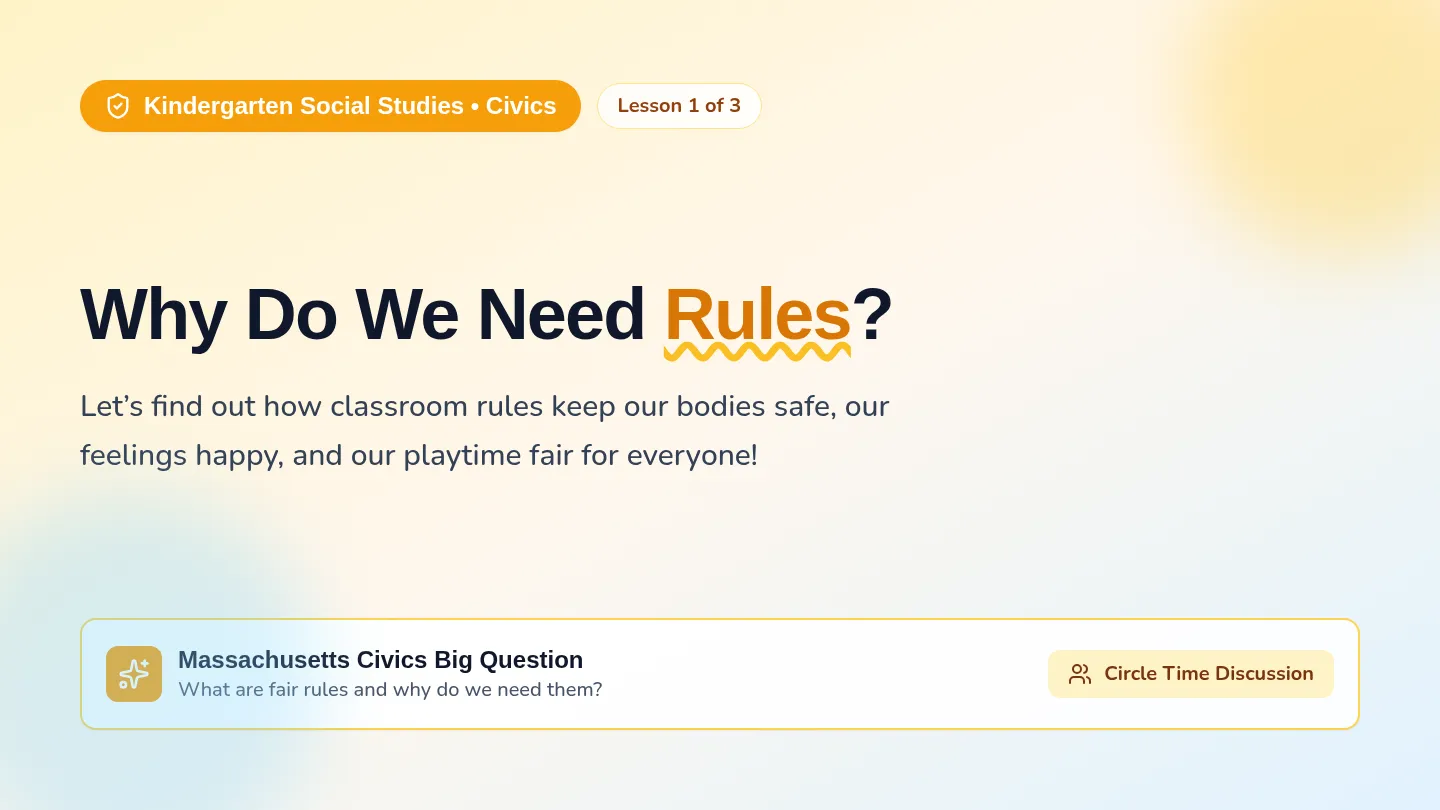
    Rules Keep Safe Slides

    Rule Rangers

    A three-part kindergarten civics mini-sequence exploring why communities need rules to stay safe and peaceful, how to identify fair versus unfair rules, and how students collaborate to build their own fair classroom promises.

    MM

    Matthew McGonagle

    7
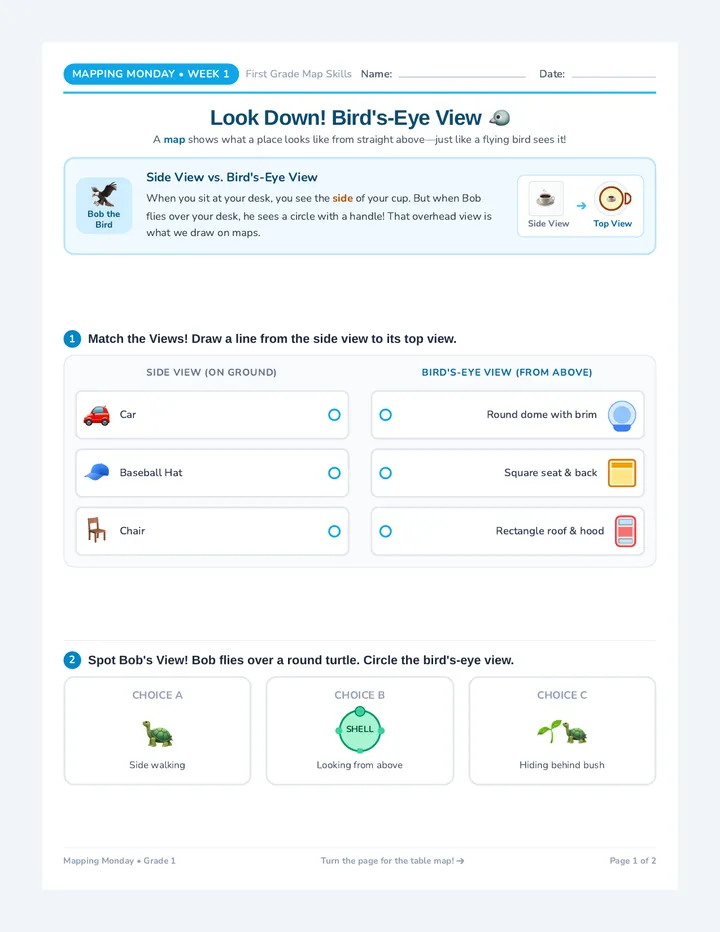
    Bird Eye View Worksheet

    Mapping Monday Explorers

    A 5-week foundational map skills unit designed for first grade 'Mapping Monday' routines, covering bird's-eye view, map keys, cardinal directions, coordinate grids, and community route reading.

    MM

    Matthew McGonagle

    5
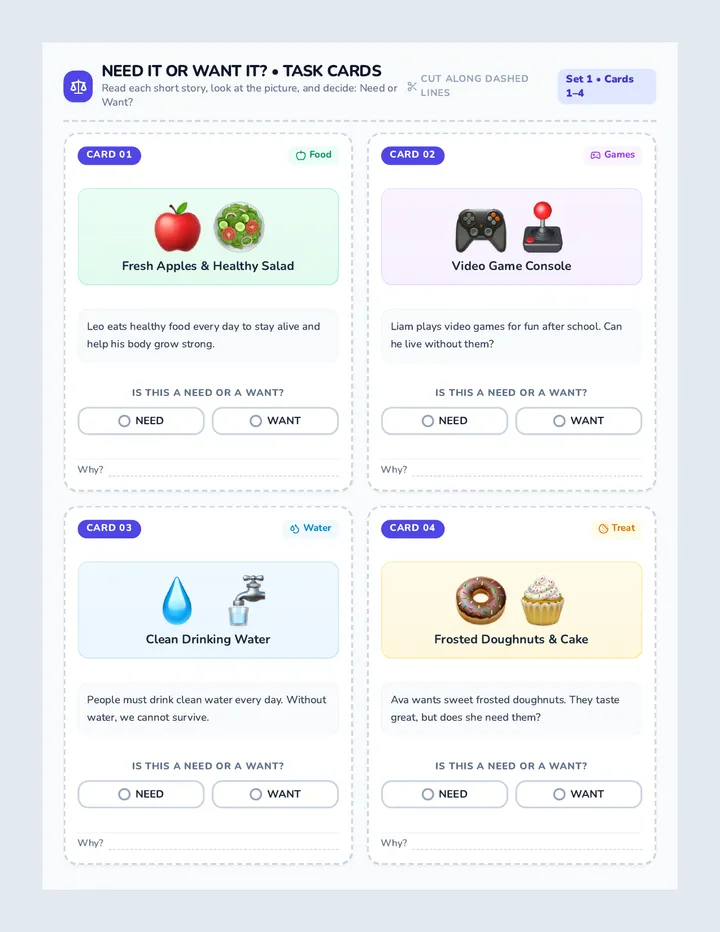
    Need It Want It Task Cards

    Need It Want It Task Cards

    An expanded 22-card printable task card set (plus 2 student create-your-own bonus cards) featuring simplified scenarios, colorful visual illustrations, and reasoning prompts to distinguish needs from wants.

    J

    jhopkins

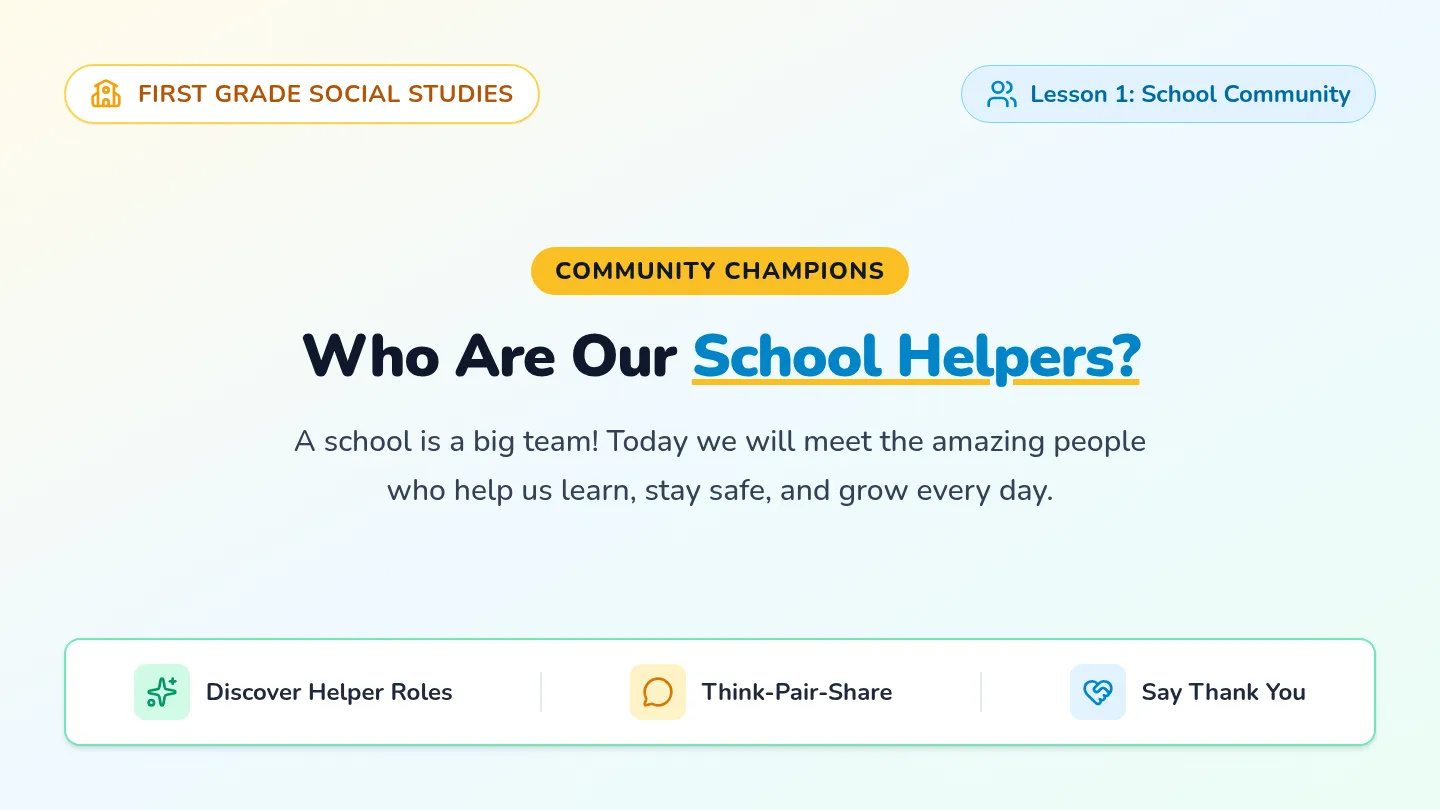
    Helper Heroes Slides

    School Community Champions

    A four-lesson first grade social studies sequence exploring school community roles, safety rules, teamwork, and everyday kindness to build responsible school citizens.

    C

    ccurry

    8
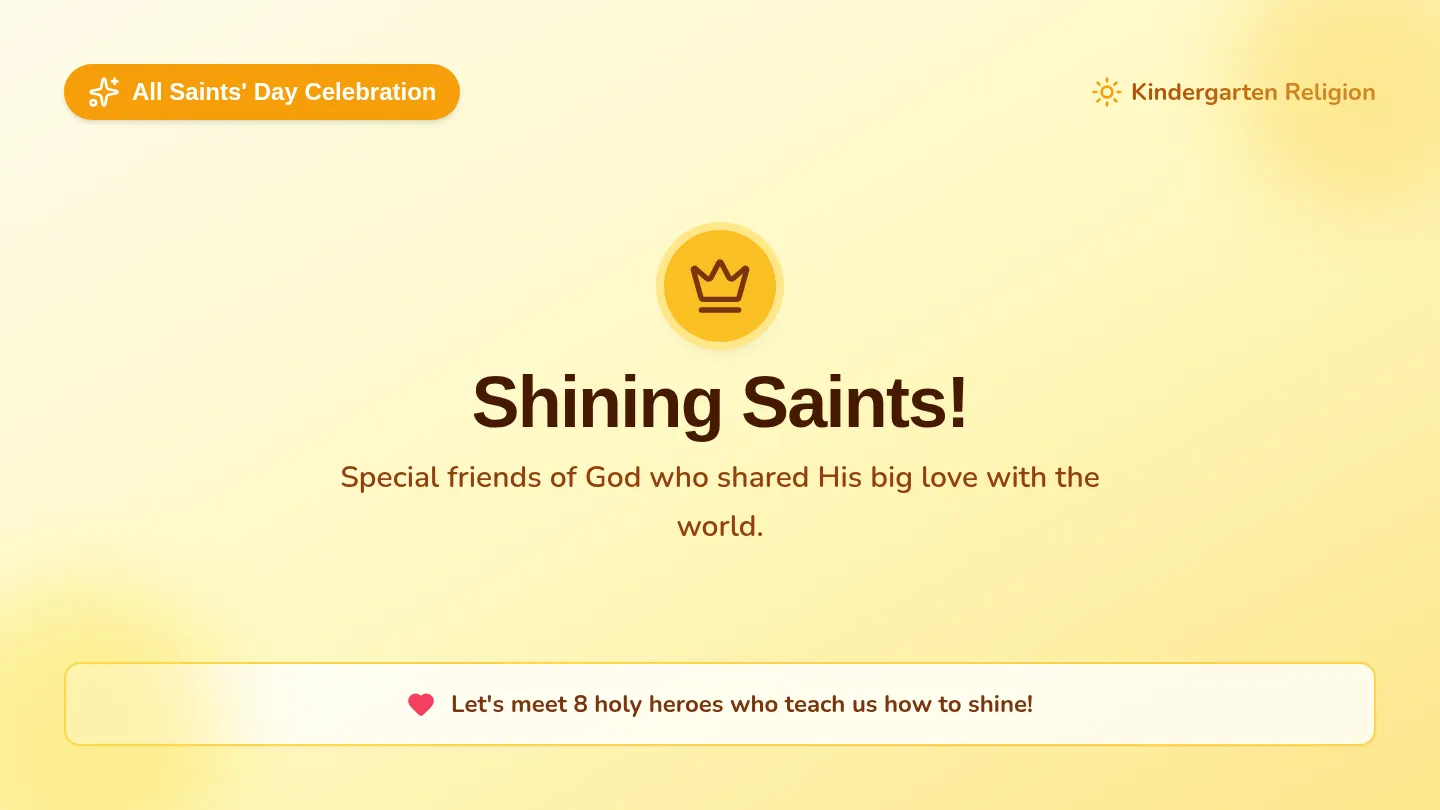
    Shining Saints Slide Deck

    Shining Saints

    A complete Kindergarten lesson celebrating All Saints' Day featuring eight beloved saints through interactive storytelling, movement, visual matching, and personal reflection.

    CV

    Cecilia Velasquez

    3
    Neighborhood Route Worksheet

    Neighborhood Route Worksheet

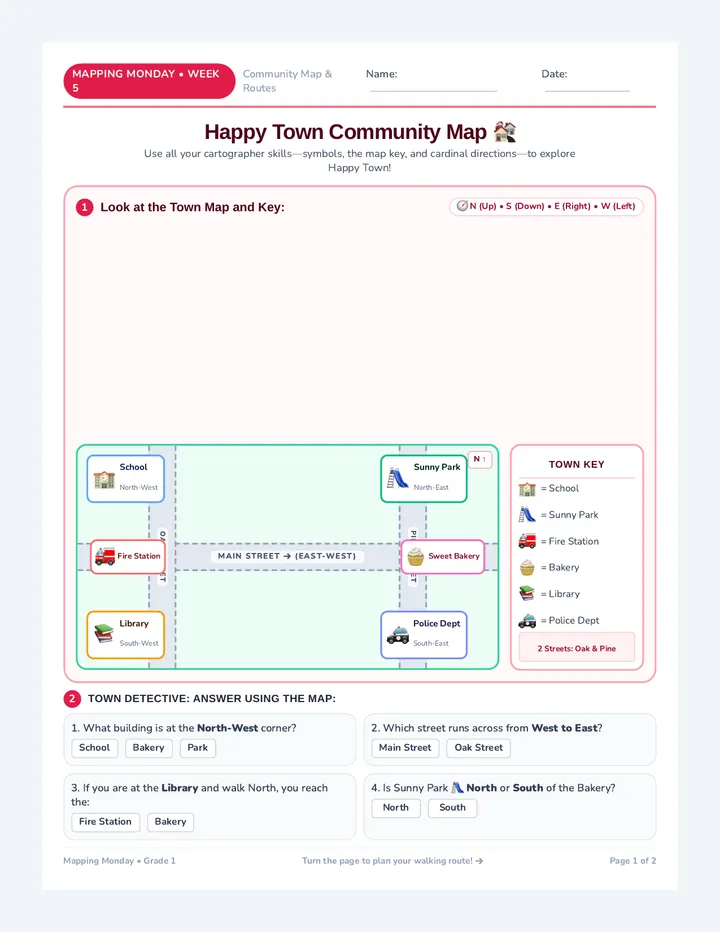
    A two-page culminating first-grade worksheet integrating all map skills through community street map reading, directional route planning, and designing a neighborhood building.

    MM

    Matthew McGonagle

    Treasure Map Project Guide

    Treasure Island Explorers

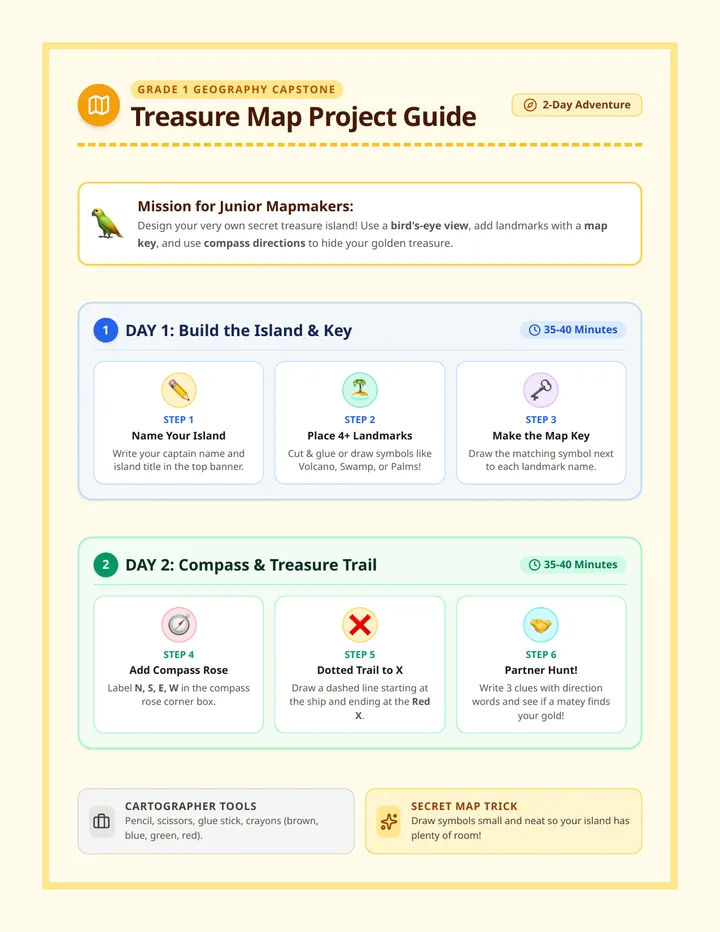
    A hands-on two-day geography capstone project where first-grade cartographers build their own illustrated treasure island maps, construct legends, and plot secret trails using cardinal directions.

    EB

    Emily Brown

    7
    Idaho Trail Trek Map Activity

    Idaho Trail Trek

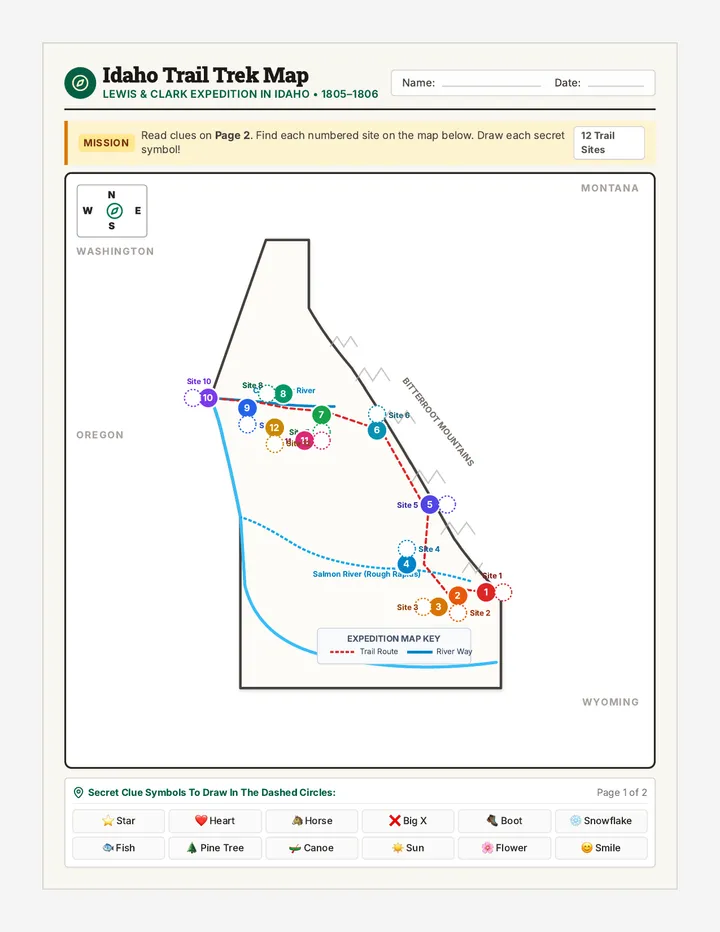
    An interactive historical geography lesson introducing 2nd-grade students to the Lewis and Clark expedition in Idaho through decodable map reading and spatial clues. Students trace historical landmarks, practice beginner map skills, and decode short factual clues.

    AR

    Alexander Rhea

    2
    Treasure Grid Worksheet

    Treasure Grid Worksheet

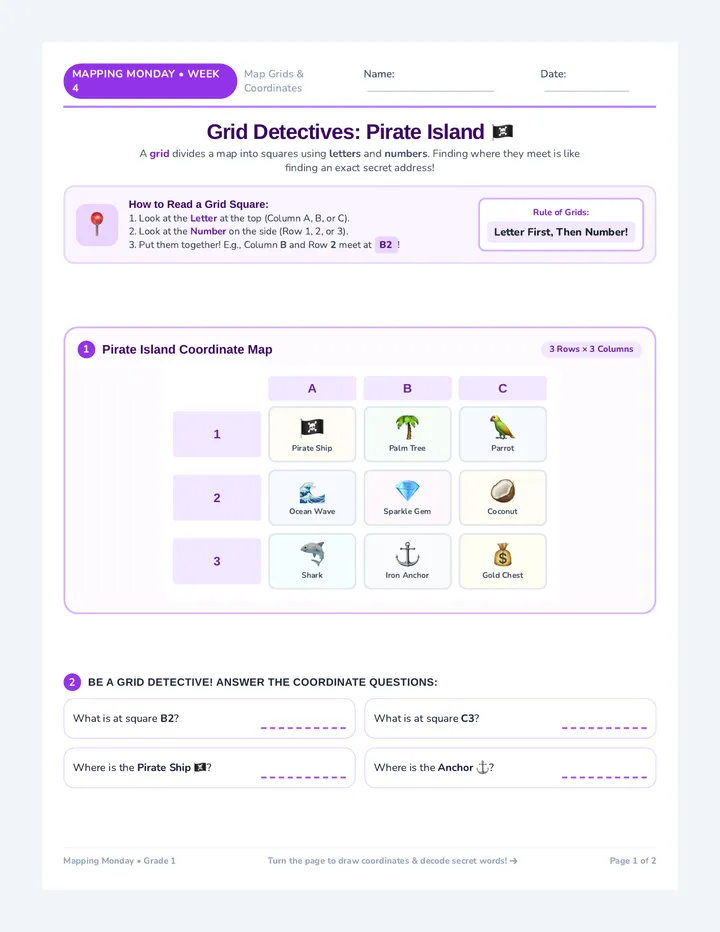
    A two-page first-grade worksheet introducing coordinate grid maps using letters and numbers, featuring a Pirate Island grid reading activity, coordinate drawing challenge, and mystery word decoder.

    MM

    Matthew McGonagle

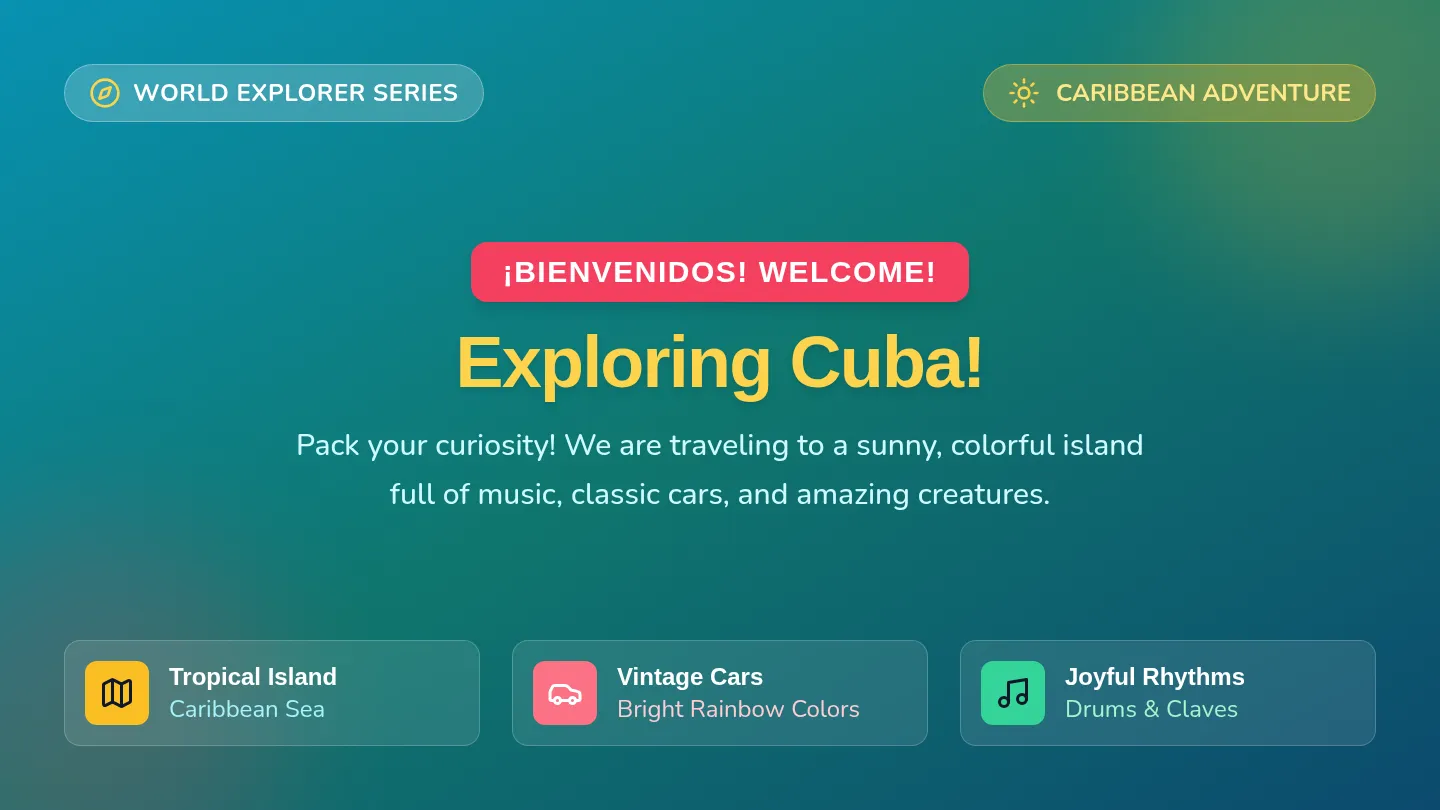
    Cuba Explorer Slides

    Passport Explorers

    An engaging early elementary cultural geography sequence where young learners travel the globe with their explorer passports. Each lesson introduces a country through vibrant geography, wildlife wonders, festive music, traditional arts, and delicious foods.

    Lenny Avatar
    Lenny
    12
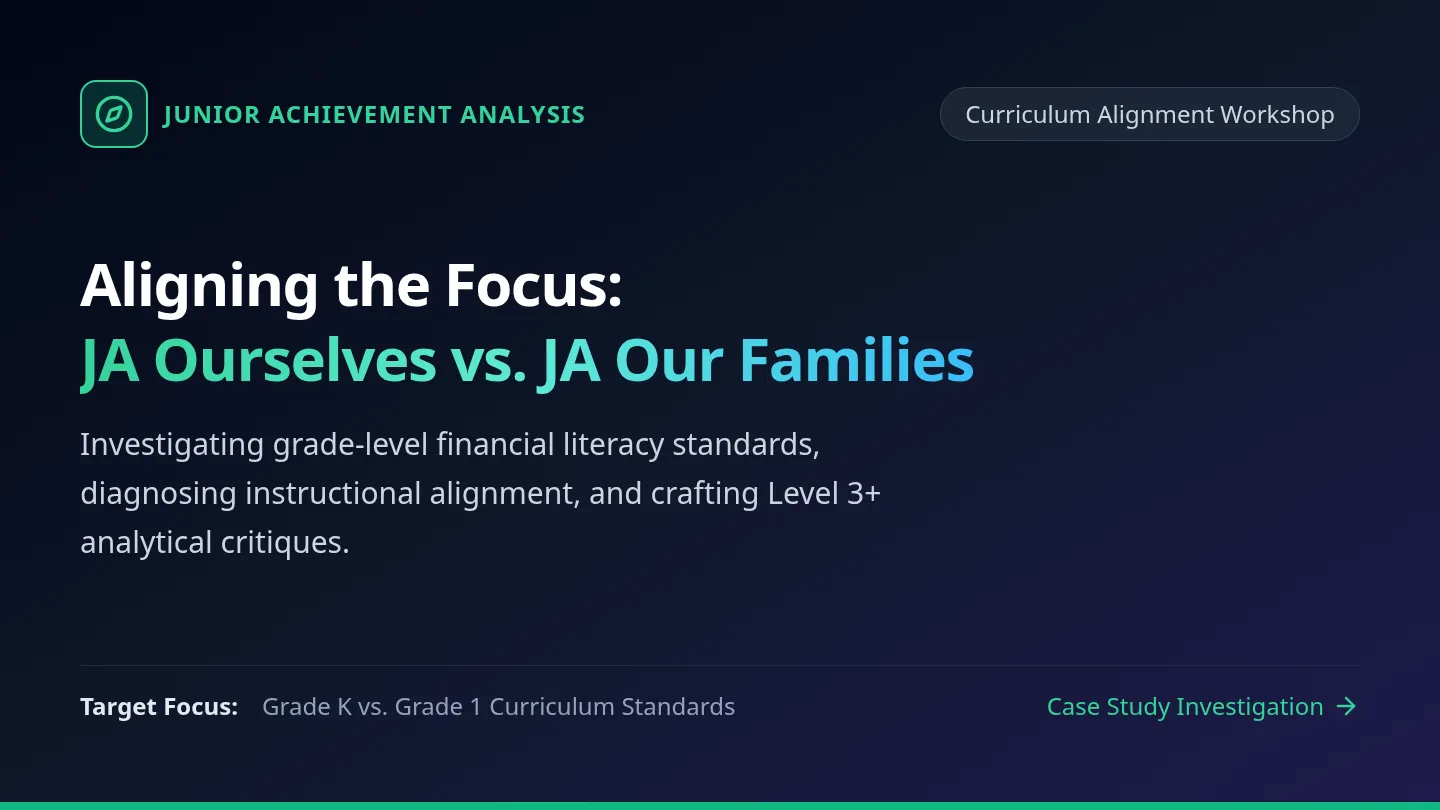
    Curriculum Match Slides

    Standards Alignment Lab

    A comprehensive lesson guiding educators and students through analyzing Junior Achievement curriculum alignment between Kindergarten and 1st Grade, utilizing diagnostic case studies and scaffolded writing frames.

    Lenny Avatar
    Lenny
    2
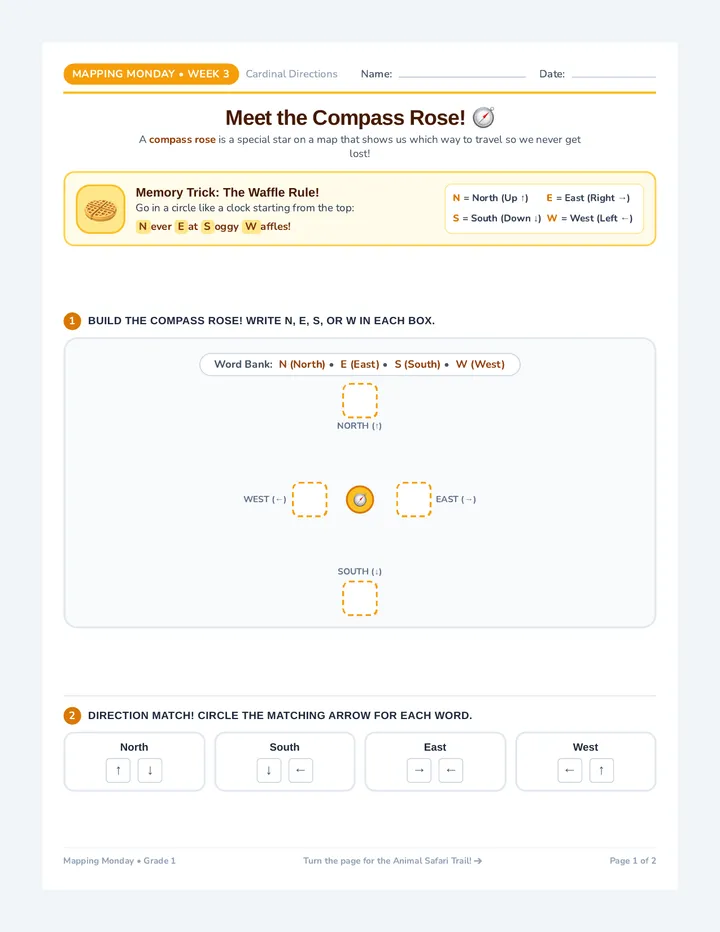
    Compass Rose Worksheet

    Compass Rose Worksheet

    A two-page first-grade worksheet teaching cardinal directions (North, South, East, West) and the compass rose using the 'Never Eat Soggy Waffles' mnemonic and a safari animal map.

    MM

    Matthew McGonagle