Harappan Excavation Dossier Activity
Archaeological Field Report
Harappan Excavation Dossier
Indus Valley Investigation
Field Investigator
Field Team / Cohort
Date of Analysis
Excavation Sector Mohenjo-daro / Harappa
Archaeological Protocol: The Undeciphered Script Challenge
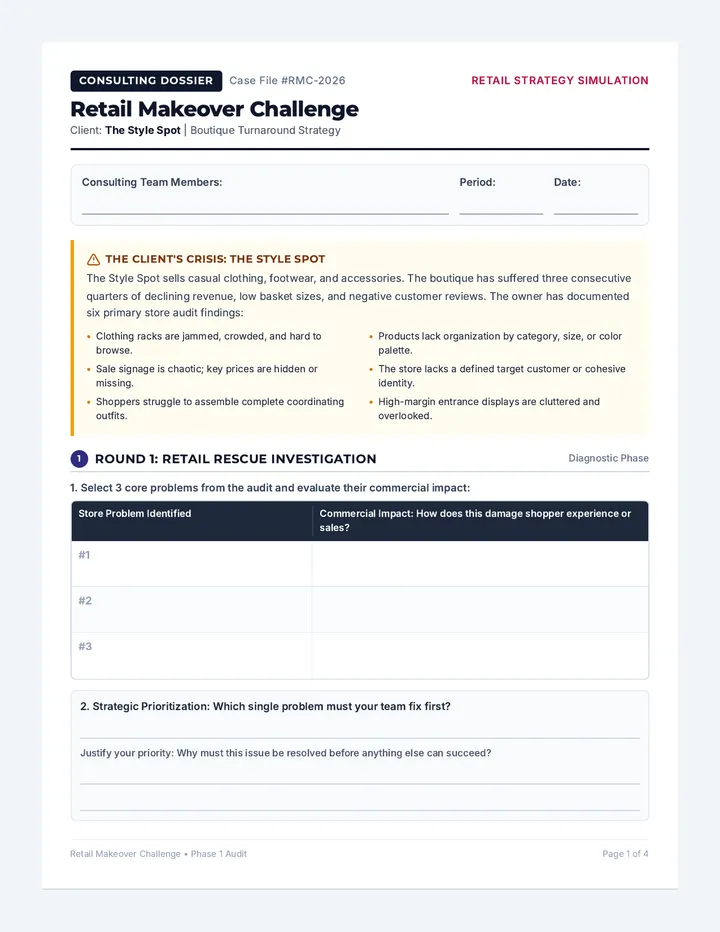
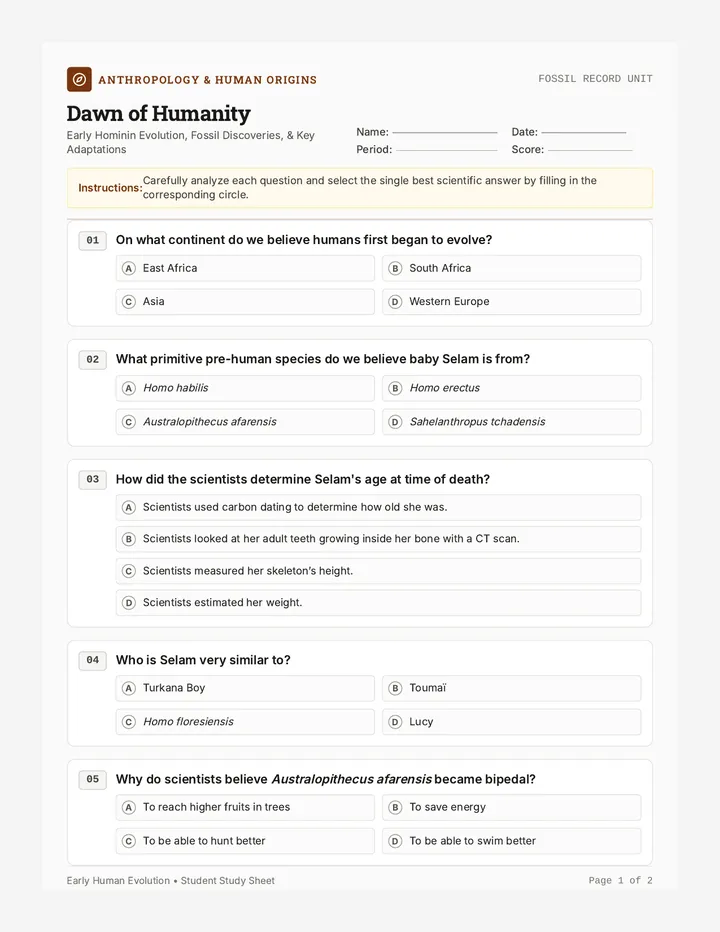
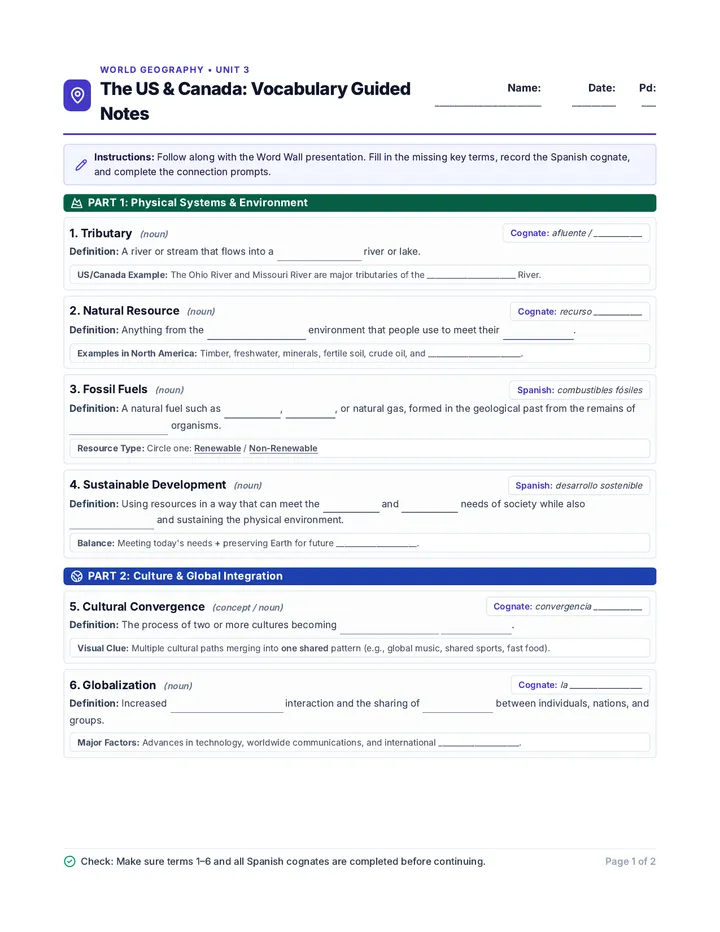
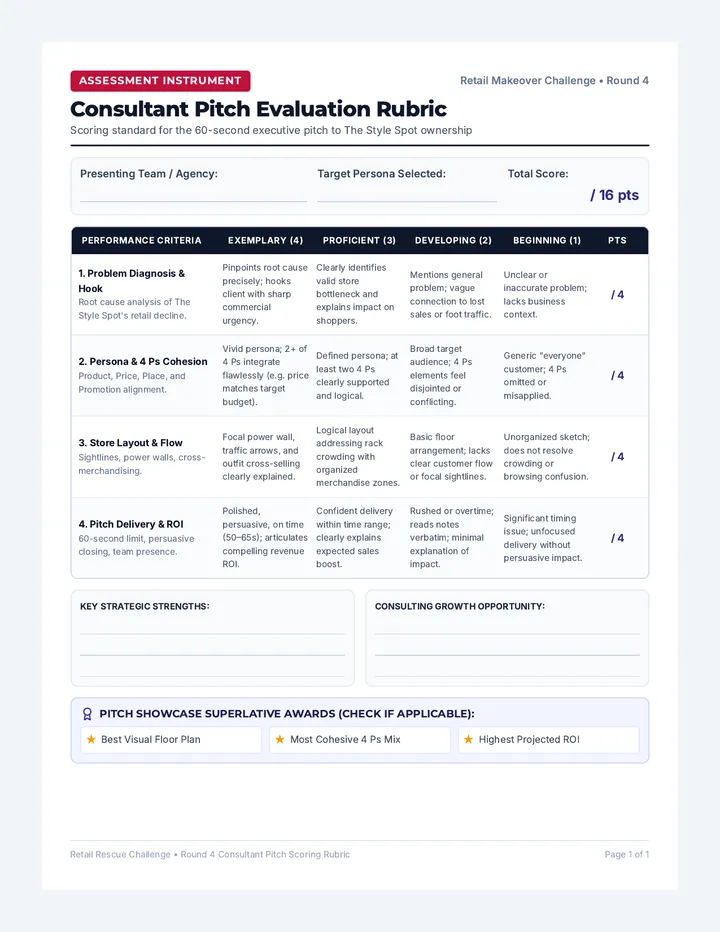
Unlike Egypt (hieroglyphs) or Mesopotamia (cuneiform), the Indus Valley script remains undeciphered. Historians cannot read royal declarations or religious myths. Every conclusion about Harappan governance, social order, trade, and values must be reconstructed entirely from material culture—physical architecture, debris, tools, and standardized measurements.
1 Station 1: Urban Engineering & City Planning
Mohenjo-daro Citadel & Lower Town
Evidence Dossier 1A M-D 042
Standardized Grids & Baked Bricks
Excavated streets cross at precise 90-degree right angles aligned to cardinal directions. Millions of standardized oven-fired clay bricks follow a strict ratio of 1:2:4 (thickness:width:length), identical across sites separated by hundreds of miles.
Archaeological Inscription: Indicates centralized administrative standards and widespread industrial kilns.
Evidence Dossier 1B M-D 118
The Great Bath & Subterranean Sewers
Nearly every residential compound had private bathing platforms and toilets connecting via terracotta pipes to covered brick street drains with inspection sumps. At the Citadel, a massive 12x7m public tank was sealed with natural bitumen waterproofing.
Archaeological Inscription: Unmatched sanitation in antiquity; suggests municipal health focus.
1.1 Municipal Coordination: What degree of central planning and labor organization is required to maintain uniform brick ratios and covered city drains over 600 miles? Cite specific features.
1.2 Civic Priorities vs. Mesopotamian Monuments: Mohenjo-daro boasts public drainage and baths, but excavations have uncovered no royal palaces or warrior tombs. What does this absence infer about Harappan sociopolitical values?
HARAPPAN ARCHAEOLOGICAL EXCAVATION RECORD PAGE 1 OF 3
2
Station 2: Material Culture & Artifact Forensic Lab
Reconstructing technology, social roles, and artistic values from recovered items.
4 ARTIFACTS LABELED
Artifact A: "King" Bust STEATITE / 17.5 CM
Carved soapstone bust found at Mohenjo-daro. Depicts a bearded male with trimmed facial hair, a headband adorned with a circular medallion, slit-shaped contemplative eyes, and an intricately patterned trefoil cloak draped over one shoulder.
Archaeologist Question: Does this represent a ruler, clan elder, or simply a wealthy merchant?
Artifact B: "Dancing Girl" BRONZE / 10.5 CM
Found in Mohenjo-daro residential quarters. Cast in solid bronze using the advanced lost-wax (cire-perdue) technique. A young woman stands with one hand on her hip, slightly bent knee, and an arm stacked with bangles from wrist to shoulder.
Archaeologist Question: Proves mastery of metallurgy and suggests performing arts, leisure, and personal ornament.
Artifact C: Terracotta Wheeled Cart CLAY MODEL / 14 CM
Hundreds of baked clay model carts with solid wheels and yoked humped oxen (zebus) were excavated in children's play contexts and graves. Real carts hauled grain from countryside farms into city granaries over paved road ramps.
Archaeologist Question: Demonstrates practical wheel technology and everyday agrarian transport routines.
Artifact D: Chert Cubical Weights CHERT STONE / 1-1370G
Polished cubic stones made of dense chert rock. They follow an exact mathematical progression: binary ratios (1, 2, 4, 8, 16, 32) at lower weights, and decimal ratios (160, 200, 320, 640) for heavier loads. Found across all Indus market centers.
Archaeologist Question: Proves rigorous taxation, standardized commodity valuation, and honest commerce.
2.1 Technological Sophistication: Compare Artifact B (Bronze Girl) and Artifact D (Chert Weights). What specific scientific, mathematical, and metallurgical knowledge did Indus craftspeople possess?
2.2 Inferring Everyday Life vs. Social Status: Using Artifacts A, B, and C, infer the daily lifestyle, status hierarchy, and childhood in Harappan cities.
HARAPPAN ARCHAEOLOGICAL EXCAVATION RECORD PAGE 2 OF 3
3
Station 3: Maritime Trade Networks & Seal Mystery
Connecting Harappan ports to the Arabian Sea and Mesopotamia.
GLOBAL COMMERCE
Clue 3A: Steatite Stamp Seals LOTHAL & UR
Over 2,000 square steatite seals carved with animal emblems (unicorns, elephants, tigers, bulls) topped by 4 to 7 script signs. Archaeologists found clay impressions on dried mud tags attached to woven cloth and grain sacks.
Function: Merchant brand trademarks, personal identification, and security locks for maritime cargo shipments.
Clue 3B: Port of Lothal & Meluhha PERSIAN GULF
Lothal (Gujarat) features a massive 214m brick tidal dockyard connecting to the Gulf of Khambhat. Mesopotamian cuneiform tablets record trading with a wealthy maritime land called "Meluhha," which supplied carnelian beads, lapis lazuli, ivory, and timber.
Cross-Reference: Indus seals and etched carnelian beads have been excavated in the city of Ur (Iraq).
3.1 Global Interconnectedness: Trace the archaeological trail connecting Lothal, the stamp seals, and Mesopotamian texts. How does this challenge the view that ancient river valley civilizations developed in isolation?
Final Archaeological Synthesis: The Harappan Paradox
Culminating Historical Claim
The Paradox: Harappan civilization covered more geographic area than Egypt and Mesopotamia combined, possessed superior urban sanitation, and sustained vast commercial wealth. Yet, excavations reveal no evidence of a standing army, conquest weapons, royal palaces, or dynastic autocracy.
Investigator Prompt: Write a claim-evidence-reasoning (CER) conclusion. Based on your findings across all three stations (urban planning, artifacts, trade), how was Harappan society likely governed and organized without visible military domination or high kings? Cite at least two pieces of evidence from your dossier.
HARAPPAN ARCHAEOLOGICAL EXCAVATION RECORD PAGE 3 OF 3