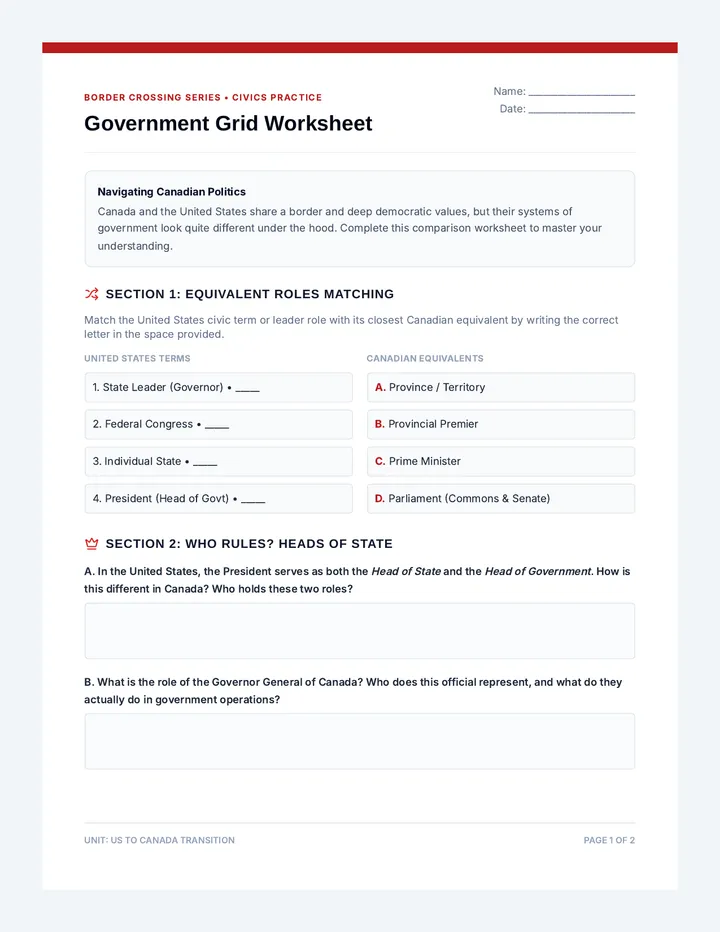
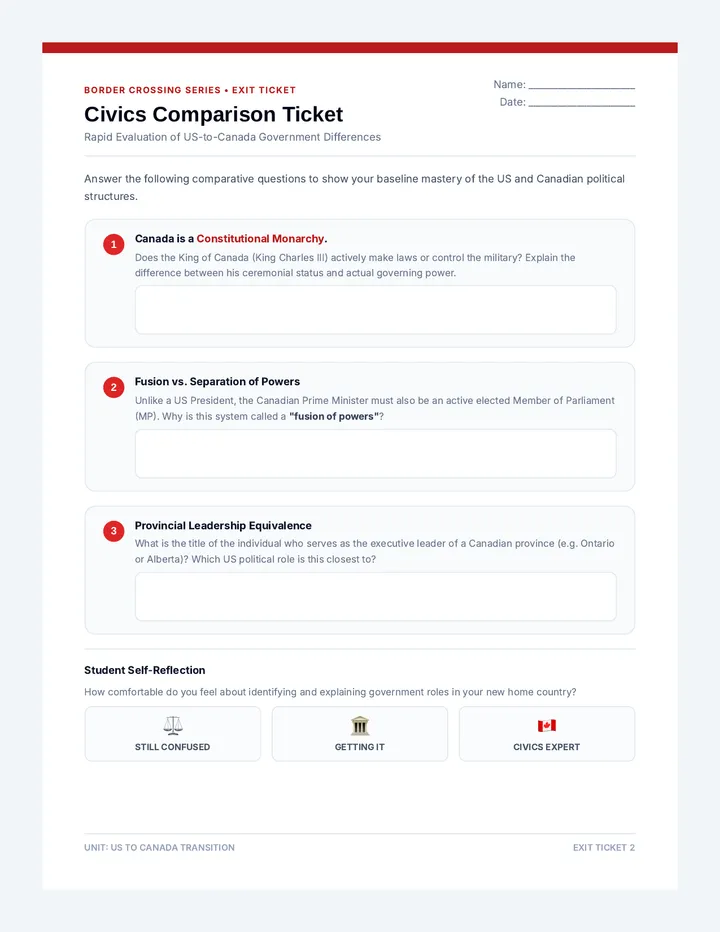
Reality Check Worksheet Reality Check Worksheet
Symptom Categorization & Clinical Analysis
Name:
Date:
Part 1: The Simulation Reflection
Reflect on the restaurant simulation at the beginning of the video. How did the visual and auditory cues (shadow figures, whispering) create a sense of subjective distress?
Part 2: The Symptom Sort
Categorize the specific examples mentioned in the video into the correct clinical categories. Note that "Positive" symptoms refer to additions to a person's experience.
Visual Hallucinations
Auditory Hallucinations
Delusions of Grandeur
Delusions of Persecution
Disorganized Thinking / Cognitive Symptoms
Video Evidence Word Bank: Shadow figures "Squirrel = Scissors" logic Whispering voices Believing in "Special Powers" Being watched/spied on Messages via TV/Internet Seeing colors/shapes
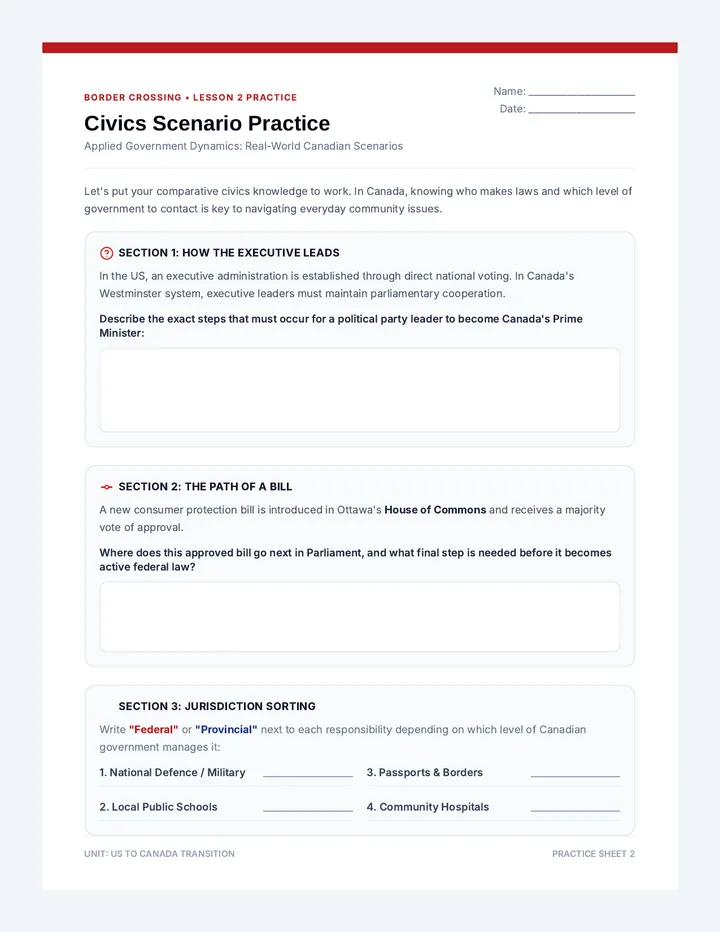
Part 3: Extension — DSM-5 Comparative Analysis
Compare the video's descriptions to the DSM-5 criteria for Schizophrenia. Two or more of the following must be present for a significant portion of time during a 1-month period. At least one of these must be (1), (2), or (3).
1. Delusions:
Fixed beliefs that are not amenable to change in light of conflicting evidence.
2. Hallucinations:
Perception-like experiences that occur without an external stimulus.
3. Disorganized Speech:
e.g., frequent derailment or incoherence.
4. Grossly Disorganized or Catatonic Behavior
5. Negative Symptoms:
e.g., diminished emotional expression or avolition (lack of motivation).
Analysis Question:
Based on the "Pink Brain Cloud" description in the video (difficulty concentrating, mixed up thoughts, withdrawn), which DSM-5 category above do these external signs most likely align with? Justify your answer.
Psychosis Slides Psychosis
Symptom Categorization & Diagnostic Criteria
Intro to Psychology | Clinical Perspective
The Medical Model
Concept
Treating mental disorders as physical diseases, with biological causes and specialized treatments.
Core Components
Diagnosis
Etiology (Cause)
Prognosis
"Is a psychological disorder a 'malfunction' of the brain, or a 'difference' in experience?"
Keep this in mind as we watch the simulation.
Part 1: The Simulation
0:00 - 0:29
Embedded media
Watch for: Visual distortions and auditory intruders.
Clinical Definition
"A word that describes what happens when people are experiencing and perceiving the world around them differently than others."
3% of people
Lifetime prevalence
100,000/year
Teens & Young Adults
Universal
Across all cultures/income
Symptom Categories
Positive Symptoms
Hallucinations: Seeing or hearing things not present (Shadows, Whispers).
Delusions: Fixed false beliefs (Special powers, Being spied on).
Cognitive Symptoms
Disorganized Thinking: Difficult to understand speech; illogical connections.
Clouding: Difficulty concentrating, distraction, hesitation.
The "Pink Brain Cloud"
This visual metaphor represents how psychosis obstructs interaction with reality.
Distraction
Hesitation
Confusion
The Critical Window: Ages 15-30
Why is this developmental period so vulnerable?
Final Prefrontal Cortex maturation
Intense synaptic pruning
Major life stressors (School, Career, Independence)
Early Intervention
"The earlier someone gets help, the better their outcomes will be."
Myth vs. Reality
Myth
Dangerous or Crazy
Will not get better
Reality
Withdrawn, Confused, Frightened
Recovery is achievable
DSM-5 Schizophrenia Checklist
1
Delusions
2
Hallucinations
3
Disorganized Speech
4
Disorganized Behavior
5
Negative Symptoms
Criterion A: Two or more during 1-month period.
At least one must be 1, 2, or 3.
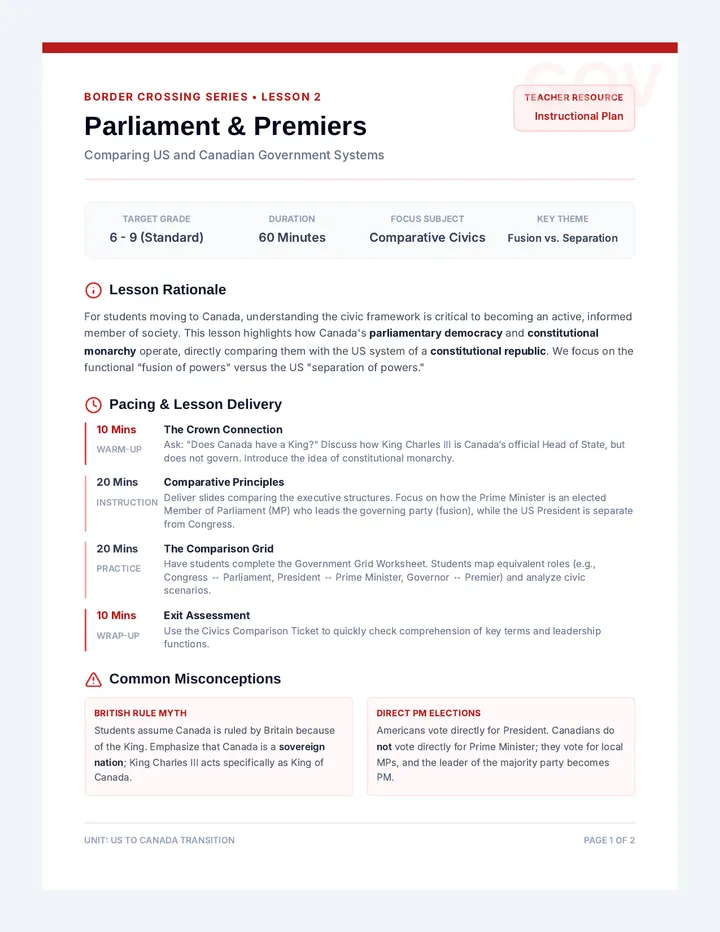
Psychosis Lesson Guide Teacher Resource Lesson Guide
Symptom Categorization & Diagnosis Criteria
Teacher Resource
Objective
Students will identify and categorize psychotic symptoms (Positive vs. Cognitive) using a clinical lens, moving from subjective experience to objective diagnostic criteria.
Pacing (45-50 Min)
Hook: Medical Model Review 5 min
Case Study: Video Viewing & Reaction 10 min
Activity: Reality Check Symptom Sort 20 min
Discussion: Development & Stigma 10 min
Extension: DSM-5 Comparison 5+ min
Key Vocabulary
Psychosis: Detachment from reality.
Positive Symptom: Presence of abnormal behavior (e.g., hallucinations).
Cognitive Symptom: Disruption in thought processes/attention.
Synaptic Pruning: Brain reorganization (peak vulnerability ages 15-30).
Instructional Guidance
HOOK
The Medical Model Context
Contrast the modern medical model with historical views of "possession" or "moral failing." Ask students: "If we treat mental illness like a broken bone, what are the benefits and what are the drawbacks?"
PAUSE 1
At 0:22 (After Restaurant Scene)
Ask: "How did the simulation make you feel?" Goal: Establish empathy. The isolation comes from seeing/hearing things friends do not. This sets the stage for "experiencing the world differently."
PAUSE 2
At 1:45 (After Chalkboard Breakdown)
Distribute the Reality Check Worksheet . Have students identify specific examples from the video (e.g., shadow figures, whispering, special powers) and place them in the correct clinical buckets.
DEBATE
The Media & Stigma (Pause 2:15)
Discuss the "Dangerous" myth. Ask for examples in movies (e.g., Joker, Psycho). Contrast with the video's data: patients are more likely to be frightened than violent .
Answer Key: Reality Check Worksheet
Symptom Sort
Visual Hallucinations: Shadow figures, people not there, animals, shapes, colors.
Auditory Hallucinations: Whispering voices, hearing names called, sounds others don't hear.
Delusions (Grandeur): Having "special powers."
Delusions (Persecution): Being watched/followed, spied on, TV messages meant just for them.
Disorganized/Cognitive: Mixed up thoughts, "Squirrel = Scissors" (illogical connections), distraction, hesitation, difficulty concentrating.
Psychosis Slides Psychosis
Symptom Categorization & Diagnostic Criteria
Intro to Psychology | Clinical Perspective
The Medical Model
Concept
Treating mental disorders as physical diseases with biological causes.
Components
Diagnosis
Etiology (Cause)
Prognosis
"Is a psychological disorder a 'malfunction' of the brain, or a 'difference' in experience?"
Keep this in mind for the simulation
Part 1: The Simulation
0:00 - 0:29
Embedded media
Watch for: Visual distortions and auditory intruders
Clinical Definition
"A word that describes what happens when people are experiencing and perceiving the world around them differently than others."
3% of people
Lifetime prevalence
100k / year
Teens & Young Adults
Universal
Across all demographics
Symptom Categories
Positive Symptoms
Hallucinations: Seeing or hearing things not present (Shadows).
Delusions: Fixed false beliefs (Special powers).
Cognitive Symptoms
Disorganized: Difficulty connecting thoughts logically.
Clouding: Difficulty concentrating or hesitating.
The "Pink Brain Cloud"
A visual metaphor for how psychosis obstructs interaction with reality.
Distraction
Hesitation
Confusion
The Critical Window: Ages 15-30
Why is this period so vulnerable?
Final Prefrontal Cortex maturation
Intense synaptic pruning
Significant psychosocial stressors
Early Intervention
"The earlier someone gets help, the better their outcomes will be."
Myth vs. Reality
Myth
Dangerous
No Recovery
Reality
Frightened & Withdrawn
Recovery is Achievable
DSM-5 Schizophrenia Criteria
01
Delusions
02
Hallucinations
03