Rebellion Matrix Worksheet
The Liberty Inquirer • Student Ledger
SPARKS OF REBELLION
A Chronology of Colonial Discord & Escalating Tensions (1765—1774)
Protest Stamp Act
Name:
Date:
Class:
Instructions: As you rotate through the four historical stations, analyze the artifacts and viewpoints on each task card. Document your findings in the ledger below, noting the core facts, the reasoning behind colonial outrage, and the British Parliament's justification.
Historical Event
The Fuse (What Happened?)
Colonial Anger (Why Rebel?)
The Crown's Defense (Their Law?)
Escalation
Station I The Stamp Act (1765)
Rate 1-5
1 2 3 4 5
Station II Boston Massacre (1770)
Rate 1-5
1 2 3 4 5
Station III Boston Tea Party (1773)
Rate 1-5
1 2 3 4 5
Station IV Intolerable Acts (1774)
Rate 1-5
1 2 3 4 5
The Point of No Return: Final Analysis Prompt
Review your escalation meter scores (1 = peaceful protest, 5 = inevitable military conflict). In your opinion, which event was the definitive "point of no return" where war became unavoidable? Justify your choice using historical evidence.
Colonial Anger Task Cards
The Liberty Inquirer • Stations I & II Print & Cut Cards
STATION I • 1765
The Stamp Act
Topic: Direct Taxation
The Fuse (Historical Context)
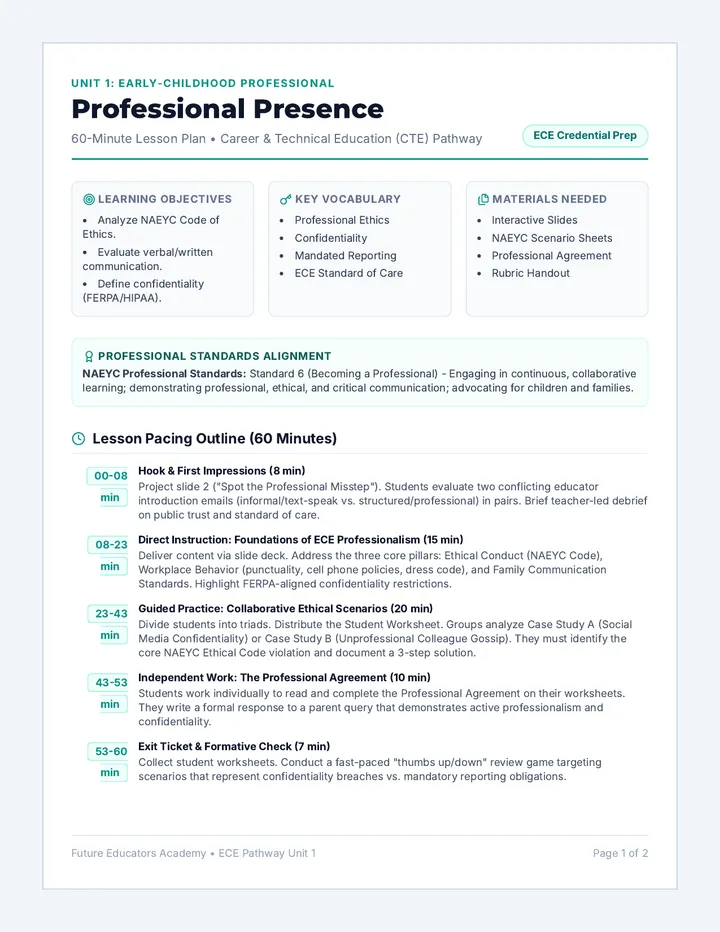
Deep in debt from the French and Indian War, the British Parliament passed the Stamp Act. This was the first direct tax on colonists, requiring a costly royal stamp on all paper goods—including legal contracts, newspapers, pamphlets, playing cards, and even dice.
Colonial Outrage
"No taxation without representation! If our trade can be taxed and our assemblies bypassed without our consent, our ancient liberties are dead."
The Crown's Defense
"The French and Indian War was fought to defend the colonies. It is entirely reasonable that subjects in America pay a small fee to support the redcoats protecting them."
Liberty Inquiry: Why were the colonists so furious about a tax on paper goods? What was the difference between a direct tax and an import tax? Summarize both sides in your ledger.
Cut along dashed line to separate cards
STATION II • 1770
The Boston Massacre
Topic: Military Occupation
The Fuse (Historical Context)
Tensions between citizens and British troops boiled over on a freezing Boston night. An angry, armed mob cornered a lone sentry at the Custom House. Hurlers of snowballs, ice chunks, and sharp oyster shells soon drew reinforcements. Shots rang out in the chaos, leaving five colonists dead.
Paul Revere's Alarm
"They fired on an unarmed, peaceful gathering! This was cold-blooded murder by savage mercenaries occupying our city to steal our liberty!"
Captain Preston's Defense
"The mob carried clubs and screamed death threats. We were pelted with heavy stones and ice. The soldiers fired out of panic and self-defense, not malice."
Liberty Inquiry: Why did Paul Revere paint this event as a "massacre" of innocent citizens? Compare the viewpoints to understand how the same event sparked two entirely different narratives.
The Liberty Inquirer • Stations III & IV Print & Cut Cards
STATION III • 1773
The Boston Tea Party
Topic: Corporate Monopoly
The Fuse (Historical Context)
The Tea Act of 1773 granted the struggling British East India Company a monopoly on tea in America, undercutting colonial smugglers and merchants. Infuriated, the Sons of Liberty dressed in simple Mohawk disguises, boarded three cargo ships, and dumped 342 chests of tea worth millions of dollars today into the dark harbor.
Samuel Adams' Verdict
"This was not a lawless riot. It was a noble, disciplined protest of citizens defending their right to trade free of tyranny. Monopoly is just another face of slavery."
Prime Minister Lord North
"This is malicious vandalism! The colonists have destroyed private property and broken the peace. If we allow this treason, the authority of the Empire is completely undone."
Liberty Inquiry: Why did the colonists reject the tea even though the Tea Act made it cheaper than smuggled tea? How did Parliament view this destruction of property?
Cut along dashed line to separate cards
STATION IV • 1774
The Intolerable Acts
Topic: Punitive Law
The Fuse (Historical Context)
Infuriated by the Tea Party, Parliament passed the Coercive Acts (coined "Intolerable" by colonists) to crush Massachusetts. The laws closed Boston Harbor (starving the city's trade), replaced local elected councils with a military governor, and passed a strict new Quartering Act requiring towns to house British redcoats.
Virginia Patriots
"This is absolute tyranny. If the Crown can starve Boston and strip their assembly of its chartered rights, they can do the same to Virginia, New York, or any colony tomorrow."
King George III
"The die is now cast. The colonies must either submit or triumph. We must establish authority once and for all or lose America entirely to this lawless rebellion."
Liberty Inquiry: How did Parliament hope the Coercive Acts would isolate Massachusetts? How did this backfire and instead spark unified resistance across the thirteen colonies?
Sparks Rebellion Teacher Guide
The Liberty Inquirer • Educator Dispatch
TEACHER FACILITATION GUIDE
Sparks of Rebellion Station Rotation (Grades 7—11)
Lesson Objectives
- Analyze how economic, political, and physical triggers led to escalating British-Colonial tensions.
- Deconstruct dual historical perspectives (Patriot vs. Loyalist/Crown) for key events.
- Evaluate which historical spark served as the absolute "point of no return."
Station Prep Check
- Print 2-4 copies of Colonial Anger Task Cards. Cut and laminate them as independent station cards.
- Provide one Rebellion Matrix Worksheet per student.
- Optional: Add tactile props (tea box, stamps, fake snowballs/cotton, printed Revere engraving).
Step-by-Step Pacing & Strategy (60 Minutes)
00—10 mins
The Spark Intro: Introduce the term "escalation." Ask students if a big fight usually starts with one massive punch or a series of smaller shoves. Distribute the worksheets and model Station I (The Stamp Act) together to set expectations.
10—42 mins
Station Rotation (8 mins per station): Divide students into four groups. Rotate groups through the stations. Encourage students to read the background aloud at each station and debate the "Colonial Outrage" vs. "Crown Defense" columns together.
42—50 mins
Escalation Synthesis: Give students time to independently write their "Point of No Return" paragraph and assign a rating (1 to 5) to each event on their matrix.
50—60 mins
Class Debrief & Verdict: Hold a mock "Colonial Town Hall." Go event by event. Ask students to share their rating. Take a hand vote: *Which event truly triggered the inevitable revolution?*
Guard Against Misconceptions
Myth 1: Taxes were incredibly high. Actually, British citizens paid up to 50 times more in taxes than American colonists. Colonists were angry about who was taxing them (Parliament, where they had no voice), not the actual cost of the stamps or tea.
Myth 2: The Boston Massacre was a pre-planned ambush. The troops did not seek out a fight. They were cornered, pelted with dangerous brickbats/oyster shells, and fired out of sheer panic in a chaotic crowd.
Guiding Discussion Questions
- On Property vs. Principle: Why did Parliament consider the Boston Tea Party to be an act of war, rather than a protest? Why did colonists think destroying private property was justified?
- On Propaganda: How did Paul Revere’s engraving of the "Bloody Massacre" represent biased reporting? Why was it such an effective tool for mobilizing support?
- On Retaliation: Why did the Intolerable Acts backfire on King George III and Lord North?