Satu slot pengajaran interaktif mengenai kegiatan ekonomi utama di dunia termasuk primer, sekunder, dan tertier. Slaid ini membimbing murid memahami impak sektor ekonomi kepada manusia dan negara melalui aktiviti perbincangan dan tiket keluar.
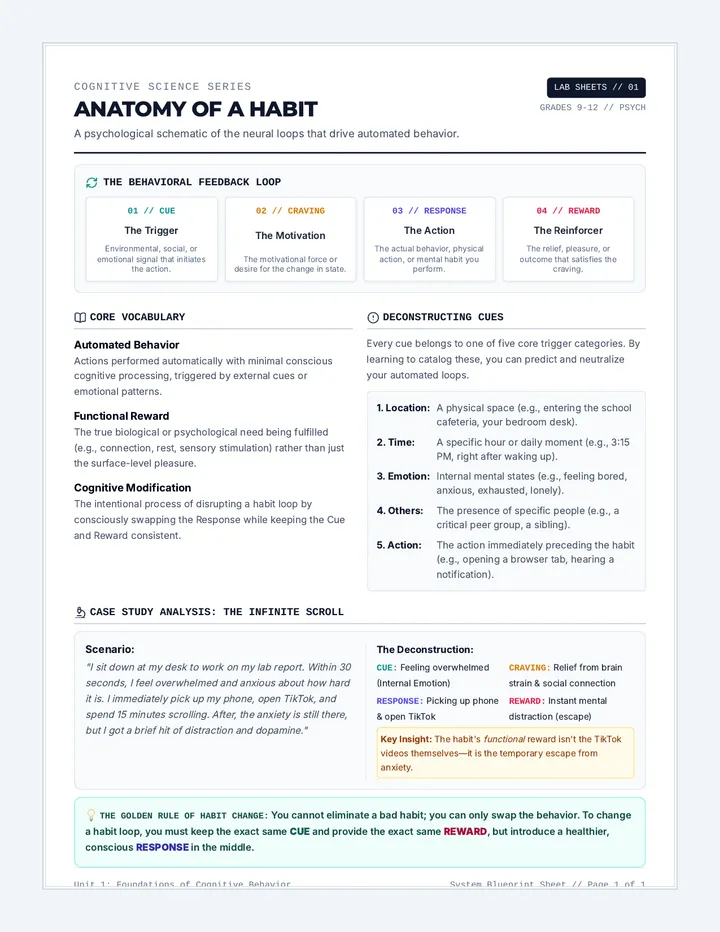
A three-part cognitive psychology series designed for Grades 9-12. Students learn the science of automation, explore how to isolate triggers and cravings, redesign unhelpful routines, and restructure their environments to make habit modification effortless.
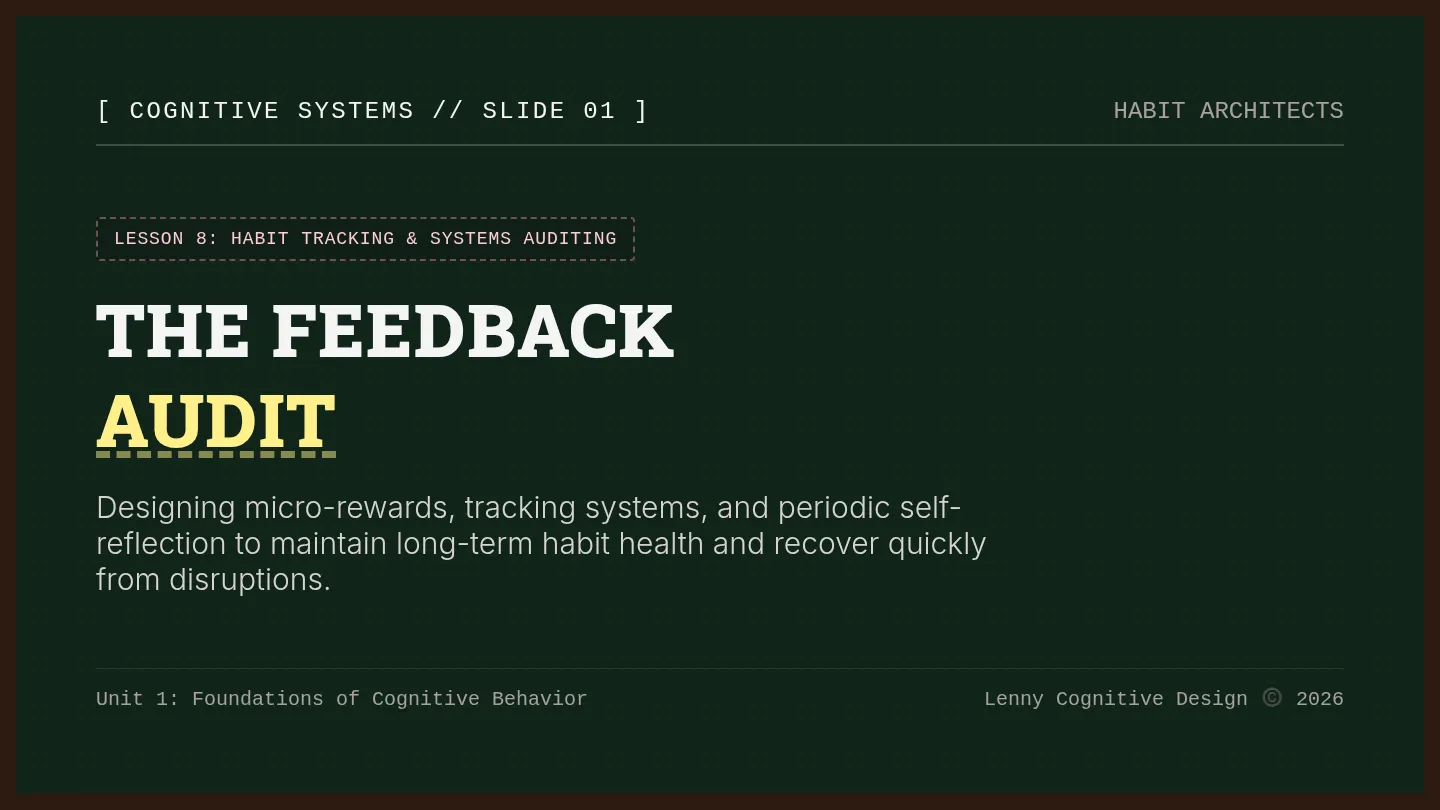
Lesson 8 of the Habit Architects unit. Students learn how to design personal reward structures and periodic tracking audits to maintain long-term habit health and recover quickly from routine disruptions.
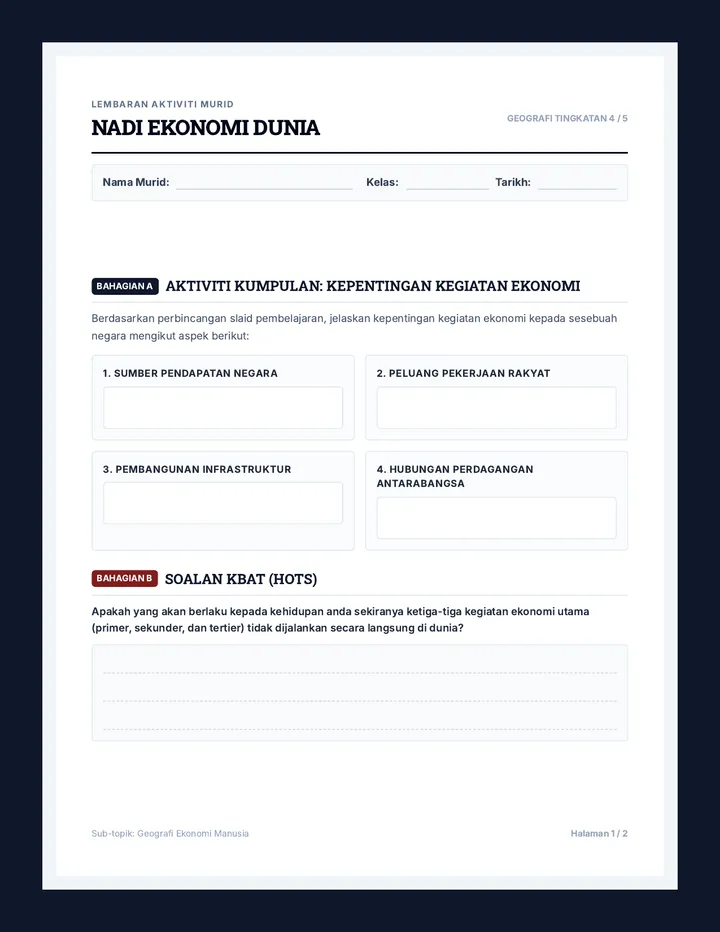
Lembaran kerja bercetak dua muka surat bertemakan Minimalist Academic. Mengandungi ruang catatan Aktiviti Kumpulan, soalan KBAT, dan templat Tiket Keluar (Exit Ticket) yang sepadan dengan slaid pengajaran.
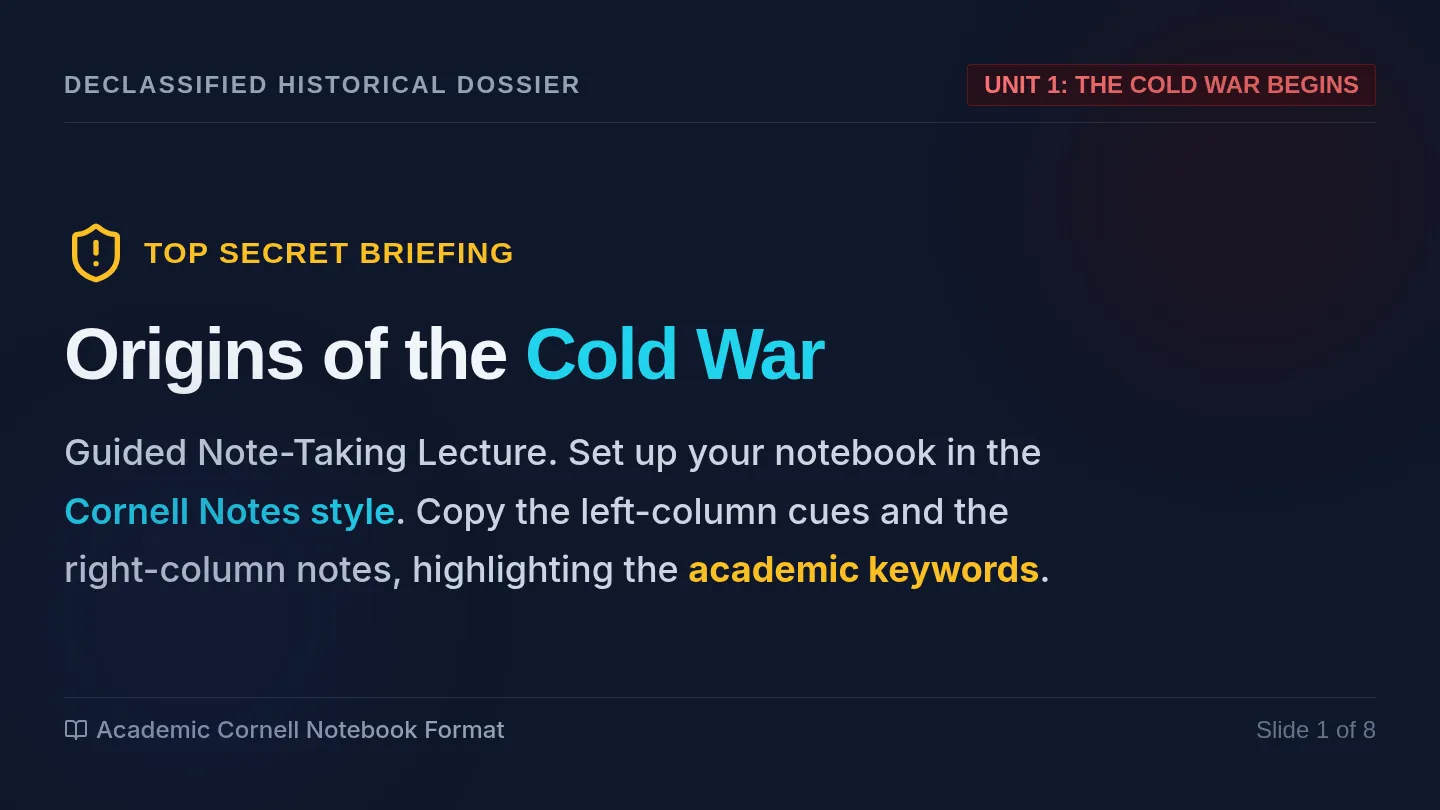
Create a multi-lesson sequence covering the Cold War, focusing on origins, global expansion, and domestic impacts.
Lesson 7 of the Habit Architects unit. Students deconstruct how social groups influence habit cues and design supportive loops to engineer collective habits.
Slaid pengajaran interaktif bertemakan Minimalist Academic mengenai kegiatan ekonomi utama di dunia (primer, sekunder, dan tertier). Semua elemen penomboran, nomor slaid, dan label hiasan telah dibuang sepenuhnya untuk paparan yang lebih minimalis dan moden.
A comprehensive unit on child development from birth through age 18, focusing on physical, cognitive, and social-emotional growth across early childhood, middle childhood, and adolescence.
Lesson 6 of the Habit Architects unit. Students learn to align routines with cognitive self-image, shifting focal points from task-completion to personality-alignment.
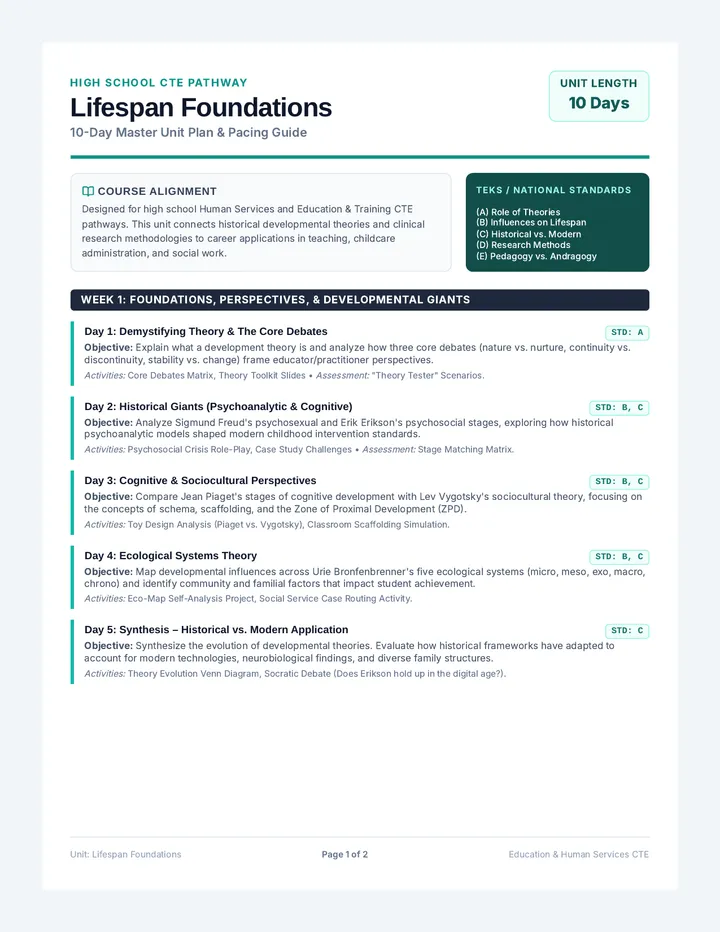
A comprehensive instructional sequence designed for high school CTE pathways in Education & Training and Human Services. The unit introduces students to the foundational theories, modern research methodologies, and instructional models (pedagogy vs. andragogy) that govern lifespan human development.
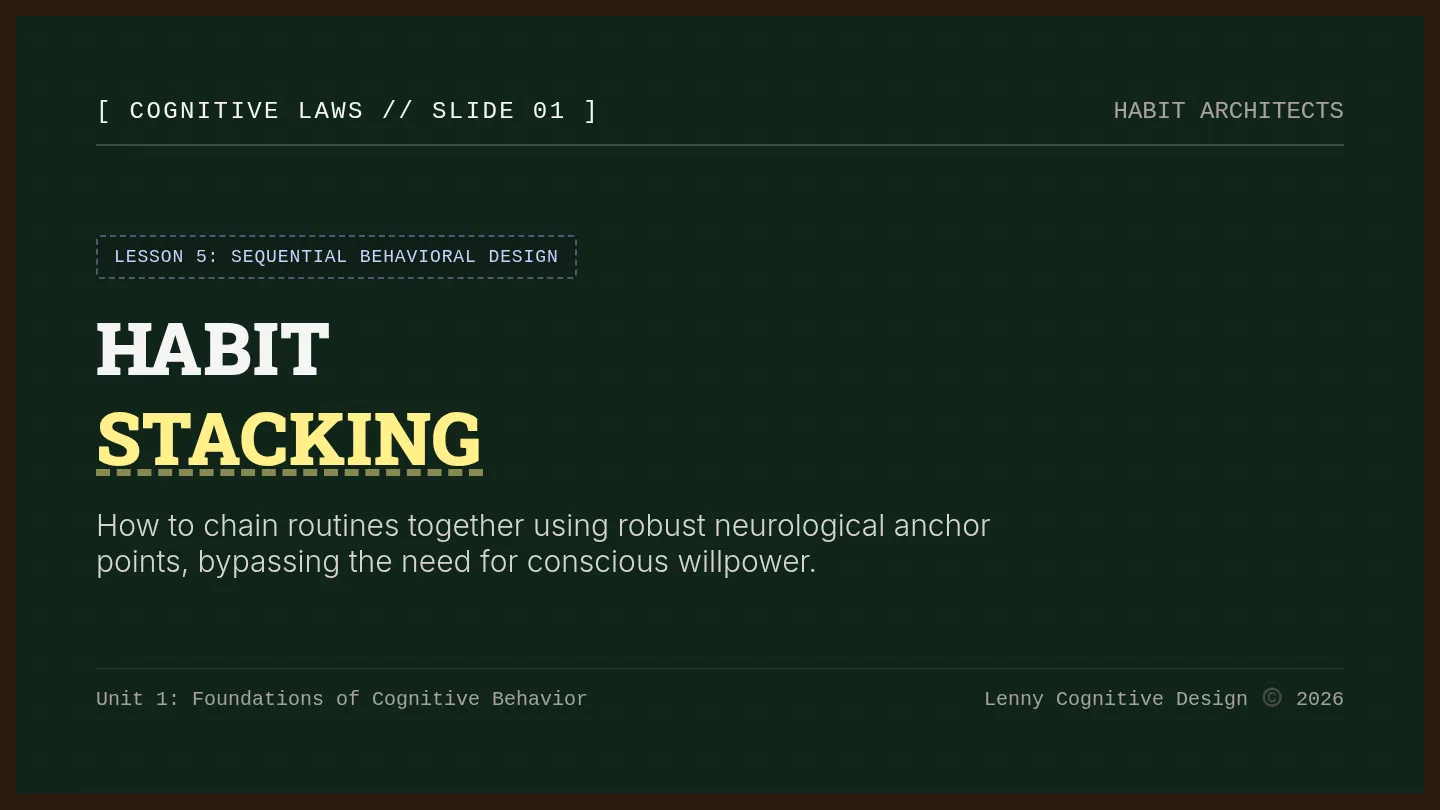
Lesson 5 of the Habit Architects unit. Students learn how to sequence routines using anchor points, attaching new behaviors onto strong automated habits.
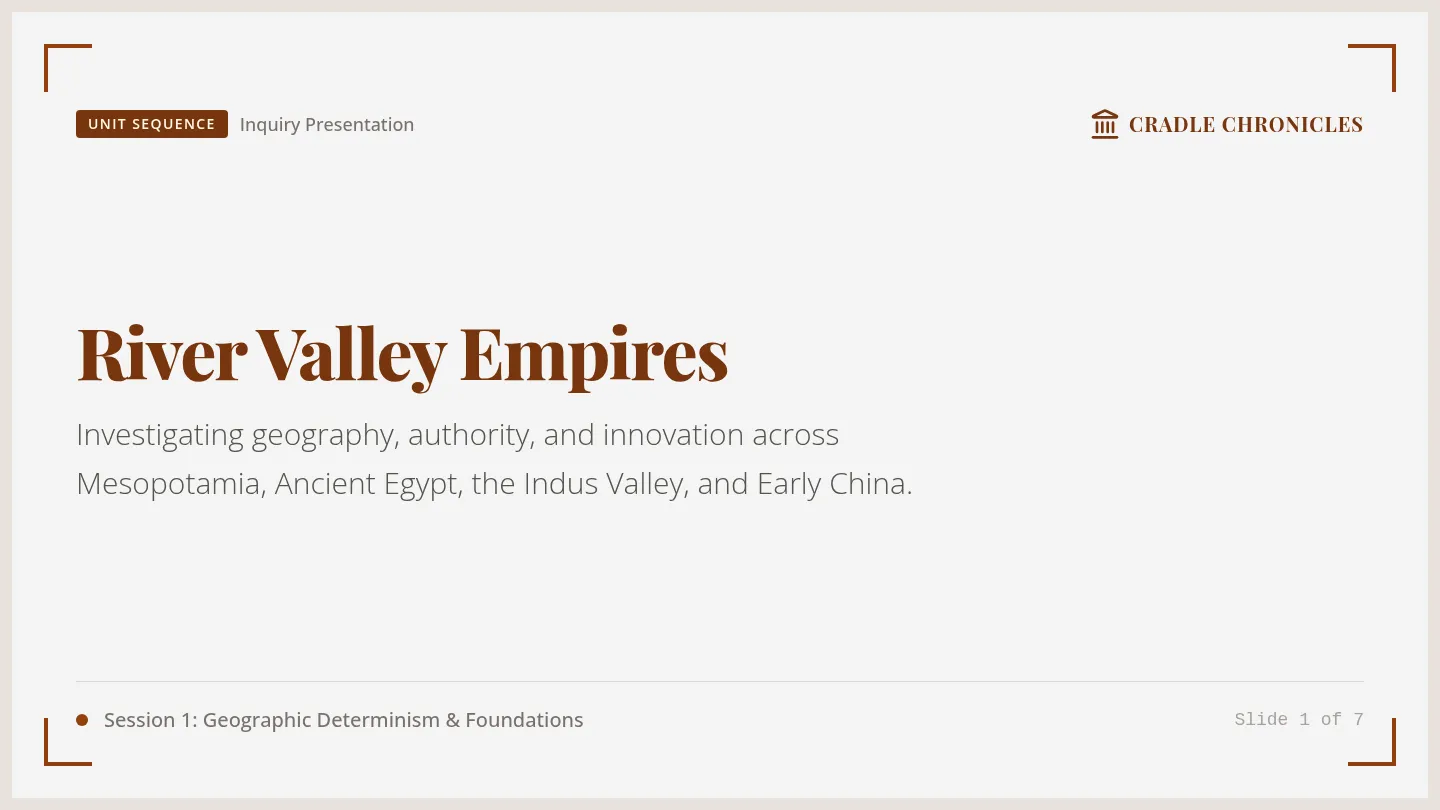
A premium comparative inquiry bundle exploring the foundational 'Big Four' ancient river valley civilizations (Mesopotamia, Egypt, Indus Valley, and Ancient China). Designed with high-quality primary sources, structured guided notes, and analytical rubrics to foster deep historical investigation.
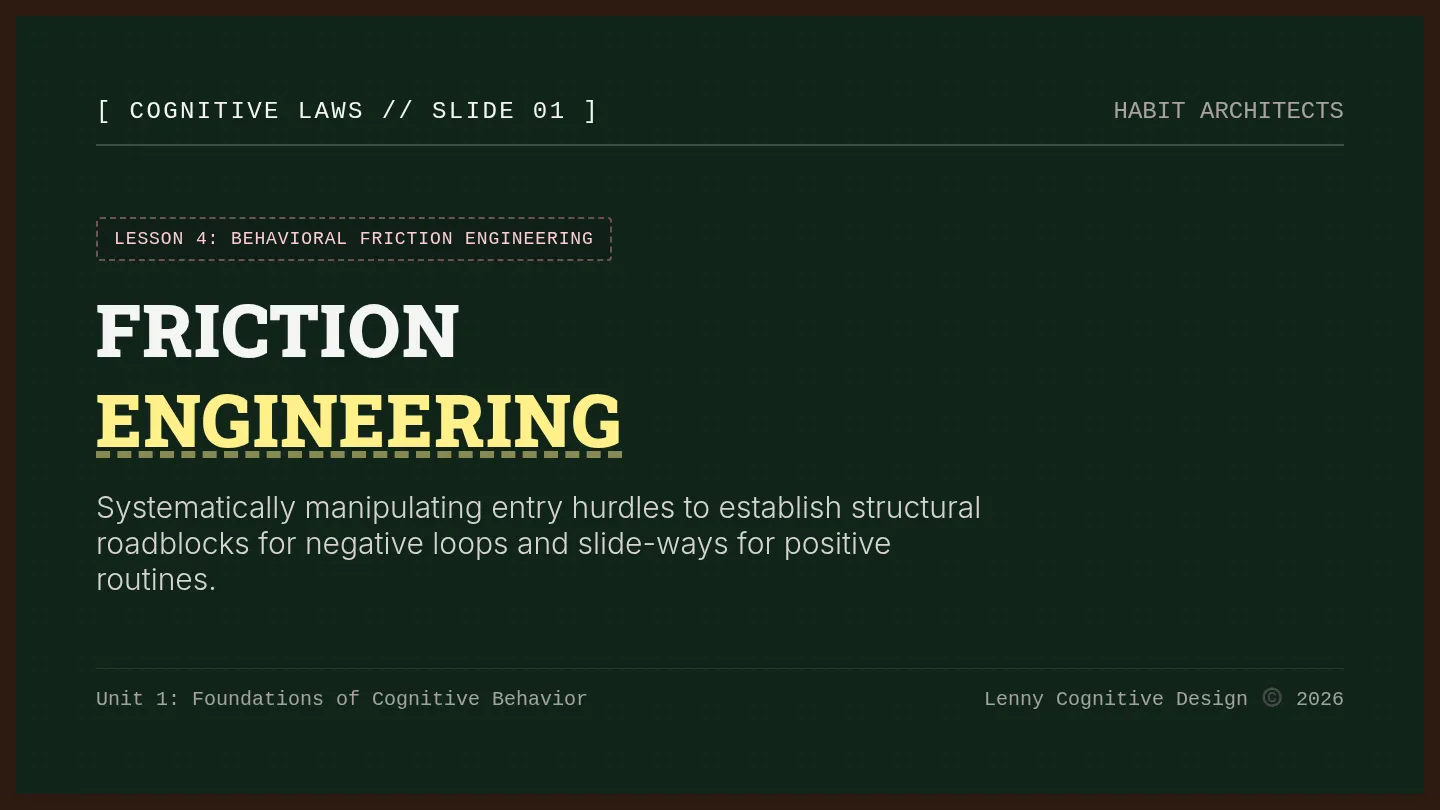
Lesson 4 of the Habit Architects unit. Students learn how to systematically manipulate entry friction, establishing structural roadblocks for negative loops and slide-ways for positive routines.