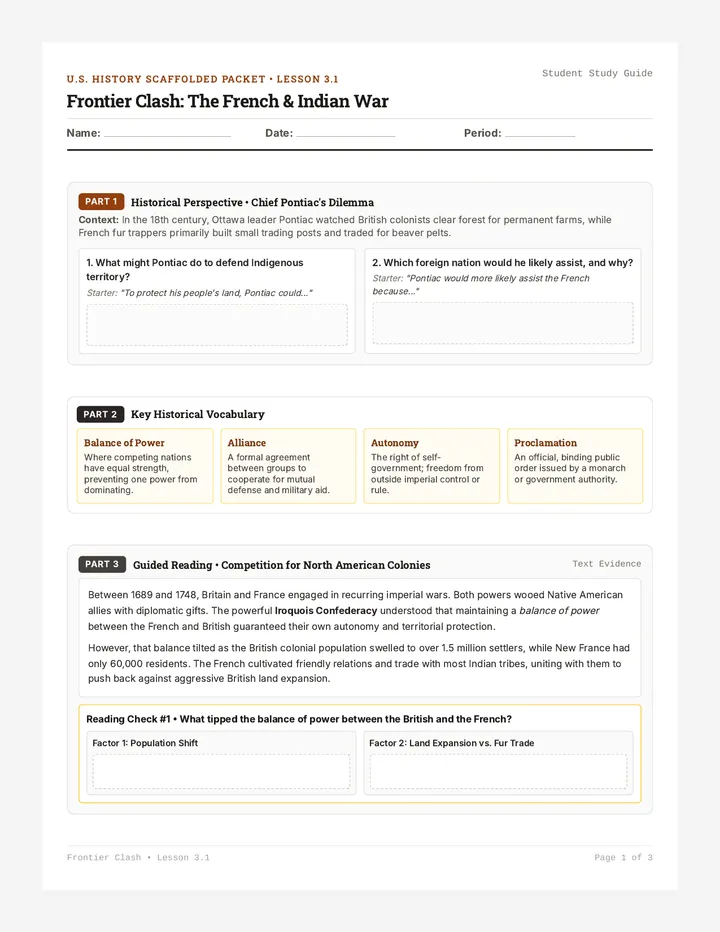
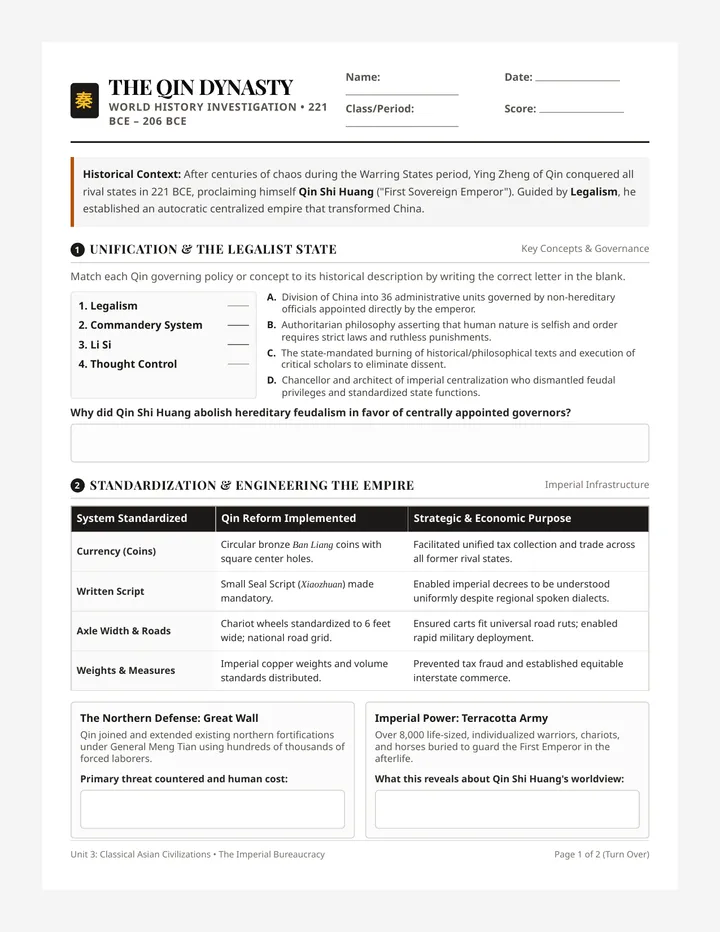
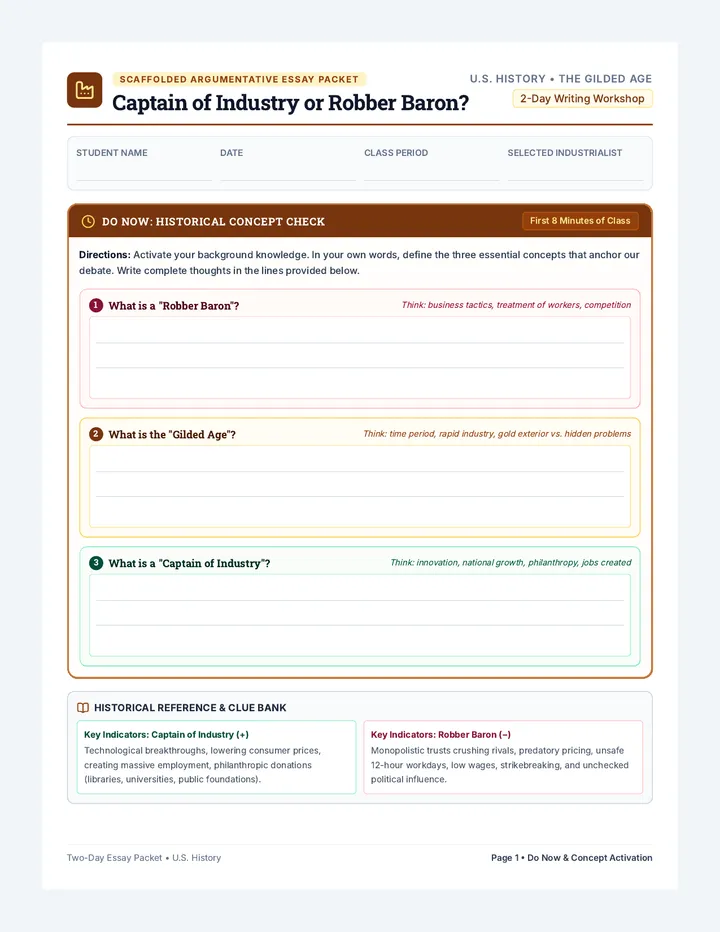
Mind Molders Teacher GuideMind Molders Instructional Facilitation Guide Confidential Case: CPI-1917-WORLD-HIST Objective "Analyze the effectiveness of propaganda and the Committee on Public Information (CPI) in shaping American public opinion during WWI." Pacing 5 MIN Hook: The Liberty Sandwich Mystery 10 MIN Video & Discussion: The Thought Bubble 25 MIN Activity: Propaganda Factory 5 MIN Closure: Gallery Walk & Debrief Key Terms Propaganda CPI (George Creel) Four-Minute Men Americanization Liberty Sandwich Materials • Slides (Mind Molders) • Poster Planning Sheets • Rubrics • Blank Paper & Markers Facilitation Notes THE HOOK: Liberty Sandwich Display the slide with the hamburger. Ask: "Why would someone rename this during a war?" Explain that the CPI-led patriotism effort resulted in renaming anything "German" (Sauerkraut became "Liberty Cabbage", Hamburgers became "Liberty Sandwiches"). THE VIDEO: Crash Course #30 Target Segment: 7:11 - 7:56 Key Discussion Points: How did the government "shape" public opinion? Who were the "Four-Minute Men"? (A massive volunteer force giving tiny speeches). What specific "themes" were prioritized by the CPI? (Democracy and Freedom). The Propaganda Factory: Implementation Task Breakdown Students are commissioned by George Creel and the CPI. They must create a visual poster that addresses one of three wartime needs, using the required CPI themes. Topic A: Enlistment Encourage men to join the army or navy to fight for "global freedom." Topic B: Liberty Bonds Convince civilians to loan money to the government to fund the war effort. Topic C: Rationing Promote "Wheatless Wednesdays" or "Meatless Mondays" to save food for soldiers. Teacher Questioning Circulate during the activity and ask: "How does your poster make a regular person feel like they are personally defending 'Democracy'?" "If a person doesn't do what your poster says, what does your poster imply about their character?" "Is this poster providing facts or emotions? Why did you choose that balance?" Common Pitfalls The "Modern" Look Students may use modern memes or slang. Encourage them to use the formal, grandiose language of 1917. Lack of Theme Students often forget to explicitly use the words/concepts of "Freedom" or "Democracy." Remind them this was the CPI's core directive. Gallery Walk Closure Hang posters around the room. Students rotate in silence. Each student should have two sticky notes to leave "Peer Feedback" on posters. Prompt: "Identify one poster that you feel would be most effective in 1917 and explain why based on its visual and thematic choices."
Mind Molders SlidesMind Molders The CPI & WWI Propaganda 10th Grade World History Mystery Context HOOK 🍔 "The Liberty Sandwich" In 1917, Americans stopped calling this a Hamburger. Why do you think the name changed? "Patriotism is not just a feeling; it is a lifestyle enforced by the state." The Thought Bubble Embedded media Crash Course World History #30 Focus: The Committee on Public Information (7:11 - 7:56) Command & Control George Creel Head of the CPI. A journalist turned government mastermind. His goal: Total Social Mobilization. "The world's greatest adventure in advertising." 4-Minute Men 75,000 volunteers who gave brief, patriotic speeches in theaters, schools, and churches. The original "viral" marketing. Required Narrative Democracy Freedom "The CPI didn't just sell a war; they sold an ideology. If you aren't fighting, you aren't defending the American way of life." The Mission ACTIVITY TOP SECRET Design a WWI Poster that promotes one behavior: Enlistment Liberty Bonds Rationing MUST use themes of "Freedom" or "Democracy" MUST include a visual and a persuasive slogan Gallery Walk Hang your posters. Walk in silence. Reflective Prompt: "Which poster makes you feel the most 'patriotic' duty? Is it the image, the words, or the fear of being seen as a slacker?"
Propaganda Factory ActivityApproved by CPI Propaganda Factory Official Design Commission: 1917-WWI Name: __________________________ Date: __________________________ The Mission "Gentlemen, we are at war. The Committee on Public Information (CPI) has selected your firm to design a visual campaign that will mobilize the American heart. Whether it is a kitchen in Kansas or a factory in Detroit, every citizen must feel the weight of their duty to Democracy and Freedom." 1 Select Your Objective Choose one area of focus for your poster: Enlistment Recruit men for the front lines. Liberty Bonds Fund the cost of victory. Rationing Save food for the troops. 2 Strategic Briefing Theme Selection (Circle one or both): DEMOCRACY FREEDOM The "Hook" (Draft your persuasive slogan here): Visual Concept (Describe the main image): 3 Rough Layout Sketch your placement of text and image below before moving to final paper Official Publication of the Committee on Public Information - Division of Pictorial Publicity
Mind Molders RubricPatriotism Inspector Propaganda Evaluation Rubric Form: CPI-REV-1917 "Each creative commission must be evaluated based on its ability to stir the soul and compel the citizen to action. Use the following criteria to determine if the poster is fit for public display." CriteriaEnlisted (Advanced)Drafted (Proficient)Slacker (Needs Improvement) Thematic Power Democracy & Freedom | Explicitly and creatively uses themes of "Democracy" or "Freedom" to justify the wartime action. | Includes themes of "Democracy" or "Freedom," but the connection to the action is generic. | Themes are missing or do not relate to CPI goals. | | Call to Action Slogan & Messaging | Slogan is unforgettable, authoritative, and uses high-impact emotional language. | Slogan clearly states what the citizen should do, but lacks emotional intensity. | Slogan is confusing or fails to ask the citizen to do anything specific. | | Visual Impact Imagery & Symbols | Bold central image that commands attention. Uses symbols (flags, icons) effectively. | Image relates to the topic, but may be cluttered or lack a clear focal point. | Image is irrelevant, messy, or does not support the message. | | Tone & Context Era-Appropriateness | Perfectly captures the formal, grandiose, and urgent tone of 1917. | Mostly avoids modern slang; tone is generally appropriate for a WWI poster. | Uses modern references or overly casual tone that breaks historical immersion. | Inspector's Feedback Total Mobilization Score / 20 Authorized Signature Required G. CREEL, CHAIRMAN Verified CPI Agent