Lenny.com
Explore
Create
ActivitiesNewMathEnglish Language ArtsScience & EngineeringSocial StudiesGlobal LanguagesHealth & Physical EducationSpecial EducationCounseling & Life SkillsArts & CreativityESL
Lenny.com
Lenny.com
Explore
Create
ActivitiesNewMathEnglish Language ArtsScience & EngineeringSocial StudiesGlobal LanguagesHealth & Physical EducationSpecial EducationCounseling & Life SkillsArts & CreativityESL
Lenny.com
Lenny.com

Solutions

Lenny for EducatorsLenny for SchoolsLenny for Districts

Product

ExploreSign inCreateSupportAbout

Resources

Getting startedMTSS Acceleration Program

Newsletters

School Funding Newsletter

© 2026 Lenny Learning Inc.

TermsPrivacyAccessibility
LinkedInInstagramX
Lenny
Science & EngineeringLife ScienceLiving ThingsAnimalsPlantsBody SystemsTraitsAdaptationsCellsEcosystemsHeredityGenes to TraitsCell DivisionPhysicsComparing MaterialsShapes and PropertiesMagnetsMagnetismLightSoundLight and SoundMatterStates of MatterChanges of StateMixturesPhysical and Chemical ChangeHeating and CoolingHeat and Thermal EnergyEnergyForce and MotionElectrical CircuitsAtoms and MoleculesPeriodic TableMotion in One DimensionMotion in Two DimensionsScalars and VectorsForces and Laws of MotionCircular Motion and GravityMomentum and ImpulseWork, Energy, and PowerWavesElectromagnetic WavesGeometric OpticsElectricity and MagnetismSimple Harmonic MotionThermodynamicsNuclear PhysicsEarth Science & AstronomyWeatherWater CycleRocks and MineralsFossilsEarth's FeaturesEarth's ResourcesEarth's StructureWeather and ClimateEarth EventsFossils and Geologic TimePlate TectonicsHuman ImpactsAstronomyChemistryUnits and MeasurementAtomic StructurePeriodic TrendsChemical BondingNomenclatureMolecular StructureIntermolecular ForcesThe MoleStoichiometryProperties of GasesSolutionsChemical ReactionsBalancing EquationsEnergy ChangesRates of ReactionsEquilibriumAcids and BasesQuantum ModelBiologyClassificationCell StructureThe Chemistry of LifeBiomoleculesCellular TransportCell EnergyCell Growth and DivisionDNAProtein SynthesisMeiosis and Sexual ReproductionPatterns of InheritanceMulticellular OrganismsEvolutionEcologyBiodiversityComputer ScienceAlgorithms and Computational ThinkingProgramming LanguagesComputing SystemsNetworks and InternetData AnalysisCybersecurityAI and Machine LearningSoftware Design and DevelopmentBlockchainEngineering & AIDesigning ExperimentsEngineering PracticesDesign ThinkingEngineering Design ProcessMechanical EngineeringElectrical EngineeringMaterials and StructuresCAD and 3D DesignRoboticsArtificial Intelligence BasicsVibe CodingMachine LearningAI Ethics and SocietySystems ThinkingEntrepreneurship & InnovationEntrepreneurial MindsetBusiness Idea DevelopmentBusiness Plan BasicsMarketing & Customer DiscoveryFinancial Management for Startups

Membrane Matrix

A comprehensive high school anatomy lesson covering epithelial body membranes, with a focus on comparing serous and mucous membranes. Students analyze tissue architecture, cavity locations, secretion mechanics, and clinical pathologies.

Membrane Matrix

A comprehensive high school anatomy lesson covering epithelial body membranes, with a focus on comparing serous and mucous membranes. Students analyze tissue architecture, cavity locations, secretion mechanics, and clinical pathologies.

The heart is outside the cavity, enclosed by it. The cavity is only a potential space containing 15–50 mL of lubricating fluid between the visceral and parietal layers.
"Mucous membranes only exist in the nose and airway."Mucosa lines every organ system communicating with the outside world, including the entire gastrointestinal, urinary, and reproductive tracts.
"Serous fluid and mucus are identical body fluids."Serous fluid is a thin, watery blood-plasma transudate for low friction. Mucus is rich in mucin glycoprotein, creating a sticky, protective defensive gel.

Membrane Matrix • Teacher Instructional Guide Page 1 of 2

Teacher Guide: Demos, Questioning & Scaffolding

Instructional Toolkit

C

Tactile Classroom Demonstrations (Quick Prep)

1. The Two-Ziploc Serous Sac

Materials: 2 quart ziploc bags, 20 mL water with food coloring.

Nest one bag inside the other and pour water between them. Seal both. Place your fist inside the inner bag and move it. Students observe how smoothly the inner bag (visceral) slides over the outer bag (parietal) without leaking or shearing.

2. Viscosity & Particle Trapping

Materials: Petri dish of water vs. dish of clear corn syrup, ground pepper.

Blow pepper onto both surfaces. In water (serous model), particles float or sink freely. In syrup (mucus model), particles adhere instantly, demonstrating how mucin traps microbes before ciliary sweeping.

D

Socratic Questioning Bank (Tiered Discussion)

Recall / Foundational: Knowledge Level

"What two basic primary tissue classes compose every epithelial membrane?" (Epithelium + Connective tissue; e.g., mesothelium + areolar, or stratified squamous + lamina propria).

Analytical / Mechanism: Application Level

"Why doesn't the stomach digest itself under normal conditions?" (The thick, insoluble alkaline mucus coat containing \(\text{HCO}_3^-\) neutralizes stomach acid at the epithelial surface, preventing pepsin proteolysis).

Evaluative / Pathological: Evaluation Level

"If serous fluid volume increases excessively during pericarditis (cardiac tamponade), why does cardiac output crash?" (The fibrous pericardium cannot stretch; fluid pressurizes the heart, preventing ventricular filling during diastole).

E

Differentiation & Scaffolding Pathways

Support & ELL Accommodations

  • Word Bank: Provide anatomical suffixes (-cardium, -pleura, -peritoneum) and prefixes (pariet- = wall, viscer- = internal organ).
  • Color-Coding: Have students highlight visceral surfaces in pink and parietal surfaces in blue across textbook diagrams.
  • Sentence Stems: "Serous membranes are located in _____ because they need to _____."

Honors & AP Anatomy Extensions

  • Cystic Fibrosis Connection: Analyze how defective CFTR chloride channels cause dehydrated, hyper-viscous mucus, paralyzing the mucociliary escalator.
  • Transudate vs. Exudate: Research cellular protein content differences in pleurisy (inflammatory exudate) vs. heart failure (hydrostatic transudate).
  • Peritonitis Case: Explain why ruptured appendicitis poses rapid sepsis risks across the extensive peritoneal surface area.

Quick Exit Ticket Prompt (2 Minutes) Formative Check

"Name one organ lined by a serous membrane and one lined by a mucous membrane. For each, state whether the cavity is closed or open to the outside world, and explain why its specific secretion is essential for that organ's survival."

Membrane Matrix • Teacher Instructional Guide Page 2 of 2

Yes (Open tract)
External lung surfaceSerousVisceral pleuraNo (Closed cavity)

3

Part 3: Balloon Model Evaluation

6 Points Total

Exemplar: The heart or lung does not sit "inside" the cavity; it remains entirely outside the cavity, invested by the visceral serous membrane layer like a fist pushing into a balloon. The cavity itself is a closed, narrow potential space containing only a small volume (a few milliliters) of lubricating serous fluid. If organs were inside the fluid volume itself, pressure gradients and vascular supply channels would be severed.

Criteria: 3 pts for clarifying organs are external/covered by visceral layer; 3 pts for identifying the cavity as a potential space with serous fluid.

Membrane Matrix • Answer Key & Scoring Rubric Page 1 of 2

Part II Answer Key: Mechanics, Case Files & Synthesis

Teacher Evaluation Guide

4

Part 4: Structure-to-Function Mechanics

6 Points Total

Scenario A: Frictionless Kinematics (3 pts)

Answer: The smooth mesothelial cells express microvilli that retain hyaluronic acid, creating a slippery hydrodynamic fluid film. When the visceral pleura/pericardium slides across the parietal layer, the fluid absorbs sheer stress and dissipates thermal energy, preventing cellular abrasions, inflammatory adhesions, and mechanical resistance during repeated cycles.

Scenario B: Mucociliary Escalator (3 pts)

Answer: Goblet cells secrete mucin, which hydrates to form an adhesive gel trapping inhaled dust, bacteria, and viruses. Coordinated ciliary metachronal waves sweep the contaminated mucus sheet upward toward the pharynx (mucociliary escalator) at 1–2 cm/min to be swallowed and sterilized by gastric acid.

5

Part 5: Clinical Diagnostic Case Files

6 Points Total

Case 1: Pleurisy & Friction Rub (3 pts)

Inflammation roughens the serosal surface and dries the serous fluid or fills it with sticky fibrin. The roughened visceral and parietal pleura grate directly against each other, producing the acoustic friction rub. Pain is severe because the parietal pleura is innervated by somatic sensory nerves (phrenic/intercostal nerves), while visceral pleura lacks somatic pain fibers.

Case 2: Gastric Mucosal Erosion (3 pts)

The stomach mucosa secretes an alkaline mucus gel layer saturated with bicarbonate ions (\(\text{HCO}_3^-\)) that neutralizes gastric acid right at the apical cell membrane. NSAIDs inhibit prostaglandin synthesis, reducing mucus and bicarbonate secretion; acid penetrates to epithelia, activating pepsin to auto-digest the stomach wall, resulting in ulceration.

6

Part 6: Comprehensive Membrane Comparison Matrix

8 Points Total

CharacteristicSerous Membrane (Serosa)Mucous Membrane (Mucosa)
Epithelial TissueSimple squamous epithelium (mesothelium)Variable: stratified squamous, simple columnar, pseudostratified ciliated columnar
Connective TissueThin delicate layer of areolar connective tissueAreolar connective tissue called lamina propria
Secretion Source & NatureThin, watery capillary transudate + hyaluronic acid from mesothelial cellsViscous mucus produced by goblet cells and multicellular mucosal glands
Cavity StatusClosed ventral body cavities (pleural, pericardial, peritoneal); no external accessContinuous tracts opening to the external environment (respiratory, GI, urinary, reproductive)
Primary FunctionEliminate friction between moving organs and body wallAbsorption, secretion, physical barrier defense, pathogen trapping, moisture retention

Membrane Matrix • Answer Key & Scoring Rubric Page 2 of 2
You might also like

Cell Detectives Slides

Cell Explorers

A foundational life science unit for self-contained learners exploring the microscopic world of cells, organelle jobs, and how specialized cells work in teams to build living things.

CF

Carissa Fenner

8
Storm Sentinel Slides

Storm Sentinel Challenge

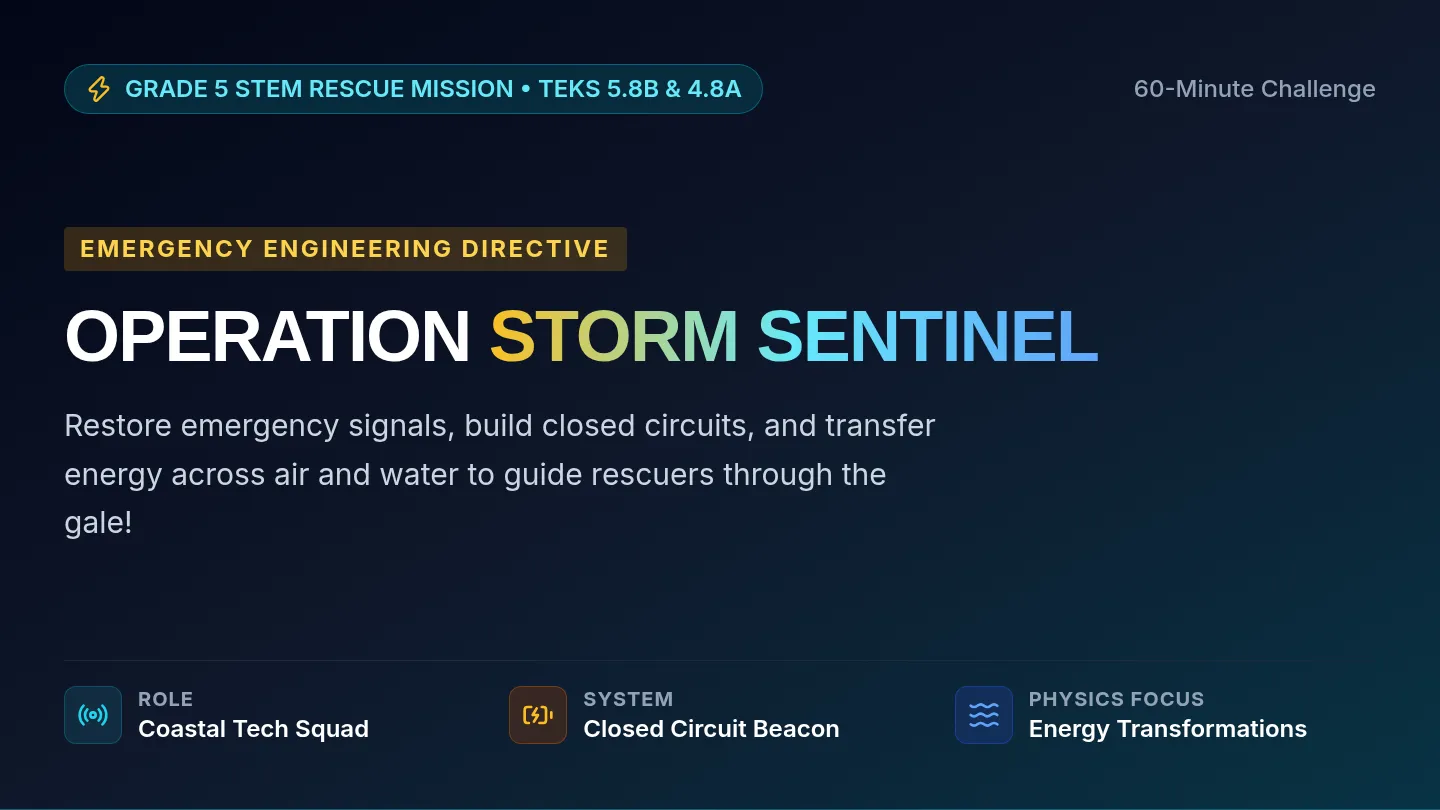
A fast-paced 60-minute 5th grade STEM challenge where students step into the shoes of coastal rescue engineers during a blackout. Teams design and construct an emergency Storm Sentinel beacon that transforms electrical energy into light, sound, and motion to alert rescue ships and detect coastal wave motion.

CS

Cami Skaggs

3
Pumpkin Science Puzzle Worksheet

Pumpkin Science Puzzle Worksheet

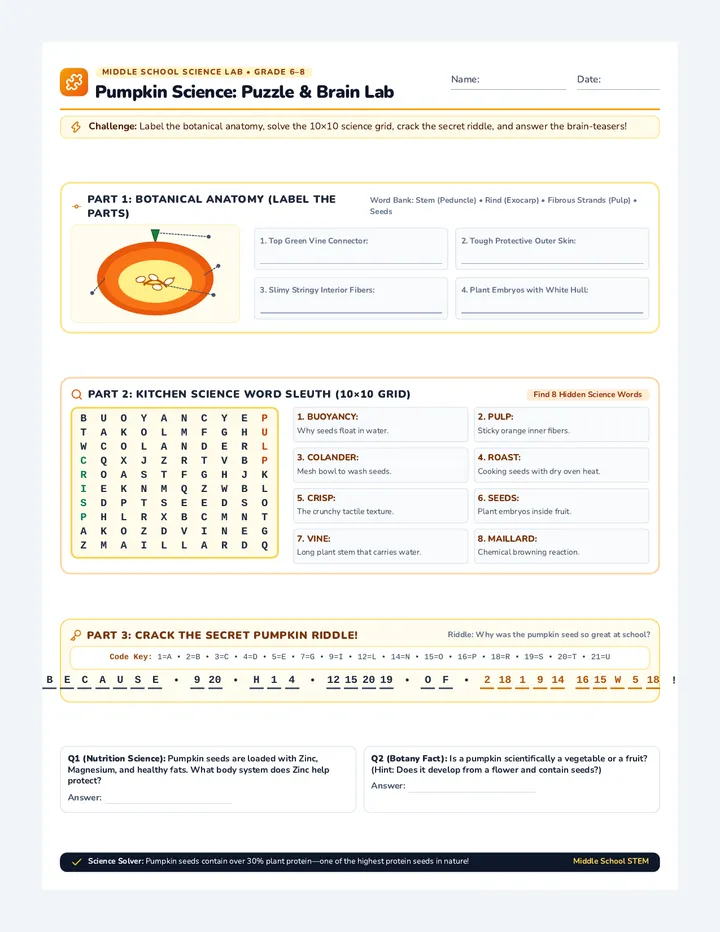
A fun middle-school pumpkin science and kitchen lab worksheet featuring an anatomy diagram challenge, a 10x10 scientific word search, a secret riddle cryptogram, and kitchen science brain-teasers.

Lenny Avatar
Lenny
Cell Foundations Slides

Cell City Quest

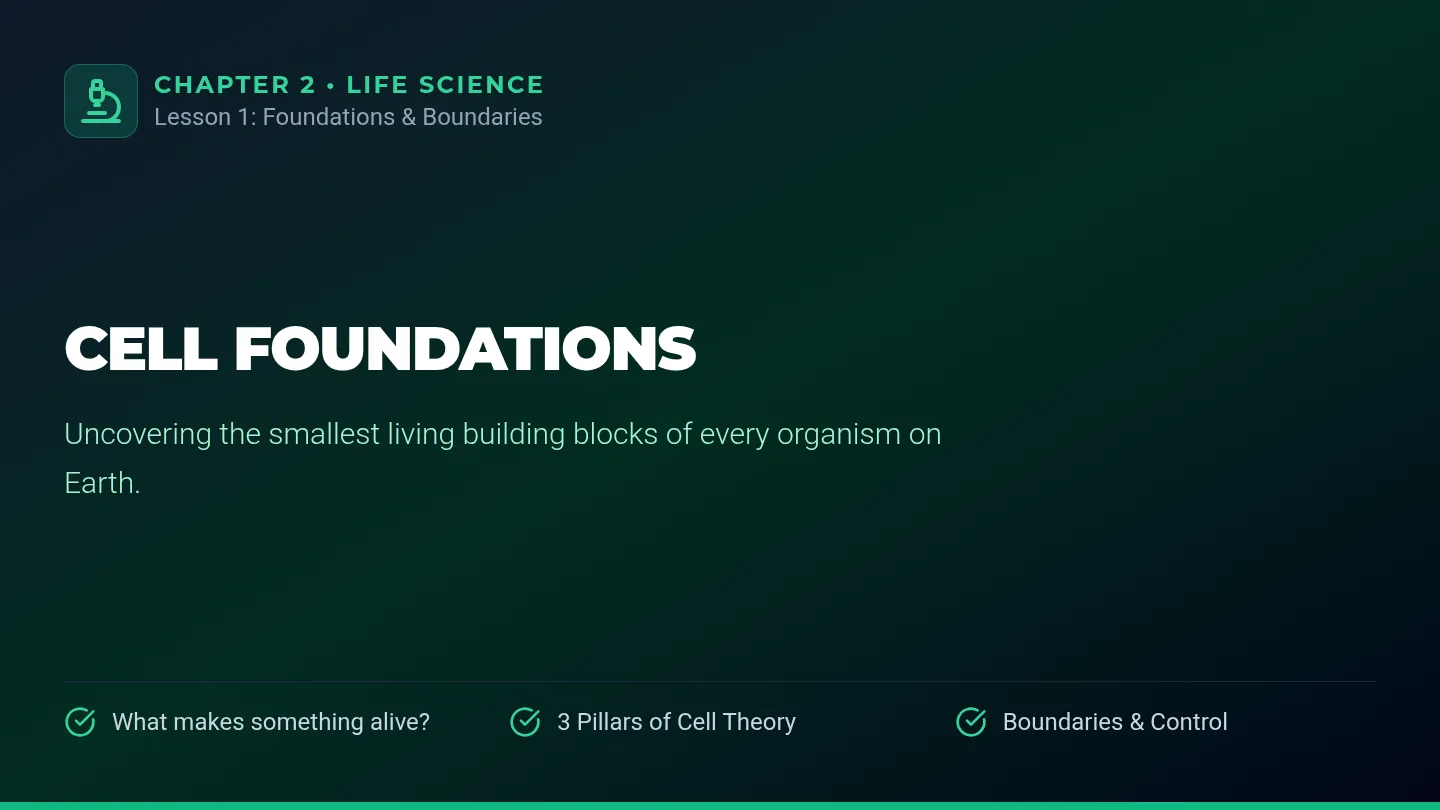
A two-part life science sequence exploring cell theory, cellular architecture, and organelle functions through the lens of a bustling microscopic city. Students progress from fundamental cell characteristics to intricate organelle operations across two interactive class sessions.

CP

Carmen Pavlovsky

7
Magma Dictionary Handout

Magma Dynamics

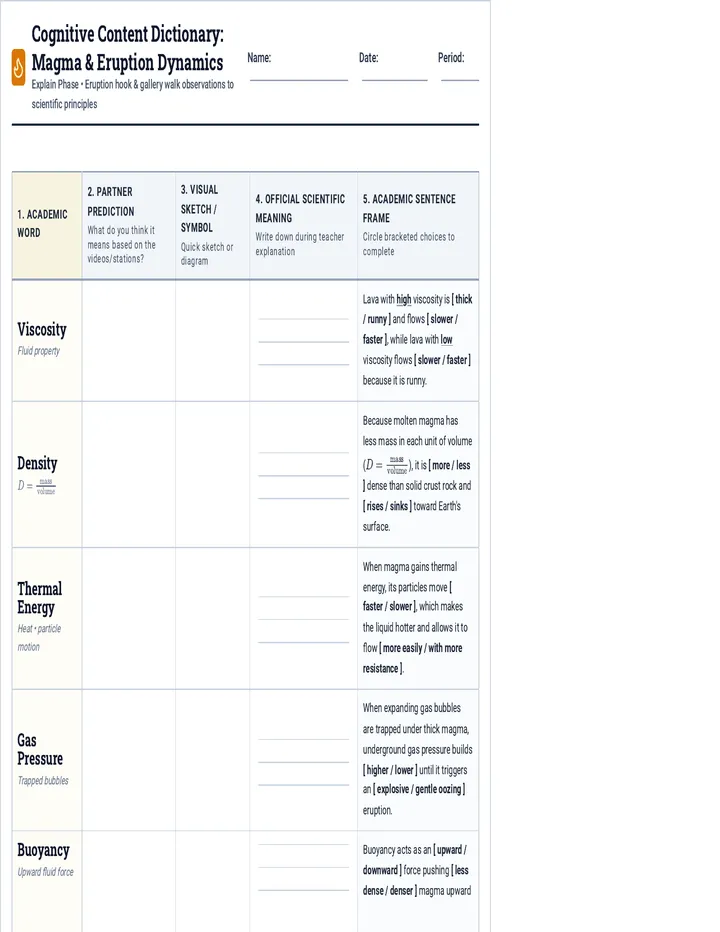
A high school credit recovery vocabulary lesson using a Cognitive Content Dictionary (CCD) to master key volcanic and magma physics concepts. Students connect observations from an eruption hook and gallery walk to formal scientific definitions, visual sketches, and sentence frames.

MH

Meagan Hudson

2
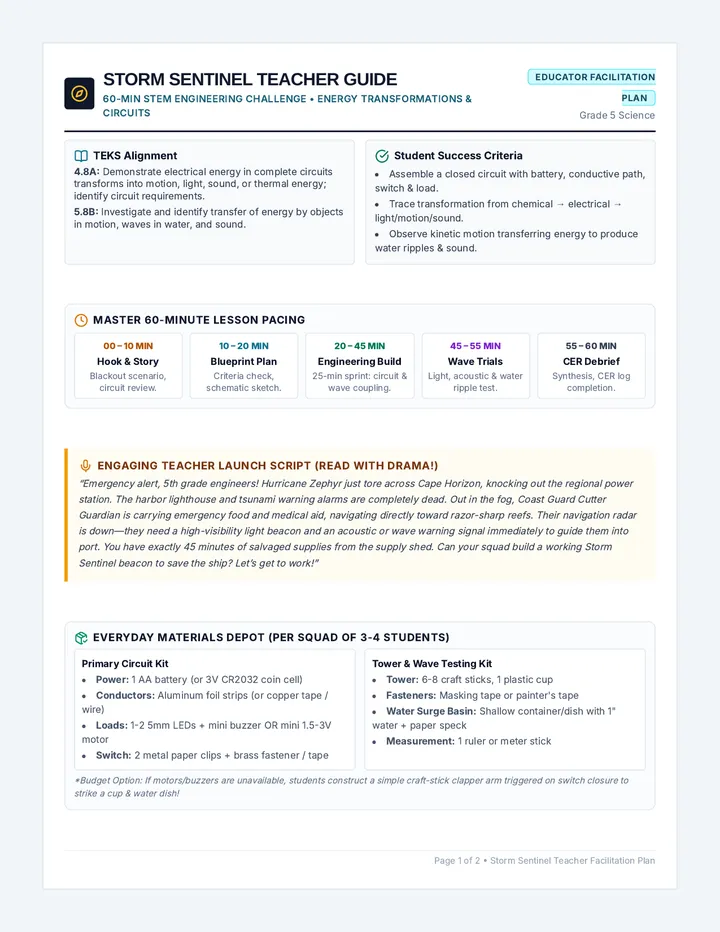
Storm Sentinel Teacher Guide

Storm Sentinel Teacher Guide

A 2-page teacher facilitation guide tailored to the simplified paper-cup lighthouse build and hands-on wave stations. Includes simple everyday material prep, 60-minute pacing, rapid circuit troubleshooting, guided inquiry prompts, and a clear 5th grade assessment rubric.

CS

Cami Skaggs

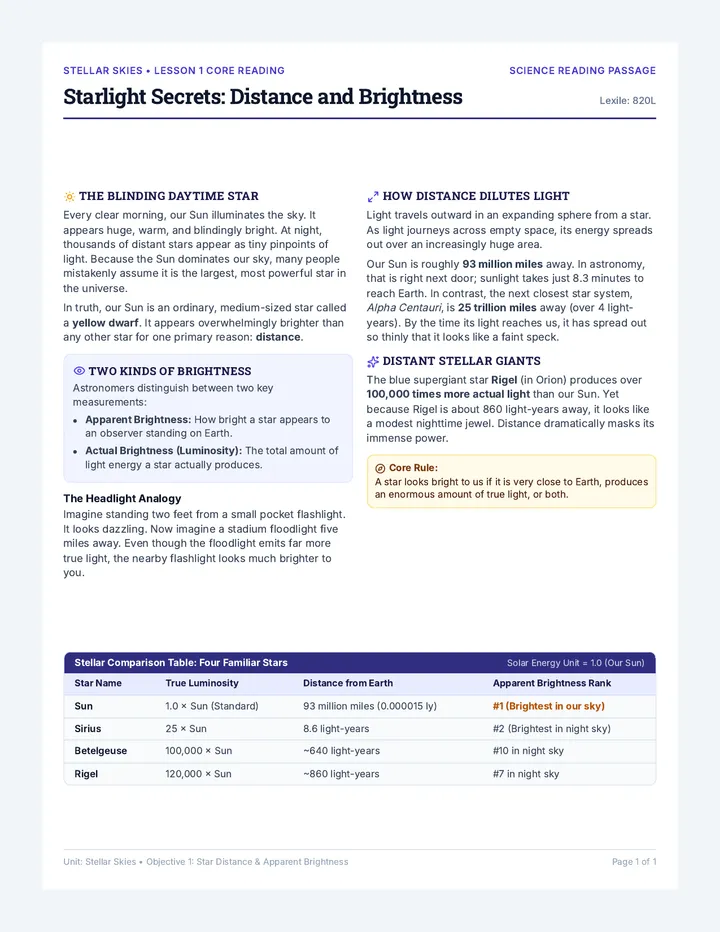
Starlight Secrets Reading Passage

Stellar Skies

A two-lesson science sequence investigating star brightness, apparent versus absolute luminosity, nightly sky rotation, and yearly seasonal constellations.

DB

Danny Brooks

8
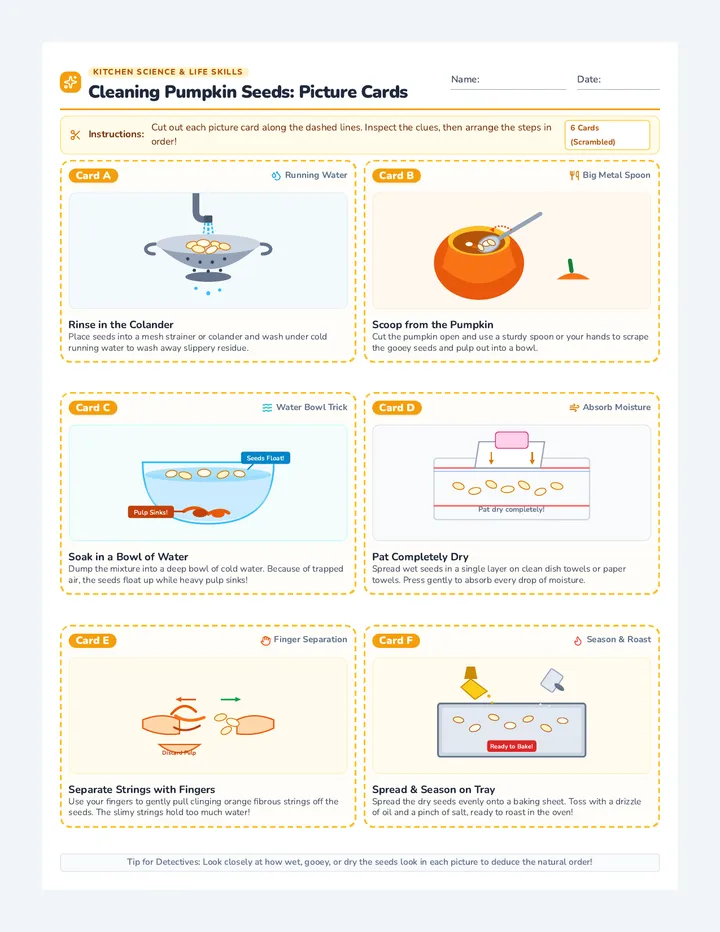
Pumpkin Seed Sequence Cards

Pumpkin Seed Science

A culinary and kitchen science lesson exploring how to harvest, clean, dry, and roast pumpkin seeds through hands-on sequencing and cooking guides.

Lenny Avatar
Lenny
6
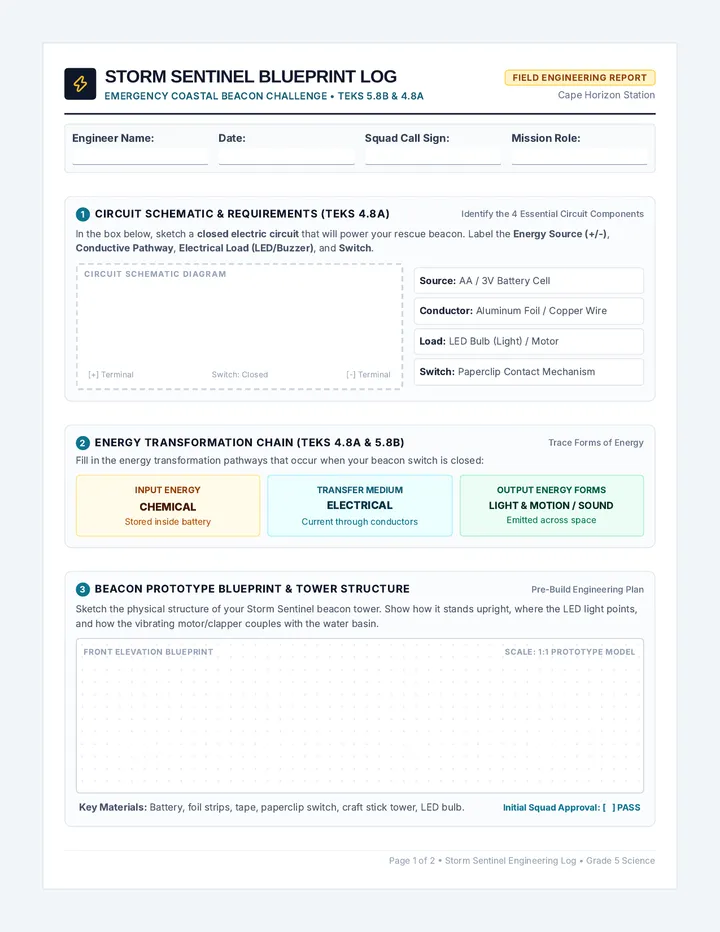
Storm Sentinel Blueprint Log

Storm Sentinel Blueprint Log

A highly scaffolded 2-page student engineering log for 5th grade with word banks, guided circuit labeling, fill-in-the-blank energy chains, structured wave observation tables, and sentence starters for Claim-Evidence-Reasoning.

CS

Cami Skaggs

Helix Studio Slides

Candy Code Sequence

A multi-day competency-based biology sequence exploring DNA architecture, complementary base pairing, and semi-conservative replication through tactile candy modeling and evidence-based assessment.

TM

Teri Minami

6
Squish Science Slides

Squishy Science

An interactive primary science lesson exploring soft and squishy materials, how force and pressure change their shape and size, and whether they bounce back. Students observe, predict, and test common flexible materials through hands-on compression investigations.

Lenny Avatar
Lenny
3
Storm Sentinel Slides

Storm Sentinel Slides

A streamlined 8-slide presentation for the 5th grade Storm Sentinel challenge, featuring a simplified paper-cup lighthouse and paperclip switch circuit, kid-friendly visual steps, and hands-on wave energy testing.

CS

Cami Skaggs