Power Shift Slides Power Shift
From Absolute Kings to Natural Rights
The Big Three
List three rights from the US Bill of Rights that you consider the most important.
Where did these ideas come from? Were they original to America?
The Conflict
The Stuart Kings
Believed in "Divine Right of Kings"
Wanted absolute power
Ignored Parliament and raised illegal taxes
Parliament
Represented the gentry and merchants
Held the "power of the purse"
Fought to limit the King's authority
Watch: The Glorious Revolution
11:00 - End
Embedded media
Listen for: The English Bill of Rights and John Locke's ideas.
John Locke's "Contract"
John Locke
The Optimistic Philosopher
Natural Rights
"Life, Liberty, and Property"
Social Contract
Government exists only to protect these rights. If they fail, people have a right to revolt.
Primary Source Match
Step 01
Read the excerpts from the English Bill of Rights (1689) and the US Bill of Rights (1791).
Step 02
Match the rights that are identical or very similar. Use the Freedom Finder Worksheet to record your findings.
The Final Vote
Which document had a bigger impact on global history?
English Bill (1689)
US Bill (1791)
Be ready to defend your answer with one specific reason!
Crown Constraints Reference Crown Constraints
Excerpts from the English Bill of Rights, 1689
Following the Glorious Revolution, Parliament presented this declaration to William and Mary before they were officially crowned. It established that the monarchy could not rule without the consent of the people's representatives.
I
The Power of Law
"That the pretended power of suspending the laws or the execution of laws by regal authority [the King] without consent of Parliament is illegal."
II
The Power of the Purse
"That levying money for or to the use of the Crown... without grant of Parliament... is illegal."
III
Right to Petition
"That it is the right of the subjects to petition the king, and all commitments and prosecutions for such petitioning are illegal."
IV
Right to Bear Arms
"That the subjects which are Protestants may have arms for their defence suitable to their conditions and as allowed by law."
V
Freedom of Speech
"That the freedom of speech and debates or proceedings in Parliament ought not to be impeached or questioned in any court or place out of Parliament."
VI
Excessive Punishment
"That excessive bail ought not to be required, nor excessive fines imposed, nor cruel and unusual punishments inflicted."
Founding Protections Reference Founding Protections
Excerpts from the US Bill of Rights, 1791
The first ten amendments to the US Constitution were added to ensure that the new federal government would never infringe upon the fundamental liberties of the people—liberties that many Founders believed were rooted in their English heritage.
I
First Amendment
"Congress shall make no law... abridging the freedom of speech, or of the press; or the right of the people peaceably to assemble, and to petition the Government for a redress of grievances."
II
Second Amendment
"A well regulated Militia, being necessary to the security of a free State, the right of the people to keep and bear Arms, shall not be infringed."
IV
Fourth Amendment
"The right of the people to be secure in their persons, houses, papers, and effects, against unreasonable searches and seizures, shall not be violated..."
VIII
Eighth Amendment
"Excessive bail shall not be required, nor excessive fines imposed, nor cruel and unusual punishments inflicted."
A1
Article I, Section 9
"No Money shall be drawn from the Treasury, but in Consequence of Appropriations made by Law..."
Freedom Finder Worksheet Freedom Finder
Tracing the DNA of Democracy
Name
Date
Part 1: The Source Match
Identify the matching protections in both documents. Refer to your Crown Constraints and Founding Protections sheets.
Protection Category
English Bill (1689)
US Bill (1791)
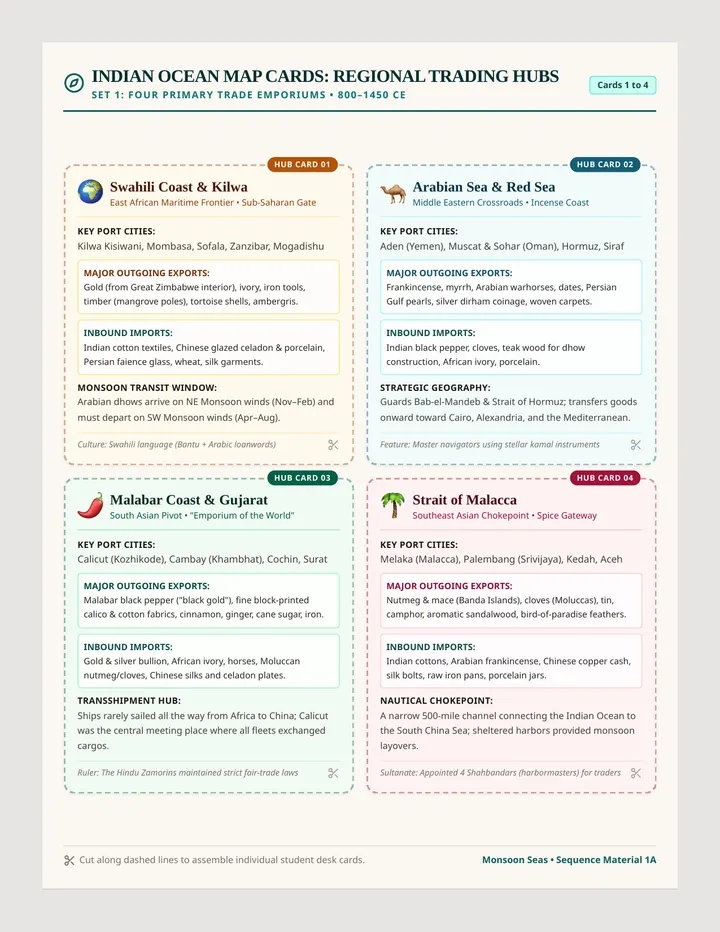
Control of Taxes & Money
Freedom of Speech / Petition
Right to Bear Arms
Cruel & Unusual Punishment
Part 2: Connecting to the Conflict
1. Charles I often "ghosted" Parliament, refusing to call them into session while raising his own taxes. Which specific protections in the Bill of Rights were designed to stop a leader from doing this again?
2. John Locke argued that individuals "rationally banded together to create a government." How does the shift from "Divine Right" to "Constitutional Monarchy" reflect this idea of a Social Contract?
3. Reflection: In your opinion, which document (English or US) represents a bigger "win" for the average citizen? Why?
Power Shift: From Absolute Kings to Natural Rights • 11th Grade Civics
Freedom Finder Answer Key Freedom Finder
Answer Key & Teacher Facilitation Guide
Teacher Resource
Part 1: Primary Source Matches
Protection Category
English Bill (1689)
US Bill (1791)
Control of Taxes
Clause II: "Levying money... without grant of Parliament... is illegal."
Article I, Sec 9: "No Money shall be drawn... but in Consequence of Appropriations made by Law."
Speech / Petition
Clause III & V: Right to petition king; Freedom of speech in Parliament.
Amendment I: Freedom of speech/press; right to petition for redress.
Right to Bear Arms
Clause IV: "Subjects... may have arms for their defence... allowed by law."
Amendment II: "...right of the people to keep and bear Arms, shall not be infringed."
Cruel Punishment
Clause VI: "No excessive bail... nor cruel and unusual punishments inflicted."
Amendment VIII: "Excessive bail shall not be required... nor cruel and unusual punishments."
Part 2: Guiding the Discussion
Question 1: Charles I & The Legislature
Key Point: Charles I avoided Parliament to bypass their power of the purse. The BoR explicitly requires "consent of Parliament" for laws and taxes.
Discussion Tip: Ask students why having a "representative" body control money is safer than having a "single leader" control it.
Question 2: Social Contract Theory
Key Point: Constitutional monarchy is a contract. The monarchs get the throne ONLY on the condition that they sign and obey the Bill of Rights. Power flows from the "consent of the governed" (or at least their representatives), not God.
The Global Impact Vote (Closure)
English BoR Argument: It was the first time an absolute monarch was forced to legally acknowledge rights. It broke the "Divine Right" spell.
US BoR Argument: It applied these rights to a Republic without a King at all, and its influence spread through the French Revolution and modern UN declarations.