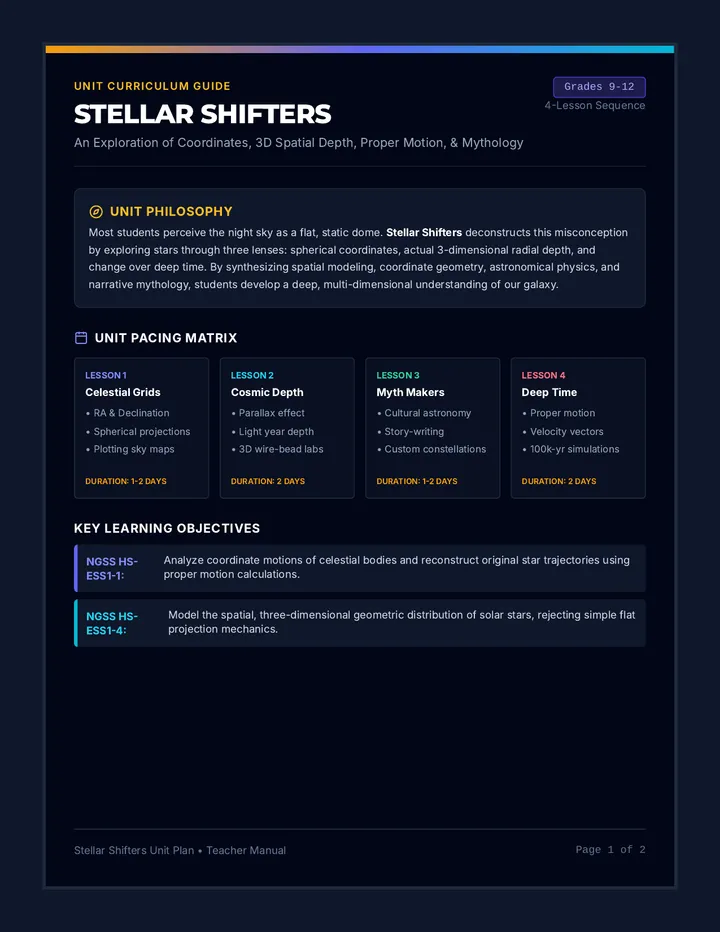
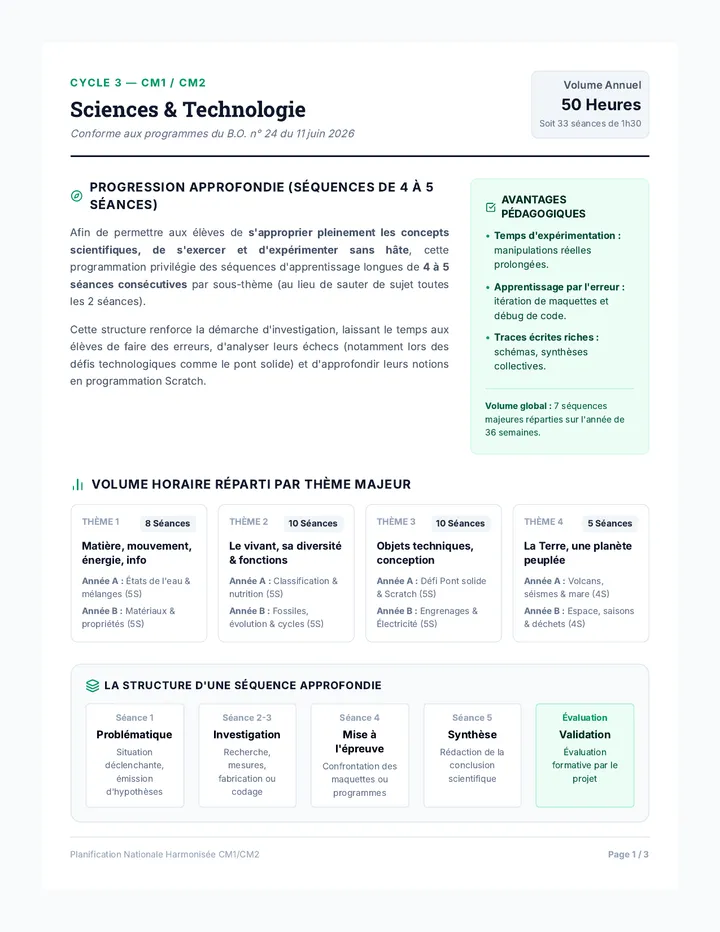
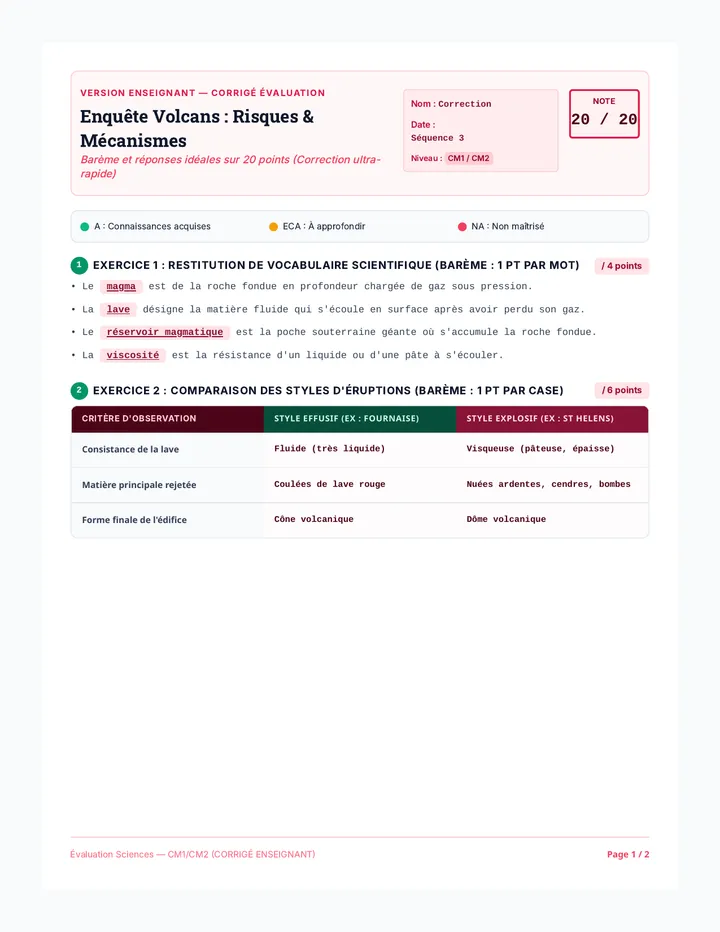
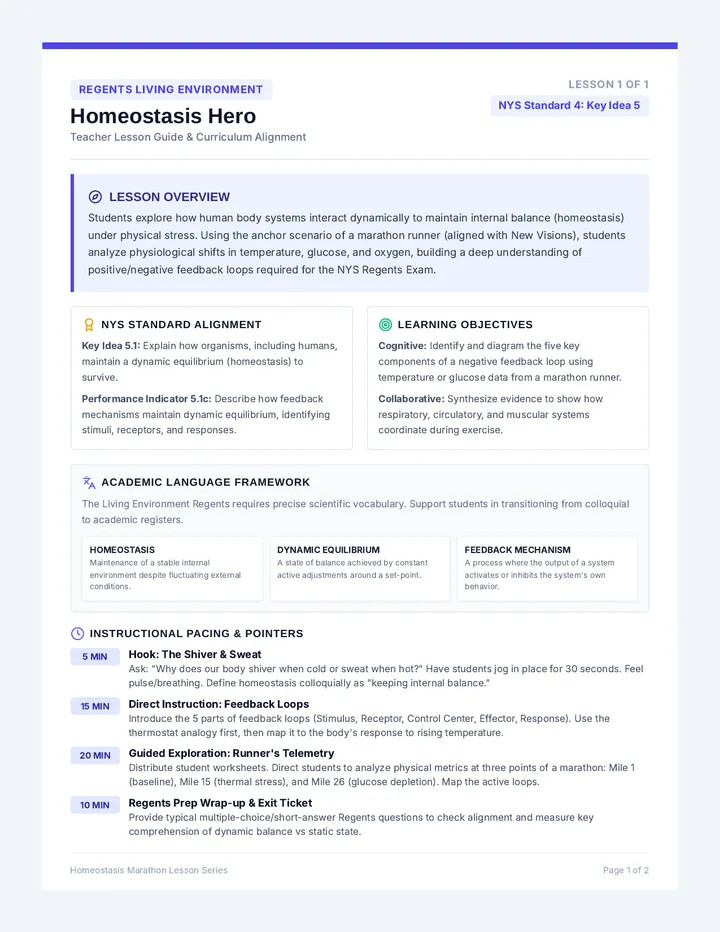
A highly engaging, hands-on introductory chemistry lab where students investigate a 'Mystery Powder' reaction (baking soda and vinegar) to discover the critical importance of lab safety rules and practice formulating a scientific Claim-Evidence-Reasoning (CER) argument.
The Reaction: Rapid fizzing, vigorous bubbling, production of gas, cool to the touch (endothermic reaction).
Sample CER Model Answer:
[CLAIM] Yes, a chemical change occurred when Mystery Powder A and Liquid B mixed, and safety guidelines were fully maintained.
[EVIDENCE] We observed rapid fizzing, vigorous bubbling, the release of gas bubbles, and a drop in temperature of the reaction vessel. We followed the rules by keeping goggles over our eyes throughout the fizzing and clean-up.
[REASONING] The bubbling and production of carbon dioxide gas indicate a chemical change because a new gas substance was formed. Safety rules are required because chemical changes can produce unexpected splashes or heat, necessitating protective eyewear and alert behavior.
CER Grading Rubric Matrix
Criteria
1 - Developing
2 - Proficient
3 - Mastery
Claim
Answer is missing, is a simple "yes/no", or fails to answer the question.
Claim answers the question but is incomplete or lacks a clear connection.
Provides a clear, complete, and accurate claim answering all parts of the question.
Evidence
No scientific evidence provided, or observations are unrelated to the reaction.
Provides physical observation notes but lacks detail or safety correlations.
Lists multiple physical and safety observations directly proving the reaction and safety protocol.
Reasoning
Omitted, or reasoning simply restates the claim without logic.
Explains chemical changes but fails to link evidence or justify safety.
Strongly links observations to chemistry concepts of new substances and safety rules.
Class Debrief & Discussion Starters:
"Why do we call baking soda and vinegar 'mystery' materials if you recognize them? What happens when we treat every classroom chemical as a high-alert hazard?"