Rhythm Scorecard Worksheet HARLEM RHYTHM REBELLION
Sound Scorecard
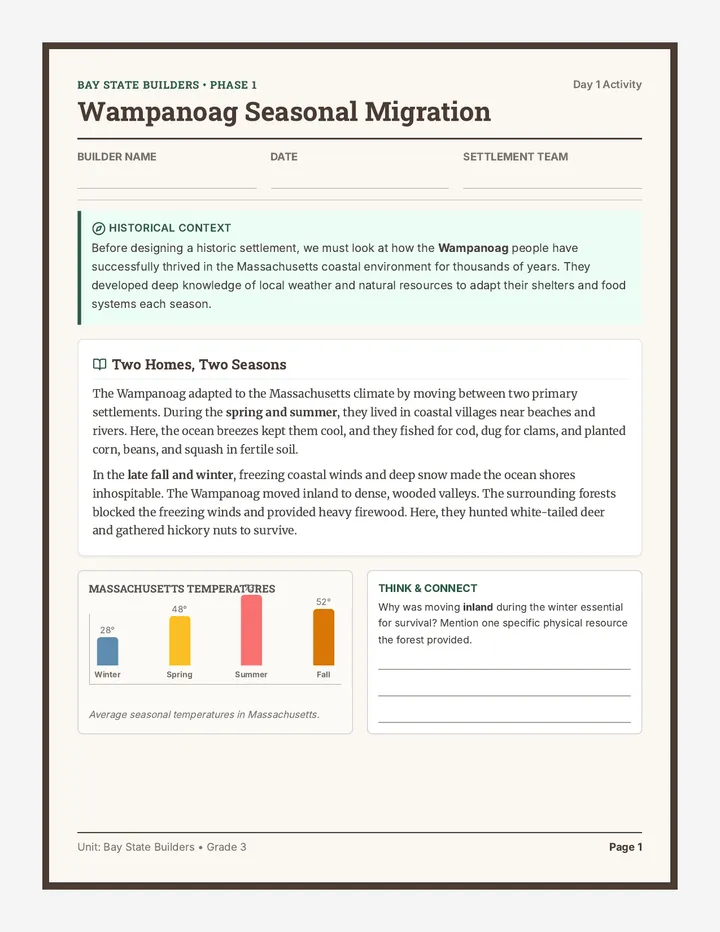
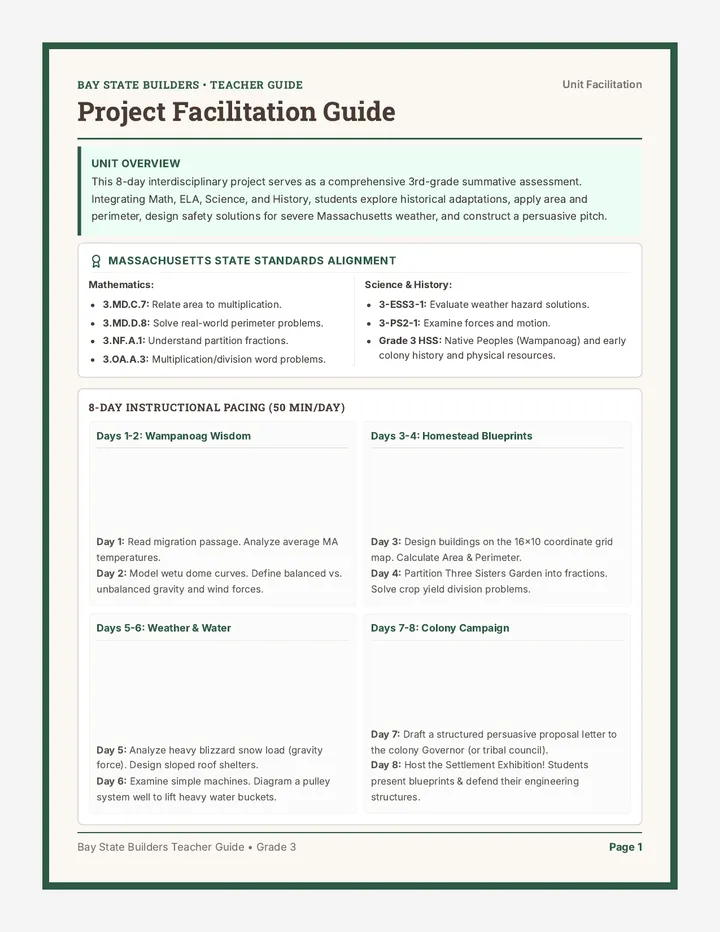
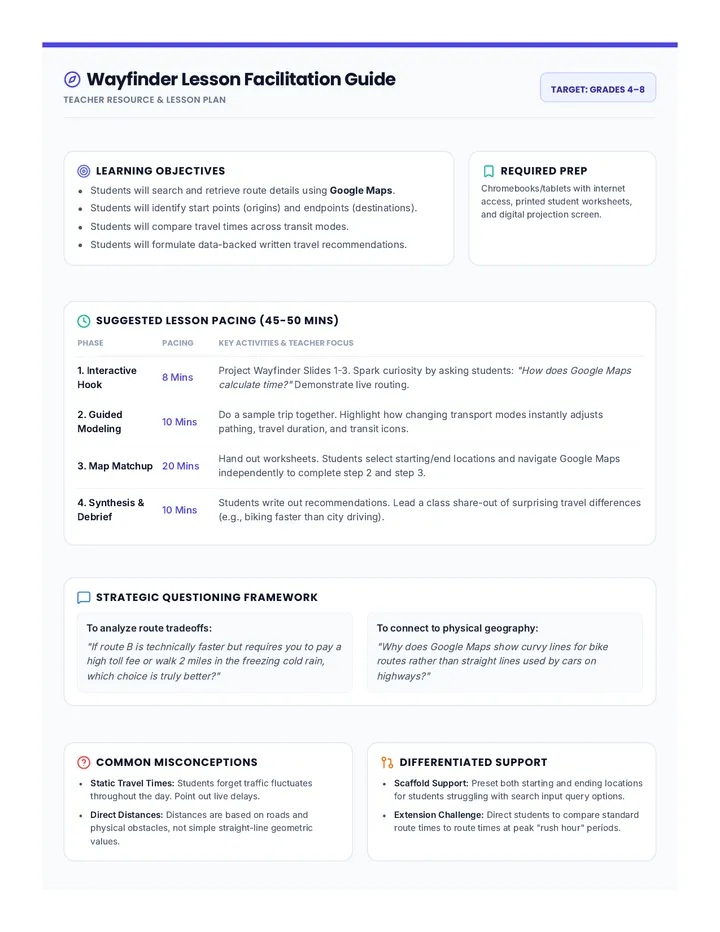
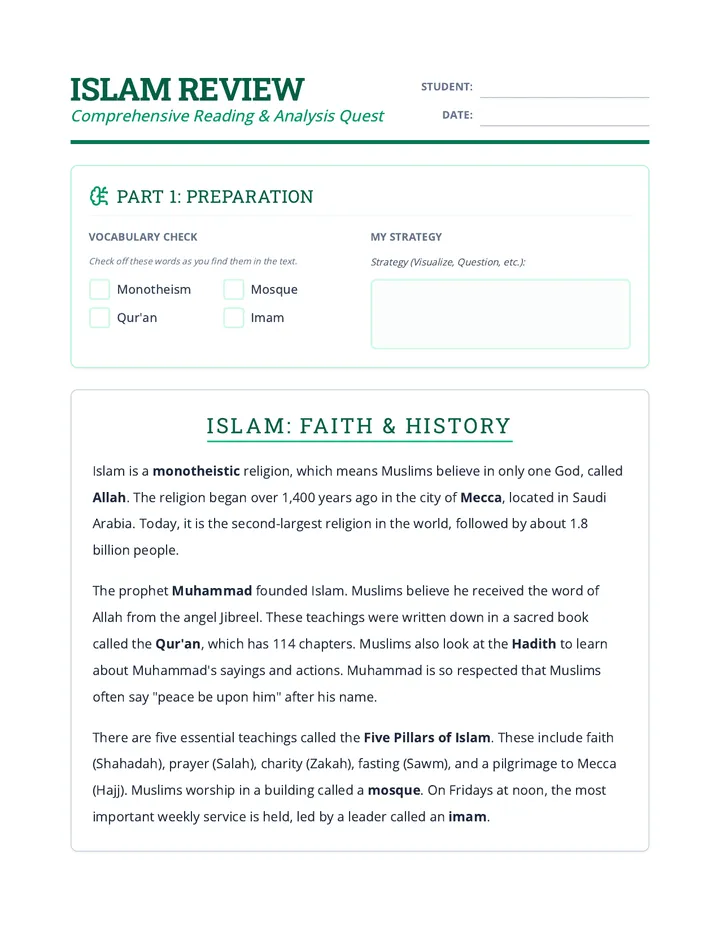
NAME:
DATE:
How to Listen
Listen to each song. Think about how the music makes you feel. Use the icons on the board to help you choose your ratings!
Artist Name Mood / Emotion Tempo (Speed) The "Feeling" Example: Louis Armstrong Happy / Bright Medium Strong and Free Bessie Smith Doris Day Duke Ellington Glenn Miller Ella Fitzgerald Dean Martin
Page 1 of 2 • Continue on back side
THE BIG QUESTION
What is the difference between the music of Black artists and White artists? What does this tell us about the Harlem Renaissance?
1. I noticed that the Black artists played music that felt...
2. This shows that Black music during the Harlem Renaissance was...
Class Discussion Notes Rhythm Rebellion Slides Harlem Rhythm Rebellion
Music, Individuality, and Defiance
Our Goal
Listen to music from the Harlem Renaissance era.
Compare Black artists and White artists.
Learn how Black music was a way to be yourself and be brave .
I DO: How to Listen
Watch Teacher
Ask Yourself:
Mood: Happy? Sad? Angry?
Tempo: Fast? Slow? Smooth?
Emotion: Does it feel real?
"Is this artist following the rules, or are they breaking them to show who they are?"
Louis Armstrong
From: New Orleans, Louisiana
Lived: 1901 — 1971
College: No
Known for his unique gravelly voice and amazing trumpet playing!
Embedded media
"What a Wonderful World"
Dean Martin
From: Steubenville, Ohio
Lived: 1917 — 1995
College: No
A very popular "crooner" who followed the smooth pop style of the time.
Embedded media
"That's Amore"
Bessie Smith
From: Chattanooga, Tennessee
Lived: 1894 — 1937
College: No
The "Empress of the Blues." She sang about real pain and life struggle.
Embedded media
"Backwater Blues"
Doris Day
From: Cincinnati, Ohio
Lived: 1922 — 2019
College: No
A major movie star and singer. Her music was always bright and perfect.
Embedded media
"Que Sera, Sera"
Duke Ellington
From: Washington D.C.
Lived: 1899 — 1974
College: No (Honorary Doctorates later)
He treated Jazz like classical music. Very elegant and complex.
Embedded media
"Take the A Train"
Glenn Miller
From: Clarinda, Iowa
Lived: 1904 — 1944
College: Univ. of Colorado (1 year)
Led the most popular "Big Band" in the world during the war.
Embedded media
"In the Mood"
Breaking the Rules
Black music in the Harlem Renaissance wasn't just about sound.
"It was an act of defiance . By making music that was different, unique, and loud, Black artists were saying:
'I am here. I am an individual. My culture matters.' "
WE DO: Talk with a Partner
Turn and Talk
Question 1:
Which artists sounded more "perfect" or "careful"?
Question 2:
Which artists sounded more "unique" or "wild"?
YOU DO: The Big Question
Look at your Sound Scorecard .
"What does the difference in these songs tell us about the Harlem Renaissance and being an individual?"
Finish your worksheet now!
Harlem Rhythm Teacher Guide Teacher Facilitation Guide
Harlem Rhythm Rebellion
Unit: Harlem Renaissance
Time: 50 Minutes
Setting: 15:1 Self-Contained
Student Objective
Students will listen to music from Black and White artists of the Harlem Renaissance era. They will conclude that Black expressionism is linked to individuality and that creating "different" music was an act of defiance.
Vocabulary (Simplified)
Defiance: Saying "no" to the rules to be yourself.
Individuality: Being unique; being "you."
Status Quo: The way things usually are (the "rules").
Pacing Breakdown
0-5 min
Introduction & Hook
Review the Harlem Renaissance. Define "Music as a Message." Hand out Scorecards.
5-15 min
I DO: Modeling (Louis Armstrong)
Play Clip 1. Think aloud: "His voice is rough, not smooth. He is taking a risk! That is him being himself." Show how to fill out the first row.
15-35 min
Guided Listening (Artist Pairings)
Play each 1-minute clip. Pause for 1 minute after each for students to record ratings. Pairings: Bessie/Doris, Duke/Glenn, Ella/Dean.
35-45 min
WE DO: Partner Discussion
Use Slide 11 prompts. Circulate to prompt students: "Why do you think the radio preferred Doris Day over Bessie Smith?"
45-50 min
YOU DO: Exit Ticket (The Big Question)
Students write their final conclusion on the back of the scorecard.
Listening Notes & Key Points
Black Artists (Expressionism)
Emphasis: Emotion, improvisation (making it up as they go), storytelling about real life, blues scales, "growls" and "scatting."
Key Idea: These artists weren't trying to sound "pretty" or perfect—they were trying to sound "real." Their music was a way to share their own stories and feelings that weren't allowed in other parts of life.
White Artists (The Standards)
Emphasis: Clear melodies, precise timing, standard instrumentation, "clean" singing, commercial appeal.
Key Idea: These artists followed the popular "rules" of the time to be successful on mainstream radio. This was the "Status Quo"—the way things were expected to be.
Differentiation Strategies
Writing Support