Constitution Kitchen Recipe Cards
Recipe #1
Constitutional Cookbook: Article I
Date: 1787 Chef Name: Period:
👨🍳 Recipe Title: (Name this dish based on what it creates—do NOT name the branch!)
🥄 Why This Recipe Is the Longest:
Why did the Founders give this law-making body the longest section?
Two Mixing Chambers (Bicameral):
Upper Chamber (Senate): Age: | Citizen: yrs | Term: yrs
Yield: per state ( total members)
Special Duty: Serves as court during:
Lower Chamber (House): Age: | Citizen: yrs | Term: yrs
Yield based on: ( total)
Special Duty: All bills raising must start here!
🔥 Approved Powers (Spices of Congress):
List 4 specific powers listed in Article I that Congress may exercise:
The Secret Sauce:
What rule allows Congress to make other unlisted laws needed for its powers?
Serving Requirement (How a Bill Becomes Law):
Before reaching the President, a bill must be approved by:
Anatomy of the Constitution • Kitchen Edition Half-Sheet Recipe Card 1 of 8
✂ - - - - - - - - Cut Along Center Line For 2 Half-Sheet Cards (5.5″ × 8.5″) - - - - - - - - ✂
Recipe #2
Constitutional Cookbook: Article II
Date: 1787 Chef Name: Period:
👨🍳 Recipe Title: (Name this dish based on what it executes—do NOT name the branch!)
🍳 Primary Kitchen Job:
What does this branch do with laws passed by Congress?
Executive Kitchen Staff:
Head Chef:
Sous Chef (Second):
Advisors: executive departments (State, Treasury, etc.)
Chef Selection Process:
What official constitutional system selects the Head Chef?
Spoilage / Misbehavior Rule:
What happens if the Head Chef misbehaves or abuses power?
📋 Master Chef's Duties (Specific Powers):
Identify 5 specific constitutional powers of this office: (fill in)
1. Armed Forces: Acts as
2. Treaties: Negotiates agreements with
3. Appointments: Names Supreme Court justices &
4. Annual Address: Delivers State of the
5. Judicial Mercy: Grants federal
Core Operational Goal:
The overall sworn duty is to ensure all laws are faithfully:
Anatomy of the Constitution • Kitchen Edition Half-Sheet Recipe Card 2 of 8
Recipe #3
Constitutional Cookbook: Article III
Date: 1787 Chef Name: Period:
👨🍳 Recipe Title: (Name this dish based on what it interprets—do NOT name the branch!)
⚖️ Kitchen Tasting & Inspection Role:
What does this branch do? (Explain what "interpret" means):
The Court Hierarchy:
Top Tasting Table: Creates the Court.
Lower Stations: Gives power to create lower courts.
Jurisdiction: Deals with laws, NOT state laws.
Citizen Protection Guarantee:
What specific trial right is guaranteed for all criminal cases?
🧊 Judge Selection & Shelf Life (Tenure):
Are federal judges elected or appointed?
How long do federal judges serve on the bench? Until they:
3. Or are removed for:
Kitchen Betrayal (High Crime):
Article III specifically defines what serious crime against the nation?
Chef's Note: Lifetime tenure ensures judges remain impartial and immune to political pressure!
Anatomy of the Constitution • Kitchen Edition Half-Sheet Recipe Card 3 of 8
✂ - - - - - - - - Cut Along Center Line For 2 Half-Sheet Cards (5.5″ × 8.5″) - - - - - - - - ✂
Recipe #4
Constitutional Cookbook: Article IV
Date: 1787 Chef Name: Period:
👨🍳 Recipe Title: (Name this dish based on interstate harmony—do NOT name states!)
🤝 Respecting Neighboring Kitchens:
What must each state do regarding the laws and court rulings of other states?
Missing Ingredients:
If a criminal flees to another state, what can the original state request?
Vocabulary Word: This process is called: .
State Powers: States keep power to make and enforce their own .
🥘 Adding New Kitchens to the Union:
What two entities must authorize the admission of brand-new states?
1. Authorization of:
2. AND the approval of the:
Required Kitchen Operating Style:
What type of government MUST all states guarantee?
🚫 Strict Ban: States are NEVER allowed to have !
Article IV ensures all states respect each other as equal partners in the Union.
Anatomy of the Constitution • Kitchen Edition Half-Sheet Recipe Card 4 of 8
Recipe #5
Constitutional Cookbook: Article V
Date: 1787 Chef Name: Period:
👨🍳 Recipe Title: (Name this dish based on modifying recipes—do NOT use "amendment"!)
📝 Updating the Cookbook:
What is an addition or change to the Constitution called?
Did the Founders make this EASY or DIFFICULT? Why?
The Two-Step Recipe Method:
STEP 1: PROPOSE (Congress):
Fraction of BOTH houses needed:
STEP 2: RATIFY (States):
Fraction of state legislatures needed:
⏱️ Simmering Over Time (Stats & Facts):
• Total amendments added in over 220+ years:
• Number of proposals introduced yearly:
• Total proposals that ever passed Congress:
The First Batch (Bill of Rights):
Number of amendments ratified in the first 1791 batch:
The Slowest Simmering Dish:
Proposed in 1789, ratified in 1992: The Amendment
Exception: The 21st Amendment (repealing Prohibition) was the only one approved via special state .
Anatomy of the Constitution • Kitchen Edition Half-Sheet Recipe Card 5 of 8
✂ - - - - - - - - Cut Along Center Line For 2 Half-Sheet Cards (5.5″ × 8.5″) - - - - - - - - ✂
Recipe #6
Constitutional Cookbook: Article VI
Date: 1787 Chef Name: Period:
👨🍳 Recipe Title: (Name this dish based on supreme authority—do NOT use "supreme"!)
🍲 The Shared Kitchen Concept:
What vocabulary word means national and state governments share power?
When Recipes Clash (The Cook-Off):
If a state law disagrees with a federal/national law, which one wins?
Cream of the crop:
U.S. laws and treaties are officially declared the:
“ . law of the land.”
Rule: In any legal clash, the U.S. Constitution and federal law are always the top authority!
✋ The Sworn Loyalty Oath:
What does Article VI require all state and federal officials to take?
What must all officials swear to support?
They must swear an oath to support the: .
Historic Moment:
First President to take this constitutional oath of office:
.
No official—president, senator, governor, or judge—is ever above the Constitution!
Anatomy of the Constitution • Kitchen Edition Half-Sheet Recipe Card 6 of 8
Recipe #7
Constitutional Cookbook: Article VII
Date: 1787 Chef Name: Period:
👨🍳 Recipe Title: (Name this dish based on the grand opening vote—do NOT use "ratify"!)
🎉 Grand Opening Requirements:
How many of the original 13 states had to approve the Constitution before it took effect?
out of 13 states
The State Approval Process:
Where did each state debate and vote on the Constitution?
Grand Opening Timeline:
• Took effect as law of land:
• Bill of Rights added in:
🛡️ The "Missing Ingredients" Compromise:
Why were some people and states hesitant to approve the seven articles alone?
The Promised Secret Blend:
What was promised to ease people's minds and protect individual freedoms?
A 10-part list of individual rights called the:
This historic compromise secured ratification and created the United States government!
Anatomy of the Constitution • Kitchen Edition Half-Sheet Recipe Card 7 of 8
✂ - - - - - - - - Cut Along Center Line For 2 Half-Sheet Cards (5.5″ × 8.5″) - - - - - - - - ✂
table of contents
The Preamble Appetizer & Tasting Menu
Date: 1787 Chef Name: Period:
🥗 Preamble Purpose:
What is the job of the Constitution's introductory paragraph?
🔑 Core Principle ("We the People"):
What crucial democratic idea do these first three words contain?
🍽️ Executive Chef's Tasting Menu Decoder
Fill in your invented recipe title AND the real constitutional topic for each:
| Article |
Your Invented Recipe Title |
Real Constitutional Topic / Branch (Fill in) |
| Article I |
|
|
|
|
|
|
| Article II |
|
|
| Article III |
|
|
| Article IV |
|
|
| Article V |
|
|
| Article VI |
|
|
| Article VII |
|
|
Anatomy of the Constitution • Kitchen Edition Half-Sheet Recipe Card 8 of 8
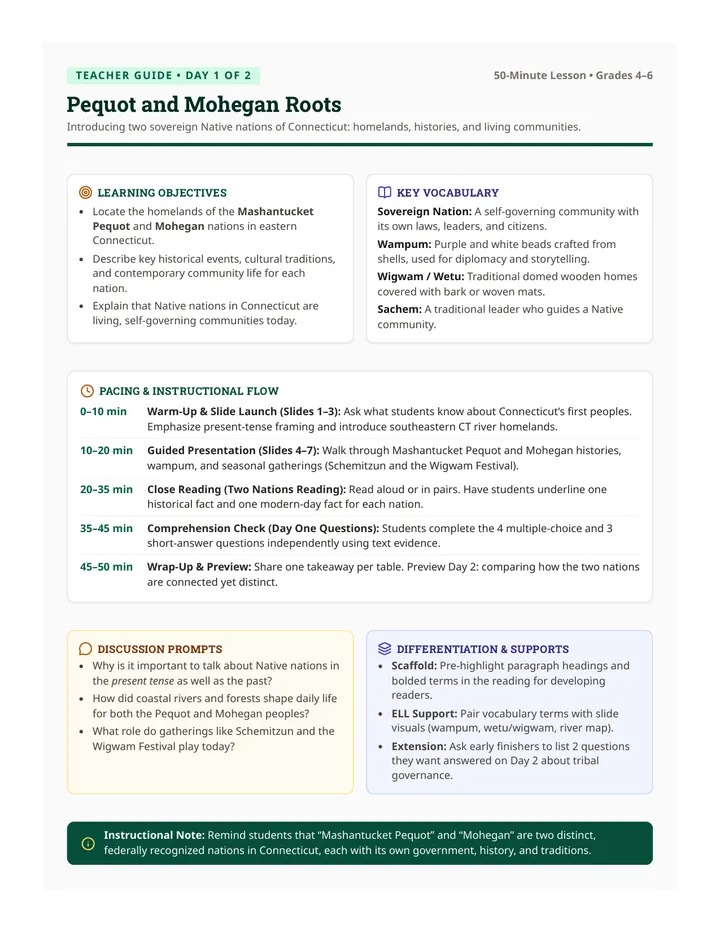
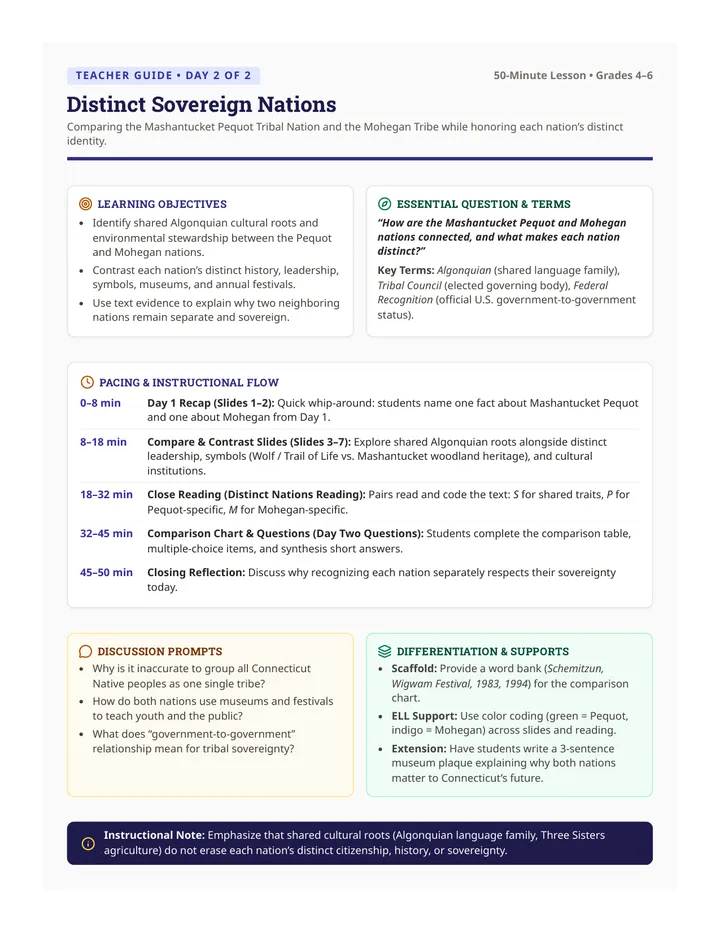
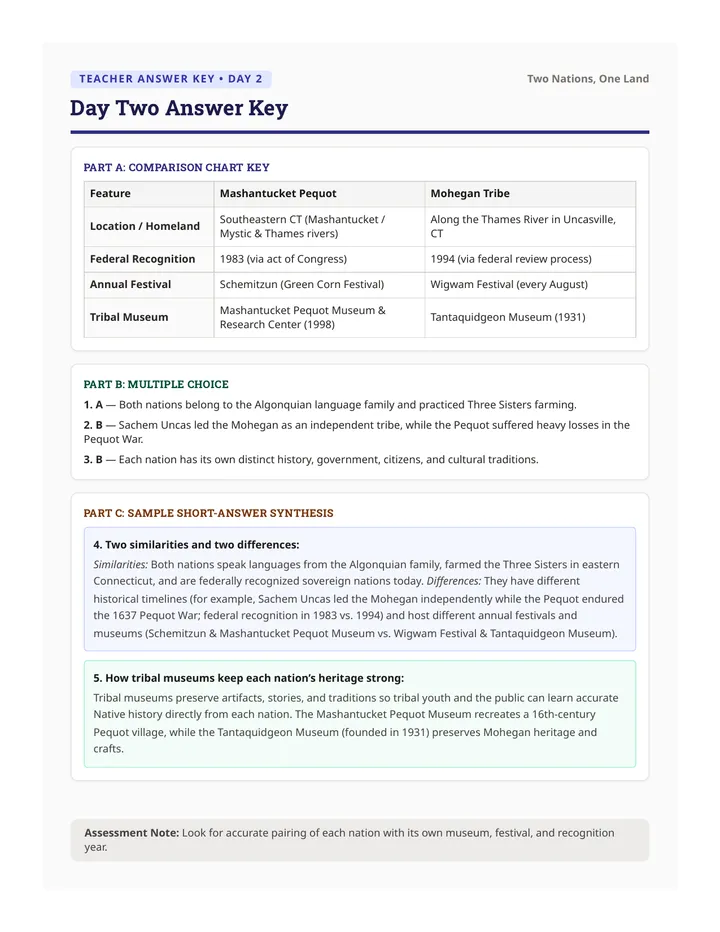
Constitution Kitchen Teacher Key
Teacher Resource & Master Answer Key
Constitution Kitchen: Chef's Guide & Key
8th Grade Civics • iCivics Aligned
Anatomy of the Constitution
👨🍳 Checking Understanding via Secret Dish Titles
Student cards deliberately omit official branch names. Students' Secret Dish Titles serve as an authentic check for understanding: a master title captures the core constitutional power, structure, or function using culinary metaphor rather than surface-level naming.
Print & Cut Tip: Each sheet contains two standard half-sheet cards (5.5″ × 8.5″). Cut along the center dashed line. Students can hole-punch their cards to create a mini recipe booklet!
Title Scoring Rubric
Level 3 (Master Chef): Accurately captures constitutional function with creative culinary wordplay (e.g., "Bicameral Bill-Baking Stew").
Level 2 (Line Cook): Accurately identifies topic or power, but lacks culinary metaphor or specificity.
Level 1 (Apprentice): Confuses branches or names incorrect governmental powers.
CARD 1
Article I: Legislative Branch (Congress)
Exemplar: "The Great Compromise Bicameral Stew"
Why Longest? Founders believed the law-making body is most vital in a representative democracy because representatives translate citizens' needs into laws.
Senate: Min age: 30 | Citizen: 9 yrs | Term: 6 yrs | Yield: 2 per state (100 total) | Duty: Acts as court during impeachments.
House of Reps: Min age: 25 | Citizen: 7 yrs | Term: 2 yrs | Yield: State population (435 total) | Duty: Bills raising money/taxes start here.
Approved Powers (Any 4): Collect taxes, borrow money/pay debts, citizenship rules, regulate trade/commerce, coin money/punish counterfeiters, post offices, patents, lower federal courts, punish pirates, declare war/support military.
Secret Sauce: The "Necessary and Proper" clause (Elastic Clause) allows Congress to pass unlisted laws needed to execute listed powers.
Serving Rule: Approved by BOTH houses of Congress before going to the President.
CARD 2
Article II: Executive Branch (The Presidency)
Exemplar: "Commander-in-Chief's Law-Enforcing Roast"
Primary Job: Executes, or carries out, laws passed by Congress.
Kitchen Team: Head Chef: President | Second: Vice President | Advisory Crew: 15 executive departments (State, Treasury, etc.).
Selection Method: Selected by the Electoral College system.
Spoilage Rule: Subject to impeachment and removal for misbehavior/crimes.
Master Chef Duties: (1) Commander-in-Chief of armed forces; (2) Negotiates treaties with other nations; (3) Appoints ambassadors, Supreme Court justices, federal judges, & Cabinet; (4) Delivers State of the Union address; (5) Grants pardons and reprieves for federal offenses.
Daily Sworn Goal: Ensure laws are carried out / executed.
CARD 3
Article III: Judicial Branch (Courts & Judges)
Exemplar: "Supreme Law-Tasting Balance Platter"
Primary Role: Interprets laws to decide what they mean and whether they were followed in specific cases.
Hierarchy: Creates Supreme Court; authorizes Congress to establish lower federal courts.
Jurisdiction: Deals with United States (federal) laws, NOT state laws.
Citizen Guarantee: Guarantees trial by jury in criminal cases.
Selection & Tenure: Judges are appointed (not elected). They serve until they: retire, die, or are removed for bad behavior.
Kitchen Betrayal: Explains and defines the crime of treason.
Pedagogical Insight: Lifetime tenure insulates judges from election politics, allowing objective rulings based on the Constitution.
Constitution Kitchen • Teacher Master Guide & Key Page 1 of 2
Teacher Resource & Master Answer Key
Articles IV–VII & Preamble Tasting Key
Full Constitutional Coverage
CARD 4
Article IV: The States & Interstate Harmony
Exemplar: "All-States Potluck Cooperation Casserole"
Respecting Neighbors: Each state must respect the laws and court decisions of other states.
Extradition: Fleeing criminals must be returned to the state where the crime occurred to face charges (extradition).
Adding New States: Requires authorization of Congress and approval of the President.
State Government Style: Must have a republican (representative) government. States can NEVER have kings/monarchs.
CARD 5
Article V: The Amendment Process
Exemplar: "Two-Step Slow-Simmer Recipe Revision"
Definition: An amendment is a change or addition. Made DIFFICULT intentionally so core constitutional principles are stable.
Step 1 (Propose): 2/3 vote in both houses of Congress (or 2/3 of states request convention).
Step 2 (Ratify): 3/4 of state legislatures (or conventions) vote YES.
Stats: Total added: 27 | Introduced yearly: Hundreds | Actually proposed: 33.
Milestones: First 10 amendments = Bill of Rights (1791).
Slowest Simmer: 27th Amendment (proposed 1789, ratified 1992!).
Exception: 21st Amendment ratified by state conventions.
CARD 6
Article VI: Supreme Law of the Land
Exemplar: "The Unbeatable Federal Top-Tier Icing"
Shared Kitchen: Federalism = sharing power between national and state governments.
Recipe Clash: If a state law conflicts with federal law, federal law wins.
Title: U.S. laws and treaties are the “supreme law of the land.”
Loyalty Oath: All state and federal officials must take an oath swearing to support the Constitution no matter what.
First Leader: George Washington was the first President to take this constitutional oath.
CARD 7
Article VII: Ratification & Grand Opening
Exemplar: "The Nine-State Grand Opening Banquet"
Threshold: Required 9 out of 13 states to approve.
Debates: Each state held its own special convention.
Dates: Took effect in March 1789; Bill of Rights added in 1791.
Compromise: Skeptics feared lack of protections for citizen rights.
Secret Blend: The promised Bill of Rights (first 10 amendments protecting individual liberties) secured final approval.
CARD 8
Preamble Appetizer & Tasting Menu Decoder
Exemplar: "We The People's Self-Government Starter Salad"
Mission of Preamble: Introduces the Constitution, explains what it is meant to do, and describes the purpose of the new government.
"We the People": Establishes the foundational principle of self-government (power comes from citizens).
👨🍳 3 Ways to Run This Lesson in 8th Grade Civics:
1. Jigsaw Kitchen: Assign small groups to become "Sous Chefs" for one Article. Groups complete their card, invent their title, and present their "Dish" to the class.
2. Mystery Menu Cook-Off: Collect all Cards 1–7. Post student recipe titles on the board without article numbers; have classmates guess which constitutional branch cooked up each dish!
3. Culinary Gallery Walk: Hang 7 recipe stations around the room. Student pairs rotate with clipboards, analyzing the text and filling out their master tasting menu on Card 8.
Constitution Kitchen • Teacher Master Guide & Key Page 2 of 2