Evaluate the factors leading to the fall of the Berlin Wall and the dissolution of the Soviet Union, while debating whether the Cold War truly ended in 1991.
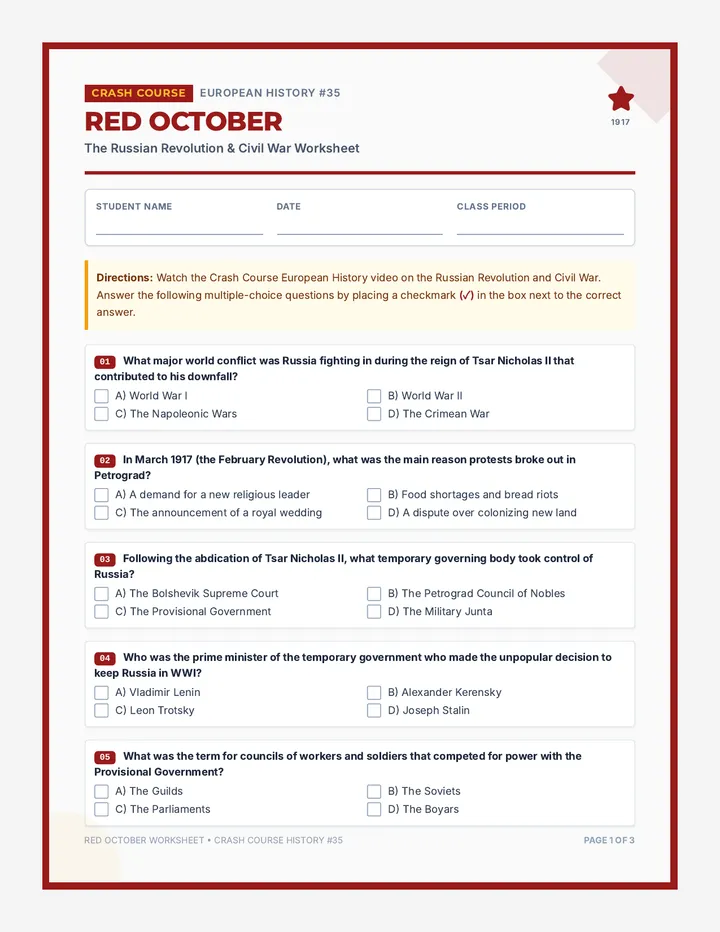
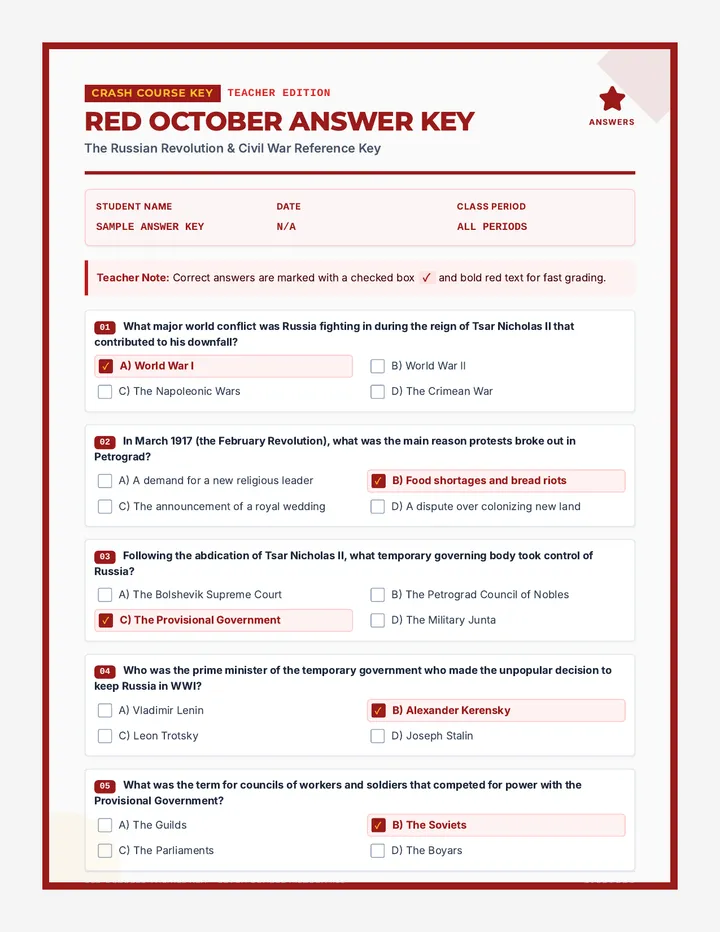
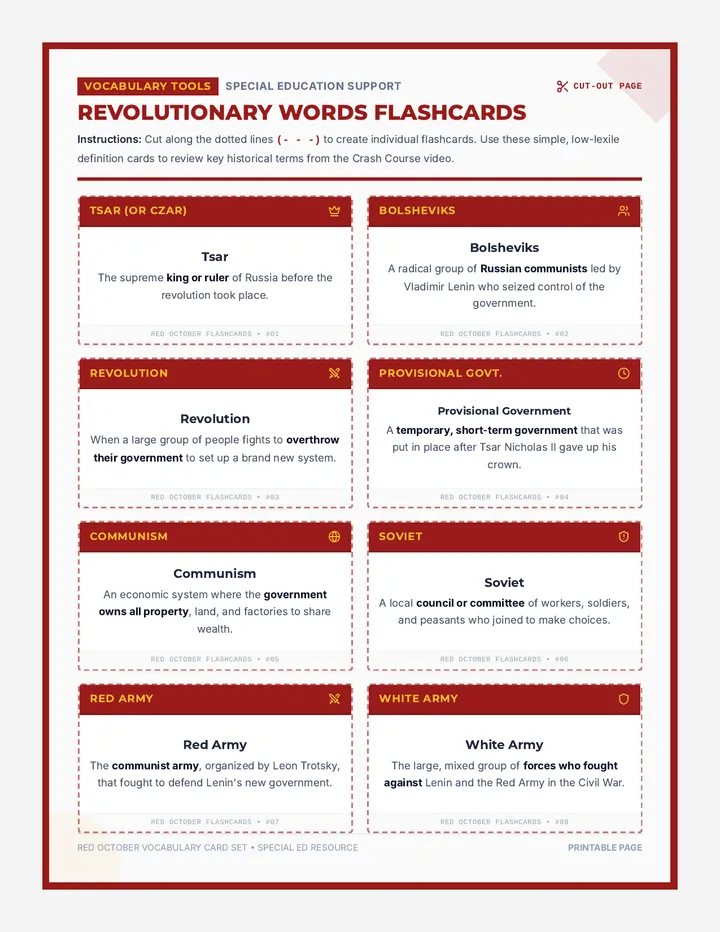
A comprehensive history sequence focusing on 20th-century communist revolutions in Russia and China. This sequence uses Crash Course videos, detailed worksheets, complete answer keys, and accessible vocabulary flashcards to explore the collapse of old empires and the rise of communist states.
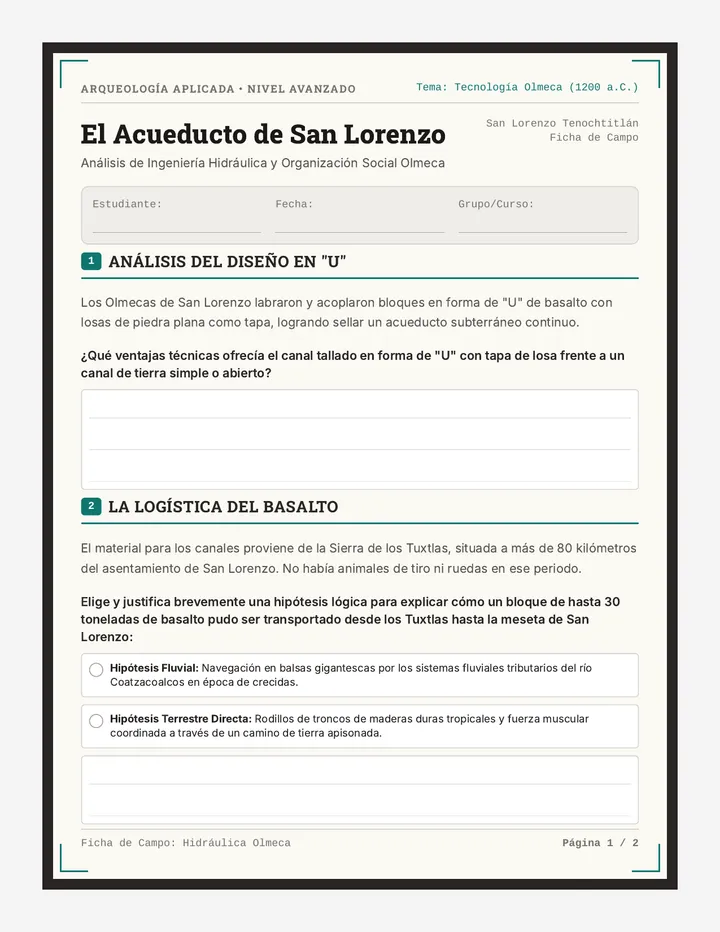
Una lección interactiva e ilustrada sobre el primer sistema de drenaje de América, desarrollado por la civilización Olmeca en San Lorenzo Tenochtitlán. Analiza la planificación urbana, la talla de canales de basalto, la logística de transporte y el propósito ceremonial y práctico de esta red hidráulica de más de 3,000 años de antigüedad.
Ficha de análisis e investigación para estudiantes de secundaria/preparatoria sobre la ingeniería hidráulica de San Lorenzo. Incluye preguntas de análisis técnico de los canales de basalto, ejercicios de hipótesis sobre la logística de transporte y reflexión crítica sobre su función práctica y ritual.
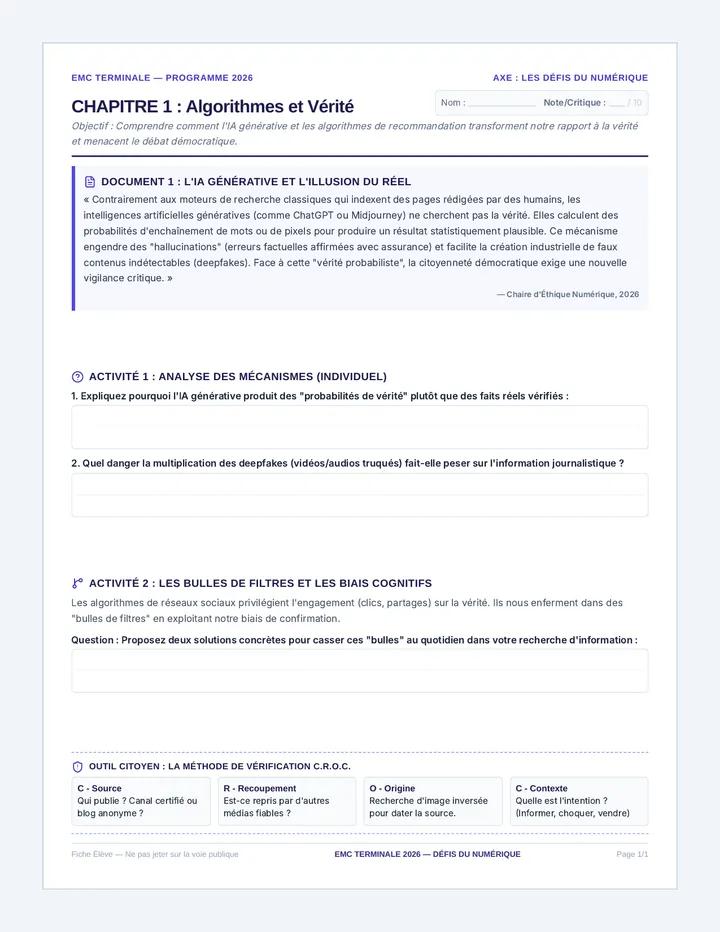
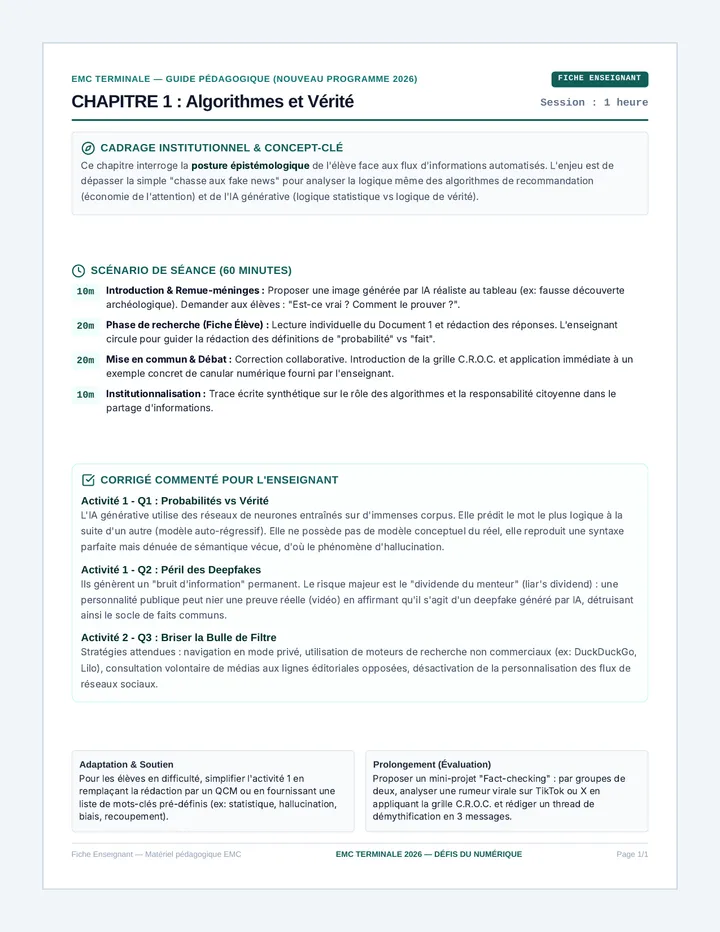
Une séquence complète d'activités clés en main d'Éducation Morale et Civique (EMC) pour la classe de Terminale, conforme au nouveau programme 2026. Elle se concentre sur les défis du numérique : intelligence artificielle, désinformation, espace public numérique et souveraineté technologique.
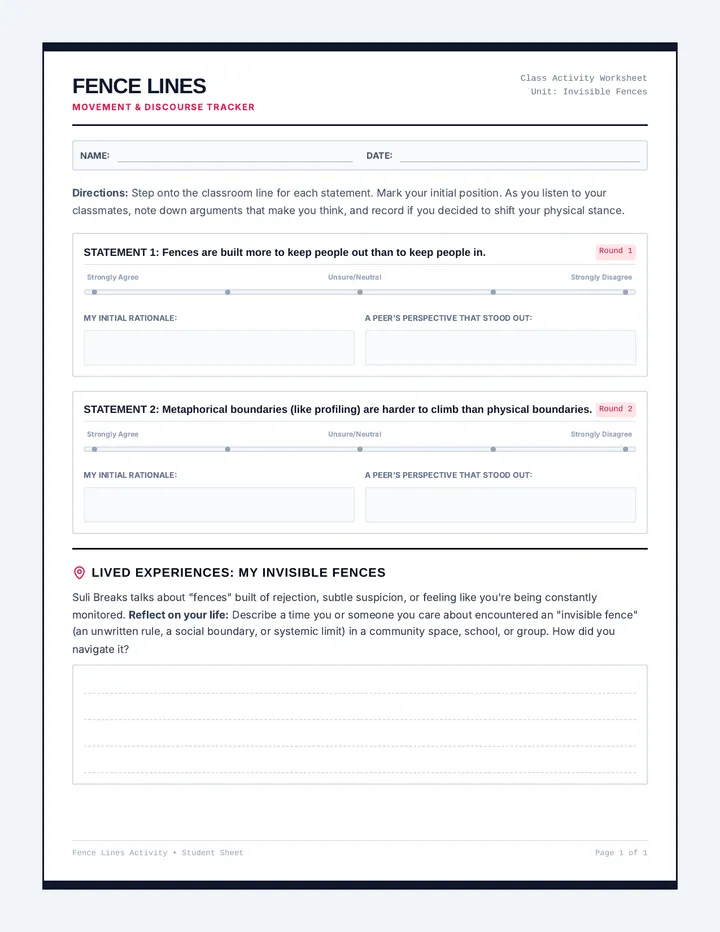
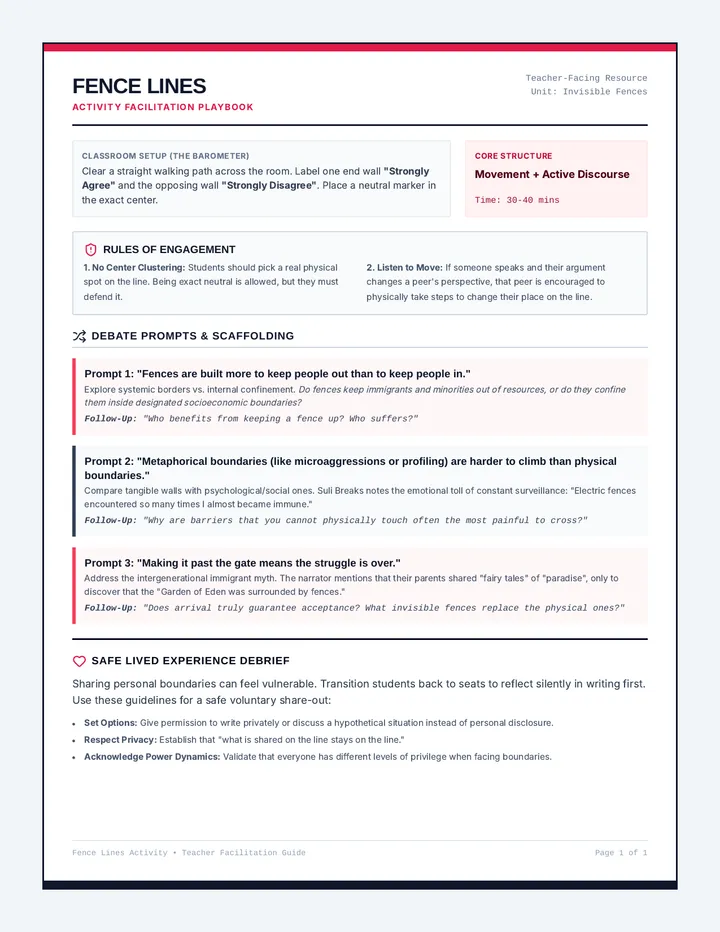
An introductory lesson exploring the immigrant experience and systemic barriers through Suli Breaks' spoken word poem 'Fences'. Students engage in a structured movement and discourse activity to analyze literal and metaphorical barriers, connecting themes to their own lived experiences.
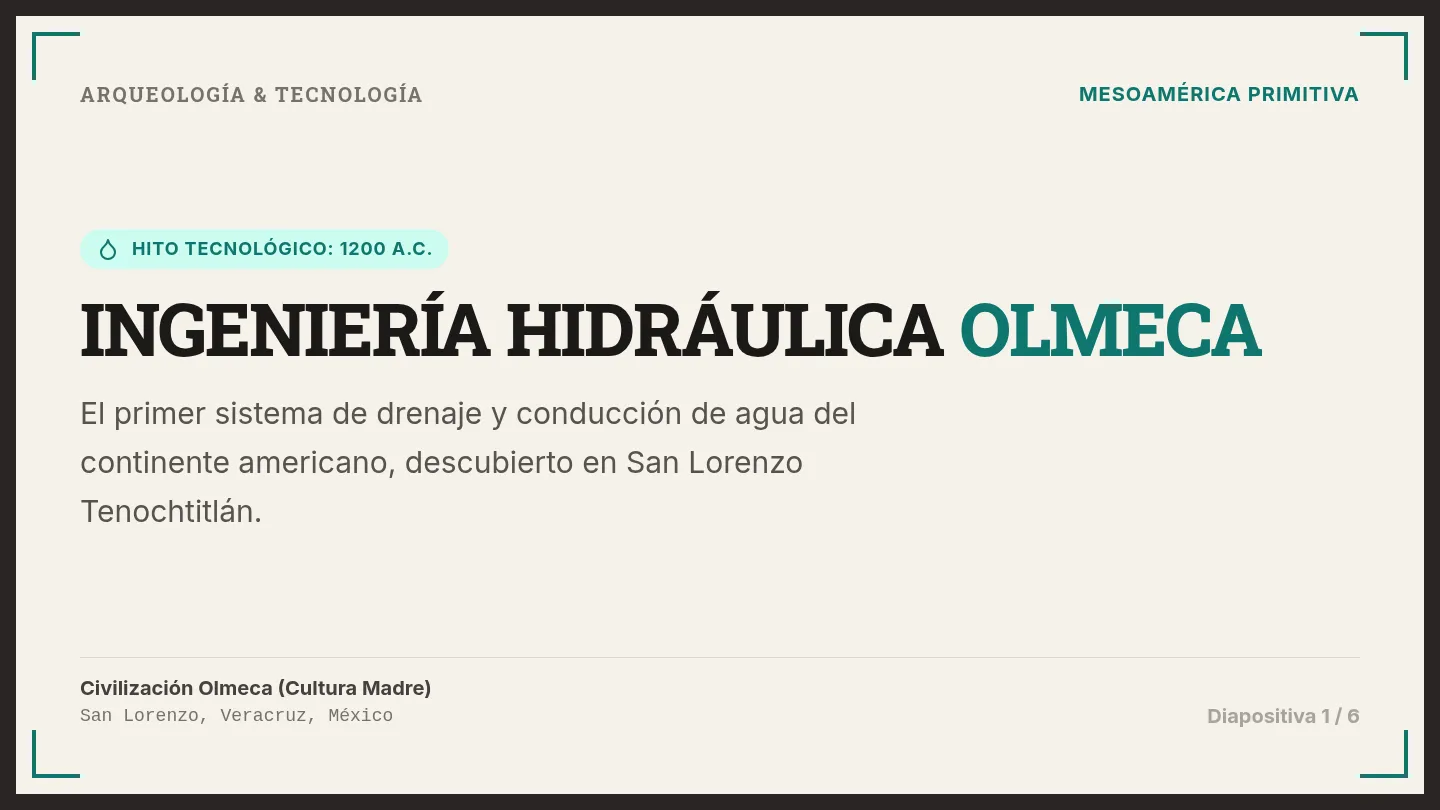
Presentación de diapositivas interactiva (formato 16:9) sobre la ingeniería hidráulica de la civilización Olmeca en San Lorenzo. Diseñado para estudiantes de secundaria/preparatoria, analiza el diseño técnico de los canales de basalto, la logística de transporte y el propósito social y ritual del sistema.
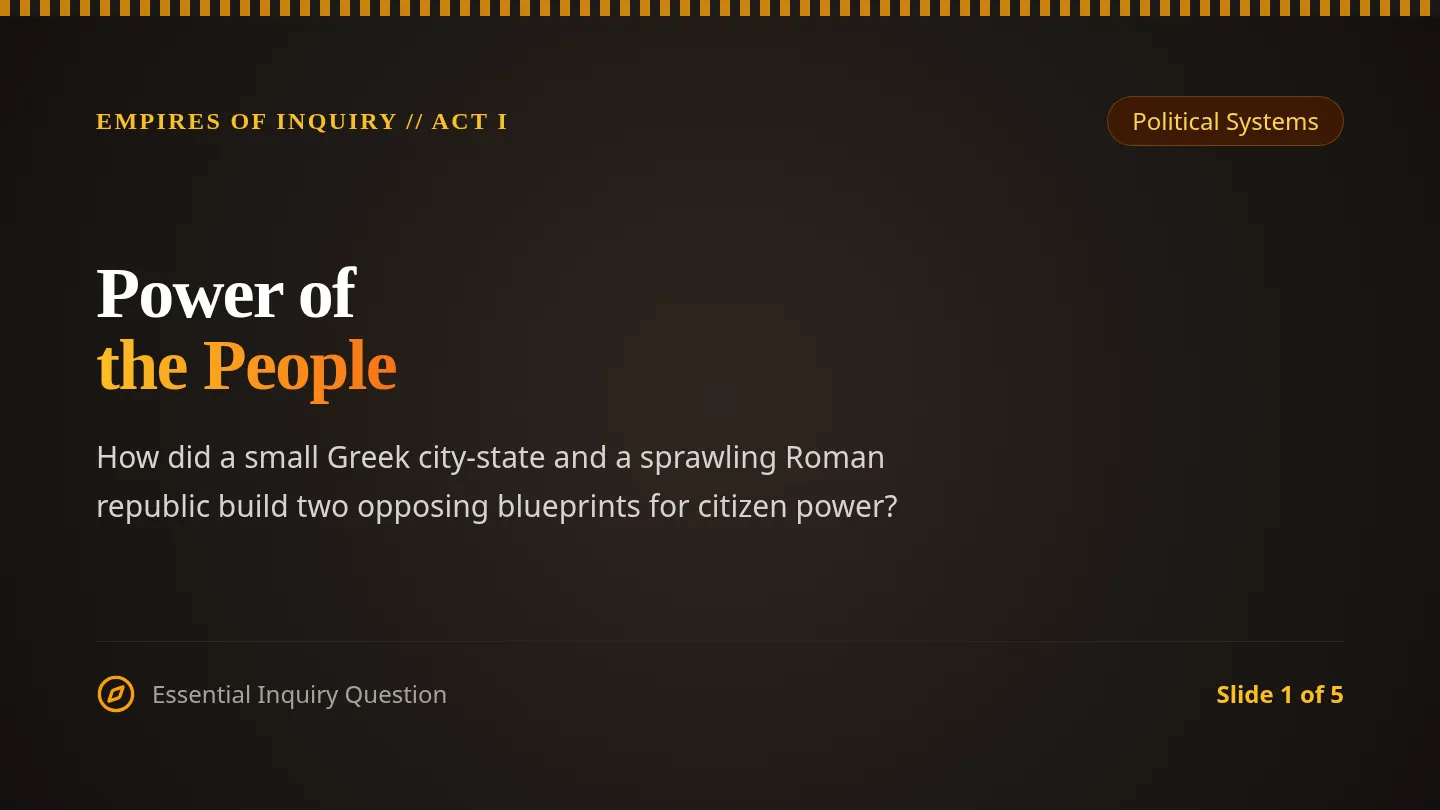
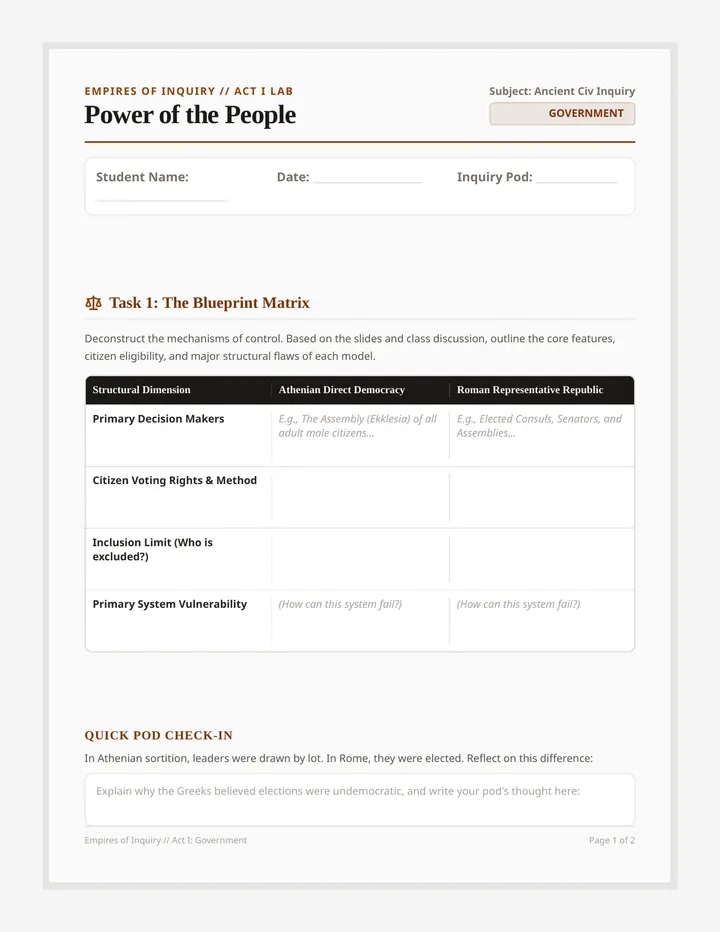
An inquiry-driven social studies sequence investigating Ancient Greece and Rome across four core pillars: government, philosophy, trade, and engineering. Students engage with primary sources, architectural achievements, and ethical dilemmas to construct arguments about classical legacies.
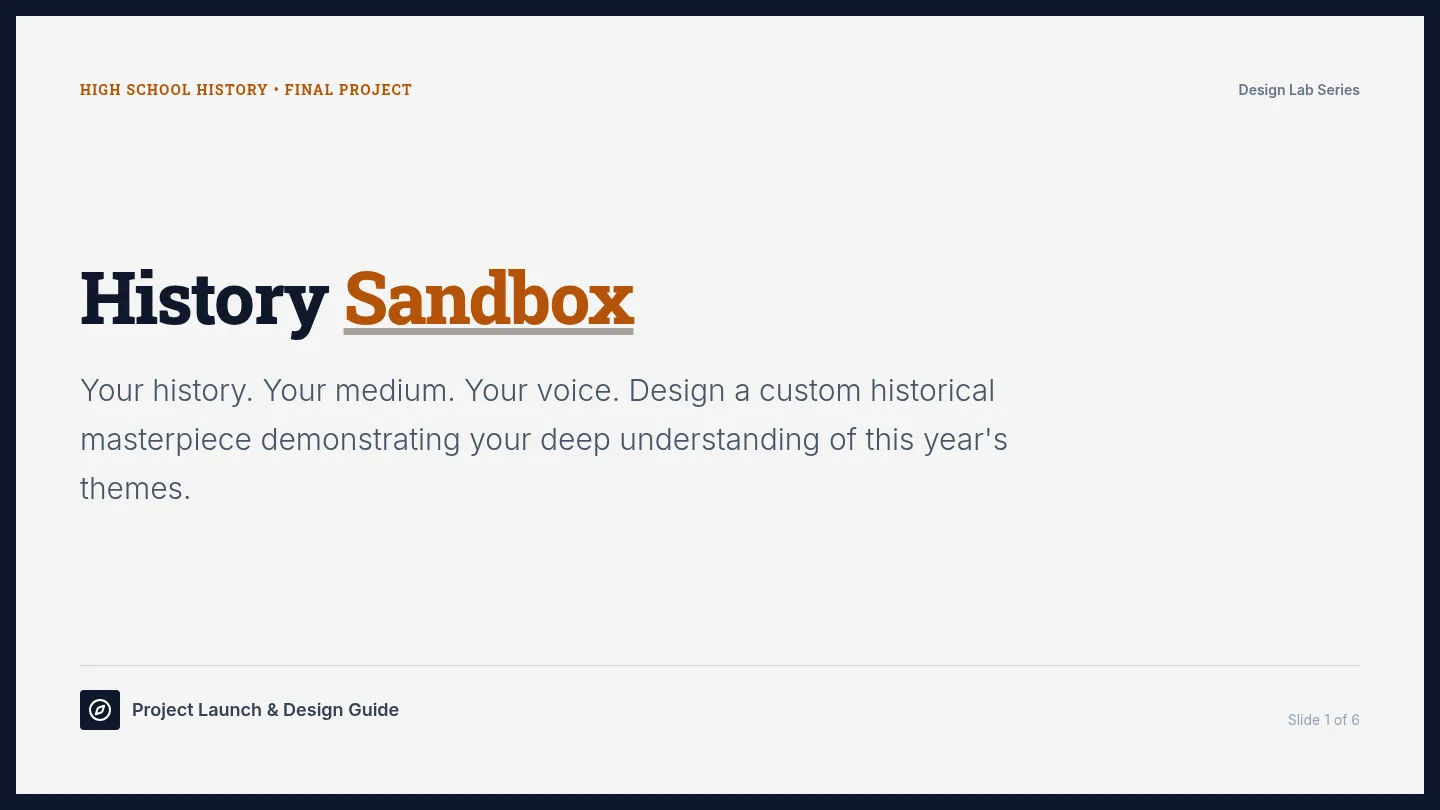
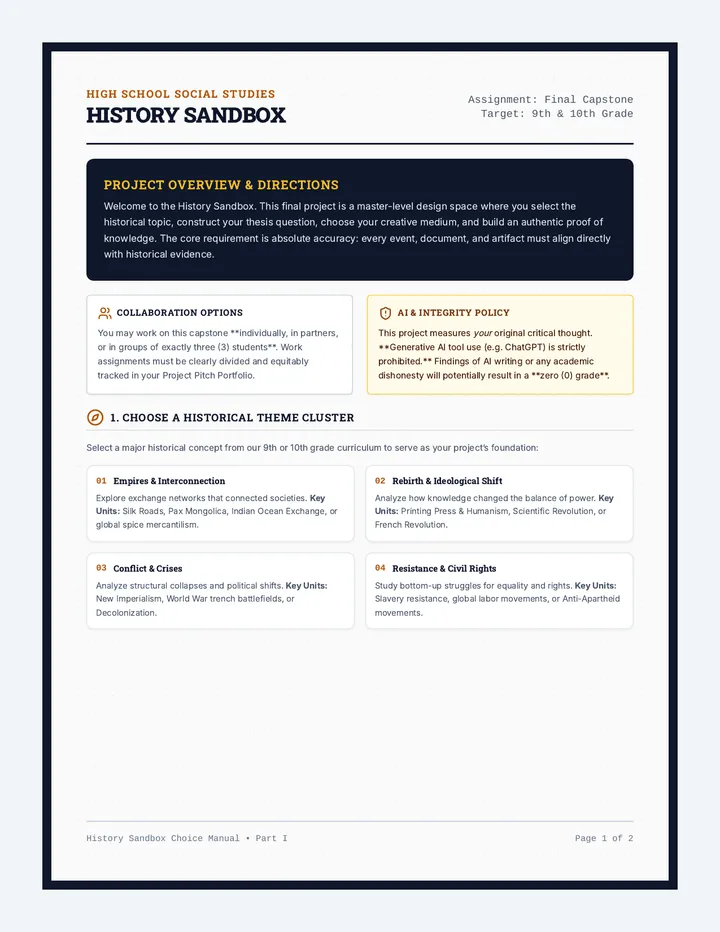
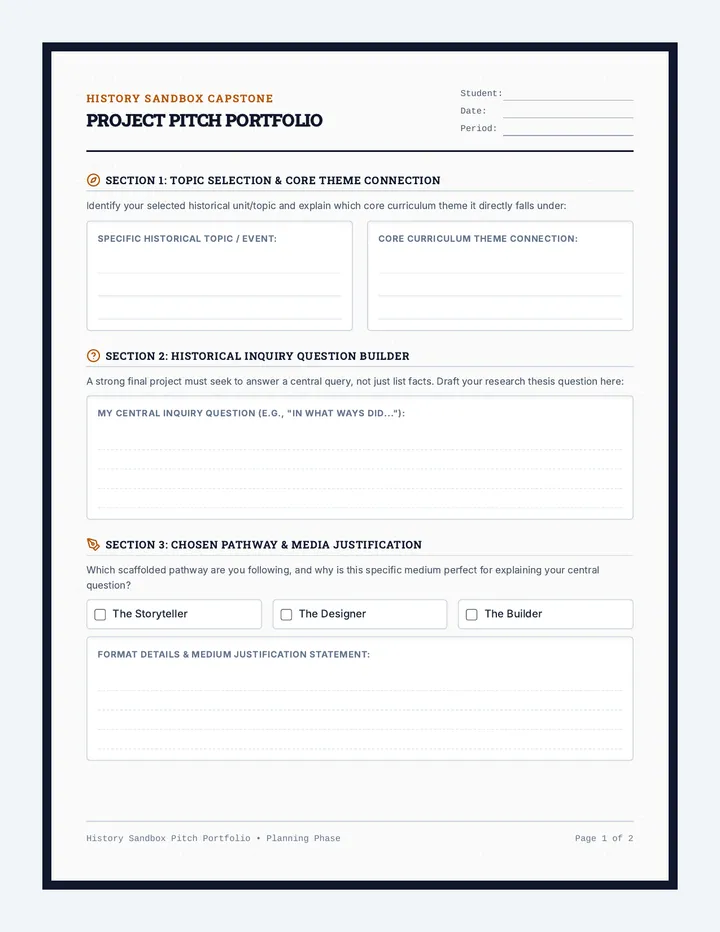
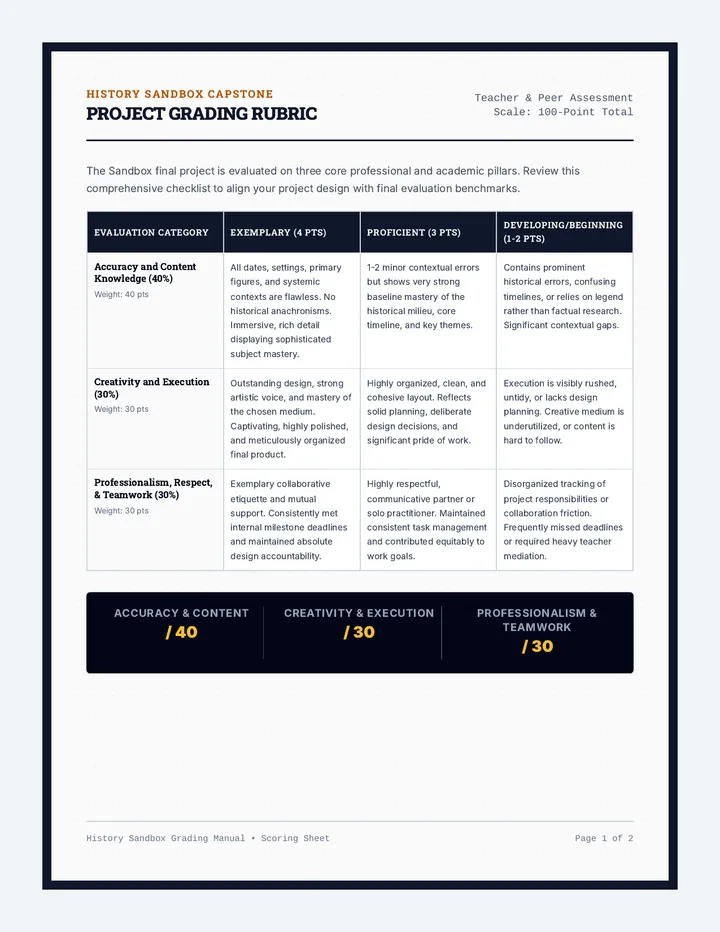
A highly flexible, scaffolded final project workspace for 9th and 10th-grade history classes, allowing students to demonstrate their historical knowledge through creative channels. It includes structured pathways, a comprehensive graphic organizer pitch sheet, a grading rubric, reflection prompts, and introductory slides.
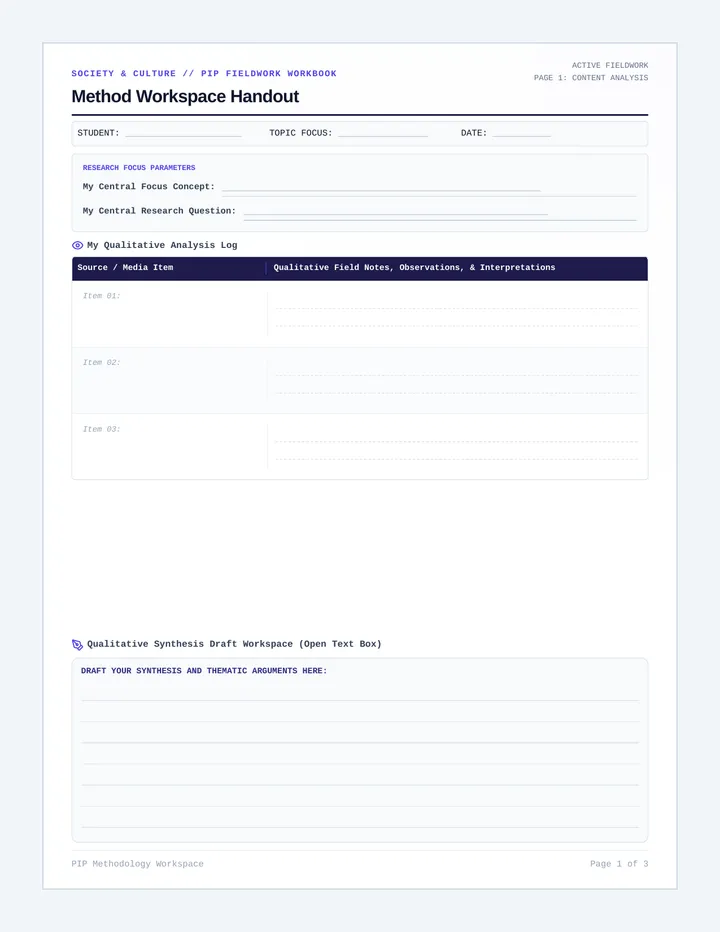
A spacious three-page student workbook featuring completely blank, formatted writing templates and grids. It provides dedicated spaces for students to draft their qualitative content analysis matrices, interview transcripts with coding columns, and focus group reports.
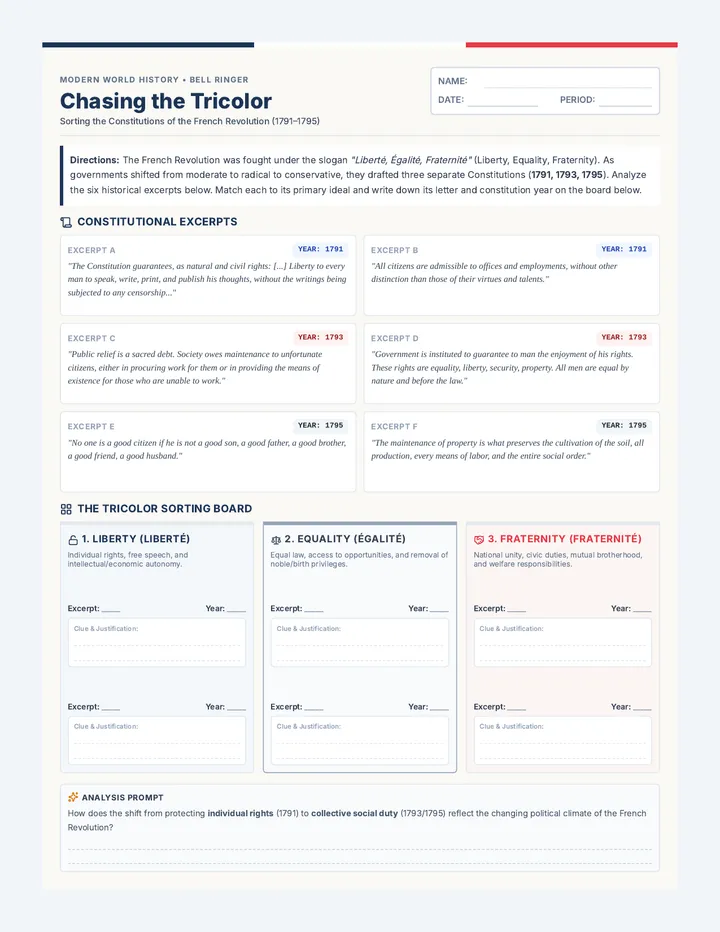
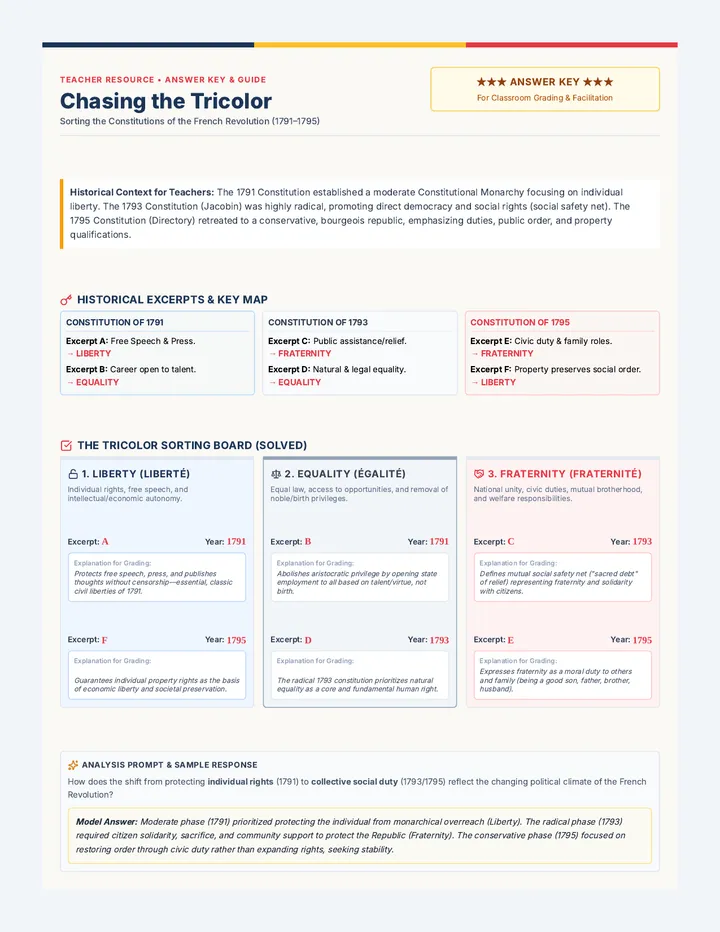
A high-impact bell ringer and analysis activity where 10th-grade history students analyze primary source excerpts from the French Constitutions of 1791, 1793, and 1795, sorting them into the core revolutionary ideals of Liberty, Equality, and Fraternity.
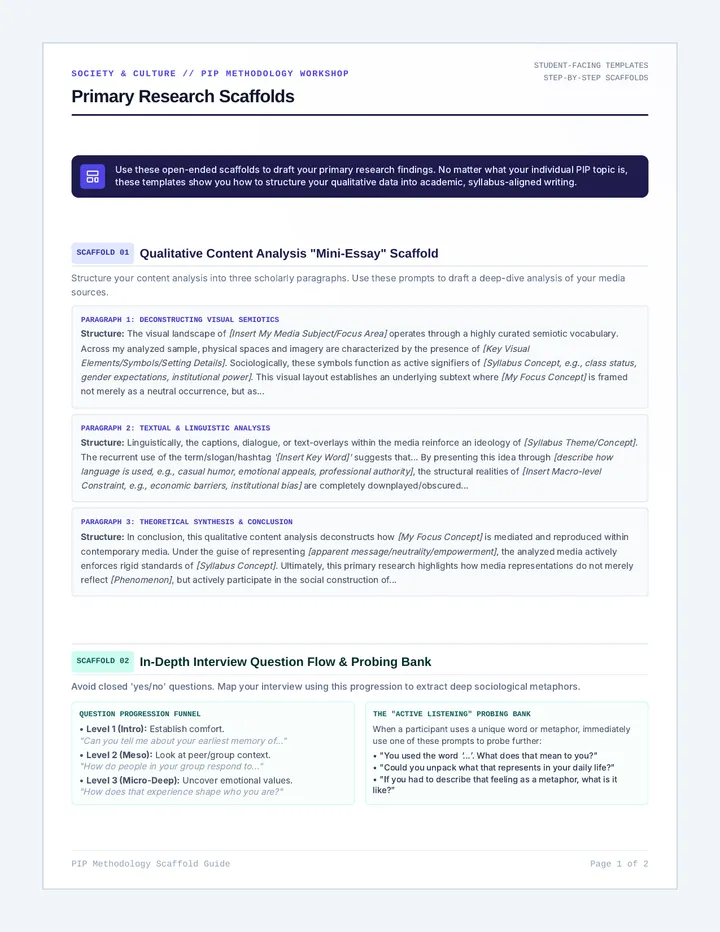
A highly structured, two-page student-facing scaffold containing sentence frames, paragraph templates, question stems, and structural outlines for Qualitative Content Analysis essays, Interview transcripts, and Focus Group reports.
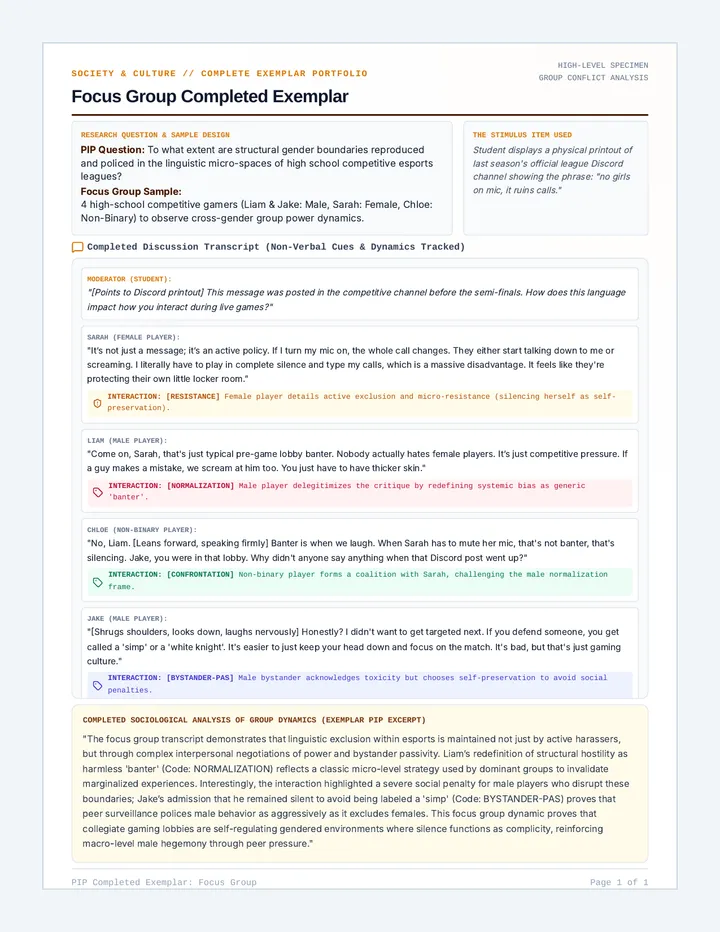
A fully completed exemplar of a Focus Group research transcript and analytical report. It contains a 4-participant discussion transcript analyzing linguistic exclusion in esports, non-verbal cues tracking, and a premium group dynamics analysis.