Lenny.com
Explore
Create
ActivitiesNewMathEnglish Language ArtsScience & EngineeringSocial StudiesGlobal LanguagesHealth & Physical EducationSpecial EducationCounseling & Life SkillsArts & CreativityESL
Lenny.com
Lenny.com
Explore
Create
ActivitiesNewMathEnglish Language ArtsScience & EngineeringSocial StudiesGlobal LanguagesHealth & Physical EducationSpecial EducationCounseling & Life SkillsArts & CreativityESL
Lenny.com

Chronology and Causation

Temporal sequencing of historical events to distinguish between correlation and causation. Develops skills in identifying triggers, short-term impacts, and long-term consequences across different eras.

Lenny.com

Solutions

Lenny for EducatorsLenny for SchoolsLenny for Districts

Product

ExploreSign inCreateSupportAbout

Resources

Getting startedMTSS Acceleration Program

Newsletters

School Funding Newsletter

© 2026 Lenny Learning Inc.

TermsPrivacyAccessibility
LinkedInInstagramX
Lenny
Social StudiesSocial Studies PracticesLocation WordsMapsOrder EventsChronology and CausationEvaluating SourcesHistorical ThinkingGeography, Humans, & the EnvironmentAmerican Symbols and LandmarksCitiesStatesState CapitalsRegions of the United StatesGeographic SkillsPhysical GeographyHuman GeographyRegional GeographyGeography of AfricaGeography of AsiaGeography of EuropeGeography of OceaniaGeography of the AmericasSociety and Environment of EuropeSociety and Environment of AsiaSociety and Environment of The AmericasSociety and Environment of the Middle EastSociety and Environment of AfricaHistoryPrehistoryComparing Ancient River CivilizationsAncient MesopotamiaAncient Egypt and KushAncient South AsiaEarly ChinaGreeceRome and the Byzantine EmpireAncient World HistoryNative Peoples of North AmericaNative Peoples of Mesoamerica and South AmericaAfrican EmpiresMedieval AsiaMedieval EuropeThe Silk RoadMedieval HistoryIslamic EmpiresWorld ReligionsRenaissance PeriodAge of ExplorationThe Thirteen ColoniesThe American RevolutionUS History Early RepublicFounding of the United StatesUS History AntebellumUS Civil WarReconstruction PeriodThe Gilded AgeUS ImperialismWorld ImperialismWorld War IUS History 1920sGreat DepressionWorld War IIThe Cold WarUS History 1950-60sUS History 1960s-70sWorld History 20th CenturyContemporary US HistoryContemporary World HistoryHolidaysCivics and GovernmentCitizenshipGovernment FoundationsThe ConstitutionUS ConstitutionExecutive BranchLegislative BranchJudicial BranchState and LocalPolitical ParticipationPublic PolicyPolitical SystemsPower and AuthoritySocial MovementsDefining DevianceTheories of DevianceCrime and Criminal JusticeEconomicsBasic Economic PrinciplesSupply and DemandWhat is MoneyEconomic FundamentalsMicroeconomicsMacroeconomicsBanking and FinanceEconomic SystemsGlobal EconomicsCorporations and PowerThe Changing WorkplaceUnemployment and LaborClass and InequalitySocial MobilityGlobal InequalityPsychologyHistory of PsychologyPsychology as a ScienceBrain and Nervous SystemNeuroscience and BehaviorGenetics and BehaviorSleep and ConsciousnessSensory ProcessesPerceptual OrganizationClassical ConditioningOperant ConditioningObservational LearningCognitive LearningMemory ProcessesThinking and Problem SolvingLanguage and CognitionTheories of MotivationStress and CopingPrenatal and Infant DevelopmentChildhood DevelopmentAdolescent DevelopmentAdulthood and AgingSelf and IdentitySocial CognitionSocial InfluenceAttraction and RelationshipsGroup BehaviorPrejudice and DiscriminationAnxiety and Mood DisordersClinical PsychologyForensic PsychologyPhilosophy & EthicsIntroduction to PhilosophyMajor Philosophers & IdeasMind and Body ProblemFree Will vs DeterminismEthics & MoralityReligion & PhilosophyPolitical Philosophy

Videos

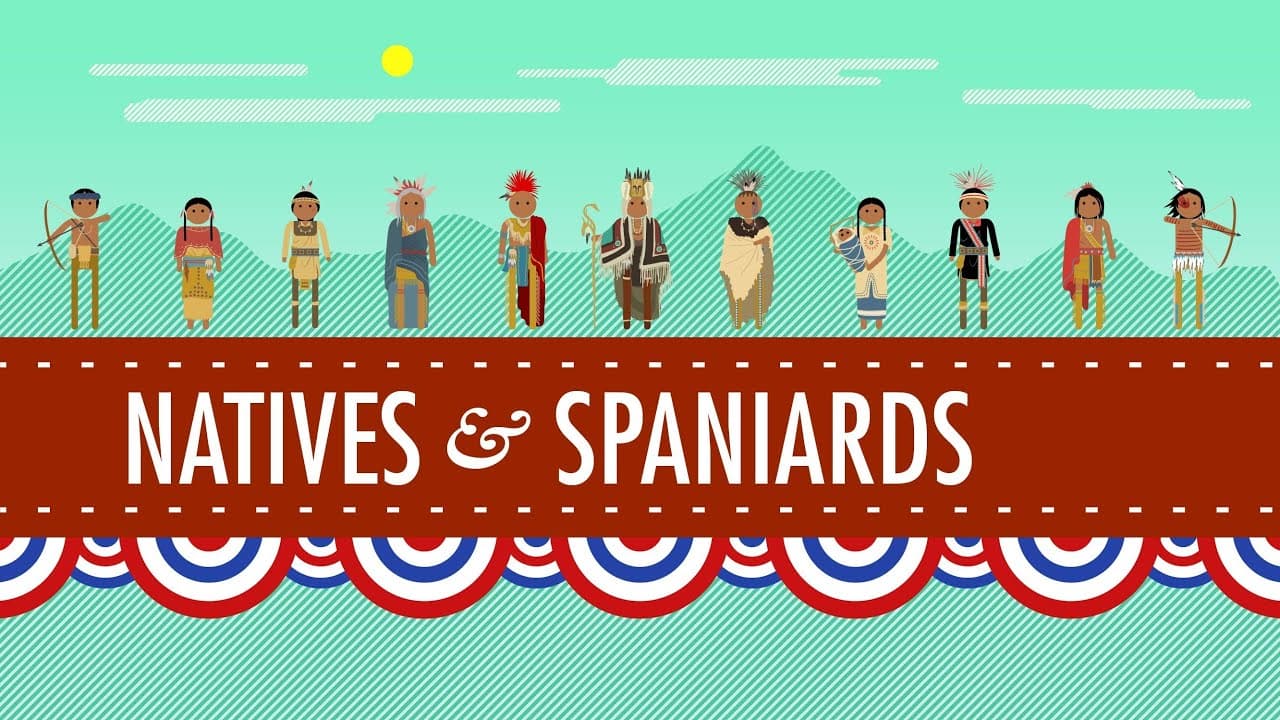
Native American Cultures and Spanish Colonization

Native American Cultures and Spanish Colonization

This high-energy educational video serves as the introductory episode to US History, challenging traditional narratives about pre-Columbian America and early Spanish colonization. Host John Green deconstructs the concept of "primitive" versus "civilized" societies, arguing against the Eurocentric view that Native Americans were backward simply because they lacked specific technologies like the wheel or written language. The video provides a sweeping overview of the diverse and complex Native American cultures that existed before 1492, ranging from the Pueblo peoples of the Southwest to the Iroquois Confederacy in the Northeast, highlighting their sophisticated political structures, religious beliefs, and approaches to property ownership. The narrative transitions to the arrival of the Spanish, detailing their exploration and colonization efforts in Florida and the American Southwest. It covers key figures like Ponce de León and Cabeza de Vaca, the devastating impact of European diseases, and the imposition of the Encomienda system. A significant portion of the video is dedicated to the Pueblo Revolt of 1680, a successful indigenous uprising that forced the Spanish to retreat and subsequently alter their colonial policies. The episode concludes by introducing the "Black Legend"—the idea that the English exaggerated Spanish cruelty to justify their own imperial ambitions—and emphasizes the importance of recognizing historical biases inherent in written records. For educators, this video is an invaluable tool for launching a US History course because it immediately establishes critical thinking habits regarding historical perspective and historiography. It moves beyond rote memorization of explorers' names to explore deep cultural clashes regarding gender roles, religion, and land use. The content is specifically aligned with AP US History (Period 1) frameworks but is accessible to general high school audiences. It provides rich opportunities to discuss how history is constructed, who gets to tell the story, and the complexity of cultural interactions beyond simple conqueror/conquered narratives.

CrashCourseCrashCourse

11mins 20s

Understanding the Events and Impact of September 11, 2001

Understanding the Events and Impact of September 11, 2001

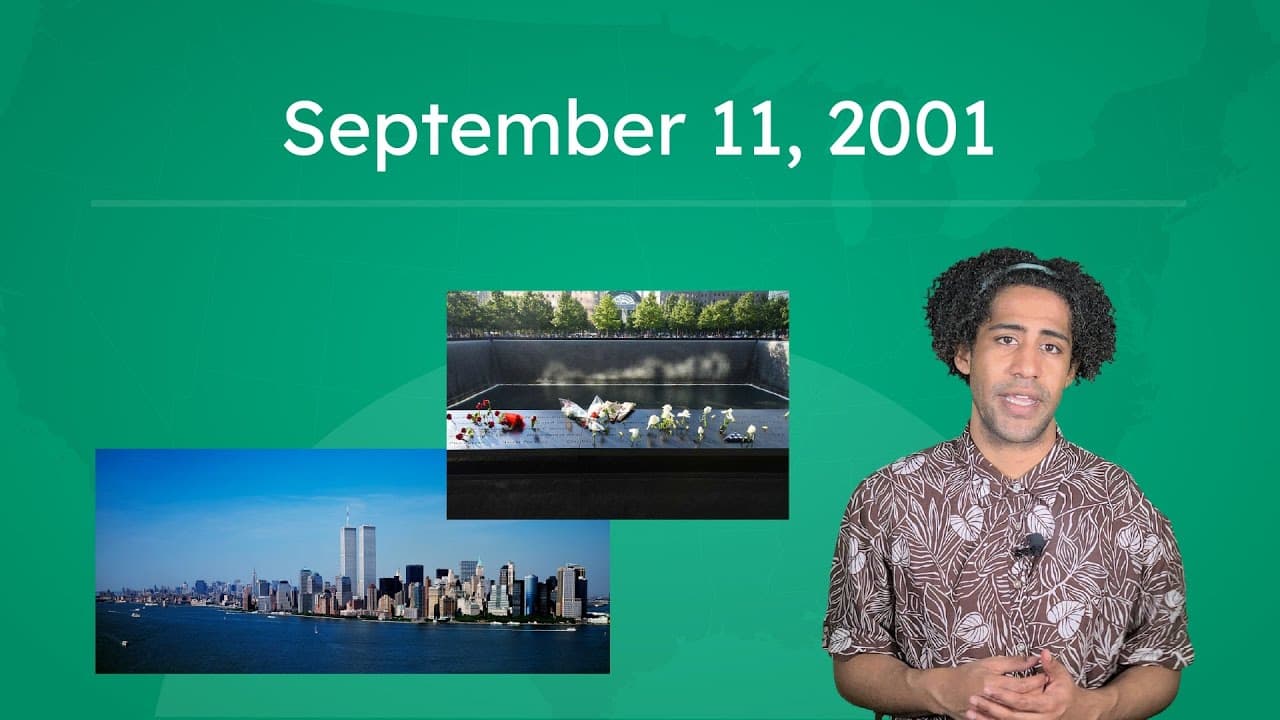
This educational video provides a comprehensive and sensitive timeline of the events of September 11, 2001. Narrated with a focus on historical accuracy and emotional resonance, the video reconstructs the morning's tragic events minute-by-minute, tracking the four hijacked flights: American Airlines Flight 11, United Airlines Flight 175, American Airlines Flight 77, and United Airlines Flight 93. It utilizes primary source audio from Air Traffic Control, archival news footage from major networks, and maps to visualize the unfolding crisis, taking students from the routine start of the day to the collapse of the Twin Towers and the attack on the Pentagon. Beyond the timeline of destruction, the video emphasizes themes of resilience, heroism, and national unity. It highlights the bravery of the passengers on Flight 93, the tireless efforts of first responders at Ground Zero, and the immediate outpouring of patriotism and global solidarity that followed. The narrative shifts from the confusion and horror of the attacks to the human spirit's capacity to endure and rebuild, featuring President George W. Bush's iconic "bullhorn speech" at Ground Zero as a pivotal moment of resolve. For educators, this resource serves as a foundational tool for teaching modern U.S. history. It includes a thoughtful content warning and emotional check-in, making it a safe entry point for discussing difficult topics. The inclusion of real-time media coverage helps students understand the confusion and "fog of war" experienced by the nation, while the focus on first responders and community support offers constructive angles for civic learning and social-emotional discussions about handling tragedy.

Miacademy & MiaPrep Learning ChannelMiacademy & MiaPrep Learning Channel

16mins 3s

Black Americans and the Fight for Freedom in the Civil War

Black Americans and the Fight for Freedom in the Civil War

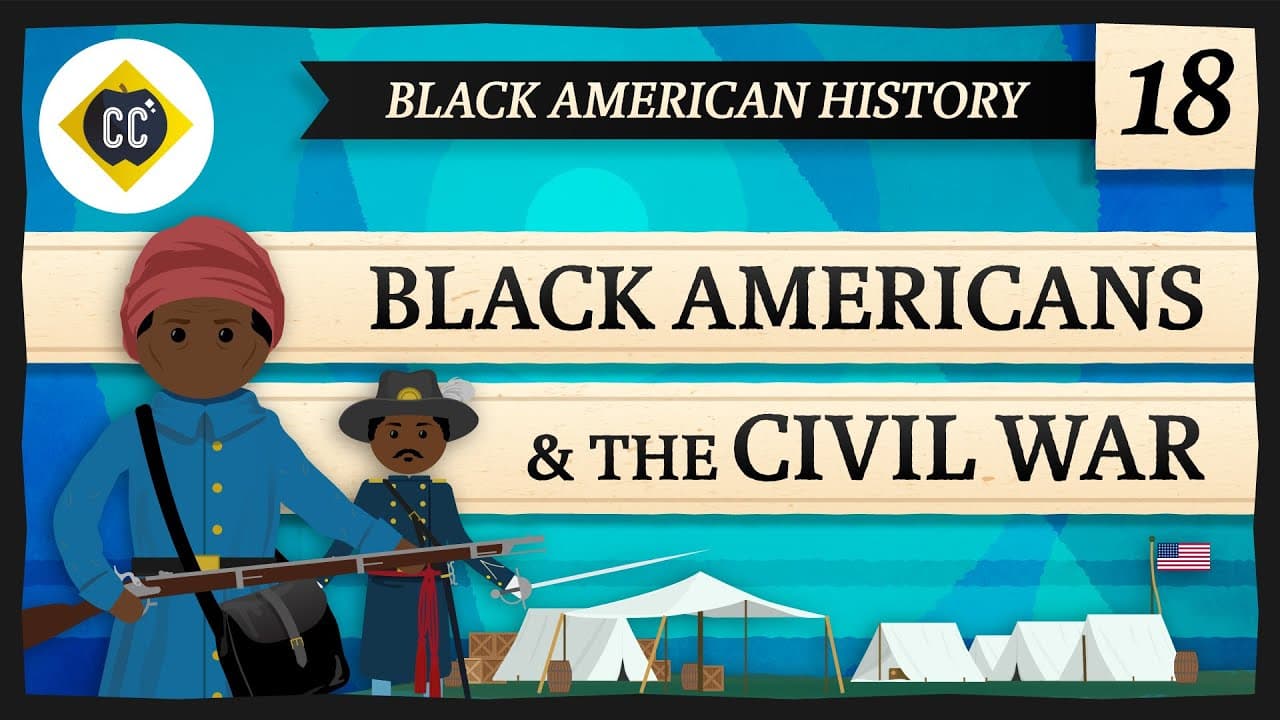
This educational video from Crash Course Black American History, hosted by Clint Smith, re-examines the American Civil War through the lens of Black Americans. Rather than focusing on well-trodden narratives of generals and battle tactics, the video centers on the agency, contributions, and experiences of Black people—both enslaved and free—during the conflict. It establishes slavery as the unequivocal cause of the war using primary source declarations from seceding states, dismantling arguments about state's rights or economics that ignore the central role of human chattel slavery. The video explores several key themes, including the political evolution of the war from preserving the Union to abolishing slavery, the strategic implementation of the Emancipation Proclamation, and the varied roles Black people played. It highlights the over 186,000 Black soldiers who fought for the Union, as well as the vital contributions of Black women like Harriet Tubman and Susie Baker King Taylor who served as spies, nurses, and teachers. It also addresses the concept of "contraband camps" and the legal mechanisms like the Confiscation Acts that allowed the Union to absorb runaway enslaved people. For educators, this resource is invaluable for teaching a more inclusive and accurate history of the Civil War. It challenges the "Lost Cause" narrative and provides students with concrete examples of Black resistance and participation. The video connects military service to claims for citizenship, referencing Frederick Douglass, and complicates the narrative of emancipation by discussing the uneven and violent process of ending slavery, culminating in Juneteenth. It is an excellent tool for stimulating discussions about historical memory, the definition of citizenship, and the strategic versus moral dimensions of political decision-making.
CrashCourseCrashCourse

14mins 12s

How Native Nations Reclaimed Control: The Self-Determination Era

How Native Nations Reclaimed Control: The Self-Determination Era

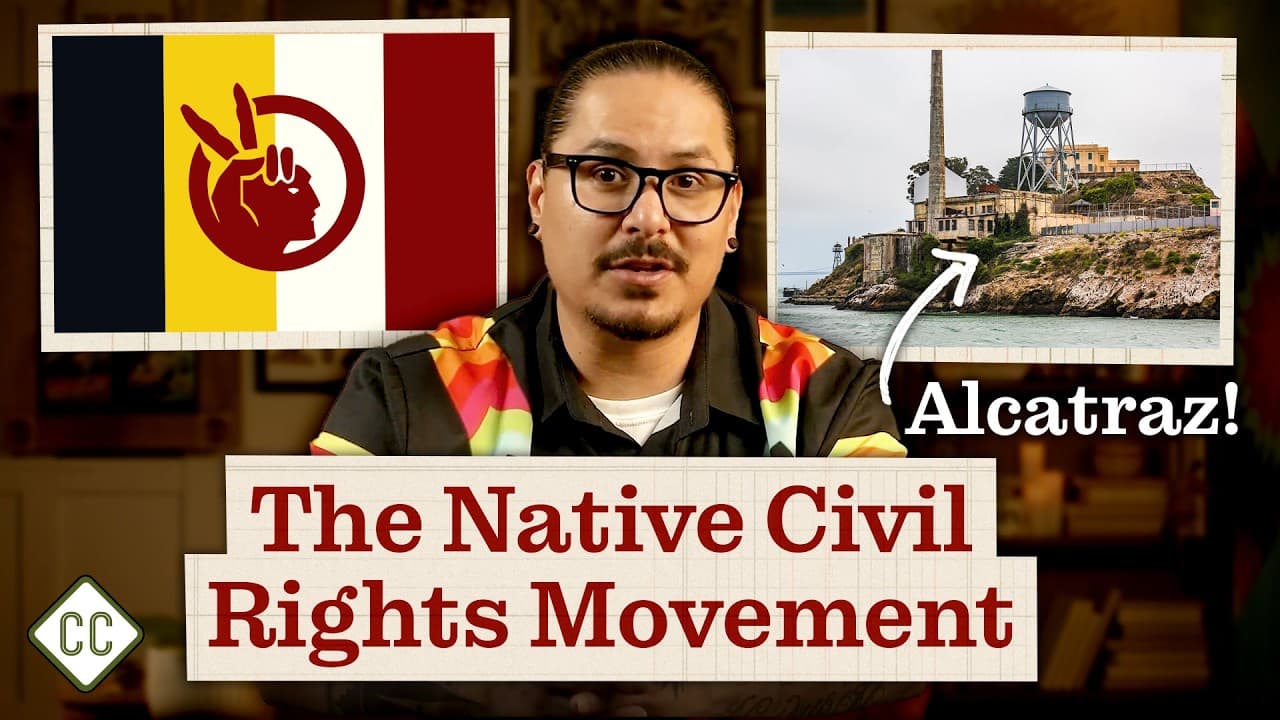
This episode of Crash Course Native American History explores the pivotal shift from the "Termination Era" to the "Self-Determination Era" in U.S. federal Indian policy. Beginning with the dramatic 1969 Occupation of Alcatraz by the "Indians of All Tribes," the video traces how Native American activism catalyzed a fundamental change in how the U.S. government interacts with Native Nations. Host Che Jim explains how this movement forced the government to abandon assimilation policies in favor of policies that support tribal sovereignty and self-governance. The video details key legislative victories, including the Indian Self-Determination and Education Assistance Act of 1975 and the Indian Child Welfare Act (ICWA) of 1978. It contrasts the traumatic history of assimilationist boarding schools with modern tribal-run schools that incorporate Native languages and culture, showing concrete examples of how local control improves student outcomes. The narrative also addresses the complexities and ongoing challenges of this era, such as BIA mismanagement and the struggle for federal recognition. For educators, this resource is invaluable for teaching Civil Rights history beyond the standard narrative, highlighting Indigenous activism and modern governance. It provides clear definitions of complex political concepts like sovereignty and self-determination while offering tangible examples of their impact on education, healthcare, and family welfare. The video effectively connects historical protests to contemporary issues, making it a powerful tool for high school U.S. History, Government, and Sociology classrooms.

CrashCourseCrashCourse

10mins 56s

How the Mongols and Ming Shaped China

How the Mongols and Ming Shaped China

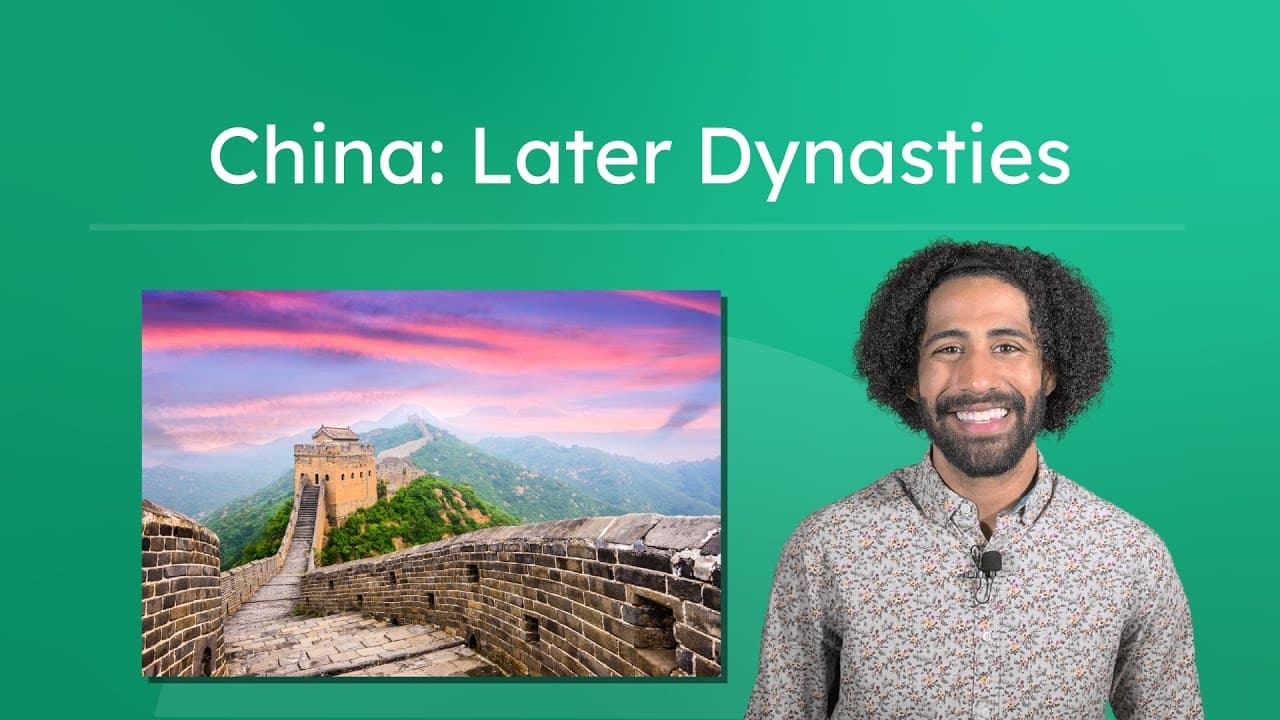
This engaging educational video takes students on a journey through the later dynasties of China, specifically focusing on the Mongol invasion that established the Yuan Dynasty and the subsequent "Golden Age" of the Ming Dynasty. The narrator uses accessible analogies—like building blocks and "capture the flag"—to explain complex historical events such as Genghis Khan's conquest and the cyclical nature of dynastic rule. Viewers explore monumental achievements like the expansion of the Great Wall, the construction of the Forbidden City, and the voyages of Zheng He. The content highlights key themes including military conquest, cultural assimilation, economic prosperity, and the pivotal shift from global exploration to isolationism under the "Closed Door" policy. It emphasizes how China's culture, arts, and philosophies (like Confucianism and Taoism) influenced neighboring regions such as Japan and Korea, and how trade routes like the Silk Road connected China to the wider world. For educators, this video serves as an excellent anchor for units on Ancient World History or Asian Studies. It simplifies abstract concepts like "dynastic cycles" and "cultural diffusion" into relatable terms. The video's clear structure, with stated learning objectives and review summaries, makes it easy to integrate into lesson plans involving architectural study, historical debates on isolationism, or mapping exercises of ancient trade routes.

Miacademy & MiaPrep Learning ChannelMiacademy & MiaPrep Learning Channel

10mins 47s

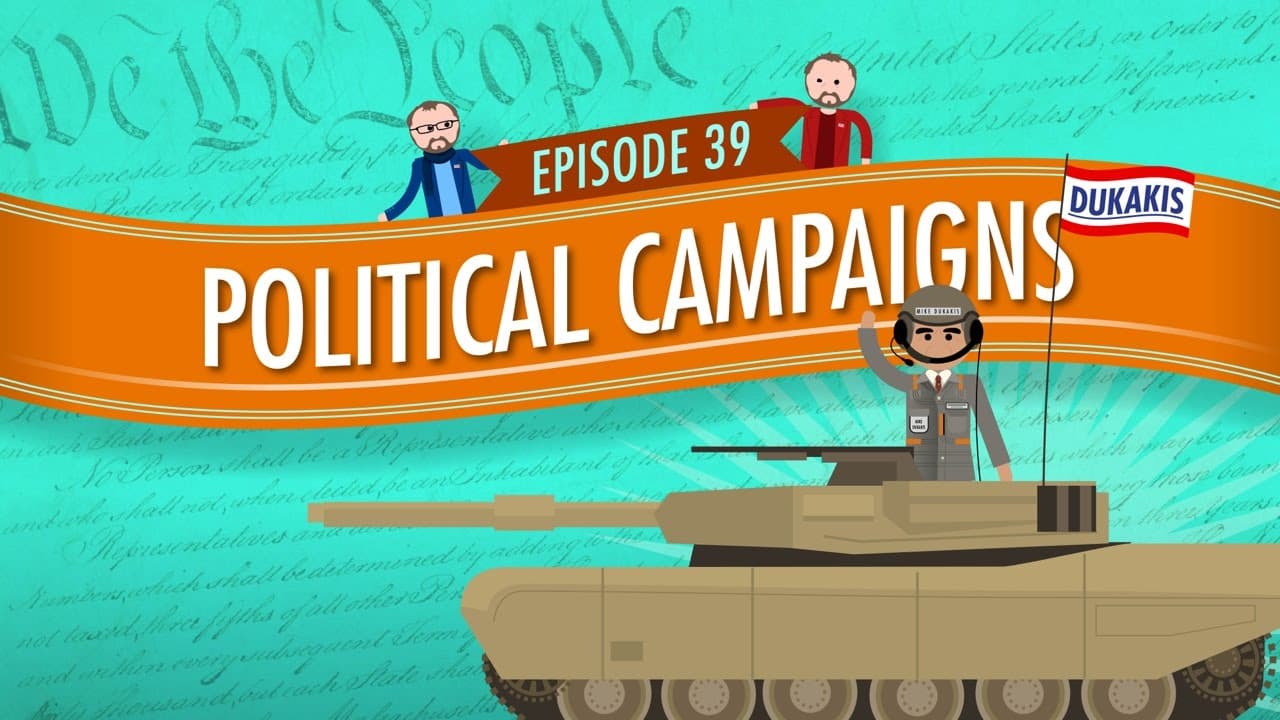
How US Political Campaigns Work and Finance Laws Explained

How US Political Campaigns Work and Finance Laws Explained

This episode of Crash Course Government and Politics dives deep into the complex machinery of American political campaigns. Host Craig Benzine breaks down exactly what a campaign is—an organized drive to get a candidate elected—and explores the intricate structures behind them, from local volunteers to national committees like the DNC and RNC. The video explains the primary function of campaigns: to provide voters with the information necessary to choose their representatives, while also examining the various methods used to disseminate that information, such as stump speeches, debates, and modern digital advertising. A significant portion of the video is dedicated to the controversial and confusing world of campaign finance. It traces the history of regulations from the Federal Election Campaign Act of 1971 to the McCain-Feingold Act of 2002, and finally to the landmark Citizens United Supreme Court decision. Viewers will learn about the critical legal distinction between limiting campaign *donations* versus limiting campaign *spending*, the rise of PACs, Super PACs, and 527 groups, and the constitutional arguments equating money with free speech. For educators, this video is an essential resource for high school Civics and Government units on elections. It moves beyond simple definitions to tackle the nuanced debate between preventing corruption and protecting free speech. The content provides a balanced look at why campaigns are so long and expensive, offering data-driven context—comparing election spending to national potato chip consumption—that helps students critically evaluate common media narratives about money in politics.

CrashCourseCrashCourse

9mins 36s

Materials

History Inquiry Guided Worksheet

History Inquiry Guided Worksheet

3-page scaffolded student inquiry packet fully aligned to lesson objectives (why learn history, classroom procedures, and historical thinking skills) streamlined for native English students with clear procedural guides, stacked-traits analogies, and IDCV graphic organizers.

SP

Sheridan Pickett

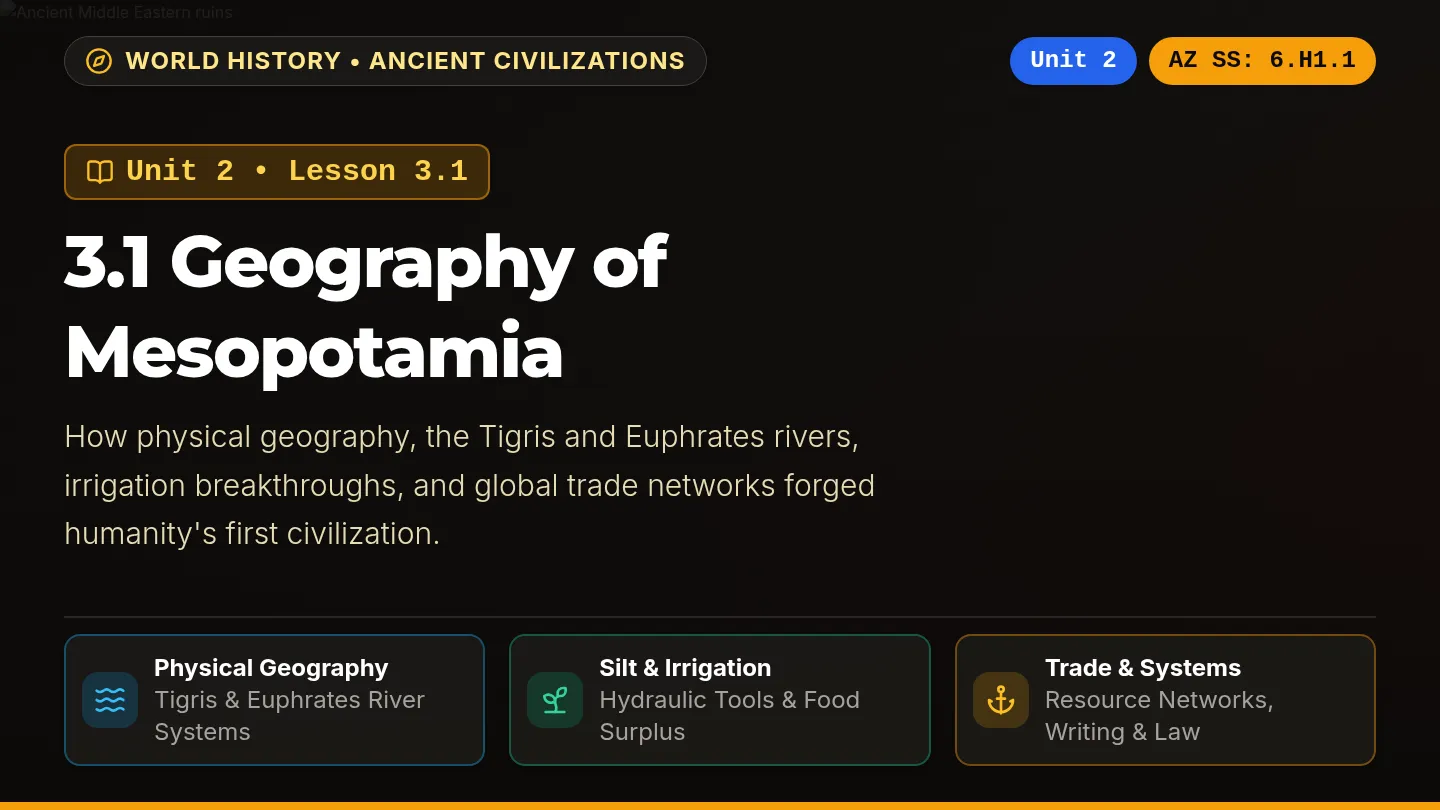
River Cradle Slides

River Cradle Slides

A dark-themed, visually vibrant classroom slide deck labeled Unit 2: Lesson 3.1 Geography of Mesopotamia, aligned with Arizona History and Social Science standards on every slide, featuring rich photography, high-contrast color-coded cards, and interactive review prompts.

SZ

Sandra Zoerhoff

Central American Freedom Reading Worksheet

Central American Freedom Reading Worksheet

A Grade 8-9 dual-language reading and multiple-choice worksheet covering Central American Independence Day (September 15, 1821). Features a 4-paragraph parallel English and Spanish text alongside 6 standards-aligned bilingual multiple choice questions assessing key historical concepts, leaders, and civic traditions.

GJ

Gerardo Jimenez Ramirez

Mesopotamia Adventure Packet

Mesopotamia Adventure Packet

A 6-page printable-ready student adventure packet about ancient Mesopotamia with enlarged readable Nunito fonts, a 5-paragraph reading passage, 4 text-dependent questions, scaffolded missions, and a culminating Settler Council simulation.

D

destiny.lanier

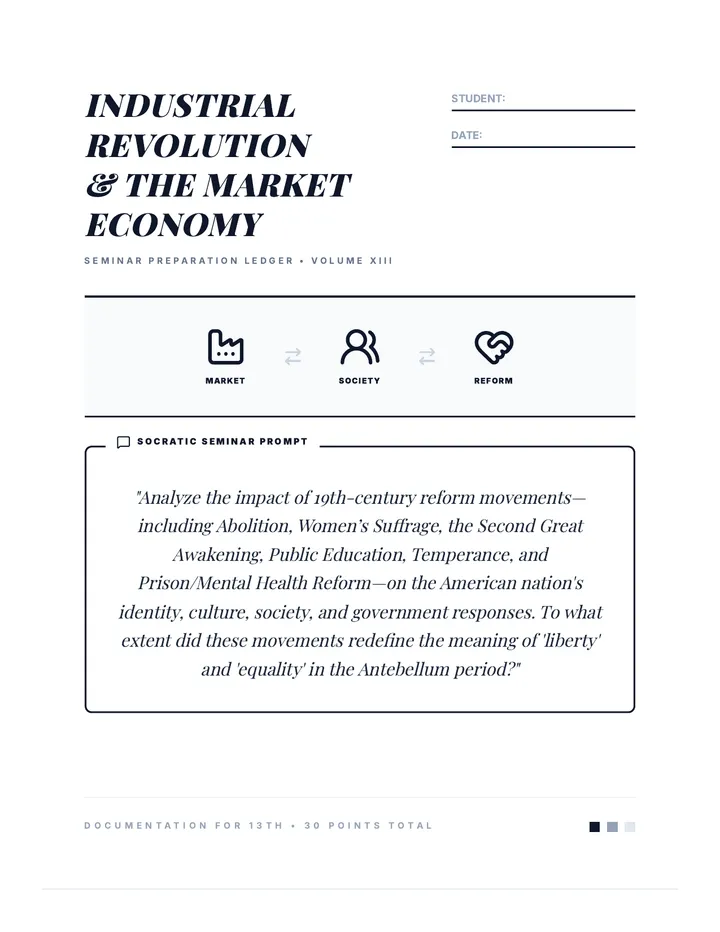
Market Economy Seminar Ledger

Market Economy Seminar Ledger

A detailed 5-page seminar preparation ledger for the Industrial Revolution and Market Economy lesson. Features a dedicated cover page with relevant historical icons and a prominent Socratic prompt, three separate article analysis pages, and a final synthesis evaluation. Writing lines are darkened for optimal print quality.

JG

Joshua Griffith

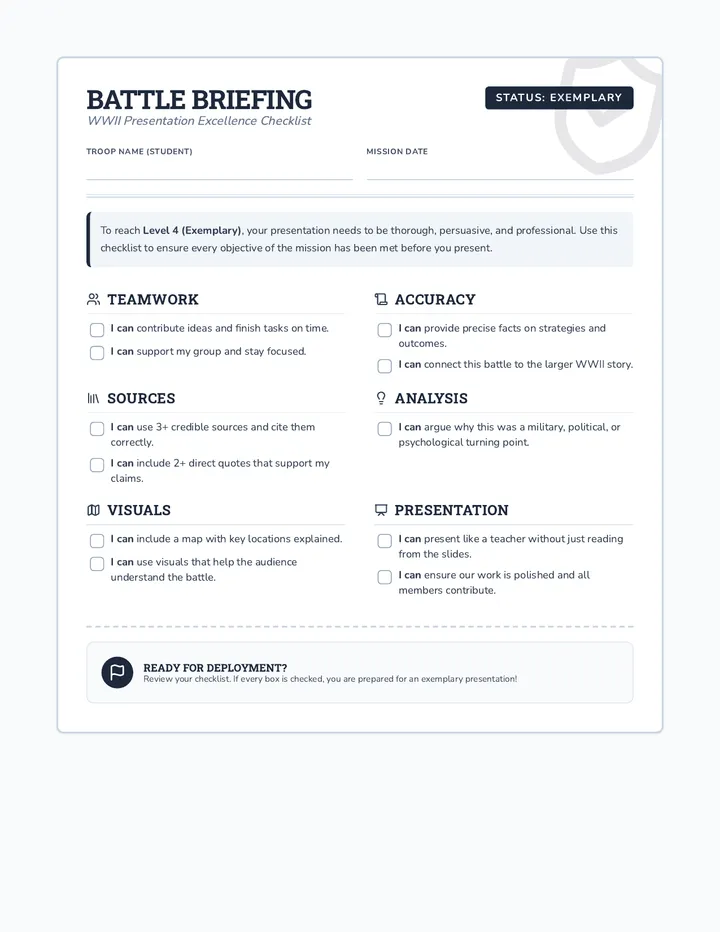
Battle Briefing Checklist

Battle Briefing Checklist

A student-friendly presentation checklist based on Level 4 criteria of a WWII Battles Project rubric, featuring 'I can' statements and visual icons. Revised to fit on a single page.

NP

Nicole Palmiotto

Sequences

Invention Boom Slides

Modern Era Odyssey

A 13-day journey through modern American history, from the Industrial Revolution to the present day, focusing on key historical figures and major conflicts as outlined in the 5th Grade TEKS. Each lesson is designed for a quick 30-minute block, integrating multimedia and primary source analysis.

CH

Courtney Holdren

49
Master Organizer Slides

Think Like Aristotle

A four-part series for middle schoolers on Aristotelian logic and philosophy, focusing on categorization, reasoning, and ethics, with a historical tie-in to Alexander the Great.

DB

Danielle Burham

21
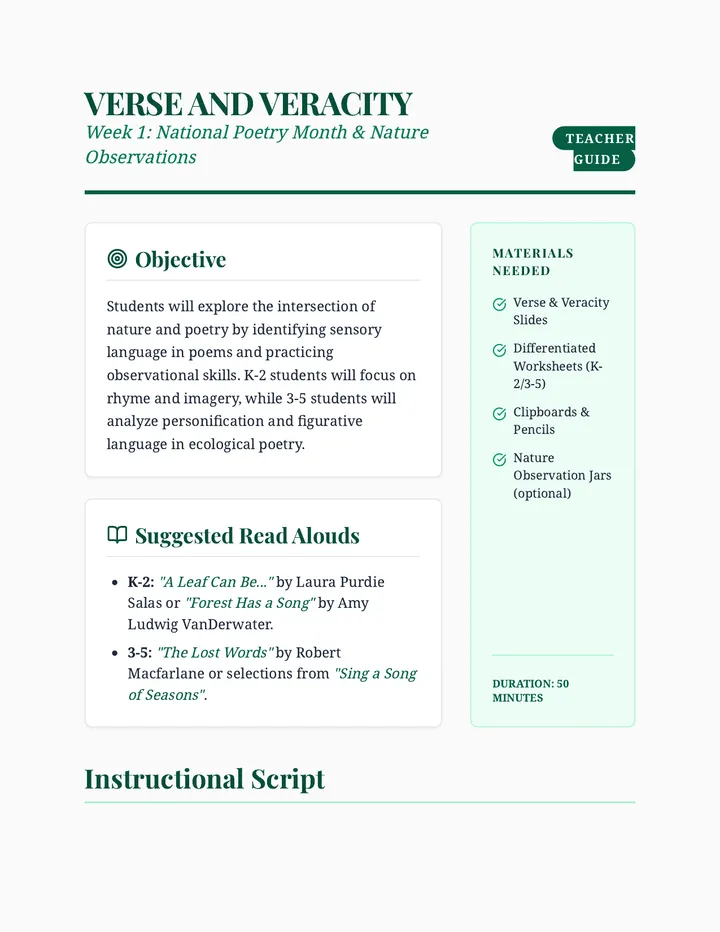
Verse and Veracity Teacher Guide

Media Center Year Curriculum

A comprehensive K-5 Media Center curriculum spanning August to May. Each month features a thematic unit integrating library skills (Dewey Decimal System, research, digital citizenship), literacy (poetry, biographies, informational texts), and STEM/Maker Space challenges. Resources are differentiated for K-2 and 3-5.

B

bethany.nied

50
Cotton Kingdom Slides

Divided Nation

A 4-part exploration of the deep-seated tensions and pivotal events that led the United States to the brink of the Civil War, focusing on economic shifts, legislative compromises, and political flashpoints.

IA

Isabella Adkins

9
Soulful Cyphers Lesson Plan

We Gon’ Be Alright- A Century of Black Excellence

A comprehensive 6-lesson Black History Month curriculum for 5th-8th graders, exploring historical excellence, emotional expression, and community through the lens of five core values: Virtus, Kenkyo, Sankofa, Ubuntu, and Ganas. Inspired by a century of resilience and brilliance.

JS

Joleen Shillingford

18
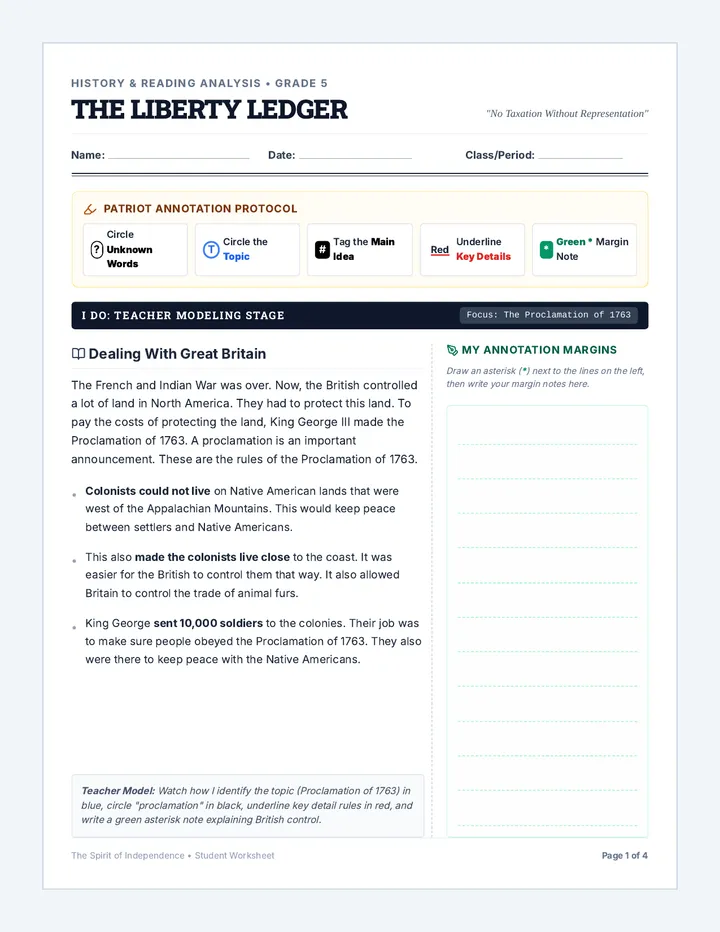
Liberty Ledger Annotation Worksheet

Spirit of Independence

A fifth-grade social studies and active reading unit exploring the growing friction between Great Britain and the American colonies, focusing on the causes, consequences, and motivated actions that led to the American Revolution.

MN

Monica Nava

7