Cognitive structures for information processing, memory, and problem-solving alongside the mechanics of language acquisition. Examines how linguistic frameworks shape human thought and mental representations.
A 12-lesson intensive course on reasoning and critical thinking, aligned with the 'Reasoning Skills Success' framework. This sequence covers everything from the distinction between reason and emotion to complex logical fallacies, statistical analysis, and deductive/inductive logic.
An interdisciplinary graduate sequence exploring the intersection of cognitive psychology and rhetorical questioning. Students analyze biases like anchoring and priming to master the art of persuasive cross-examination.
A graduate-level exploration of the intersection between cognitive science and literary theory, focusing on how readers construct fictional worlds and the ethical dimensions of narrative engagement.
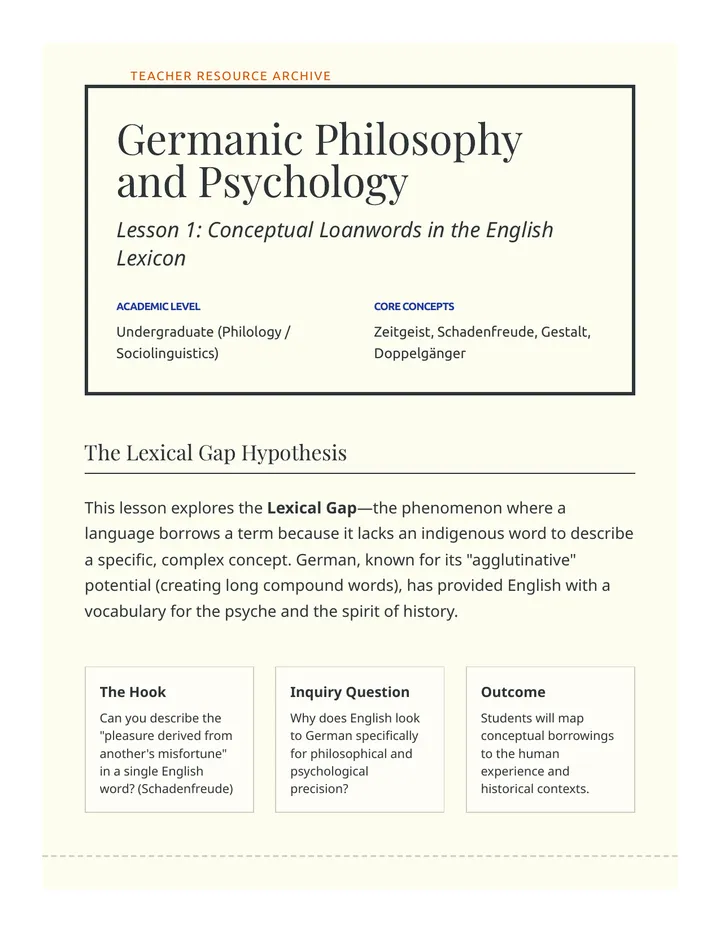
An undergraduate-level exploration of loanwords in English, focusing on the sociolinguistic history and philological origins of terms from German, Spanish, Italian, Arabic, Hindi, and Yiddish. Students investigate how culture, philosophy, and trade shape the lexicon.
A specialized sequence for undergraduate linguistics or SLP students examining the articulatory and acoustic constraints on phoneme manipulation. Students move from theoretical phonetics to professional diagnostic reasoning.
This sequence explores the rapid physical and cognitive expansion during the first two years of life. Students will move from understanding innate biological reflexes to complex voluntary motor skills, Piaget's sensorimotor stage, and the emergence of language through observational labs and experimental analysis.
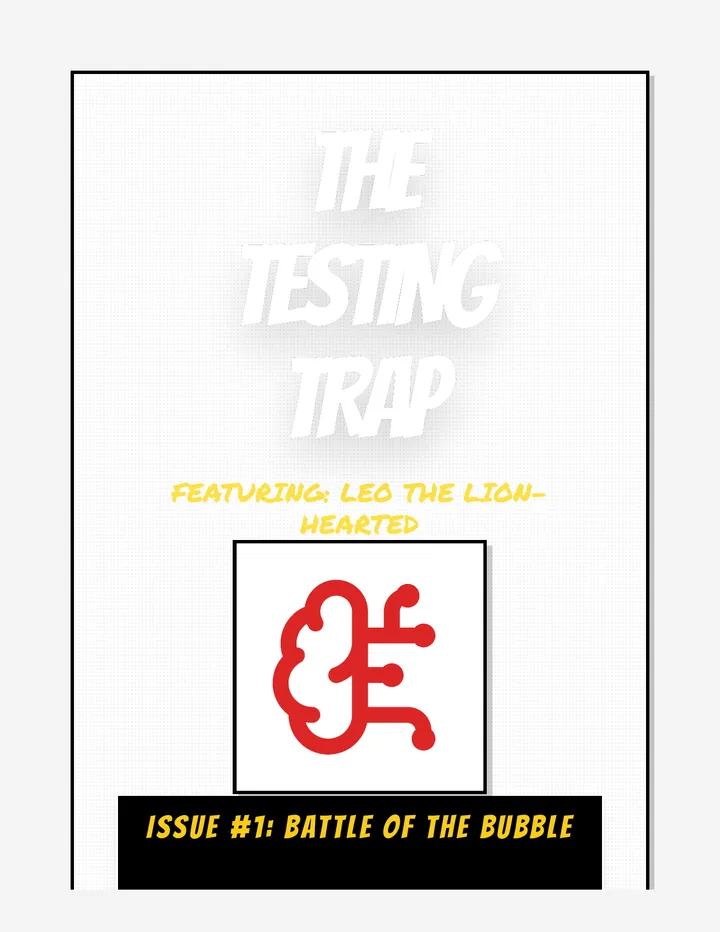
An exploration of the history, mechanics, and fairness of standardized testing through the lens of a neurodivergent student's experience. This lesson uses a retro-style comic to illustrate the disconnect between traditional testing and real-world intelligence.
An exploration of John Searle's famous thought experiment, examining the distinction between syntax and semantics and the debate over Strong Artificial Intelligence.
A comprehensive lesson introducing Lev Vygotsky's sociocultural theory of cognitive development. Students will explore the Zone of Proximal Development, the role of Scaffolding, and the importance of the More Knowledgeable Other through collaborative activities.
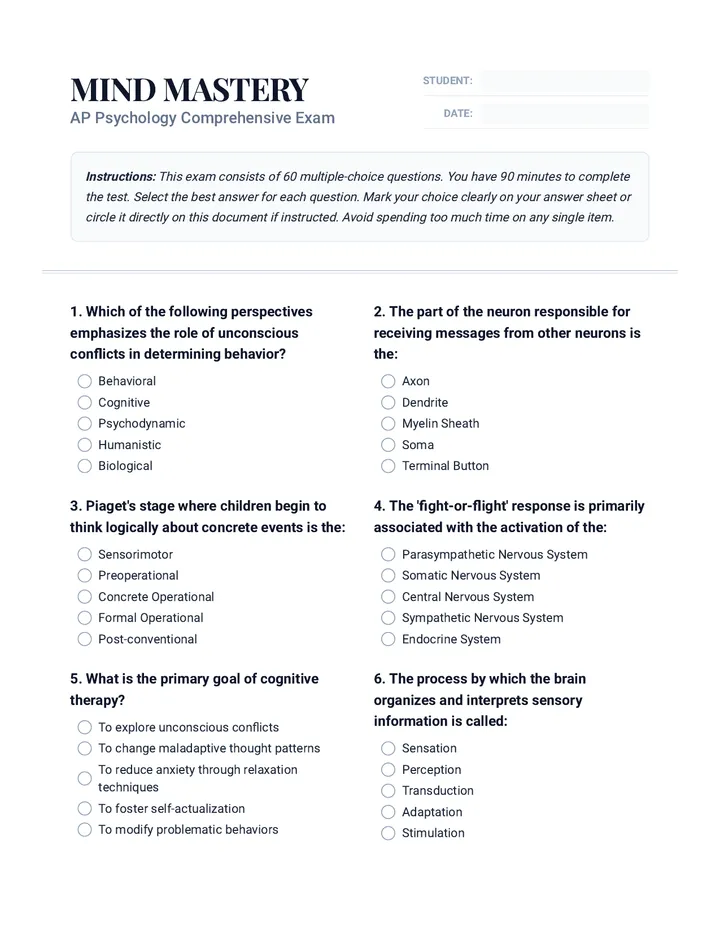
A comprehensive 90-minute assessment covering the breadth of the AP Psychology curriculum, including a 60-question multiple-choice exam, a post-exam reflection, and a detailed study guide for review.
An exploration of psychological theories of intelligence, covering Spearman's general intelligence, Gardner's multiple intelligences, Sternberg's triarchic model, and the concept of emotional intelligence. Students will compare different models and reflect on how intelligence is measured and defined.
This lesson explores Collective Learning, a threshold of complexity that allows humans to accumulate knowledge over generations. Students analyze the 'ratchet effect' of technology, comparing the slow progress of early hominids to the explosive innovation of Homo Sapiens.