Lenny.com
Explore
Create
ActivitiesNewMathEnglish Language ArtsScience & EngineeringSocial StudiesGlobal LanguagesHealth & Physical EducationSpecial EducationCounseling & Life SkillsArts & CreativityESL
Lenny.com
Lenny.com
Explore
Create
ActivitiesNewMathEnglish Language ArtsScience & EngineeringSocial StudiesGlobal LanguagesHealth & Physical EducationSpecial EducationCounseling & Life SkillsArts & CreativityESL
Lenny.com
Social StudiesSocial Studies PracticesLocation WordsMapsOrder EventsChronology and CausationEvaluating SourcesHistorical ThinkingGeography, Humans, & the EnvironmentAmerican Symbols and LandmarksCitiesStatesState CapitalsRegions of the United StatesGeographic SkillsPhysical GeographyHuman GeographyRegional GeographyGeography of AfricaGeography of AsiaGeography of EuropeGeography of OceaniaGeography of the AmericasSociety and Environment of EuropeSociety and Environment of AsiaSociety and Environment of The AmericasSociety and Environment of the Middle EastSociety and Environment of AfricaHistoryPrehistoryComparing Ancient River CivilizationsAncient MesopotamiaAncient Egypt and KushAncient South AsiaEarly ChinaGreeceRome and the Byzantine EmpireAncient World HistoryNative Peoples of North AmericaNative Peoples of Mesoamerica and South AmericaAfrican EmpiresMedieval AsiaMedieval EuropeThe Silk RoadMedieval HistoryIslamic EmpiresWorld ReligionsRenaissance PeriodAge of ExplorationThe Thirteen ColoniesThe American RevolutionUS History Early RepublicFounding of the United StatesUS History AntebellumUS Civil WarReconstruction PeriodThe Gilded AgeUS ImperialismWorld ImperialismWorld War IUS History 1920sGreat DepressionWorld War IIThe Cold WarUS History 1950-60sUS History 1960s-70sWorld History 20th CenturyContemporary US HistoryContemporary World HistoryHolidaysCivics and GovernmentCitizenshipGovernment FoundationsThe ConstitutionUS ConstitutionExecutive BranchLegislative BranchJudicial BranchState and LocalPolitical ParticipationPublic PolicyPolitical SystemsPower and AuthoritySocial MovementsDefining DevianceTheories of DevianceCrime and Criminal JusticeEconomicsBasic Economic PrinciplesSupply and DemandWhat is MoneyEconomic FundamentalsMicroeconomicsMacroeconomicsBanking and FinanceEconomic SystemsGlobal EconomicsCorporations and PowerThe Changing WorkplaceUnemployment and LaborClass and InequalitySocial MobilityGlobal InequalityPsychologyHistory of PsychologyPsychology as a ScienceBrain and Nervous SystemNeuroscience and BehaviorGenetics and BehaviorSleep and ConsciousnessSensory ProcessesPerceptual OrganizationClassical ConditioningOperant ConditioningObservational LearningCognitive LearningMemory ProcessesThinking and Problem SolvingLanguage and CognitionTheories of MotivationStress and CopingPrenatal and Infant DevelopmentChildhood DevelopmentAdolescent DevelopmentAdulthood and AgingSelf and IdentitySocial CognitionSocial InfluenceAttraction and RelationshipsGroup BehaviorPrejudice and DiscriminationAnxiety and Mood DisordersClinical PsychologyForensic PsychologyPhilosophy & EthicsIntroduction to PhilosophyMajor Philosophers & IdeasMind and Body ProblemFree Will vs DeterminismEthics & MoralityReligion & PhilosophyPolitical Philosophy

US History 1950-60s

Civil Rights milestones, Cold War containment strategies, and post-war economic expansion. Addresses the Space Race, Great Society programs, and social transformations of the mid-20th century.

Lenny.com

Solutions

Lenny for EducatorsLenny for SchoolsLenny for Districts

Product

ExploreSign inCreateSupportAbout

Resources

Getting startedMTSS Acceleration Program

Newsletters

School Funding Newsletter

© 2026 Lenny Learning Inc.

TermsPrivacyAccessibility
LinkedInInstagramX
Lenny

Videos

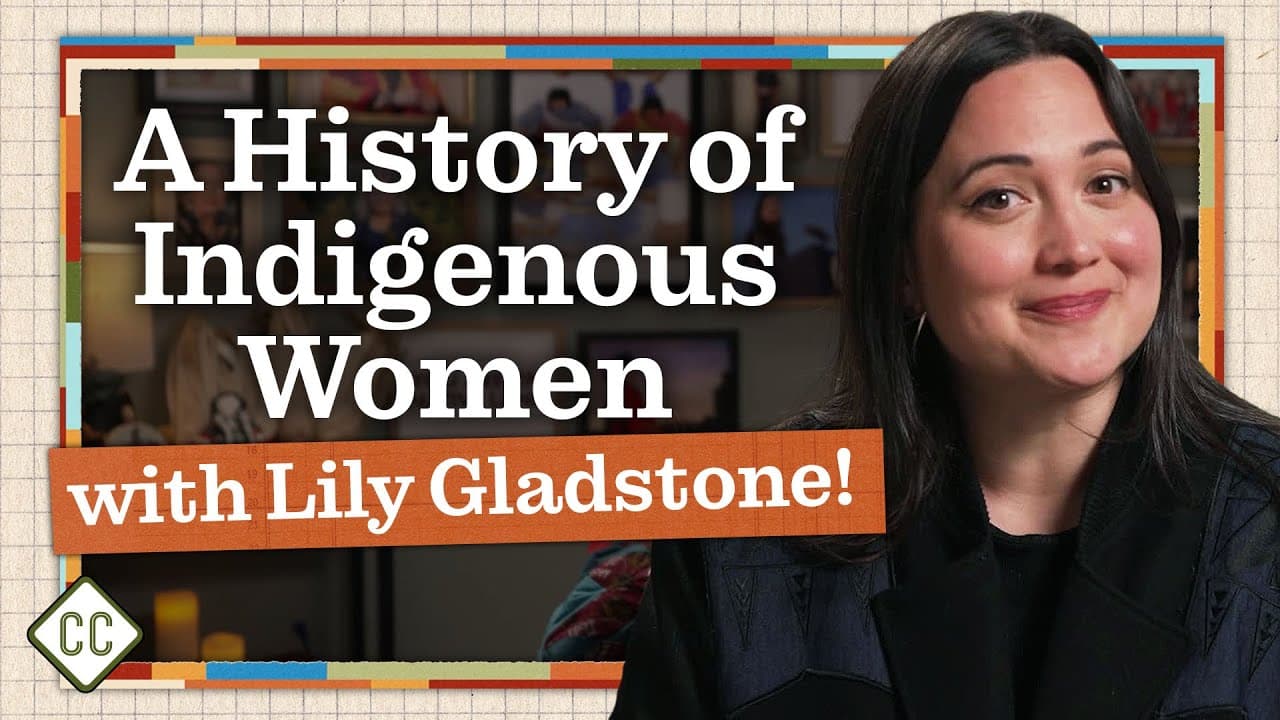
The Power, Resilience, and History of Native American Women

The Power, Resilience, and History of Native American Women

Hosted by Lily Gladstone, this episode of Crash Course Native American History explores the pivotal and diverse roles of Native women, Femmes, and Two-Spirit people from pre-contact times to the present day. It challenges the monolithic view of Native gender roles by highlighting the existence of matriarchal and matrilineal societies, such as the Diné (Navajo), where women hold significant economic and decision-making power. The video details historical figures like the warrior Buffalo Calf Road Woman and the diplomat Jikonsaseh, who helped found the Haudenosaunee Confederacy, illustrating that Native women have always served as leaders, healers, and protectors of their nations. The video also tackles the dark history of colonization and its specific targeting of Indigenous women to destabilize tribal societies. It addresses difficult topics including the imposition of European patriarchal values, the forced sterilization of thousands of Native women in the 1970s, and the ongoing crisis of Missing and Murdered Indigenous Women (MMIW). The narrative explains how settler colonialism disrupted traditional gender balances and how systemic failures in law enforcement continue to impact Native communities today. Despite these challenges, the video emphasizes resilience and modern activism. It profiles influential leaders like Elouise Cobell, who successfully sued the U.S. government for billions in mismanagement of funds, and Deb Haaland, the first Native American cabinet secretary. For the classroom, this resource is invaluable for teaching about gender studies, civil rights, and the complex legal and social history of Native Americans. It provides students with a nuanced understanding of how historical trauma and contemporary triumph coexist in Indigenous communities.
CrashCourseCrashCourse

13mins 42s

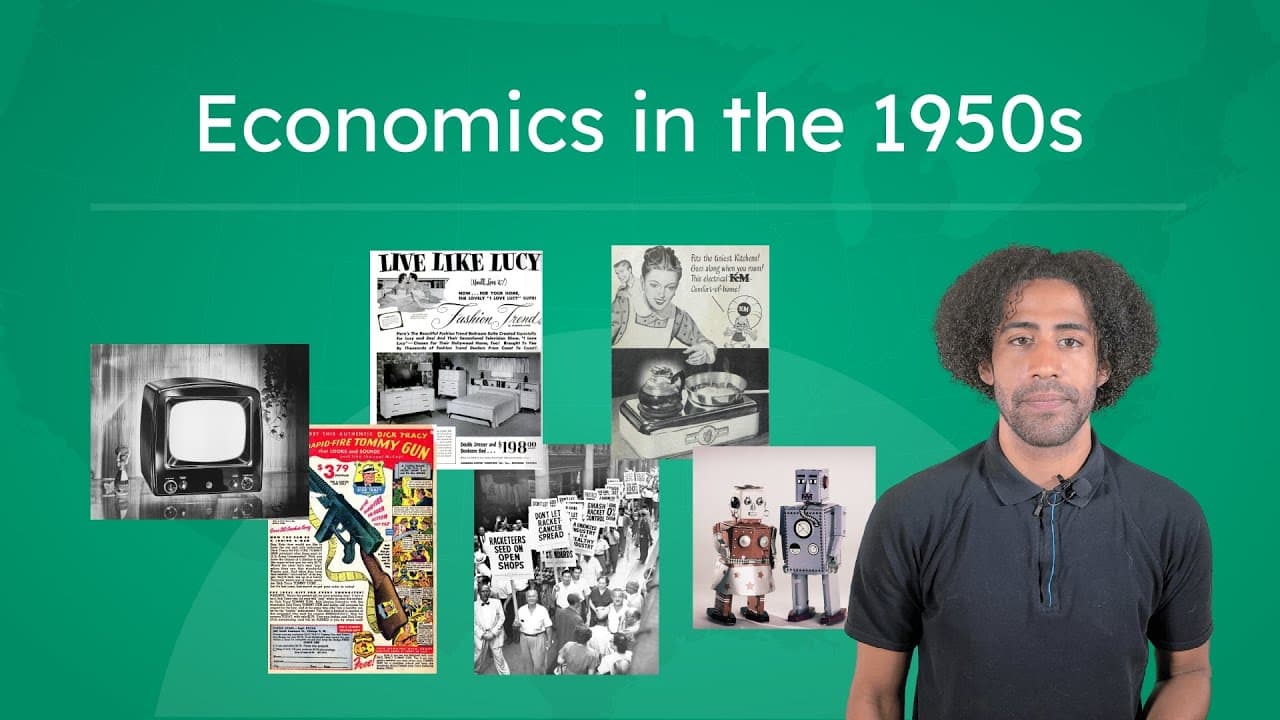
How the 1950s Created the Modern American Consumer

How the 1950s Created the Modern American Consumer

This educational video explores the dramatic economic and social shifts in the United States during the 1950s that led to the rise of a massive consumer economy. It details how post-war government policies, technological innovations, and the expansion of credit transformed American life, creating a booming middle class. The narrator explains the economic cycle where higher wages and union membership fueled spending, which in turn created more jobs, establishing a self-sustaining loop of prosperity for many Americans.

Miacademy & MiaPrep Learning ChannelMiacademy & MiaPrep Learning Channel

12mins 10s

How Students Led the Civil Rights Movement

How Students Led the Civil Rights Movement

This educational video from Crash Course Black American History explores the pivotal role that students and young people played in the Civil Rights Movement. While historical narratives often focus on singular charismatic leaders like Dr. Martin Luther King Jr., this episode highlights how the courage, organization, and persistence of ordinary high school and college students drove significant social change. The video specifically examines three major student-led initiatives: the integration of Central High School by the Little Rock Nine, the lunch counter sit-ins sparked by the Greensboro Four, and the Freedom Rides organized by groups like SNCC (Student Non-Violent Coordinating Committee). The video delves into the specific strategies of "non-violent direct action," explaining that it was not passive but an active, disciplined, and dangerous tactic that required immense self-control. It details the harrowing experiences of the Little Rock Nine facing mob violence and the National Guard, the rapid spread of the sit-in movement across 55 cities, and the violence faced by Freedom Riders in Alabama. The narrative connects these historical events to the organizational genius of figures like Ella Baker, who empowered students to form their own independent leadership structures. For educators, this video serves as a powerful tool to engage students by showing them historical figures their own age who shaped American history. It moves beyond the "Great Man" theory of history to show grassroots organizing in action. It provides clear definitions of key organizations (NAACP, SCLC, SNCC, CORE) and legal contexts (Brown v. Board of Education) while inviting students to reflect on their own agency and capacity to effect change in their communities today.

CrashCourseCrashCourse

13mins 27s

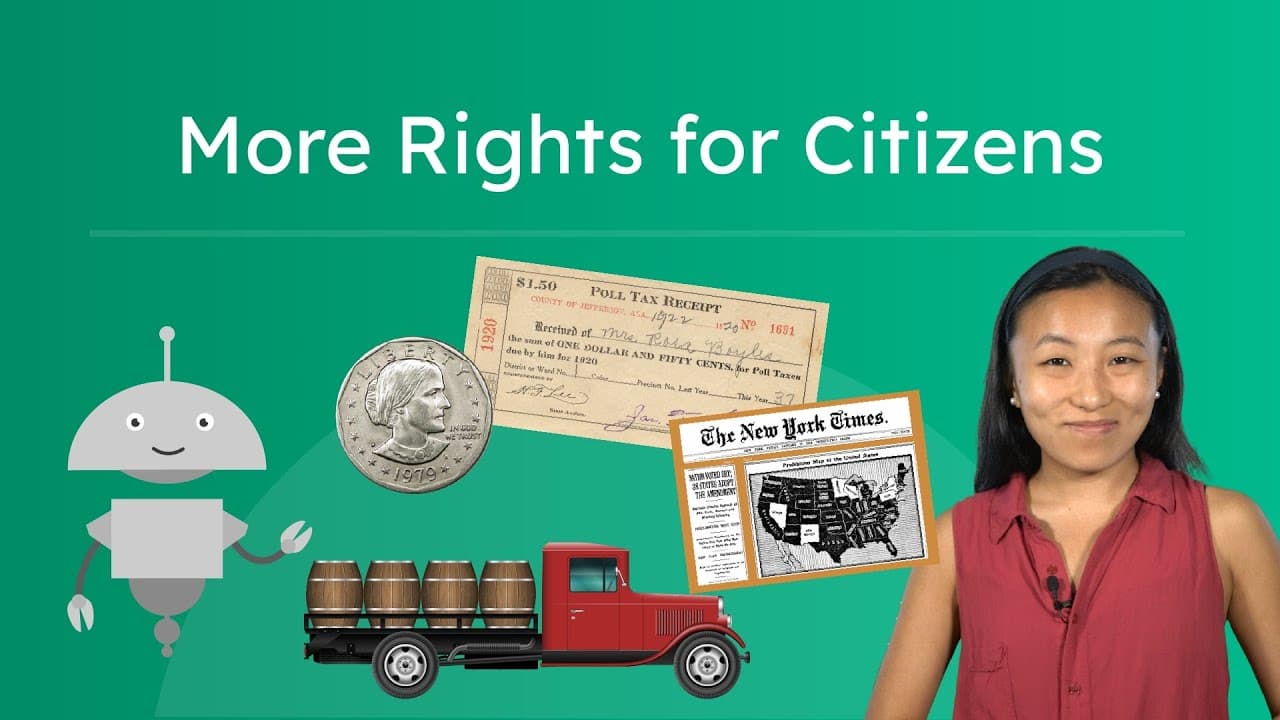
How Constitutional Amendments Expanded Citizen Rights

How Constitutional Amendments Expanded Citizen Rights

This educational video provides a comprehensive overview of the United States Constitutional amendments that expand citizen rights beyond the original Bill of Rights. Narrated by a student host named Caroline alongside an animated robot character, the video systematically categorizes these amendments into logical groups: the Ninth Amendment (unenumerated rights), Post-Civil War Amendments (13, 14, 15), Voting Rights Amendments (17, 19, 23, 24, 26), and Prohibition Amendments (18, 21). The content connects historical events to legal changes, explaining how the Civil War led to the abolition of slavery and definitions of citizenship, how the women's suffrage movement achieved the 19th Amendment, and how the Vietnam War influenced lowering the voting age to 18. It also tackles the unique case of Prohibition—the only time an amendment restricted rights and was subsequently repealed. The video utilizes historical photographs, maps, and clear text overlays to make complex constitutional history accessible. Teachers can use this video to help students understand the living nature of the Constitution and the specific struggles that led to the expansion of American democracy. It is an excellent resource for Civics and U.S. History units, offering clear definitions of key amendments while highlighting the ongoing importance of voting and civic participation.

Miacademy & MiaPrep Learning ChannelMiacademy & MiaPrep Learning Channel

8mins

How Urban Planning Shapes Our Cities and Lives

How Urban Planning Shapes Our Cities and Lives

This educational video from Crash Course Geography explores the complex world of urban planning and how the design of our cities reflects deeper social, political, and economic relationships. The host, Alizé Carrère, guides viewers through the concepts of 'built environments' and 'urban geography,' illustrating how cities are not just collections of buildings but physical manifestations of cultural values and power dynamics. The video uses specific models and historical examples to demonstrate how planning decisions impact residents' lives, often reinforcing existing inequalities. Key themes include the Latin American City Model, which highlights the lasting impact of colonialism on urban structure, and a detailed case study of Brasília, a planned city that aimed for a utopian future but encountered the messy reality of human growth. The video also tackles difficult topics in North American urban history, specifically addressing 'white flight,' the construction of the interstate highway system, redlining, and urban renewal. These segments explain how systemic racism was engineered into the physical landscape of American cities. For educators, this video is an invaluable resource for connecting physical geography to social justice and history. It provides concrete examples of abstract concepts like 'zones of disamenity' and 'eminent domain.' Teachers can use this video to spark critical discussions about how their own students' neighborhoods were designed, compare different models of urban living, and analyze how historical policies continue to shape current economic realities.

CrashCourseCrashCourse

11mins 17s

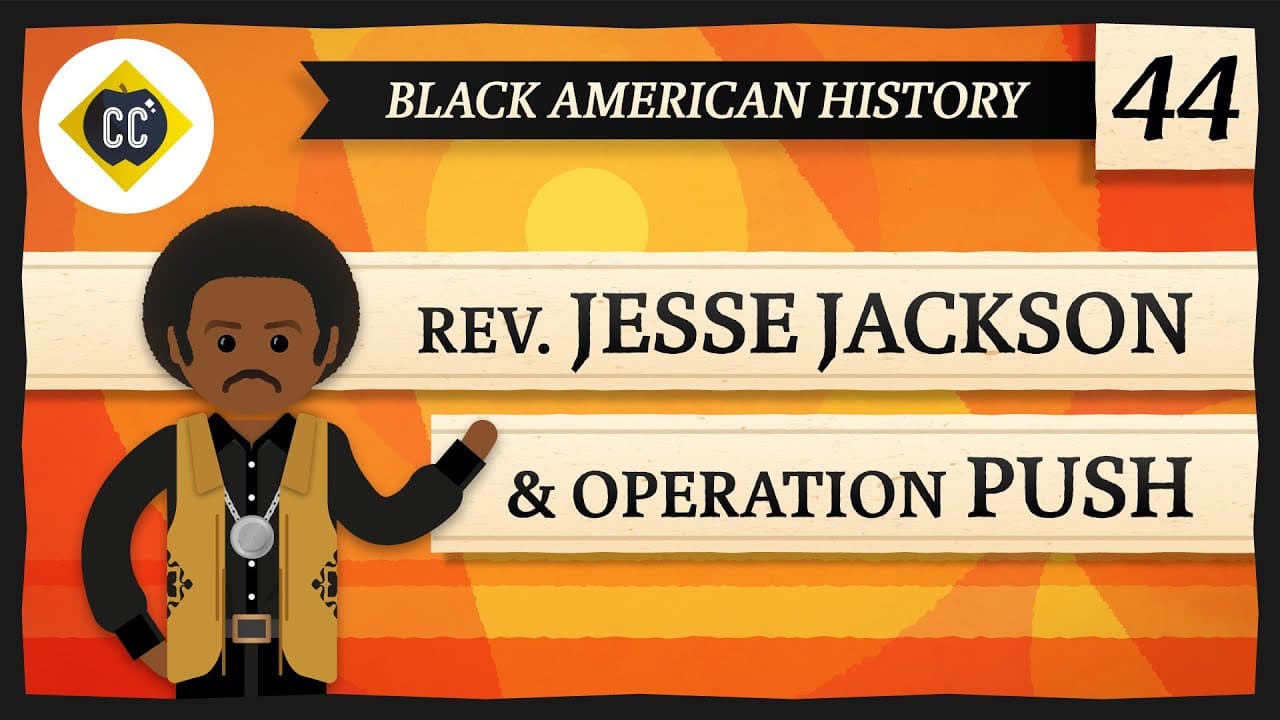
Jesse Jackson and the Rise of Operation PUSH

Jesse Jackson and the Rise of Operation PUSH

This episode of Crash Course Black American History explores the life and legacy of Reverend Jesse Jackson and the organization he founded, Operation PUSH (People United to Save Humanity). Hosted by Clint Smith, the video bridges the gap between the major Civil Rights victories of the 1960s and the economic and political struggles that followed in the 1970s and 80s. It details how the movement shifted from battling legal segregation to addressing economic disparities through grassroots organizing and political coalition building. The content provides a deep dive into the historical context surrounding the founding of PUSH, including the limitations of President Lyndon B. Johnson's "Great Society," the impact of "White Flight" on urban education, and the rise of Reaganomics in the 1980s. It traces Jackson's evolution from a young aide to Dr. Martin Luther King Jr. to a presidential candidate who championed the "Rainbow Coalition," a concept uniting diverse marginalized groups under a common banner of justice. For educators, this video is an invaluable resource for teaching the continuity of the Civil Rights movement beyond the 1960s. It offers clear explanations of complex economic policies, the strategy behind economic boycotts, and the importance of political rhetoric. It serves as an excellent tool for discussing the intersection of race, class, and politics in modern American history, helping students understand the roots of contemporary social activism.

CrashCourseCrashCourse

11mins 31s

Materials

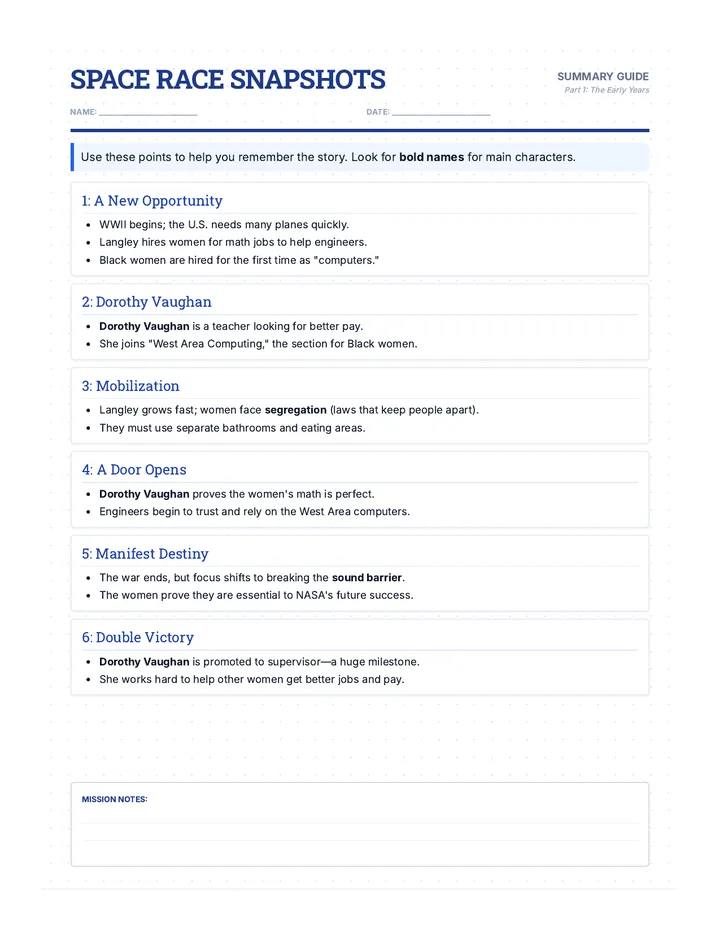
Space Race Snapshots Summary Guide

Space Race Snapshots Summary Guide

A four-page chapter-by-chapter summary guide for "Hidden Figures" (Young Readers Edition), designed specifically for struggling readers. It features bulleted main points, bolded character names, and a clean, high-contrast NASA-inspired layout to support comprehension and tracking of the narrative.

M

mattiea

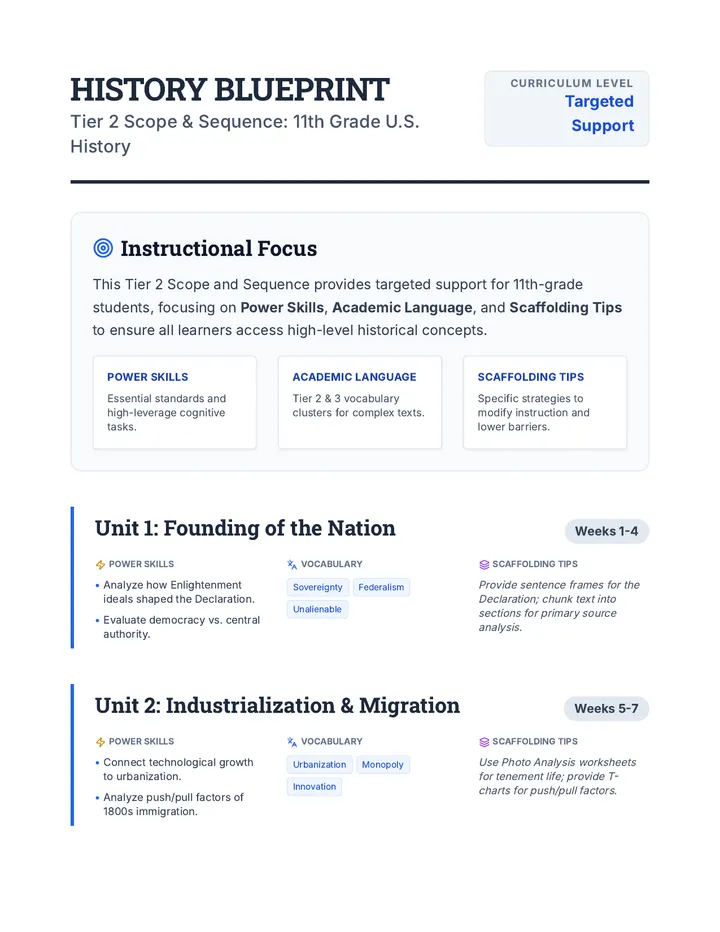
History Blueprint Scope and Sequence

History Blueprint Scope and Sequence

An updated Tier 2 Scope and Sequence for 11th Grade U.S. History, now including specific scaffolding tips for each unit alongside power skills and academic vocabulary. The layout is optimized for teacher reference with instructional strategies tailored for targeted support.

D

dfleisch

Cold War Dossier Flashcards

Cold War Dossier Flashcards

A set of 20 printable two-sided flashcards covering key Cold War terms and concepts for the US History STAAR test. The cards feature a 'confidential dossier' aesthetic and are formatted for double-sided printing with terms on the front and detailed historical significance on the back.

JS

Jennifer Schoen

Sequences

Conflict Cards Activity

Century Crossroads

A comprehensive assessment sequence covering the pivotal moments of 20th-century US history, from the build-up to World War II through the height of the Cold War and the diverse Civil Rights movements.

AH

Ashley Hopf

16
Reconstruction Reckoning Worksheet

Modern America

A comprehensive journey through United States history from the aftermath of the Civil War to the contemporary era, exploring the social, political, and economic shifts that shaped the modern nation.

DP

Darren Polamalu

18
Era of Crisis Study Guide

Superpowers and Scandals

A comprehensive unit covering United States history from 1960 to 1980, focusing on the Cold War, domestic policy, and political scandals.

AH

Ashley Hopf

5
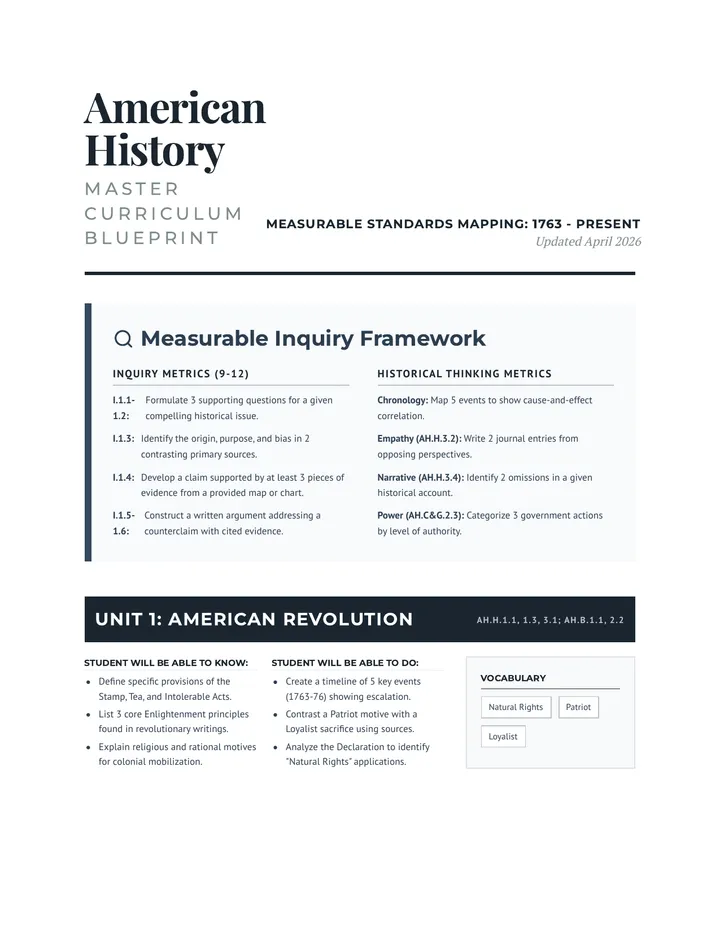
Curriculum Blueprint Document v2

History Horizon Sequence

A comprehensive high school curriculum plan for American History, covering 13 units from the American Revolution to the modern era, aligned with North Carolina Social Studies standards.

AK

Amity Kea

21
Depression and New Deal Mastery Test Document v2

Depression and New Deal Era

A comprehensive unit covering the economic boom of the 1920s, the Great Depression, and the New Deal. Includes lessons on the Prosperity Paradox, the Stock Market Collapse, the Dust Bowl, and government responses.

A

Andrew

18
Foundations Comprehension Quiz

The American Ledger USH Remediation

A 25-day intensive remediation program for 11th Grade US History students, focusing on the Cold War, Civil Rights, Vietnam, the Reagan Era, and contemporary history. Each day features a 'Ledger' reader with embedded annotations and a review worksheet, aligned with Texas TEKS standards.

CE

Chelsea Elliott

62

Lessons

History Sprint Pacing Guide

STAAR History Sprint

A comprehensive pacing guide and activity resource designed to cover the remaining 11th Grade US History TEKS before the STAAR test on April 16th. This lesson provides a day-by-day calendar for A/B block schedules and high-engagement activities for each remaining historical era.

BB

Bridgette Burdick

51
Modern Era Reader Part 1

The Modern Ledger

A comprehensive exploration of the 1990s through the modern day, covering technological shifts, political milestones, military conflicts, and cultural evolution in the United States.

CE

Chelsea Elliott

20
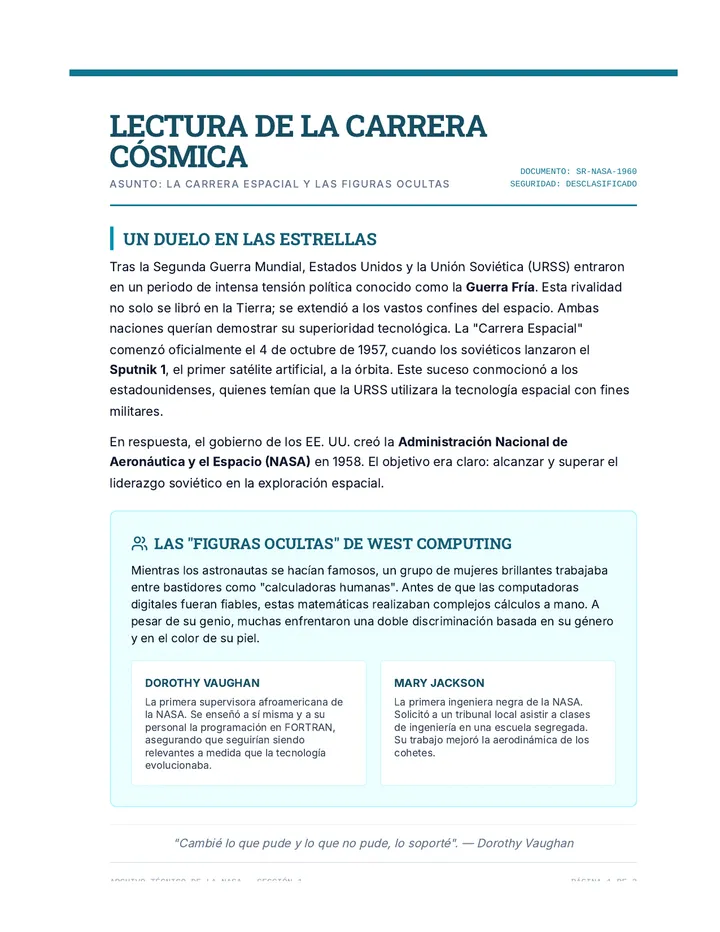
Cosmic Race Reading Text

Stellar Rivalry

A comprehensive exploration of the Space Race, highlighting the technological competition between the US and USSR, the essential contributions of African American women at NASA, and the international agreements that keep space a peaceful frontier.

RM

Robyn MacDonald

16
Forrest Gump Lesson Plan

Forrest Gump's America

A 90-minute history lesson using the film Forrest Gump to explore key 20th-century American events, from the Civil Rights Movement to the tech boom. Students analyze the intersection of personal narrative and national history.

AB

Alex Bryant

4
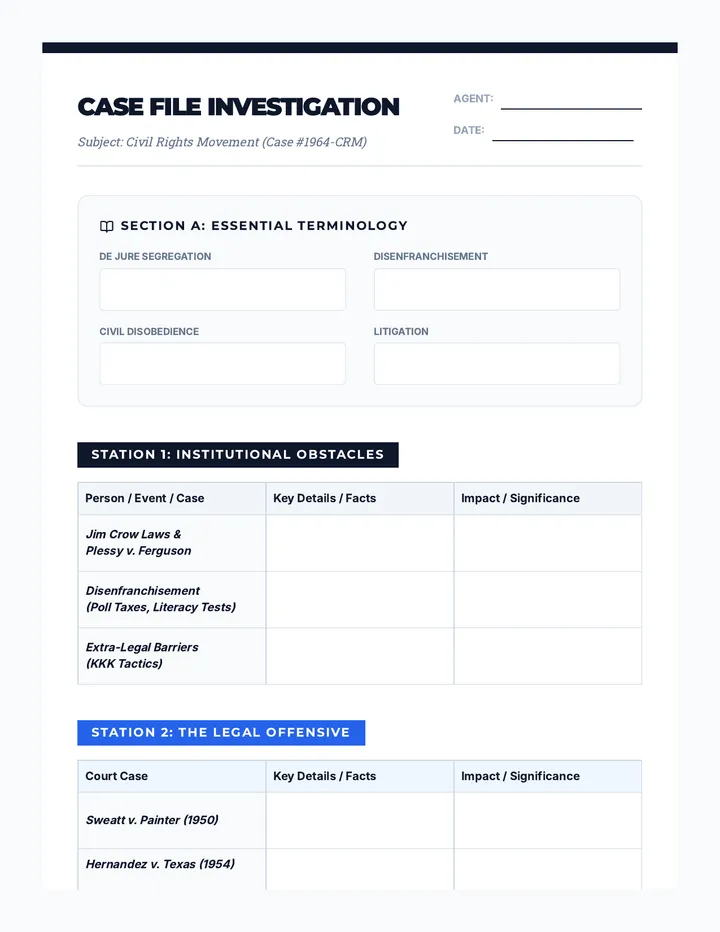
Justice Gallery Investigation Worksheet

Justice Gallery Case Files

A comprehensive lesson on the Civil Rights Movement featuring gallery stations and a guided investigation worksheet. Students analyze institutional obstacles, legal strategies, non-violent and militant tactics, and the expansion of the movement to other marginalized groups.

CE

Chelsea Elliott

25
Civil Rights Sentence Frames

STAAR History Sprint

A comprehensive pacing guide and activity resource designed to cover the remaining 11th Grade US History TEKS before the STAAR test on April 16th. This lesson provides a day-by-day calendar for A/B block schedules and high-engagement activities for each remaining historical era.

CE

Chelsea Elliott

11