Lenny.com
Explore
Create
ActivitiesNewMathEnglish Language ArtsScience & EngineeringSocial StudiesGlobal LanguagesHealth & Physical EducationSpecial EducationCounseling & Life SkillsArts & CreativityESL
Lenny.com
Lenny.com
Explore
Create
ActivitiesNewMathEnglish Language ArtsScience & EngineeringSocial StudiesGlobal LanguagesHealth & Physical EducationSpecial EducationCounseling & Life SkillsArts & CreativityESL
Lenny.com
Lenny.com

Solutions

Lenny for EducatorsLenny for SchoolsLenny for Districts

Product

ExploreSign inCreateSupportAbout

Resources

Getting startedMTSS Acceleration Program

Newsletters

School Funding Newsletter

© 2026 Lenny Learning Inc.

TermsPrivacyAccessibility
LinkedInInstagramX
Lenny

Unemployment and Labor

Unemployment rate calculation, labor force participation, and the distinction between frictional, structural, and cyclical unemployment. Addresses wage equilibrium, collective bargaining, and the impact of technological shifts on the workforce.

Social StudiesSocial Studies PracticesLocation WordsMapsOrder EventsChronology and CausationEvaluating SourcesHistorical ThinkingGeography, Humans, & the EnvironmentAmerican Symbols and LandmarksCitiesStatesState CapitalsRegions of the United StatesGeographic SkillsPhysical GeographyHuman GeographyRegional GeographyGeography of AfricaGeography of AsiaGeography of EuropeGeography of OceaniaGeography of the AmericasSociety and Environment of EuropeSociety and Environment of AsiaSociety and Environment of The AmericasSociety and Environment of the Middle EastSociety and Environment of AfricaHistoryPrehistoryComparing Ancient River CivilizationsAncient MesopotamiaAncient Egypt and KushAncient South AsiaEarly ChinaGreeceRome and the Byzantine EmpireAncient World HistoryNative Peoples of North AmericaNative Peoples of Mesoamerica and South AmericaAfrican EmpiresMedieval AsiaMedieval EuropeThe Silk RoadMedieval HistoryIslamic EmpiresWorld ReligionsRenaissance PeriodAge of ExplorationThe Thirteen ColoniesThe American RevolutionUS History Early RepublicFounding of the United StatesUS History AntebellumUS Civil WarReconstruction PeriodThe Gilded AgeUS ImperialismWorld ImperialismWorld War IUS History 1920sGreat DepressionWorld War IIThe Cold WarUS History 1950-60sUS History 1960s-70sWorld History 20th CenturyContemporary US HistoryContemporary World HistoryHolidaysCivics and GovernmentCitizenshipGovernment FoundationsThe ConstitutionUS ConstitutionExecutive BranchLegislative BranchJudicial BranchState and LocalPolitical ParticipationPublic PolicyPolitical SystemsPower and AuthoritySocial MovementsDefining DevianceTheories of DevianceCrime and Criminal JusticeEconomicsBasic Economic PrinciplesSupply and DemandWhat is MoneyEconomic FundamentalsMicroeconomicsMacroeconomicsBanking and FinanceEconomic SystemsGlobal EconomicsCorporations and PowerThe Changing WorkplaceUnemployment and LaborClass and InequalitySocial MobilityGlobal InequalityPsychologyHistory of PsychologyPsychology as a ScienceBrain and Nervous SystemNeuroscience and BehaviorGenetics and BehaviorSleep and ConsciousnessSensory ProcessesPerceptual OrganizationClassical ConditioningOperant ConditioningObservational LearningCognitive LearningMemory ProcessesThinking and Problem SolvingLanguage and CognitionTheories of MotivationStress and CopingPrenatal and Infant DevelopmentChildhood DevelopmentAdolescent DevelopmentAdulthood and AgingSelf and IdentitySocial CognitionSocial InfluenceAttraction and RelationshipsGroup BehaviorPrejudice and DiscriminationAnxiety and Mood DisordersClinical PsychologyForensic PsychologyPhilosophy & EthicsIntroduction to PhilosophyMajor Philosophers & IdeasMind and Body ProblemFree Will vs DeterminismEthics & MoralityReligion & PhilosophyPolitical Philosophy

Videos

Thinking Critically About Economic News and Policy

Thinking Critically About Economic News and Policy

This educational video adopts a game-show format titled "Adulting Adventures: Economics Edition" to teach students how to critically analyze economic news and policy. Hosted by a character named Bea with a contestant named Alex, the video guides viewers through three distinct rounds: "Navigating the News," "Economic Citizenship," and "Global Citizenship." Through these scenarios, students learn to look beyond headlines, evaluate public infrastructure proposals, and weigh the pros and cons of globalization in their local communities.

Miacademy & MiaPrep Learning ChannelMiacademy & MiaPrep Learning Channel

11mins 18s

Exploring the Six Branches of the U.S. Military

Exploring the Six Branches of the U.S. Military

This educational video provides a comprehensive overview of the United States Armed Forces, framing military service as a significant form of civic engagement. It breaks down the structure of the U.S. military into its six distinct branches—Army, Navy, Marine Corps, Air Force, Coast Guard, and Space Force—explaining the unique history, primary function, and operational domain of each. The narrator details how the military acts not just as a combat force, but as a vast organization offering hundreds of diverse career paths ranging from mechanics and food service to financial management and computer science. Key themes explored include the concept of the military as a volunteer force, the distinction between active duty and reserve components like the National Guard, and the immense scale of U.S. defense spending compared to other nations. The video utilizes graphs to visualize data, such as the comparative size of each branch and the U.S. defense budget versus the rest of the world. It also touches upon the historical origins of the branches, noting that the Army, Navy, and Marines actually predate the official formation of the United States. For educators, this video serves as an excellent resource for Civics, Government, and U.S. History classrooms. It moves beyond simple definitions to discuss the military's role in global trade, democracy promotion, and national defense. It helps students distinguish between the branches—a common point of confusion—and introduces the concept of citizen-soldiers through the Reserves and National Guard. The content is well-suited for discussions about national priorities, the federal budget, civic duty, and career and technical education (CTE) pathways.
Miacademy & MiaPrep Learning ChannelMiacademy & MiaPrep Learning Channel

8mins 4s

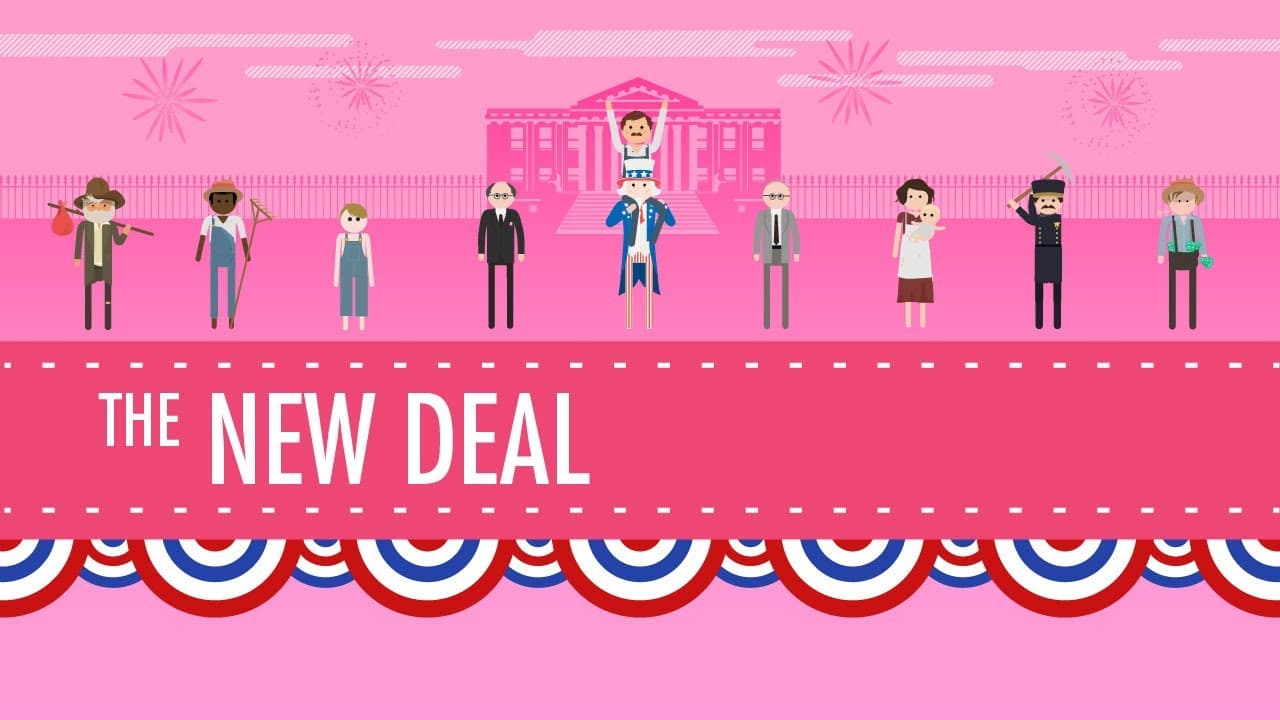
How the New Deal Transformed the Role of Government

How the New Deal Transformed the Role of Government

In this installment of Crash Course US History, John Green explores the complex legacy of Franklin D. Roosevelt's New Deal. The video breaks down the massive set of government programs initiated during the Great Depression into two conceptual frameworks: the "Three Rs" (Relief, Recovery, and Reform) and the chronological division between the First and Second New Deals. It examines how these programs fundamentally shifted the relationship between the American citizenry and the federal government, moving from a laissez-faire approach to one where economic security became a guaranteed liberty.

CrashCourseCrashCourse

14mins 57s

How Reaganomics Changed the US Economy in the 1980s

How Reaganomics Changed the US Economy in the 1980s

This video provides a balanced and accessible examination of the economic policies of the 1980s under President Ronald Reagan, often referred to as "Reaganomics" or "Trickle-Down Economics." It explores the transition from the economic stagnation of the 1970s to the consumer boom of the 80s, breaking down complex concepts like deregulation, tax cuts, and international trade. Through fictional case studies of businesses and workers, the narrative illustrates how these policies aimed to stimulate growth by reducing burdens on corporations and wealthy individuals, with the theory that prosperity would "trickle down" to the average American.

Miacademy & MiaPrep Learning ChannelMiacademy & MiaPrep Learning Channel

12mins 55s

How the Federal Reserve Steers the Economy

How the Federal Reserve Steers the Economy

This informative video uses an extended analogy of a car to explain the complex functions of the Federal Reserve and its role in the United States economy. It demystifies how the "Fed" acts as the central bank, regulating the money supply and clearing financial transactions to keep the economic "engine" running smoothly. The narration breaks down how the Federal Reserve monitors economic health through key indicators like inflation, GDP, and unemployment data. The core of the video focuses on Monetary Policy, detailing the three specific tools the Federal Reserve uses to steer the economy: reserve requirements, the discount rate, and open market operations. Through clear visual flowcharts, the video demonstrates the cause-and-effect relationship between these tools and the broader economy, explaining how the Fed decides whether to "hit the gas" (stimulate growth) or "pump the brakes" (slow down inflation). Ideally suited for high school economics and civics curricula, this video transforms abstract financial concepts into concrete, relatable examples. Teachers can use it to scaffold lessons on government intervention, financial literacy, and macroeconomics. It provides a solid foundation for understanding how central banking decisions impact everyday life, from interest rates on car loans to the price of goods at the store.

Miacademy & MiaPrep Learning ChannelMiacademy & MiaPrep Learning Channel

12mins 29s

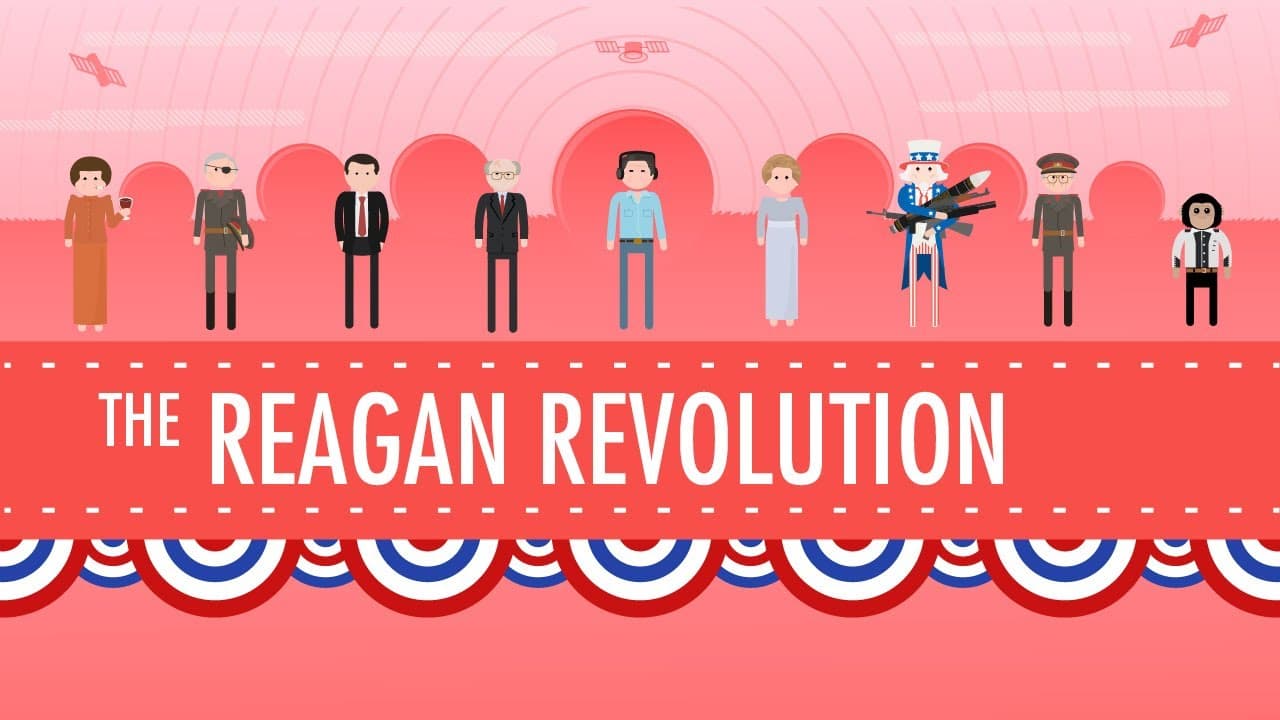
The Reagan Revolution: Politics, Economics, and the Cold War

The Reagan Revolution: Politics, Economics, and the Cold War

This episode of Crash Course US History explores the presidency of Ronald Reagan and the significant political shift known as the 'Reagan Revolution.' Host John Green analyzes how Reagan built a winning coalition of economic conservatives, the religious right, and Cold War hawks to win the 1980 election against Jimmy Carter. The video delves into the core tenets of Reagan's domestic policy, specifically 'supply-side' or 'trickle-down' economics, examining the theory behind tax cuts and deregulation versus the economic realities of the 1980s, including rising national debt and wealth inequality. The narrative also covers Reagan's foreign policy, tracing the evolution from aggressive anti-Soviet rhetoric and massive military spending (including the controversial 'Star Wars' program) to diplomatic breakthroughs with Mikhail Gorbachev that helped de-escalate the Cold War. The video provides a balanced look at the era, highlighting both the economic boom for Wall Street and the struggles of lower-income Americans, including the rise in homelessness. Finally, the video unpacks the complexities of the Iran-Contra scandal, using it to discuss executive power and accountability. This resource is excellent for helping students navigate the complexities of modern American conservatism, the economic theories that still drive political debate today, and the end of the Cold War. It encourages critical thinking about 'Great Man' history versus the role of broader social forces.

CrashCourseCrashCourse

14mins 20s

Materials

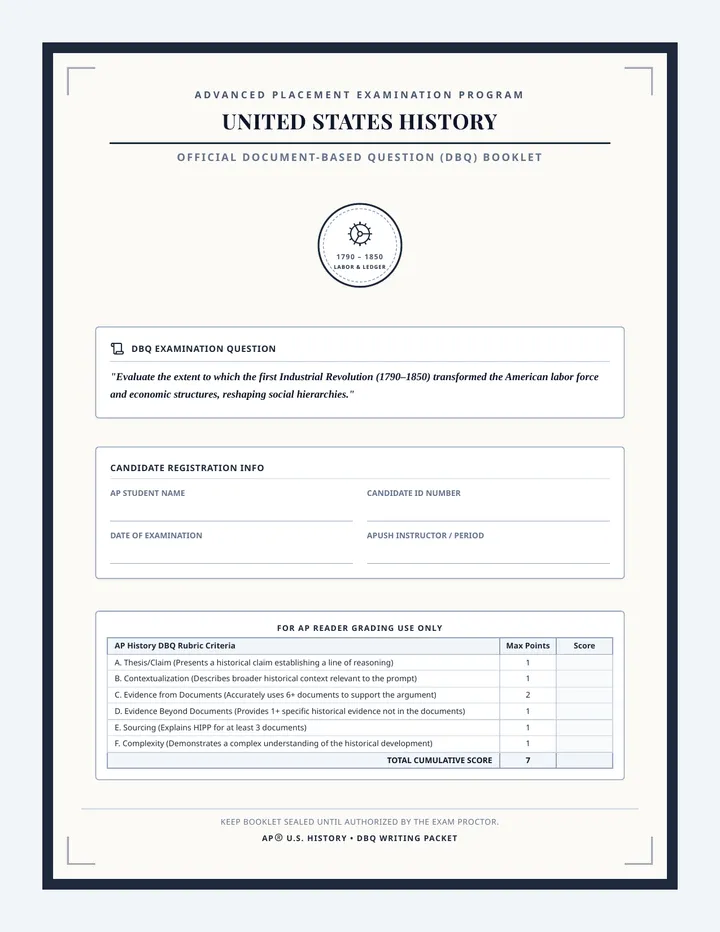
APUSH Blue Book DBQ Essay Booklet

APUSH Blue Book DBQ Essay Booklet

An authentic AP US History Blue Book styled essay booklet featuring a printer-friendly light-colored cover page and 5 pages of college-ruled writing paper for print or digital completion.

JG

Joshua Griffith

Era Evolution Study Guide

Era Evolution Study Guide

A landscape-format study guide covering key terms from the Gilded Age and Progressive Era. Each term includes a definition, a representative icon, and a dedicated space for student notes. Optimized for printing with 6 terms per page. Final version with improved contrast and consistent labeling.

JR

Juan Ronco

Gilded Age Ledger Vocabulary

Gilded Age Ledger Vocabulary

A polished 6-page vocabulary packet for the Gilded Age, featuring 24 terms with a vintage ledger aesthetic. Includes a formal header on page 1, consistent secondary headers on pages 2-6, and the fully-named 'Transcontinental Railroad' term. Each item contains a definition, a framed visual plate, and dedicated note-taking space.

JR

Juan Ronco

Sequences

Cotton Kingdom Slides

Divided Nation

A 4-part exploration of the deep-seated tensions and pivotal events that led the United States to the brink of the Civil War, focusing on economic shifts, legislative compromises, and political flashpoints.

IA

Isabella Adkins

9
Reconstruction Reckoning Worksheet

Modern America

A comprehensive journey through United States history from the aftermath of the Civil War to the contemporary era, exploring the social, political, and economic shifts that shaped the modern nation.

DP

Darren Polamalu

18
Mobilization Intro Slides

Global Conflict WWII

A comprehensive 2-day unit covering World War II for 11th Grade US History, aligned with TEKS. It focuses on the transition from isolationism to total war, the home front experience, major turning points in both the European and Pacific theaters, and the strategic decisions that ended the conflict.

BB

Bridgette Burdick

17
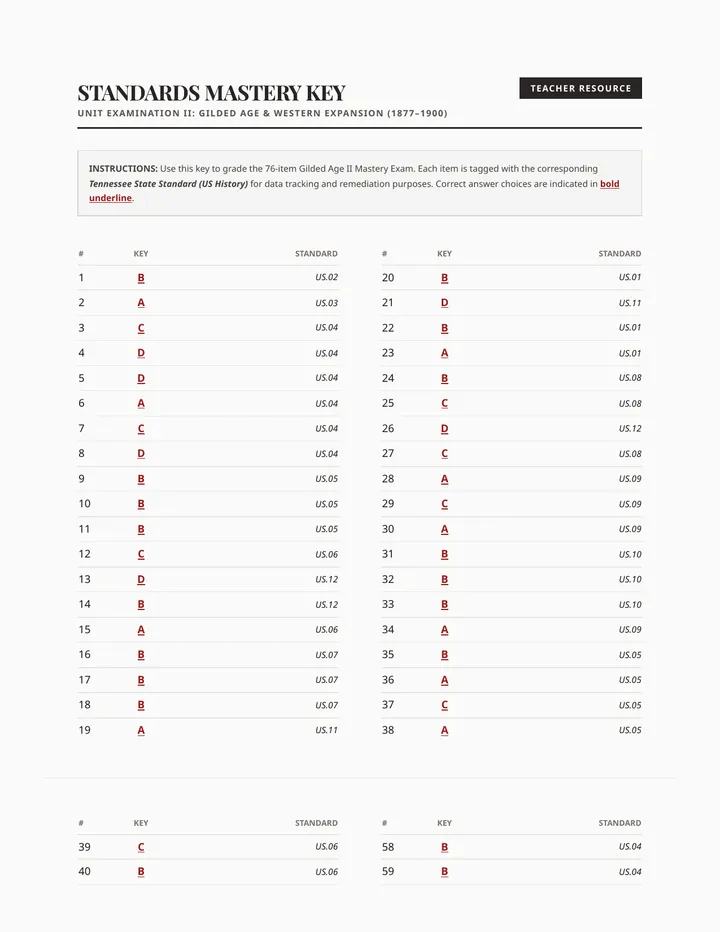
Gilded Age II Standards Key

Modern America Mastery

A comprehensive curriculum sequence covering late 19th and early 20th-century American history, focusing on economic transformation, Western expansion, global imperialism, and the impact of the Great War.

A

Andrew

29
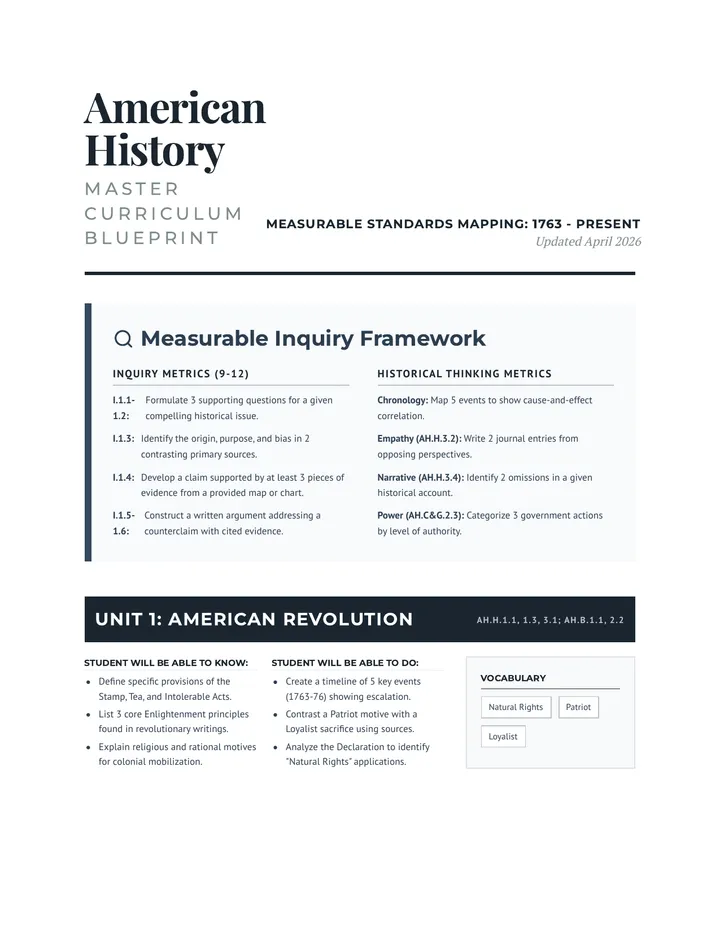
Curriculum Blueprint Document v2

History Horizon Sequence

A comprehensive high school curriculum plan for American History, covering 13 units from the American Revolution to the modern era, aligned with North Carolina Social Studies standards.

AK

Amity Kea

21
Depression and New Deal Mastery Test Document v2

Depression and New Deal Era

A comprehensive unit covering the economic boom of the 1920s, the Great Depression, and the New Deal. Includes lessons on the Prosperity Paradox, the Stock Market Collapse, the Dust Bowl, and government responses.

A

Andrew

18

Lessons

Modern Era Reader Part 1

The Modern Ledger

A comprehensive exploration of the 1990s through the modern day, covering technological shifts, political milestones, military conflicts, and cultural evolution in the United States.

CE

Chelsea Elliott

20
Asia Expedition Task Cards Resource

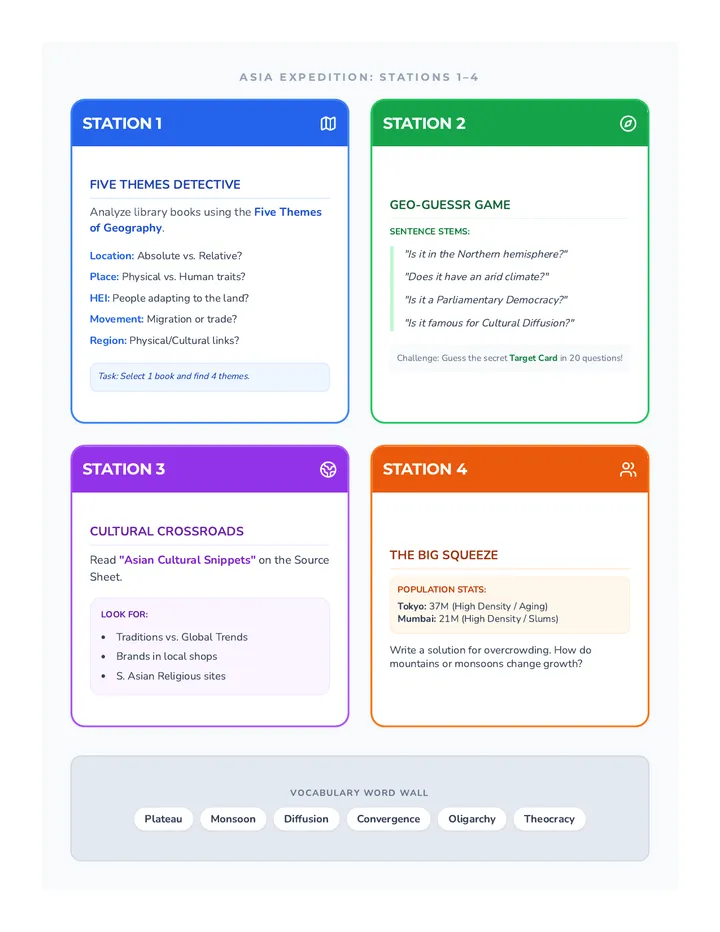
Asia Expedition Stations

A set of five interactive learning stations focused on the physical and cultural geography of Asia, including population challenges, globalization, and natural disasters. Students practice reading, writing, listening, and speaking skills while analyzing the five themes of geography.

JR

Jessica Ross

4
Latin American Ledger Reading

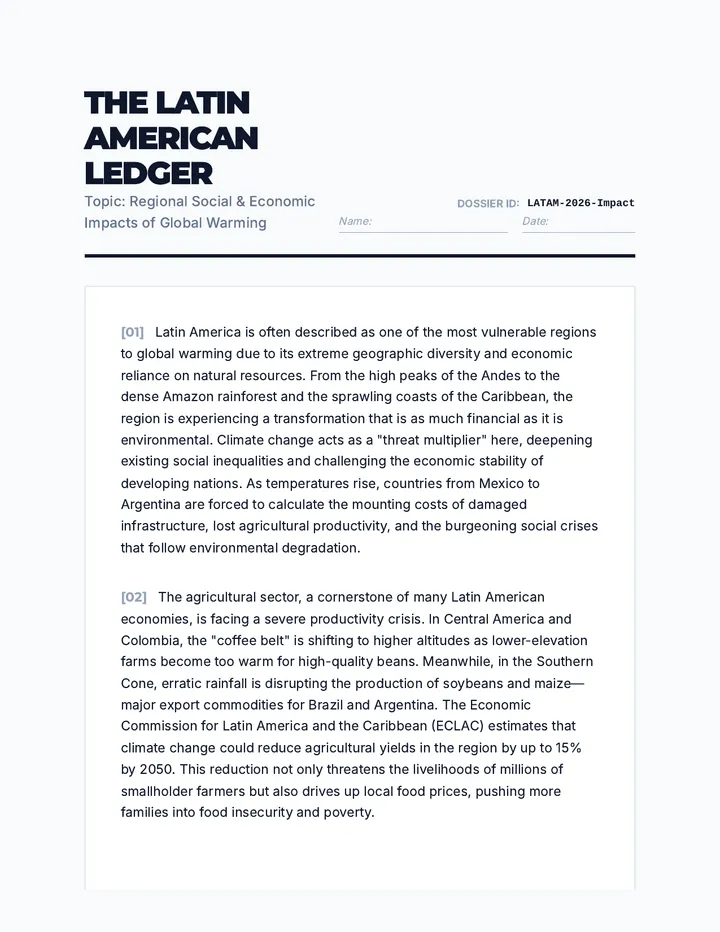
The Latin American Ledger Project

A regional investigation into the social and economic consequences of global warming in Latin America, focusing on human displacement, glacial melt in the Andes, and agricultural shifts. Students analyze a detailed text and construct a Claim-Evidence-Reasoning (CER) argument.

GJ

Gerardo Jimenez Ramirez

10
Mission Briefing Teacher Guide

Modern Era Missions

A 100-minute station-based lesson covering pivotal events from the 1970s to the modern era, including Stagflation, the Camp David Accords, Reaganomics, and the War on Terror. Students rotate through four 20-minute missions using primary sources, political cartoons, data mapping, and manipulatives to master STAAR-aligned content.

LF

Lindsey Foulks

9
Colonial Caper Slides

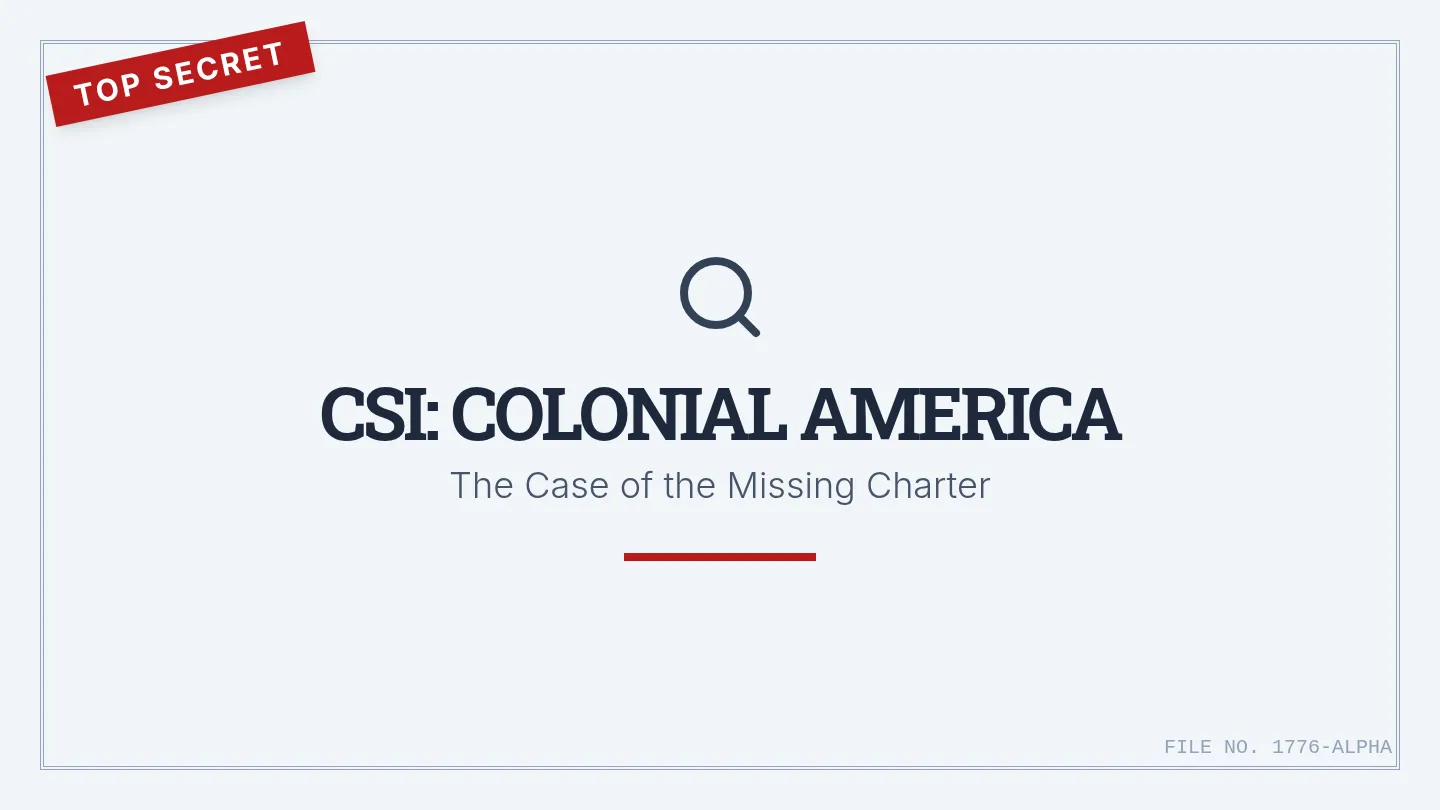
Colonial Case Files

An immersive investigative experience where students solve the 'Case of the Missing Charter' by exploring the regional differences, economy, and daily life of the 13 original colonies.

S

sheenad

5
Chronicle Study Guide Student

Modern Era Mastery

A comprehensive review and assessment package covering World History from the Enlightenment through the Cold War, aligned with state standards.

AH

Ashley Hopf

16