Lenny.com
Explore
Create
ActivitiesNewMathEnglish Language ArtsScience & EngineeringSocial StudiesGlobal LanguagesHealth & Physical EducationSpecial EducationCounseling & Life SkillsArts & CreativityESL
Lenny.com
Lenny.com
Explore
Create
ActivitiesNewMathEnglish Language ArtsScience & EngineeringSocial StudiesGlobal LanguagesHealth & Physical EducationSpecial EducationCounseling & Life SkillsArts & CreativityESL
Lenny.com
Lenny.com

Solutions

Lenny for EducatorsLenny for SchoolsLenny for Districts

Product

ExploreSign inCreateSupportAbout

Resources

Getting startedMTSS Acceleration Program

Newsletters

School Funding Newsletter

© 2026 Lenny Learning Inc.

TermsPrivacyAccessibility
LinkedInInstagramX
Lenny

Economic Fundamentals

Basic principles of scarcity, opportunity cost, and market dynamics. Introduces supply and demand, resource allocation, and the role of incentives in decision-making.

Social StudiesSocial Studies PracticesLocation WordsMapsOrder EventsChronology and CausationEvaluating SourcesHistorical ThinkingGeography, Humans, & the EnvironmentAmerican Symbols and LandmarksCitiesStatesState CapitalsRegions of the United StatesGeographic SkillsPhysical GeographyHuman GeographyRegional GeographyGeography of AfricaGeography of AsiaGeography of EuropeGeography of OceaniaGeography of the AmericasSociety and Environment of EuropeSociety and Environment of AsiaSociety and Environment of The AmericasSociety and Environment of the Middle EastSociety and Environment of AfricaHistoryPrehistoryComparing Ancient River CivilizationsAncient MesopotamiaAncient Egypt and KushAncient South AsiaEarly ChinaGreeceRome and the Byzantine EmpireAncient World HistoryNative Peoples of North AmericaNative Peoples of Mesoamerica and South AmericaAfrican EmpiresMedieval AsiaMedieval EuropeThe Silk RoadMedieval HistoryIslamic EmpiresWorld ReligionsRenaissance PeriodAge of ExplorationThe Thirteen ColoniesThe American RevolutionUS History Early RepublicFounding of the United StatesUS History AntebellumUS Civil WarReconstruction PeriodThe Gilded AgeUS ImperialismWorld ImperialismWorld War IUS History 1920sGreat DepressionWorld War IIThe Cold WarUS History 1950-60sUS History 1960s-70sWorld History 20th CenturyContemporary US HistoryContemporary World HistoryHolidaysCivics and GovernmentCitizenshipGovernment FoundationsThe ConstitutionUS ConstitutionExecutive BranchLegislative BranchJudicial BranchState and LocalPolitical ParticipationPublic PolicyPolitical SystemsPower and AuthoritySocial MovementsDefining DevianceTheories of DevianceCrime and Criminal JusticeEconomicsBasic Economic PrinciplesSupply and DemandWhat is MoneyEconomic FundamentalsMicroeconomicsMacroeconomicsBanking and FinanceEconomic SystemsGlobal EconomicsCorporations and PowerThe Changing WorkplaceUnemployment and LaborClass and InequalitySocial MobilityGlobal InequalityPsychologyHistory of PsychologyPsychology as a ScienceBrain and Nervous SystemNeuroscience and BehaviorGenetics and BehaviorSleep and ConsciousnessSensory ProcessesPerceptual OrganizationClassical ConditioningOperant ConditioningObservational LearningCognitive LearningMemory ProcessesThinking and Problem SolvingLanguage and CognitionTheories of MotivationStress and CopingPrenatal and Infant DevelopmentChildhood DevelopmentAdolescent DevelopmentAdulthood and AgingSelf and IdentitySocial CognitionSocial InfluenceAttraction and RelationshipsGroup BehaviorPrejudice and DiscriminationAnxiety and Mood DisordersClinical PsychologyForensic PsychologyPhilosophy & EthicsIntroduction to PhilosophyMajor Philosophers & IdeasMind and Body ProblemFree Will vs DeterminismEthics & MoralityReligion & PhilosophyPolitical Philosophy

Videos

From Earth to Cake: How We Use Natural Resources

From Earth to Cake: How We Use Natural Resources

This educational video from Crash Course Kids explores the fundamental relationship between human communities and natural resources. It begins by establishing that humans, like all animals, have basic survival needs—food, water, and shelter—which are met by resources provided by the Earth. The host explains how the availability of these resources dictates where communities form, illustrating why major cities are rarely found in deserts or on mountain peaks, but rather in locations rich with water and agricultural potential. The video introduces the concept of "transformation," explaining that raw materials from the Earth usually require processing to become useful products. Using the engaging example of baking a cake, the host breaks down the supply chain of everyday items. She traces ingredients like water, flour, and eggs back to their natural sources (reservoirs and farms) and explains how energy—derived from oil, gas, sun, wind, or water—is required to mix and bake these ingredients. This step-by-step investigation helps students visualize the invisible web connecting finished goods to raw natural resources. For educators, this video serves as an excellent bridge between geography, environmental science, and economics. It provides concrete definitions for key vocabulary like "resource," "community," "agriculture," and "cultivate." Teachers can use the "cake investigation" model to have students trace the origins of other common items, fostering a deeper appreciation for the environment and an understanding of supply chains, energy consumption, and human dependence on the natural world.
Crash Course KidsCrash Course Kids

3mins 15s

How Monopolies Form and Impact the Economy

How Monopolies Form and Impact the Economy

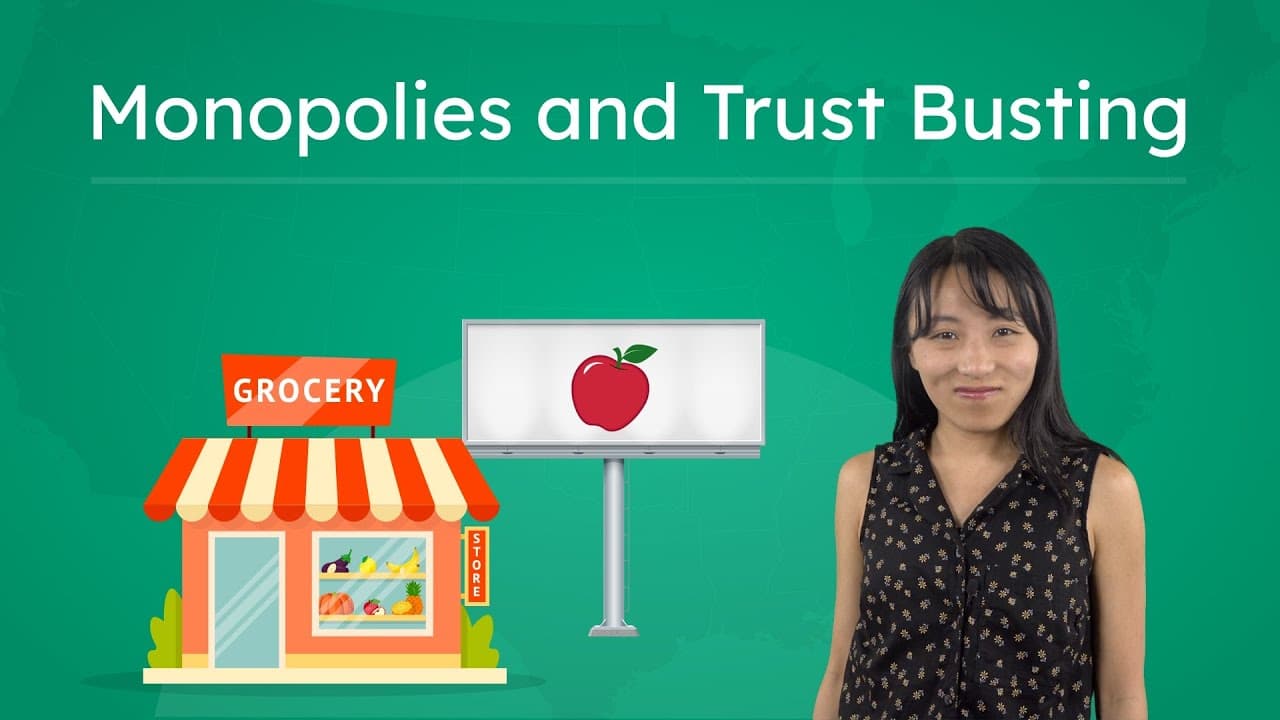
This educational video uses a relatable grocery store analogy to explain the economic concept of monopolies. It breaks down complex business structures into digestible examples, starting with the basic definition of a monopoly as a single seller with no competition. The video details the specific mechanisms of how monopolies form, specifically distinguishing between horizontal integration (buying competitors) and vertical integration (owning the supply chain), while also introducing the historical concept of "trusts." The content presents a balanced view of the economic impact of monopolies by exploring both the arguments for and against them. It outlines potential benefits such as price stability, economies of scale, and technological investment, while contrasting these with significant drawbacks like price gouging, supply manipulation, and poor product quality. The narrator uses the recurring example of apple prices to make these abstract economic theories concrete for students. For educators, this video serves as an excellent foundational resource for units on Economics or U.S. History (specifically the Industrial Revolution and Gilded Age). It simplifies high-level vocabulary and concepts, making it easy to bridge into deeper discussions about antitrust laws, historical figures like Rockefeller and Carnegie, or modern-day debates about big tech companies. The clear definitions and visual diagrams provide strong scaffolding for visual learners.

Miacademy & MiaPrep Learning ChannelMiacademy & MiaPrep Learning Channel

8mins 27s

The 17th Century Crisis and the Thirty Years' War

The 17th Century Crisis and the Thirty Years' War

This episode of Crash Course European History explores the tumultuous 17th century, often referred to as the "17th Century Crisis." Host John Green breaks down the converging catastrophes that defined the era: the climate shifts of the Little Ice Age, the economic turmoil of the Price Revolution, and the devastation of the Thirty Years' War. The video provides a comprehensive look at how environmental factors, economics, and religious conflict intersected to create one of the deadliest periods in European history. The content delves deep into the Thirty Years' War (1618–1648), detailing its origins in the Defenestration of Prague and tracking its four major phases: Bohemian, Danish, Swedish, and French. It highlights key historical figures like Ferdinand II, Gustavus Adolphus, and Albrecht von Wallenstein, while not shying away from the brutal reality of warfare, famine, and disease that decimated the Central European population. For educators, this video serves as a powerful tool to teach AP European History concepts, specifically the interaction between geography, politics, and religion. It illustrates how local religious disputes escalated into a continent-wide political conflict and challenges students to consider historical cause-and-effect relationships, particularly how climate and economy drive political instability.

CrashCourseCrashCourse

13mins 30s

Causes of the American Revolution: Taxes, Tea, and Common Sense

Causes of the American Revolution: Taxes, Tea, and Common Sense

In this engaging installment of Crash Course US History, John Green explores the complex origins of the American Revolution, carefully distinguishing between the political revolution and the military War for Independence. The video traces the timeline of escalating tensions between Great Britain and the colonies following the Seven Years' War, explaining how British debt led to a series of unpopular taxes—the Sugar Act, Stamp Act, and Townshend Acts—and how the colonists' response evolved from disorganized grumbling to coordinated boycotts and unified political action. Key themes include the concept of "taxation without representation," the economic motivations behind colonial protests, and the philosophical shift from seeking rights as Englishmen to demanding natural rights as human beings. Green highlights crucial events like the Boston Massacre, the Boston Tea Party, and the convening of the Continental Congress, while also spotlighting influential figures like Thomas Paine, whose pamphlet "Common Sense" played a pivotal role in shifting public opinion toward independence. For educators, this video serves as an excellent overview of the causal chain leading to 1776. It moves beyond simple dates and battles to examine the ideological and economic drivers of the conflict. The content is ideal for analyzing cause-and-effect relationships in history, understanding the power of propaganda and political writing, and discussing the difference between legislative disputes and revolutionary change. The fast-paced narration is supported by animations and primary source analysis, making it a high-yield resource for secondary social studies classrooms.

CrashCourseCrashCourse

12mins 19s

How Slavery Was Created: The Legal Evolution in the Colonies

How Slavery Was Created: The Legal Evolution in the Colonies

This educational video from Crash Course Black American History provides a nuanced examination of how the institution of slavery took root and evolved in the American colonies. It moves beyond simple dates to explore the economic motivations behind slavery, specifically the concept of mercantilism and the desire to minimize production costs. The video details the transition from using indentured servants to the systemic enslavement of Africans, highlighting the specific legal and social shifts that codified slavery into law based on race.

CrashCourseCrashCourse

10mins 55s

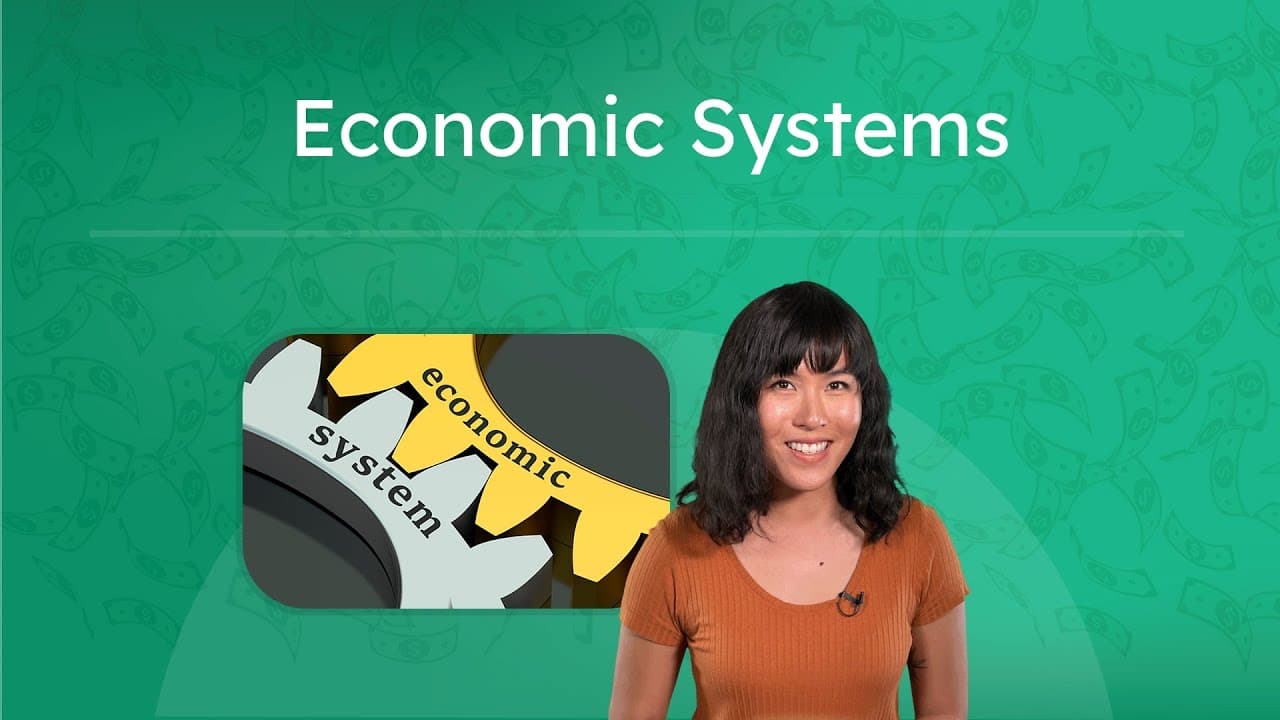
Introduction to Economic Systems: The Three Basic Questions

Introduction to Economic Systems: The Three Basic Questions

This video introduces students to the fundamental concept of economic systems, explaining how societies organize the production and distribution of goods. Through a conversation between a host and an animated robot named Mia, the video demystifies economics by breaking it down into three essential questions: what to produce, how to produce it, and for whom to produce it. It establishes that an economic system is essentially the "rulebook" a society follows to answer these questions and balance individual wants with community needs. Key themes include the categorization of economic systems into four main types (Traditional, Market, Command, and Mixed) and the distinction between formal economic terms and political buzzwords like capitalism, socialism, and communism. The video emphasizes that economics is not just an abstract academic subject but a practical reality that affects everyday life, including product availability, prices, and business competition. For educators, this resource serves as an engaging hook to start a unit on economics. It simplifies complex definitions and provides relatable analogies, such as running a lemonade stand, to help students understand how macroeconomic policies impact individual businesses. The video sets the stage for deeper exploration of specific systems by highlighting the role of stakeholders like producers, consumers, and the government in shaping economic rules.

Miacademy & MiaPrep Learning ChannelMiacademy & MiaPrep Learning Channel

6mins 18s

Materials

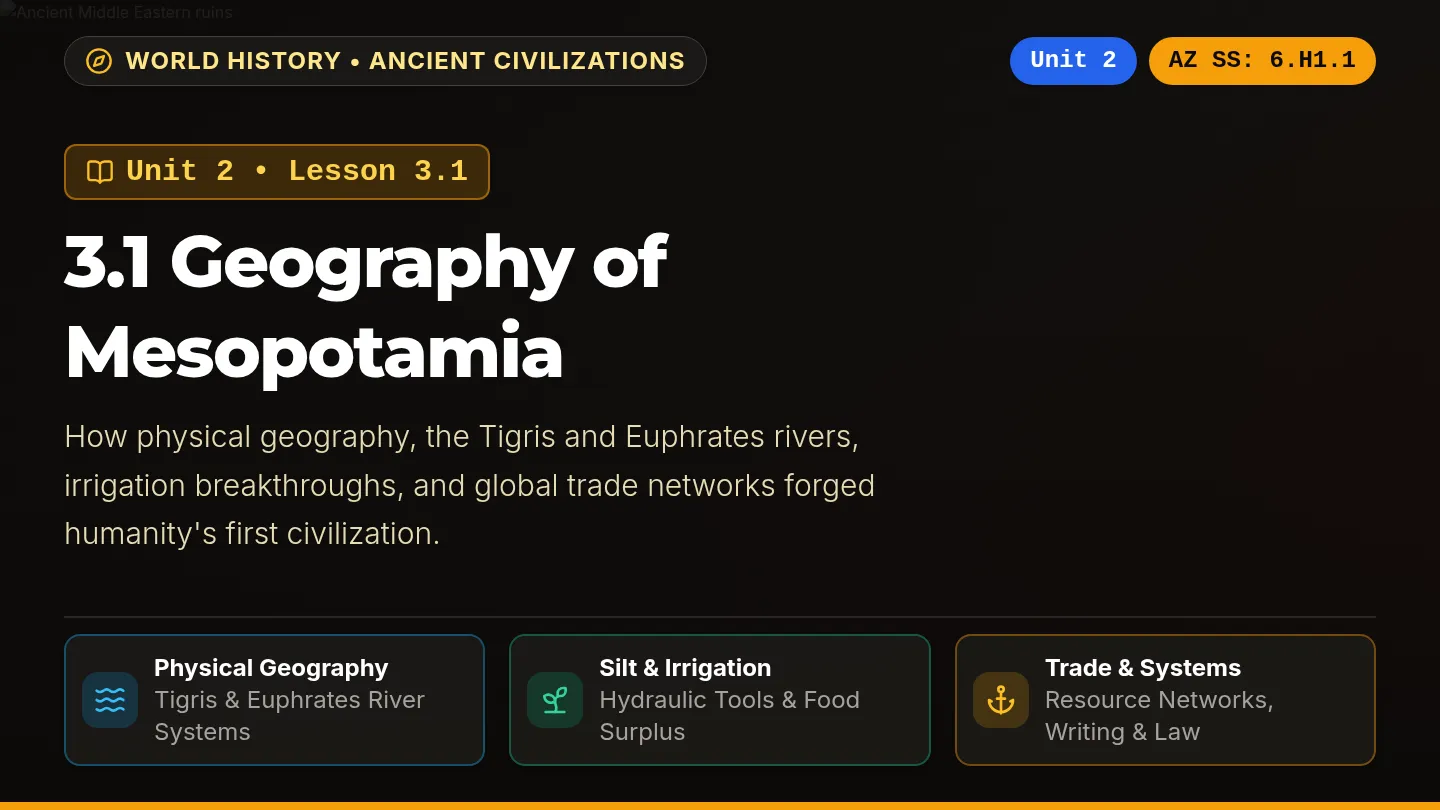
River Cradle Slides

River Cradle Slides

A dark-themed, visually vibrant classroom slide deck labeled Unit 2: Lesson 3.1 Geography of Mesopotamia, aligned with Arizona History and Social Science standards on every slide, featuring rich photography, high-contrast color-coded cards, and interactive review prompts.

SZ

Sandra Zoerhoff

Pocket Vocab Lab Activity Templates

Pocket Vocab Lab Activity Templates

A printable horizontal mini-composition notebook interactive vocabulary toolkit for Ohio 6th Grade Social Studies. Features wide horizontal inserts for dual-coding icon vaults, relational analogy engines, geographic semantic webs, and historical context decoders with cut lines and glue tabs.

MG

Mary Grose

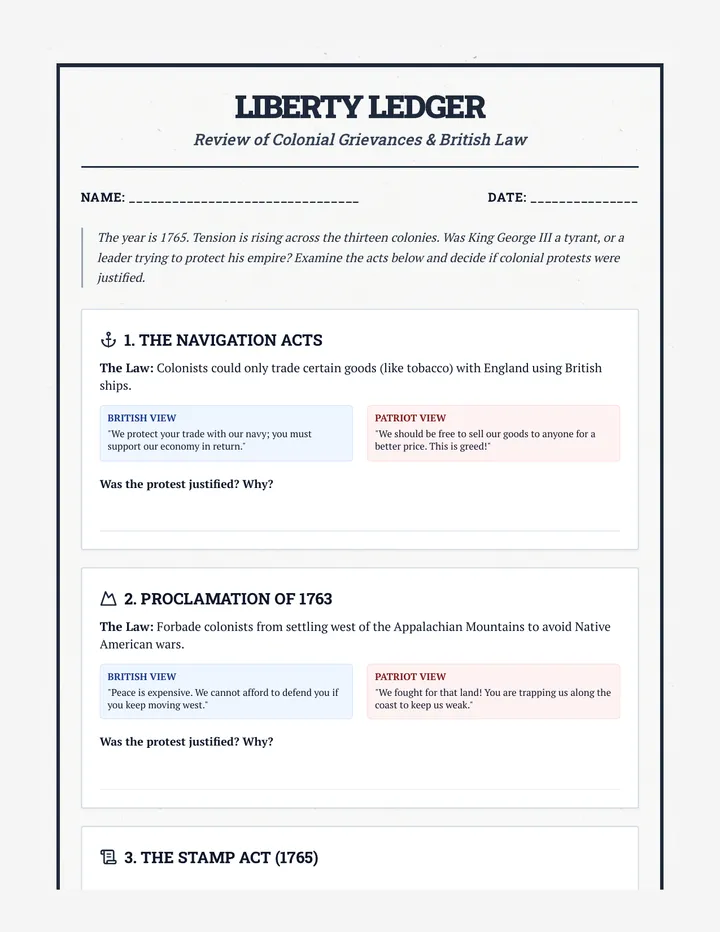
Liberty Ledger Assignment

Liberty Ledger Assignment

A two-sided homework assignment reviewing the Navigation Acts, Proclamation of 1763, and the Stamp Act. It prompts students to evaluate both British and Patriot perspectives to determine if colonial protests were justified. Margins have been significantly reduced for better print utilization on standard paper.

EK

Emily Kemnitz

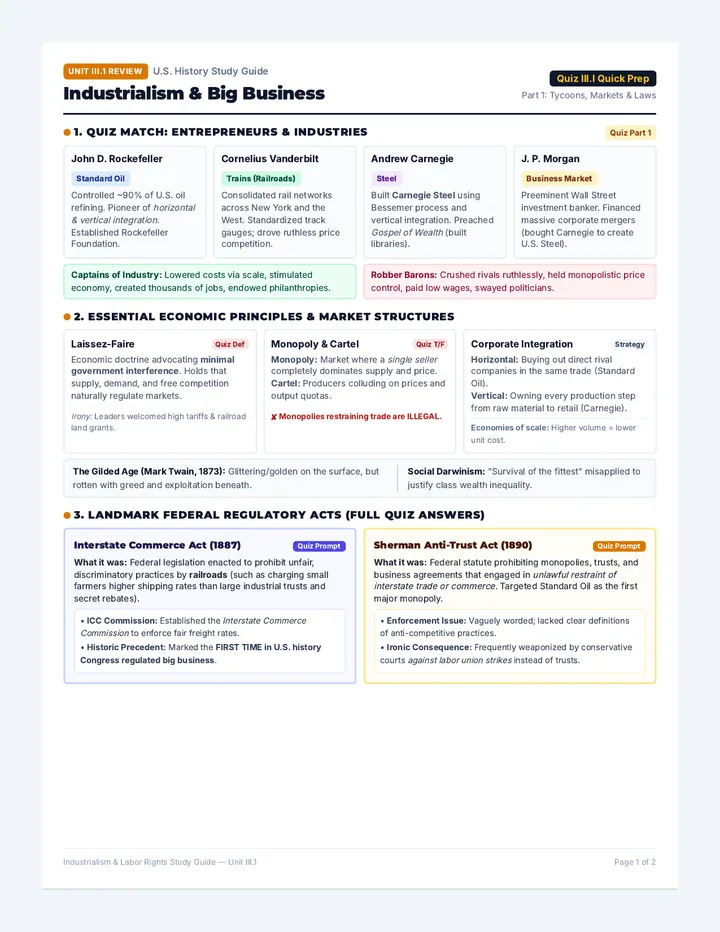
Industrial Titans Study Guide

Industrial Titans Study Guide

A streamlined, high-yield two-page study guide for Quiz III.I on Industrialism and Labor Rights. Features entrepreneur matching profiles, economic concepts, antitrust acts, union history, the Pullman Strike, and model quiz answers formatted to fit perfectly within printable page boundaries.

AI

Allison Ingraham

United States Unit Slides

United States Unit Slides

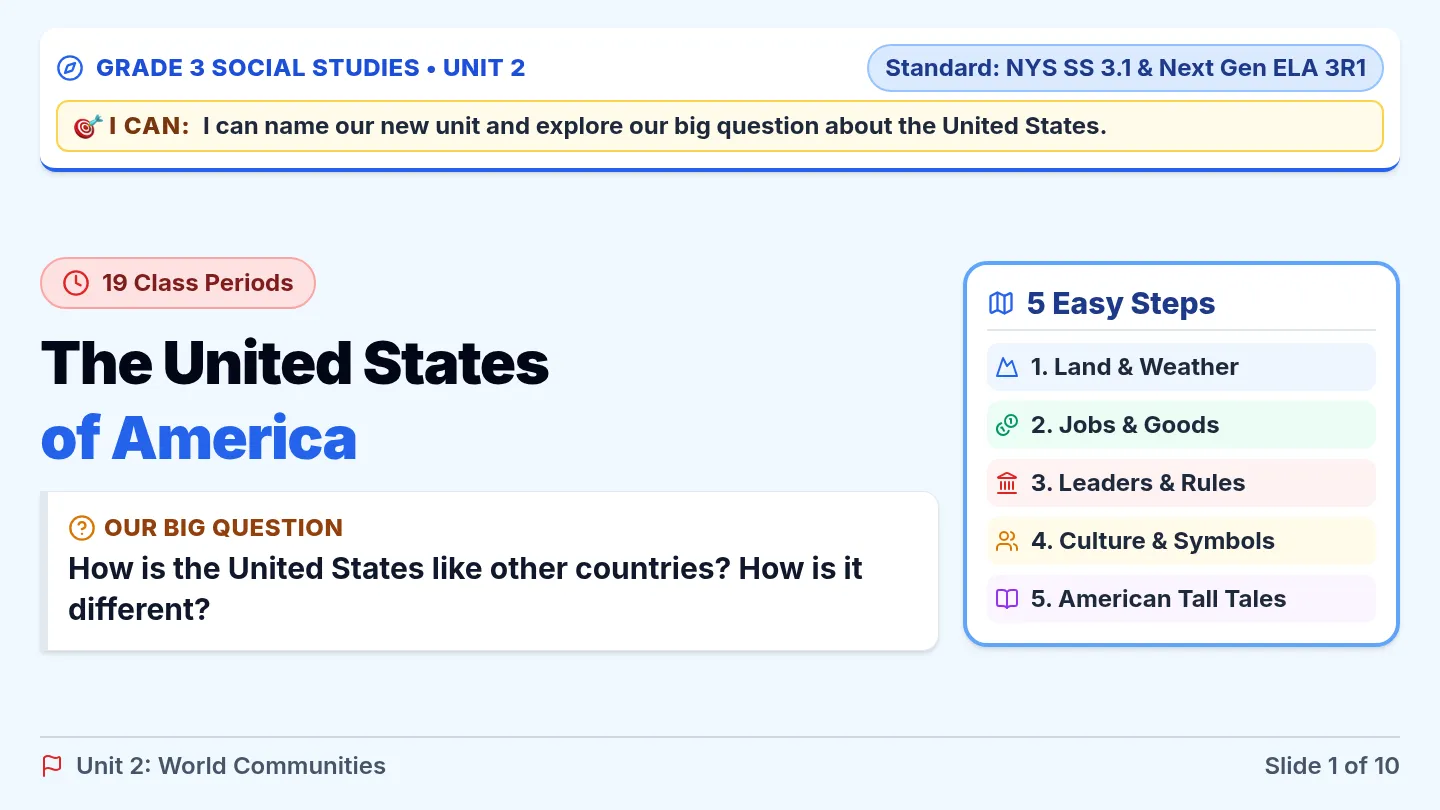
A bright, high-contrast 10-slide Social Studies presentation for Unit 2 designed specifically for students with disabilities (SWD). Features simplified chunked language, prominent "I can" objectives, clear grade standards, vivid icons, and high-legibility visual organizers.

ML

Mrs Lindor

Island Economy Rubric

Island Economy Rubric

A comprehensive 50-point assessment rubric for the Create Your Own Economy island simulation project, evaluating economic content accuracy, comparative analysis, critical thinking trade-offs, geographic map design, visual creativity, and written communication.

MQ

Melanie Quick

Sequences

Invention Boom Slides

Modern Era Odyssey

A 13-day journey through modern American history, from the Industrial Revolution to the present day, focusing on key historical figures and major conflicts as outlined in the 5th Grade TEKS. Each lesson is designed for a quick 30-minute block, integrating multimedia and primary source analysis.

CH

Courtney Holdren

49
Economics Essentials Facilitation Guide

Economics Essentials Packet

A 7-day remediation packet for 12th-grade economics focusing on fundamental concepts like scarcity, supply and demand, economic systems, and international trade, scaffolded for accessibility.

CE

Chelsea Elliott

29
Cotton Kingdom Slides

Divided Nation

A 4-part exploration of the deep-seated tensions and pivotal events that led the United States to the brink of the Civil War, focusing on economic shifts, legislative compromises, and political flashpoints.

IA

Isabella Adkins

9
Unity Roadmap Teacher Guide

Unity and Growth

A modified Modern US History curriculum (Founding to Present) for Tier 2 and 3 special education students, based on Grade 11 Social Studies standards. Focuses on government, industrialization, world wars, and civil rights.

D

dfleisch

26
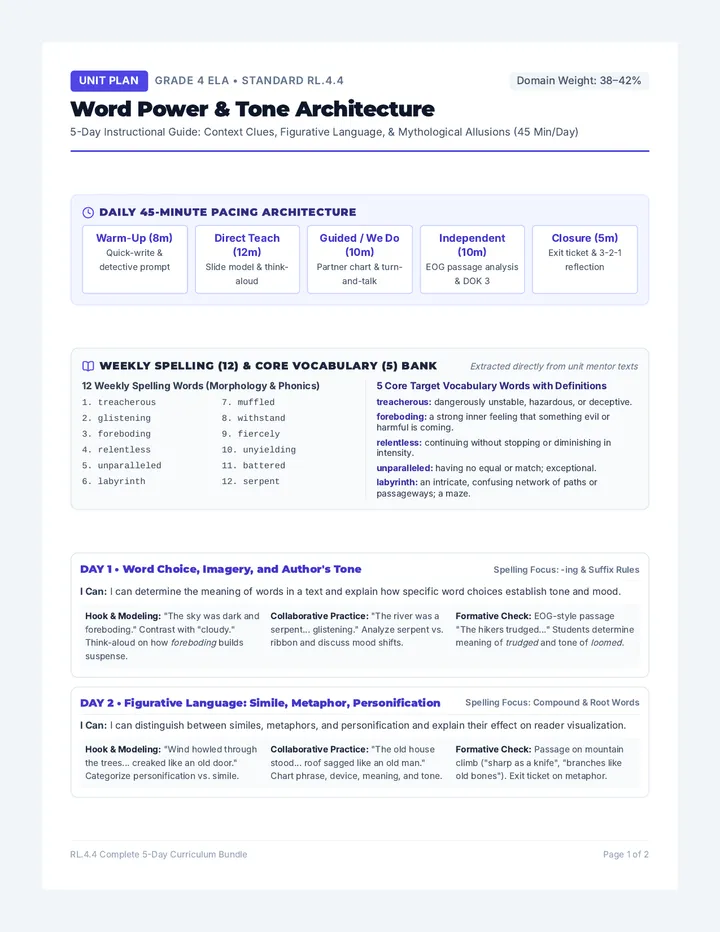
Word Power Lesson Plan

Fourth Grade Core Units

Fourth-grade standards-aligned instructional sequence featuring integrated English Language Arts literary analysis and North Carolina regional geography and historical development.

DG

Debra Golden

11
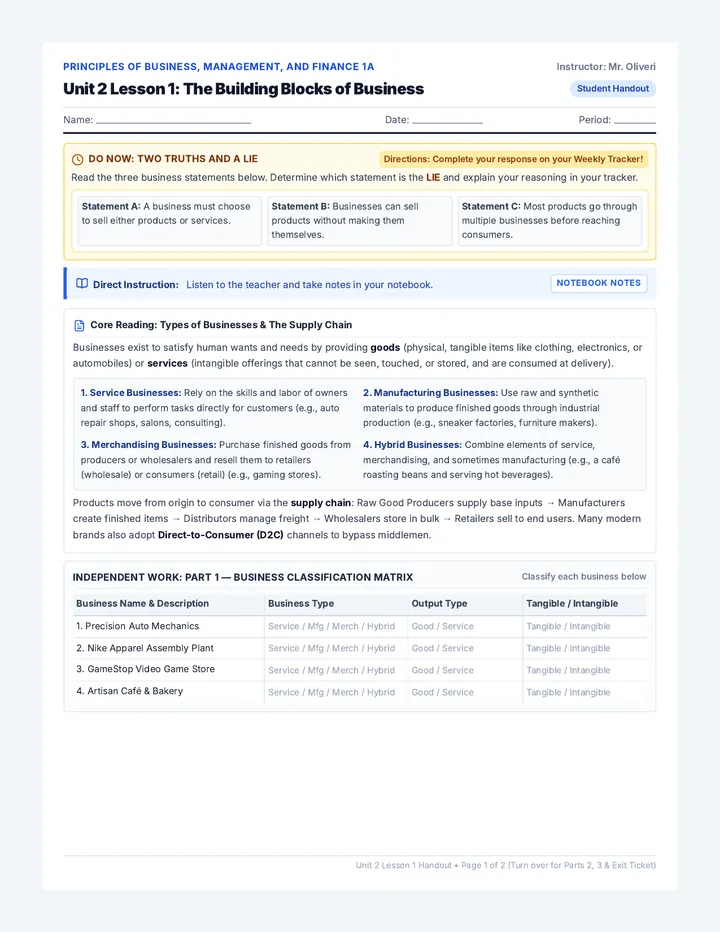
Building Blocks Worksheet

Business World

A comprehensive four-lesson unit exploring the fundamentals of commerce, business structures, factors of production, and socially responsible entrepreneurship.

TO

Thomas Oliveri

8