Lenny.com
Explore
Create
ActivitiesNewMathEnglish Language ArtsScience & EngineeringSocial StudiesGlobal LanguagesHealth & Physical EducationSpecial EducationCounseling & Life SkillsArts & CreativityESL
Lenny.com
Lenny.com
Explore
Create
ActivitiesNewMathEnglish Language ArtsScience & EngineeringSocial StudiesGlobal LanguagesHealth & Physical EducationSpecial EducationCounseling & Life SkillsArts & CreativityESL
Lenny.com
Lenny.com

Solutions

Lenny for EducatorsLenny for SchoolsLenny for Districts

Product

ExploreSign inCreateSupportAbout

Resources

Getting startedMTSS Acceleration Program

Newsletters

School Funding Newsletter

© 2026 Lenny Learning Inc.

TermsPrivacyAccessibility
LinkedInInstagramX
Lenny

Cell Structure

Structural components of prokaryotic and eukaryotic cells including organelles and the plasma membrane. Examines how specialized functions within the nucleus, mitochondria, and ribosomes support essential life processes.

Science & EngineeringLife ScienceLiving ThingsAnimalsPlantsBody SystemsTraitsAdaptationsCellsEcosystemsHeredityGenes to TraitsCell DivisionPhysicsComparing MaterialsShapes and PropertiesMagnetsMagnetismLightSoundLight and SoundMatterStates of MatterChanges of StateMixturesPhysical and Chemical ChangeHeating and CoolingHeat and Thermal EnergyEnergyForce and MotionElectrical CircuitsAtoms and MoleculesPeriodic TableMotion in One DimensionMotion in Two DimensionsScalars and VectorsForces and Laws of MotionCircular Motion and GravityMomentum and ImpulseWork, Energy, and PowerWavesElectromagnetic WavesGeometric OpticsElectricity and MagnetismSimple Harmonic MotionThermodynamicsNuclear PhysicsEarth Science & AstronomyWeatherWater CycleRocks and MineralsFossilsEarth's FeaturesEarth's ResourcesEarth's StructureWeather and ClimateEarth EventsFossils and Geologic TimePlate TectonicsHuman ImpactsAstronomyChemistryUnits and MeasurementAtomic StructurePeriodic TrendsChemical BondingNomenclatureMolecular StructureIntermolecular ForcesThe MoleStoichiometryProperties of GasesSolutionsChemical ReactionsBalancing EquationsEnergy ChangesRates of ReactionsEquilibriumAcids and BasesQuantum ModelBiologyClassificationCell StructureThe Chemistry of LifeBiomoleculesCellular TransportCell EnergyCell Growth and DivisionDNAProtein SynthesisMeiosis and Sexual ReproductionPatterns of InheritanceMulticellular OrganismsEvolutionEcologyBiodiversityComputer ScienceAlgorithms and Computational ThinkingProgramming LanguagesComputing SystemsNetworks and InternetData AnalysisCybersecurityAI and Machine LearningSoftware Design and DevelopmentBlockchainEngineering & AIDesigning ExperimentsEngineering PracticesDesign ThinkingEngineering Design ProcessMechanical EngineeringElectrical EngineeringMaterials and StructuresCAD and 3D DesignRoboticsArtificial Intelligence BasicsVibe CodingMachine LearningAI Ethics and SocietySystems ThinkingEntrepreneurship & InnovationEntrepreneurial MindsetBusiness Idea DevelopmentBusiness Plan BasicsMarketing & Customer DiscoveryFinancial Management for Startups

Videos

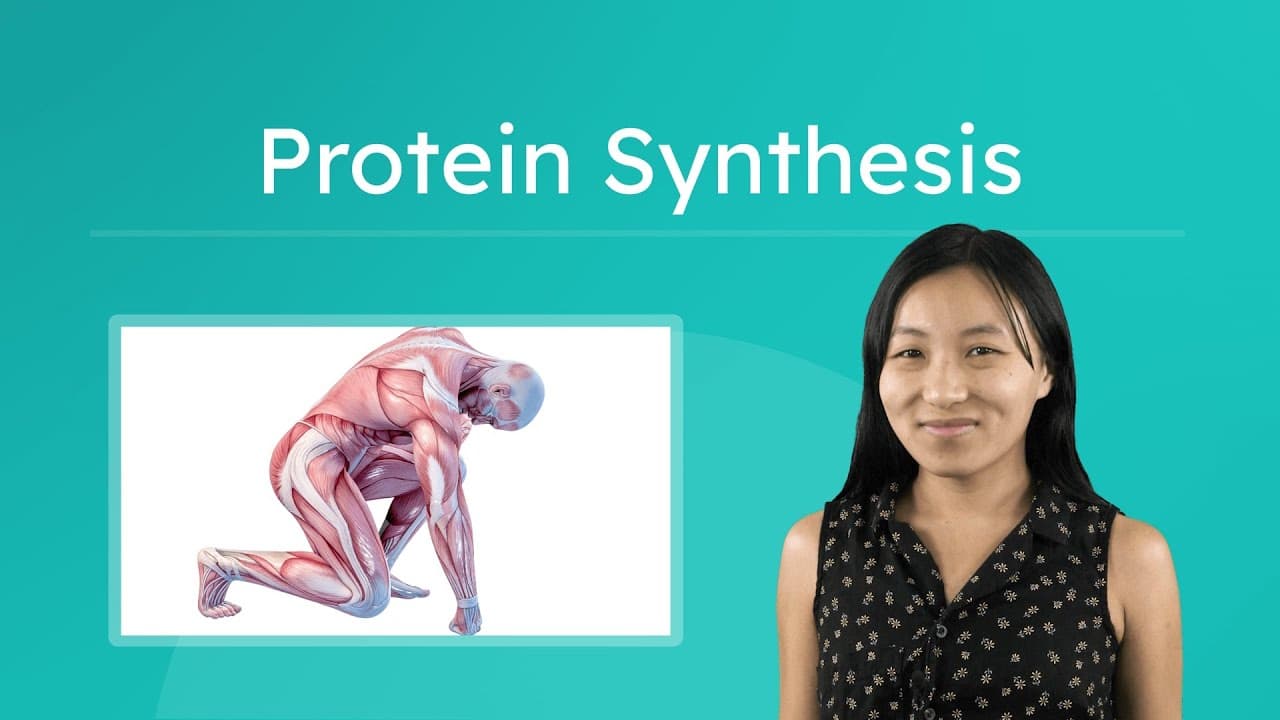
How Cells Build Proteins: The Process of Protein Synthesis

How Cells Build Proteins: The Process of Protein Synthesis

This educational video uses a relatable baking analogy to explain the complex biological process of protein synthesis. The presenter simplifies how cells utilize DNA instructions to build proteins, breaking the mechanism down into two understandable stages: transcription and translation. The video clearly illustrates the roles of DNA, mRNA, ribosomes, and amino acids in creating the structures that make up living organisms. Key themes explored include the function of proteins in the human body (beyond just muscles), the structure of amino acids, the difference between DNA and RNA, and the specific cellular machinery involved in synthesizing proteins. The video also touches upon cellular transport, metabolism, and the concept of denaturation, explaining why this continuous cycle is vital for homeostasis. This resource is highly valuable for biology teachers introducing genetics or cellular processes. By comparing the nucleus to a secure vault and mRNA to a copied recipe, it transforms abstract molecular concepts into concrete, memorable visualizations. It serves as an excellent foundational lesson for middle and high school students before diving into more advanced topics like genetics and heredity.

Miacademy & MiaPrep Learning ChannelMiacademy & MiaPrep Learning Channel

10mins 21s

Exploring the World of Bacteria: Structure, Survival, and Impact

Exploring the World of Bacteria: Structure, Survival, and Impact

This comprehensive biology lesson introduces students to the microscopic world of bacteria, exploring their structure, classification, and diverse roles in our ecosystem. The video breaks down complex biological concepts into digestible segments, covering how bacteria are classified by shape (cocci, bacilli, spirillum) and cell wall composition (Gram-positive vs. Gram-negative). It also delves into bacterial physiology, explaining how they move, reproduce via binary fission, and introduce genetic variation through mutation and conjugation. The content highlights the dual nature of bacteria as both essential allies and dangerous adversaries. It illustrates their vital ecological roles as decomposers and nitrogen fixers, as well as their presence in the human gut to aid digestion. Conversely, it addresses pathogenic bacteria that cause diseases like tetanus, tuberculosis, and strep throat, explaining how toxins and infections affect the body. For educators, this video serves as an excellent core resource for units on microbiology, cell biology, or ecology. It provides clear visual models of cell structures, real-world examples of bacterial species, and addresses the critical concept of antibiotic resistance through the lens of cell wall structure. The recurring "Friend or Foe" theme offers a perfect framework for classroom debates and critical thinking exercises regarding the impact of microorganisms on human life.
Miacademy & MiaPrep Learning ChannelMiacademy & MiaPrep Learning Channel

14mins 2s

Introduction to Molecular Genetics: How DNA Builds Life

Introduction to Molecular Genetics: How DNA Builds Life

This educational video serves as a comprehensive introduction to a unit on molecular genetics, bridging the gap between basic cell biology and the complex molecular processes that drive life. The host, 'B', reviews foundational concepts like DNA and chromosomes before diving into the specific mechanisms of protein synthesis, explaining how DNA acts as the instruction manual for building proteins. The video clearly distinguishes between eukaryotic and prokaryotic cells in terms of DNA storage and introduces the central dogma of biology: DNA to RNA to Protein. Key themes include the structure of the DNA double helix, the relationship between DNA and chromosomes, the difference between transcription and translation, and the process of meiosis in inheritance. The video also touches upon genetic mutations—using a humorous visual of a giant frog—and real-world applications of genetics such as crime scene investigation and medical advancements. For educators, this video is an excellent hook or introductory resource for a middle or high school biology unit. It simplifies complex abstract concepts through clear animations and analogies (like the twisted ladder). It provides multiple natural pause points for checking prior knowledge about cells and setting the stage for hands-on activities regarding DNA modeling, protein synthesis simulations, or discussions about genetic engineering and forensics.

Miacademy & MiaPrep Learning ChannelMiacademy & MiaPrep Learning Channel

5mins 30s

The Seven Scientific Criteria That Define Life

The Seven Scientific Criteria That Define Life

This educational video provides a comprehensive introduction to the fundamental biological question: "What defines a living thing?" Hosted by Caroline, the lesson moves beyond simple intuition to establish a rigorous scientific framework for distinguishing living organisms from non-living matter. The video breaks down the seven essential criteria used by biologists—organization, response to stimuli, reproduction, adaptation, growth, homeostasis, and energy processing—explaining that an entity must meet *all* seven requirements to be scientifically classified as alive. The content systematically explores each criterion with clear definitions and relatable examples ranging from single-celled bacteria to complex multicellular humans. It utilizes diverse visuals, including microscopic views of cells, time-lapse footage of plant growth, and diagrams of DNA, to make abstract concepts concrete. A significant portion of the video is dedicated to a guided case study on coral, challenging viewers to apply what they've learned to determine if a stationary, rock-like structure is actually a living organism. For educators, this video serves as an excellent foundational resource for a Biology or Life Science unit. It actively models critical thinking by debunking common misconceptions (like the idea that movement is a requirement for life) and includes built-in pause points for student reflection. The concluding open-ended question about viruses provides a perfect springboard for advanced classroom debate and research, making this video versatile for introducing core biological concepts and the scientific method.

Miacademy & MiaPrep Learning ChannelMiacademy & MiaPrep Learning Channel

9mins 13s

The History of Cell Theory: Discovering the Microscopic World

The History of Cell Theory: Discovering the Microscopic World

This engaging educational video traces the fascinating history of cell theory, guiding students from the invention of the earliest microscopes to the modern scientific understanding of life's building blocks. Hosted by an energetic presenter, the narrative introduces key historical figures like Robert Hooke, Antonie van Leeuwenhoek, Matthias Schleiden, Theodore Schwann, and Rudolph Virchow. It explains how their cumulative discoveries—often made centuries apart—transformed our understanding of the biological world from "animalcules" in pond water to complex multicellular organisms. The video explores central themes in the history of science, including the crucial role of technology (microscopes) in enabling new discoveries and the collaborative (and sometimes competitive) nature of scientific progress. It breaks down the three pillars of Classical Cell Theory: that all living things are made of cells, cells are the basic unit of life, and all cells come from pre-existing cells. Additionally, it touches upon Modern Cell Theory, introducing concepts like DNA transfer and energy flow within cells. For educators, this resource serves as an excellent introduction to a Biology or Life Science unit on cells. It humanizes the scientific process by sharing stories of specific scientists—including the controversy between Virchow and Remak—making abstract dates and names memorable. The video provides clear definitions, visual examples of unicellular and multicellular organisms, and natural pause points for class discussion, making it a versatile tool for introducing foundational biological concepts.

Miacademy & MiaPrep Learning ChannelMiacademy & MiaPrep Learning Channel

12mins 4s

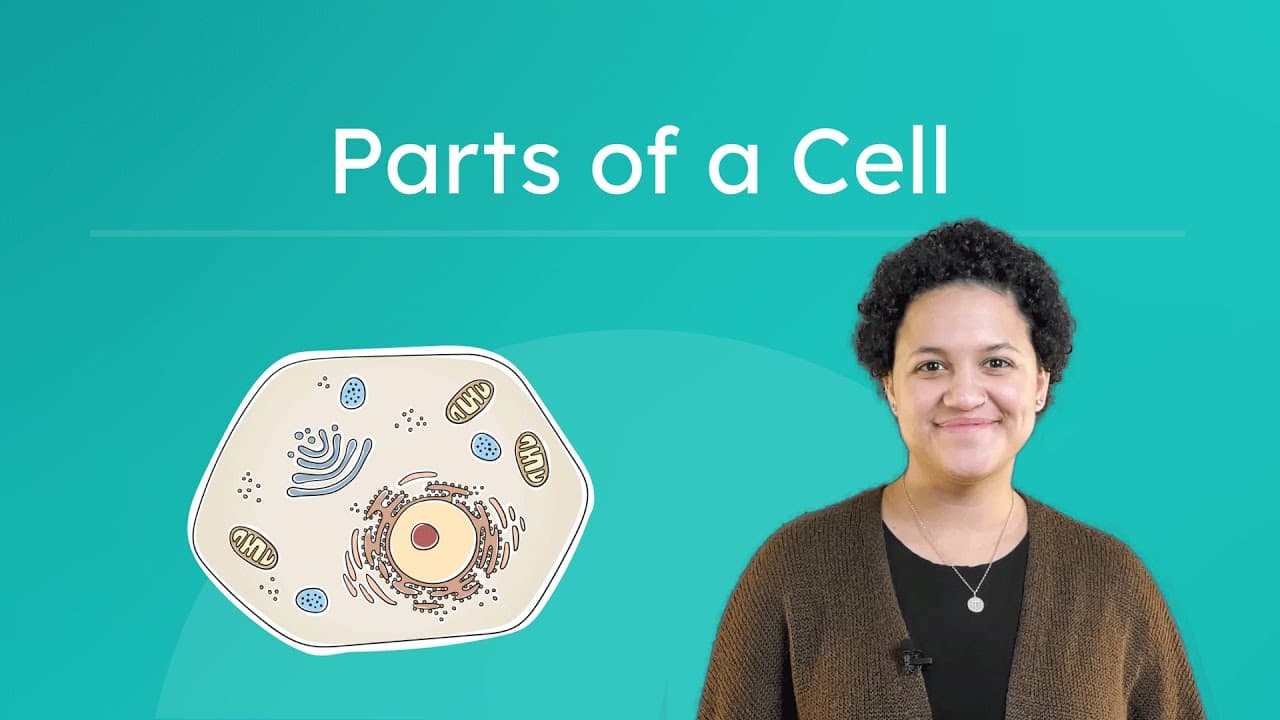
The Parts of a Cell and How We See Them

The Parts of a Cell and How We See Them

This educational video provides a clear and engaging introduction to the internal structure of cells and the technology used to study them. It begins by distinguishing between light microscopes and electron microscopes, explaining how the invention of the electron microscope allowed scientists to see beyond the limitations of light waves to discover the tiny structures inside cells. The video uses helpful analogies, such as ocean waves, to explain optical resolution and magnification limits in a way accessible to students. The core of the lesson focuses on the four fundamental components found in all cells: the plasma membrane, cytoplasm, DNA, and ribosomes. Each component is defined by its function and structure, with the narrator using metaphors like "gatekeeper" for the membrane and "jelly-like fluid" for cytoplasm to aid retention. The video visualizes these parts using both diagrams and real electron microscope imagery, helping students connect abstract models to real biological structures. Finally, the video updates the traditional Cell Theory with modern understandings, such as the role of DNA in inheritance and energy flow within cells. It concludes with an interactive review session that reinforces the key vocabulary and functions learned. This resource is excellent for introducing cell biology, the history of science technology, and the basic building blocks of life in middle school science classrooms.

Miacademy & MiaPrep Learning ChannelMiacademy & MiaPrep Learning Channel

7mins 28s

Materials

Lens Detectives Lab Activity

Lens Detectives Lab Activity

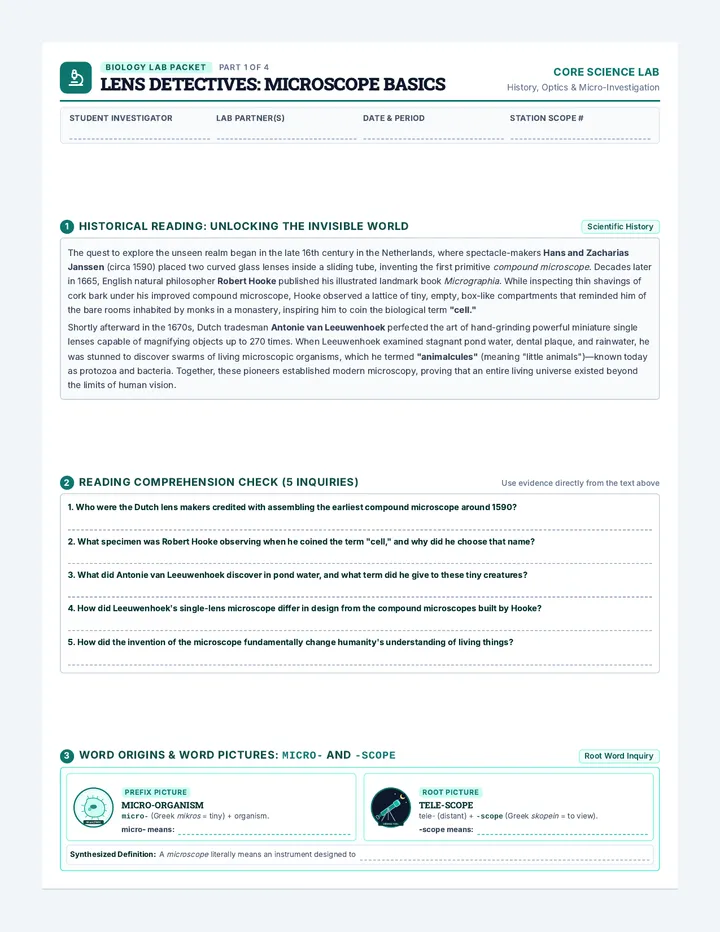
A comprehensive 4-page laboratory investigation packet covering microscope history with comprehension questions, root word pictures, a labeled microscope anatomy diagram, magnification math, letter 'e' inversion inquiry, and pond water wet-mount microscopy with realistic 400x photomicrograph views of Euglena, Paramecium, Amoeba, and Diatoms.

S

stewart

Cell Safari Slides

Cell Safari Slides

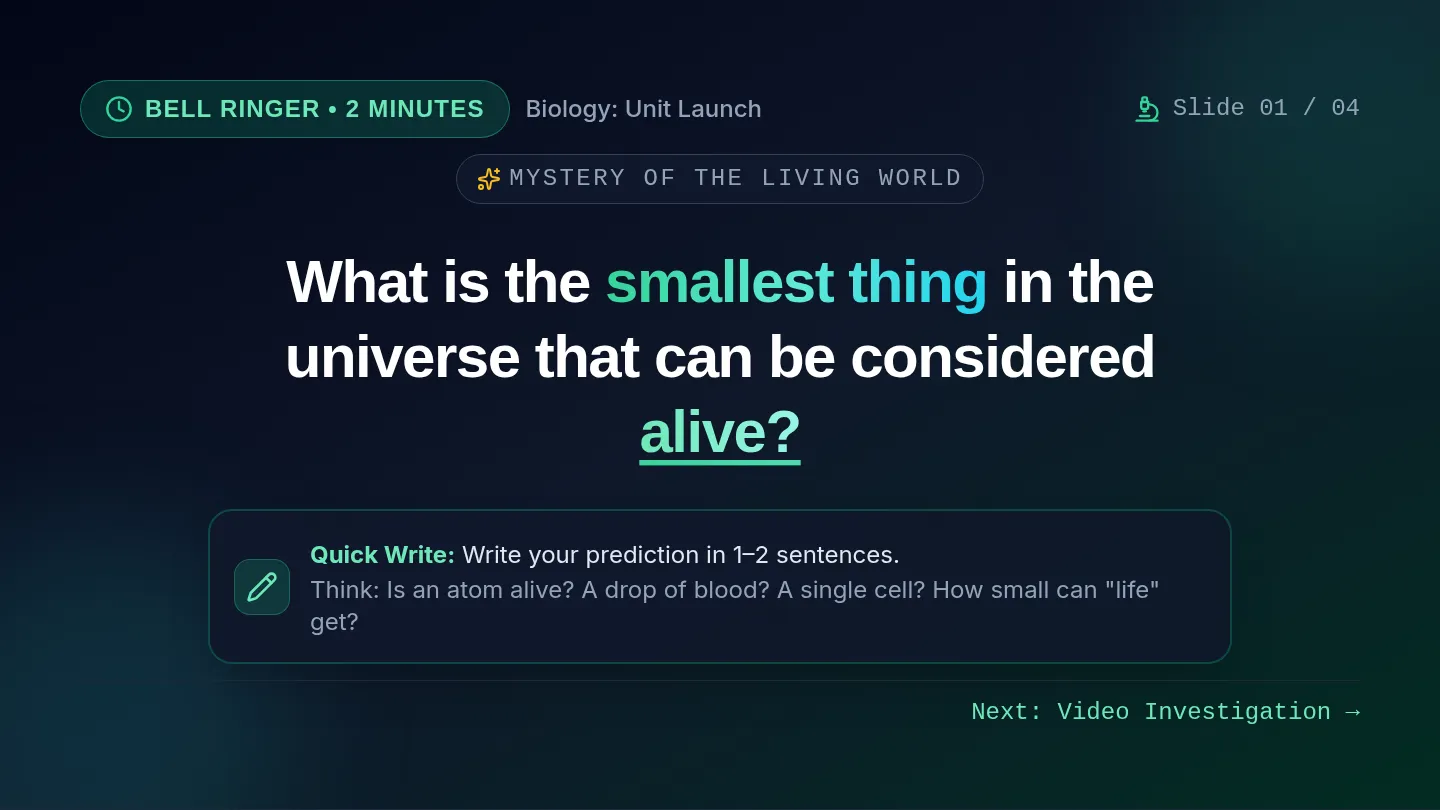
A four-slide interactive presentation introducing cell biology, featuring a simplified, high-impact bell ringer with a single large central question, an embedded screening slide for the Amoeba Sisters cell tour video, a core concepts breakdown, and a wrap-up check for understanding.

CP

Carmen Pavlovsky

Cell Clash Bell Ringer

Cell Clash Bell Ringer

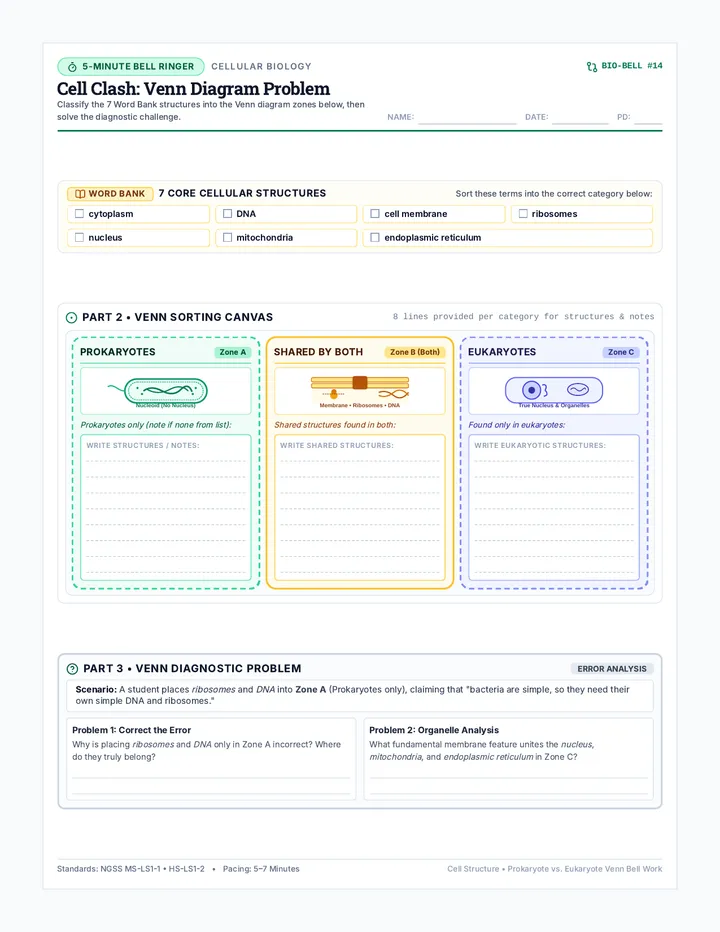
A print-ready 5-minute bell ringer featuring a dedicated 7-term vocabulary word bank (cytoplasm, DNA, cell membrane, ribosomes, nucleus, mitochondria, endoplasmic reticulum), a three-zone Venn diagram with custom vector graphics and 8 writing lines per category, and an analytical diagnostic challenge.

S

stewart

Biology Vocab Quiz

Biology Vocab Quiz

An eight-question biology vocabulary multiple-choice quiz adjusted to a 7th/8th-grade reading level, featuring seven core vocabulary definition questions and a contextual biology scenario for Question 8 where the correct answer is the independent variable.

J

jrand

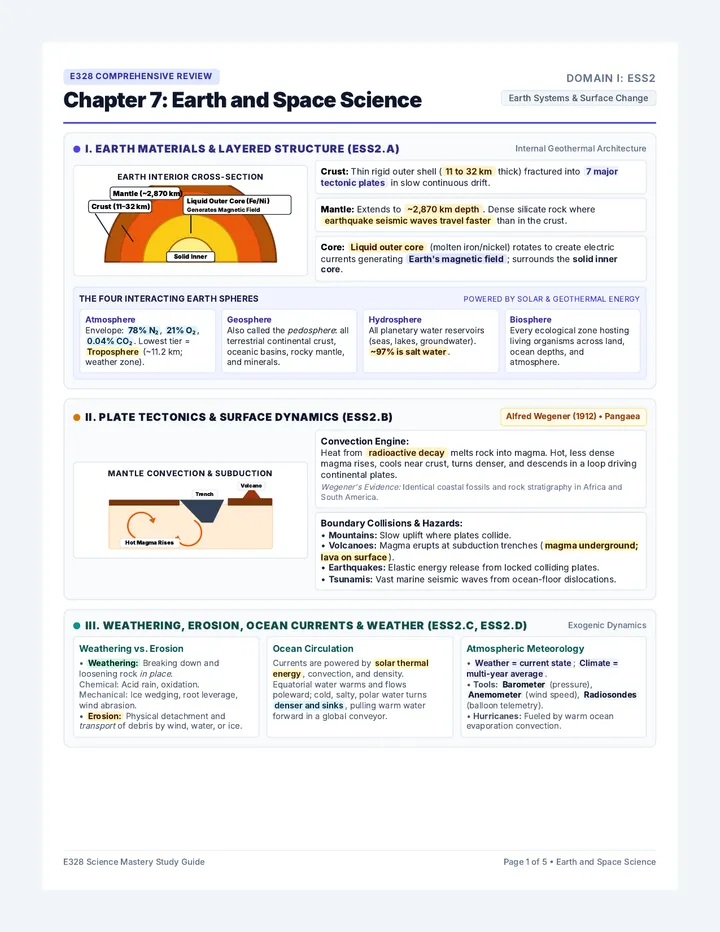
Science Mastery Study Guide

Science Mastery Study Guide

A comprehensive 5-page study guide and high-yield exam cheat sheet covering E328 Chapters 7 through 12. Updated with high-contrast pure black lettering and white callout backings on Earth layer diagrams, an explicit tri-fold distinction comparing matter, mass, and weight, and pervasive color-coded phrase highlighting for accelerated exam mastery.

AP

Amya Perry

Inside The Cell Slides

Inside The Cell Slides

A vibrant 10-slide instructional deck introducing 10 core cell vocabulary terms, plant vs. animal cell comparisons, cell city analogies, mystery challenges, and an exit ticket, featuring extra-large high-visibility fonts for classroom presentation.

M

mcatt

Sequences

Cell Discovery Guide Worksheet

Hidden Worlds Sequence

A comprehensive one-week unit covering the foundations of cell theory, the technical mastery of microscopes, and the fascinating structures of unicellular organisms (Amoeba, Paramecium, Euglena, and Volvox).

S

sam

12
Climate Crisis Slides

Science Essentials Vault

A comprehensive collection of core science units covering Environmental Science, Biology, and Physical Science. This sequence provides high-impact instructional slides, hands-on lab experiences, guided notes, and differentiated assessments for five major scientific domains.

CB

Chloe Brown

25
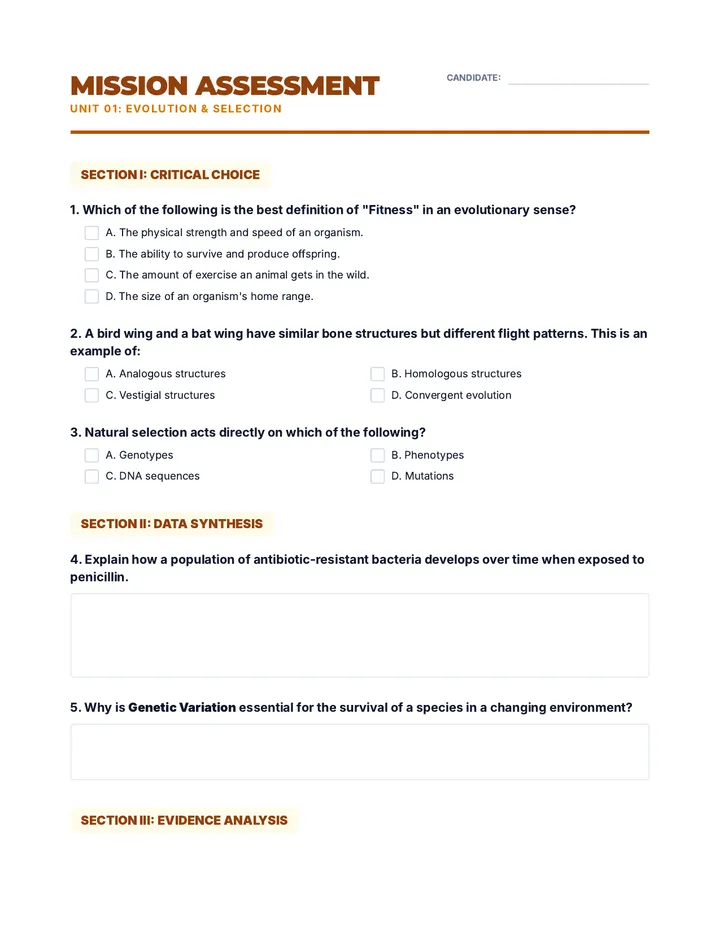
Evolution Assessment Quiz

Biology Recovery Sprint

A high-intensity biology credit recovery program focused on high-yield standards: Evolution, Systems, Viruses, and Cellular Genetics.

PB

Priyadarshini Bharath

15
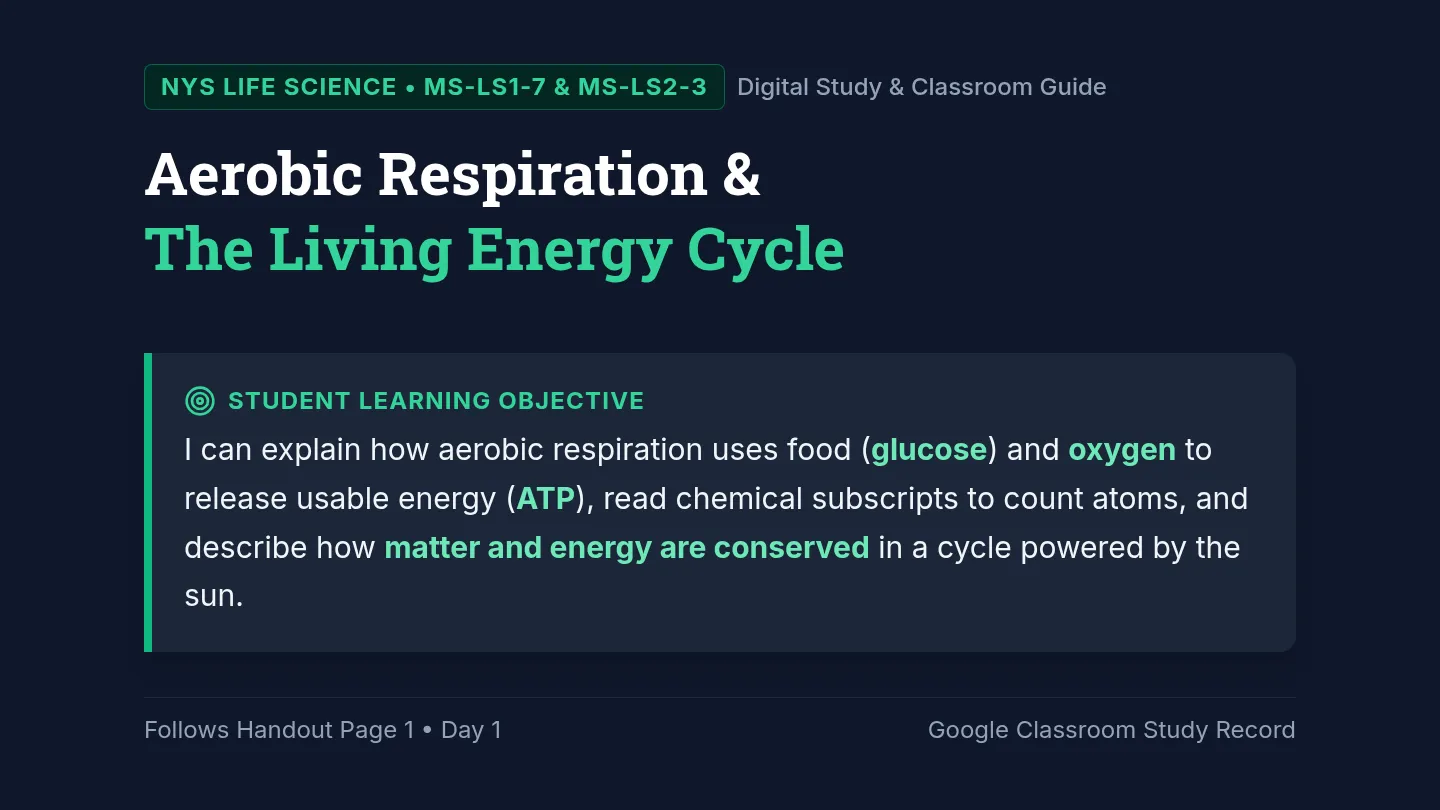
Aerobic Respiration Lesson Slides

Cellular Respiration Cycle

A comprehensive multi-day middle school life science sequence aligned with NYS learning standards exploring aerobic and anaerobic cellular respiration, matter recycling, and energy flow powered by the sun.

JE

Jeffrey Elterman

8
Sea Parts Vocabulary Worksheet

Ocean Architects

A sequence of lessons exploring the specialized anatomy and physical structures of marine organisms, from basic fish biology to the complex adaptations that allow them to thrive in diverse oceanic environments.

JS

Jasmine Silva Villa

24
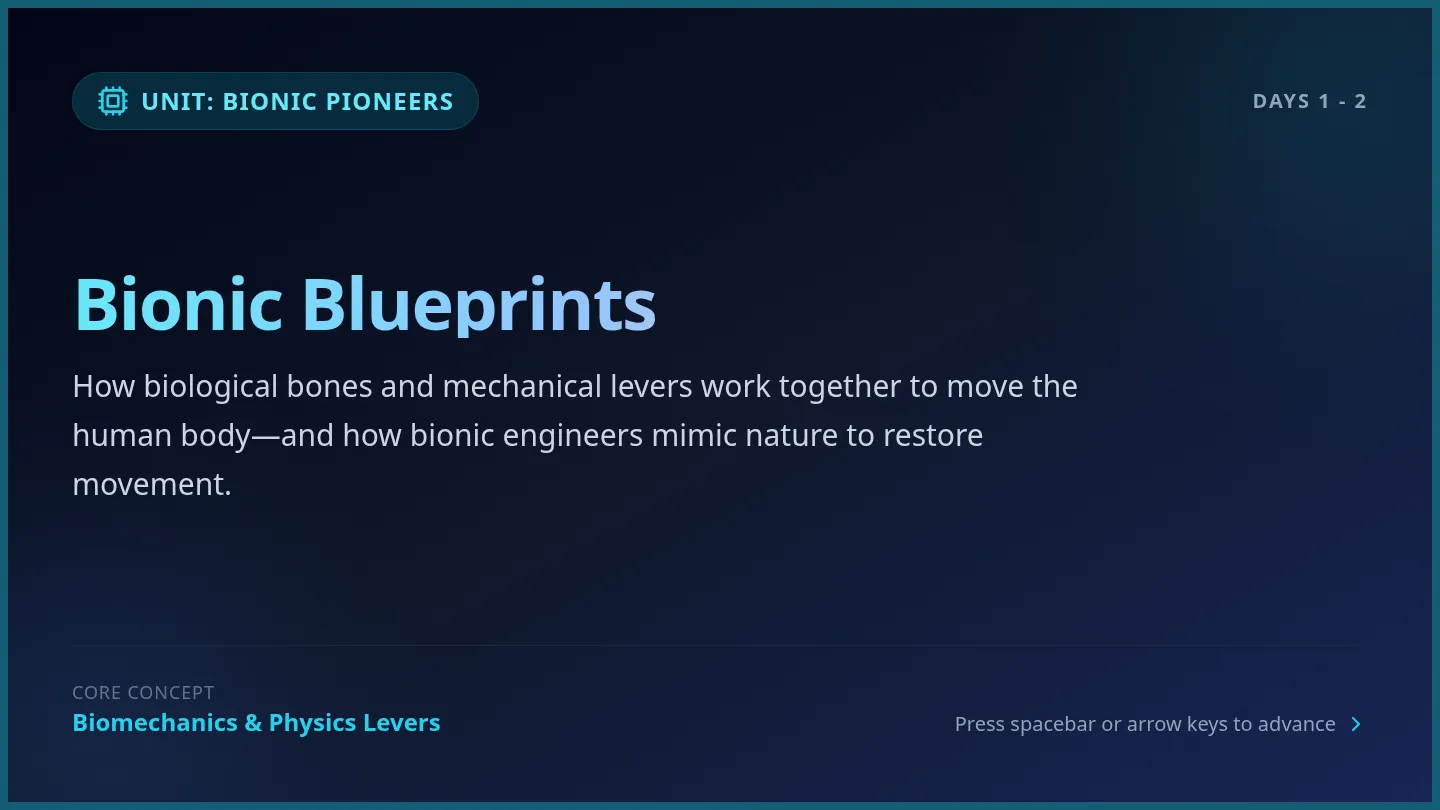
Bionic Blueprints Slides

Bionic Pioneers Unit

A high-impact 7th-grade STEM unit exploring biomechanics, the human skeletal-muscular leverage system, and pioneering prosthetic innovations. Students design and build physical mechanical limb models to solve real-world accessibility challenges.

AW

Amber Williams

10

Lessons

Heat Flow Teacher Guide

Particle Behavior Review

A lesson focusing on the states of matter (solid, liquid, gas) and the behavior of particles at the molecular level. Students will model particle motion and arrangement, as well as the energy changes that drive phase transitions.

EA

Erica Andre

54
Life in Balance Slides Plus

Life in Balance

A foundational lesson on the characteristics of life and the factors that shape ecological populations, designed to help students distinguish between living and non-living systems and understand environmental impacts.

I

isaac_daigle

11
Mind Matters Instruction Slides

Mind Matters

A comprehensive lesson exploring the human brain's capabilities and the nature of intelligence, featuring an informational text analysis and a multiple intelligences choice board.

V

vivianbelarmino

9
Blueprint Slides

Cellular Blueprint

This lesson explores the relationship between structure and function in prokaryotic and eukaryotic cells, and how cells organize into complex organisms. Designed for diverse learners, it uses a 'Blueprint' theme to visualize biological systems as carefully designed structures.

CB

Chloe Brown

7
Brain Beats Lesson Plan

The Musical Brain

A high school lesson exploring the neuroscience of music, investigating how the brain processes auditory stimuli, triggers emotions, and encodes memories through melodies.

J

jditomaso

15
Brain Beats Research Lab

Sonic Synapses Project

A student-led inquiry project exploring the intersection of music and neuroscience. Students choose their own research path to discover how musical training transforms cognitive development and present their unique findings.

L

lizzyr

5