Lenny.com
Explore
Create
ActivitiesNewMathEnglish Language ArtsScience & EngineeringSocial StudiesGlobal LanguagesHealth & Physical EducationSpecial EducationCounseling & Life SkillsArts & CreativityESL
Lenny.com
Lenny.com
Explore
Create
ActivitiesNewMathEnglish Language ArtsScience & EngineeringSocial StudiesGlobal LanguagesHealth & Physical EducationSpecial EducationCounseling & Life SkillsArts & CreativityESL
Lenny.com
Lenny.com

Solutions

Lenny for EducatorsLenny for SchoolsLenny for Districts

Product

ExploreSign inCreateSupportAbout

Resources

Getting startedMTSS Acceleration Program

© 2026 Lenny Learning Inc.

TermsPrivacyAccessibility
LinkedInInstagramX
Lenny

Cell Energy

Biochemical pathways of photosynthesis and cellular respiration, focusing on ATP synthesis and energy transfer. Addresses glycolysis, the Krebs cycle, and electron transport chains in metabolic regulation.

Science & EngineeringLife ScienceLiving ThingsAnimalsPlantsBody SystemsTraitsAdaptationsCellsEcosystemsHeredityGenes to TraitsCell DivisionPhysicsComparing MaterialsShapes and PropertiesMagnetsMagnetismLightSoundLight and SoundMatterStates of MatterChanges of StateMixturesPhysical and Chemical ChangeHeating and CoolingHeat and Thermal EnergyEnergyForce and MotionElectrical CircuitsAtoms and MoleculesPeriodic TableMotion in One DimensionMotion in Two DimensionsScalars and VectorsForces and Laws of MotionCircular Motion and GravityMomentum and ImpulseWork, Energy, and PowerWavesElectromagnetic WavesGeometric OpticsElectricity and MagnetismSimple Harmonic MotionThermodynamicsNuclear PhysicsEarth Science & AstronomyWeatherWater CycleRocks and MineralsFossilsEarth's FeaturesEarth's ResourcesEarth's StructureWeather and ClimateEarth EventsFossils and Geologic TimePlate TectonicsHuman ImpactsAstronomyChemistryUnits and MeasurementAtomic StructurePeriodic TrendsChemical BondingNomenclatureMolecular StructureIntermolecular ForcesThe MoleStoichiometryProperties of GasesSolutionsChemical ReactionsBalancing EquationsEnergy ChangesRates of ReactionsEquilibriumAcids and BasesQuantum ModelBiologyClassificationCell StructureThe Chemistry of LifeBiomoleculesCellular TransportCell EnergyCell Growth and DivisionDNAProtein SynthesisMeiosis and Sexual ReproductionPatterns of InheritanceMulticellular OrganismsEvolutionEcologyBiodiversityComputer ScienceAlgorithms and Computational ThinkingProgramming LanguagesComputing SystemsNetworks and InternetData AnalysisCybersecurityAI and Machine LearningSoftware Design and DevelopmentBlockchainEngineering & AIDesigning ExperimentsEngineering PracticesDesign ThinkingEngineering Design ProcessMechanical EngineeringElectrical EngineeringMaterials and StructuresCAD and 3D DesignRoboticsArtificial Intelligence BasicsVibe CodingMachine LearningAI Ethics and SocietySystems ThinkingEntrepreneurship & InnovationEntrepreneurial MindsetBusiness Idea DevelopmentBusiness Plan BasicsMarketing & Customer DiscoveryFinancial Management for Startups

Videos

How Cell Processes Keep Living Things Alive and Connected

How Cell Processes Keep Living Things Alive and Connected

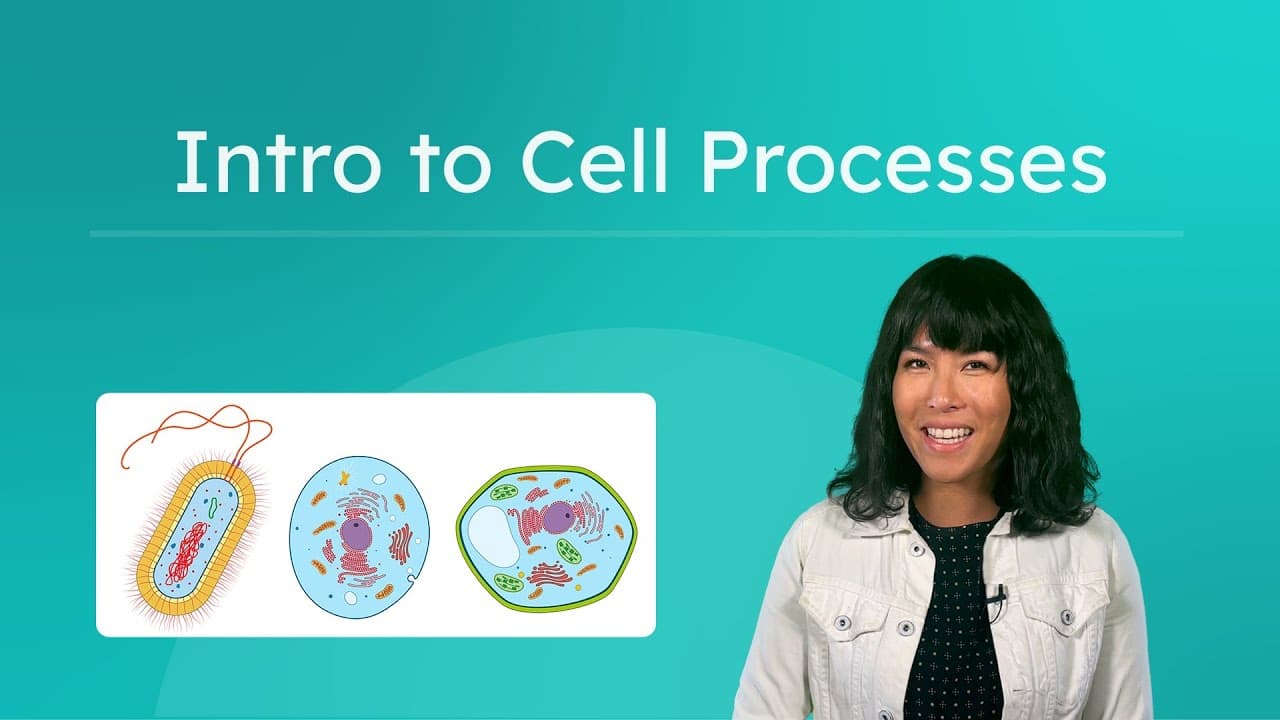
This video serves as an engaging introduction to a biology unit on cell processes, shifting the focus from cell structure (parts) to cell function (what they do). The host explains how cellular activities are essential for keeping organisms alive and highlights the deep interconnectedness of all living things. Through clear examples like breathing and eating, the video demonstrates how fundamental biological cycles link plants and animals in a continuous exchange of matter and energy. The content covers several foundational biological concepts including the definition of heterotrophs, the reciprocal relationship between photosynthesis and cellular respiration, and the concept of homeostasis. It explains how plants convert inorganic carbon dioxide into organic glucose and oxygen, while animals consume organic matter and oxygen to produce energy and carbon dioxide. The video also touches upon metabolism as the breakdown of macromolecules for energy and introduces the cell cycle as a necessary mechanism for growth and repair. For educators, this video is an excellent "anchor" resource to launch a unit on cellular energetics or life processes. It provides a high-level overview that connects abstract chemical equations to students' daily experiences, such as breathing and eating. The visual aids, including diagrams of gas exchange and the cell cycle, help students visualize invisible processes. It sets the stage for deeper dives into specific topics like mitosis, stoichiometry of respiration, and physiological feedback loops.

Miacademy & MiaPrep Learning ChannelMiacademy & MiaPrep Learning Channel

6mins 3s

Everyday Chemical Reactions: From Cooking to Fireworks

Everyday Chemical Reactions: From Cooking to Fireworks

This engaging educational video introduces students to the concept of chemical reactions by exploring how they occur in everyday life. Through relatable examples like cooking an egg, baking a cake, and watching fireworks, the narration explains how substances combine and transform into something new. The video breaks down complex chemical processes into observable phenomena, highlighting the key indicators of reactions such as color changes, gas production (bubbles), heat, and light. The content covers a wide range of scientific themes, including physical vs. chemical changes, the role of heat in reactions, biological processes like digestion and photosynthesis, and oxidation (rusting). It specifically addresses how distinct elements like oxygen, carbon dioxide, and various metals play roles in these transformations. The video creates connections between the chemistry laboratory and the real world, showing that science is happening constantly in our bodies and environments. For educators, this resource serves as an excellent introduction or review tool for a unit on matter and chemical changes. The visual demonstrations provide concrete evidence for abstract concepts, making them accessible to elementary and middle school students. The video concludes with a comprehensive 12-question quiz, making it a ready-to-use lesson that includes direct assessment of student understanding.
Next Generation ScienceNext Generation Science

6mins 54s

The Seven Scientific Criteria That Define Life

The Seven Scientific Criteria That Define Life

This educational video provides a comprehensive introduction to the fundamental biological question: "What defines a living thing?" Hosted by Caroline, the lesson moves beyond simple intuition to establish a rigorous scientific framework for distinguishing living organisms from non-living matter. The video breaks down the seven essential criteria used by biologists—organization, response to stimuli, reproduction, adaptation, growth, homeostasis, and energy processing—explaining that an entity must meet *all* seven requirements to be scientifically classified as alive. The content systematically explores each criterion with clear definitions and relatable examples ranging from single-celled bacteria to complex multicellular humans. It utilizes diverse visuals, including microscopic views of cells, time-lapse footage of plant growth, and diagrams of DNA, to make abstract concepts concrete. A significant portion of the video is dedicated to a guided case study on coral, challenging viewers to apply what they've learned to determine if a stationary, rock-like structure is actually a living organism. For educators, this video serves as an excellent foundational resource for a Biology or Life Science unit. It actively models critical thinking by debunking common misconceptions (like the idea that movement is a requirement for life) and includes built-in pause points for student reflection. The concluding open-ended question about viruses provides a perfect springboard for advanced classroom debate and research, making this video versatile for introducing core biological concepts and the scientific method.

Miacademy & MiaPrep Learning ChannelMiacademy & MiaPrep Learning Channel

9mins 13s

Why Water Is Essential for Life: A Molecular Look

Why Water Is Essential for Life: A Molecular Look

This video provides a comprehensive exploration of the biological importance of water, bridging the gap between molecular chemistry and macroscopic biological functions. It begins by contrasting the diverse life of the Amazon Rainforest with the sparse life of the Sahara Desert to illustrate water's critical role in ecosystems. The narrator then zooms in to the molecular level, explaining the chemical structure of water ($H_2O$), the difference between elements and compounds, and the concept of polarity, using magnets as an analogy for how positive hydrogen and negative oxygen atoms interact.

Miacademy & MiaPrep Learning ChannelMiacademy & MiaPrep Learning Channel

15mins 32s

How Your Body Turns Food Into Energy: The Digestive and Excretory Systems

How Your Body Turns Food Into Energy: The Digestive and Excretory Systems

This educational video provides a comprehensive exploration of the human digestive and excretory systems, taking viewers on the journey of food from ingestion to waste elimination. It details the mechanical and chemical processes involved in digestion, starting with the mouth and moving through the esophagus, stomach, and intestines. The video explains the critical roles of enzymes like amylase, protease, and lipase, as well as the function of accessory organs including the liver, pancreas, and gallbladder.

Miacademy & MiaPrep Learning ChannelMiacademy & MiaPrep Learning Channel

12mins 22s

Could Plants Grow on Alien Worlds?

Could Plants Grow on Alien Worlds?

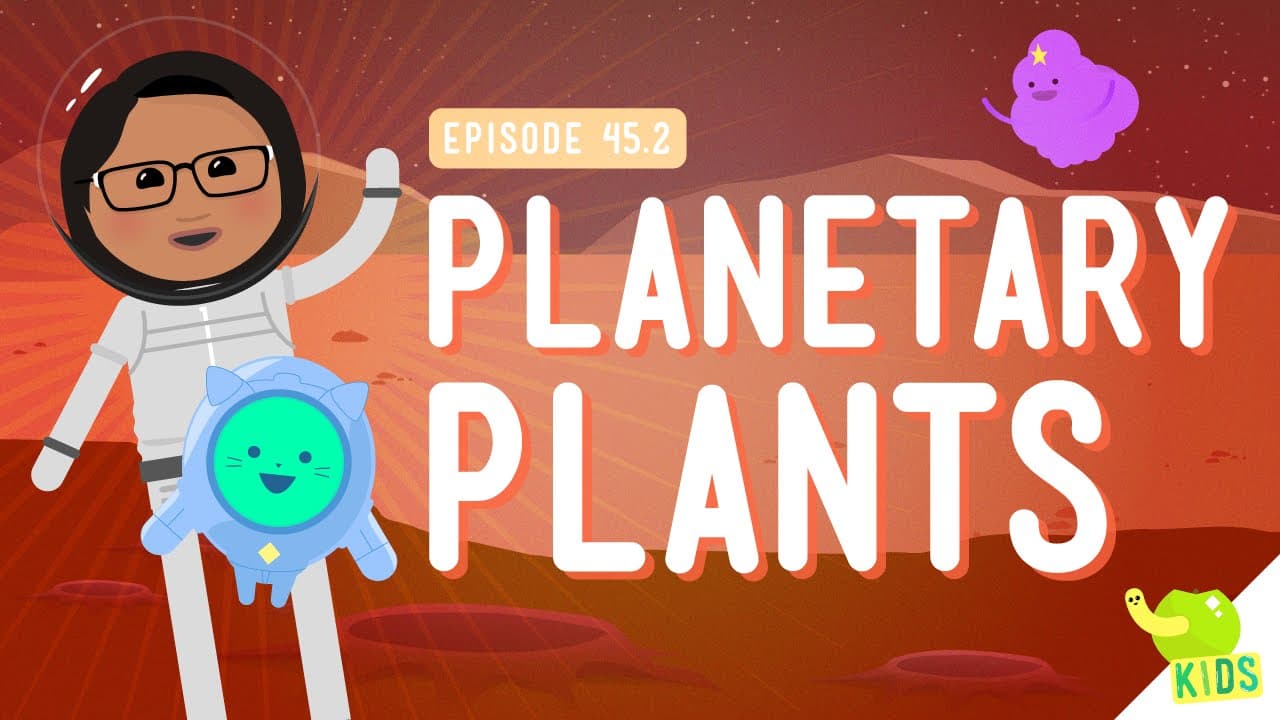
This engaging video explores the fascinating possibility of plant life on other planets by applying Earth-based biological principles to extraterrestrial environments. Host Sabrina Cruz guides viewers through a thought experiment that bridges biology and astronomy, asking not just *if* alien plants exist, but *how* they would function. The video reviews the fundamental requirements for plant survival on Earth—light, water, gases, and nutrients—and uses these as a checklist to evaluate the habitability of Mars and hypothetical exoplanets. The content delves into key scientific themes including photosynthesis, energy transfer in food webs, and evolutionary adaptation. It specifically addresses how environmental factors like light spectrum, gravity, and atmospheric density would shape the physical characteristics of alien flora. For example, the video explains why plants orbiting a red dwarf star might appear black or purple rather than green to maximize energy absorption, and how low gravity could lead to floating vegetation. For educators, this video serves as an excellent tool to deepen understanding of photosynthesis and adaptation by applying these concepts in a novel context. It moves beyond rote memorization of plant needs to critical application, challenging students to predict how organisms might evolve under different constraints. It naturally integrates life science with earth and space science, making it a versatile resource for cross-curricular units on ecosystems, space exploration, or scientific modeling.

Crash Course KidsCrash Course Kids

4mins 40s

Materials

Muscle Fatigue Activity

Muscle Fatigue Activity

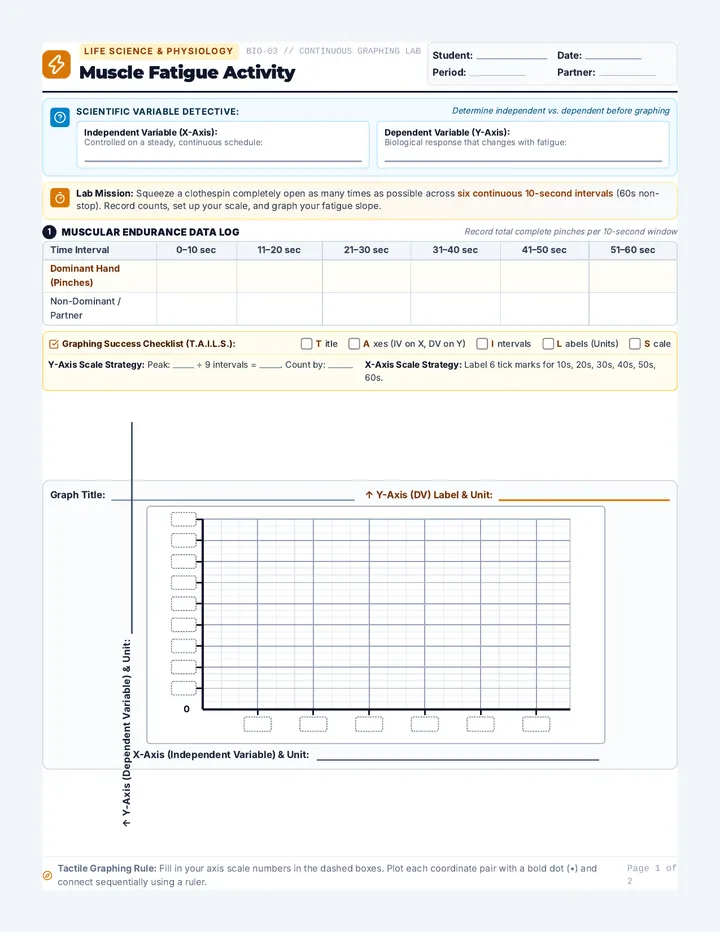
A 2-page hands-on life science printable activity where students measure clothespin pinch frequency across six 10-second intervals to map muscular fatigue, independently identify the independent and dependent variables, determine their coordinate scale, and construct a precision line graph on a full coordinate grid.

S

stewart

Form Y Biology Answer Key

Form Y Biology Answer Key

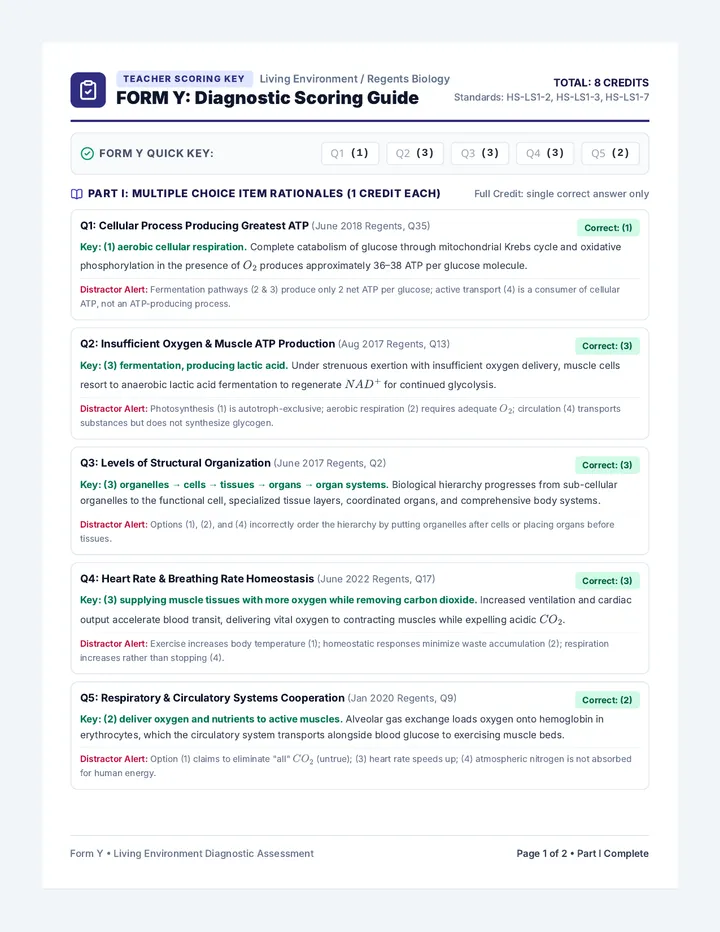
Complete teacher scoring key and rubric for Form Y of the Regents Biology exam. Features item rationales, distractor analyses, acceptable constructed responses, and NYS Regents grading criteria for body systems, homeostasis, and cellular energy.

J

jelterman

Life Science Graph Lab Practice Worksheet

Life Science Graph Lab Practice Worksheet

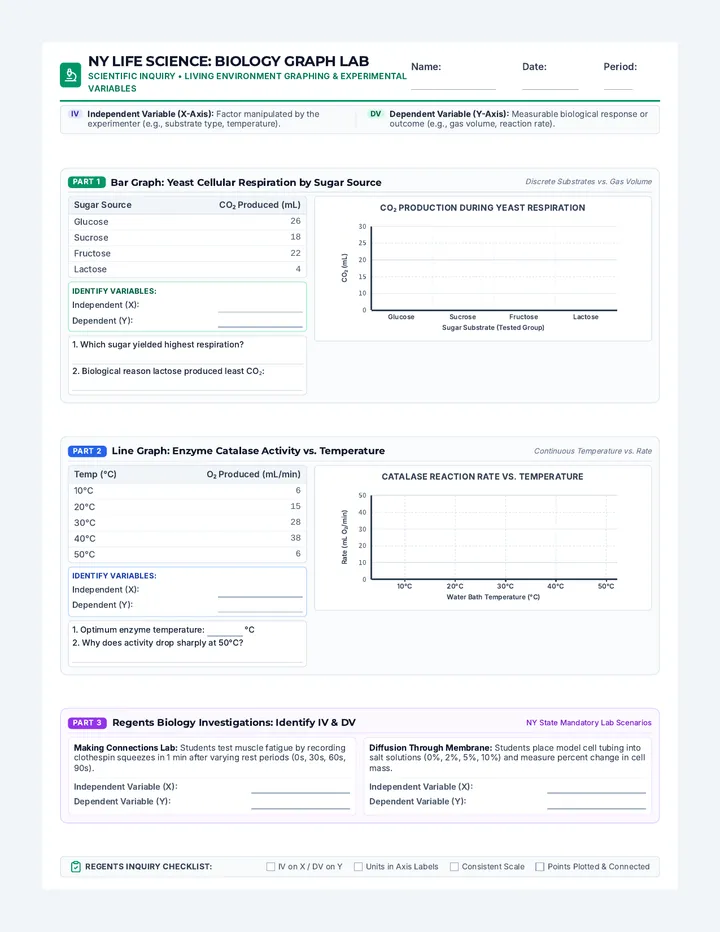
A NY Life Science / Living Environment biology practice worksheet aligned with NYSSLS, featuring yeast cellular respiration bar graphs, enzyme temperature line graphs, and Regents state lab variable identification.

S

stewart

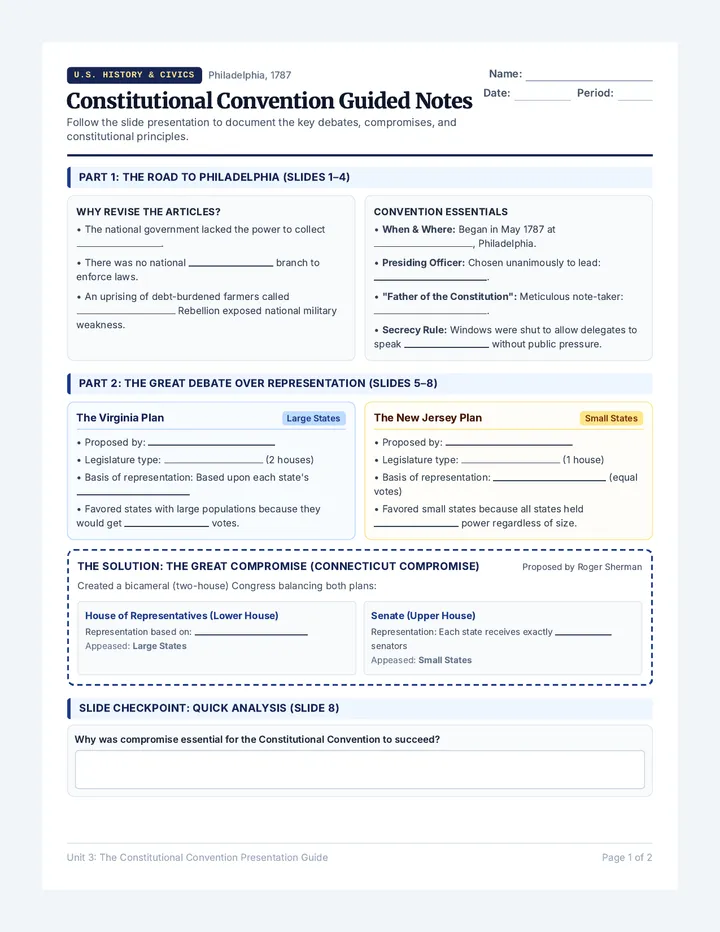
Constitutional Convention Guided Notes

Constitutional Convention Guided Notes

A comprehensive two-page guided note-taking worksheet on the 1787 Constitutional Convention, focusing on the road to Philadelphia, the Great Compromise, and slavery and economic compromises.

D

DOUGLAS.BODIE

Inside The Cell Slides

Inside The Cell Slides

A vibrant 10-slide instructional deck introducing 10 core cell vocabulary terms, plant vs. animal cell comparisons, cell city analogies, mystery challenges, and an exit ticket, featuring extra-large high-visibility fonts for classroom presentation.

M

mcatt

Bond Battles Warmup Slides

Bond Battles Warmup Slides

A 3-slide projected bell work presentation tailored for a Biology class, reviewing ionic, covalent, hydrogen, and carbon bonding through cellular examples, macromolecule structures, and living phenomena.

R

Rebekah.Rees

Sequences

Climate Crisis Slides

Science Essentials Vault

A comprehensive collection of core science units covering Environmental Science, Biology, and Physical Science. This sequence provides high-impact instructional slides, hands-on lab experiences, guided notes, and differentiated assessments for five major scientific domains.

CB

Chloe Brown

25
Hess Pathfinders Slides

Energy in Chemical Bonds

A five-day high school chemistry unit exploring thermochemistry, collision theory, enthalpy diagrams, and calorimetry through the lens of body heat and chemical reactions. Students investigate the anchoring phenomenon of exercise-induced heat while mastering TEKS C.13 standards.

OM

Olutoyin Makinde

48
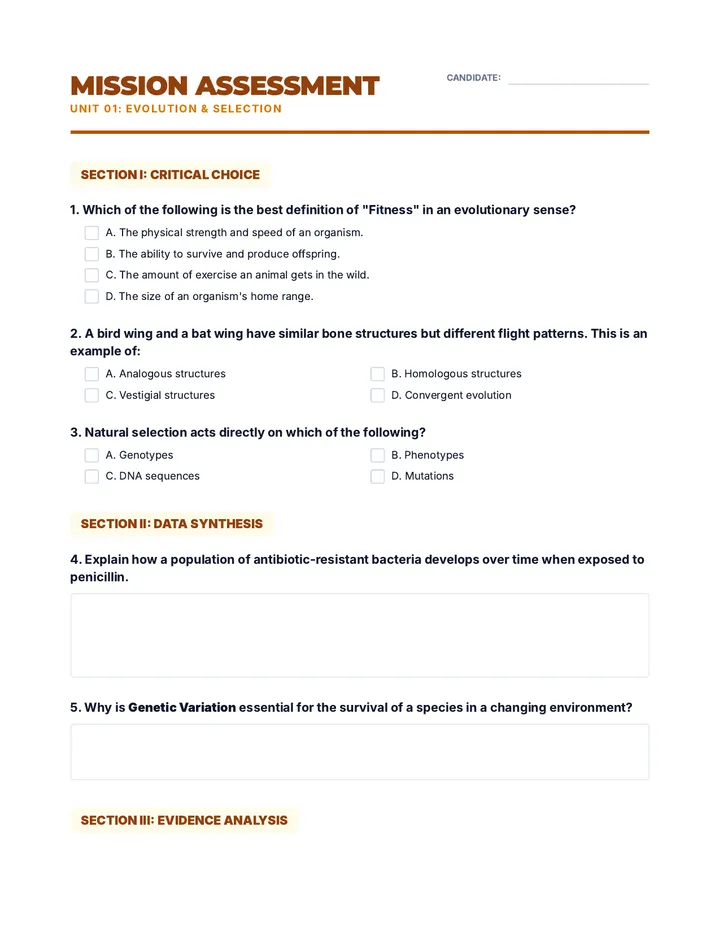
Evolution Assessment Quiz

Biology Recovery Sprint

A high-intensity biology credit recovery program focused on high-yield standards: Evolution, Systems, Viruses, and Cellular Genetics.

PB

Priyadarshini Bharath

15
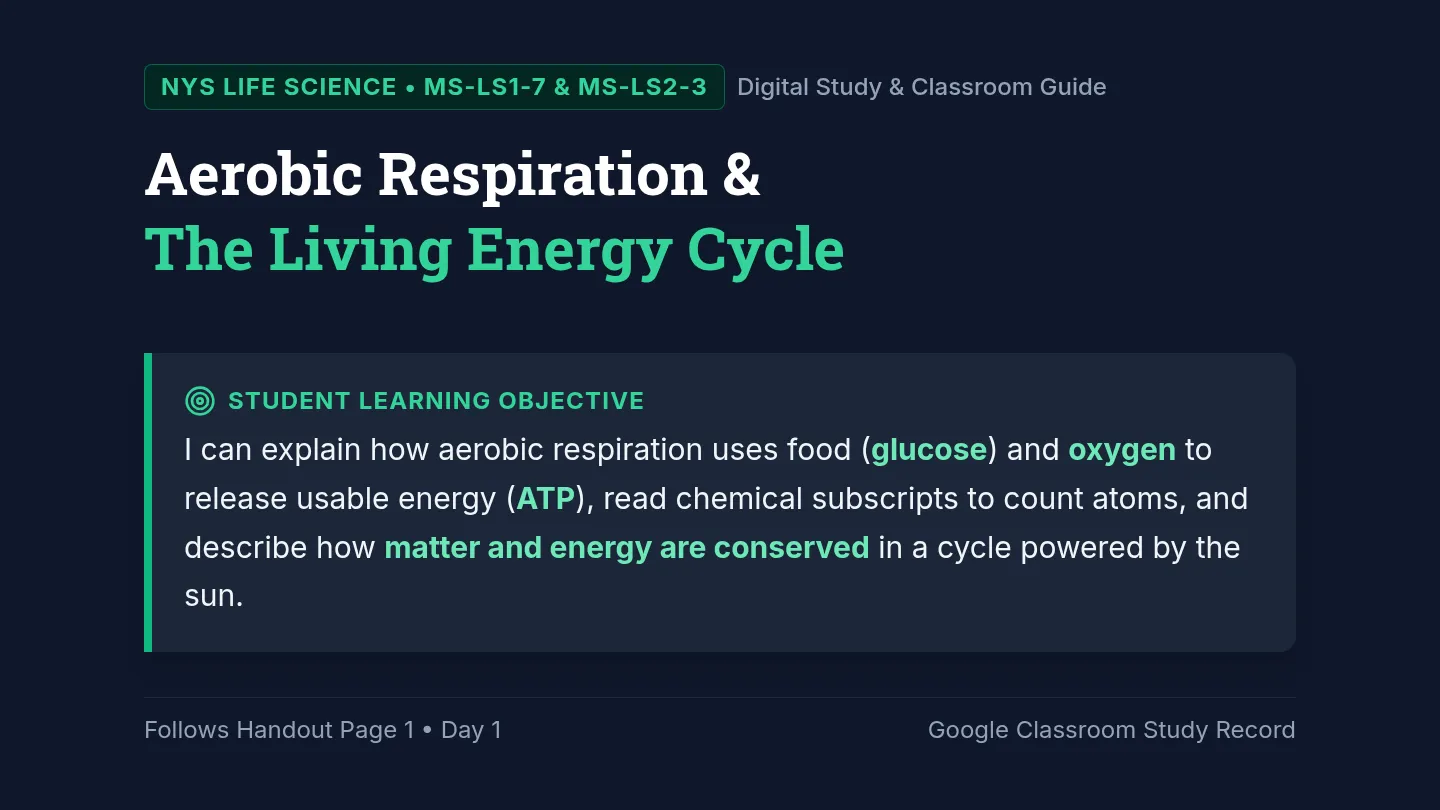
Aerobic Respiration Lesson Slides

Cellular Respiration Cycle

A comprehensive multi-day middle school life science sequence aligned with NYS learning standards exploring aerobic and anaerobic cellular respiration, matter recycling, and energy flow powered by the sun.

JE

Jeffrey Elterman

8
Sea Parts Vocabulary Worksheet

Ocean Architects

A sequence of lessons exploring the specialized anatomy and physical structures of marine organisms, from basic fish biology to the complex adaptations that allow them to thrive in diverse oceanic environments.

JS

Jasmine Silva Villa

24
Systems Sync Lesson Plan

System Synergy Unit

A comprehensive biology unit covering the complex interactions of animal and plant systems, the structural nature of viruses, and the application of these concepts to real-world disease outbreaks.

PB

Priyadarshini Bharath

15

Lessons

Heat Flow Teacher Guide

Particle Behavior Review

A lesson focusing on the states of matter (solid, liquid, gas) and the behavior of particles at the molecular level. Students will model particle motion and arrangement, as well as the energy changes that drive phase transitions.

EA

Erica Andre

54
Hypothesis Lab Slides

Hypothesis Lab

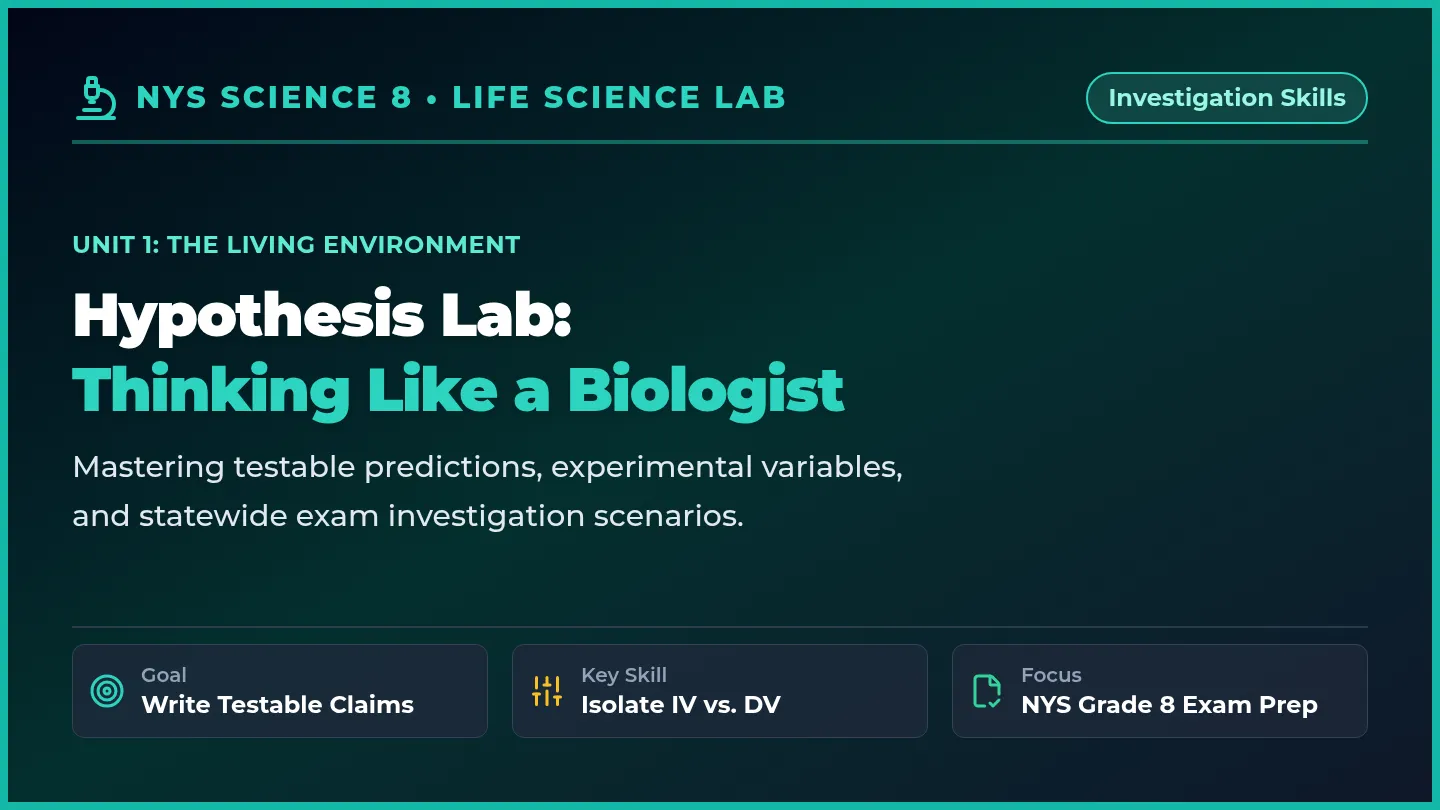
An eighth-grade life science investigation lesson where students analyze New York statewide science exam biology scenarios to master hypothesis generation, independent and dependent variable identification, and experimental testing.

J

jelterman

7
Data Decoders Quiz A

Data Decoders Assessment

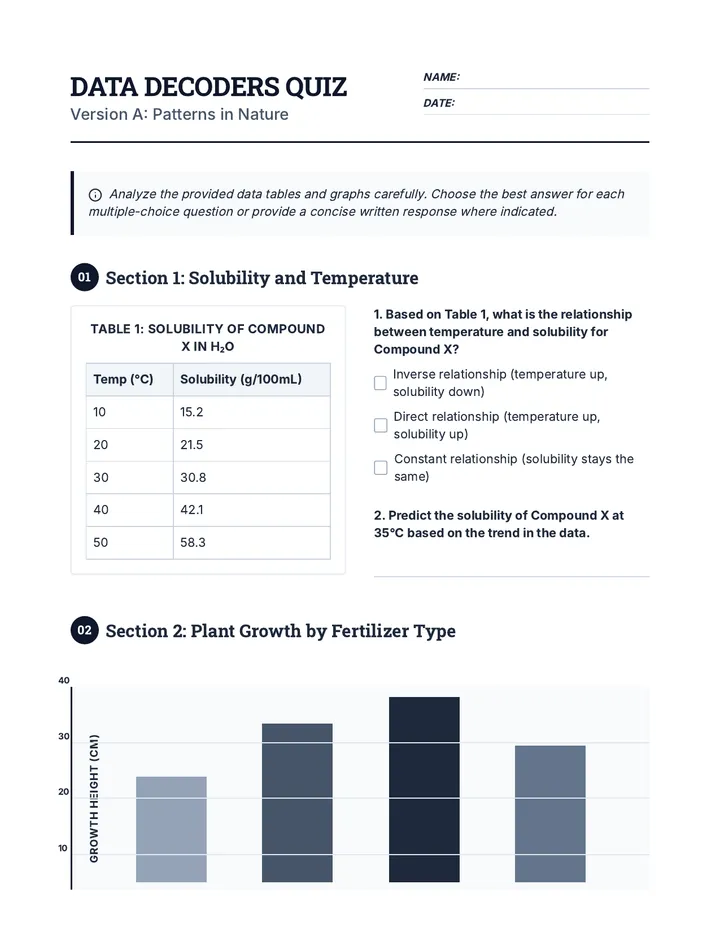
A high-stakes assessment focused on interpreting various scientific data representations, including tables, bar graphs, line graphs, and scatter plots. Students will analyze trends, identify variables, and draw conclusions from realistic scientific scenarios.

JF

Jim Fusaro

4
Cellular Energy Form X Exam

Cellular Energy Assessment

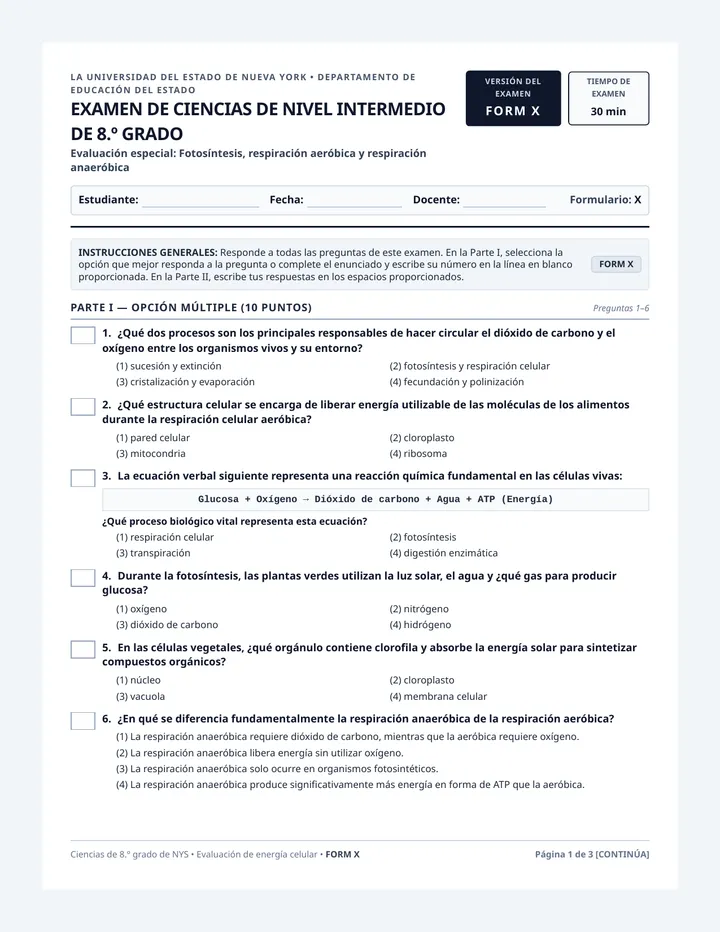
A Grade 8 New York State science assessment module covering aerobic respiration, anaerobic respiration, and photosynthesis with a student examination and teacher scoring guide.

J

jelterman

3
Cell Systems Student Packet

Cell Power Systems

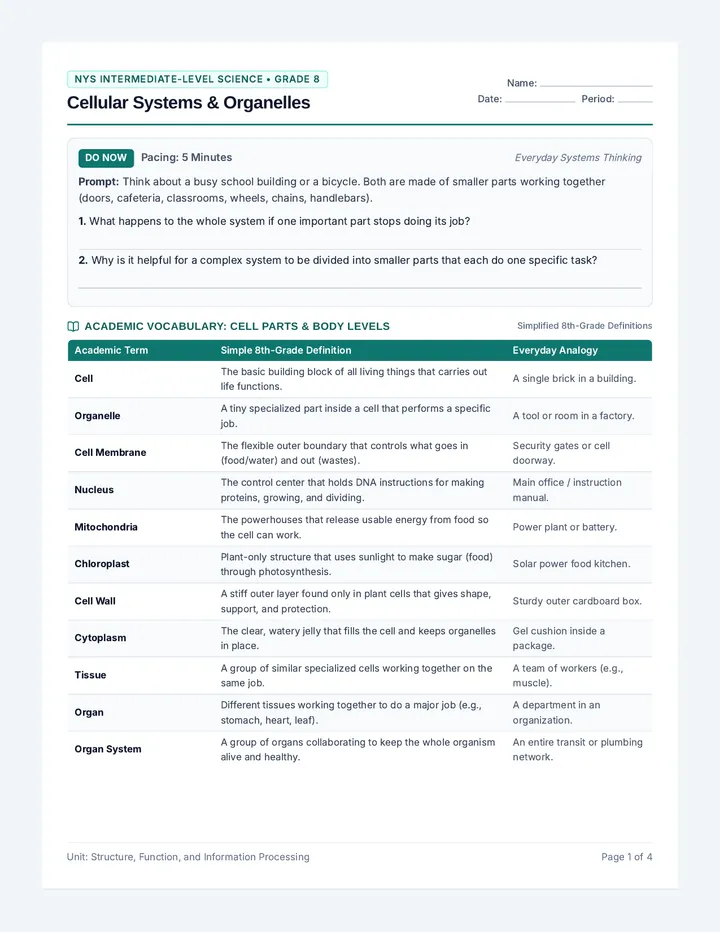
An 8th-grade NYS science lesson exploring cell organelles, cellular organization, and system-level interactions aligned with NYSSLS standards MS-LS1-1, MS-LS1-2, and MS-LS1-3. Features a structured Do Now, comprehensive academic vocabulary, a 17-minute exam-referenced activity, an exit ticket, and a 20-minute timed homework assignment.

J

jelterman

4
Biology Syllabus Infographic

Course Launch

An introductory framework establishing course policies, Indiana state biology standards, and the integrated biochemistry roadmap for the academic year.

M

MELANIE.ROBERTS

4