A game-based sequence where 9th-grade students act as 'History Detectives,' learning to establish chronological order through contextual evidence, logical necessity, and visual analysis rather than rote memorization of dates.
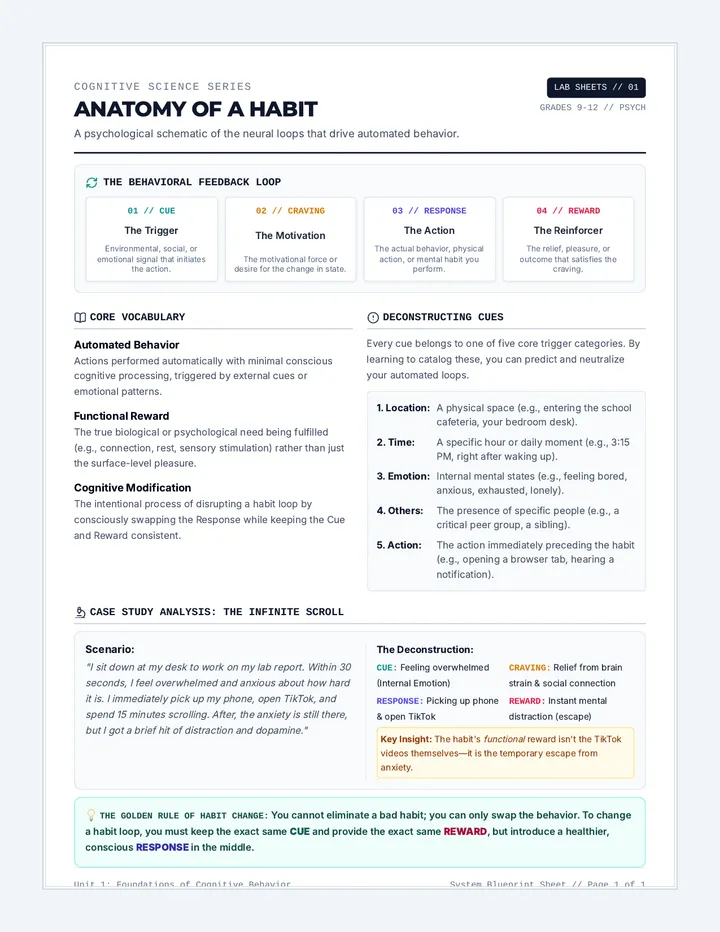
A three-part cognitive psychology series designed for Grades 9-12. Students learn the science of automation, explore how to isolate triggers and cravings, redesign unhelpful routines, and restructure their environments to make habit modification effortless.
A high-quality evaluation system designed for secondary school administrators to screen, interview, and assess Middle School Social Studies teaching candidates. This lesson contains a comprehensive 10-question interview protocol and a standalone candidate writing prompt.
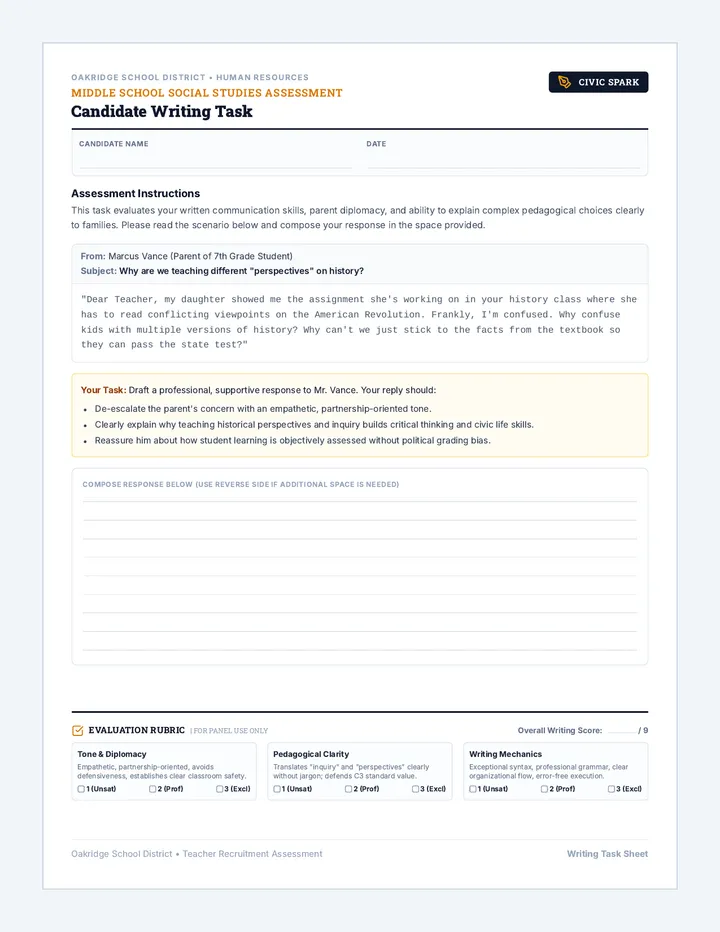
An applicant-facing writing assessment tool designed to evaluate a teaching candidate's written communication, professional diplomacy, and pedagogical philosophy. It features an authentic parent scenario regarding historical inquiry and multiple perspectives, with a lined response area and an administrator grading rubric on a single printable page.
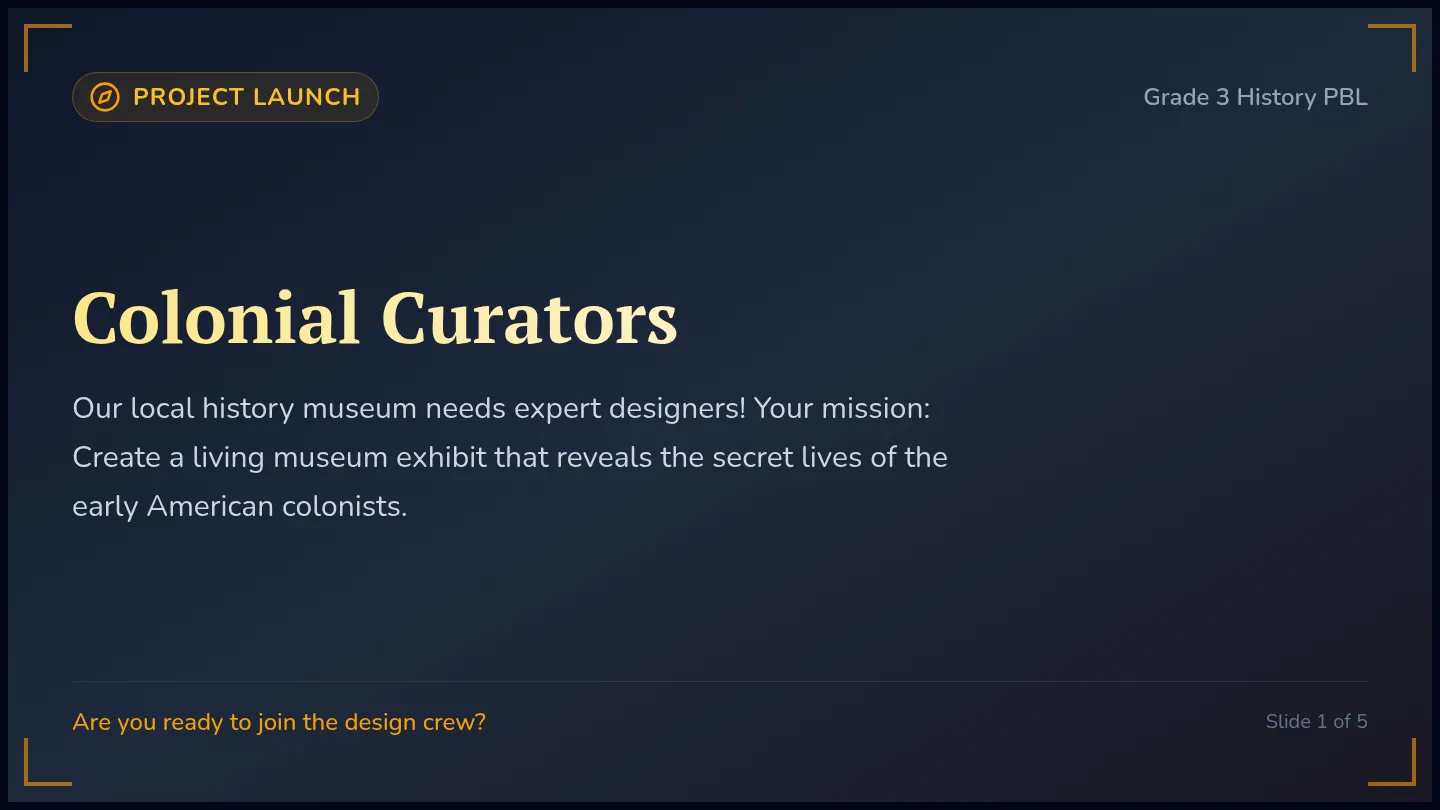
An immersive 3rd-grade Project-Based Learning unit where students act as museum curators to design and exhibit a living history museum, answering the driving question: How did where colonist lived shape how they lived?
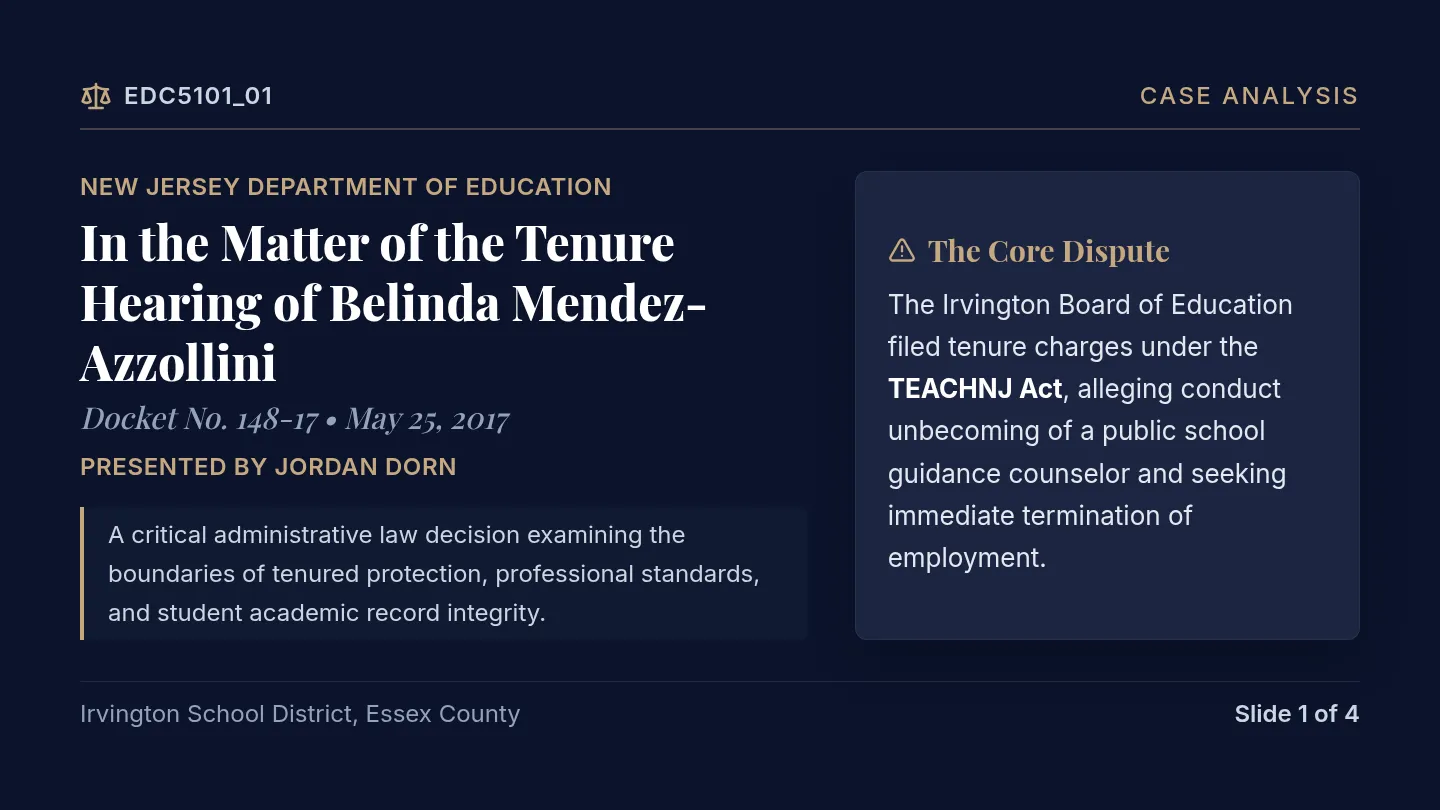
A graduate-level legal case analysis lesson centered on school law, administrative hearings, and educational accountability. The lesson evaluates the legal standards for tenured employee dismissal through the lens of a landmark 2017 New Jersey Department of Education decision.
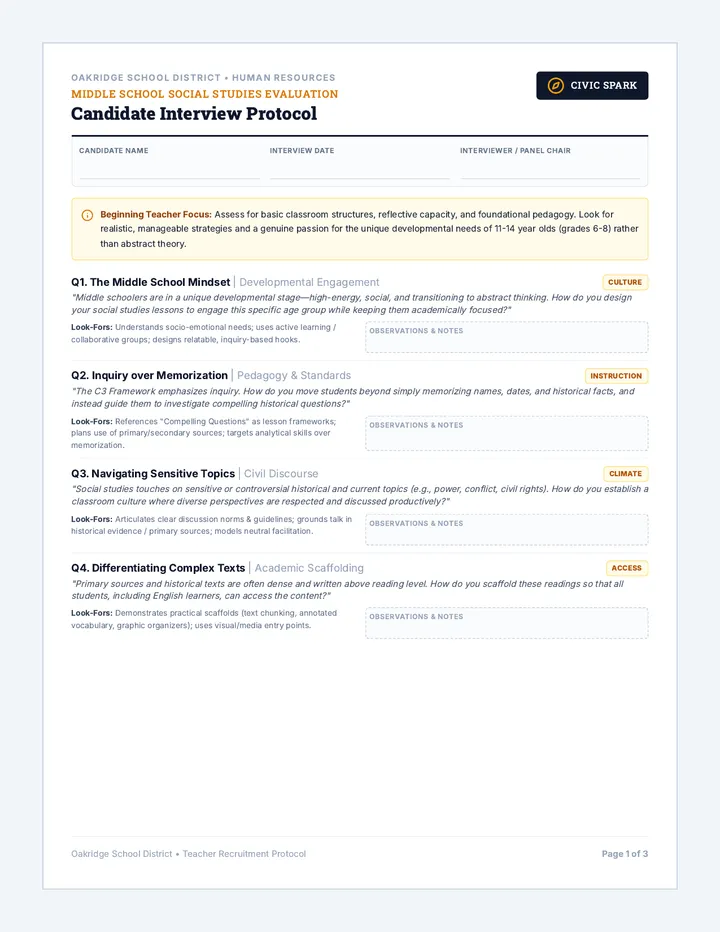
An administrator-facing interview protocol designed for principals to evaluate beginning Middle School Social Studies teachers. It includes 10 highly targeted pedagogy and culture questions, clear novice teacher look-fors, an evaluation matrix, and recommendation sign-off across a clean 3-page print layout.
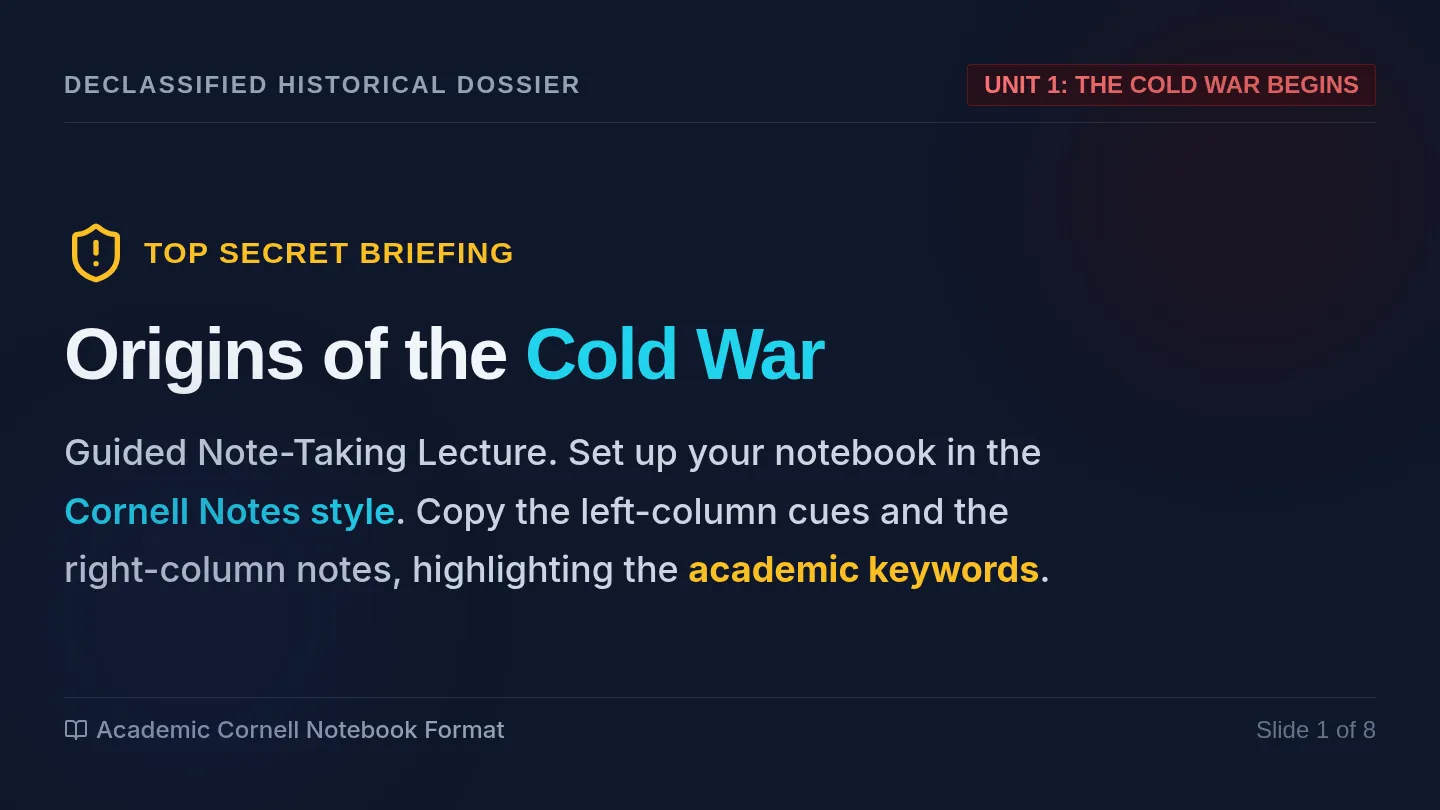
Create a multi-lesson sequence covering the Cold War, focusing on origins, global expansion, and domestic impacts.
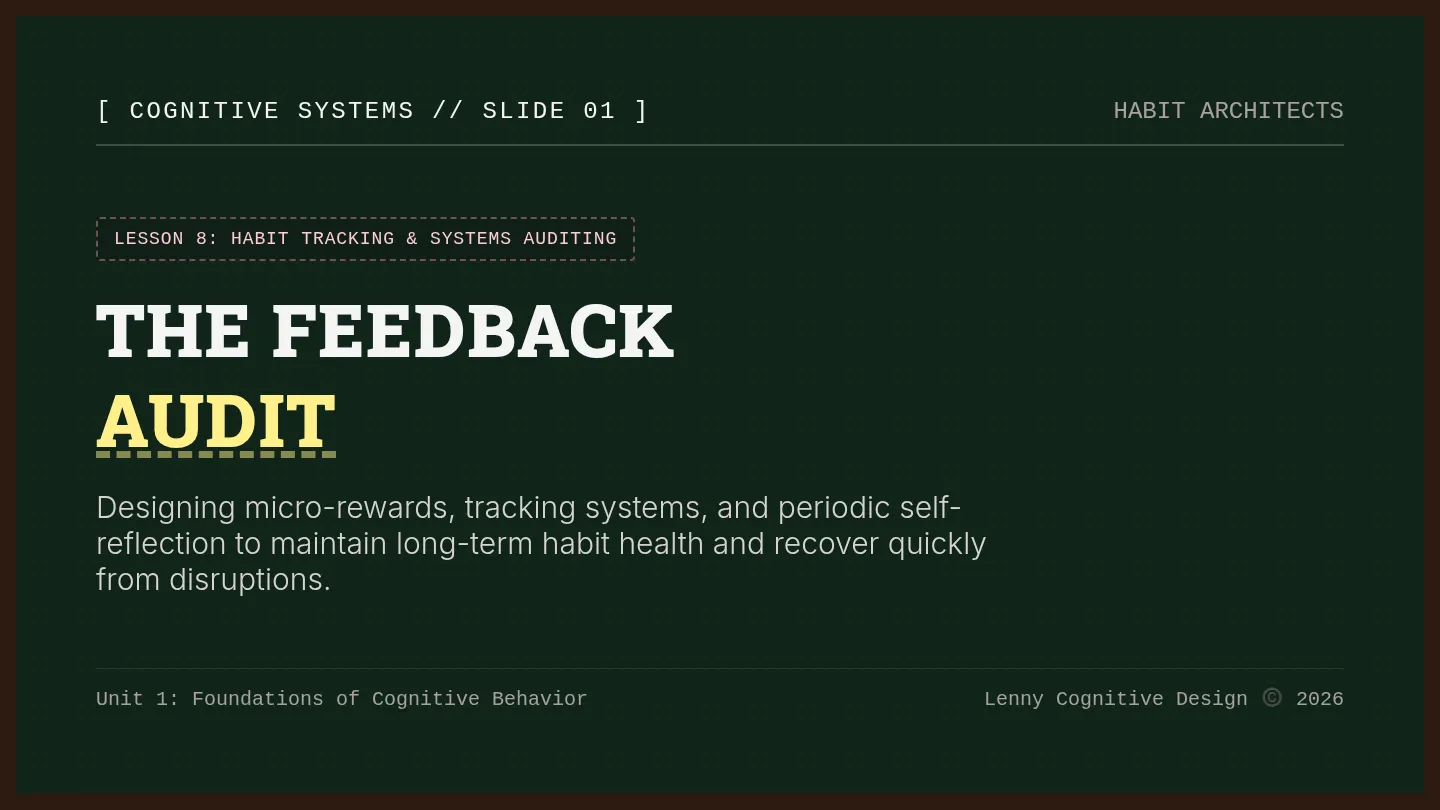
Lesson 8 of the Habit Architects unit. Students learn how to design personal reward structures and periodic tracking audits to maintain long-term habit health and recover quickly from routine disruptions.
A premium graduate-level 4-slide presentation analyzing the legal case of Belinda Mendez-Azzollini (2017). Covers the case facts, the graduation audit, unauthorized grade alterations, the arbitrator's ruling, and the legal analysis of tenure revocation under the TEACHNJ Act. Includes a formal reference slide.
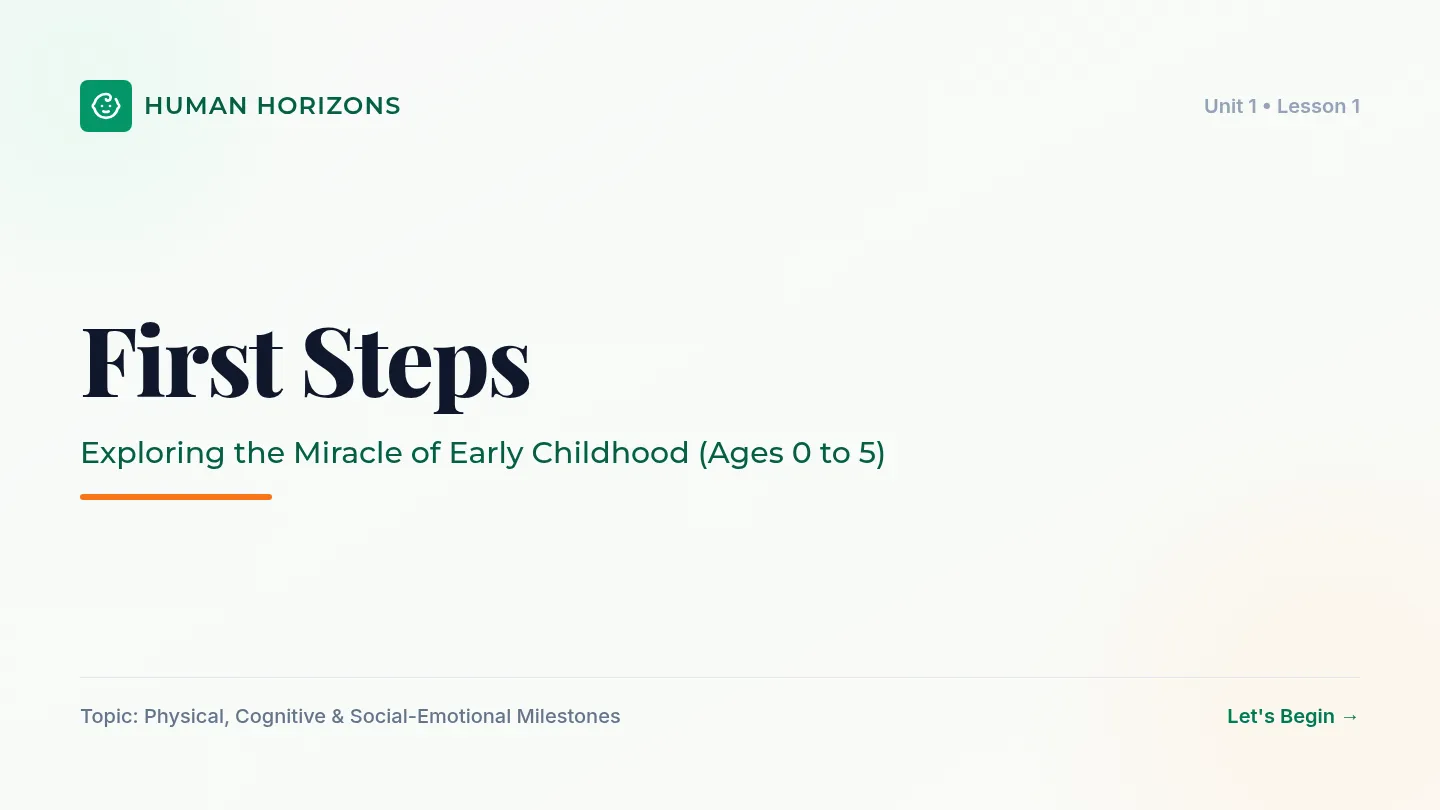
A comprehensive unit on child development from birth through age 18, focusing on physical, cognitive, and social-emotional growth across early childhood, middle childhood, and adolescence.
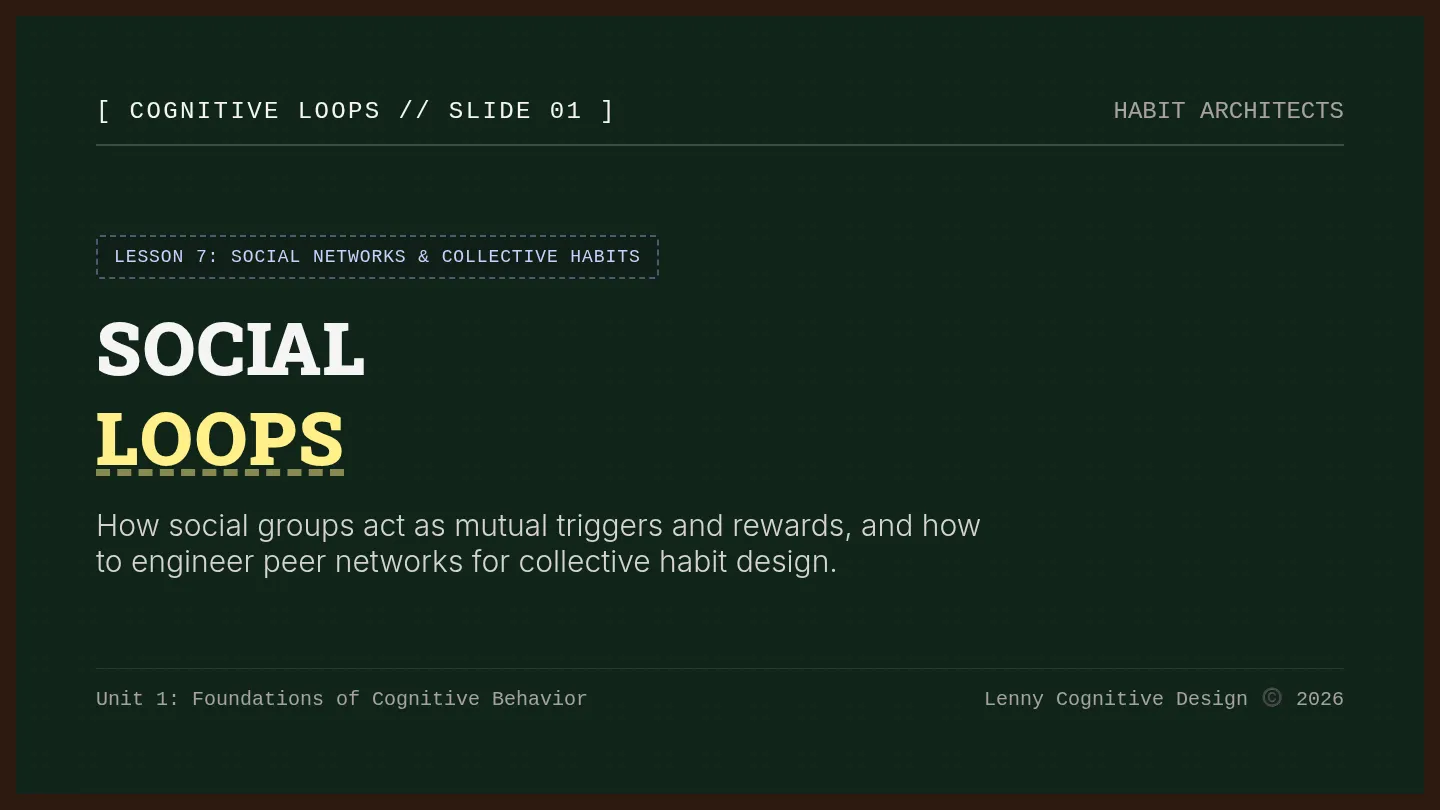
Lesson 7 of the Habit Architects unit. Students deconstruct how social groups influence habit cues and design supportive loops to engineer collective habits.
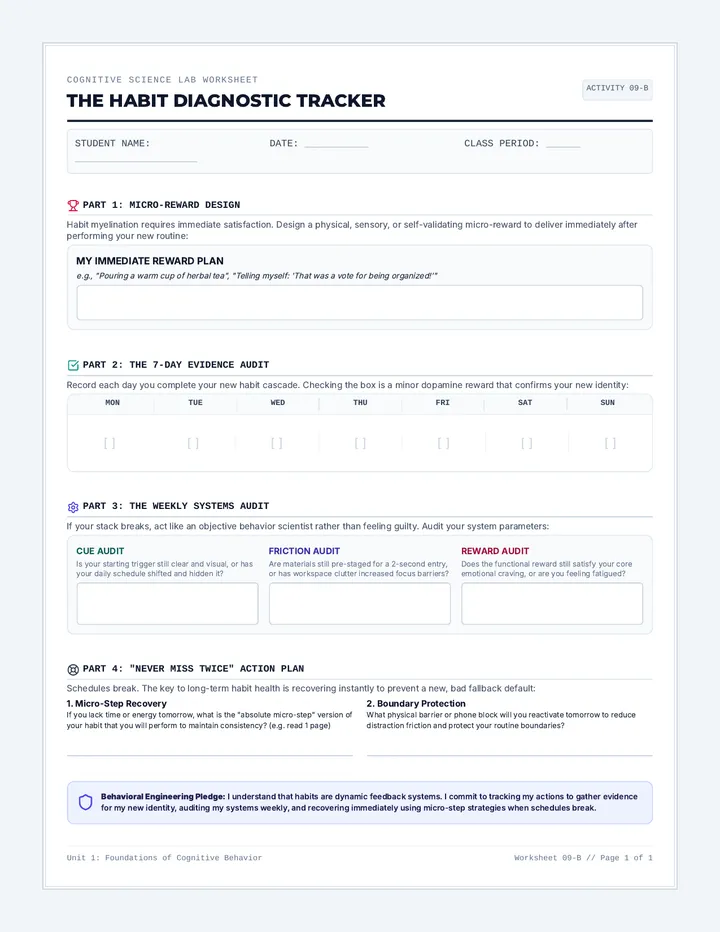
A hands-on student worksheet providing a 7-day tracking log, a micro-reward design space, and a system diagnostic checklist to identify, adjust, and recover disrupted habit routines.