Social Contract Journal Worksheet Citizen Journal
Case Study: The Social Contract & Right to Revolution
Citizen Name:
Date:
PART 01
The Moral Compass
"Is violence ever justified to change a government?"
PART 02
Evidence Briefing
As you watch "The Social Contract in Action," focus on the central question posed by the narrator: "If a government doesn't protect its people, should they be able to replace it?"
Locke's Natural Rights Trilogy
Historical Failures
List specific grievances mentioned in the video
PART 03
Modern Resonance
Identify a current event (from the last 5 years) where citizens are protesting or challenging their government. How does this connect to Locke’s idea of a "broken" social contract?
Conflict/Nation Location:
Analysis of the "Breach":
Why do the people feel the contract is broken? Is their response justified under Locke’s theory?
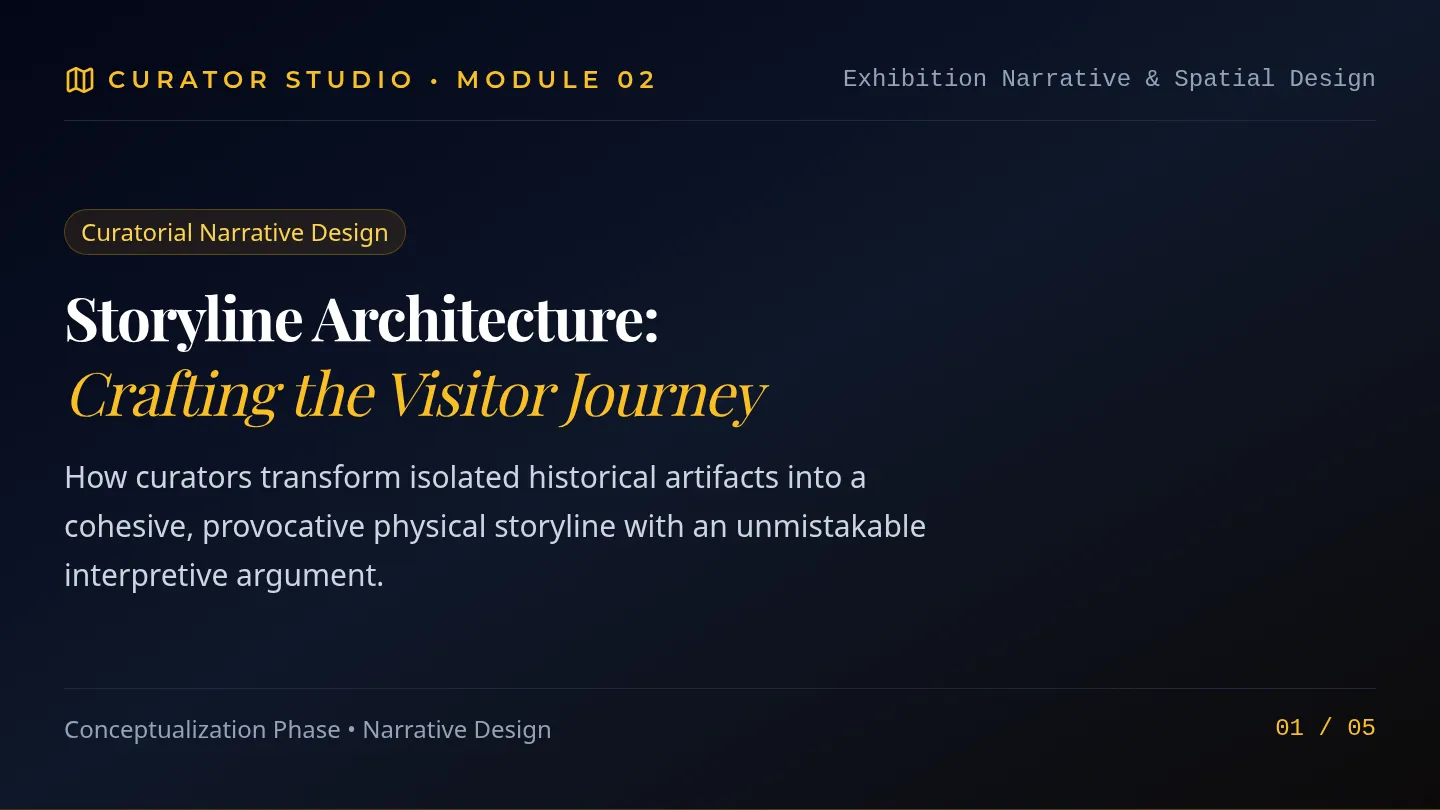
Broken Contracts Slides Unit: Enlightenment Power
Broken
Contracts
Locke, Legitimacy, and the Right to Revolt
10th Grade Government
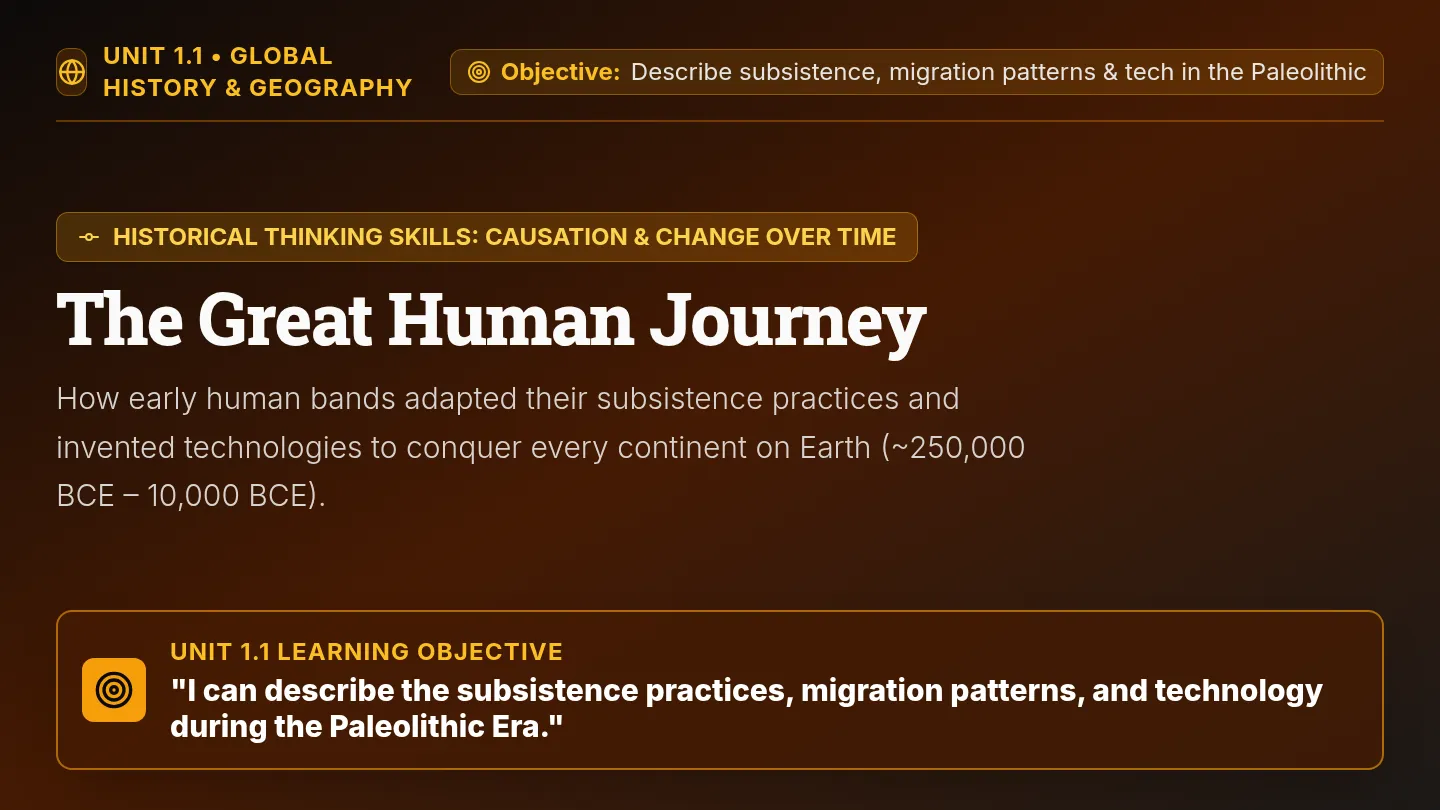
The Moral Compass
Journal Warm-up 5 Minutes
"Is violence ever justified to change a government?"
Respond in your Citizen Journal
Evidence Briefing
Film Study
Embedded media
Observation Focus:
"If a government doesn't protect its people, should they be able to replace it?"
The Locke Philosophy
Natural Rights
Rights that are inherent to all humans: Life, Liberty, and Property.
The Social Contract
An agreement where citizens follow laws in exchange for the protection of their rights.
The Core Rule
"When the government becomes a predator instead of a protector, the contract is null and void."
— John Locke, Two Treatises of Government
Socratic Showdown
Discussion Guide
The Essential Question
"At what specific point is a Social Contract considered broken?"
Evidence 1
The Video Transcript
Evidence 2
Decl. of Independence Excerpts
Ground Rules
Cite specific evidence from the text/video.
Build on others' ideas ("Yes, and...")
Challenge ideas, not people.
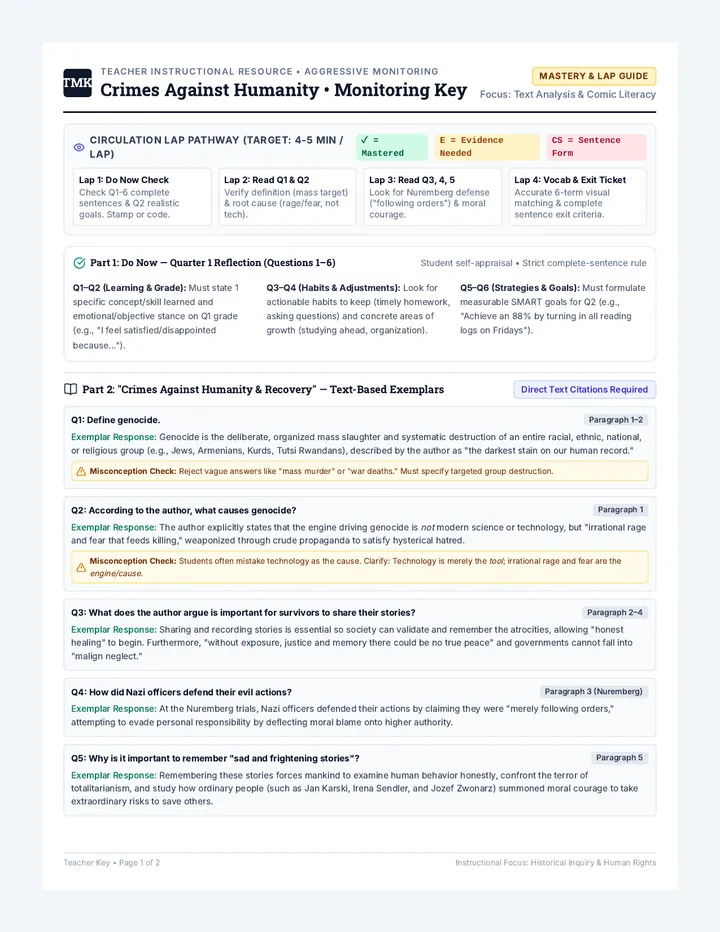
Socratic Showdown Discussion Cards Socratic Showdown
Discussion Prompt Cards: The Right to Revolt
Level: Foundational
The Threshold of Tyranny
"At what specific point does a series of unfair taxes (like the British ones mentioned in the video) transform from 'annoying government policy' into a 'breach of contract'?"
Ref: Video [07:17 - 07:51]
Level: Analytical
The Hierarchy of Rights
"Locke lists Life, Liberty, and Property. Which of these, if violated, is the 'fastest' justification for revolution? Can you have liberty without property?"
Ref: Locke's Trilogy
Level: Complex
The Minority Voice
"What happens if 51% of people feel the contract is being kept, but 49% feel it is broken? According to Locke, who has the right to decide when the revolution begins?"
Ref: Sovereignty of the People
Level: Evaluative
The Haitian Paradox
"The video mentions Toussaint L'Ouverture in Haiti. How did enslaved people interpret 'natural rights' differently than the French or American elites? Why was their revolution considered so threatening?"
Ref: Video [08:23 - 08:45]
Level: Synthesis
Digital Contracts
"In a modern democracy, do we still have a 'right to revolution,' or has the 'vote' replaced the 'musket' as the only legal way to change the contract?"
Ref: Extension Question
Level: Critical
After the Breach
"Locke says the people can 'replace' the government. What is the danger of tearing down a government without a clear 'new contract' ready? Use the French Revolution as an example."
Ref: Video [05:35 - 06:10]
Evidence-Based Inquiry • Lockeian Theory • 10th Grade Government
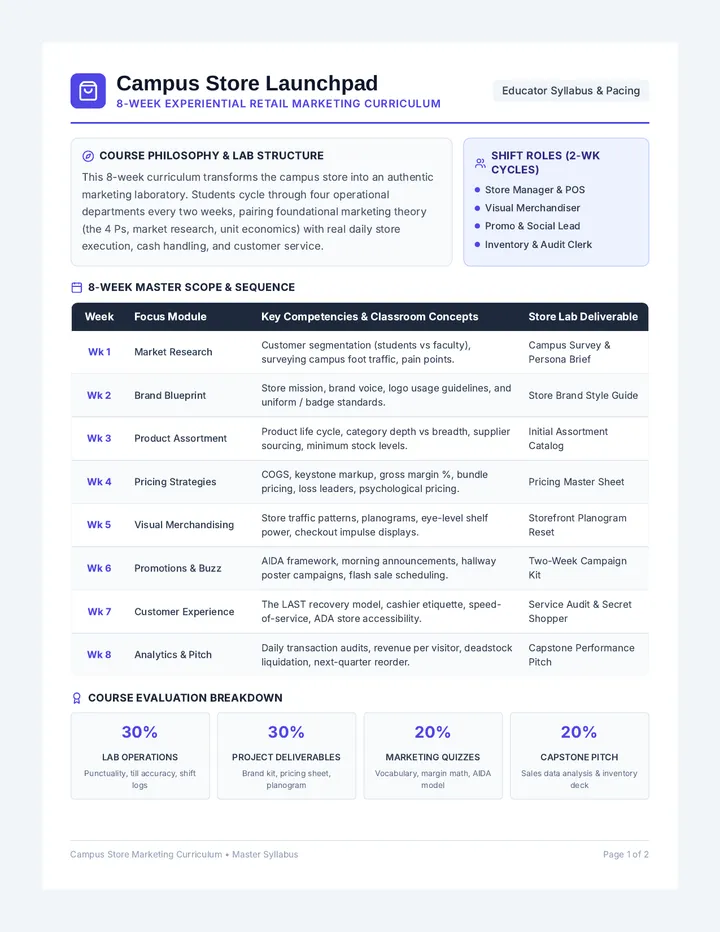
Revolutionary Rubric Teacher Guide Revolutionary Rubric
Teacher Facilitation Guide & Assessment
LESSON 01
Instructional Objective
Students will analyze the philosophical justification for revolution by applying John Locke’s Social Contract theory to historical examples (American/French Revolutions) and modern-day protests.
Pacing & Flow
00:00 - 00:05 Warm-up: The Moral Compass (Journal)
00:05 - 00:15 Video Viewing & Natural Rights Charting
00:15 - 00:40 Activity: Socratic Seminar Showdown
00:40 - 00:45 Extension: Modern Breach Analysis
Key Concepts
Natural Rights
Life, Liberty, Property
Sovereignty
Power resides in the people
Legitimacy
The 'right' to rule based on consent
Seminar Facilitation Tips
Discussion Scaffolding
If the discussion stalls, use the "Historical Anchor" technique. Ask students to specifically point to the British Tea Tax mentioned in the video. Was the tax itself the problem, or the fact that they didn't consent to it? Locke argues it's the lack of consent that breaks the contract.
Common Misconceptions
Students often think any "bad law" justifies revolution. Remind them that Locke emphasized a "long train of abuses." Revolution is a last resort, not a first response to a single unpopular policy.
Assessment Rubric
Criteria Exceeds (3) Meets (2) Below (1) Evidence Usage Directly quotes video or Declaration of Independence to support all claims. References specific events (e.g., Haiti, French Rev) generally. Makes broad claims without specific evidence. Theoretical Depth Correctly applies Locke's terms (Social Contract, Natural Rights) to new scenarios. Shows basic understanding of the "protection for laws" trade-off. Confuses 'rights' with 'laws' or 'government' with 'ruler.' Engagement Actively builds on or respectfully challenges peers' ideas. Participates at least twice with relevant comments. Disruptive, off-topic, or refuses to speak.
Teacher Answer Key: "The Breach"
The 'Breaking Point' in Video Examples:
England: King Charles I attempting absolute rule without Parliament (The breach: ruling without consent).